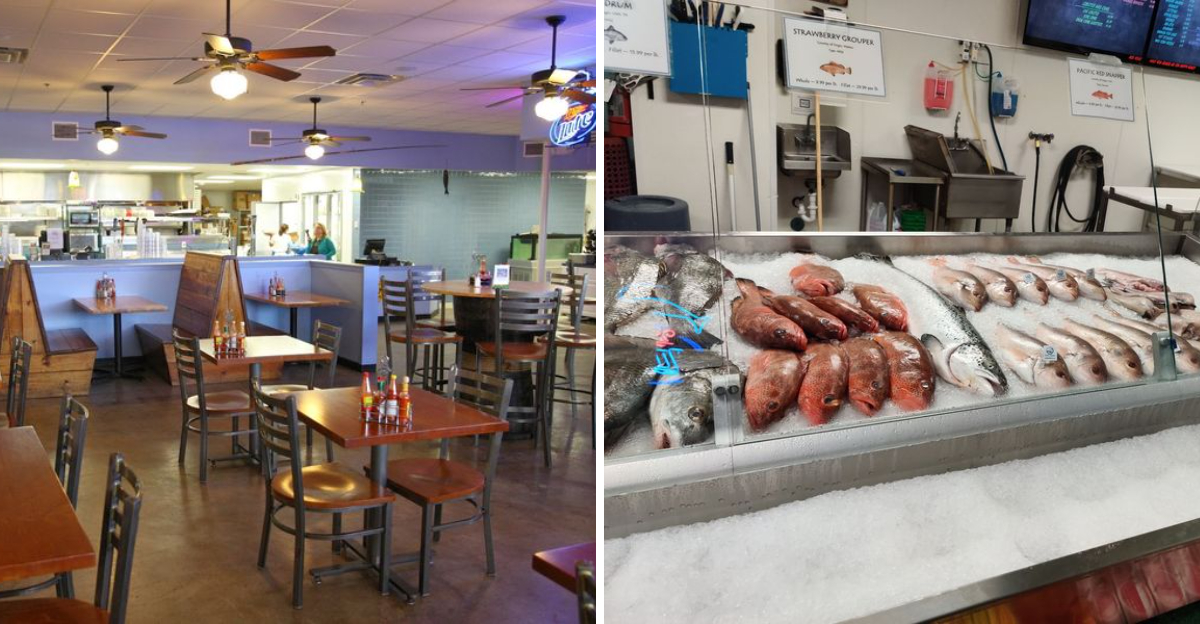
Buying seafood and immediately realizing somebody else could cook it better is a problem this Texas institution is very well equipped to solve.
Operating since 1938, it combines a serious fresh-fish market with a counter-service restaurant, so shrimp, oysters, catfish, cod, salmon, trout, and other seafood are surrounded by people who actually know what to do with them.
The kitchen grills, blackens, and fries seafood, while the retail side gives home cooks plenty to take away, making the whole place feel like a fish market and lunch counter decided there was no good reason to live separately.
Texas may be a long way from pretending every city is coastal, but this setup makes fresh seafood considerably easier to take seriously.
A Fish Case That Doubles as a Menu
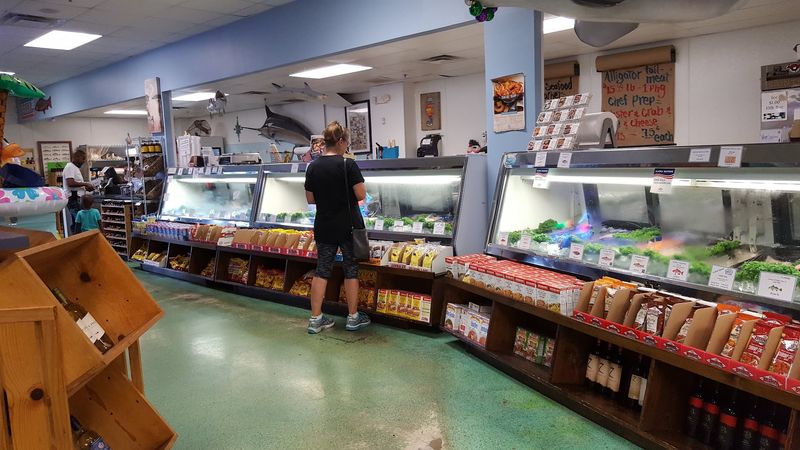
© Quality Seafood Market
Picking dinner out of a display case changes the whole rhythm of a meal. Instead of scanning a laminated menu, shoppers lean over crushed ice and study what actually came in that week.
The lineup shifts, which is part of the fun. Texas Gulf black drum sits near Atlantic salmon, ruby red trout, fresh USA catfish and Icelandic cod, each one labeled and ready.
Gulf shrimp usually take up a generous stretch of the case. Oysters from both the Gulf and the East Coast show up too, along with crab legs and lobster for anyone feeling ambitious.
Sourcing stretches far past Texas. Product arrives from the Gulf Coast, from Alaska, and even from Iceland, which explains the variety packed into one modest counter.
What makes the case special is the second option written right beside it. Anything chosen can be wrapped up raw for the drive home, or handed straight back to the kitchen for cooking.
The retail fish market keeps its own hours, running Wednesday through Saturday from 10:30 in the morning until 5 in the afternoon. Plan around that window if the goal is to browse the full selection.
My advice for first-timers is simple. Take an extra minute at the glass, ask what looks best that day, and let the answer decide the meal instead of arriving with a fixed plan.
That approach almost always leads somewhere good. Fresh beats familiar nearly every time, and the case makes the choice easy.
Pick It, Then Choose How It Gets Cooked
Handing over a raw fillet and naming a cooking method feels a bit like placing a custom order at a hardware store. Practical, direct, and oddly satisfying.
Grilling is the option I gravitated toward first, mostly because it lets the fish taste like itself. Blackening comes next for anyone who wants heat and a peppery crust.
Frying is the crowd favorite, and it is easy to see why. A crisp golden coating turns catfish or shrimp into something almost impossible to stop eating.
Broiling shows up for certain varieties too, with Icelandic cod being a natural fit for that gentler treatment. Lighter, flakier, and less messy.
The flexibility here is the real draw. One table can share the same fish prepared three different ways, which settles arguments before they start.
Ordering happens at a counter, and the food arrives at the table afterward. No formal service routine, no waiting for menus, just a short conversation and a number.
A small tip worth remembering: pair a bolder preparation with a firm fish and save the delicate fillets for grilling or broiling. Texture matters as much as seasoning.
Portions tend to be generous, so consider splitting if the plan includes appetizers. There is no shame in a to-go box.
By the time the tray lands, the whole process feels like something learned rather than bought. That is a rare thing in a restaurant, and it sticks with you.
Nearly a Century of Austin History Under One Roof
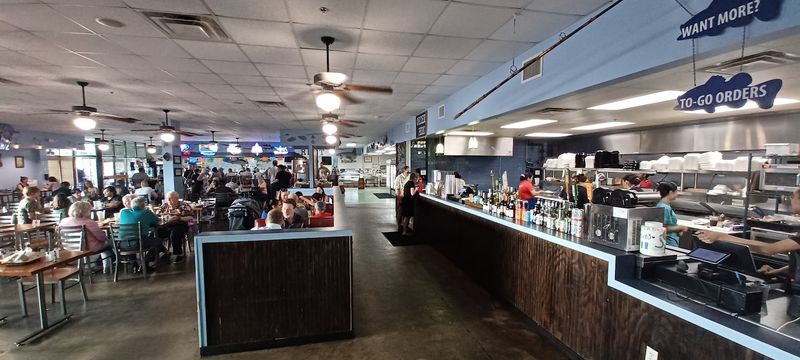
Few Austin businesses can claim a start date of 1938, and this one wears the number well. What began as a modest stall grew into a fixture that outlasted most of its neighbors.
The move happened in 1970, and that address has anchored the operation ever since. More than half a century in one spot builds a certain kind of loyalty.
Space was the whole reason for the relocation. The current building holds a full kitchen, a retail seafood market, and room for wholesale work, all under a single roof.
That three-part setup explains a lot about the atmosphere. Restaurant guests, home cooks, and commercial buyers all pass through the same doors on a busy afternoon.
Longevity in the seafood business is not luck. Keeping fish fresh in Central Texas, hundreds of miles from the coast, requires supply lines that have been refined over decades.
Old Austin references get thrown around a lot, but this place genuinely predates the skyline. It was here long before the city became a food destination.
Walking the market side, the history feels lived-in rather than staged. Nothing looks curated for photos, and that honesty is refreshing.
Anyone interested in the city’s food past will find this a worthwhile stop, even before ordering. History plus lunch is a strong combination.
Bring a little curiosity along with an appetite. The building has stories built into its walls, and the fish counter is only chapter one.
Sharks Overhead and Cartoon Sea Creatures on the Walls
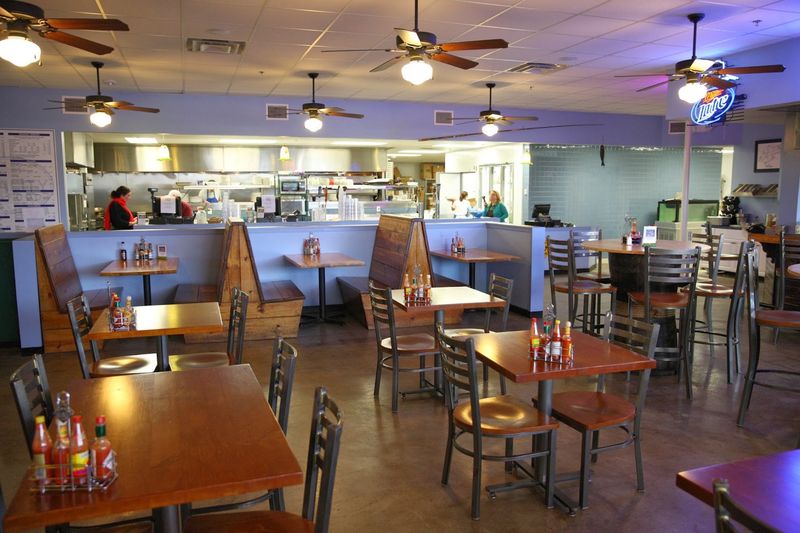
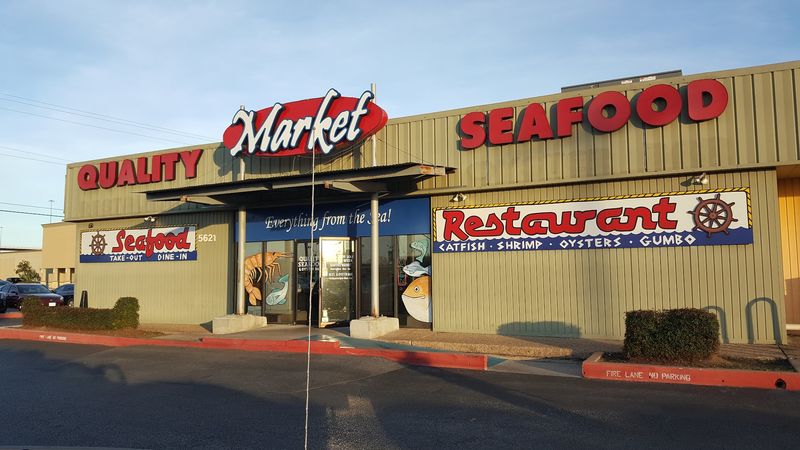
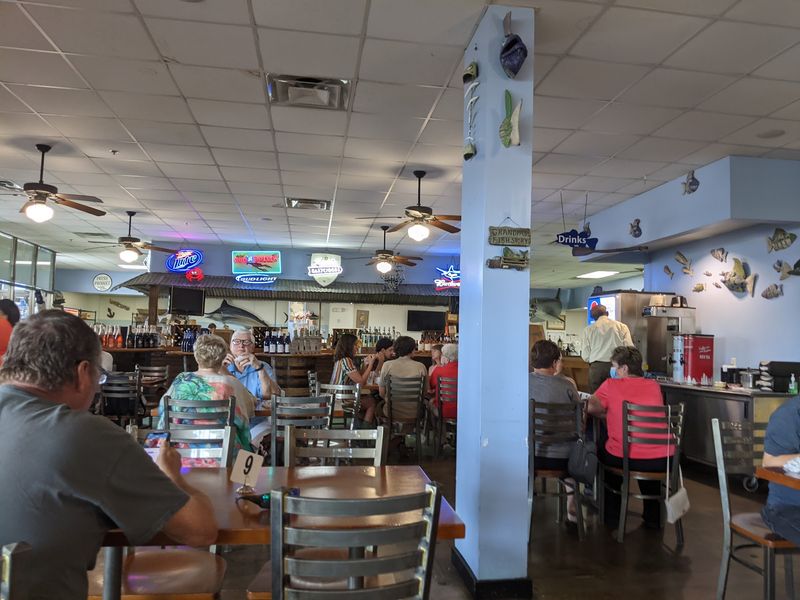
Look up, and there is a shark. Actually more than one, hanging from a tin-roofed ceiling like props from a very cheerful nautical fever dream.
The decor commits fully to its theme without a trace of self-consciousness. Cartoon murals of fish, crabs, and other sea creatures cover the walls in bright, slightly goofy strokes.
The shack-like aesthetic works because it feels earned. Corrugated metal, painted surfaces, and hand-lettered touches give the room a coastal-fish-camp personality despite being in landlocked Austin.
Kids tend to lose their minds over the ceiling displays, and honestly, so do plenty of adults. It is the kind of interior that invites pointing.
Seating comes in the form of tables and benches spread across a roomy dining area. Family-style groups fit comfortably, and nobody feels rushed out.
The noise level lands somewhere pleasant. Conversation carries, trays clatter, and the whole space hums without becoming overwhelming.
For anyone traveling with a camera, the murals make an easy backdrop. Just be prepared to wait a moment while other visitors do the same.
What I appreciated most was how unpretentious it all felt. Paper-lined trays, casual seating, and painted fish set expectations perfectly.
Nobody comes here for white tablecloths, and that is exactly the point. The room tells you to relax and eat with your hands if necessary.
Grab a bench near the middle for the best view of the hanging sharks. Worth it.
Counter Ordering and the Easy Pace of Lunch
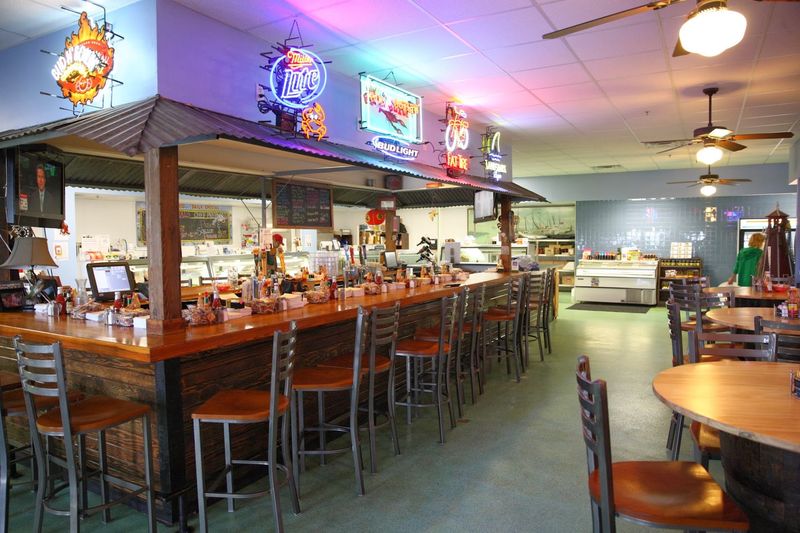
Ordering at a counter removes a surprising amount of stress from a meal. Step up, decide, pay, sit down, and the food finds you.
The setup keeps things moving even when the dining room fills up. Trays come out to the table, so there is no juggling plates across a crowded room.
Lunchtime brings a steady flow of office groups, families, and solo visitors. The line moves faster than it looks from the door.
Reading the board ahead of time helps. Cooking options, market selections, and daily offerings are all posted, which makes the decision less overwhelming once it is your turn.
Because the market and restaurant share a building, some guests are buying by the pound while others are settling in to eat. Both flows coexist without much friction.
Timing tip: arriving slightly before or after the peak midday rush makes browsing the fish case far more relaxed. The retail counter closes earlier than the kitchen, so plan accordingly.
Nobody hovers, and no one rushes the table. That freedom to linger over a tray of shrimp is part of the charm.
Solo diners fit in easily here, which is not always true of family-style restaurants. A bench seat and a po’boy make a perfectly respectable afternoon.
The whole rhythm feels distinctly Austin. Casual, friendly, and built around the food rather than the formality.
Come hungry, bring patience for the line, and the rest sorts itself out.
Gumbo, Chowder, and the Comfort Side of the Menu
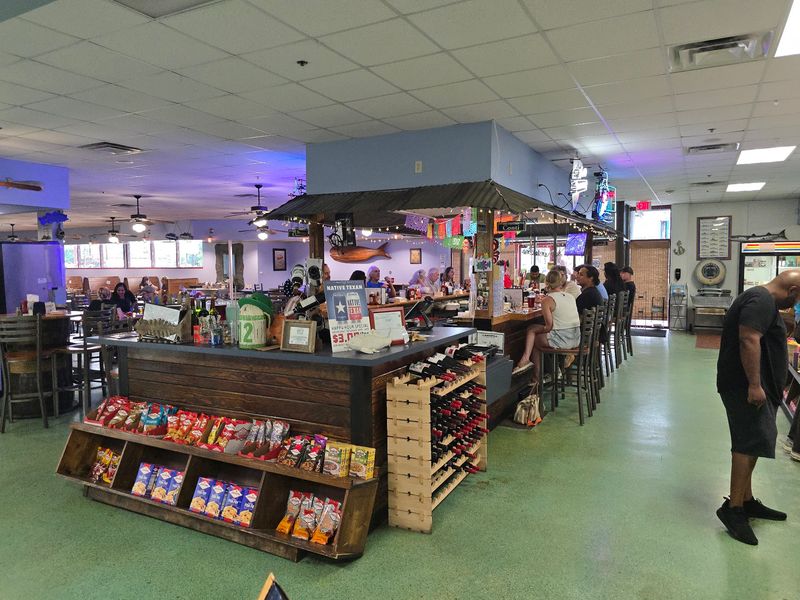
Cold weather in Austin is rare, but the soup selection here would hold up anywhere on the Gulf Coast. Hearty is the operative word.
Seafood gumbo shows up dark and full of flavor, the kind of bowl that makes a spoon feel inadequate. Crawfish etouffee sits nearby for anyone leaning Louisiana.
Clam chowder rounds out the trio, thick enough to stand a cracker upright. All three feel like they were built for sharing.
Appetizers deserve attention too. Peel and eat shrimp, clam strips, popcorn shrimp, mussels finished with a shallot butter, boudin balls, and crab cakes cover a lot of territory.
Po’boys are the substantial choice, loaded with fried or blackened seafood and built to be eaten with both hands. Napkins are not optional.
Dessert keeps things simple in the best way. Peach cobbler and banana pudding close out a meal without any fuss.
Ordering strategy matters if the table is sharing. A cup of gumbo alongside a custom-cooked fillet makes for a nicely balanced plate.
The soups also travel reasonably well, which makes them a smart pick for anyone heading back to a hotel or rental kitchen.
What stands out is how the comfort dishes complement the pick-your-own concept rather than competing with it. One side is precise and customized, the other is warm and familiar.
Save room for cobbler. That is the entire tip.
Taking Seafood Home by the Pound
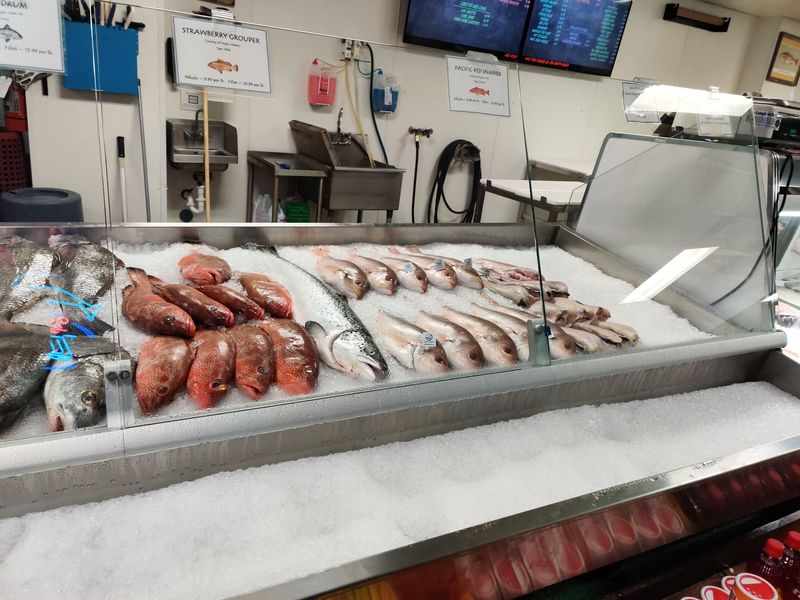
Half the crowd here never sits down. They come with a plan, a cooler, and a recipe waiting at home.
Buying raw is where the market side really shines. Fillets get wrapped, weighed, and handed over with the same care given to a restaurant order.
Oysters, crab legs, and lobster make regular appearances in the case, which opens up options well beyond a simple weeknight fillet.
Shrimp from the Gulf are a common grab, and the variety of finfish means home cooks can experiment without a long drive to the coast.
Remember the retail hours before making the trip. Wednesday through Saturday, from 10:30 to 5, is the window for the full fish market experience.
Bringing an insulated bag is smart, especially during a Texas summer. Austin heat is unforgiving to fresh seafood.
Wholesale operations also run out of the same building, which speaks to the volume moving through the coolers. High turnover generally means better freshness.
For visitors staying somewhere with a kitchen, this becomes a genuinely useful stop. A vacation rental grill plus a pound of Gulf shrimp is a solid dinner plan.
Ask about cooking suggestions while the order is being wrapped. The staff handle these questions constantly and know the products well.
Even without a kitchen, the case is worth browsing. Seeing where the restaurant’s fish comes from adds real context to the meal, and it makes the whole operation feel transparent in a way few places manage.
Crawfish Boils, Catering, and Group Gatherings
Boils bring out a different energy entirely. Long tables, piles of shells, and everyone eating with their hands.
Catering is a real part of the operation here, with menus put together by the kitchen team for events of various sizes. Crawfish, shrimp, and lobster boils lead the list.
The appeal of a boil is the shared chaos. Nothing gets plated neatly, and that is exactly why it works for a party.
Because the same building houses the kitchen, the market, and wholesale space, scaling up for a group is built into the design rather than bolted on.
Crawfish season in Texas creates real anticipation, and having a trusted source in Central Texas matters when planning ahead.
For travelers, this side of the business is worth knowing about even without booking anything. It explains why the place feels like a community hub rather than just a lunch counter.
Large family groups fit comfortably in the dining area too, thanks to the tables and benches. No need for a special occasion.
Anyone organizing a gathering in Austin should ask about options early, particularly around peak crawfish months when demand climbs.
What ties everything together is consistency. The same commitment to freshness that fills the retail case shows up in the catering side.
After a visit, the appeal is obvious. Pick a fish, choose how it is cooked, eat under a hanging shark, and maybe carry a pound home for later.
Address: 5621 Airport Blvd, Austin, Texas
