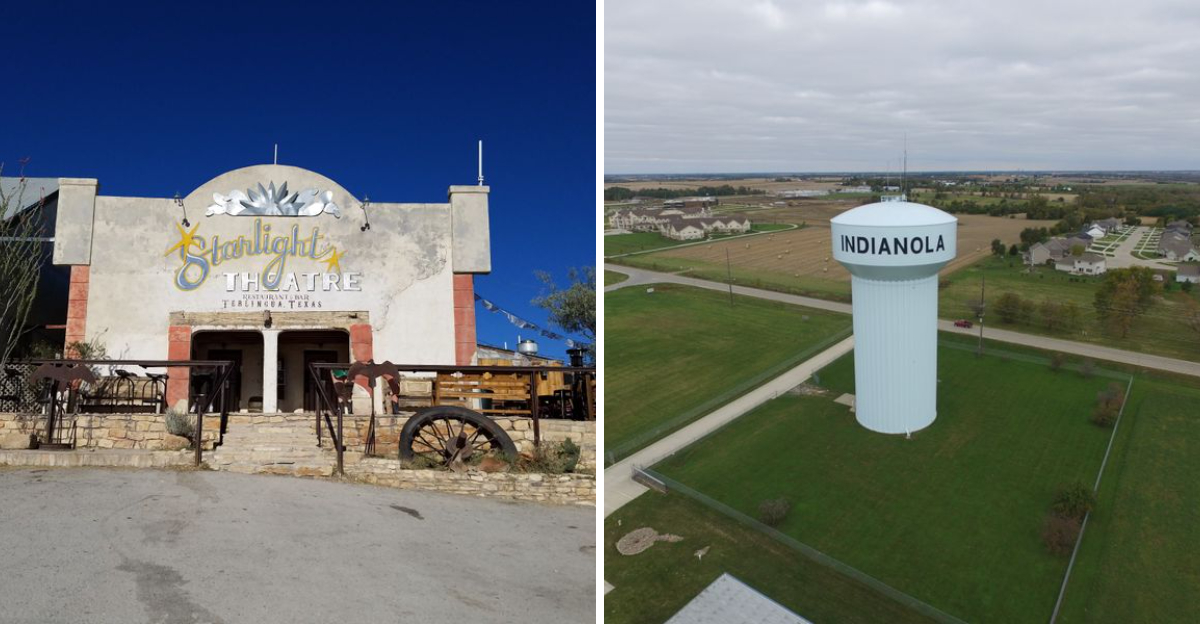
Texas holds more ghost towns than most travelers realize, and each one whispers a different chapter of migration, ambition, and loss.
You can stand on cracked main streets, trace faded rail beds, and watch the wind lift dust where crowds once gathered.
These places are quiet now, yet their buildings and cemeteries still answer when you ask the right questions.
Come along to nine Texas sites where history lingers, and the landscape keeps the stories safe.
1. Terlingua
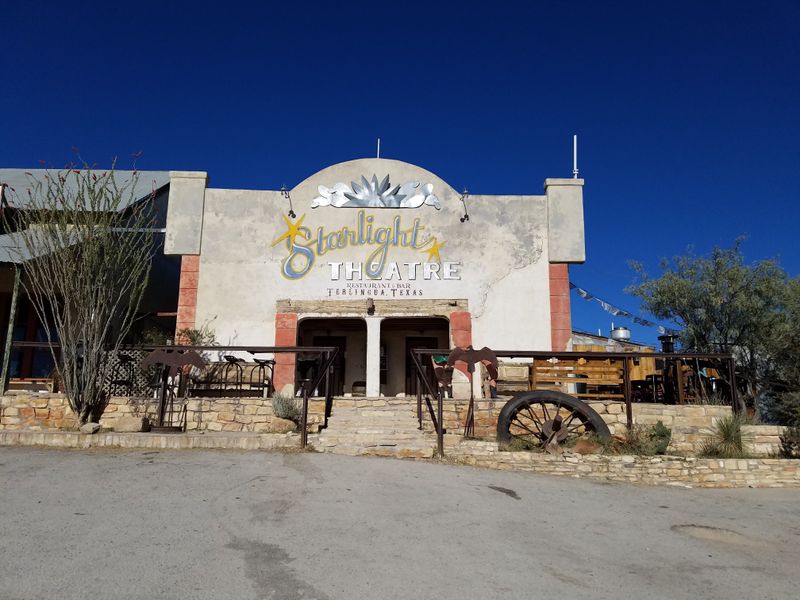
Terlingua rests in the Chihuahuan Desert, surrounded by the peaks of Big Bend, and the silence feels like a second sky.
Ruined company homes and the old Chisos Mining Company store sit along dusty paths, where the light turns stone to gold near sunset.
You can wander the Terlingua Cemetery and read weathered markers that reveal family stories shaped by heat and hard rock.
The Starlight Theatre anchors the revived core with live music and a spirited porch scene that feels welcoming without losing the town’s grit.
Artists have turned abandoned rooms into galleries, so color and texture appear against adobe that still remembers the mine.
The desert trailheads lie close, and the Rio Grande canyons wait just down the road for sunrise paddles and starry drives.
During the famous chili gatherings, travelers camp, swap recipes, and trade tales that mix with the scent of creosote after rare rain.
The landscape seems to erase time, yet hand painted signs and scattered ore buckets pull the past back into view.
Respect private property and the fragile ruins, because thin walls and old timbers break easily under careless feet.
Bring water, a hat, and patience, and let the quiet teach you what endurance looks like in West Texas.
2. Indianola
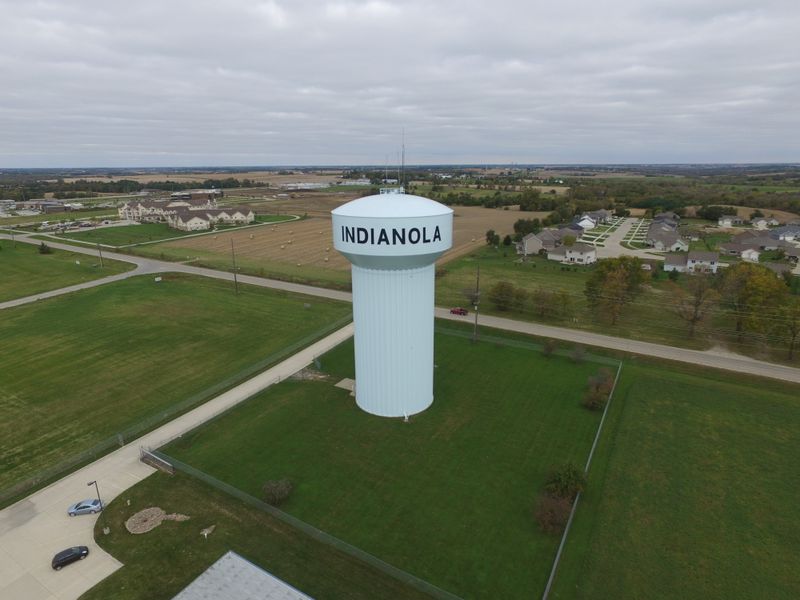
Indianola faces Matagorda Bay, where wind moves the water like a page turning slowly.
Only monuments, shells, and the geometry of old foundations hint at a port that once welcomed ships and languages from across the Atlantic.
Hurricanes pushed the town into memory, and the shoreline kept shifting until the maps learned a new outline.
Interpretive signs near the Calhoun County Historical Marker explain how freight, mail, and hopes landed here before rail lines took the inland route.
Birds work the shallows while anglers space out along the shore, and the quiet never feels empty.
The coastal light can be harsh at noon, so morning and late afternoon bring softer color for photos of the waterfront site.
You will find scattered relics but not a street grid, because time and tide flattened almost everything.
Stay mindful of private land and respect posted areas around bayfront residences.
The mood invites slow steps and a willingness to imagine storefronts where only ripples move.
Texas history sits right at your feet here, mixed with oyster shell and a breeze that still tastes like departure.
3. Bluffton
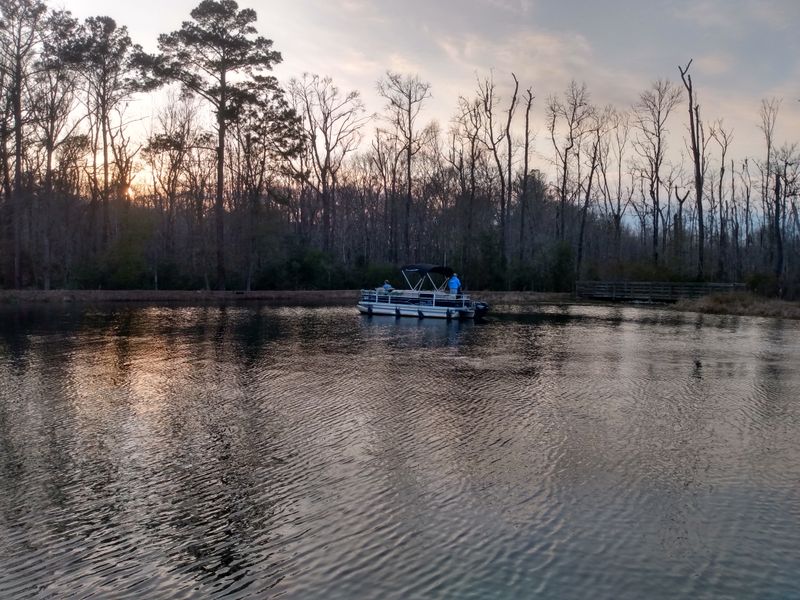
Bluffton sleeps beneath Lake Buchanan, and drought years pull its bones back into the sun.
When water drops, you can pick out foundations, fence lines, and the places where front steps once faced a dirt road.
The lake edge moves like a curtain, revealing a set that changes with every season.
Historic markers in the area describe homesteads, ranching, and the decision to relocate before the dam closed the river.
Locals remember the shift with a mix of pride and ache, because a lake brings power and cool air yet covers a neighborhood.
The cemetery tells the most durable version of events, with stones that outlast flood and sunlight.
Access depends on water level, so check recent lake reports before planning a shoreline walk.
Watch for mud, soft ground, and delicate artifacts that should be left where they rest.
The view across the water takes in the Hill Country, and the wind draws ripples that blur the past again.
Texas keeps many towns in reservoirs, but few reappear as clearly as Bluffton on a lean year.
4. Glenrio
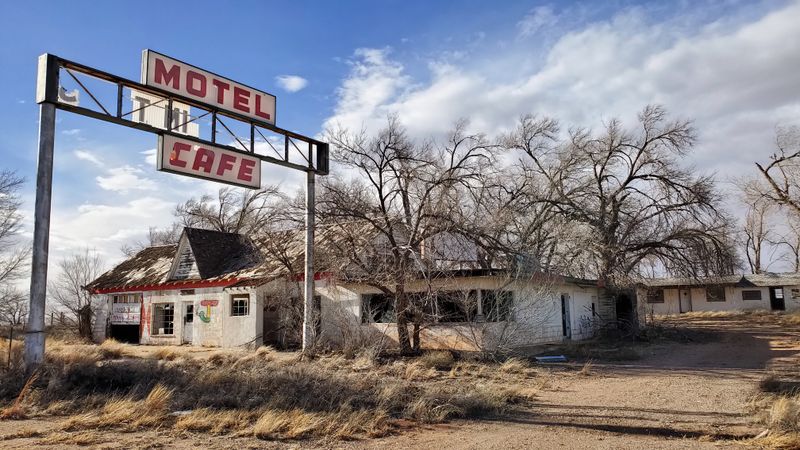
Glenrio sits on the Texas New Mexico line, and the road itself feels like the main character.
Old motels, service bays, and a silent cafe face the asphalt with a pose that still sells the dream of distance.
When the interstate bypassed town, commerce vanished faster than the paint could fade.
Today the facades remain as film ready backdrops for anyone chasing Route 66 lore without the noise of crowds.
Respect posted signs and stay outside fragile buildings, because roofs and floors can fail without warning.
Wind carries the scent of sage and dust through window frames that frame the horizon better than any lens.
Light changes everything here, so arrive early or late to find shadows that carve texture into stucco and brick.
Trucks whisper along the distant interstate, and the old road keeps its two lane rhythm.
This borderland feels honest, and photos reward patience and careful angles.
Panhandle miles can be long, but Glenrio makes them feel like a story you can still touch.
5. The Grove
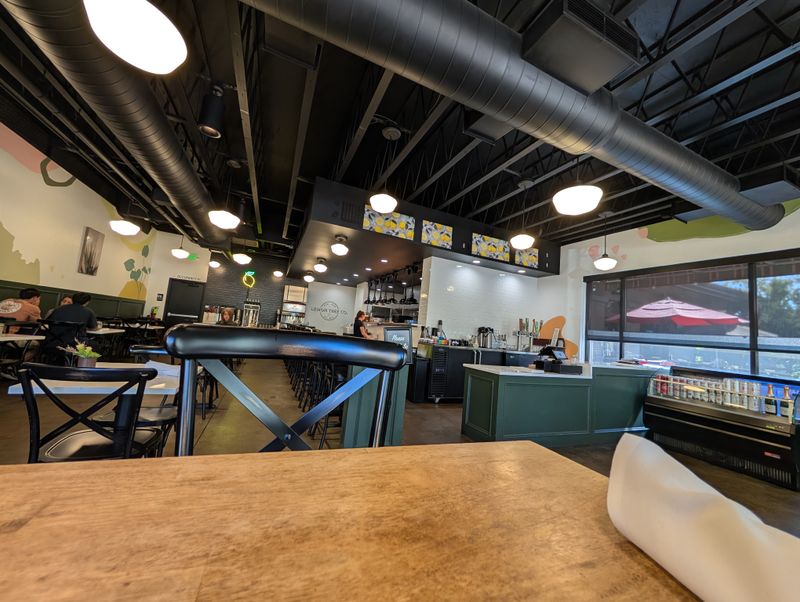
The Grove lives among oak trees and pastureland, and the stillness feels like a community meeting that never quite adjourned.
A historic Lutheran church anchors the scene, and its white walls brighten the shade like a lantern.
Storefronts and farm buildings recall a cotton era that faded when roads and training grounds shifted the map.
Gravel lanes draw you past fences and porch steps that welcome photos and quiet reflection.
The local museum opens on select days, so check schedules before you drive the backroads.
Docents share family names and stories that turn dates into lived experience.
The cemetery sits nearby with stones aligned to the breeze and the low murmur of insects.
Please keep to public areas and respect church grounds, which remain active for gatherings and events.
The trees earn the town its name, and their shade makes summer visits comfortable.
Central Texas keeps its heritage here, steady and careful, like a handshake that still means something.
6. Shafter
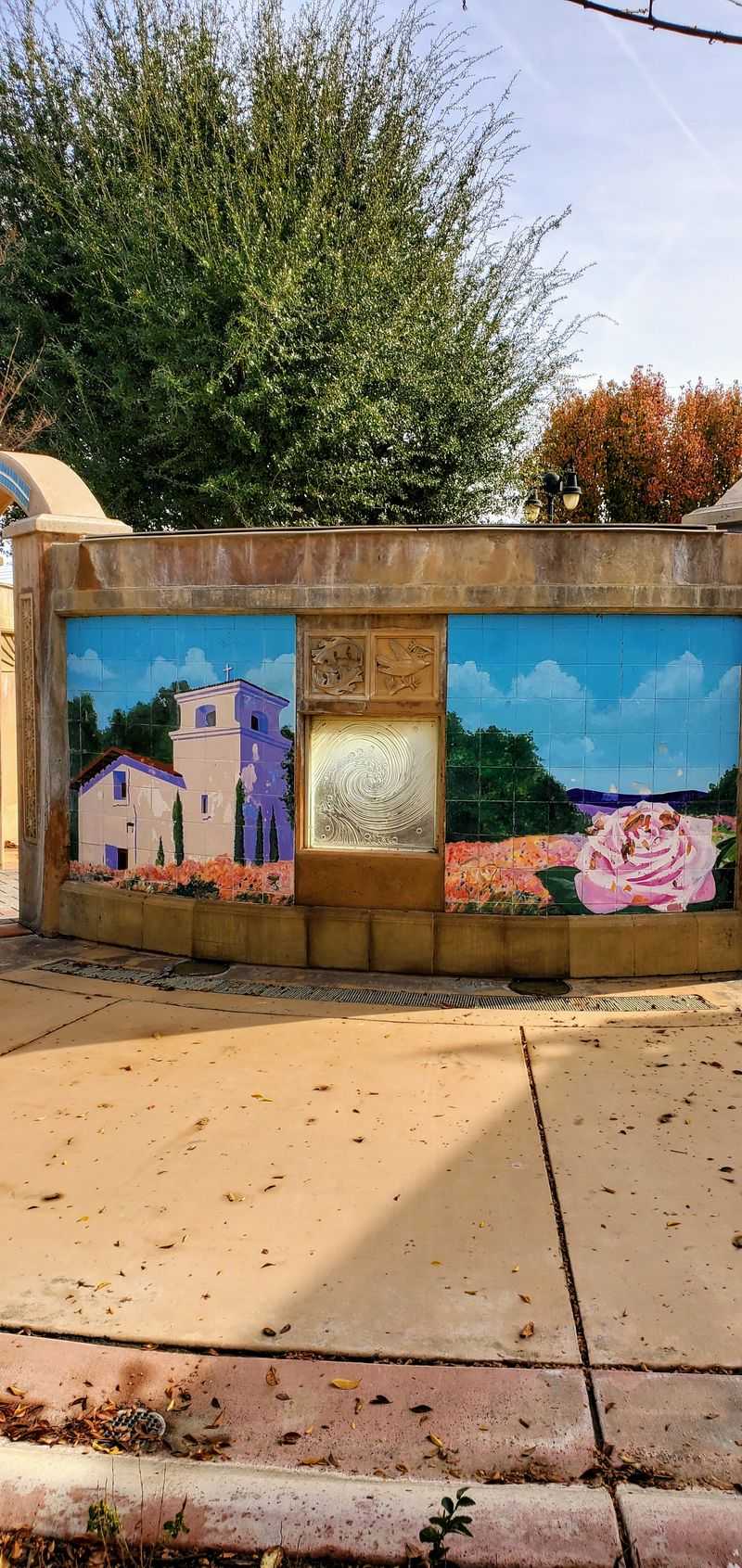
Shafter hides along the Rio Grande borderlands, where silver once pulled workers to a narrow canyon.
Adobe walls and slag piles outline the town that grew, shrank, and settled into a quiet loop of dirt streets.
The cemetery on the hill looks across to low mountains that keep their color even in harsh light.
Interpretive panels describe mine shafts, processing sites, and the families who balanced risk with hope.
A small post office and scattered homes remind visitors that this is still a living place.
Stay on roads and ask locally before exploring structures that may sit on private property.
The church stands white against the rock, marking the center with a bell that once timed work and worship.
Photographers love the textures here, because adobe, wood, and rust create layers that read well on any camera.
Desert weather shifts quickly, so carry water, sun protection, and a plan for remote driving.
West Texas keeps its stories long, and Shafter tells them quietly to anyone who walks slowly.
7. Lobo
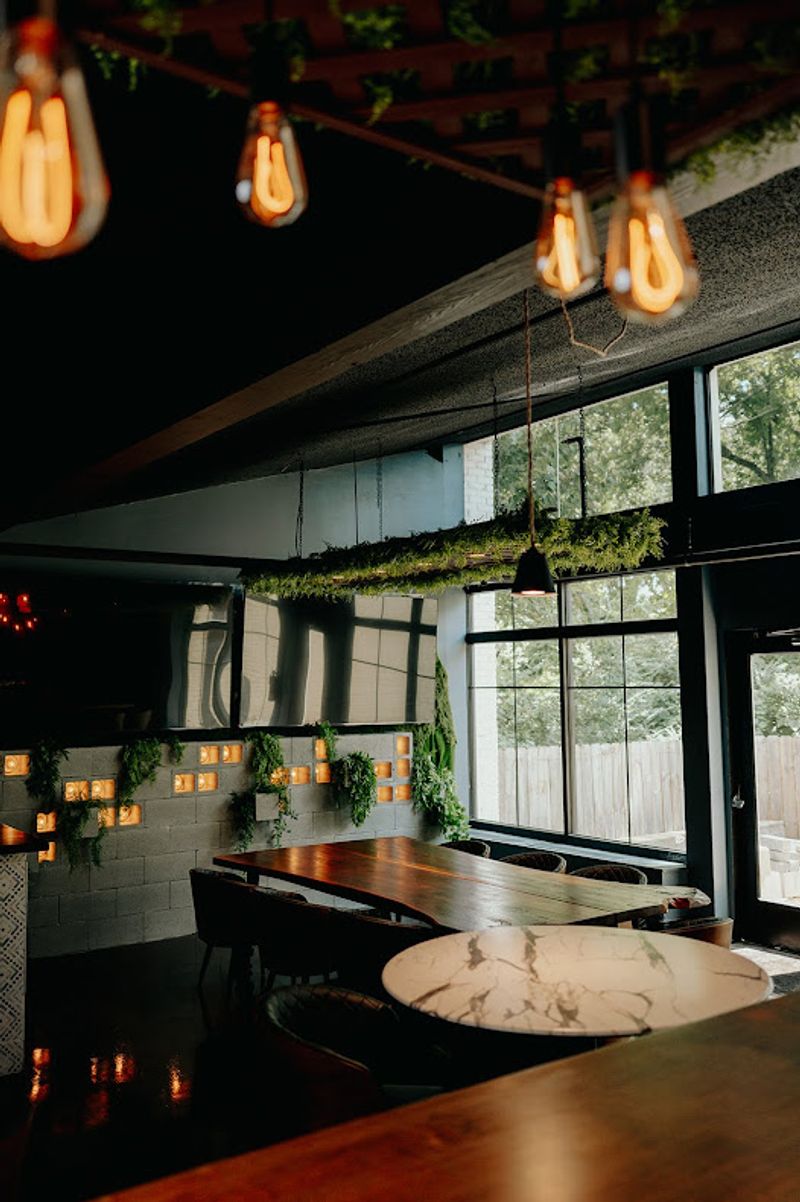
Lobo rests in a shallow basin west of the Davis Mountains, where a rare water source once promised permanence.
Wood frame houses and cinder block rooms stare into the desert, and their windows hold the color of the sky.
The town is privately owned, so visits require permission and a respectful approach to gates and signs.
Events sometimes bring life back to the courtyard, with lights strung low and conversations that drift into the warm night.
Between gatherings, the streets return to stillness and the rattle of dry grass.
The railroad line nearby explains why a settlement gathered in the first place.
Water shaped daily routines here, from cisterns to shared taps that made gardens possible in a hard climate.
Pack out everything and leave the site exactly as you found it, including stones and rusted tools.
Long views make good photos, especially when clouds stack over the Guadalupe range.
This corner of Texas rewards patience, and Lobo offers a study in how scarcity writes the rules.
8. Belle Plain
Belle Plain lingers in prairie wind, where a college once gathered students under tall windows and quiet halls.
Rail lines bypassed the town, and the center of gravity slid to a new depot down the road.
Today you can find stone walls, steps, and the aura of a campus that taught while the grass kept growing.
The cemetery preserves town names and dates that trace a swift rise and a careful decline.
Roadside signs point to the site, but the best approach is slow, with eyes on ranch traffic and gates.
Remain on public right of way and do not disturb fences or livestock.
The foundations tell their own story, squared and sturdy against the soft roll of hills.
Photographers enjoy the way prairie light fills empty doorways and spills across limestone.
Listen for meadowlarks and the occasional truck on a distant highway, and the past feels near enough to touch.
North Central Texas keeps its lessons here, written in mortar, grass, and the choice not to follow the rails.
9. Independence
Independence stretches across gentle hills, and live oaks hold their branches like open arms.
Historic homes, churches, and markers explain how influence gathered here before the map shifted.
Baylor University began its story in this town, then moved when railroads steered commerce elsewhere.
Preserved buildings sit along calm roads where porches still watch the afternoon drift by.
The Old Baylor Park at Windmill Hill offers plaques and paths that frame the foundations with care.
Wildflowers often thread the road edges, turning fences into bright lines in spring.
Visitors should respect private residences and rely on signed pullouts for parking.
The quiet rewards slow reading of exhibits and a walk between churchyards and shaded squares.
Central Texas heritage feels personal here, because names on signs match families you may still meet nearby.
This town shows how choices about tracks and trade can rearrange a state, one crossroads at a time.
Dear Reader: This page may contain affiliate links which may earn a commission if you click through and make a purchase. Our independent journalism is not influenced by any advertiser or commercial initiative unless it is clearly marked as sponsored content. As travel products change, please be sure to reconfirm all details and stay up to date with current events to ensure a safe and successful trip.
