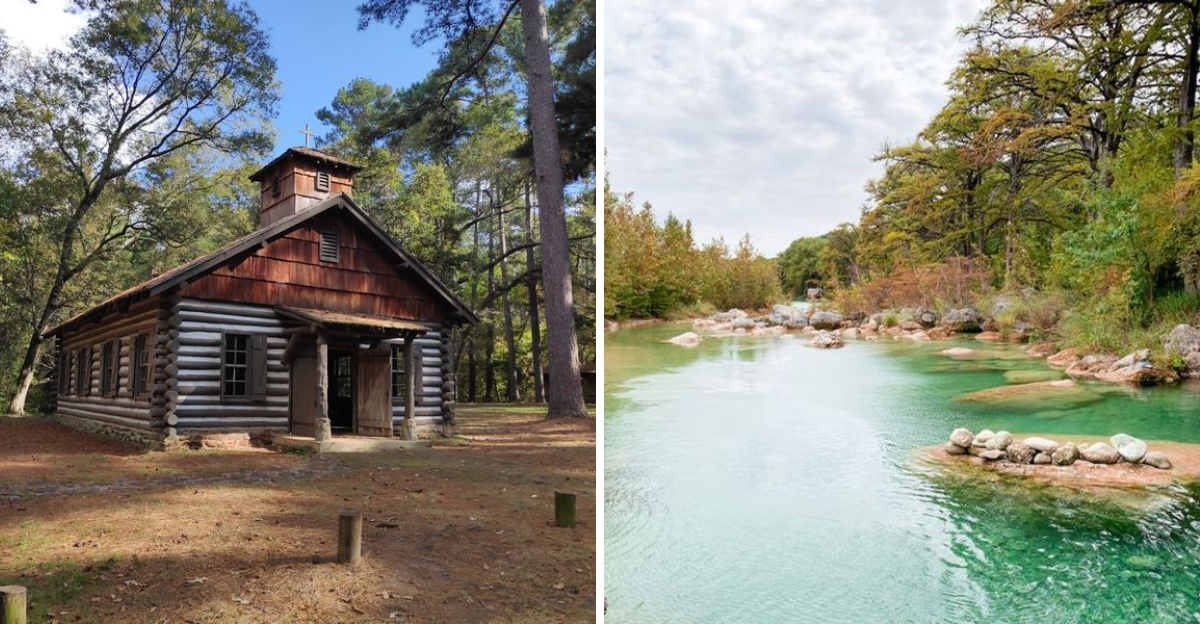
Everyone knows the big famous parks where you fight for parking and elbow room on the trails. But some of the best spots are the ones most people just drive right past.
These hidden parks in Texas don’t get flashy signs or big crowds, and that is exactly why you want to find them. You might get a quiet picnic table by a creek or a hiking trail all to yourself on a Saturday morning.
No souvenir shops, no entry lines, just trees, rocks, and maybe a lizard judging you. Some of these places are so low key you will question if you are even allowed to be there.
You are allowed. Go enjoy it before someone else spills the secret.
1. Caprock Canyons State Park and Trailway
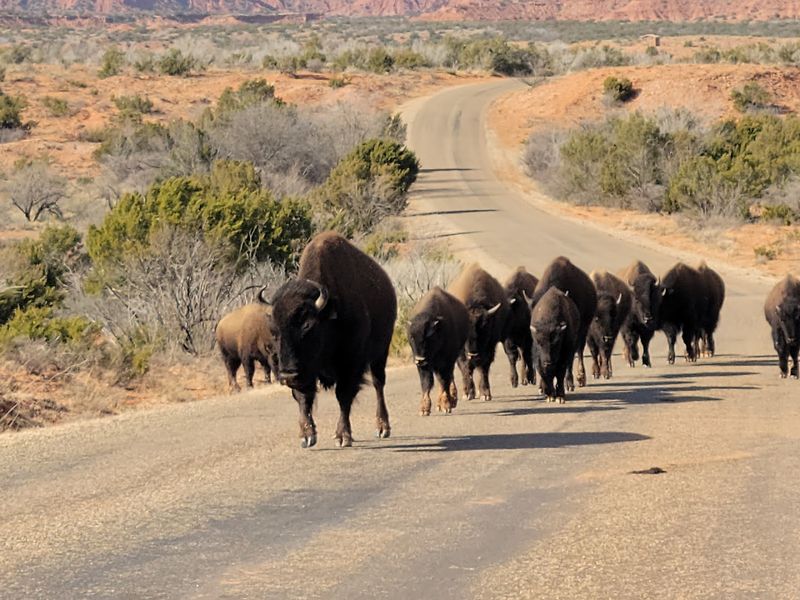
Red canyon walls rising out of flat plains is not something you expect to see in Texas, but Caprock Canyons delivers that jaw-dropping view every single time. The colors shift from burnt orange to deep crimson depending on the light, and the landscape feels ancient in the best possible way.
It is genuinely hard not to stop every few minutes just to stare.
This park is also home to the official Texas State Bison Herd, which makes it unlike almost anywhere else in the state. Seeing those massive animals moving across the canyon rim is one of those moments that sticks with you long after you leave.
Hikers, mountain bikers, and horseback riders all find something worthwhile here.
The Trailway section stretches for miles through rolling terrain, offering a peaceful escape from everyday noise. The trails range from easy walks to more challenging routes, so there is something for nearly every fitness level.
Camping overnight here, under a sky full of stars, turns a great day trip into an unforgettable experience.
Address: 850 Ranch Road 1065, Quitaque, Texas
2. Palmetto State Park
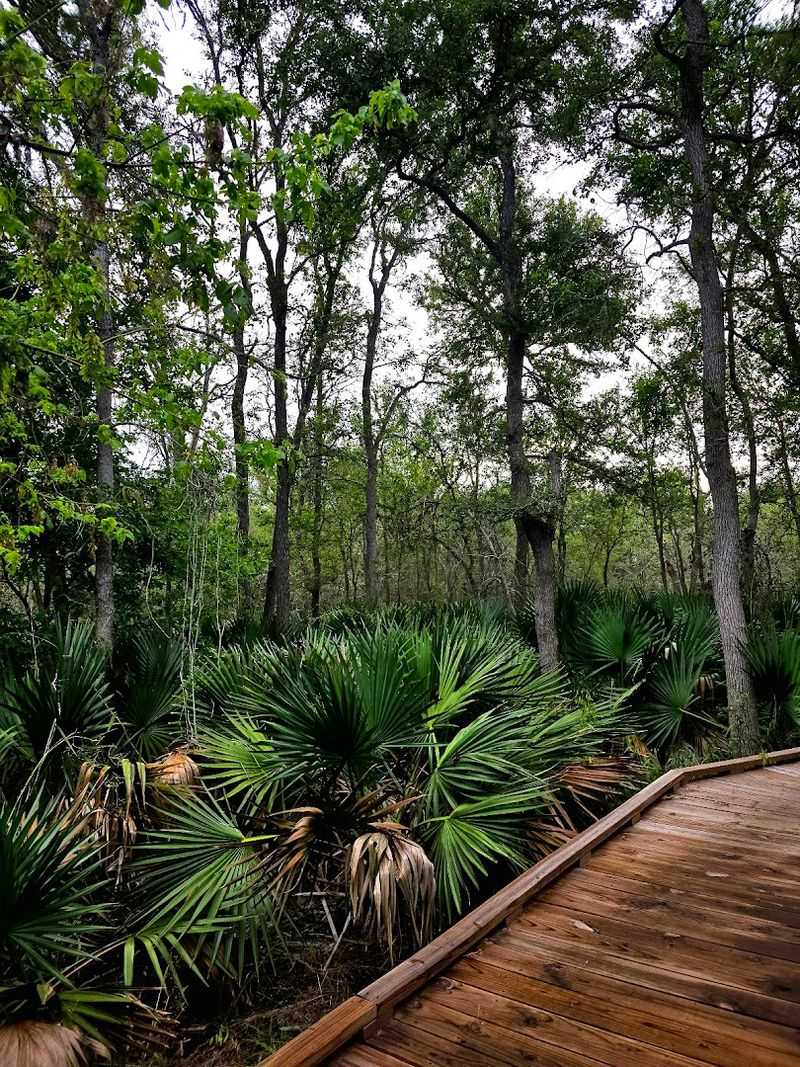
Palmetto State Park feels like it belongs somewhere in the tropics, not in central Texas. The thick clusters of dwarf palmetto plants create a dense, jungle-like canopy that shades the trails and gives the whole place a mysterious, otherworldly vibe.
First-time visitors often do a double-take when they realize where they actually are.
The San Marcos River winds through the park, offering calm spots for swimming and fishing that are hard to beat on a hot Texas afternoon. The water is clear and cool, which makes it a genuine relief during summer months.
Families love setting up near the riverbank and spending the whole day without any real agenda.
Hiking trails here are short but packed with interesting plant life and wildlife. You might spot herons, turtles, or even the occasional armadillo shuffling through the underbrush.
The park stays relatively quiet compared to more famous spots, which means you can actually hear the birds and the river instead of other tourists.
Camping facilities are available and well-maintained, making an overnight stay easy and comfortable. It is a small park, but the richness of its ecosystem makes it feel much bigger than its size suggests.
Address: 78 Park Road 11 South, Gonzales, Texas
3. McKinney Roughs Nature Park
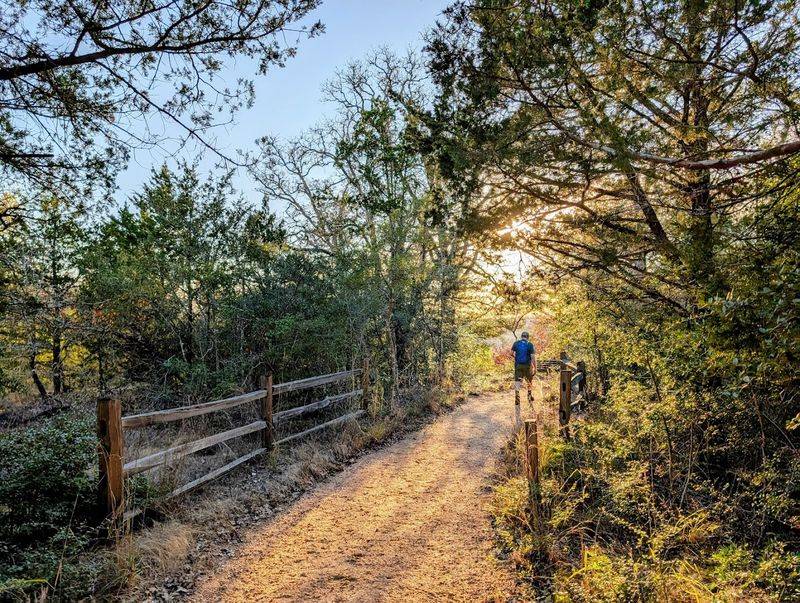
There is something quietly magical about McKinney Roughs that takes a little time to sink in. The park sits along the Colorado River and packs in an impressive range of ecosystems, from dense pine and hardwood forest to open savanna and riverside bottomland.
Not many parks in Texas can claim that kind of variety in one place.
Trails here wind through each of these different environments, which means the scenery shifts noticeably as you walk. One moment you are under a thick canopy of trees, and the next you are crossing open grassland with wide views stretching out ahead.
Mountain bikers and horseback riders share some of the same paths, giving the park a lively but never crowded energy.
Wildlife sightings are common. White-tailed deer, foxes, and a wide range of bird species call this area home.
Birdwatchers especially appreciate the park during migration seasons, when the variety of species passing through is genuinely impressive.
The park is managed by the Lower Colorado River Authority and offers educational programs for groups and families. It is close enough to Austin to make a solid day trip but feels far enough removed to give you that real sense of getting away from the city.
4. Mission Tejas State Park
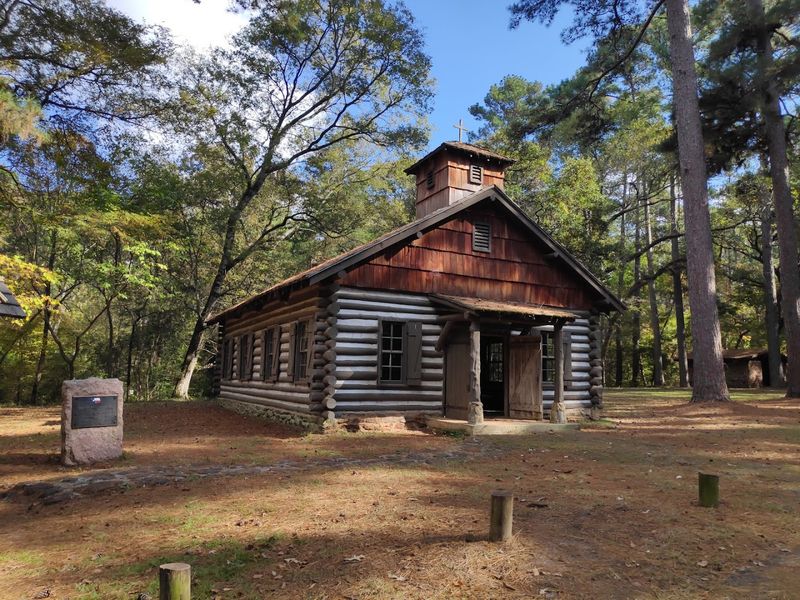
History and nature rarely blend as naturally as they do at Mission Tejas State Park. Hidden into the rolling hills of Houston County, this park sits in the heart of the East Texas Piney Woods and carries a quiet sense of significance that you can feel the moment you arrive.
The tall pines filter the light in a way that makes the whole place feel a little dreamlike.
At the center of the park stands a replica of the first Spanish mission established in Texas, built in the early 1690s. It is a small but thoughtfully constructed structure, and standing near it gives you a genuine connection to a chapter of Texas history that most people overlook entirely.
The surrounding landscape makes the setting feel authentic rather than staged.
Hiking trails move through the forest at a relaxed pace, passing through shaded groves and across gentle terrain. The trails are not long, but they are peaceful and well-marked.
Campsites here feel private and secluded, surrounded by trees that block out most of the outside world.
The park also has a historic log cabin on the grounds, adding another layer of character to the visit. It is the kind of place that rewards slow, curious exploration rather than rushing through.
Address: 120 State Highway 21 West, Grapeland, Texas
5. Bastrop State Park
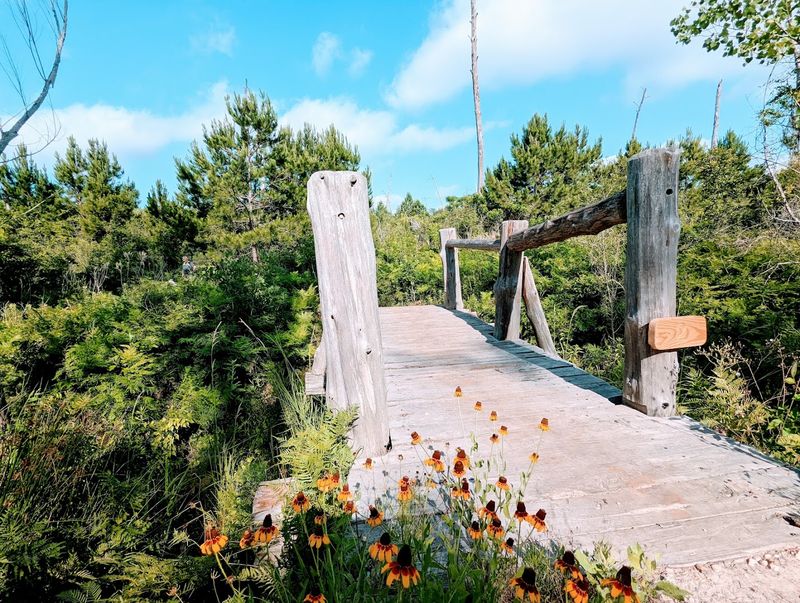
Bastrop State Park has a story behind it that makes every visit feel a little more meaningful. The park is home to the Lost Pines, an isolated pocket of loblolly pine forest located far from the main pine belt of East Texas.
Scientists still debate exactly how these trees ended up here, which gives the whole place an air of pleasant mystery.
A wildfire swept through much of the park in 2011 and caused serious damage, but the forest has been slowly recovering ever since. Watching the regrowth is genuinely moving.
New pines push up through charred ground, and the resilience of the landscape is something you carry with you after you leave.
Hiking trails loop through both the recovering and untouched sections of the forest, offering a range of lengths and difficulty levels. The park also has a lake for fishing and a swimming area that draws families during warmer months.
Cabins built by the Civilian Conservation Corps in the 1930s are available to rent and are full of rustic charm that modern lodging simply cannot replicate.
The park sits close to the town of Bastrop, so grabbing food or supplies before heading in is easy. It is a place worth returning to across different seasons to see how the forest continues to change.
Address: 100 Park Road 1A, Bastrop, Texas
6. Seminole Canyon State Park and Historic Site
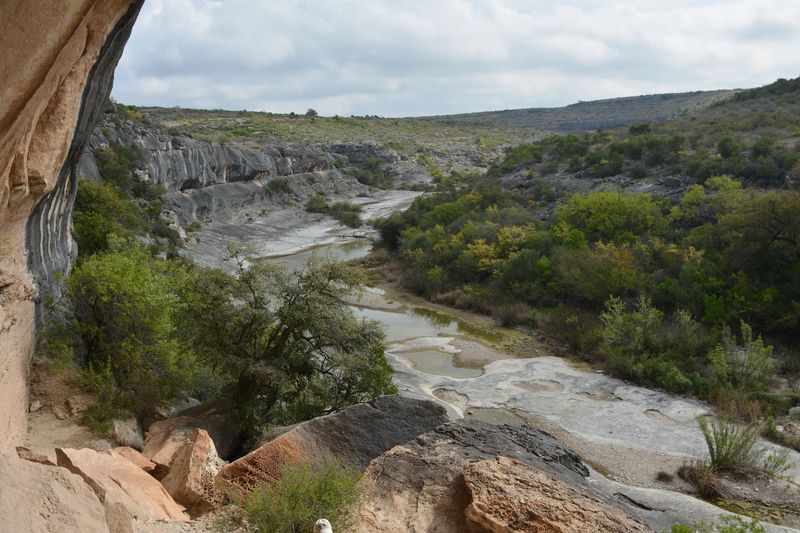
Seminole Canyon feels like the kind of place that stops you mid-sentence. The canyon cuts deep into the Chihuahuan Desert landscape near the Rio Grande, and the scale of it is genuinely humbling when you first look out over the rim.
The silence out here is the kind that feels intentional, like the land itself is asking you to slow down.
What makes this park truly extraordinary is what is painted on the canyon walls. Ancient pictographs, some estimated to be more than 4,000 years old, cover sheltered alcoves throughout the canyon.
Guided tours take visitors into the canyon to see these rock art sites up close, and the experience leaves most people completely speechless.
The art was created by hunter-gatherer cultures who lived in this region long before recorded Texas history began. The images include human figures, animals, and abstract designs that researchers are still working to fully understand.
Just being in the presence of something that old feels like a privilege.
Hiking trails follow the canyon rim and dip into the canyon itself on certain routes. The desert setting means the sun can be intense, so early morning visits are strongly recommended.
Camping here under a sky with almost no light pollution is an experience that belongs on every outdoor lover’s list.
Address: 447 TX-90, Comstock, Texas
7. Garner State Park
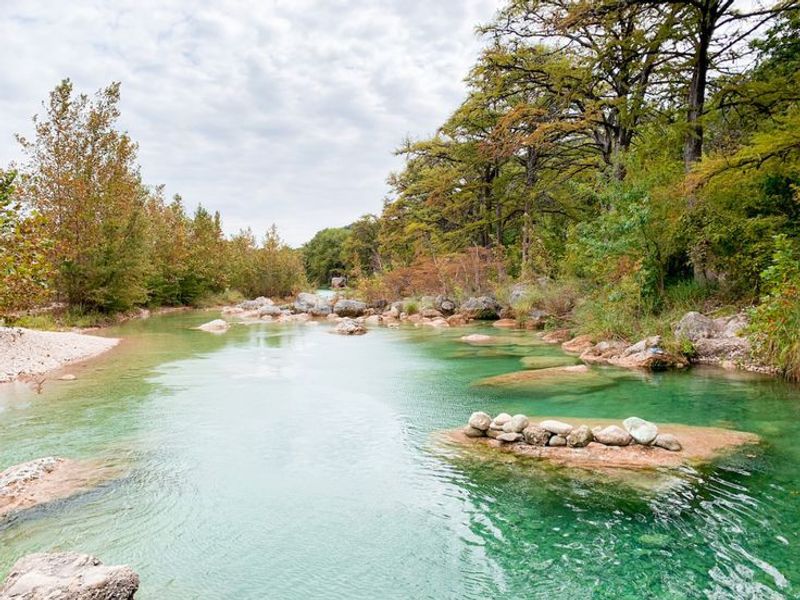
Garner State Park has a devoted following among Texans who have been coming here for generations, yet it somehow stays off the radar for most out-of-state visitors.
The Frio River is the main attraction, and once you see that clear, cool water cutting through limestone banks lined with cypress trees, the appeal becomes completely obvious.
It is the kind of swimming spot that makes you want to cancel all your other plans.
The river here stays naturally cold even in the peak of summer, which makes it a legendary escape for anyone trying to beat the Texas heat. Tubing, kayaking, and simply floating on your back while staring up at the sky are all perfectly acceptable ways to spend an afternoon.
Kids and adults alike find it easy to lose track of time here.
Beyond the river, the park has hiking trails that climb into the surrounding hills and offer wide views of the canyon landscape below. Deer wander through the campsites in the evening with casual confidence, as if they own the place.
The park fills up quickly on summer weekends, so booking a campsite well in advance is the smart move.
There is a certain timeless quality to Garner that is hard to put into words. It feels less like a park and more like a family memory waiting to happen.
Address: 234 RR 1050, Concan, Texas
8. Pedernales Falls State Park
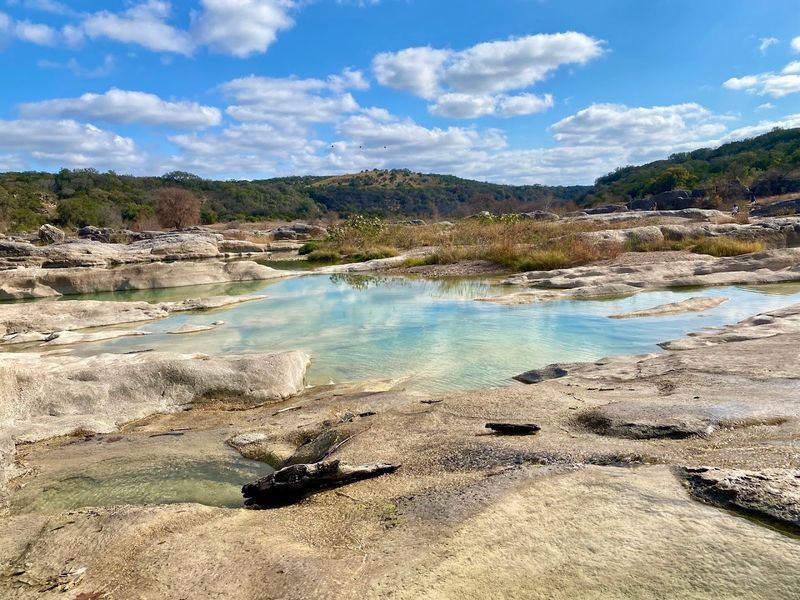
Pedernales Falls has one of the most dramatic natural features in the Texas Hill Country, and yet it still manages to fly under the radar compared to parks with bigger marketing budgets.
The Pedernales River tumbles over wide, layered limestone shelves in a series of falls and rapids that look almost too photogenic to be real.
The sound of the water rushing over the rock carries from a surprising distance.
The limestone formations here are the result of millions of years of geological activity, and the layers are visible in a way that makes the earth’s history feel tangible. Wading in the shallow sections near the falls is popular, though swimming is restricted in certain areas for safety reasons.
The park does a good job of marking where it is safe to explore on foot.
Hiking trails extend well beyond the falls and move through cedar and oak woodlands that support a rich variety of wildlife. Golden-cheeked warblers nest in this area during spring, which draws birdwatchers from across the region.
The park also offers camping, horseback riding trails, and access to miles of backcountry terrain.
Sunsets here paint the limestone in shades of orange and gold that are worth planning your visit around. It is the kind of park that rewards patience and rewards visitors who take their time.
Address: 2585 Park Road 6026, Johnson City, Texas
9. Enchanted Rock State Natural Area
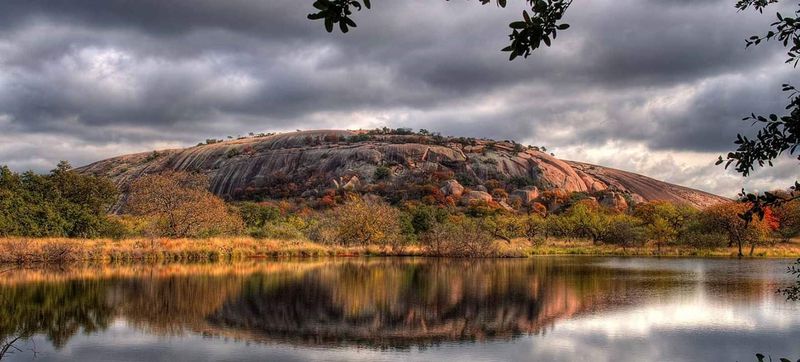
Enchanted Rock is one of those places where the name actually lives up to the reality. The enormous pink granite dome rises dramatically from the surrounding Hill Country, and the sheer size of it catches you off guard even if you have seen photos before.
It is the second largest granite dome in the United States, which is the kind of fact that does not fully register until you are standing at the base looking up.
Climbing to the summit is the main draw, and the trail to the top is short but steep enough to get your heart rate up. The reward at the top is a panoramic view of the Hill Country that stretches far in every direction on a clear day.
I found myself sitting up there longer than planned, just taking it all in.
The rock itself has deep cultural significance for Native American groups who considered it a sacred site for thousands of years. On quiet evenings, you can sometimes hear the rock making a low creaking sound as it cools after a warm day, which locals have long described as eerie and wonderful at the same time.
The park books up fast, especially on weekends, and requires advance reservations for entry. Stargazing from the dome after dark is one of the most memorable experiences the Texas Hill Country has to offer.
Address: 16710 Ranch Road 965, Fredericksburg, Texas
10. Palo Duro Canyon State Park
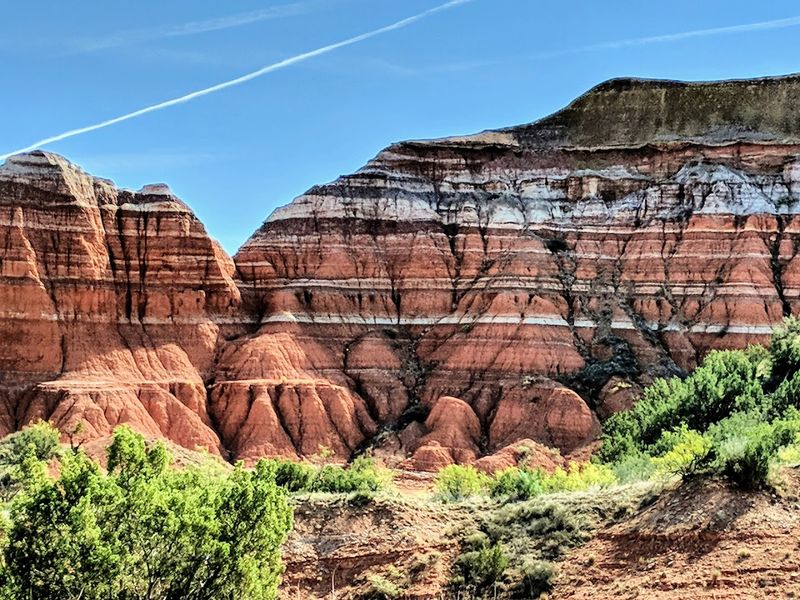
Palo Duro Canyon is often called the Grand Canyon of Texas, and while that comparison is easy to make, the place has its own personality that deserves to stand on its own terms.
The canyon stretches roughly 120 miles long and drops nearly 800 feet at its deepest points, creating a landscape that feels genuinely vast and disorienting in the best way.
The colors in the canyon walls, layered red, orange, yellow, and white, shift constantly with the changing light throughout the day.
Hiking and mountain biking trails wind through the canyon floor and climb along the rim, offering a range of experiences depending on how much energy you want to spend.
The Lighthouse Trail is the most popular route and leads to a striking rock formation that has become one of the most photographed spots in the Texas Panhandle.
Even on busy days, the sheer size of the canyon makes it easy to find a quiet stretch of trail.
An outdoor musical drama has been performed in the canyon during summer evenings for decades, using the natural amphitheater setting to stunning effect.
Camping inside the canyon means waking up surrounded by those extraordinary walls, which is an experience worth every bit of effort it takes to get here.
Address: 11450 Park Road 5, Canyon, Texas
11. Dinosaur Valley State Park
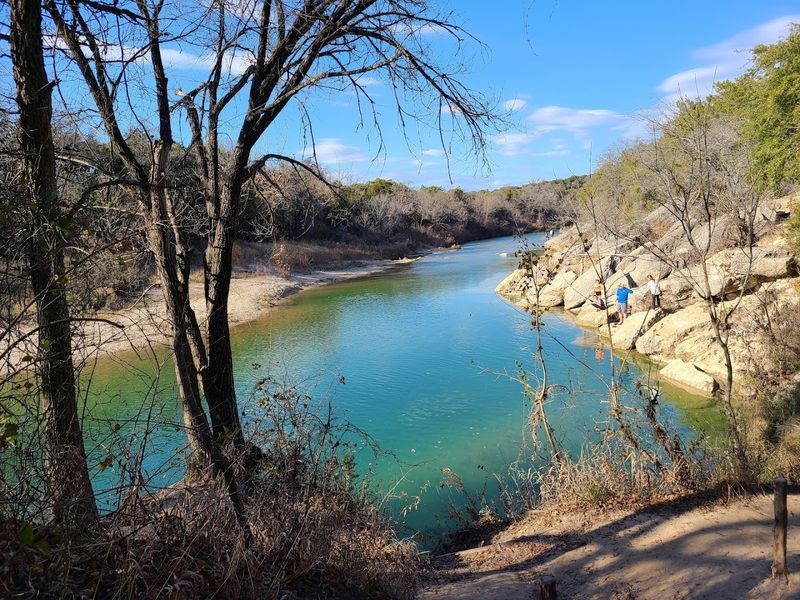
Real dinosaur tracks in a Texas riverbed sounds like something from a children’s story, but Dinosaur Valley State Park makes it completely true.
The Paluxy River flows over exposed limestone where dinosaur footprints were preserved more than 113 million years ago, and during periods of low water, you can walk right up to them and stand next to tracks made by creatures that no longer exist.
That kind of direct connection to deep prehistory is genuinely hard to find anywhere.
The tracks include prints from both sauropod dinosaurs and theropods, giving visitors a sense of just how varied the prehistoric life in this region once was.
Interpretive signs throughout the park explain what scientists understand about these animals and how the tracks were formed and preserved over such an enormous span of time.
It is educational without ever feeling like a lecture.
Beyond the tracks, the park has hiking and mountain biking trails, swimming holes, and camping areas spread across a landscape of cedar and oak woodland.
Two large dinosaur models near the park entrance give kids an immediate sense of the scale involved, which tends to create a level of excitement that carries through the whole visit.
The park sits near the town of Glen Rose, which adds convenient options for food and lodging nearby. Visiting after a dry spell gives the best chance of seeing the most tracks clearly exposed in the riverbed.
Address: 1629 Park Road 59, Glen Rose, Texas
