Texas is one of those places where the more you explore, the more you realize how much you have been missing. I have spent countless road trips chasing down rumors of hidden swimming holes, eerie ghost towns, and glassy lakes tucked behind rows of cypress trees.
Most of these spots never make it onto a postcard or a travel show, and that is exactly what makes them so worth finding. There is something deeply satisfying about standing somewhere beautiful and knowing that most people drive right past it without a second glance.
From the piney woods of East Texas to the rugged limestone hills of the Hill Country, these places carry a quiet magic that feels personal every single time. Whether you are a lifelong Texan or just passing through, these twelve hidden gems are ready to surprise you in the best possible way.
1. Cave Without a Name, Boerne
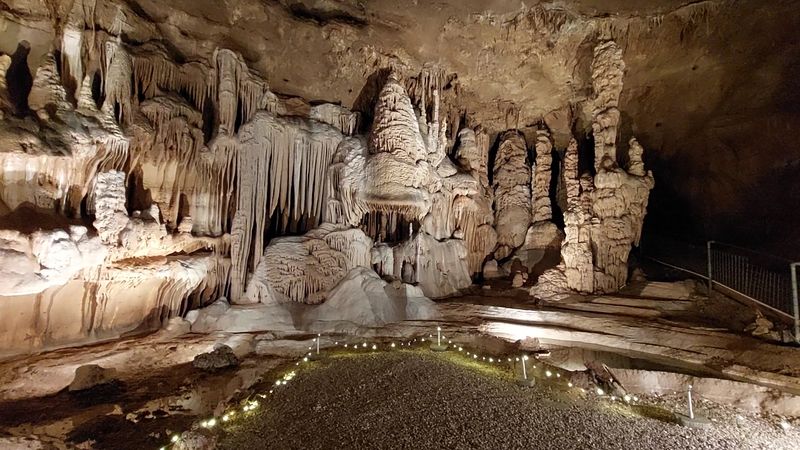
Walking into Cave Without a Name feels like stepping into another world entirely. The air drops in temperature the moment you pass through the entrance, and the silence wraps around you like a blanket.
It is the kind of place that immediately slows your breathing down.
Located near Boerne in the Texas Hill Country, this limestone cave has been open to visitors since 1939 and holds the official designation of a National Natural Landmark.
The stalactites and stalagmites here took thousands of years to form, and the guided tours do a wonderful job of explaining exactly how that happened without making it feel like a science class.
Some formations are so intricate they look like frozen waterfalls.
What makes this cave stand out from other Texas caverns is the sense of intimacy during tours. Groups stay small, which means your guide actually has time to point out details you would otherwise walk right past.
The cave also hosts concerts occasionally, and the natural acoustics underground are genuinely remarkable. It is a short drive from San Antonio, making it an easy and unforgettable day trip for anyone exploring the Hill Country.
Address: 325 Kreutzberg Road, Boerne, Texas
2. Caddo Lake, Uncertain
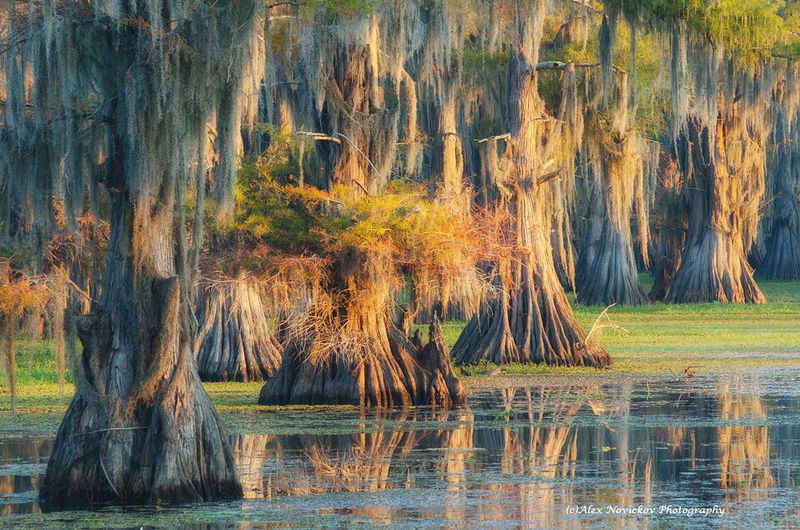
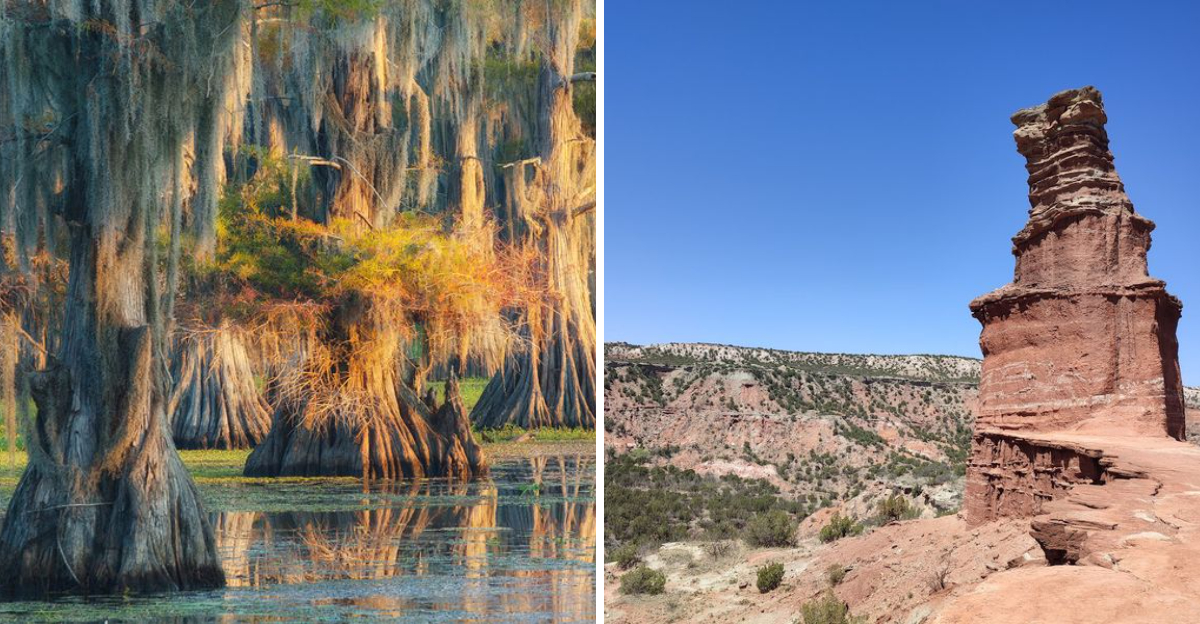
Caddo Lake is one of those places that genuinely stops you in your tracks. The first time you paddle a kayak through the cypress groves here, with Spanish moss hanging low and dragonflies darting across the water, it feels more like Louisiana bayou country than anything you would expect to find in Texas.
That contrast is exactly what makes it so unforgettable.
Straddling the Texas-Louisiana border in East Texas, Caddo Lake is the only naturally formed lake in the state. The water spreads out into a labyrinthine network of bayous, sloughs, and open channels that even experienced kayakers can get turned around in.
Birdwatchers come here for the staggering variety of species that pass through during migration seasons.
The tiny town of Uncertain, Texas, sits right on the lake’s edge and has one of the most charmingly odd names of any town in the state. There are local outfitters who rent boats and offer guided tours through the more remote channels, which is genuinely the best way to experience the lake.
Watching the sun set behind cypress silhouettes here is the kind of moment you carry with you long after you drive home.
Address: 245 Park Rd 2, Karnack, Texas
3. Gorman Falls, Colorado Bend State Park
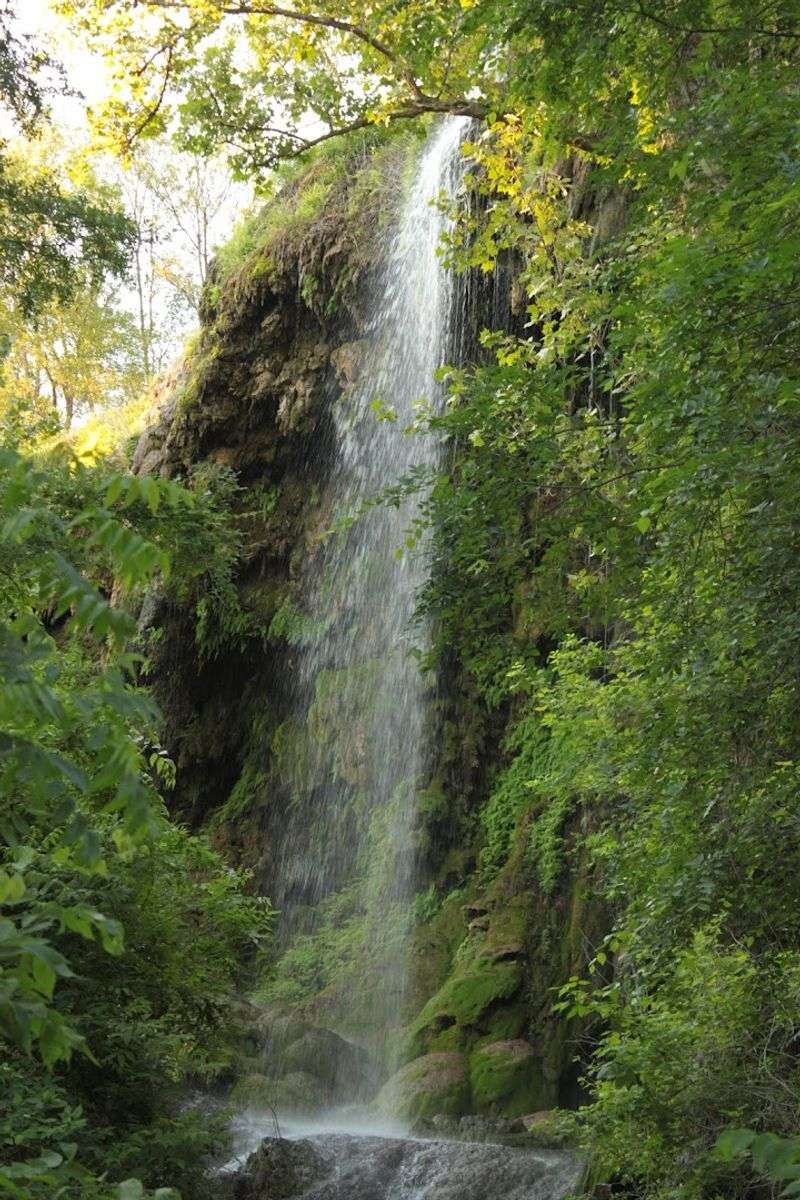
Few waterfalls in Texas feel as genuinely wild as Gorman Falls. The hike to reach it winds through rugged canyon terrain, crossing dry creek beds and pushing through cedar and pecan trees before the sound of falling water finally reaches you.
That moment when you first see it through the trees is honestly hard to describe.
Gorman Falls drops about 65 feet over a curtain of moss-covered travertine limestone, and the surrounding vegetation is so dense and green that it feels almost tropical.
Colorado Bend State Park, where the falls are located, sits in the heart of the Hill Country and remains one of the least visited state parks in the region despite how spectacular it is.
Reservations for the guided falls tour are required and tend to fill up quickly on weekends.
Beyond the falls, the park offers excellent stargazing because light pollution is minimal this far from any major city. The Gorman Creek area also has some great fishing spots if you want to spend the afternoon by the water after your hike.
Camping here overnight means waking up to birdsong and cool morning air, which feels like a genuine luxury compared to a regular weekend at home.
Address: 2236 Park Hill Dr, Bend, Texas
4. Enchanted Rock State Natural Area, Fredericksburg
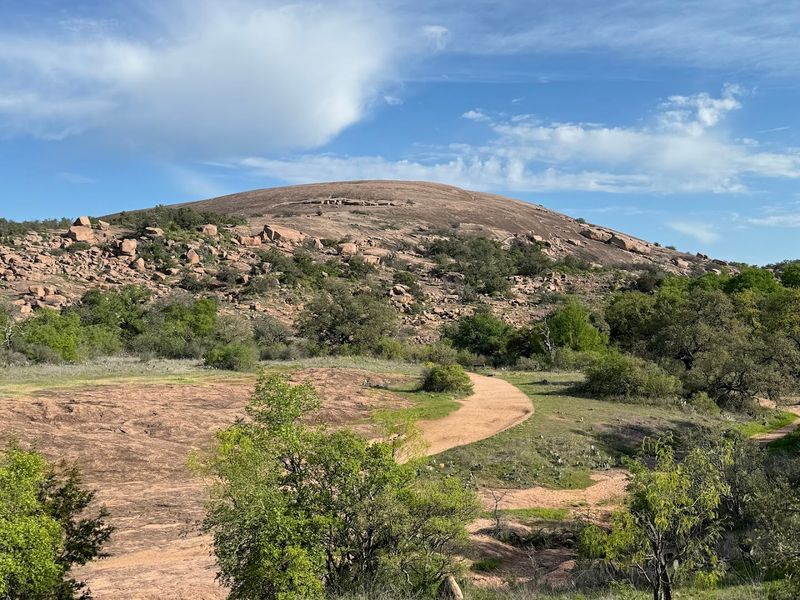
Enchanted Rock is one of those places that earns its name the moment you see it.
This massive pink granite dome rises nearly 500 feet above the surrounding Hill Country landscape, and on a clear day, the views from the top stretch so far that you start to understand why the Tonkawa people considered this place sacred.
Standing up there with the wind picking up, it is easy to feel a little humbled.
The rock itself is one of the largest batholiths in the United States, formed from ancient magma that cooled slowly underground and was eventually exposed by millions of years of erosion.
Hikers of all experience levels come here, since the main summit trail is challenging but accessible for most people in reasonable shape.
The trail surface is mostly bare granite, so good shoes matter more than you might expect.
Crowds can build on weekend mornings, so arriving early or visiting on a weekday makes a noticeable difference in how peaceful the experience feels. At night, the park hosts stargazing events that take advantage of the dark skies above the Hill Country.
The rock also makes a creaking sound at night as it cools, which locals have told stories about for generations.
Address: 16710 Ranch Road 965, Fredericksburg, Texas
5. The Grove, Jefferson
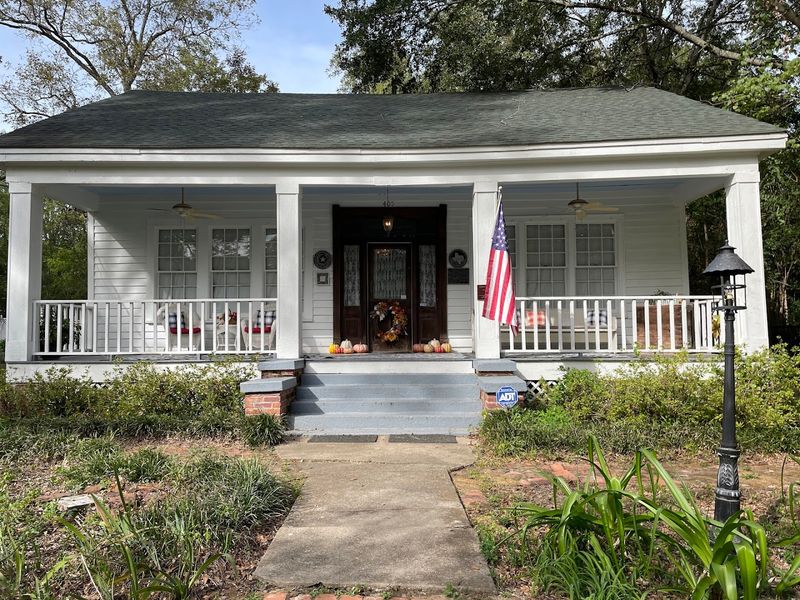
Jefferson is already one of the more atmospheric small towns in East Texas, full of Victorian architecture and antebellum homes that feel frozen somewhere around 1880. But even within Jefferson, The Grove stands apart.
Built in 1861, this Greek Revival home has a quiet intensity about it that you notice before you even step through the gate.
Listed on the National Register of Historic Places, The Grove is celebrated both for its architectural beauty and its reputation as one of the most haunted locations in the entire state. Whether you believe in that sort of thing or not, the history layered into this property is genuinely compelling.
The original owners lived through the Civil War, Reconstruction, and decades of transformation in East Texas, and the house seems to carry all of that weight.
Tours of the property give visitors a real sense of what life looked like for a prosperous Texas family in the mid-1800s. The grounds are shaded by enormous old trees that were likely saplings when the house was first built.
Jefferson itself is worth spending a full day or two exploring, with its riverfront, historic district, and surprisingly good local food scene rounding out a trip that feels nothing like a typical Texas vacation.
Address: 405 Moseley Street, Jefferson, Texas
6. Wimberley Glassworks, Wimberley
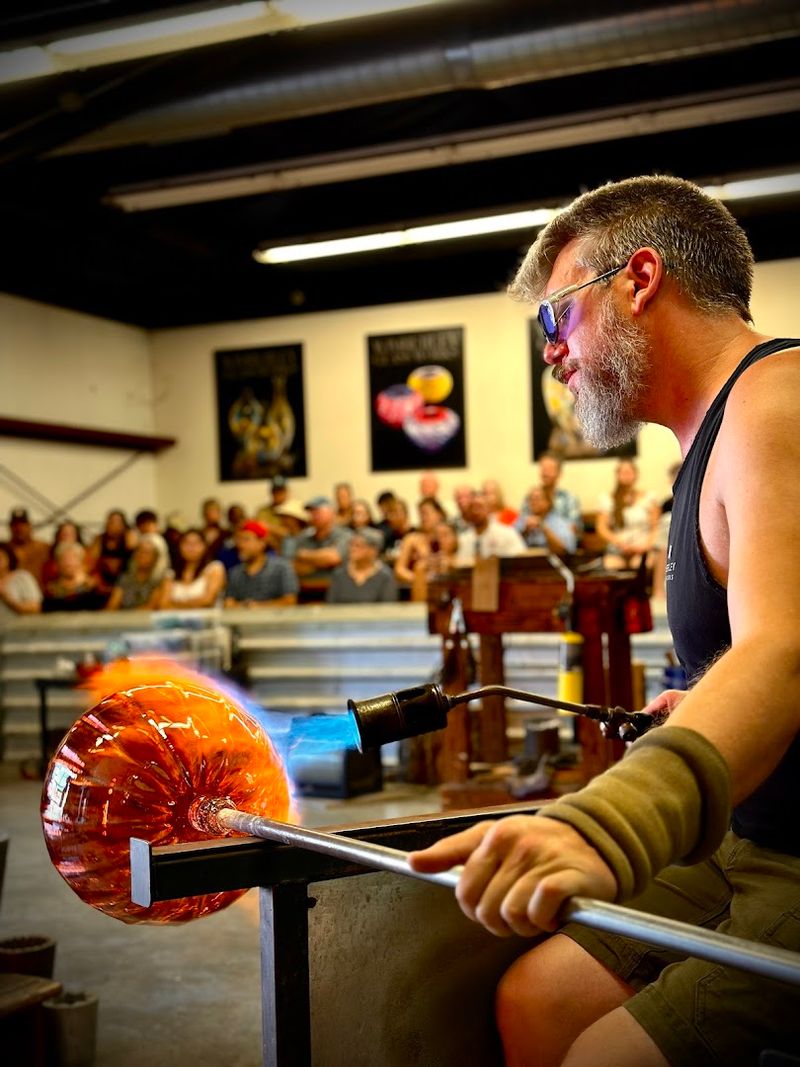
Watching a glassblower work feels almost like watching someone perform a magic trick in slow motion. At Wimberley Glassworks, the artists here have been perfecting their craft for years, and you can feel that experience in the precision of every movement.
The heat coming off the furnace is intense even from a viewing distance, which only adds to the drama of the whole process.
Located in the charming Hill Country town of Wimberley, this working studio and gallery lets visitors observe the glassblowing process up close.
The finished pieces on display range from delicate ornaments to large sculptural works, all with that distinctive handmade quality that you simply cannot replicate with a machine.
Each piece is genuinely one of a kind, which makes browsing the gallery feel more like visiting a small museum than a shop.
Wimberley itself is worth building a longer trip around. The town sits at the junction of Cypress Creek and the Blanco River, and the surrounding landscape is classic Hill Country, rolling and cedar-scented.
The Saturday Market Days event draws artisans and food vendors from across the region. Combining a stop at Wimberley Glassworks with a swim in Blue Hole Regional Park nearby makes for a near-perfect Hill Country afternoon.
Address: 6469 Ranch Road 12, Wimberley, Texas
7. Shoal Creek Greenbelt, Austin
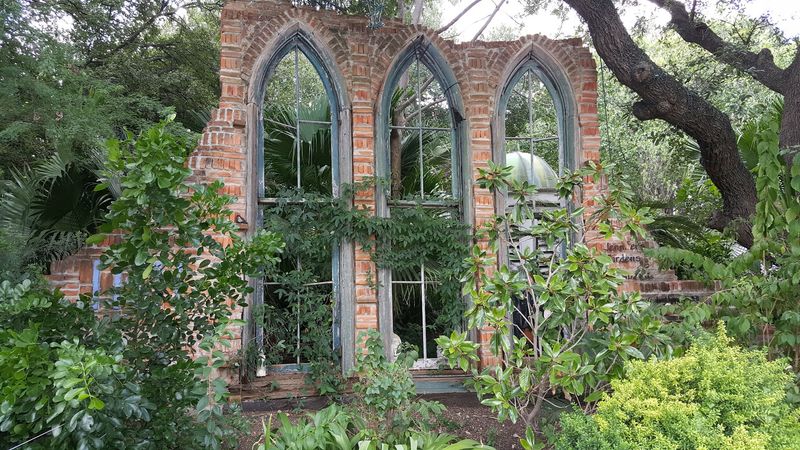
Austin gets a lot of attention for its music venues and food trucks, but Shoal Creek is the kind of place that reminds you why people actually love living there.
Running roughly twelve miles through the heart of the city, this urban creek corridor connects a chain of parks and green spaces that feel genuinely removed from the traffic humming just a few blocks away.
It is a breath of fresh air in the most literal sense.
The trail system along Shoal Creek is popular with joggers, cyclists, and dog walkers who use it as a daily escape from the surrounding urban density. During a good rainstorm, the creek runs fast and loud, and the contrast with Austin’s usual sunny stillness is striking.
Birding here is surprisingly rewarding, with green herons and kingfishers spotted regularly along the water’s edge.
What most visitors to Austin never discover is how accessible this greenbelt really is. Trailheads are scattered throughout Central and North Austin, and most of the path is paved or well-maintained.
Pease District Park, which sits along the creek, has open lawns, mature trees, and a general atmosphere of unhurried calm that feels like a secret the rest of the city is keeping from tourists. It is the kind of spot worth returning to every single season.
Address: 2600 N Lamar Blvd, Austin, Texas
8. Palo Duro Canyon State Park, Canyon
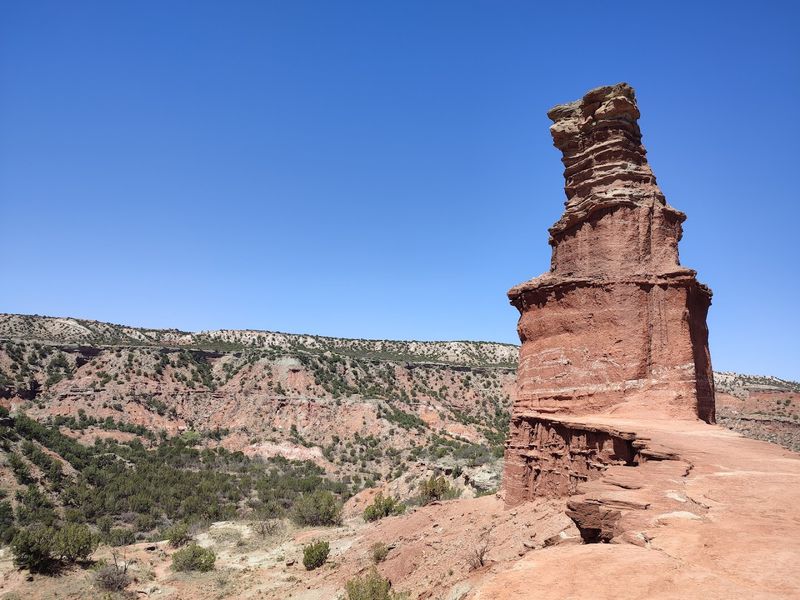
People talk about the Grand Canyon constantly, but Palo Duro Canyon sits right here in the Texas Panhandle and delivers a jaw-dropping experience that most Texans have never even seen in person.
Called the Grand Canyon of Texas, this canyon stretches over 120 miles long and drops nearly 800 feet at its deepest points. Seeing it for the first time from the rim is genuinely disorienting in the best way.
The red and orange layered walls of Palo Duro tell roughly 250 million years of geological history, and hiking or mountain biking through the canyon floor gives you a close-up view of formations with names like the Lighthouse and the Capitol Peak.
The park offers trails at various difficulty levels, so families with young kids and experienced hikers can both find something that suits them.
Sunrise in the canyon, when the walls glow amber and the shadows are long and dramatic, is something that is genuinely hard to photograph well but impossible to forget.
An outdoor musical drama called Texas runs in the canyon amphitheater during summer evenings, using the canyon walls themselves as a backdrop. The drive from Amarillo is only about twenty minutes, making this an easy add-on to any Panhandle road trip.
Camping inside the canyon overnight puts you completely under the Milky Way.
Address: 11450 Park Road 5, Canyon, Texas
9. Balmorhea State Park, Toyahvale
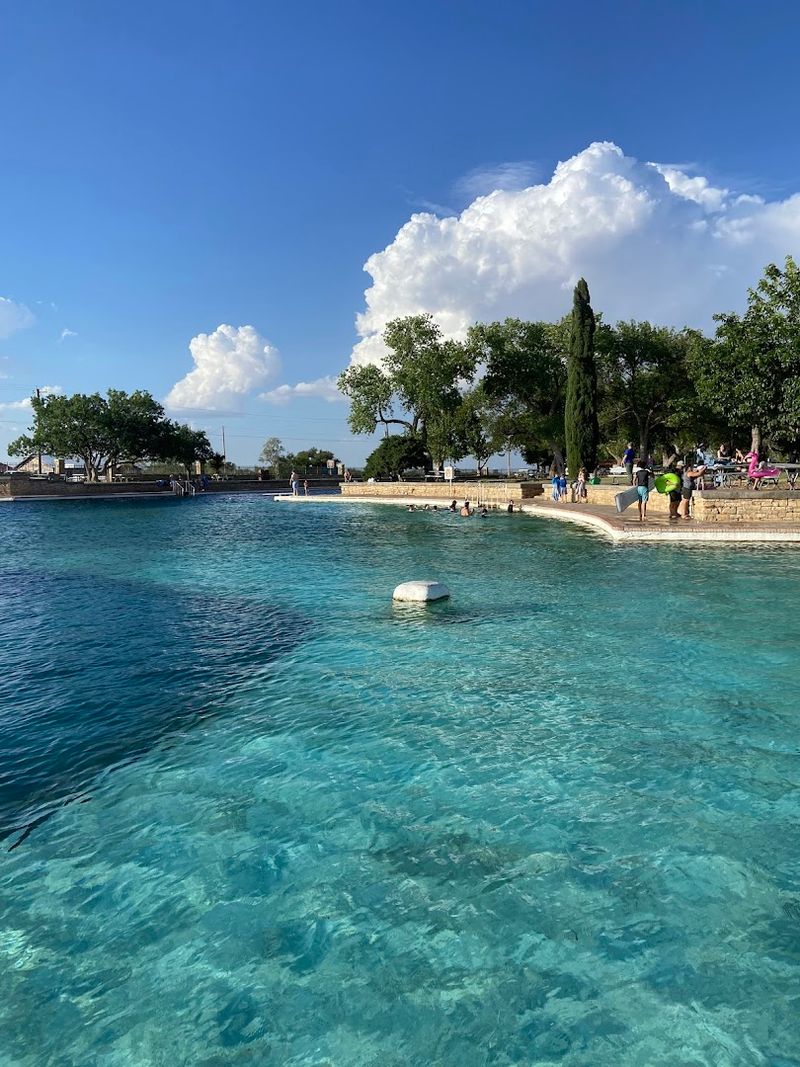
Imagine a natural spring-fed pool the size of a small lake, sitting in the middle of the Chihuahuan Desert, so clear that you can see every detail of the bottom from twelve feet up. That is Balmorhea.
It sounds almost made up, but the moment you slip into that water on a hot West Texas afternoon, nothing has ever felt more real or more necessary.
San Solomon Springs feeds the pool at Balmorhea State Park at a rate of about 22 to 28 million gallons per day, keeping the water at a remarkably consistent temperature year-round.
The pool is home to two species of endangered fish that live nowhere else on earth, which gives swimming here a slightly surreal ecological dimension.
Scuba divers come specifically to explore the deeper sections of the pool, which reach about 25 feet at their deepest.
The surrounding West Texas landscape is stark and wide-open in a way that feels almost cinematic. Balmorhea sits within driving distance of Big Bend National Park and the Davis Mountains, making it a natural stopping point on a longer West Texas adventure.
The on-site motel and camping area book up quickly during summer, so planning ahead is genuinely important if you want to make this one happen.
Address: 9207 TX-17, Toyahvale, Texas
10. Marfa Lights Viewing Area, Marfa
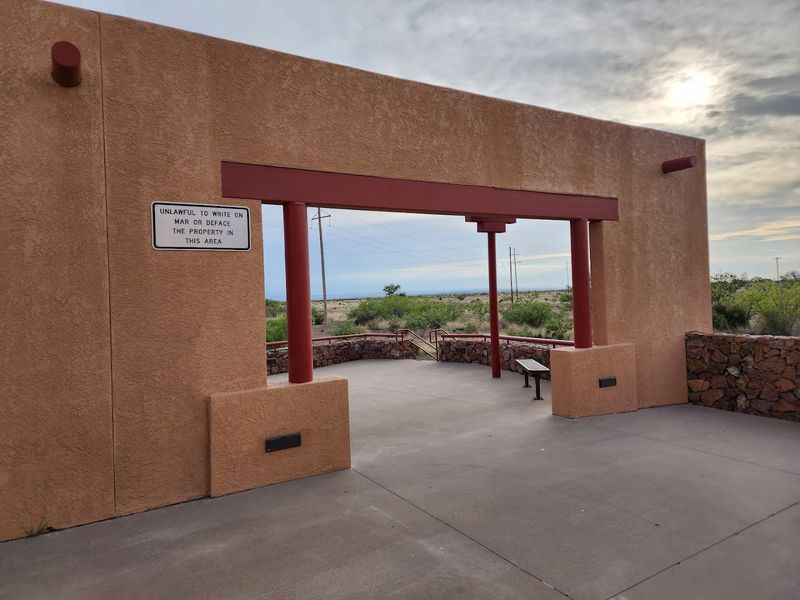
West Texas at night is already one of the more unsettling and beautiful experiences you can have in this state, but add the Marfa Lights to the equation and things get genuinely strange.
These unexplained glowing orbs have been reported hovering over the Chihuahuan Desert near Marfa since at least the 1880s, and scientists still have not fully agreed on what causes them.
That ongoing mystery is part of what makes stopping here feel so worthwhile.
The official Marfa Lights Viewing Area sits along US Highway 90, about nine miles east of town, and it is exactly what it sounds like: a roadside pullout with an observation platform and some informational signs.
On clear nights, particularly in the cooler months, visitors report seeing the lights dancing and splitting apart on the horizon. Some nights nothing appears at all, which somehow makes the whole thing feel even more compelling rather than less.
Marfa itself has become something of a destination for art lovers, with the Chinati Foundation’s permanent installations drawing visitors from across the country.
But the lights viewing area keeps a different kind of visitor coming back: the curious ones who do not need a tidy explanation to find something worthwhile.
Pair this stop with a night of camping under the stars and you will understand why people talk about West Texas the way they do.
Address: US-90, Marfa, Texas
Dear Reader: This page may contain affiliate links which may earn a commission if you click through and make a purchase. Our independent journalism is not influenced by any advertiser or commercial initiative unless it is clearly marked as sponsored content. As travel products change, please be sure to reconfirm all details and stay up to date with current events to ensure a safe and successful trip.
