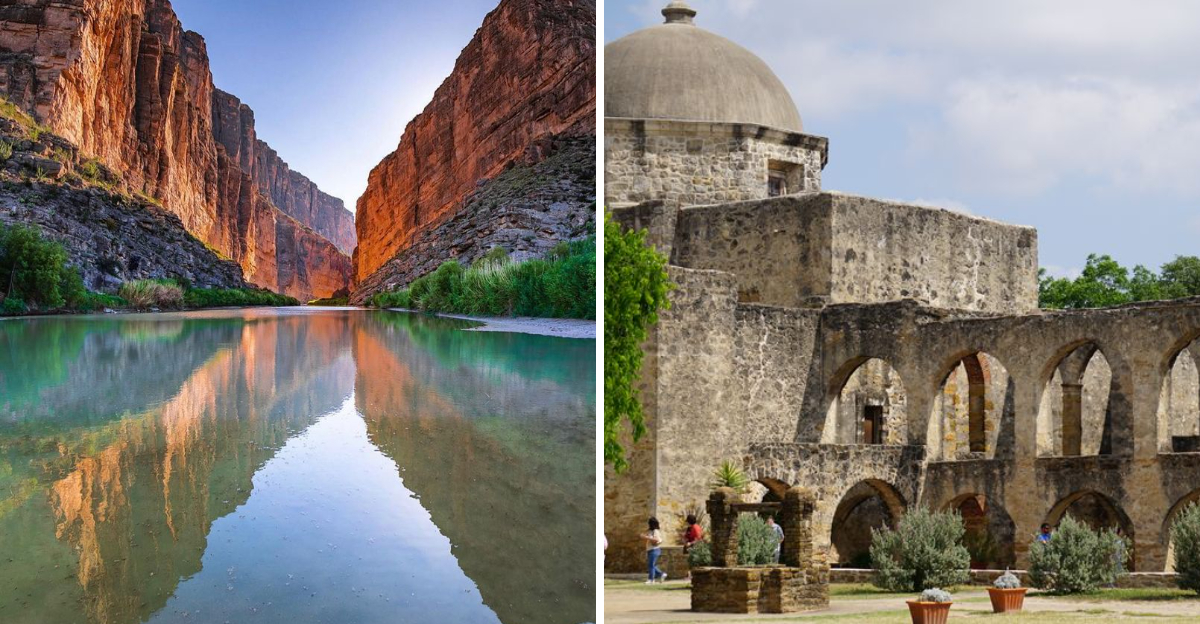
Texas doesn’t just love its landmarks. It guards them like family heirlooms, ready to fight tooth and nail to keep them standing tall.
From battle-scarred missions to towering monuments and hidden natural wonders, these places aren’t just tourist stops. They’re woven into the very fabric of what it means to be Texan, passed down through generations with stories that never get old.
Think you know Texas? Wait until you see the spots locals would literally form a human chain around.
These aren’t just pretty postcards or history lessons. They’re living, breathing pieces of the Lone Star soul that no amount of money, politics, or progress could ever tear down.
1. The Alamo Mission in San Antonio
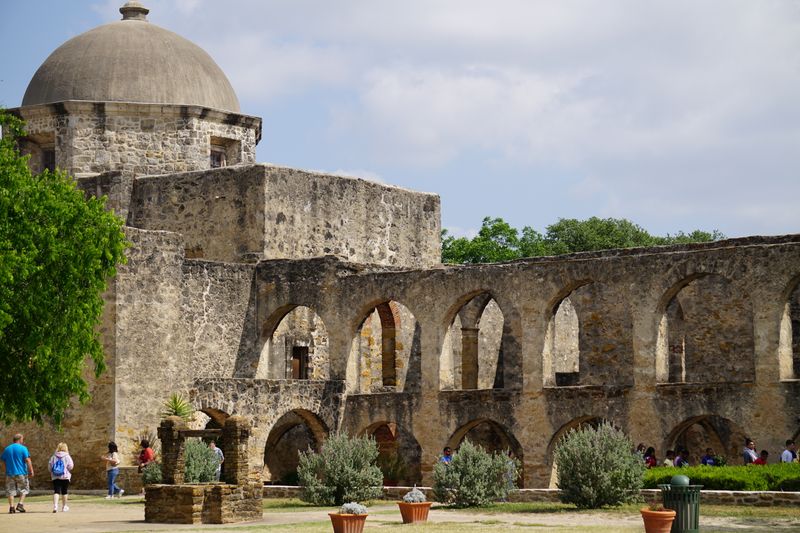
Stepping through the gates of the Alamo feels like walking straight into a legend that refuses to fade. This former Spanish mission turned fortress holds a place so sacred in Texas history that even whispering disrespectfully near its walls might earn you some serious side-eye from locals.
Back in 1836, a small band of Texian defenders held their ground against overwhelming odds during a thirteen-day siege that ended in tragedy but sparked a revolution.
Every stone, every archway, every shadow cast by the mission walls carries the weight of sacrifice and defiance. School kids grow up hearing tales of Davy Crockett, Jim Bowie, and William B.
Travis with the same reverence other states reserve for founding fathers. The compound itself sits right in the heart of downtown San Antonio, surrounded by modern skyscrapers and bustling commerce, yet it commands a bubble of hushed respect.
Preservation efforts here aren’t just about maintaining old buildings. They’re about protecting a symbol that defines Texas identity.
When developers or government projects threaten its footprint, locals rally with a passion that borders on fierce. The phrase “Remember the Alamo” isn’t just a battle cry from the past.
It’s a living commitment to honor those who gave everything for independence.
Visitors come from around the world to stand where heroes fell, to touch the limestone that bore witness to courage.
Address: 300 Alamo Plaza, San Antonio, Texas.
2. San Jacinto Monument near Houston
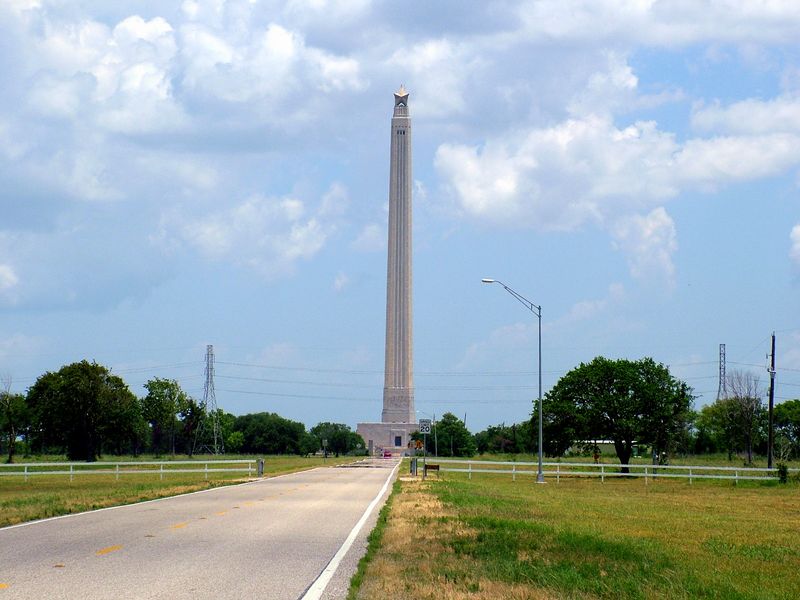
Rising higher than the Washington Monument, this towering limestone column pierces the Texas sky like an exclamation point on the state’s independence story.
At 567.31 feet, the San Jacinto Monument marks the spot where General Sam Houston’s army defeated Mexican forces in a battle that lasted just eighteen minutes but changed history forever.
April 21, 1836, wasn’t just another spring day. It was the moment Texas won its freedom and became a republic.
The monument’s sheer scale takes your breath away as you approach across the coastal plains. An elevator whisks visitors to an observation deck where the view stretches for miles, encompassing the Houston Ship Channel, battleground, and marshlands that played a role in the conflict.
Inside, a museum chronicles the Texas Revolution with artifacts, documents, and exhibits that bring those desperate days to vivid life.
Locals treat this monument with reverence that borders on spiritual. Proposals to alter the site or diminish its prominence meet with instant, organized resistance.
School field trips, patriotic ceremonies, and annual battle reenactments keep the story alive for new generations. The star atop the column gleams as a beacon visible from highways and waterways alike.
Standing at its base, craning your neck to see the top, you understand why Texans guard this place so fiercely.
Address: 1 Monument Cir, La Porte, Texas.
3. La Lomita Chapel in Mission
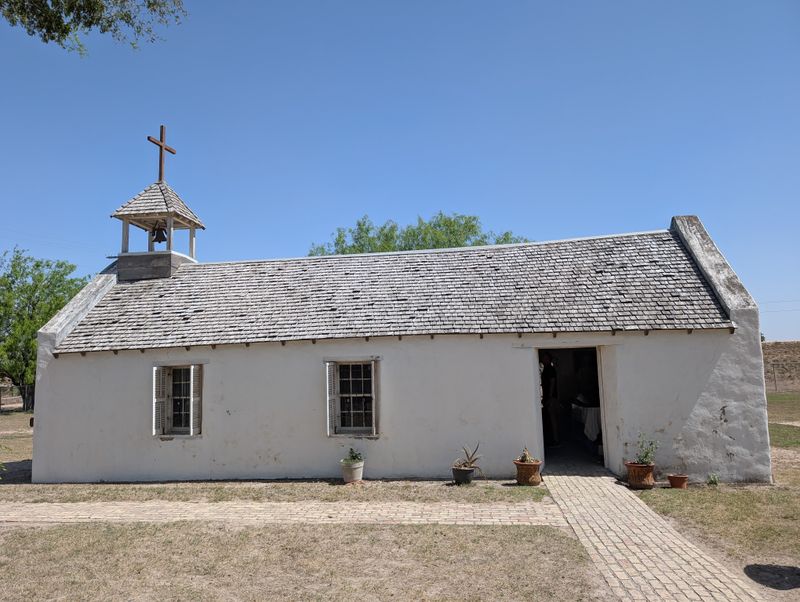
Tucked away in the Rio Grande Valley, this tiny chapel has survived more threats than most buildings ten times its size. Built in 1865 by Oblate missionaries, La Lomita served as a waystation for priests traveling the dusty roads between missions, offering rest and refuge in an often harsh landscape.
Its simple whitewashed walls and modest bell tower don’t scream grandeur, but the peace that settles over you when you step inside speaks volumes.
In 2018, the chapel found itself at the center of a storm when border wall construction plans threatened to slice right through its sacred ground. Locals didn’t just protest.
They mobilized with the kind of determination that makes Texas famous, filing lawsuits and staging vigils. The thought of bulldozers anywhere near this spiritual sanctuary ignited a firestorm of opposition that crossed political lines.
Walking the grounds today, you can still sense the centuries of prayer that have soaked into the soil. Ancient trees provide shade over weathered benches where generations have sat in contemplation.
The chapel remains active, hosting services and celebrations that connect modern families to their ancestors’ faith. Its preservation stands as proof that some things matter more than politics or infrastructure.
Families bring children here to learn about heritage, to light candles, to feel connected to something bigger than themselves.
Address: 3601 Old Military Hwy, Mission, Texas.
4. Fort Davis National Historic Site
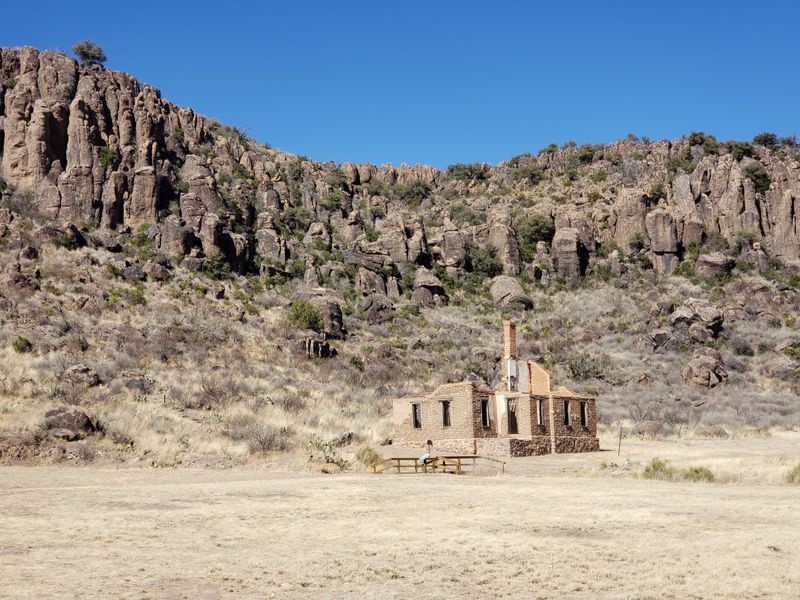
Out in the rugged mountains of West Texas, where the landscape turns wild and the sky stretches forever, Fort Davis stands as a testament to frontier survival. Established in 1854, this military outpost protected settlers, mail routes, and travelers from raids during some of the most dangerous years in Texas history.
Buffalo Soldiers, African American cavalry troops who earned legendary status for their bravery, called this fort home for decades.
The preservation here goes beyond impressive. More than twenty original and restored buildings dot the site, from officers’ quarters to enlisted men’s barracks, giving visitors an authentic glimpse into frontier military life.
You can almost hear the bugle calls echoing off the surrounding peaks as you wander between structures that have weathered over a century and a half. The fort sits in a natural bowl surrounded by dramatic cliffs that provided both protection and stunning views.
Rangers in period uniforms sometimes conduct demonstrations, showing how soldiers lived, trained, and defended this remote outpost. The fort’s museum houses artifacts that tell stories of courage, hardship, and the complex history of westward expansion.
Locals take fierce pride in maintaining this site, understanding it represents a crucial chapter in Texas and American history.
Summer evenings here offer spectacular sunsets that paint the mountains in shades of gold and crimson.
Address: 101 Lt. Henry Flipper Dr, Fort Davis, Texas.
5. Longhorn Cavern State Park in Burnet County
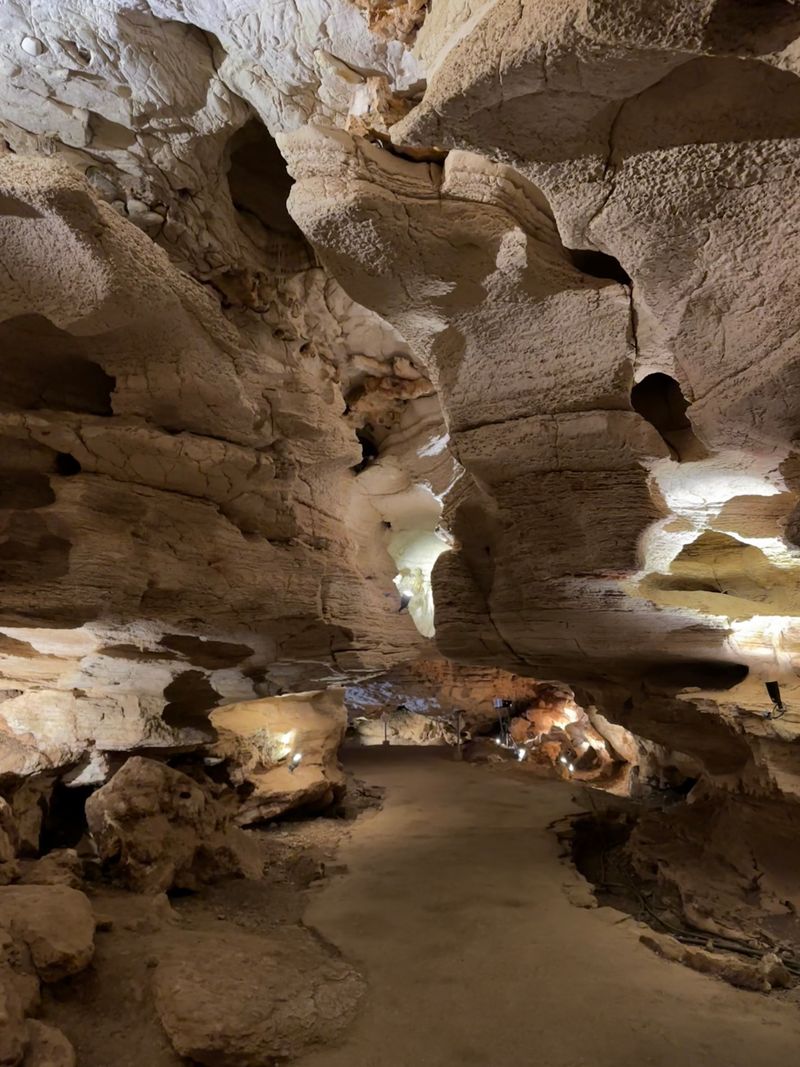
Nature spent millions of years carving out this underground wonderland, and humans have been drawn to it for thousands. Longhorn Cavern winds through limestone in ways that defy easy explanation, creating chambers and passages that range from cathedral-like to intimately narrow.
Native Americans used these caves for shelter long before European settlers arrived. During Prohibition, legend has it the caverns hosted secret gatherings, though park rangers smile mysteriously when you ask for details.
The cavern maintains a constant temperature that feels like a cool blessing during scorching Texas summers. Guided tours lead visitors through formations with names like the Hall of Diamonds, where calcite crystals catch your flashlight beam and sparkle like scattered stars.
Unlike many commercial caves, Longhorn Cavern formed through a different geological process, resulting in smooth, flowing walls rather than typical stalactites and stalagmites.
Conservation efforts here focus on protecting delicate ecosystems that have developed in complete darkness over millennia. Bats use certain chambers as roosting sites, and specialized cave-dwelling creatures found nowhere else on Earth make these passages home.
Park staff work tirelessly to balance public access with preservation, ensuring future generations can experience this natural marvel.
Above ground, the park offers hiking trails through Hill Country landscape dotted with wildflowers in spring.
Address: 6211 Park Rd 4 S, Burnet, Texas.
6. Caddo Lake State Park on the Texas-Louisiana Border
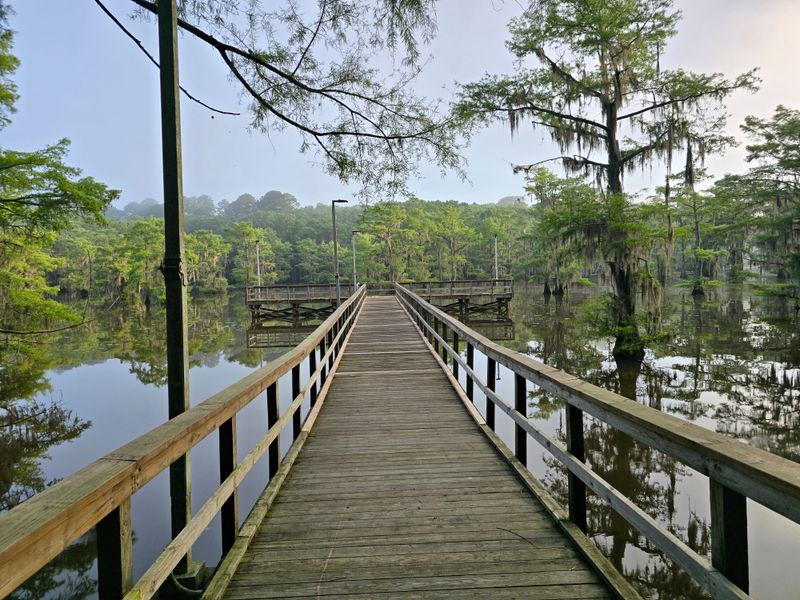
Spanish moss draping from ancient cypress trees creates an atmosphere so enchanting you might forget which century you’re in.
Caddo Lake sprawls across the border between Texas and Louisiana like nature’s own masterpiece, all mysterious waterways, floating forests, and wildlife that seems straight out of a storybook.
This isn’t your typical Texas landscape. It’s a wetland wonderland that feels more like the Deep South than the Lone Star State.
Paddling through the maze of channels, you’ll glide past cypress knees poking up from dark water like wooden sculptures. Alligators sunbathe on logs, turtles plop into the water at your approach, and birds you’ve never seen before call from the canopy.
The lake formed naturally, though exactly how remains a subject of debate among geologists. Some theories involve a massive logjam on the Red River, while others point to different geological events.
Conservationists battle constantly to protect Caddo Lake from invasive species, particularly giant salvinia, an aquatic plant that threatens to choke the waterways.
Local groups organize clean-up efforts and monitoring programs with the dedication of people defending their own backyard, because that’s exactly what it is.
The lake’s unique ecosystem supports species found nowhere else, making preservation efforts critically important.
Sunrise here transforms the water into liquid gold, with mist rising between the trees like something out of a dream.
Address: 245 Park Rd 2, Karnack, Texas.
7. Big Bend National Park in Southwest Texas
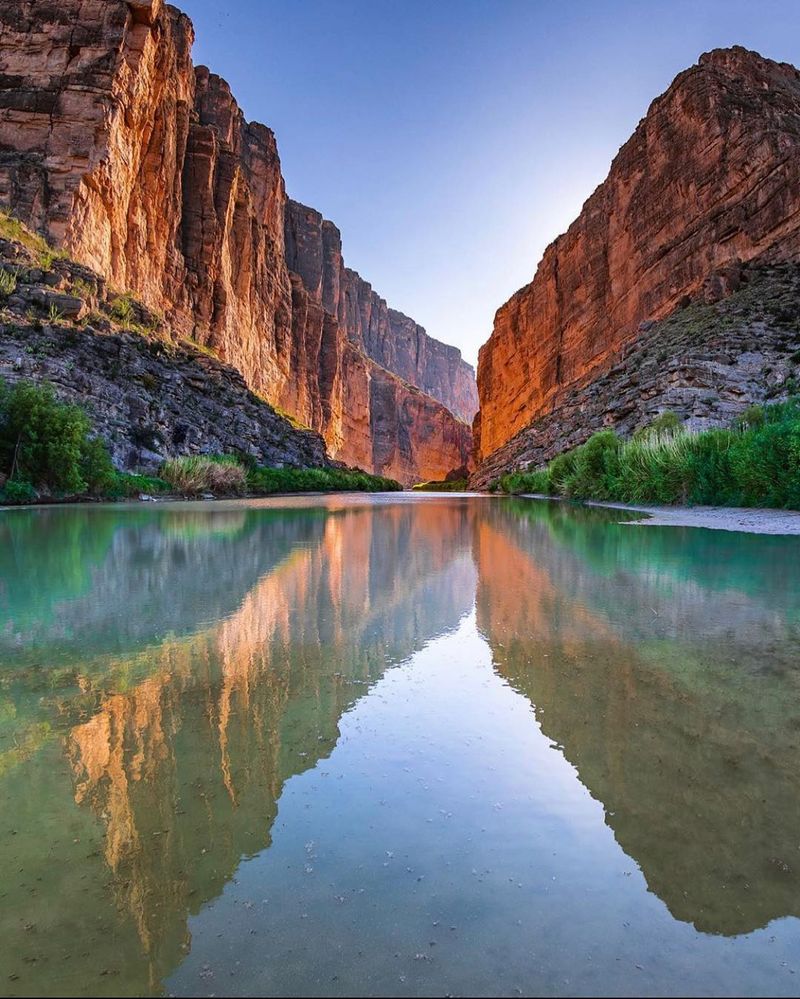
Where the Rio Grande carves a dramatic bend through the Chihuahuan Desert, Texas claims one of its most spectacular treasures. Big Bend National Park encompasses over 800,000 acres of wilderness so vast and varied you could spend weeks exploring and still discover something new.
Jagged mountain peaks give way to river canyons, desert flats bloom with unexpected color after rains, and night skies reveal stars in numbers that seem impossible.
Locals throughout Texas treat Big Bend like a pilgrimage destination, making the long drive to this remote corner to reconnect with wild spaces increasingly rare elsewhere. The park protects habitat for mountain lions, black bears, and over 450 bird species, some found nowhere else in the United States.
Hiking trails range from easy riverside strolls to challenging mountain climbs that reward your effort with views stretching into Mexico.
Santa Elena Canyon might be the park’s crown jewel, where sheer limestone walls rise 1,500 feet on either side of the river, creating a corridor of stone that leaves you speechless. Chisos Basin offers cooler temperatures and a completely different ecosystem than the desert below.
Hot springs along the river provide natural soaking spots where you can ease tired muscles while watching the current flow past.
Preservation here means protecting not just landscapes but also the sense of solitude and scale that modern life rarely offers.
8. Palo Duro Canyon State Park near Amarillo
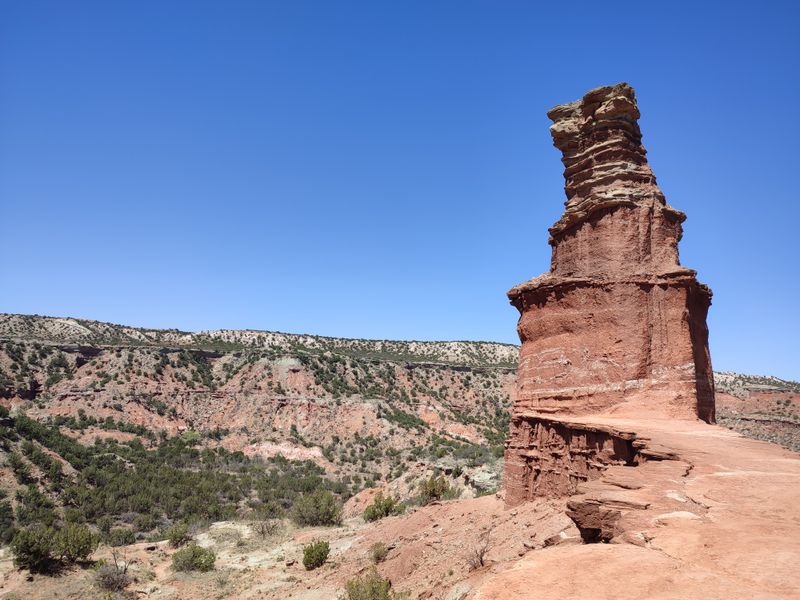
Just when you think the Texas Panhandle is nothing but flat plains, the earth suddenly drops away to reveal a geological wonder that rivals anything you’ve seen. Palo Duro Canyon stretches 120 miles long and plunges 800 feet deep, earning its title as the second-largest canyon system in America.
Layers of red, orange, and yellow rock tell a story spanning millions of years, each stratum representing a different chapter in Earth’s history.
Native peoples lived in this canyon for over 10,000 years, finding shelter, water, and game in abundance. Spanish explorers named it Palo Duro, meaning hard wood, for the juniper trees clinging to the canyon walls.
In 1874, the canyon witnessed a pivotal battle between the U.S. Army and several Native American tribes, an event that changed the region forever.
Today, the canyon offers a different kind of encounter, one that leaves visitors awestruck by natural beauty rather than conflict.
Hiking trails wind past formations with names like the Lighthouse, a distinctive rock pillar that serves as the park’s most photographed feature. Horseback riding lets you explore the canyon floor the way early settlers did, while mountain biking trails challenge riders with technical terrain and stunning vistas.
Each evening during summer, the outdoor musical drama TEXAS plays out against the canyon walls, telling the story of panhandle pioneers.
Address: Canyon, Texas.
9. Goliad State Park and Historic Site
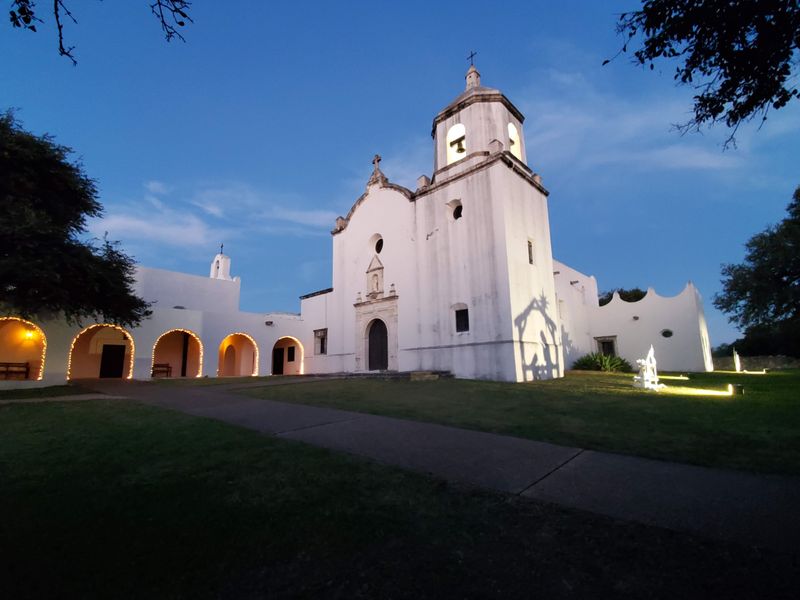
History soaked this ground in blood and tears before Texas independence became reality. Goliad witnessed one of the darkest chapters of the Texas Revolution when over 340 Texian prisoners of war were executed on Palm Sunday, 1836.
The tragedy galvanized support for independence and gave Texan forces a rallying cry that matched the Alamo in emotional power. Today, the site honors those who died while telling a fuller story of the region’s complex past.
Mission Espiritu Santo stands beautifully restored within the park, its stone walls and chapel transporting visitors back to Spanish colonial days. Founded in 1749, the mission served as both a religious center and a working ranch, with padres teaching Native peoples European farming and ranching techniques.
The mission’s architecture showcases the blending of Spanish and indigenous influences that characterized frontier life.
Walking trails connect historical sites throughout the park, including the Presidio La Bahia just outside park boundaries. The presidio, a Spanish fort, played crucial roles in multiple conflicts and remains one of the oldest continuously occupied structures in Texas.
Rangers conduct living history programs that bring the 18th and 19th centuries to life through demonstrations and storytelling.
The San Antonio River flows through the park, providing habitat for wildlife and scenic spots for picnicking. Locals guard this site fiercely, understanding it represents sacrifice that made their state possible.
Address: 108 Park Rd 6, Goliad, Texas.
10. Enchanted Rock State Natural Area in Fredericksburg
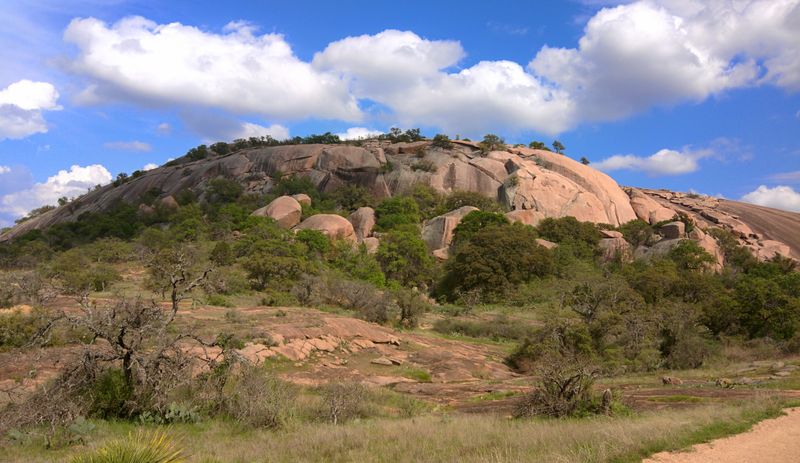
A massive pink granite dome rises from the Hill Country like a giant’s sleeping form, beckoning adventurers to climb its ancient surface.
Enchanted Rock earned its name from Native American legends about the strange creaking and groaning sounds it makes at night as the rock cools and contracts after absorbing daylight heat.
Standing atop this billion-year-old formation, with wind in your hair and views stretching to the horizon, you understand why indigenous peoples considered it sacred.
The dome covers 640 acres and rises 425 feet above the surrounding terrain, making it one of the largest batholiths in the United States. Climbing to the summit requires moderate effort but rewards you with panoramas that showcase the Texas Hill Country at its finest.
Spring wildflowers carpet the surrounding landscape in bluebonnets, Indian paintbrush, and countless other blooms that turn the countryside into a natural garden.
Rock climbing enthusiasts tackle various routes on the dome’s faces, while more casual visitors enjoy the well-maintained trail to the top. Vernal pools, temporary water sources that form in rock depressions, support unique ecosystems of fairy shrimp and other specialized creatures.
Park rangers work constantly to manage visitor impact, as the site’s popularity threatens the very features that make it special.
Sunset from the summit paints the sky in colors that seem too vivid to be real.
Address: 16710 Ranch Rd 965, Fredericksburg, Texas.
Dear Reader: This page may contain affiliate links which may earn a commission if you click through and make a purchase. Our independent journalism is not influenced by any advertiser or commercial initiative unless it is clearly marked as sponsored content. As travel products change, please be sure to reconfirm all details and stay up to date with current events to ensure a safe and successful trip.
