Texas stretches across the southern United States like a vast kingdom of contrasts, where desert landscapes meet pine forests, where cattle ranches sprawl beneath endless skies, and where modern cities pulse with energy alongside sleepy small towns that seem frozen in time.
Travelers flock to the Lone Star State for its legendary barbecue, world-class music festivals, stunning natural parks like Big Bend, historic missions in San Antonio, and the vibrant cultural scenes of Austin, Houston, and Dallas.
But beyond the rodeos and cowboy boots lies something equally fascinating: a collection of laws so peculiar they sound like tall tales told around a campfire.
These legal oddities reveal the quirky character of Texas history, reflecting everything from old-fashioned values to downright bizarre legislative moments that somehow made it into the books and never left.
1. The Whole Salmon Crime

Carrying wire cutters in your back pocket might seem like an innocent choice for a rancher or handyman, but in Texas, this simple act could technically land you in legal trouble.
Back in the days of the Wild West, cattle rustling was a serious problem that threatened the livelihoods of ranchers across the state.
Thieves would sneak onto properties under cover of darkness, snip through barbed wire fences with portable cutters, and make off with valuable livestock before anyone noticed.
To combat this epidemic of theft, lawmakers decided to get creative with their approach to crime prevention.
Rather than simply punishing those caught stealing cattle, they targeted the tools of the trade.
The logic was straightforward: if someone was wandering around with wire cutters conveniently tucked in their pocket, they were probably up to no good.
This law remains on the books today, even though cattle rustling has become far less common in modern Texas.
Most law enforcement officers would never actually arrest someone for this offense unless other suspicious circumstances were present.
Still, visitors should be aware that technically, walking around with wire cutters accessible in your pocket could be considered evidence of criminal intent.
If you need to carry such tools for legitimate work, keeping them in a toolbox or vehicle rather than your pocket is the smarter choice.
This quirky regulation serves as a reminder that many Texas laws were born from practical problems of the frontier era, even if they seem absurdly outdated to modern travelers exploring the state today.
2. Encyclopedia Sales After Sunset

Anyone planning to knock on doors selling encyclopedias in Texas better wrap up their sales pitch before the sun goes down.
A state law specifically prohibits the sale of encyclopedias after dark, creating one of the most oddly specific commercial regulations you will ever encounter.
During the mid-20th century, door-to-door encyclopedia salespeople were incredibly common across America, promising families access to knowledge and educational advancement.
However, their aggressive tactics often crossed the line into harassment, with persistent salespeople refusing to leave porches until they made a sale.
Evening hours were particularly problematic because families felt more vulnerable and pressured when strangers appeared at their doors after nightfall.
Texas legislators apparently decided that encyclopedias specifically needed regulation, perhaps because these expensive multi-volume sets represented significant financial commitments that shouldn’t be made under pressure in the dark.
The law aimed to protect citizens from high-pressure sales tactics while they were trying to relax with their families after long workdays.
Today, with information readily available online and encyclopedia sales practically extinct, this law feels like a relic from a bygone era.
You would be hard-pressed to find anyone actually selling encyclopedias door-to-door anymore, let alone after sunset.
Yet the law remains officially on the books, a curious testament to how legislation can outlive the problems it was designed to solve.
Travelers might chuckle at this regulation, but it represents an interesting slice of Texas history when protecting consumers from pushy salespeople seemed important enough to warrant specific legal action targeting one particular product category.
3. Feather Duster Ownership Limits

Believe it or not, Clarendon, Texas once had a law on its books that made it illegal to dust public buildings with a feather duster.
This head-scratching regulation sounds like something invented as a joke, yet it genuinely existed in this small Panhandle community.
The reasoning behind this bizarre prohibition remains somewhat murky, though local historians have offered a few theories over the years.
One popular explanation suggests that feather dusters were seen as ineffective cleaning tools that merely redistributed dirt rather than actually removing it from surfaces.
Public buildings, being taxpayer-funded facilities, perhaps deserved more thorough cleaning methods than the simple swish of feathers.
Another theory proposes that the law was connected to concerns about spreading dust and allergens into the air, potentially affecting people with respiratory sensitivities who used these public spaces.
Whatever the original motivation, the law reflects the kind of hyper-specific local ordinance that small-town governments sometimes enacted to address particular pet peeves or community concerns.
Clarendon, known as a historic cattle town along Route 66, has plenty of more sensible claims to fame than its feather duster ban.
Visitors today need not worry about their dusting techniques when visiting public facilities in this charming community.
The law has long since been forgotten by most residents and is certainly not enforced in any meaningful way.
Still, it serves as a delightful example of how local governments can sometimes get carried away with regulation, creating rules so specific and peculiar that they become more memorable than whatever problem they were meant to address in the first place.
4. Sunday Eye Protection Shopping

Texas blue laws, which restricted commercial activity on Sundays for religious reasons, used to create all sorts of confusing shopping situations.
Among the strangest was a regulation that prohibited the sale of eyeglasses on Sundays while allowing the sale of eye patches on the same day.
This bizarre distinction left many people scratching their heads trying to understand the logic behind such an odd exception.
Blue laws aimed to preserve Sunday as a day of rest and worship, limiting commercial transactions to only essential items.
Somehow, lawmakers decided that eye patches qualified as essential medical supplies that might be urgently needed, while prescription eyeglasses did not meet that threshold.
Perhaps they imagined scenarios where someone might suffer an eye injury on Sunday and desperately need a patch, whereas getting new glasses could presumably wait until Monday.
The inconsistency of these regulations frustrated both business owners and shoppers for decades.
You could buy certain items but not others, often with no clear rationale explaining why one product was acceptable and another was forbidden.
Fortunately, most Texas blue laws have been repealed or are no longer enforced, allowing stores to operate seven days a week without worrying about which specific items they can sell on Sundays.
Modern travelers will find Texas shopping districts bustling with activity every day of the week.
But this eyeglasses-versus-eye-patches distinction remains a perfect example of how well-intentioned laws can create absurd situations when legislators try to draw lines between essential and non-essential items, resulting in regulations that make no practical sense whatsoever.
5. Graffiti-Proof Spray Paint

Buying spray paint in Texas comes with an unexpected legal requirement that surprises many visitors and even catches some residents off guard.
If you are under 18 years old, you cannot purchase aerosol paint without written permission from a parent or guardian, and even adults must show identification before buying these products.
Furthermore, certain cities require retailers to keep spray paint locked up or monitored to prevent theft and unauthorized purchases.
These regulations emerged in response to graffiti problems that plagued Texas cities during the 1980s and 1990s, when vandalism became a costly issue for property owners and municipalities.
Spray paint was the tool of choice for graffiti artists, both talented muralists and destructive vandals alike.
By restricting access to aerosol paints, lawmakers hoped to reduce vandalism while still allowing legitimate users to purchase supplies for art projects, home repairs, and other lawful purposes.
The law places responsibility on retailers to verify ages and maintain records of sales, creating an extra layer of bureaucracy around what seems like a simple product purchase.
Travelers planning DIY projects or artistic endeavors during their Texas visit should bring proper identification and be prepared for questions at the checkout counter.
Some stores require customers to ask employees to unlock spray paint cabinets, adding time to the shopping process.
While these regulations might feel inconvenient, they reflect Texas communities’ ongoing efforts to balance property protection with individual freedoms.
The laws have apparently helped reduce graffiti vandalism in many areas, though talented street artists continue to find ways to create murals throughout Texas cities, now often with property owner permission rather than working illegally under cover of darkness.
6. Milkman Misconduct
An old Texas law specifically addressed the behavior of milkmen, those once-common figures who delivered fresh dairy products to doorsteps in the early morning hours.
According to this peculiar statute, a milkman could face legal consequences for drinking milk from a customer’s bottle or otherwise tampering with the products during delivery rounds.
While this might sound like common-sense theft prevention rather than a surprising law, the fact that legislators felt the need to specifically target milkmen suggests this was apparently a widespread enough problem to warrant special attention.
During the era when home milk delivery was standard practice, milkmen had unusual access to people’s homes and property, often arriving before families woke up.
They would quietly place fresh bottles on porches or in special insulated boxes, removing empty bottles left from previous deliveries.
This system required tremendous trust between customers and delivery workers, since nobody was watching to ensure the milkman didn’t help himself to a quick drink or swap fresh milk for older products.
Apparently, some milkmen abused this trust, prompting Texas lawmakers to create specific penalties for dairy delivery misconduct.
Today, with home milk delivery largely extinct except in a few nostalgic revival services, this law has no practical application.
Modern Texans get their dairy products from grocery stores and refrigerated trucks rather than friendly neighborhood milkmen making dawn rounds.
Yet the law remains a charming reminder of how different daily life once was, when fresh milk arrived at your door each morning and legislators worried enough about delivery worker honesty to pass specific laws protecting customers from thirsty milkmen with wandering hands.
7. Buffalo Restrictions Downtown

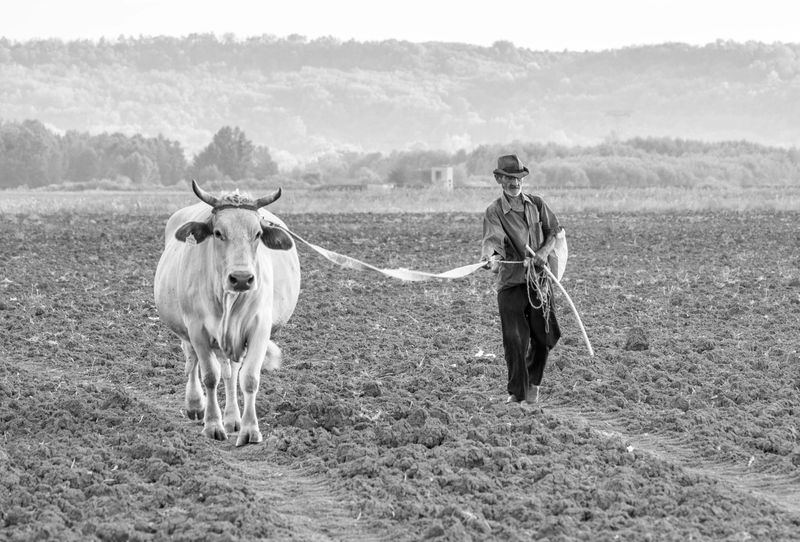
Walking a buffalo down a city street might not be on most travelers’ itinerary, but in case you were planning such an adventure, you should know it is illegal in several Texas municipalities.
This law sounds like pure fiction, yet it genuinely exists in places where buffalo once roamed freely before urban development transformed the landscape.
The American bison, commonly called buffalo, played a crucial role in Texas history, with massive herds thundering across the plains before hunting nearly drove them to extinction in the late 1800s.
As Texas cities developed, a few eccentric ranchers and showmen kept buffalo as curiosities or livestock, occasionally bringing them into town for exhibitions or transport to new locations.
These massive animals, weighing up to 2,000 pounds and standing six feet tall at the shoulder, posed obvious safety hazards on crowded streets designed for horses and pedestrians.
A spooked buffalo could easily cause injuries, property damage, and general chaos in downtown areas.
Rather than relying on general livestock regulations, some Texas cities specifically prohibited buffalo from being led, ridden, or otherwise transported through certain areas.
Today, buffalo populations have recovered somewhat, with ranches across Texas raising them for meat and conservation purposes.
However, you still will not see anyone casually strolling through downtown Austin, San Antonio, or Fort Worth with a buffalo on a lead rope.
The law remains a testament to Texas’s wild frontier past when legislators had to consider scenarios that seem completely absurd to modern urban dwellers, creating regulations for situations that today sound more like tall tales than actual legal concerns requiring official government attention.
Dear Reader: This page may contain affiliate links which may earn a commission if you click through and make a purchase. Our independent journalism is not influenced by any advertiser or commercial initiative unless it is clearly marked as sponsored content. As travel products change, please be sure to reconfirm all details and stay up to date with current events to ensure a safe and successful trip.
