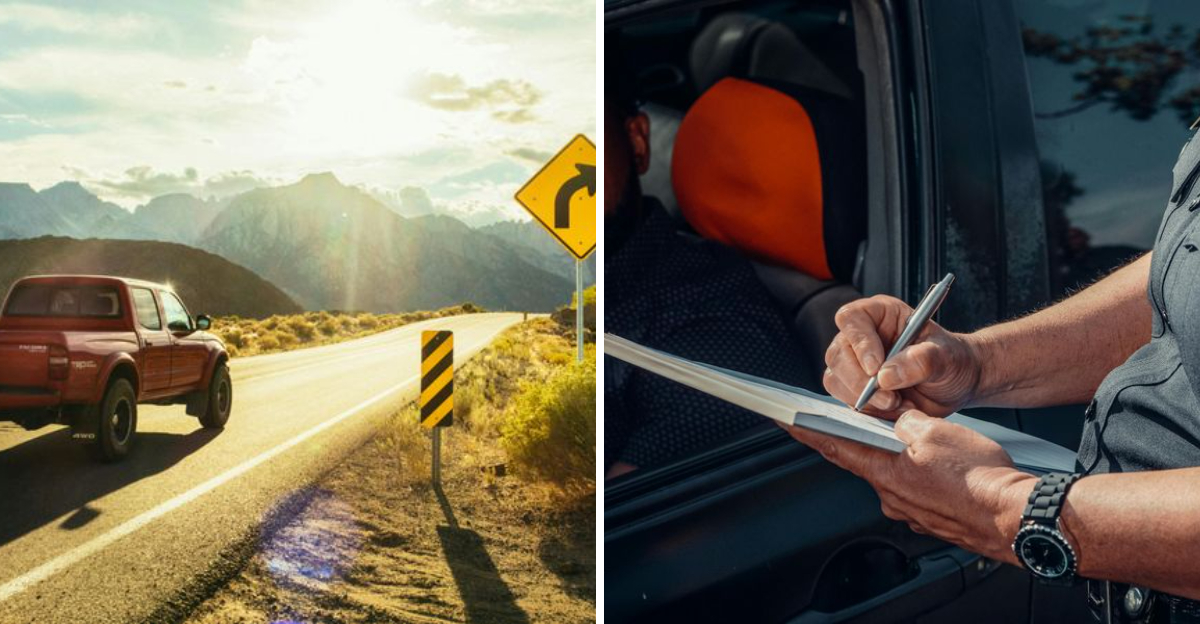
Texas stretches across the southern United States like a patchwork quilt stitched together with wide-open prairies, rolling hill country, desert landscapes, and bustling cities that hum with energy day and night.
What many visitors don’t realize is that Texas operates under a unique set of laws that can catch even seasoned road-trippers off guard, turning a carefree adventure into a pricey lesson in local legislation.
You might think you know the rules of the road, but Texas has a few curveballs that could derail your itinerary faster than a tumbleweed rolling across Highway 10. Ever heard of getting fined because your passenger was holding something perfectly legal?
Or discovering that your Sunday shopping spree just hit a legal roadblock? Buckle up, because these quirky Texas laws are about to become your new travel checklist.
Trust us, you’ll want to read this before you hit the gas!
1. The Move Over Law is Mandatory (and Expensive)
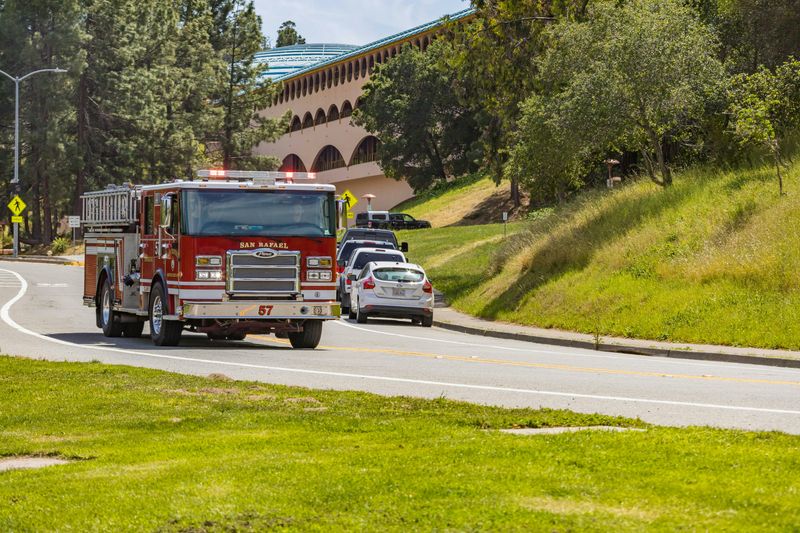
Texas law requires drivers to move over a lane or slow down 20 mph below the speed limit when approaching any vehicle with flashing lights on the shoulder. While most states require this for police and ambulances, Texas includes tow trucks, TxDOT work vehicles, and utility trucks under this mandate.
If you’re cruising down a 75 mph highway and spot flashing lights ahead, you must either shift to the far lane or drop your speed to 55 mph.
Failing to comply can result in a fine of up to $1,250, which is enough to put a serious dent in your vacation budget. Many out-of-state drivers assume the law only applies to emergency vehicles, but Texas casts a much wider net.
Road crews, construction workers, and even utility repair teams are protected under this statute.
The best approach is to stay alert and scan the roadside constantly, especially on long stretches of Interstate 10 or Highway 45. Keep your eyes peeled for any flashing amber, red, or blue lights.
Slowing down might add a few minutes to your trip, but it beats a hefty ticket and keeps everyone safer. Texas highways are vast and beautiful, but they demand respect and attention from every driver who travels them.
2. Paying a Ticket Equals a Guilty Plea
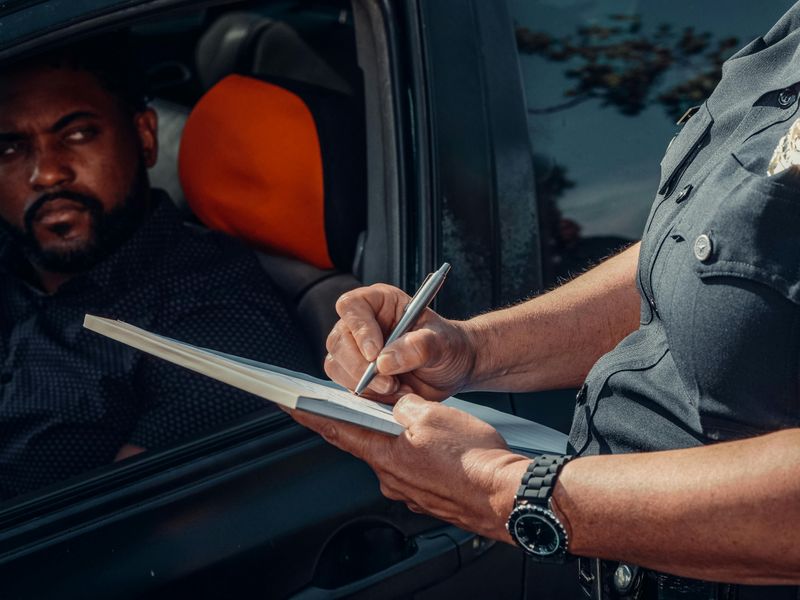
In some states, paying a traffic fine is just a way to settle the debt without admitting fault. In Texas, paying the fine is legally considered a guilty plea, and that violation goes straight onto your permanent driving record.
If you get a speeding ticket on your road trip and decide to just pay it online to get it over with, you’re essentially admitting guilt and accepting the consequences that come with it.
This can affect your insurance rates, your driving record back home, and even future employment opportunities if a clean record is required. Many travelers don’t realize they have options beyond simply paying the fine.
You can request Deferred Disposition or enroll in a Driving Safety Course before paying, which can keep your record clean.
Before you click that payment button, take a moment to read the fine print on your citation. Call the court listed on the ticket and ask about alternative options.
A little extra effort upfront can save you headaches down the road. Texas courts are usually willing to work with respectful, proactive defendants.
Don’t let a minor speeding mistake haunt you for years just because you were in a hurry to move on from your vacation mishap.
3. Texas Blue Laws (The Sunday Struggle)

Texas still observes Blue Laws that restrict certain sales on Sundays, a remnant of old religious observance codes. You cannot buy certain items on Sundays at all, and timing matters for others.
Car dealerships are legally required to be closed on either Saturday or Sunday, and most choose Sunday. If you’re planning to buy a car or even a trailer while on your trip, keep in mind that dealerships will be shuttered on the Lord’s day.
This can throw a wrench into your plans if you’re on a tight schedule and need to make a big purchase before heading out of state.
Plan your shopping trips accordingly, especially if you’re stocking up for a weekend barbecue or a camping adventure in Big Bend. Check store hours online before you drive across town.
Texans are used to these quirks, but visitors often find themselves surprised at the checkout counter. Embrace the slower Sunday pace, grab breakfast tacos, and enjoy the laid-back vibe that comes with a state that still honors its old-school traditions.
4. Night Riding Requirements (For the Cowboys)
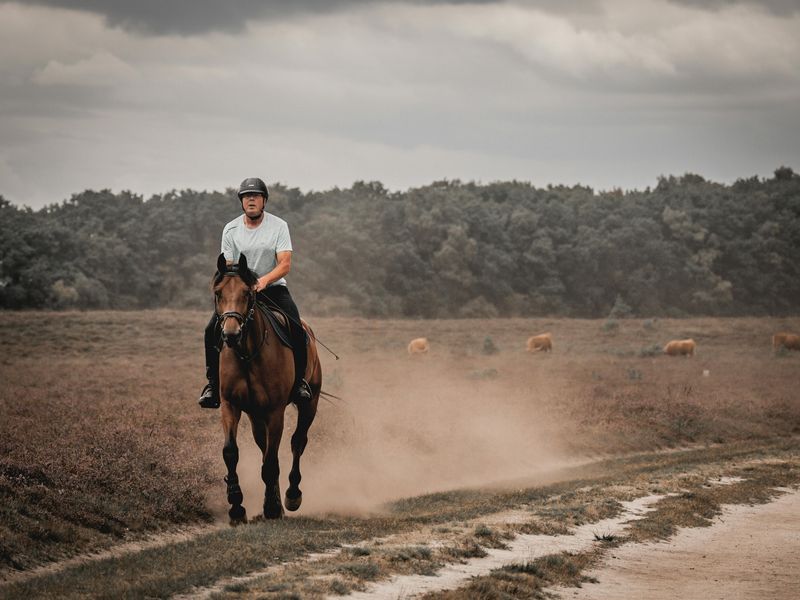
If your travel plans involve more horsepower of the four-legged variety than a rental car, be careful in cities like Texarkana and other rural areas. Texas law requires that if you ride a horse at night, the animal must be equipped with taillights, reflectors, or lights visible from the rear.
While it sounds like a joke, it is a legitimate safety ordinance intended to prevent collisions on dark rural roads.
This law exists because Texas still has active ranching communities and equestrian culture woven into daily life. Riders on horseback share roads with cars, trucks, and motorcycles, especially in smaller towns and county highways.
Without proper lighting, a horse and rider can be nearly invisible to oncoming traffic, leading to dangerous and potentially fatal accidents.
If you’re planning a sunset trail ride or a nighttime excursion through the Hill Country, make sure your horse is properly outfitted with reflective gear or battery-powered lights. Many tack shops in Texas sell clip-on LED lights designed specifically for this purpose.
It might seem quirky, but it’s a smart safety measure that protects both riders and drivers. Texas takes its cowboy heritage seriously, and that includes making sure everyone gets home safe after dark.
5. Toll Road Bill-by-Mail
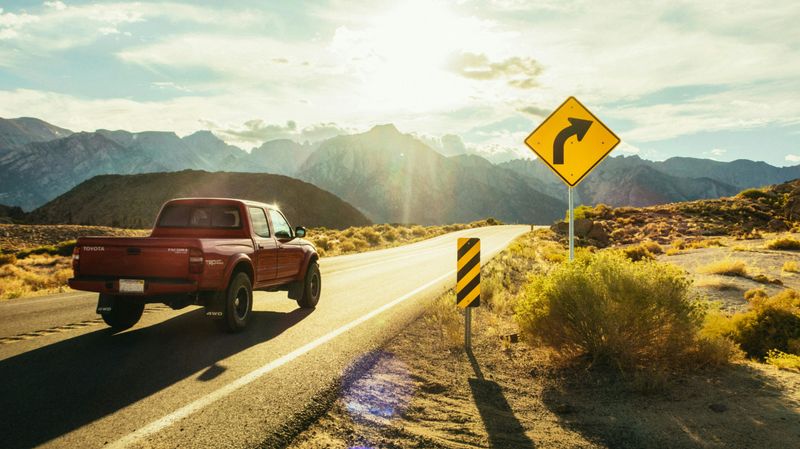
Texas has more toll roads than any other state, and many are 100% electronic with no cash booths in sight. If you don’t have a TxTag or compatible transponder, cameras will photograph your license plate and mail a bill to the address where the car is registered.
This system is efficient for locals, but it can become a financial nightmare for travelers, especially those renting cars.
Rental car companies often charge a convenience fee of $5 to $15 per day just for using a toll road once, which can add up shockingly fast. If you drive through multiple toll zones during your trip, you could end up paying more in fees than the actual tolls cost.
It’s often cheaper to bring your own portable toll tag or set your GPS to avoid tolls entirely.
Before you pick up your rental, ask the company about their toll policy and consider whether you really need to use toll roads. Many scenic routes and alternate highways are toll-free and offer beautiful views of the Texas landscape.
If you do need to use tolls, consider getting a temporary TxTag or using a third-party toll pass that works across multiple states. A little planning can save you a bundle and keep your trip budget on track.
6. Restrictions on Roadside Memorials
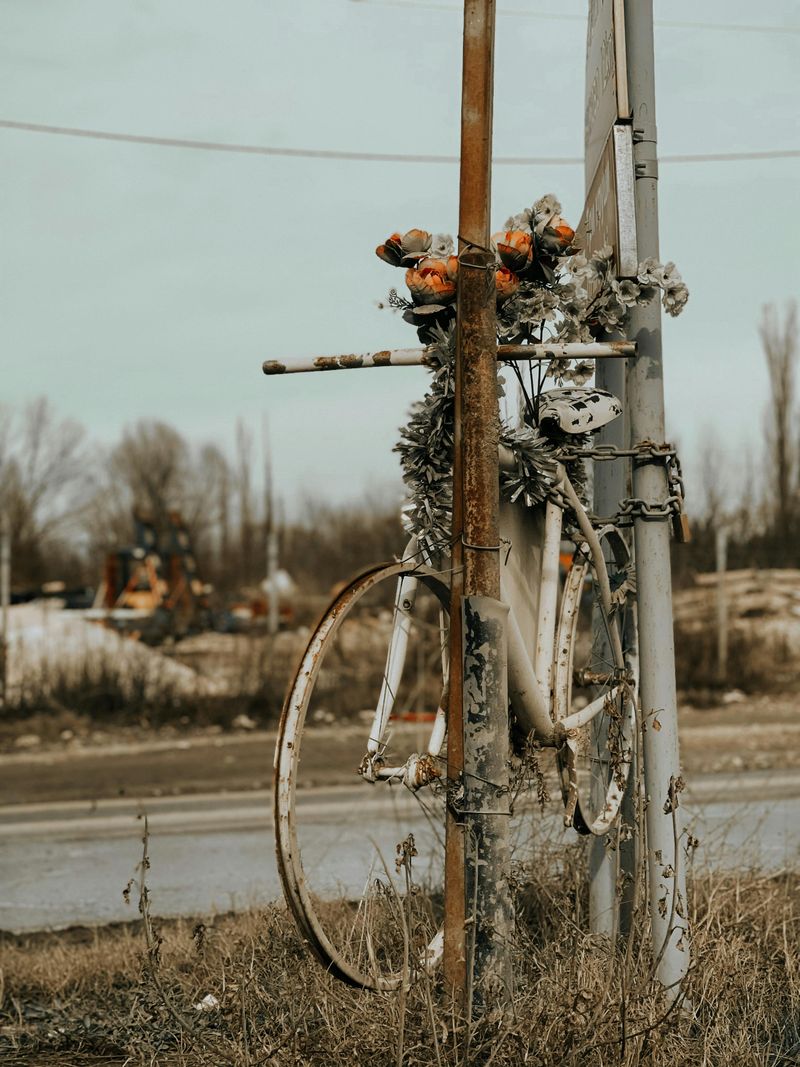
Texas allows families to place roadside memorials to honor loved ones lost in traffic accidents, but there are strict rules governing their size, placement, and maintenance. Memorials cannot obstruct traffic signs, interfere with road maintenance, or create safety hazards for drivers.
The Texas Department of Transportation has the authority to remove memorials that violate these guidelines, which can be heartbreaking for families but necessary for public safety.
Travelers might notice white crosses, flowers, and small markers along highways and rural roads throughout the state. These are deeply personal tributes, and it’s important to respect them.
If you’re planning to create a memorial during your visit, contact TxDOT first to ensure compliance with local regulations. Unauthorized memorials can be removed without notice, and fines may apply in certain counties.
Understanding this law helps travelers appreciate the emotional landscape of Texas roads. Each memorial tells a story of loss and remembrance, and they serve as powerful reminders to drive carefully.
If you see a memorial, take it as a cue to slow down, stay alert, and honor the memory of those who didn’t make it home. Texas roads are beautiful, but they demand caution and respect from everyone who travels them.
7. Restrictions on Collecting Seashells and Sand

If your Texas travel plans include a trip to the Gulf Coast, be aware that collecting seashells, sand, and other natural materials from state beaches and parks is regulated and sometimes prohibited.
Texas Parks and Wildlife enforces strict rules to protect coastal ecosystems and preserve natural resources for future generations.
Taking large quantities of sand or shells can result in fines and legal trouble.
Many travelers assume that beachcombing is a harmless activity, but removing natural materials disrupts habitats for shorebirds, crabs, and other wildlife. Certain shells may still house living creatures, and removing them can harm the local ecosystem.
Some state parks post signs explaining the rules, but not all beaches are clearly marked, so it’s important to know the law before you start collecting.
If you want a souvenir from your beach visit, consider taking photos, buying local crafts, or collecting only a small number of empty shells that are clearly abandoned. Check with park rangers or visitor centers for specific guidelines in the area you’re visiting.
Respecting these rules helps keep Texas beaches beautiful and thriving. The Gulf Coast is a treasure, and a little mindfulness goes a long way in preserving it for everyone to enjoy.
8. Jaywalking and Pedestrian Crossing Laws

Texas cities like Austin, Houston, and Dallas have strict jaywalking laws that are actively enforced, especially in busy downtown areas and entertainment districts. Pedestrians must cross streets at marked crosswalks and obey traffic signals, or they risk receiving a citation.
Fines for jaywalking can range from $50 to $200, depending on the city and circumstances, and repeat offenders may face higher penalties.
Many tourists assume they can dash across the street mid-block or cross against the light if no cars are coming, but Texas law enforcement doesn’t take that lightly. Officers often patrol high-traffic areas during festivals, sporting events, and nightlife hours to ensure pedestrian safety and traffic flow.
Getting ticketed for jaywalking might seem minor, but it can put a damper on your trip and cost you more than you’d expect.
Always use crosswalks and wait for the walk signal, even if it feels inconvenient. Texas cities are designed for cars, and streets can be wide and fast-moving.
Crossing illegally not only risks a fine but also puts your safety in jeopardy. If you’re exploring downtown areas on foot, plan your route ahead and give yourself extra time to cross safely.
Texas welcomes walkers, but it expects them to follow the rules just like everyone else.
Dear Reader: This page may contain affiliate links which may earn a commission if you click through and make a purchase. Our independent journalism is not influenced by any advertiser or commercial initiative unless it is clearly marked as sponsored content. As travel products change, please be sure to reconfirm all details and stay up to date with current events to ensure a safe and successful trip.
