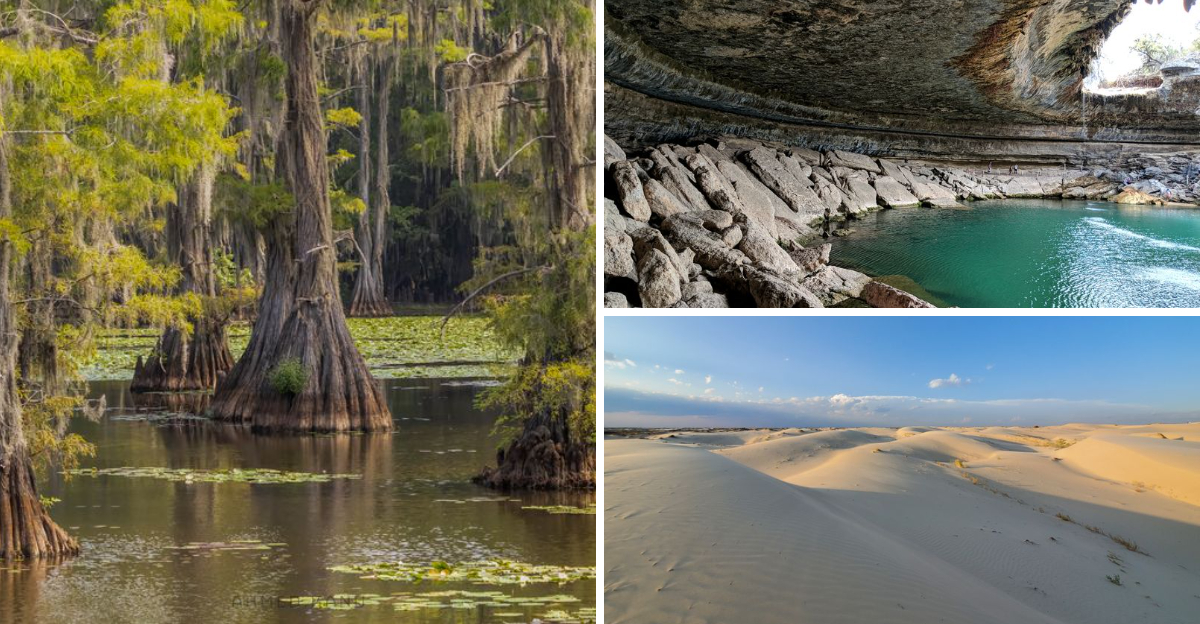
I used to think Texas was all dusty roads and wide-open plains, and then I actually started exploring it. The deeper I went, the more it felt like I had stepped onto a completely different planet.
I have stood in deserts where the ground glows pink at sunrise, wandered through misty bayous where cypress trees look almost alive, and stared up at canyon walls so red and quiet they feel unreal. These places do not match the postcard version of Texas most people picture.
They feel strange, dramatic, and almost otherworldly. Every time I visit one of these spots, I catch myself thinking it looks like a movie set or something pulled straight out of science fiction.
Texas has a way of surprising you when you stop sticking to the familiar, and these landscapes are proof that the state holds far more mystery than it ever gets credit for.
1. Palo Duro Canyon State Park
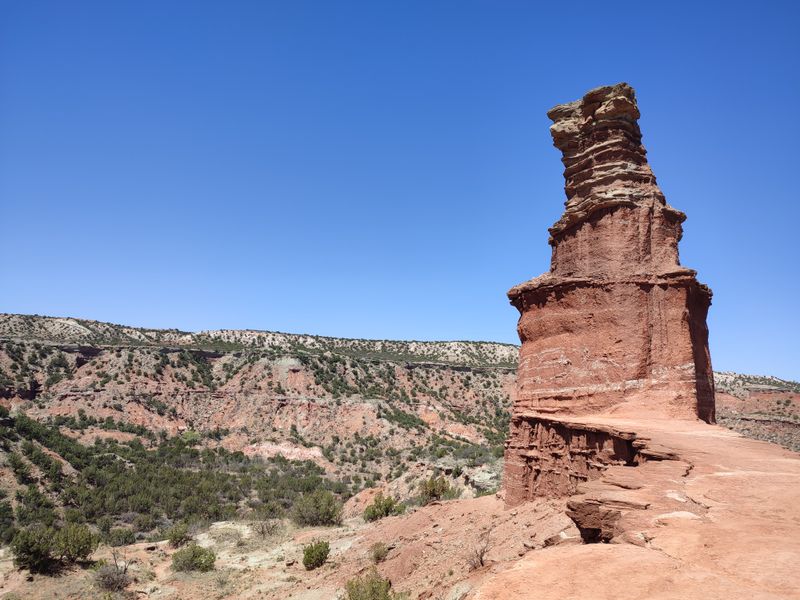
Nicknamed the Grand Canyon of Texas, Palo Duro Canyon drops 800 feet into the earth with layers of red, orange, and yellow rock that glow like fire when sunlight hits just right.
This geological marvel formed over millions of years as the Prairie Dog Town Fork of the Red River carved through sedimentary rock, exposing a timeline of ancient history in vivid stripes.
Standing at the rim and gazing down feels like peering into another planet’s surface, especially during sunrise when colors intensify to almost unreal brightness.
Hiking trails wind through the canyon floor, passing rock formations with names like Lighthouse Peak, a towering spire that stands as the park’s most iconic landmark.
Mountain biking and horseback riding offer alternative ways to explore the rugged terrain, while camping lets you experience the canyon’s magic under a blanket of stars.
Wildlife including roadrunners, mule deer, and wild turkeys roam freely, adding life to the dramatic backdrop.
Summer temperatures soar, so early morning or late afternoon visits work best for comfort and photography. The musical drama Texas plays in the outdoor Pioneer Amphitheatre during summer months, combining history with entertainment against the canyon’s stunning walls.
Pack layers because canyon weather shifts quickly, and don’t forget your camera to capture landscapes that look photoshopped but are 100 percent real and waiting for your exploration.
2. Big Bend National Park
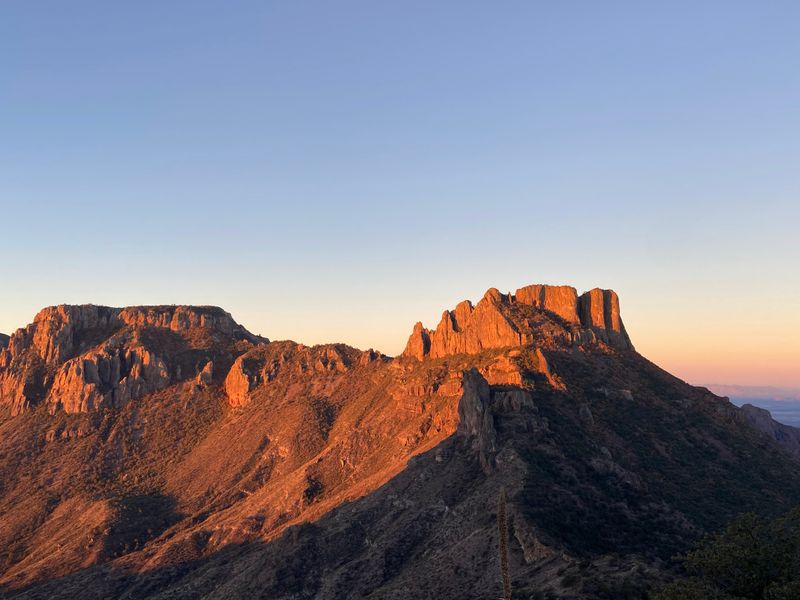
Far West Texas hides one of America’s most underrated treasures, a sprawling wilderness where the Chihuahuan Desert meets the Rio Grande in dramatic fashion.
Mountains jut skyward with jagged peaks that scrape clouds, while deep canyons carve through ancient limestone like nature’s own sculpture garden.
Because Big Bend ranks among the least visited national parks, you can hike for hours without seeing another soul, which amplifies the feeling of stepping onto an alien world.
Santa Elena Canyon stands out as a must-see, where sheer rock walls rise 1,500 feet on either side of the river, creating a corridor so narrow and imposing it feels like walking through a portal to another dimension.
The Chisos Mountains offer cooler temperatures and hiking trails that reward you with panoramic views of endless desert stretching toward Mexico.
At night, Big Bend boasts some of the darkest skies in North America, making stargazing feel like floating through space itself.
Spring brings wildflowers that carpet the desert floor in unexpected bursts of color, softening the harsh landscape with delicate beauty. Summer heat can be intense, so plan visits for fall or winter when temperatures make exploration comfortable.
3. Caddo Lake State Park
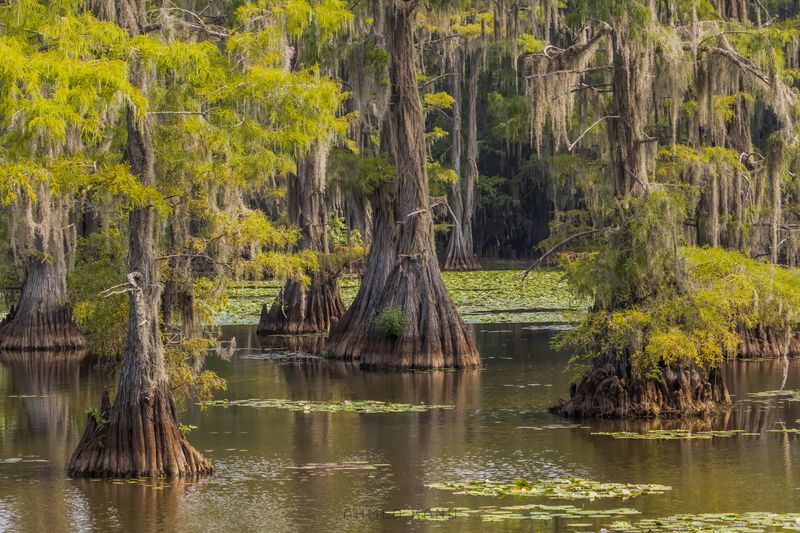
Straddling the Texas-Louisiana border, Caddo Lake creates an eerie, mystical atmosphere that feels plucked from a fantasy novel or prehistoric swamp. Ancient bald cypress trees rise from dark water, their trunks draped in Spanish moss that hangs like ghostly curtains swaying in the breeze.
This remains Texas’s only naturally formed lake, a maze of bayous, sloughs, and channels that confuse even experienced paddlers but reward the adventurous with unforgettable scenery.
Kayaking or canoeing through the waterways offers the best way to experience Caddo’s otherworldly beauty, as you glide beneath moss-covered branches and between massive tree trunks that have stood for centuries.
The lake supports incredible biodiversity, including alligators, turtles, herons, and egrets that add movement and life to the still waters.
Morning mist rising from the surface creates an almost supernatural effect, making you feel like you’ve paddled back in time to an age when dinosaurs roamed.
Guided boat tours help newcomers navigate the confusing channels without getting hopelessly lost in the labyrinth. Visit during fall when cooler temperatures make paddling comfortable and autumn colors add golden hues to the already magical landscape that photographers and nature lovers treasure forever.
Address: 245 Park Rd 2, Karnack, Texas
4. Enchanted Rock State Natural Area
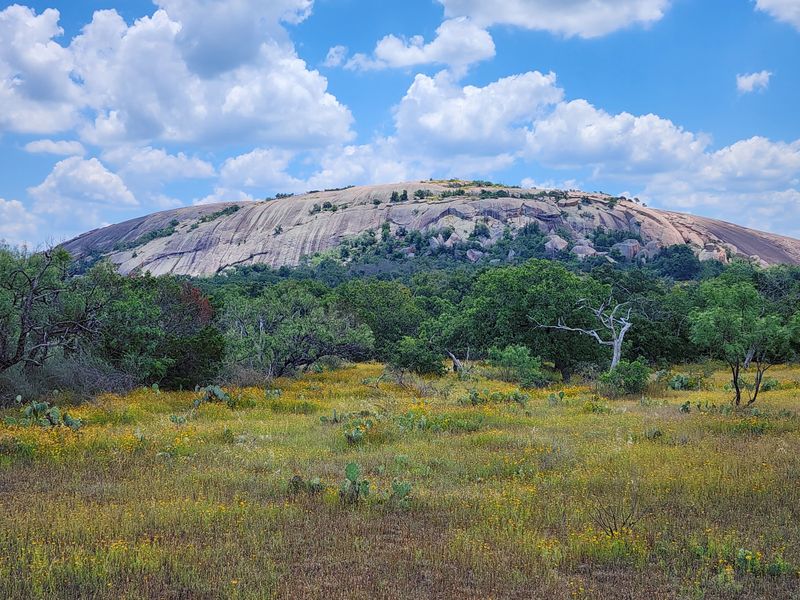
A massive pink granite dome rises 425 feet above the Hill Country like a bald mountain dropped by giants, its smooth surface glowing rosy in morning and evening light.
Enchanted Rock formed over a billion years ago, making it one of the oldest exposed rock formations in North America and a geological wonder that attracts rock climbers, hikers, and curious visitors year-round.
Native American legends speak of ghost fires and strange sounds emanating from the rock, adding mystical intrigue to an already fascinating natural monument.
Climbing to the summit takes about an hour for most hikers, following a well-worn path up the dome’s sloping face that rewards effort with 360-degree views of rolling hills stretching to the horizon.
The rock’s surface features pockets, caves, and vernal pools that support unique ecosystems, including tiny fairy shrimp that appear only after rains.
Spring wildflowers bloom around the base, creating colorful contrast against the ancient pink stone that photographers capture in stunning compositions.
Park rangers limit daily visitors to protect the fragile environment, so arrive early or make reservations in advance to guarantee entry. The rock’s surface heats up quickly under Texas sun, making sturdy shoes essential for the climb and afternoon visits uncomfortably hot.
Address: 16710 Ranch Road 965, Fredericksburg, Texas.
5. Hueco Tanks State Historic Site
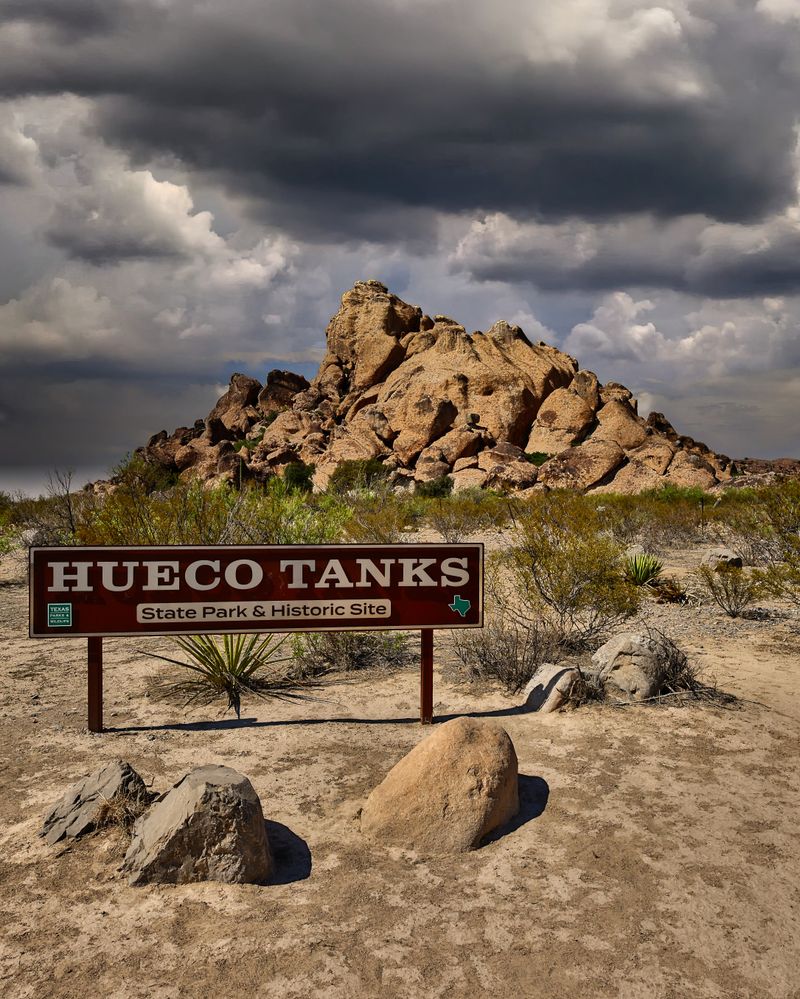
Near El Paso, bizarre rock formations cluster together like giant stone mushrooms, creating a landscape that looks transplanted from another planet entirely.
Hueco Tanks gets its name from the natural rock basins that collect rainwater, providing life-giving resources for humans and animals for thousands of years in this harsh desert environment.
Ancient peoples left behind over 2,000 pictographs painted on rock faces, transforming the site into an outdoor art gallery that blends natural wonder with human history.
Rock climbers flock here for world-class bouldering opportunities, with routes ranging from beginner-friendly to expert-level challenges that test skill and endurance. The unique rock formations create overhangs, caves, and shelters that offer shade and exploration opportunities beyond just climbing.
Guided tours provide access to restricted areas where the most significant pictographs remain protected from vandalism and weathering, sharing stories of the Jornada Mogollon, Mescalero Apache, and other groups who found refuge here.
Reservations are required because park officials strictly limit daily visitors to preserve the fragile archaeological resources and natural environment. Winter and spring offer the most comfortable temperatures for exploring, while summer heat makes outdoor activity potentially dangerous.
Address: 6900 Hueco Tanks Road No. 1, El Paso, Texas.
6. Guadalupe Mountains National Park
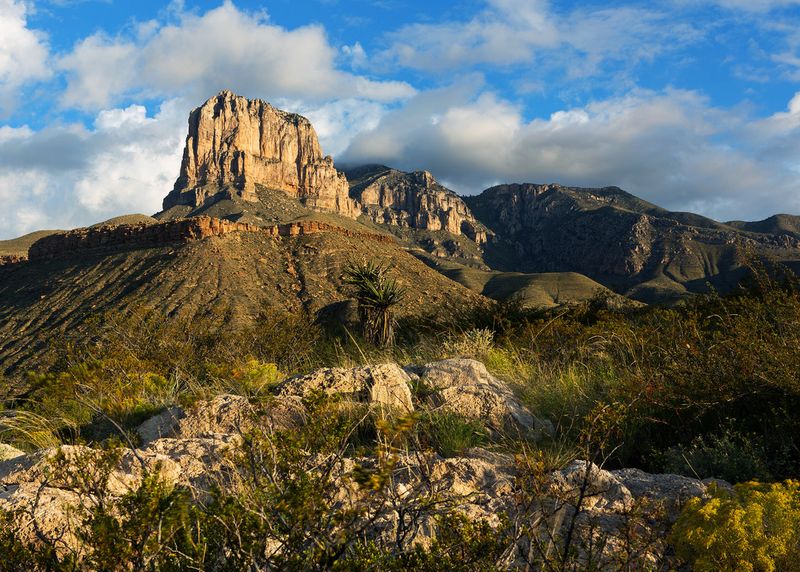
Texas’s highest peaks rise dramatically from the Chihuahuan Desert, creating a sky island ecosystem that feels completely disconnected from the surrounding arid landscape.
Guadalupe Peak towers at 8,751 feet, offering determined hikers a challenging climb that rewards with views stretching across two states and into Mexico on clear days.
The mountains formed from an ancient fossilized reef that once lay beneath a tropical ocean, making the geology here absolutely mind-blowing when you consider the transformation over millions of years.
McKittrick Canyon dazzles visitors with its rare desert oasis environment, where a spring-fed stream supports lush vegetation including bigtooth maples that explode in brilliant fall colors.
The contrast between the canyon’s greenery and the surrounding desert creates surreal scenery that photographers dream about capturing in perfect light.
Hiking trails range from easy nature walks to strenuous backcountry routes that require preparation, experience, and respect for the extreme environment.
Wildlife including elk, mountain lions, and over 300 bird species thrive in the varied habitats from desert floor to mountain forest.
The park receives relatively few visitors compared to other national parks, offering solitude and pristine wilderness for those willing to venture off the beaten path into this remarkable mountain wonderland.
7. Monahans Sandhills State Park
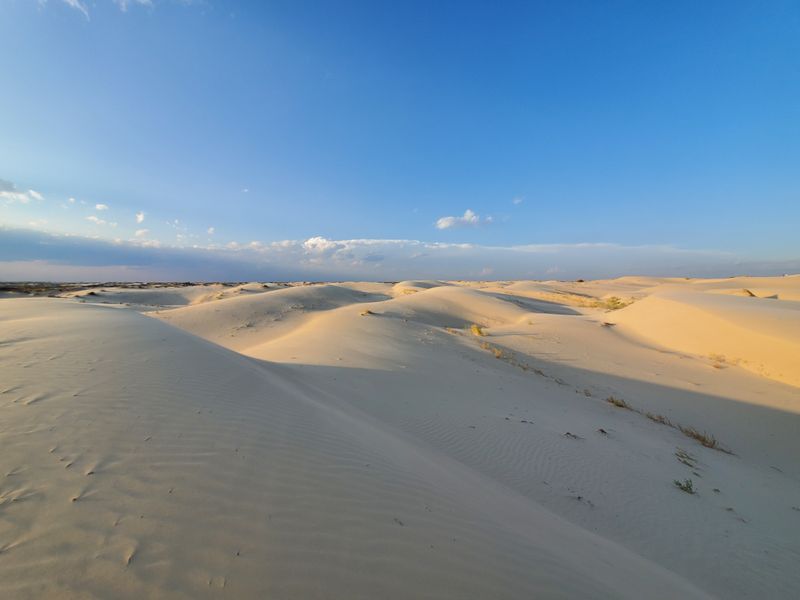
Golden sand dunes stretch across 3,840 acres of West Texas, creating a miniature Sahara Desert that looks completely out of place in the Lone Star State. These dunes rise up to 70 feet high, constantly shifting and reshaping with wind patterns that sculpt the landscape into flowing curves and sharp ridges.
Walking across the sand feels like exploring another planet, especially when the setting sun turns everything golden-orange and shadows deepen the ripples into dramatic relief.
The park offers a unique recreational opportunity that’s rare in Texas: sand surfing and sand boarding down the dunes’ steep faces. Disk rentals make it easy to zoom down the slopes, tumbling and laughing like a kid at the beach but surrounded by landlocked desert instead of ocean.
Oak trees somehow survive partially buried in the sand, their root systems extending deep to find water and creating strange half-tree, half-sand-mound formations that look like nature’s own art installations.
Summer temperatures can exceed 100 degrees, making the sand too hot to walk on barefoot and outdoor activity potentially dangerous during midday hours. Spring and fall provide ideal visiting conditions when temperatures moderate and wildflowers occasionally bloom around the dunes’ edges.
The park hosts an annual sandcastle competition that draws creative builders who sculpt the fine sand into impressive temporary masterpieces. Pack plenty of water, sunscreen, and prepare to find sand in places you didn’t know existed for days after your visit.
Address: Park Road 41, Monahans, Texas.
8. Lost Maples State Natural Area
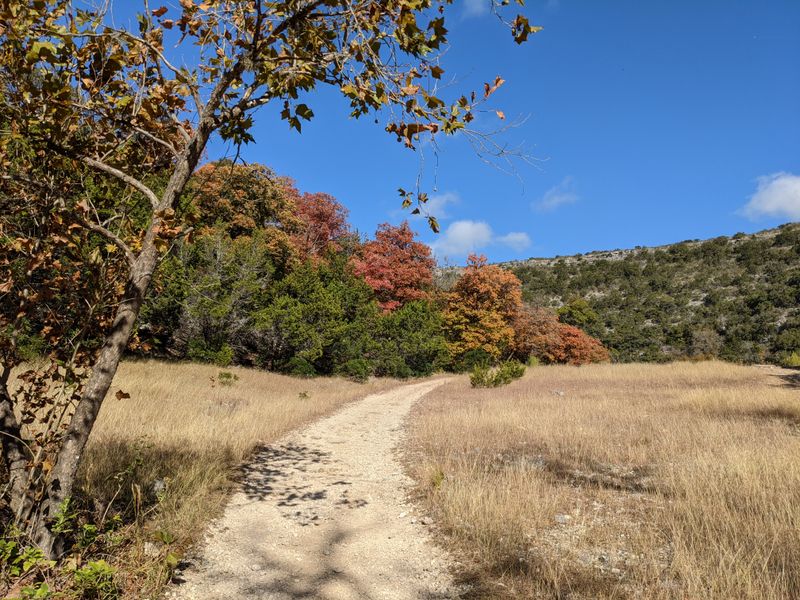
Hidden in the Hill Country, this natural area protects a rare stand of Uvalde bigtooth maples that somehow survived ice age climate changes when their relatives disappeared from surrounding regions.
The maples create a fall spectacle unusual for Texas, with leaves turning brilliant shades of red, orange, and yellow that rival New England’s famous autumn displays.
Steep limestone canyons, spring-fed streams, and rugged terrain combine to create an environment that feels more like the Ozarks than typical Texas landscapes.
Hiking trails wind through canyons and climb ridges, offering varying difficulty levels and incredible views of the maple groves nestled in protected valleys. The Sabinal River carves through the park, creating pools and cascades that provide refreshing spots to cool off after a long hike.
Birdwatchers flock here during migration seasons when the canyon serves as a natural funnel for species traveling between summer and winter habitats, with rare sightings possible for patient observers.
Peak fall color typically occurs in late October or early November, but exact timing varies with weather conditions and can shift by weeks from year to year.
The park limits daily visitors during fall weekends to prevent overcrowding, so reservations become essential for experiencing the main attraction at its most spectacular.
Address: 37221 FM 187, Vanderpool, Texas.
9. Caprock Canyons State Park
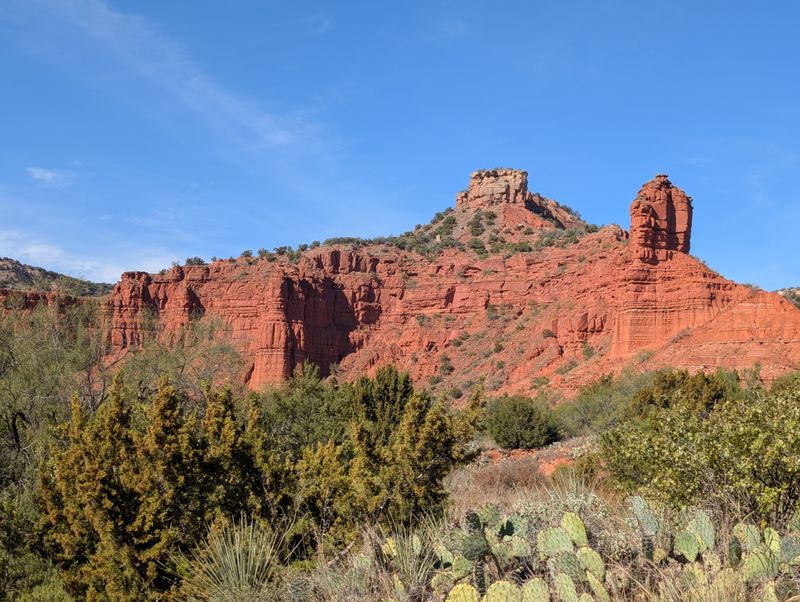
Red rock formations rise from the rolling plains in dramatic fashion, carved by the Little Red River into a landscape that surprises visitors expecting flat Texas Panhandle terrain.
The caprock escarpment marks where the high plains suddenly drop away into canyons and breaks, creating geological drama visible for miles across the prairie.
This park offers something truly special: a herd of official Texas State Bison that roam freely, descendants of the great herds that once covered the plains before being hunted nearly to extinction.
The Trailway follows an abandoned railroad bed for over 64 miles, creating opportunities for hiking, mountain biking, and horseback riding through varied terrain from canyon bottoms to mesa tops.
Natural Bridge, a delicate rock arch, stands as the park’s most photographed feature, though reaching it requires a moderately challenging hike that rewards effort with stunning views.
Colorful rock layers tell the story of ancient seas, rivers, and deserts that covered the area over millions of years, creating a geology lesson written in stone.
Spotting the bison herd creates a thrilling moment that connects visitors to Texas’s wild past when these massive animals dominated the landscape. The park receives far fewer visitors than more famous Texas destinations, offering solitude and authentic wilderness experiences.
Address: 850 Caprock Canyon Park Road, Quitaque, Texas
10. Hamilton Pool Preserve
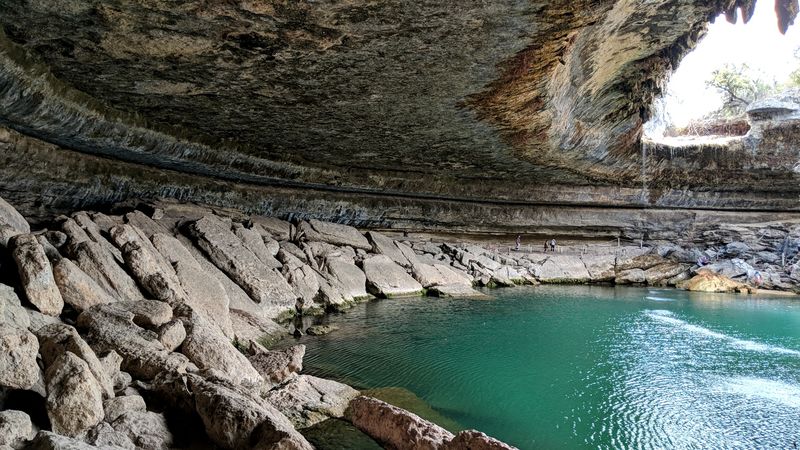
A collapsed grotto created one of Texas’s most magical swimming holes, where a 50-foot waterfall cascades over a limestone overhang into a jade-green pool surrounded by ferns and moss.
The natural pool formed thousands of years ago when the dome of an underground river collapsed, exposing the water below and creating a half-enclosed cathedral of stone.
Stalactites drip from the curved ceiling, and sunlight filters through the opening above, creating an ethereal atmosphere that feels like discovering a secret fairy realm.
Swimming in the pool offers a surreal experience, with cool spring water providing refreshing relief from Texas heat while you float beneath the waterfall and ancient rock formations.
The preserve limits daily visitors and requires reservations to protect the fragile ecosystem from overuse, making advance planning essential for visiting this popular destination.
A short hiking trail leads from the parking area down to the pool, winding through juniper and oak forest that provides shade and wildlife viewing opportunities.
Water flow varies seasonally, with the waterfall sometimes reduced to a trickle during dry periods but spectacular after rains when water thunders over the edge. Address: 24300 Hamilton Pool Road, Dripping Springs, Texas.
11. Devil’s Sinkhole State Natural Area
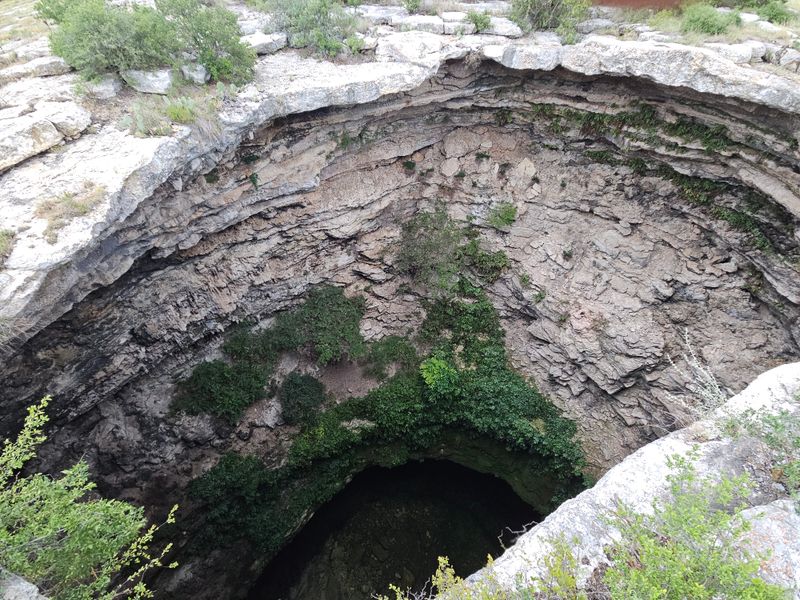
A massive vertical cavern drops 350 feet into the earth, creating a natural wonder so impressive and dangerous that access remains strictly controlled through guided tours only.
The sinkhole formed when the roof of an underground cave collapsed, leaving a gaping hole 40 feet wide at the surface that opens into a chamber large enough to swallow a football field.
Standing at the edge and peering into the darkness below creates a mix of awe and vertigo that reminds visitors of nature’s incredible power.
Mexican free-tailed bats use the sinkhole as a summer roost, with millions emerging at dusk in a spiraling tornado of wings that darkens the sky and creates a spectacle rivaling any fireworks display.
The bat flight typically occurs from May through October, with peak numbers in July and August when viewing becomes truly spectacular.
The sound of millions of wings creates a rushing noise like wind or distant thunder, adding audio drama to the visual phenomenon.
Tours include a walk through Edwards Plateau terrain to the sinkhole’s edge, with interpretive information about the area’s geology, ecology, and history. The preserve protects endangered species habitat and fragile karst ecosystems that depend on the unique underground environments.
Reservations are required and tours fill quickly, especially during bat season when demand peaks.
12. Seminole Canyon State Park
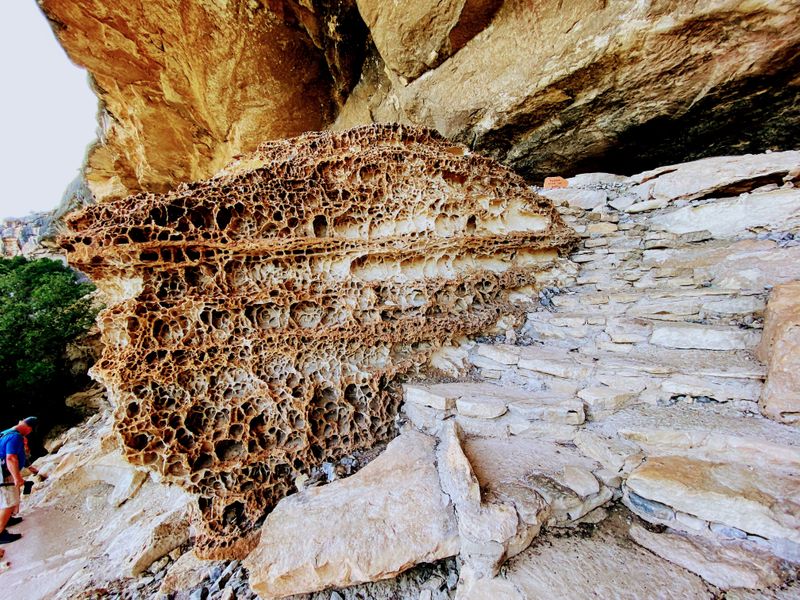
Ancient rock art covers canyon walls in this remote corner of Southwest Texas, where prehistoric peoples created pictographs over 4,000 years ago that remain remarkably preserved in dry rock shelters.
The Pecos River carved deep canyons through limestone, creating dramatic gorges that drop hundreds of feet from the arid plateau above.
Hiking into these canyons feels like traveling back in time, with the pictographs providing a direct connection to people who lived here long before recorded history.
Fate Bell Shelter contains some of the most impressive rock art panels, with larger-than-life shamanic figures painted in red, yellow, black, and white pigments made from natural minerals.
Guided tours led by park rangers provide the only access to the shelter, protecting the fragile art while sharing fascinating theories about the meanings and purposes of the ancient images.
The Lower Pecos region contains one of the richest concentrations of prehistoric rock art in North America, making this area archaeologically significant on a global scale.
Canyon overlooks provide stunning views of the Pecos River winding through the gorge far below, with layers of exposed rock creating a geological timeline visible in the cliff faces.
The park offers camping facilities for visitors who want to experience the canyon’s magic during sunrise and sunset when light transforms the landscape.
Summer heat can be brutal, so spring and fall visits offer more comfortable exploration conditions.
Address: US-90, Comstock, Texas
Dear Reader: This page may contain affiliate links which may earn a commission if you click through and make a purchase. Our independent journalism is not influenced by any advertiser or commercial initiative unless it is clearly marked as sponsored content. As travel products change, please be sure to reconfirm all details and stay up to date with current events to ensure a safe and successful trip.
