Everyone loves a good nature trail until they have to share it with fifty other people and their Bluetooth speakers. That is the problem with popular spots.
But there is a secret that locals do not like to share: some trails in Texas are almost empty, even on a sunny Saturday afternoon. How?
A little inconvenience goes a long way. Maybe the parking lot is just gravel, or the gate requires a tiny bit of effort to open.
Nothing crazy, just enough to scare off the crowd that wants their hiking experience handed to them on a silver platter. These seven trails stay quiet because they ask for a tiny bit of effort up front.
A short walk from a dirt lot, an unmarked turn, a fence that you might have to step over. Texas has plenty of overcrowded hiking spots, but these ones feel like they belong to you.
Pack some water, leave the speaker at home, and go enjoy the sound of actual silence for a change.
1. Daingerfield State Park, Mountain View or Swampland Trail
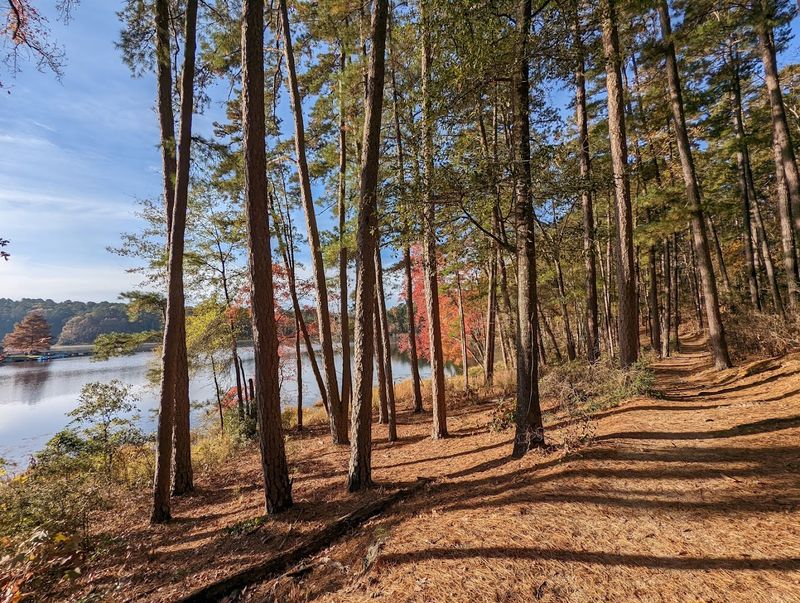
There is something almost dreamlike about the way morning light filters through the tall pines at Daingerfield State Park. The air smells like damp earth and cedar, and the lake at the center of the park catches every reflection like a mirror.
Most visitors heading to East Texas skip right past this spot, which makes it all the more rewarding for those who stop.
The Mountain View Trail gives you elevation changes that feel surprisingly dramatic for this part of the state. You move through corridors of pine and hardwood, catching glimpses of the lake below from different angles as the path winds upward.
The Swampland Trail offers a completely different mood, low and lush, with cypress knees poking up from dark water and the sound of frogs replacing every other noise.
What makes this park feel special is how self-contained it is. The trails loop back naturally, so there is no pressure to figure out a complicated route.
You can choose your mood, elevated and breezy or close to the water and shaded, depending on what the day calls for.
Weekends here rarely feel crowded. Families tend to cluster near the picnic areas and the swimming beach, leaving the trails surprisingly open.
I spent a full Saturday morning on the Swampland Trail without seeing more than two other hikers, and both of them seemed equally surprised to encounter anyone at all.
Daingerfield is one of those parks that rewards the curious traveler who is willing to look past the obvious destinations. The combination of forest, water, and genuine quiet makes it a rare find in Texas.
Plan for at least two hours if you want to try both trails without rushing.
Address: 455 Park Rd 17, Daingerfield, TX 75638
2. Hill Country State Natural Area, West Peak Loop and Trails
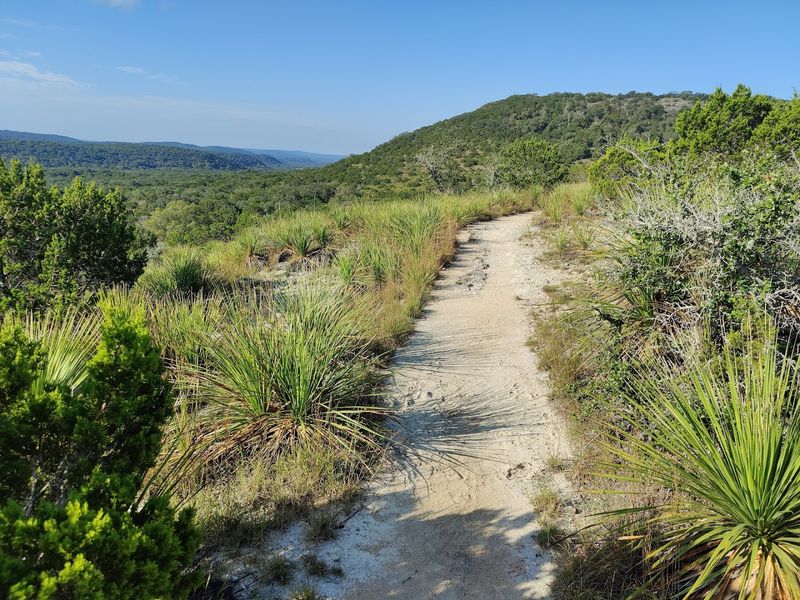
Bandera County has a stubborn, unhurried energy that gets into you after a while. Hill Country State Natural Area carries that same spirit, spread across more than 5,000 acres of limestone ridges, creek beds, and cedar-covered slopes that feel genuinely untouched.
The West Peak Loop earns its name honestly, climbing to one of the more rewarding viewpoints in the region.
The trail surface shifts between loose rock and packed dirt, and the elevation gain keeps things interesting without being punishing. From the higher sections, you can see ridgeline after ridgeline stretching toward the horizon, the kind of view that makes you stop mid-step just to take it in.
On a clear morning, the light hits the cedar slopes and turns everything a soft gold.
This natural area is unique in Texas because it allows horseback riding on many of its trails, which adds a certain old-fashioned charm to the experience. Even so, foot traffic remains light.
The network of trails means visitors spread out naturally across the property, and you can go long stretches without hearing anything but wind and wildlife.
Creek crossings are part of the fun here. Depending on recent rainfall, Bandera Creek can be a gentle wade or a proper scramble across stepping stones.
Either way, it breaks up the hike with something tactile and real. Wet boots and all, it is worth it.
I find this area particularly good for early risers. Getting to the trailhead before eight in the morning means you have the whole landscape to yourself, and the cool air makes the climb to West Peak feel effortless by comparison.
Pack enough water, because shade is limited once you reach the upper trails.
Address: 10600 Bandera Creek Rd, Bandera, TX 78003
3. Atlanta State Park
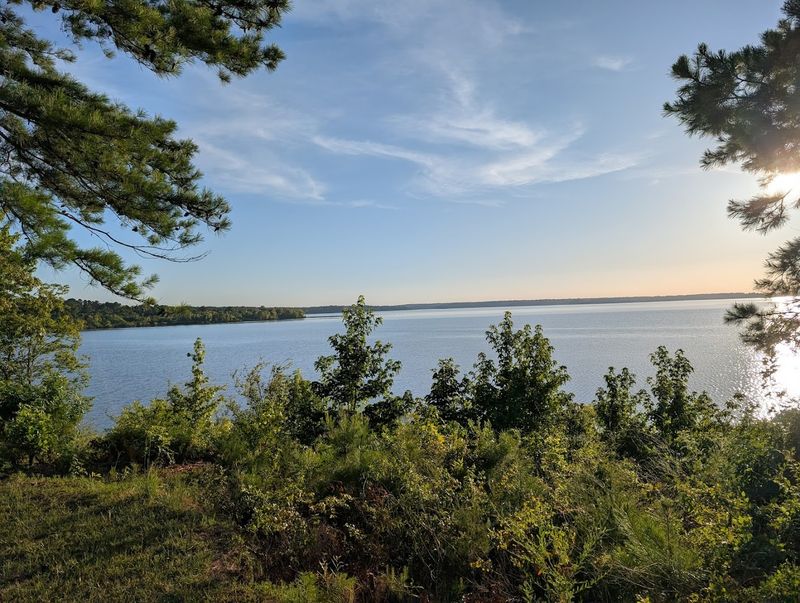
Hidden up in the northeastern corner of Texas, Atlanta State Park sits beside Wright Patman Lake in a way that feels almost accidental, like the forest just decided to grow right up to the water’s edge. The park is small by Texas standards, but that is exactly what keeps it calm.
There are no massive crowds, no long lines at the entrance, just pine trees, lakeshore, and birdsong.
The trails here wind through a mix of upland pine forest and bottomland hardwoods, and the contrast between the two keeps the walking interesting.
One moment you are under a cathedral ceiling of loblolly pines, and the next you are stepping through an open grove of oaks with the lake glinting through the gaps.
The trail network is modest in length, which suits a relaxed half-day outing perfectly.
Birdwatching at Atlanta State Park is quietly excellent. The variety of habitat types draws a good range of species, and because foot traffic is so low, birds tend to behave naturally rather than flushing at the first sign of a person.
Bring binoculars if you have them. You will not regret the extra weight in your pack.
The lake access points along the trail add a nice rhythm to the walk. You can pause at the water, watch for herons or turtles, and then continue on without the hike feeling interrupted.
It is the kind of place where stopping feels just as productive as moving forward.
Atlanta State Park gets overlooked because it lacks the dramatic scenery of West Texas parks, but that understated quality is its strength. Quiet forests and calm water do not need to compete with canyon walls to be worth your time.
Sometimes the gentle version of beautiful is exactly what you need.
Address: 927 St Park Rd 42, Atlanta, TX 75551
4. Buescher State Park, Pine Gulch Trail
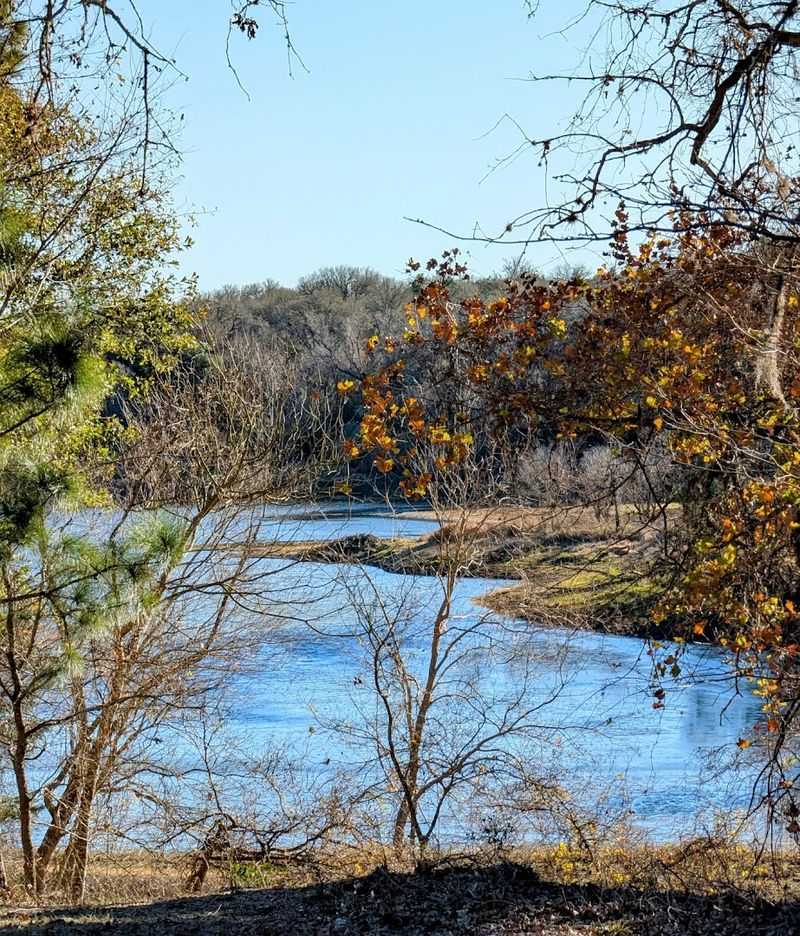
Buescher State Park has a personality that is easy to underestimate at first glance. The entrance is unassuming, the terrain is gentle, and nothing about it announces itself as spectacular.
But then you step onto the Pine Gulch Trail and the forest pulls you in quietly, the way a good book does after the first few pages.
The trail follows a series of small ridges and creek drainages through a forest of loblolly pine and post oak that is genuinely dense. Sound gets swallowed up fast in here.
The outside world fades quickly, replaced by the soft crunch of pine needles underfoot and the occasional call of a woodpecker working somewhere in the canopy above.
Buescher sits just a few miles from Bastrop State Park, and most people head to the more famous neighbor without realizing what they are passing. That habit works entirely in Buescher’s favor.
The Pine Gulch Trail on a Saturday morning can feel like a trail that exists just for you, which is a rare thing this close to Austin.
The park’s small lake adds a pleasant anchor point for the visit. After finishing the trail, sitting near the water for a while feels like a natural reward.
Turtles line the logs near the shore, and the surface of the lake stays glassy and still in the early hours before any wind picks up.
One thing worth knowing is that this park connects to Bastrop via the Lost Pines Trail, so ambitious hikers can link the two parks into a longer adventure. For most people, though, the Pine Gulch Trail alone delivers everything you came for, shade, quiet, and the particular satisfaction of a forest that feels genuinely alive.
Address: 100 Park Road 1E, Smithville, TX 78957
5. Old Zoo Nature Trails
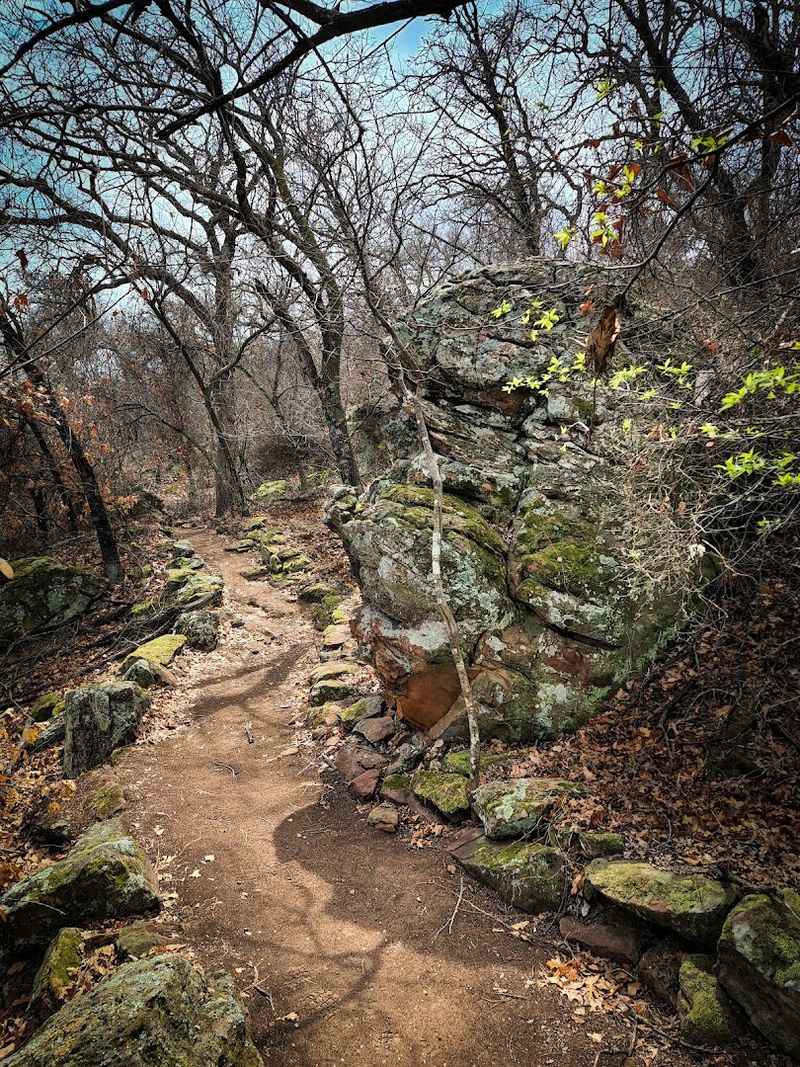
Few trails in Texas carry the kind of backstory that the Old Zoo Nature Trails in Cisco do. This was once an actual municipal zoo, operating through much of the early twentieth century before eventually closing and returning to nature.
What remains today is a trail system that wanders through a landscape caught between history and wilderness.
Concrete foundations peek out from beneath dense vegetation. Old enclosure walls have crumbled into low ridges that the forest has slowly reclaimed.
Walking here feels like reading a story that nature has been quietly rewriting for decades, and the result is genuinely fascinating in a way that no purpose-built trail can replicate.
The trees along the trail are mature and generous with shade. Hackberry, elm, and cedar provide a canopy that keeps things cool even on warmer days.
The Cisco area does not attract the same tourist traffic as Central Texas parks, which means this spot stays refreshingly uncrowded throughout the week and on weekends alike.
Wildflowers push through the old concrete in spring, and the contrast of color against weathered gray stone is quietly striking. In fall, the deciduous trees shift into amber and rust, giving the ruins an almost painterly quality.
Every season offers a different version of the same peaceful walk.
There is something freeing about a trail that carries no pressure. No summit to reach, no famous viewpoint to photograph.
The Old Zoo trails reward slow, curious movement, the kind of walking where you notice things rather than cover distance. I left feeling more rested than when I arrived, which is honestly the best thing a trail can do.
Address: Co Rd 112, Cisco, TX 76437
6. Caprock Canyons State Park, Upper Canyon or Haynes Ridge Trail
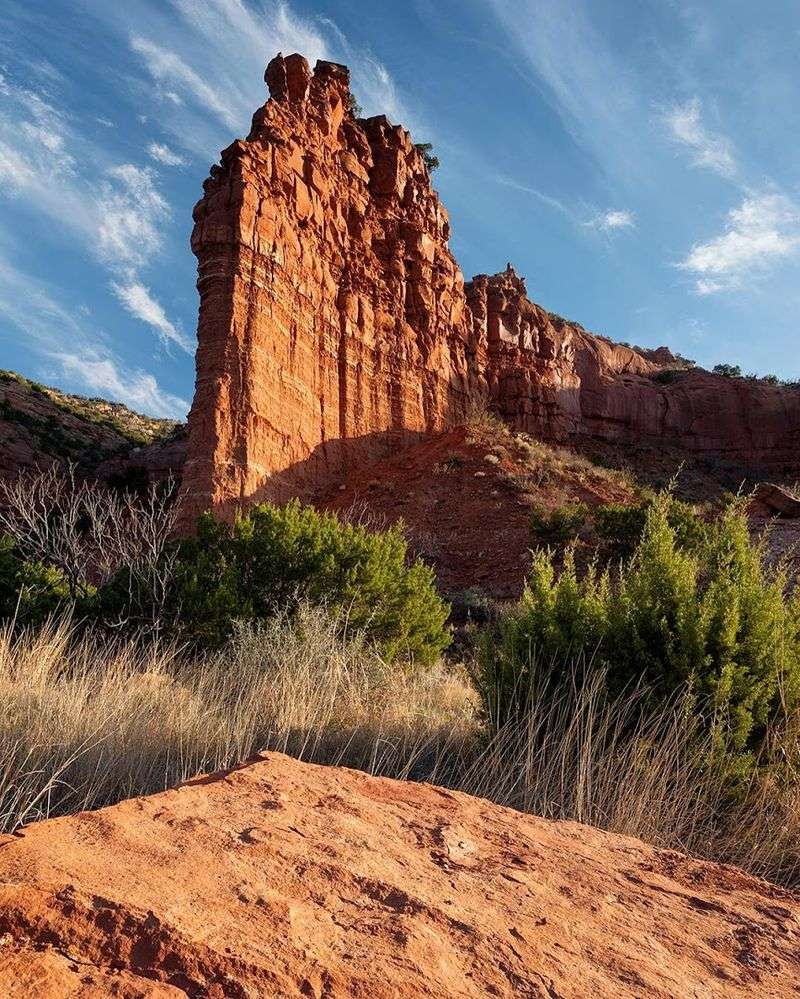
The Texas Panhandle surprises people. Most travelers picture flat, featureless plains stretching endlessly in every direction, and then they arrive at Caprock Canyons and find themselves staring into a labyrinth of red and orange canyon walls that drop sharply away from the plateau above.
The Upper Canyon and Haynes Ridge trails give you access to some of the most dramatic terrain in this part of the state.
Haynes Ridge in particular earns respect quickly. The trail climbs to a high, exposed ridge where the wind is constant and the views extend for miles across the broken canyon country below.
The colors in the rock layers shift depending on the light, pale cream near the top, deep burgundy lower down, with bands of purple and ochre in between.
The park is home to the official Texas State Bison Herd, and encountering them on or near the trails is always possible. Seeing bison moving freely through canyon grasslands, unhurried and enormous, is one of those experiences that recalibrates your sense of scale in a useful way.
Keep a respectful distance and enjoy the moment.
Weekend crowds here are thin compared to more centrally located parks. The drive to Quitaque is long enough to filter out casual visitors, leaving the trails to people who genuinely want to be there.
That self-selection process produces a noticeably different trail culture, quieter, more patient, more likely to stop and look.
Sunrise and sunset at Caprock Canyons are worth planning around. The canyon walls glow in shades that no filter can improve, and the silence at those hours is total.
If you can camp here overnight, do it. Waking up inside the canyon is an experience that stays with you long after you have driven back to the highway.
Address: 850 State Park Rd, Quitaque, TX 79255
7. Bentsen-Rio Grande Valley State Park
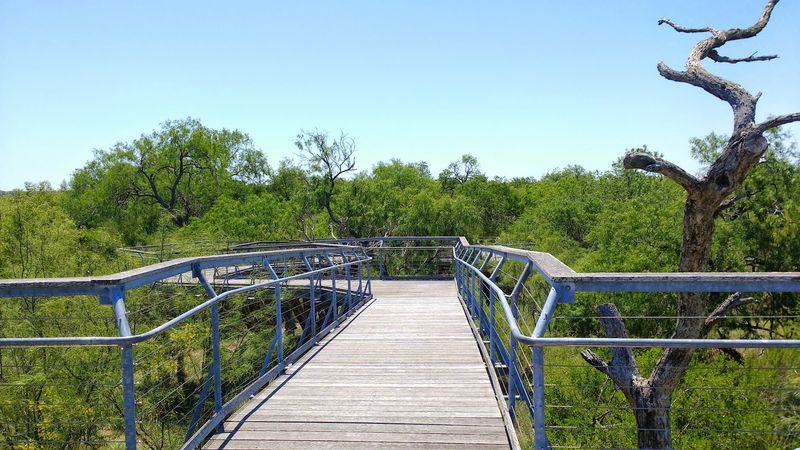
Birders already know about Bentsen-Rio Grande Valley State Park, and they guard that knowledge with quiet pride. For everyone else, arriving here for the first time feels like crossing into a different country entirely.
The vegetation is subtropical, thick with sabal palms, anacua trees, and dense understory shrubs that you simply do not see anywhere else in Texas.
The trail system at Bentsen moves through several distinct habitat zones, each with its own cast of wildlife. Resacas, the old oxbow lakes left behind by the shifting Rio Grande, sit still and dark beneath the canopy, reflecting the sky and the branches above.
Dragonflies patrol the water’s surface while green jays flash through the brush like moving jewels.
What sets Bentsen apart from most parks is the tram system, which allows non-hikers to access the deeper parts of the park without disturbing the trail experience for walkers. The trails themselves remain genuinely peaceful.
You can go long stretches hearing nothing but the rustle of leaves and the chatter of birds that exist nowhere else in the United States.
The Rio Grande is visible from certain points along the trails, wide and slow-moving and brown, carrying the weight of two countries on its surface. Sitting near it for a few minutes puts the whole landscape in context.
This is a border region, and the park reflects that layered, complicated, deeply interesting character.
Temperature matters here more than at most Texas parks. Early morning visits in any season are cooler and more productive for wildlife.
Midday in summer can be genuinely brutal, so pack ice water and plan accordingly. The reward for getting the timing right is a trail experience that feels more like a nature documentary than a weekend hike.
Address: 2800 S Bentsen Palm Dr, Mission, TX 78572
