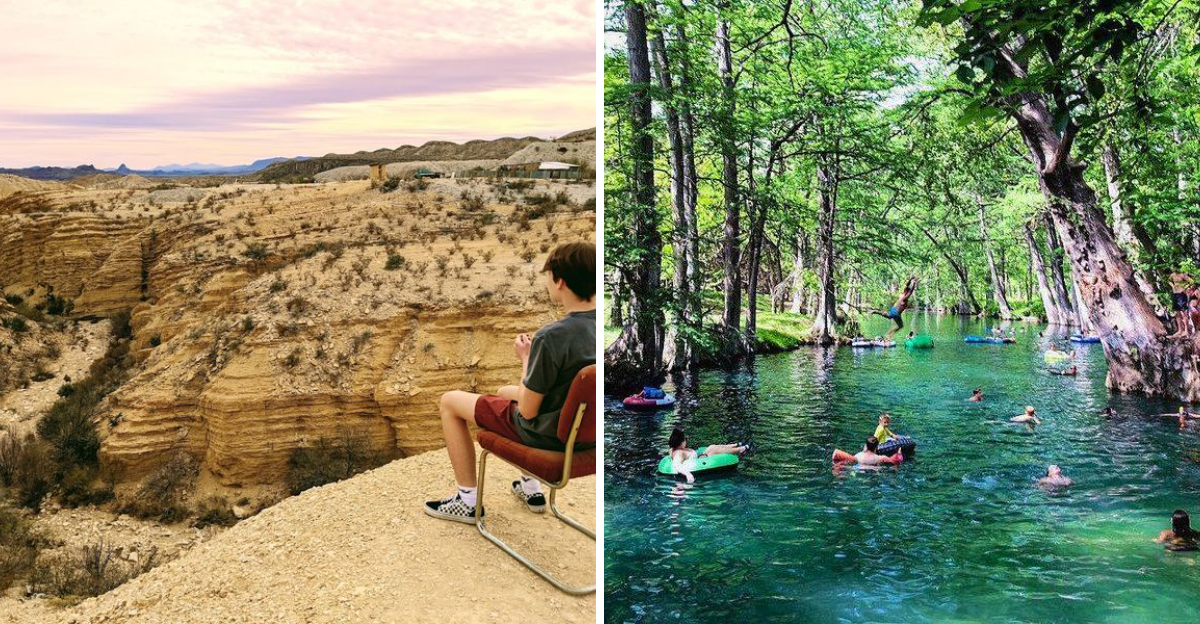
Spring in Texas is beautiful, but you already know about the usual parks and trails. This list is for when you want something that does not feel like every other outdoor trip.
Think experiences that surprise you, like hiking through unexpected landscapes or trying an activity you never considered. Maybe you find a spot with weird rock formations, a hidden swimming hole, or a place where wildflowers take over an entire field.
The weather is finally nice enough to stay outside without melting or freezing, so why do the same thing twice? These outdoor spots shake up the routine without requiring a plane ticket.
Grab your sunscreen and an open mind.
1. Camp Tonkawa Springs
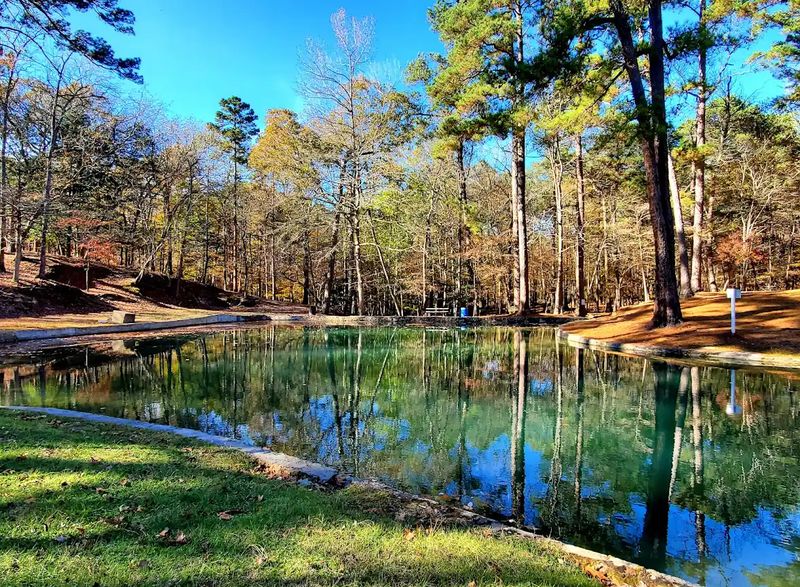
There is a quiet magic to East Texas that sneaks up on you, and Camp Tonkawa Springs delivers it in full. Hidden away in the Piney Woods region, this place feels like a secret that locals have been keeping for generations.
The spring-fed water stays remarkably cool even as the Texas sun begins its seasonal climb, making it an ideal escape during the warmer weeks of spring.
The surrounding forest has that thick, almost humid character that feels more like Louisiana than what most people picture when they think of Texas. Tall loblolly pines stretch overhead, and the understory is full of ferns, wildflowers, and the occasional chorus of frogs.
It is the kind of place where you slow down without even trying.
Families and solo hikers alike find something worth savoring here. The natural springs create small, clear pools that are perfect for wading and cooling off after a morning on the trails.
Spring weekends bring out locals who know this gem well. If you want East Texas at its most unhurried and honest, this is your spot.
Address: 4675 Co Rd 153, Garrison, TX
2. Balmorhea State Park
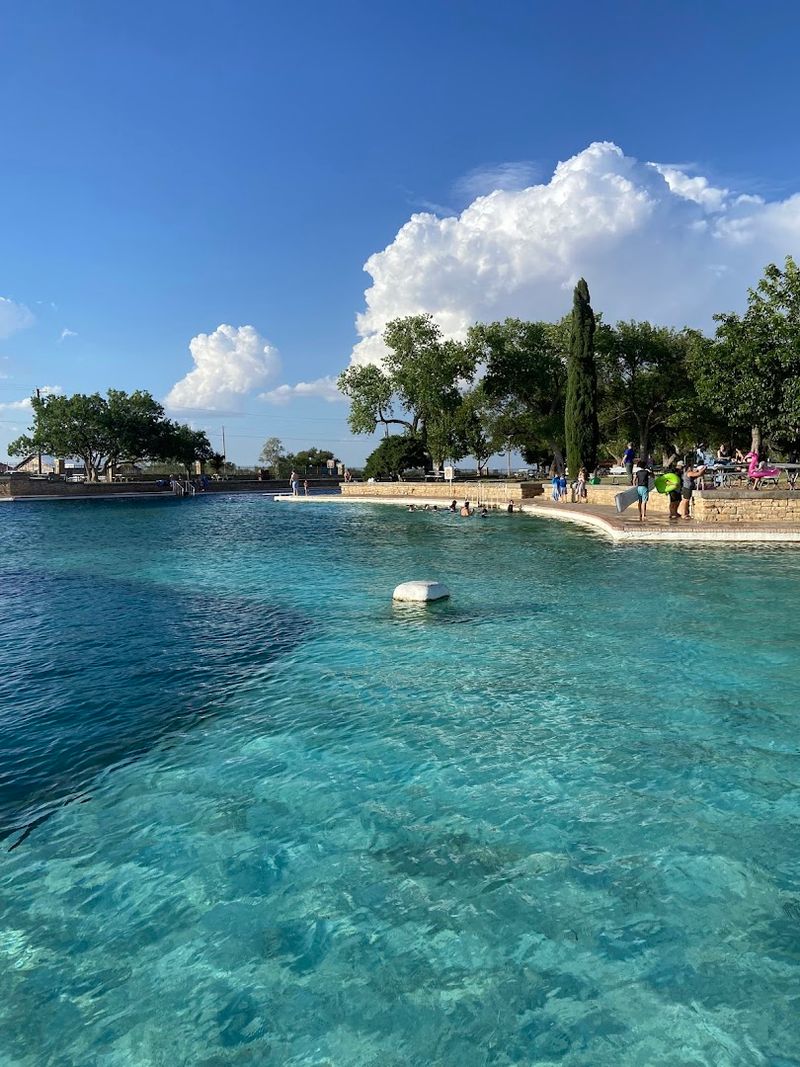
Out in the middle of the Chihuahuan Desert, where you least expect it, a massive natural spring pool appears like something from a dream.
Balmorhea State Park is home to one of the largest spring-fed swimming pools in the world, and the contrast between the dry, sun-bleached landscape outside and the cool, clear water inside is genuinely stunning.
I remember my first look at the pool and thinking it simply could not be real.
The water temperature stays consistent year-round, hovering around 72 to 76 degrees, which makes spring the absolute sweet spot for a visit.
The pool is fed by San Solomon Springs and supports a surprisingly diverse underwater ecosystem, including rare fish species and turtles that share the space with swimmers.
Snorkeling here is an experience unlike anything else in Texas.
Spring brings fewer crowds than summer, and the surrounding Chihuahuan Desert blooms with unexpected color during this season. Ocotillo and desert wildflowers add a soft, vivid frame to the stark beauty of the landscape.
This is one of those places that rewards curiosity and feels completely earned after the long drive through wide-open West Texas.
Address: 9207 TX-17, Toyahvale, TX
3. Blue Hole Regional Park
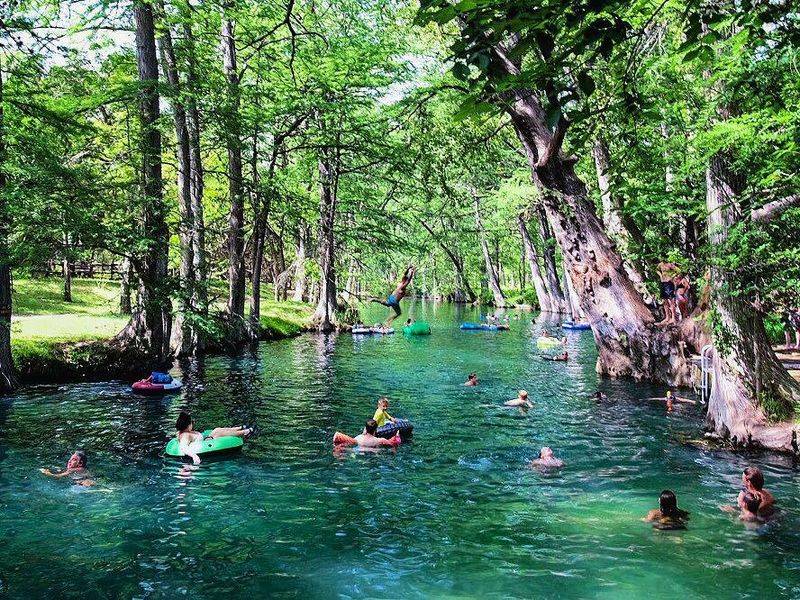
Cypress trees lean over the water like they are trying to get a better look at their own reflections. Blue Hole Regional Park in Wimberley is one of those places that earns every bit of the hype it carries, and spring is hands-down the best time to experience it.
The water runs a remarkable shade of blue-green, fed by the cool, clear currents of Cypress Creek.
What makes this spot feel different from other swimming holes in the Hill Country is the sense of enclosure and calm. The towering trees create a natural canopy overhead, filtering the light into soft, shifting patterns across the surface of the water.
It feels more like a forest sanctuary than a public park.
Spring access typically requires advance reservations, which helps keep the atmosphere peaceful and the environment protected. The surrounding trails wind through native vegetation and offer a chance to spot wildlife before you settle in at the water.
Herons, turtles, and the occasional deer are regular visitors here. Blue Hole is the kind of place that makes you cancel your other plans and just stay a little longer.
Address: 333 Blue Hole Ln, Wimberley, TX
4. Caprock Canyons State Park
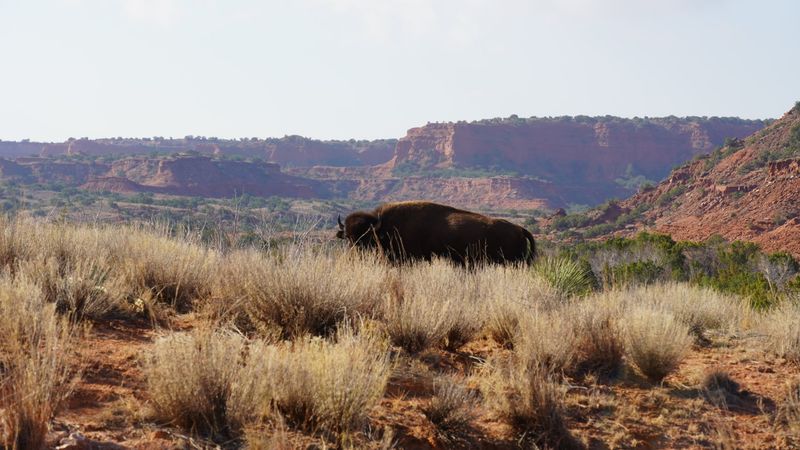
The Panhandle of Texas hides one of the state’s most dramatic landscapes, and most people drive right past it without ever knowing.
Caprock Canyons State Park drops you into a world of rust-red canyon walls, ancient geology, and open sky that stretches so wide it feels like the horizon has been stretched out just for you.
Spring softens the landscape just enough, with green grasses pushing through the canyon floor after winter rains.
The park is also home to the official Texas State Bison Herd, descendants of the last wild southern plains bison. Watching them move through the canyon is genuinely moving, a reminder of what this land looked like long before highways and fences.
The herd roams freely, so encounters feel unscripted and real.
Hiking here ranges from easy canyon-floor walks to more challenging rim trails that offer sweeping views of the breaks below. The Trailway, a converted rail bed, runs through tunnels and over old bridges for a completely different kind of outdoor experience.
Birding is excellent in spring, with raptors riding thermals above the canyon walls. Caprock Canyons rewards those willing to make the drive out to this quietly spectacular corner of Texas.
Address: 850 State Park Rd, Quitaque, TX
5. Copper Breaks State Park
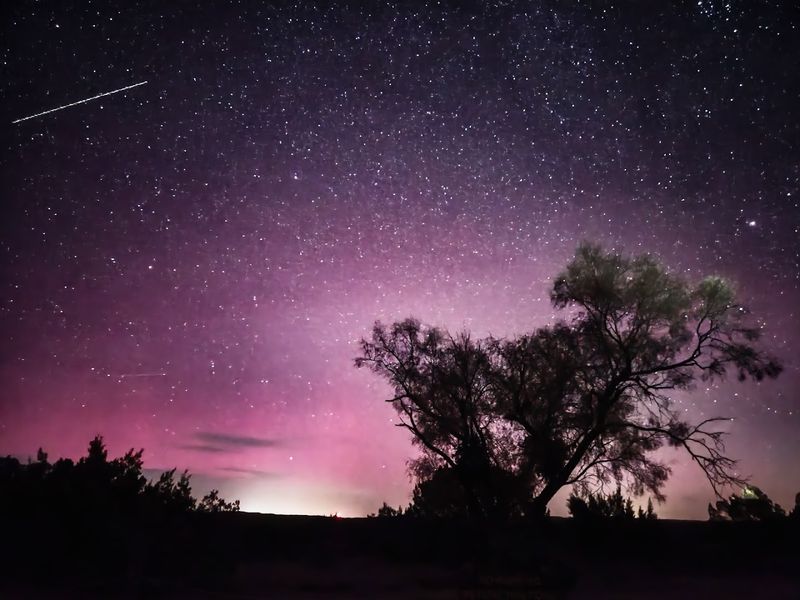
Red clay hills roll into cedar breaks under a sky so open it almost feels like pressure. Copper Breaks State Park sits in North Texas near Quanah, and it carries an atmosphere that is harder to describe than it is to feel.
The landscape here is rugged in a quiet way, not dramatic like the Big Bend country, but deeply textured and surprisingly beautiful once you settle into its rhythm.
Spring is when the park truly opens up. Wildflowers push through the clay soil, birds move through in waves during migration, and the two lakes within the park become magnets for wildlife.
Longhorn cattle roam a section of the park, adding a living piece of Texas history to the experience.
Camping here under a clear North Texas sky is exceptional. The park sits far enough from major cities to offer genuinely dark nights, and the sound of the wind through the cedar is the kind of thing you do not forget easily.
Horseback riding, fishing, and hiking round out the options, but honestly, just sitting still and watching the light change across those red hills is enough. This park deserves more attention than it gets.
Address: 777 Park Road 62, Quanah, TX
6. Devil’s Sinkhole State Natural Area
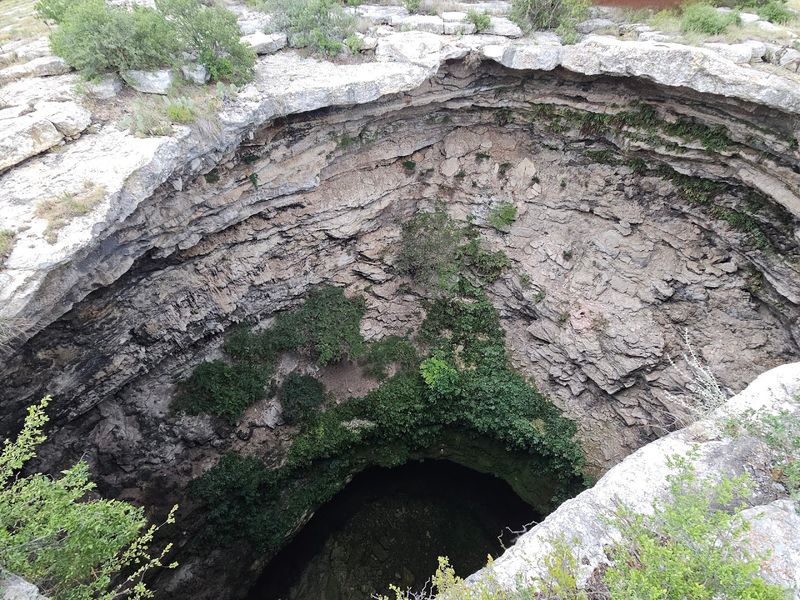
Nothing quite prepares you for the moment the bats begin to rise. At Devil’s Sinkhole State Natural Area near Rocksprings, a massive vertical cavern drops over 140 feet straight into the earth, and from spring through fall, millions of Mexican free-tailed bats call it home.
The evening bat flight is one of the most extraordinary natural spectacles in all of Texas, and spring is when the colony is just getting back to full activity.
The sinkhole itself is remarkable even before the bats appear. The opening is about 40 by 60 feet across, and peering down into the darkness gives you an immediate sense of the geological forces that shaped this part of the Hill Country.
Tours are led by rangers who know this place deeply and share the kind of detail that makes the experience genuinely educational without ever feeling like a lecture.
The surrounding natural area is part of a broader Edwards Plateau ecosystem, home to golden-cheeked warblers and other sensitive species. Spring wildflowers bloom across the cedar and oak scrubland in vivid patches of color.
Reservations are required for tours, which keeps the experience intimate. This is one of those Texas places that sticks with you long after you have driven back to the highway.
Address: 101 N Sweeten St, Rocksprings, TX
7. Inner Space Cavern
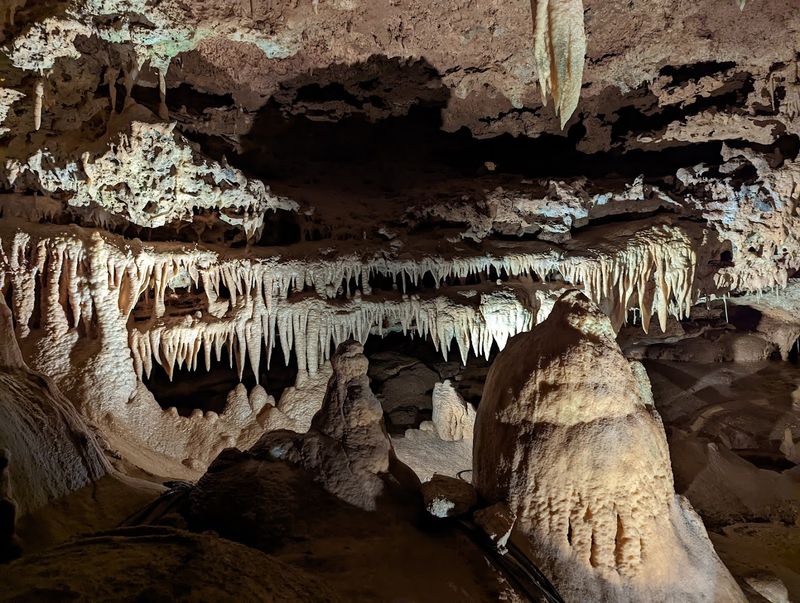
Discovered by highway workers in 1963 during the construction of Interstate 35, Inner Space Cavern sits hidden beneath the Texas Hill Country in a way that still feels a little surreal.
The cave was sealed for thousands of years before that accidental breakthrough, preserving an underground world of stalactites, stalagmites, and ancient fossils that had been untouched for an almost incomprehensible stretch of time.
Walking its chambers feels like borrowing time from geology itself.
Spring is actually a wonderful season to visit because the cave maintains a constant underground temperature, offering a cool break from the warming days above.
The guided tours take you through passages that open into broad chambers and narrow corridors, each one shaped by water and time over millions of years.
Fossils of Ice Age animals, including mammoths and giant sloths, have been found within the cave system.
Beyond the standard tour, there are more adventurous options for those who want to crawl through tighter passages and experience the cave in a more raw, unlit form. It is a completely different kind of outdoor experience, one that trades open sky for ancient stone.
For families and solo explorers alike, Inner Space Cavern delivers something genuinely unexpected just off the highway.
Address: 4200 S I-35 Frontage Rd, Georgetown, TX
8. Caddo Lake State Park
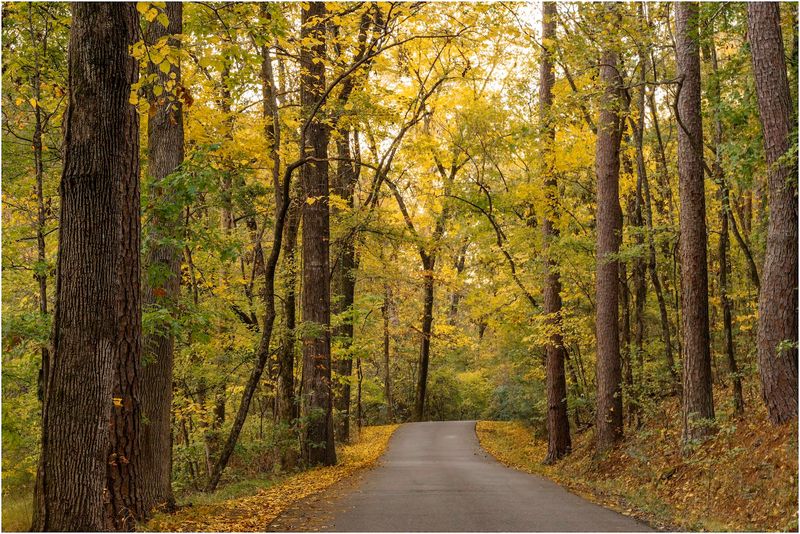
Caddo Lake does not look like Texas. That is the first thing most people say, and honestly, it is the most accurate description available.
Ancient bald cypress trees rise straight out of the water, draped in Spanish moss, their roots spreading wide like something from a fairy tale. The lake is the only naturally formed lake in Texas, and its labyrinth of bayous and channels has been confusing and delighting visitors for generations.
Spring is when the lake feels most alive. Migratory birds arrive in waves, the cypress trees push out their soft new growth, and the water takes on a mysterious, almost bronze quality in the early morning light.
Paddling through the narrow waterways is the best way to experience it, moving quietly past herons, turtles, and the occasional alligator resting on a log.
The park offers cabins, camping, and canoe rentals, making it easy to settle in for more than just a day trip. Fishing is a serious pursuit here, and the lake has a devoted community of anglers who know its moods well.
But even without a rod or paddle, simply sitting at the edge of the water and watching the mist lift off the cypress tops is worth the drive from anywhere in Texas.
Address: 245 Park Road 2, Karnack, TX
9. Mitchell Lake Audubon Center
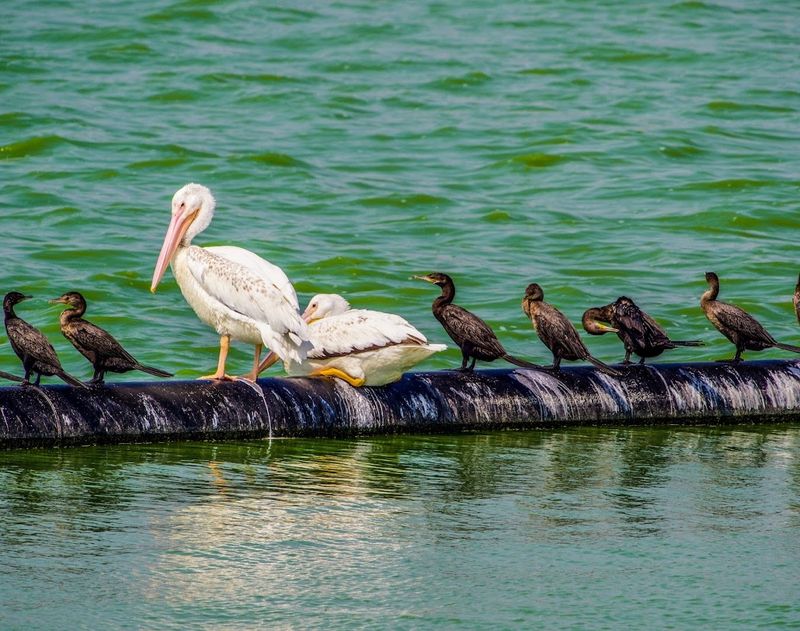
Right at the edge of San Antonio, hidden between neighborhoods and industrial land, lies one of the most productive birding spots in the entire state. Mitchell Lake Audubon Center manages a series of wetland impoundments that attract an almost absurd variety of birds during spring migration.
The contrast between the urban surroundings and the wildness of the water and birds is part of what makes this place so compelling.
Spring migration here is serious business. Shorebirds, wading birds, raptors, and neotropical songbirds all pass through or stop to rest and feed.
On a good morning in April or May, you might log over a hundred species without moving more than a mile. Experienced birders and curious beginners both leave with something remarkable.
The center also runs educational programs and guided walks that help visitors understand the ecological significance of urban wetlands. It is a reminder that wild spaces do not always exist far from where people live, and that protecting them matters deeply.
The flat South Texas light in the early morning turns the water into a mirror, and watching a roseate spoonbill wade through that reflection is the kind of moment that makes you put your phone away and just look. A genuinely special place.
Address: 10750 Pleasanton Rd, San Antonio, TX
10. Smith Oaks Bird Sanctuary
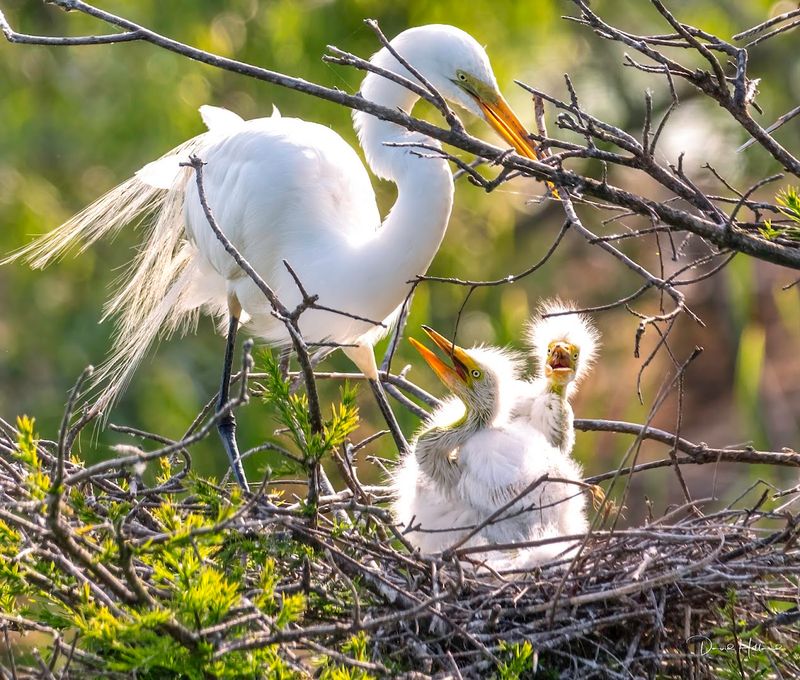
High Island, Texas, sounds like it should be somewhere in the Caribbean. In reality, it is a small salt dome community on the upper Gulf Coast, and for a few extraordinary weeks each spring, it becomes one of the most celebrated birding destinations in North America.
Smith Oaks Bird Sanctuary sits at the heart of this phenomenon, a grove of ancient oaks that catches exhausted migratory birds just after they cross the Gulf of Mexico.
When conditions are right and a weather system pushes birds down from the north, what birders call a fallout occurs. The trees fill up with hundreds of warblers, tanagers, buntings, and orioles all at once, resting and feeding after their overnight journey across open water.
It is chaotic and colorful and completely unforgettable. I have never seen anything quite like it anywhere else.
Even without a dramatic fallout event, spring birding at Smith Oaks is consistently excellent. The rookery pond within the sanctuary hosts nesting herons, egrets, anhingas, and roseate spoonbills, giving visitors a close look at active nests from well-placed boardwalks.
The Houston Audubon Society manages the site with care. For anyone even slightly curious about birds, this stretch of the Texas coast in spring is unlike anything the state has to offer elsewhere.
Address: 2205 Old Mexico Rd, High Island, TX
11. Terlingua Ghost Town
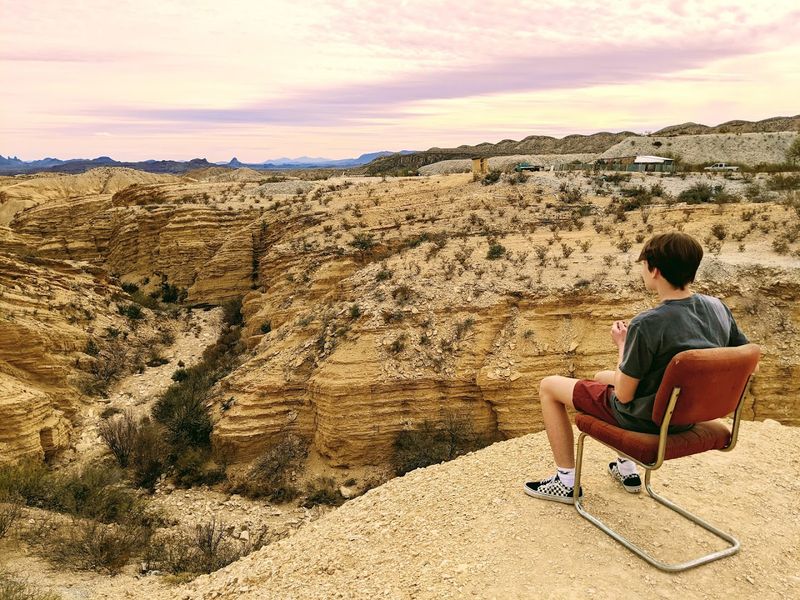
Terlingua does not try to be anything other than exactly what it is, and that honesty is a big part of its appeal.
Once a booming quicksilver mining community, the town was largely abandoned by the mid-20th century, leaving behind a landscape of crumbling adobe walls, rusted equipment, and a small cemetery that sits quietly on a hill overlooking the desert.
It is eerie and beautiful in equal measure.
Spring brings a particular quality of light to this corner of West Texas that photographers and painters have been chasing for decades. The days are warm but not punishing, the Chisos Mountains loom in the distance, and the desert floor surprises you with unexpected blooms of wildflowers after winter rains.
The Big Bend region surrounding Terlingua is one of the most geologically diverse landscapes in the country.
A small community of artists, adventurers, and longtime residents still calls Terlingua home, giving the ghost town a living, breathing character that sets it apart from purely abandoned places. Hiking, stargazing, and river trips on the nearby Rio Grande are all within reach.
But there is something about simply wandering the ruins at golden hour, with nothing but wind and distant mountains, that makes Terlingua one of the most honest outdoor experiences Texas has to offer.
