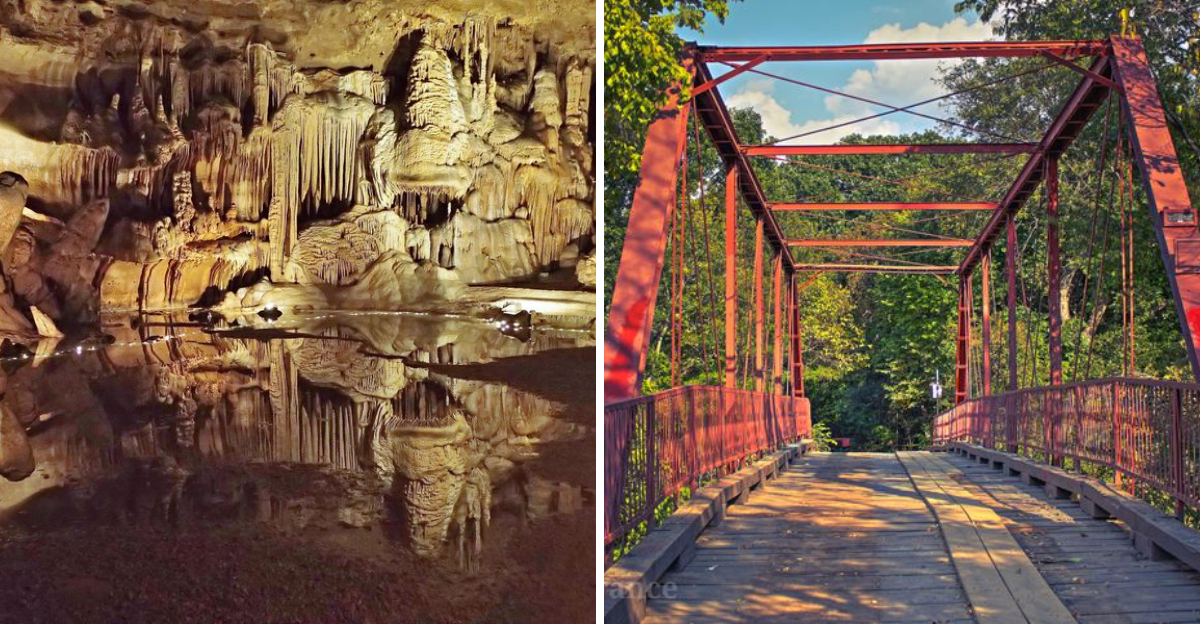
Texas stretches across landscapes so vast and varied that even lifelong residents can miss the remarkable treasures hiding in plain sight.
From towering monuments commemorating pivotal battles to underground caverns filled with ancient limestone formations, the Lone Star State offers an abundance of attractions that blend natural beauty with deep historical significance.
While tourists arrive with cameras ready and guidebooks in hand, locals often rush past these captivating sites on their daily commutes, never pausing to appreciate the stories etched into every stone and trail.
This collection celebrates those hidden gems scattered across Texas that deserve a second look, inviting both visitors and residents to rediscover the magic that makes this state truly unforgettable.
1. San Jacinto Monument
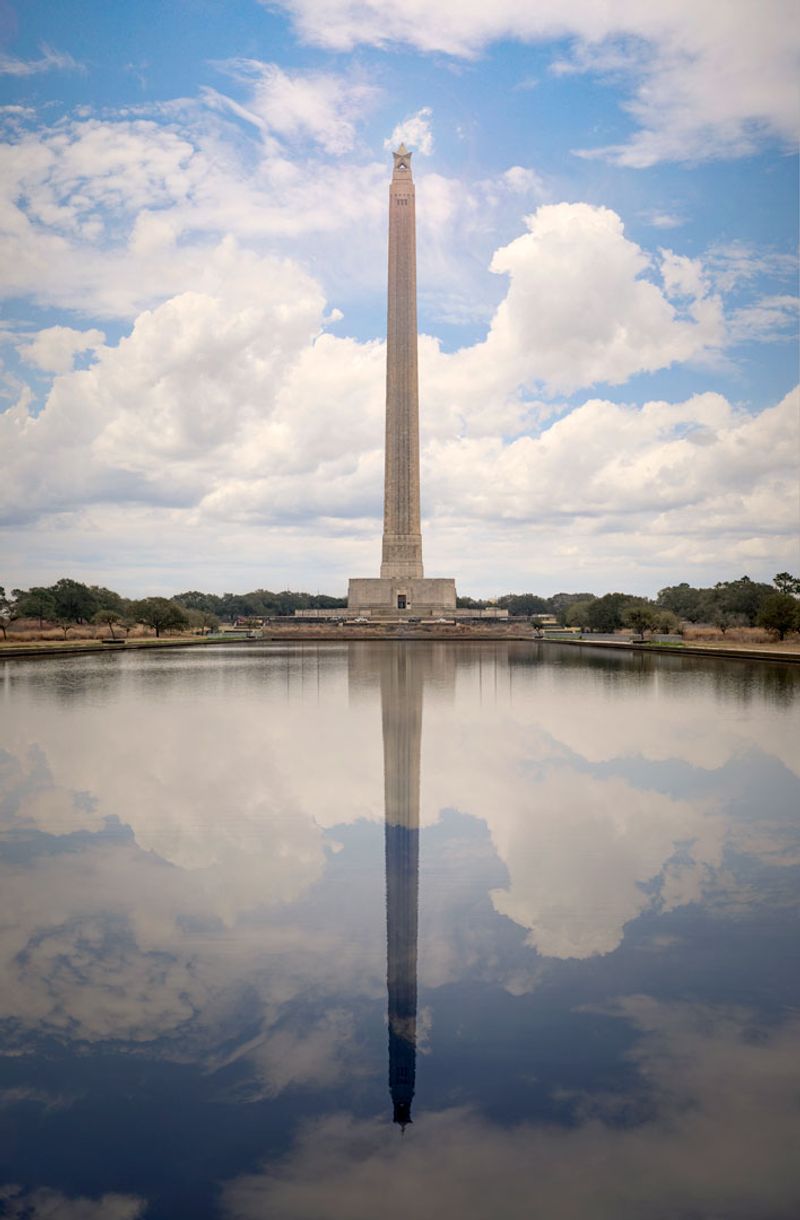
Rising higher than the Washington Monument, this limestone tower commands attention from miles away yet blends into the daily backdrop for thousands of Houston-area commuters.
The structure commemorates the 1836 Battle of San Jacinto, where Texan forces secured independence from Mexico in just eighteen minutes of fierce combat.
Visitors who venture inside discover a museum filled with artifacts, paintings, and detailed exhibits chronicling the Texas Revolution and the republic’s early years.
An elevator whisks guests to the observation deck at 489 feet, revealing sweeping panoramas of the Houston Ship Channel, surrounding wetlands, and the sprawling metropolitan area beyond.
On clear days, you can spot oil refineries, cargo ships navigating the waterways, and the distant downtown skyline creating a striking contrast between industrial progress and historical preservation.
The surrounding park features walking trails, picnic areas, and the Battleship Texas, a decommissioned warship that served in both World Wars.
Spring and fall bring pleasant weather perfect for exploring the grounds, while summer evenings offer cooler temperatures and stunning sunsets over the monument’s silhouette.
Local families often bypass this landmark during weekend errands, forgetting that international travelers specifically plan Texas trips around visiting this towering testament to revolutionary courage.
The monument’s star-shaped base mirrors the Lone Star emblem, and its Art Deco architectural details reward those who take time to examine the craftsmanship up close.
Address: 1 Monument Cir, La Porte, Texas.
2. Heard Natural Science Museum and Wildlife Sanctuary
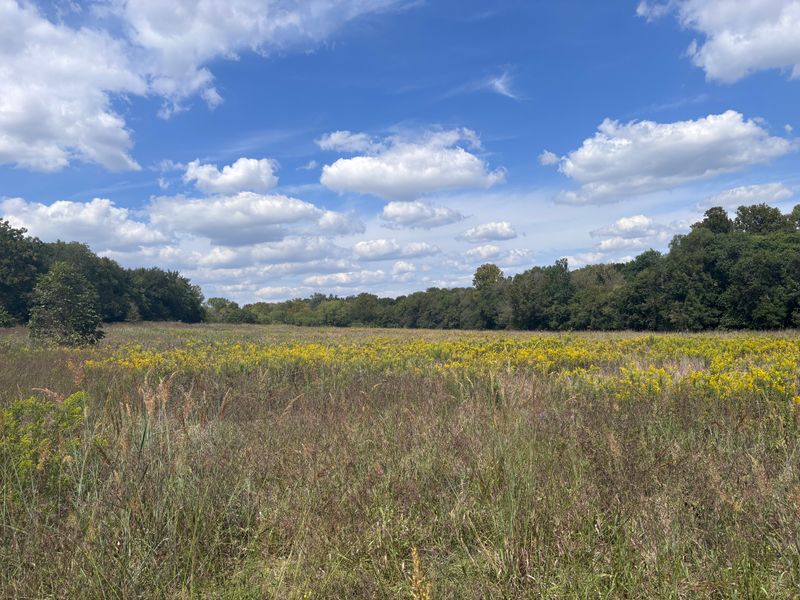
Tucked away in McKinney, this 289-acre sanctuary provides an oasis of tranquility that locals frequently overlook despite passing its entrance on routine shopping trips.
Five miles of hiking trails meander through diverse ecosystems including wetlands, prairies, and forests where native Texas flora and fauna thrive undisturbed.
The butterfly house enchants visitors with hundreds of colorful species fluttering freely among tropical plants, creating photo opportunities that rival any botanical garden.
Live animal exhibits showcase creatures like owls, snakes, and turtles, many of which arrived at the sanctuary after being injured or orphaned in the wild.
Educational programs teach children and adults about conservation, ecology, and the delicate balance required to maintain healthy habitats in rapidly developing North Texas.
Wooden boardwalks cross over ponds where turtles sun themselves on logs and herons hunt for fish in the shallows, offering accessible viewing spots for wildlife observation.
The museum building houses interactive displays, fossil collections, and hands-on exhibits that make natural science engaging for visitors of all ages.
Seasonal changes transform the sanctuary dramatically, with spring wildflowers carpeting the meadows and autumn foliage painting the trails in warm amber and crimson tones.
Early morning visits reward dedicated nature enthusiasts with increased wildlife activity and the peaceful chorus of songbirds greeting the dawn.
While residents rush past on their way to big-box stores and chain restaurants, travelers from around the world seek out this hidden gem for its authentic connection to Texas ecology.
Address: 1 Nature Pl, McKinney, Texas.
3. Old Alton Bridge (Goatman’s Bridge)
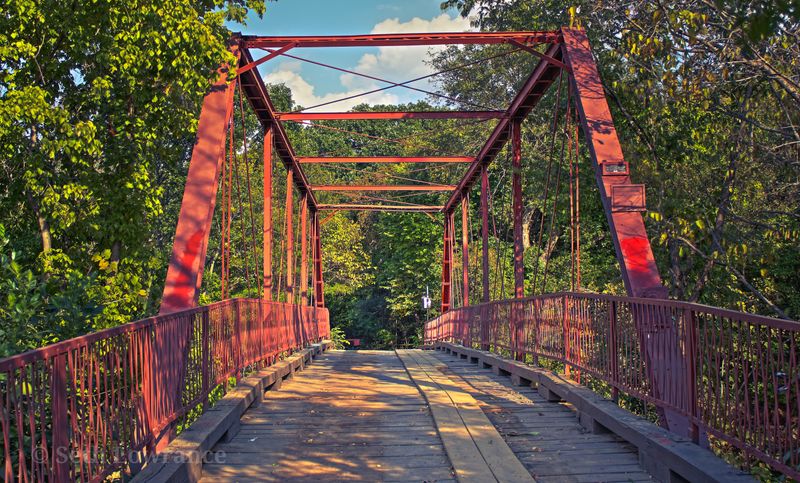
Built in 1884, this iron truss bridge once served as a vital crossing point over Hickory Creek but now stands abandoned, attracting photographers and paranormal enthusiasts alike.
Local legends speak of a goat farmer who met a tragic end here decades ago, spawning ghost stories that have made the bridge famous among supernatural investigators nationwide.
The weathered metal framework creates striking geometric patterns against the surrounding forest, especially during golden hour when sunlight filters through the truss work.
Denton County residents often drive past the turnoff without a second thought, yet the bridge appears regularly in travel blogs, YouTube videos, and paranormal television shows.
The wooded area surrounding the structure offers hiking opportunities along the creek, where limestone outcroppings and native vegetation create a picturesque Hill Country atmosphere.
Autumn transforms the landscape into a tapestry of rust and gold, making it particularly popular for engagement photos and artistic photography sessions.
Despite its eerie reputation, daylight visits reveal the bridge’s architectural beauty and engineering ingenuity, representing a bygone era of Texas infrastructure.
The wooden deck has deteriorated over the years, but the iron skeleton remains remarkably intact, testament to the craftsmanship of 19th-century bridge builders.
Visitors should exercise caution when exploring, as the structure is no longer maintained for regular traffic and some areas show significant wear.
The bridge’s dual identity as both historical landmark and legendary haunted site creates an unusual appeal that draws diverse crowds seeking either heritage appreciation or ghostly encounters.
Address: Lantana, TX 76226.
4. Devil’s Sinkhole State Natural Area
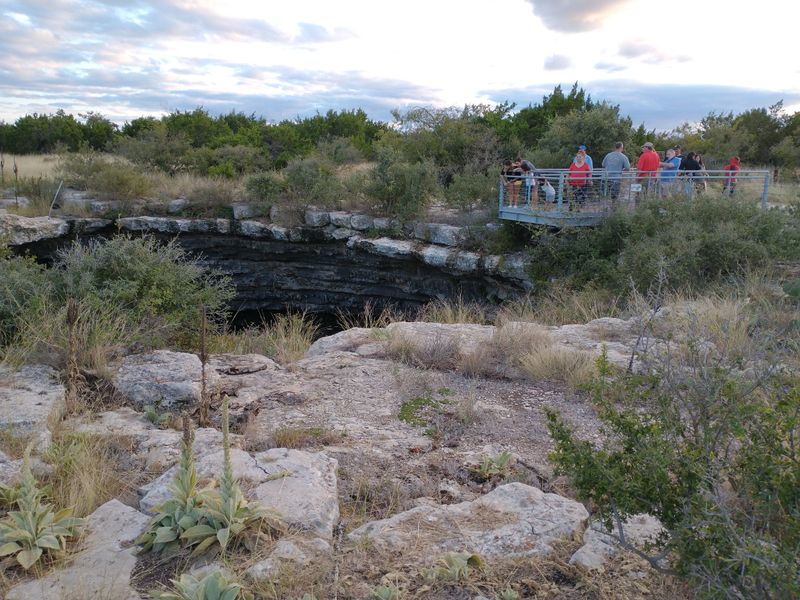
Near the small town of Rocksprings, a forty-foot opening in the earth plunges four hundred feet down into a massive cavern that serves as home to millions of Mexican free-tailed bats.
From April through October, these winged mammals emerge at sunset in a spectacular exodus that resembles a living tornado spiraling upward into the darkening sky.
The phenomenon occurs with such regularity that locals barely glance up, yet visitors travel hundreds of miles specifically to witness this natural spectacle.
Access to the sinkhole requires advance reservations and guided tours, as the fragile ecosystem demands careful management to protect both the bats and the unique geological features.
The surrounding Hill Country landscape rolls across limestone plateaus covered in juniper and oak, creating habitat for numerous other species including white-tailed deer and golden-cheeked warblers.
Viewing platforms allow safe observation of the bat emergence without disturbing the colony or endangering visitors near the sinkhole’s edge.
The experience combines elements of wildlife watching, geological education, and conservation awareness, making it valuable for families seeking educational outdoor adventures.
Summer evenings provide the most dramatic bat flights, with peak numbers occurring in July and August when the colony reaches maximum population.
Photographers equipped with tripods and long lenses capture stunning images as thousands of bats per minute pour from the cavern entrance.
The remote location means light pollution remains minimal, allowing stargazing opportunities after the bat flight concludes and darkness settles over the Texas countryside.
Rocksprings residents consider the sinkhole simply part of their landscape, but ecologists recognize it as a critical habitat deserving protection and study.
Address: Rocksprings, TX 78880.
5. Cave Without a Name
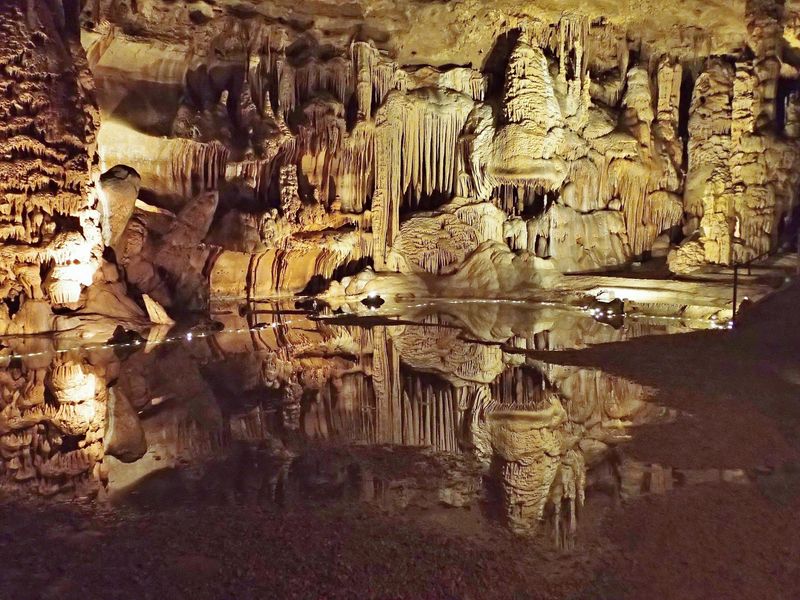
Just outside Boerne, this living cave continues forming new limestone features drop by drop, creating an underground wonderland that locals frequently forget exists.
The cave earned its unusual name when a young boy who discovered it in the 1930s declared it was too beautiful to name, and the moniker stuck.
Guided tours lead visitors through six chambers filled with delicate soda straws, massive columns, and translucent flowstone formations that glow when backlit by the cave’s lighting system.
Constant temperatures around 66 degrees Fahrenheit make it a comfortable escape from Texas heat in summer and a relatively warm retreat during winter months.
The cave’s formations display colors ranging from pure white to deep amber, created by mineral deposits accumulated over thousands of years.
Unlike larger commercial caves, this intimate space allows close viewing of geological processes, with guides pointing out active drip points where new formations slowly develop.
The acoustics within certain chambers create natural amplification, and the cave occasionally hosts underground concerts that take advantage of this unique sonic environment.
Preservation efforts maintain the cave’s pristine condition, with strict protocols preventing touching of formations and limiting group sizes to reduce environmental impact.
Hill Country residents might visit once during childhood field trips, then never return, while tourists specifically seek out this lesser-known alternative to more famous Texas caves.
The surrounding property includes picnic areas and nature trails, making it suitable for half-day excursions that combine underground exploration with surface recreation.
Photography inside proves challenging due to humidity and lighting conditions, but the visual memories created rival any captured image.
Address: 325 Kreutzberg Rd, Boerne, Texas.
6. Cadillac Ranch
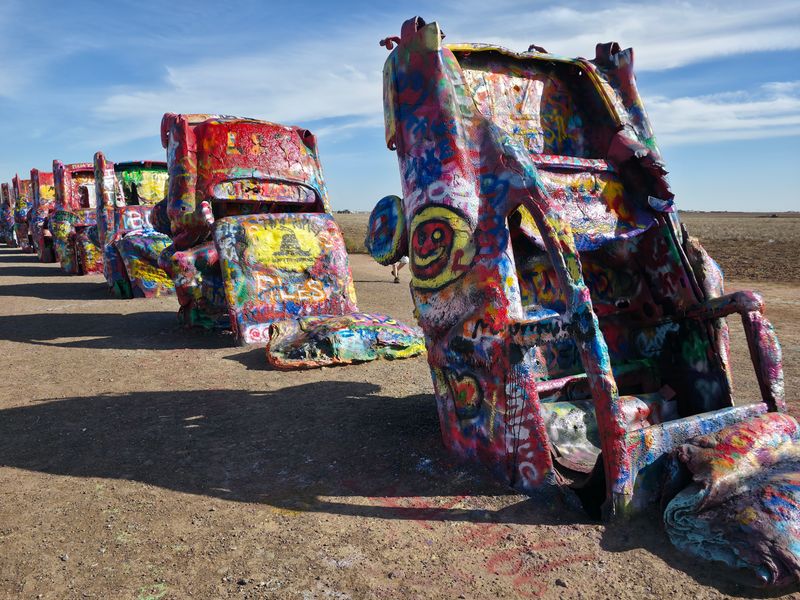
Along Interstate 40 west of Amarillo, ten vintage Cadillacs stand buried nose-down in a wheat field, their tail fins pointing skyward in a tribute to American automotive culture.
Created in 1974 by an art collective, this installation has become one of the most photographed roadside attractions in America, yet Amarillo residents barely register its presence anymore.
Visitors are encouraged to bring spray paint and add their own artistic contributions to the cars, which are now covered in countless layers of colorful graffiti.
The constantly changing appearance means no two visits look identical, as fresh paint obscures previous designs within days or even hours during busy tourist seasons.
The wide-open Texas Panhandle landscape provides dramatic backdrops for photography, especially during sunrise and sunset when the sky explodes in vivid oranges and purples.
Families, couples, and solo travelers make pilgrimages to leave their marks, creating a participatory art experience that blurs the line between viewer and creator.
The cars themselves represent the golden age of American automotive design, spanning model years from 1949 to 1963 when chrome and tail fins dominated the industry.
Despite being exposed to harsh Panhandle weather for nearly five decades, the Cadillacs remain structurally sound, though rust and paint have replaced their original factory finishes.
The installation sits on private property but remains freely accessible, with the landowner maintaining a welcoming attitude toward visitors who respect the space.
Route 66 enthusiasts often include Cadillac Ranch on their historic highway journeys, connecting it to the broader narrative of American road trip culture.
Local commuters speed past daily without stopping, forgetting that people travel from Europe and Asia specifically to spray paint these iconic automobiles.
Address: 13651 I-40 Frontage Rd, Amarillo, TX 79124.
7. Hamilton Pool Preserve
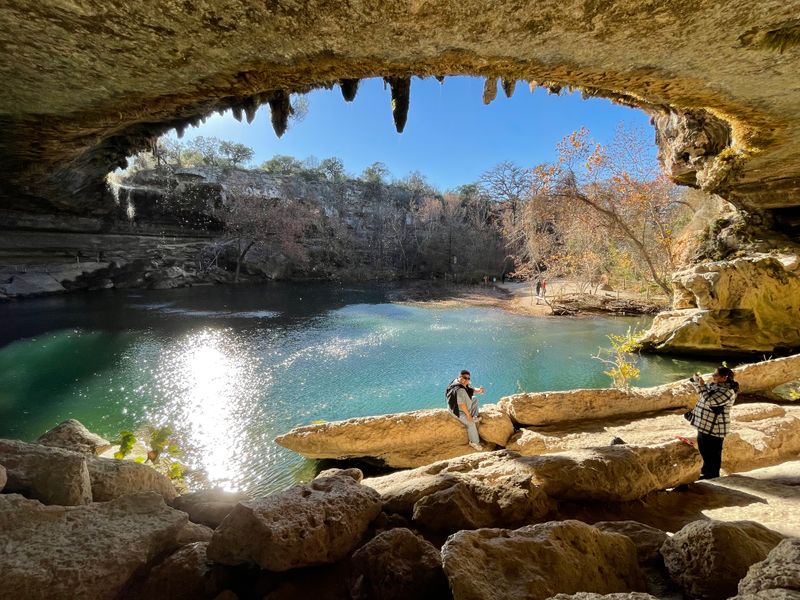
Approximately thirty miles west of Austin, a collapsed underground river created a stunning grotto where a fifty-foot waterfall spills over limestone cliffs into an emerald pool below.
The preserve requires advance reservations to manage visitor numbers and protect the delicate ecosystem that includes endangered species and fragile geological features.
Stalactites cling to the overhang above the pool, dripping water that has carved this natural cathedral over millennia of persistent erosion.
Swimming opportunities depend on water quality testing, as bacteria levels can fluctuate, but even when the pool is closed, the scenic beauty justifies the visit.
Hiking trails lead through Hill Country vegetation including cedar, oak, and various wildflowers that bloom prolifically in spring months.
The grotto’s partial roof creates dramatic lighting effects as sunlight filters through openings, illuminating the jade-colored water and mossy rock faces.
Summer weekends see the preserve reach capacity quickly, making weekday visits or off-season trips more peaceful and conducive to photography.
Austin area residents often complain about the reservation system, yet tourists from around the world eagerly book months in advance to experience this natural wonder
The pool’s depth varies seasonally, and the waterfall flow depends on recent rainfall, with spring typically offering the most impressive cascades.
Cypress trees frame portions of the pool, their roots finding purchase in rocky crevices and their branches providing shade for visitors relaxing on the limestone shelves.
The preserve exemplifies the balance between public access and conservation, demonstrating how careful management allows people to enjoy natural treasures without destroying them.
8. Prada Marfa
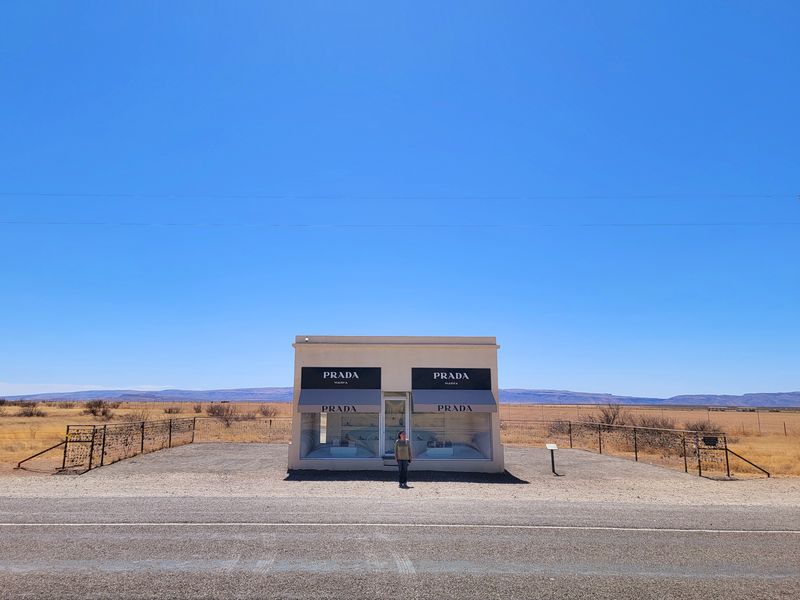
Rising from the Chihuahuan Desert near Valentine, a pristine white structure resembling a luxury boutique displays genuine Prada handbags and shoes behind plate glass windows.
This permanent art installation, created in 2005, serves as commentary on consumerism and the collision between high fashion and desolate landscape.
The building never opens for business, existing solely as sculpture, yet its windows showcase real Prada products from that season’s collection, now faded by relentless desert sun.
Travelers on US Highway 90 often spot the structure and make sudden U-turns, unable to resist photographing this surreal juxtaposition of haute couture and tumbleweeds.
Local ranchers and residents pass it regularly without fanfare, while fashion enthusiasts and art lovers plan road trips specifically to visit this remote installation.
The vast emptiness surrounding Prada Marfa emphasizes the artwork’s isolation, with mountains visible in the distance and endless sky dominating the composition.
Vandalism has occasionally damaged the structure, but artists and supporters quickly restore it, maintaining the installation’s pristine appearance and conceptual integrity.
The nearby town of Marfa has become an unlikely art destination, with Prada Marfa serving as gateway attraction that introduces visitors to the region’s creative community.
Sunset and sunrise provide optimal lighting for photography, when horizontal light rakes across the white facade and desert vegetation casts long shadows.
The installation challenges viewers to consider themes of permanence, value, and the meaning we attach to luxury goods when stripped of their commercial context.
Despite being located miles from any significant population center, Prada Marfa has achieved international recognition, appearing in fashion magazines and travel documentaries worldwide.
Address: 1 Prada Marfa, Valentine, Texas.
9. The Orange Show Monument

In a Houston neighborhood, postal worker Jeff McKissack spent twenty-five years constructing an elaborate folk art environment dedicated entirely to celebrating the orange as the perfect food.
The monument sprawls across 3,000 square feet, featuring winding walkways, observation decks, mosaics, and sculptures created from found objects including wagon wheels, mannequins, and steel barrels.
Bright colors dominate the space, with orange naturally prominent but joined by blues, reds, and yellows creating a kaleidoscopic visual experience.
McKissack believed oranges held the secret to long life and good health, and his monument expresses this conviction through cryptic messages and symbolic imagery scattered throughout.
The site hosts concerts, festivals, and community events, transforming from personal obsession into beloved cultural landmark that champions outsider art and individual expression.
Houston residents frequently drive past without noticing the monument tucked into its residential setting, while folk art enthusiasts make pilgrimages from distant states to study its intricate details.
Every surface offers something to examine, from bottle cap mosaics to welded metal sculptures, rewarding visitors who take time to explore each level and corridor.
The monument’s preservation by a nonprofit organization ensures this unique vision remains accessible to future generations who might find inspiration in McKissack’s dedication.
Visiting feels like stepping into someone’s vivid dream, where conventional rules of architecture and design yield to pure creative impulse and passionate conviction.
The space proves that art doesn’t require formal training or expensive materials, just vision, persistence, and willingness to transform imagination into physical reality.
Educational programs introduce children to folk art traditions, encouraging creative thinking and appreciation for artistic expression outside mainstream galleries and museums.
Address: 2401 Munger St, Houston, Texas.
10. Enchanted Rock State Natural Area
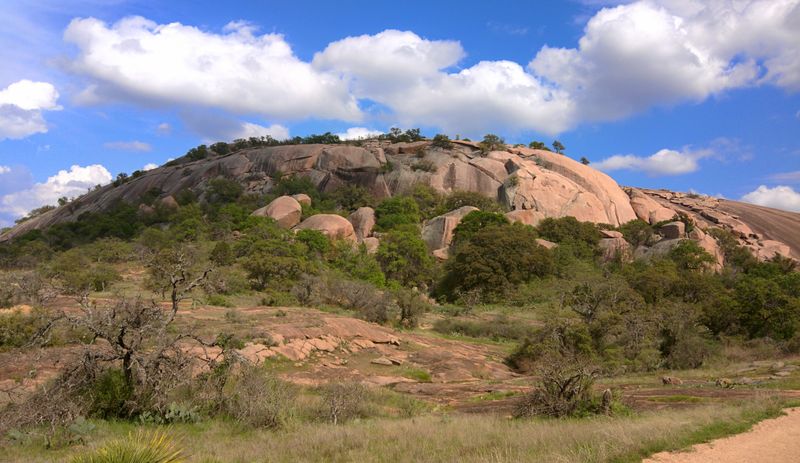
A massive pink granite batholith rises 425 feet above the surrounding Hill Country, creating one of the largest such formations in the United States.
The dome’s surface, worn smooth by millions of years of weathering, challenges hikers with its steep incline but rewards summit-seekers with panoramic views stretching for miles.
Native American tribes considered the rock sacred, reporting strange creaking and groaning sounds caused by the granite contracting at night after heating during the day.
Rock climbers find numerous routes up the dome’s faces, ranging from beginner-friendly to technically demanding, making it a popular destination for the climbing community.
Wildflowers bloom in spring, filling the grasslands around the rock’s base with bluebonnets, Indian paintbrush, and dozens of other native species.
The park requires reservations during peak seasons, as its popularity sometimes exceeds capacity, particularly on pleasant weekend days when Austin residents seek outdoor recreation.
Despite living within an hour’s drive, many locals visit only once or twice, then forget about it, while tourists from around the world specifically plan Texas trips around hiking this iconic formation.
Sunrise and sunset transform the granite’s appearance, with the rock seeming to glow in warm pinks and oranges as light strikes its crystalline surface at oblique angles.
Cave formations and vernal pools dot the surrounding area, creating microhabitats that support unique plant and animal communities adapted to specific moisture and light conditions.
The summit offers surprisingly flat areas where hikers can rest and contemplate the vast Texas landscape rolling away in all directions.
Night sky viewing attracts astronomy enthusiasts, as the remote location provides darker skies than urban areas, revealing countless stars and the Milky Way’s luminous band.
Address: 16710 Ranch Rd 965, Fredericksburg, Texas.
Dear Reader: This page may contain affiliate links which may earn a commission if you click through and make a purchase. Our independent journalism is not influenced by any advertiser or commercial initiative unless it is clearly marked as sponsored content. As travel products change, please be sure to reconfirm all details and stay up to date with current events to ensure a safe and successful trip.
