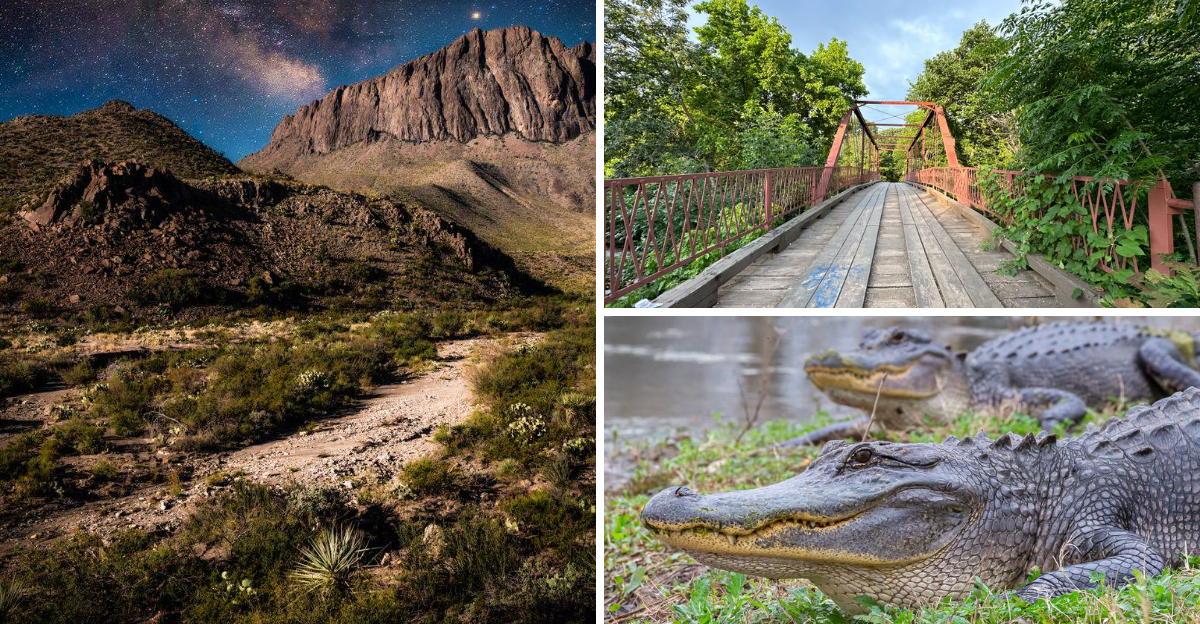
The Lone Star State stretches across vast deserts, dense forests, and sprawling prairies, hiding secrets in every shadowy corner.
Some places in Texas carry legends so dark and histories so twisted that even the bravest locals think twice before venturing there solo.
From haunted bridges where ghostly figures linger to isolated natural areas where help is miles away, these destinations demand respect and caution.
Exploring alone might sound adventurous, but certain spots across Texas present real dangers that go beyond campfire stories.
Rugged terrain, extreme weather, and eerie paranormal activity combine to create environments where safety becomes a serious concern.
Whether you believe in spirits or simply respect the power of nature, these locations have earned their warnings through decades of strange encounters and unfortunate incidents.
1. Devil’s River State Natural Area
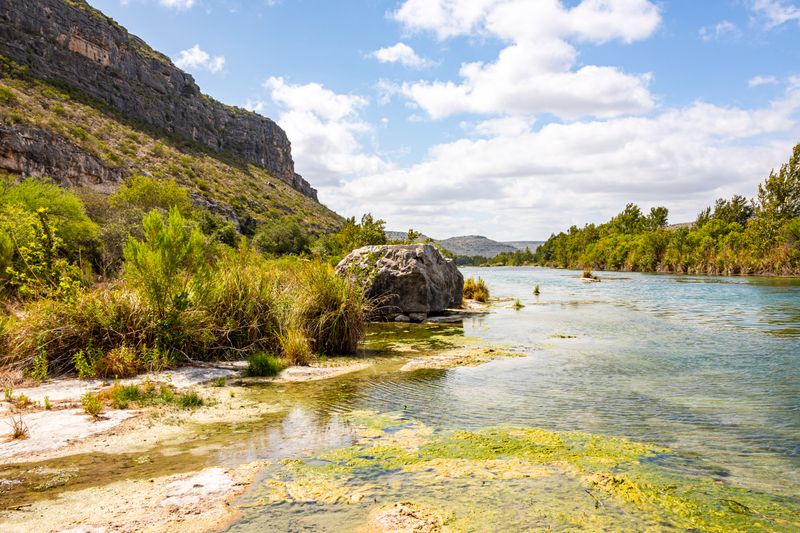
Southwest of Del Rio lies a wilderness so pristine and remote that modern civilization feels like a distant memory.
Crystal-clear waters cut through limestone canyons, creating breathtaking views that come with a serious catch.
Getting here requires navigating rough ranch roads that test both your vehicle and your nerve, passing through multiple locked gates along the way.
The river itself remains one of the cleanest waterways in Texas, protected by its sheer inaccessibility.
Ancient rock art adorns canyon walls, left by people who inhabited this harsh landscape thousands of years ago.
These prehistoric artists understood something important about this place: survival here demands preparation and respect.
Cell phone towers don’t reach into these deep canyons, meaning a simple twisted ankle could become a life-threatening emergency.
Summer temperatures regularly exceed 100 degrees, and shade becomes a precious commodity along exposed stretches.
Flash flooding can transform peaceful creeks into raging torrents within minutes when storms hit upstream.
Wildlife encounters add another layer of concern, with rattlesnakes, scorpions, and mountain lions all calling this area home.
The rocky terrain hides countless opportunities for injury, from loose stones that shift underfoot to sudden drop-offs concealed by vegetation.
Water sources appear scarce outside the main river channel, making dehydration a constant threat.
Rangers patrol infrequently due to the vast size of the protected area.
If trouble strikes, rescue operations become complicated and time-consuming.
Solo adventurers here gamble with odds that even experienced outdoors enthusiasts find uncomfortable, making group travel not just recommended but essential for survival.
2. Enchanted Rock State Natural Area
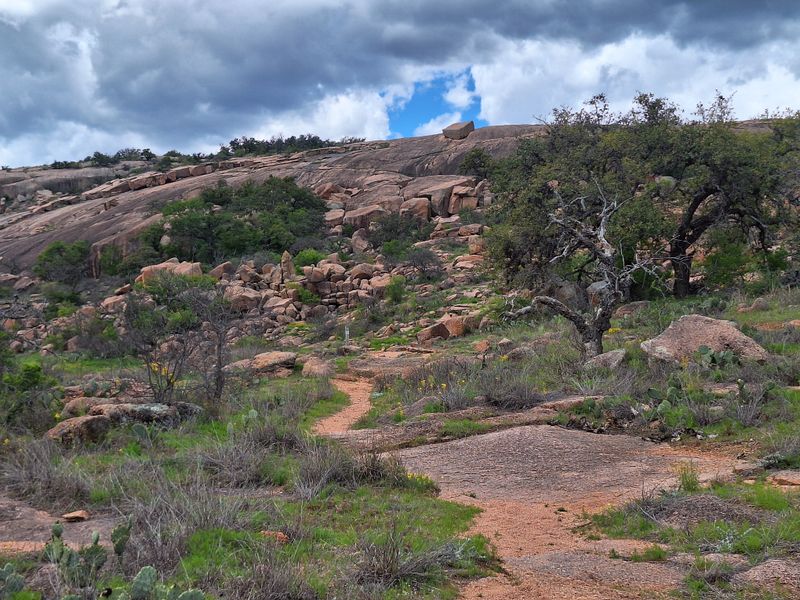
A massive pink granite dome rises 425 feet above the Hill Country landscape near Fredericksburg, drawing hikers who underestimate its challenges.
This ancient geological formation has witnessed countless sunrises, but it has also humbled plenty of visitors who arrived unprepared.
What looks like a simple walk up a rounded rock face quickly becomes a lesson in Texas weather extremes and physical endurance.
The exposed granite surface absorbs and radiates intense heat during summer months, creating surface temperatures that can literally cook an egg.
Without shade or shelter anywhere along the main trail, hikers become vulnerable to heat exhaustion within surprisingly short timeframes.
Winter brings its own surprises, with sudden cold fronts dropping temperatures by 40 degrees in just a few hours.
Thunderstorms develop rapidly in this region, and standing on a giant rock outcrop during lightning strikes ranks among the worst possible places to be.
The smooth granite becomes slippery when wet, transforming a moderate climb into a treacherous scramble.
Footing that seemed secure moments earlier suddenly offers no traction at all.
Rock climbing enthusiasts tackle the more technical routes around the dome’s base, but these areas present serious fall hazards.
Loose rocks perch in unexpected places, and the potential for injury increases dramatically without someone to spot dangers or call for help.
Park rangers do patrol, but response times vary depending on where incidents occur.
The surrounding trails wind through rocky terrain where twisted ankles and encounters with snakes happen regularly.
Dehydration sneaks up on people faster than they expect in this environment.
Having a hiking partner means someone can go for help while the other stays with an injured person, a basic safety principle that becomes critical here.
3. Old Alton Bridge (Goatman’s Bridge)
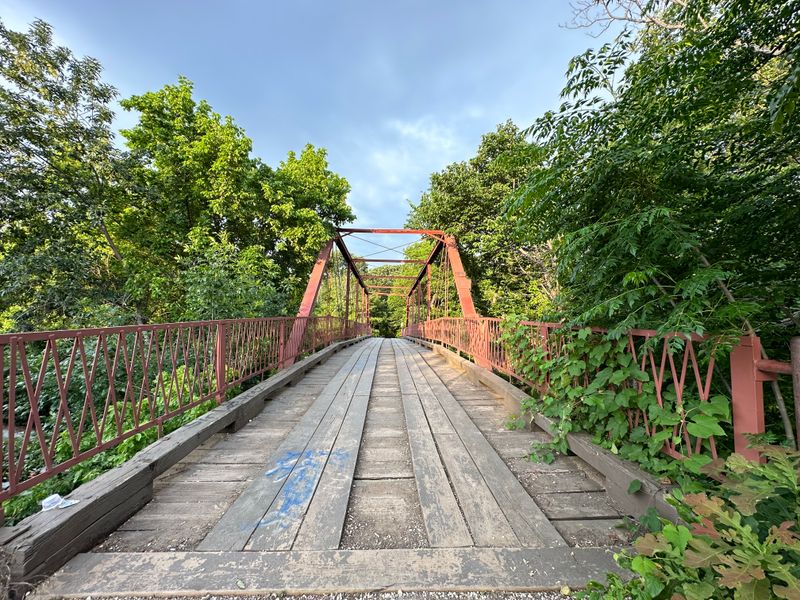
Crossing this iron truss bridge near Denton feels like stepping into another realm where the past refuses to stay buried.
Built in 1884, the structure once served as a vital crossing point, but now it stands as a monument to one of Texas’s most chilling legends.
The Goatman tale centers on a local entrepreneur who met a tragic end here, and visitors claim his presence never truly left.
Paranormal investigators flock to this spot armed with recording equipment and cameras, hoping to capture evidence of the supernatural.
Many report hearing disembodied voices calling out from the darkness beneath the bridge.
Others describe seeing shadowy figures moving along the creek bed when no one else is around.
The bridge sits in a remote area where cell phone service becomes spotty at best.
Dense trees surround the location, creating an atmosphere that shifts from peaceful to unsettling as daylight fades.
The metal framework creaks and groans with every gust of wind, adding natural sound effects to an already eerie setting.
Local authorities have responded to numerous incidents here over the years, from people getting lost in the surrounding woods to accidents on the uneven terrain.
The bridge deck itself shows significant wear, with gaps and rough patches that could easily trip an unsuspecting visitor.
Navigation becomes particularly challenging after sunset when shadows play tricks on your perception.
Bringing companions means having extra eyes to watch for hazards and support if something goes wrong.
The isolation of this location amplifies every risk, making solo exploration a genuinely dangerous proposition.
4. Texarkana Region Historical Sites
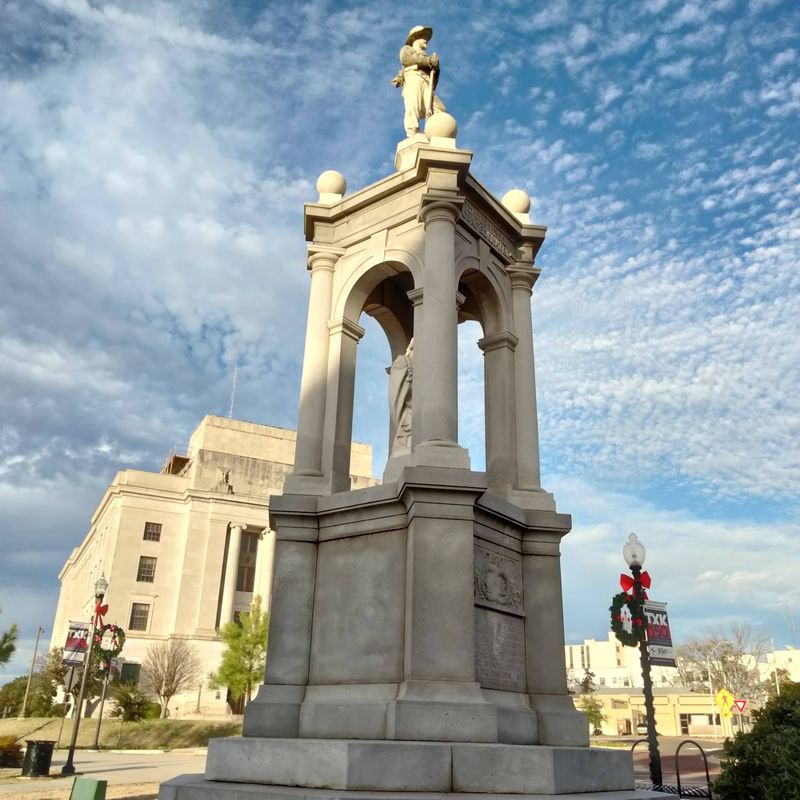
Spring of 1946 brought terror to this border region when a series of brutal attacks shattered the peace of small-town life.
The Texarkana Moonlight Murders remain unsolved to this day, casting a long shadow over certain isolated areas where the crimes occurred.
While decades have passed, locals still remember these events, and some spots connected to that dark chapter carry an uncomfortable atmosphere.
Several of the original crime scenes sit in rural areas outside the main city limits, accessible only by winding country roads.
These locations feel particularly isolated after sunset, surrounded by dense woods and farmland where houses sit far apart.
The sense of vulnerability that victims must have felt becomes palpable when you find yourself in these remote spots.
Urban legends have grown around the historical facts, with some claiming the killer’s spirit still haunts the backroads.
Whether you believe in ghosts or not, being alone in these areas creates genuine unease.
Poor lighting, limited cell service, and the sheer emptiness of the landscape combine to create an environment where imagination runs wild.
Local law enforcement still receives occasional reports of suspicious activity in areas connected to the old cases.
While modern dangers differ from those of 1946, the isolation remains constant.
Abandoned buildings associated with the era dot the countryside, presenting both structural hazards and security concerns.
Exploring this region’s dark history works best during daylight hours with companions who can help maintain perspective.
The psychological impact of being alone in a place associated with unsolved violence affects even skeptics.
Safety experts consistently recommend avoiding isolated historical crime scenes without company, and Texarkana’s legacy locations definitely fall into that category.
5. The Grove (Stilley-Young House)
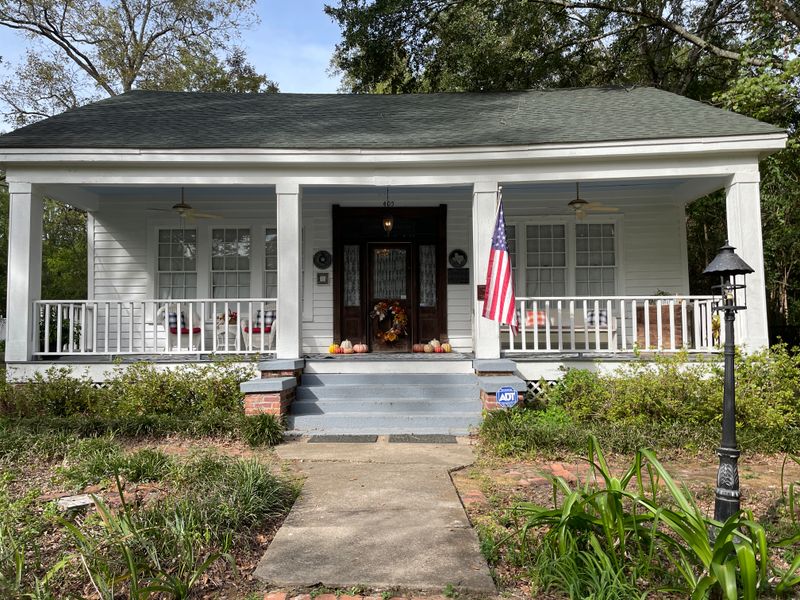
Jefferson’s most notorious haunted mansion sits behind iron gates, its white columns and antebellum architecture concealing stories that span nearly two centuries.
Built in the 1850s, The Grove has changed hands many times, with each generation of residents reporting unexplainable phenomena.
Former owners documented their experiences in journals and letters, creating a historical record of paranormal activity that skeptics find difficult to dismiss entirely.
Visitors describe feeling sudden temperature drops in specific rooms, even during sweltering Texas summers.
Footsteps echo through empty hallways, and doors that were firmly latched swing open without explanation.
Some report seeing a woman in period clothing moving through the gardens, only to have her vanish when approached.
The house’s age presents practical dangers alongside its supernatural reputation.
Floors creak under weight, and certain areas show structural wear that could pose fall hazards.
Original materials and construction methods mean modern safety standards don’t apply to many features.
Staircases lack proper handrails in places, and lighting remains dim in keeping with historical accuracy.
Tours operate during limited hours, but some people attempt to explore the grounds after dark seeking paranormal encounters.
This practice creates multiple risks, from tripping over uneven terrain to encountering security measures protecting the property.
The surrounding neighborhood becomes very quiet at night, meaning help isn’t readily available if problems arise.
Psychological effects of exploring reportedly haunted locations shouldn’t be underestimated, especially when alone.
Fear triggers poor decision-making and can cause people to injure themselves fleeing from perceived threats.
Whether the supernatural elements are real or imagined, The Grove’s combination of old architecture and eerie reputation makes solo exploration genuinely inadvisable.
Address: 405 Moseley Street, Jefferson, Texas
6. Big Bend National Park Remote Backcountry

Where the Rio Grande carves its dramatic path between towering canyon walls, civilization ends and true wilderness begins.
Big Bend’s backcountry covers over 800,000 acres of Chihuahuan Desert, mountains, and river canyons where you can walk for days without seeing another person.
This isolation attracts adventurers seeking solitude, but it also creates an environment where mistakes become fatal.
Summer temperatures in the desert sections regularly top 110 degrees, while winter nights in the Chisos Mountains can drop below freezing.
The temperature differential between day and night often exceeds 40 degrees, challenging even experienced campers’ preparation.
Water sources remain scarce and unreliable, with many marked springs running dry for months at a time.
The park’s proximity to the international border adds complications that don’t exist in most national parks.
Remote areas sometimes see activity related to illegal border crossings, and rangers advise hikers to report any suspicious encounters immediately.
Cell phone coverage is nonexistent throughout most of the backcountry, making communication impossible without satellite devices.
Wildlife hazards include black bears, mountain lions, and various venomous snake species.
Flash floods can trap hikers in canyons with no warning when thunderstorms develop miles away.
The terrain itself presents constant challenges, from loose scree on mountain trails to thorny vegetation that shreds clothing and skin.
Search and rescue operations in Big Bend’s backcountry can take days to organize and execute due to the vast distances involved.
Rangers strongly discourage solo hiking in remote sections, requiring backcountry permits that document your planned route.
Having a partner means someone can stay with injured hikers while the other seeks help, a critical factor in an environment this unforgiving and isolated.
7. Brazos River Bottomlands

Dense forests along the Brazos River create a landscape that feels more like Louisiana than typical Texas terrain.
Towering hardwoods block out sunlight, creating perpetual twilight beneath the canopy where Spanish moss hangs in ghostly curtains.
These bottomlands flood regularly, leaving behind a maze of oxbow lakes, sloughs, and channels that confuse even locals familiar with the area.
Navigation becomes nearly impossible without detailed maps and GPS devices that maintain satellite lock under heavy tree cover.
Landmarks that existed during your last visit might have washed away or become buried under new sediment.
The shifting nature of river bottomlands means trails disappear and new obstacles appear with each flood cycle.
Water moccasins thrive in these wetlands, along with alligators in certain sections of the river system.
The thick vegetation conceals wildlife until you’re dangerously close, and the soft ground muffles approaching footsteps.
Quicksand-like mud exists in spots where sediment accumulation creates unstable footing that can trap an unwary hiker.
Mosquitoes and other biting insects swarm in clouds during warm months, making the experience miserable even before considering the serious diseases they potentially carry.
The humidity combines with heat to create conditions where heat exhaustion develops rapidly.
Winter brings its own misery with bone-chilling dampness that penetrates every layer of clothing.
Getting lost in bottomland forests happens easier than most people imagine, with the dense vegetation and lack of visibility limiting your ability to spot landmarks.
The Brazos periodically rises without warning when upstream releases occur from dams, potentially cutting off exit routes.
Solo explorers face genuine danger here, where being stranded means exposure to elements, wildlife, and the very real possibility that no one will find you quickly.
8. Marfa Mystery Lights Viewing Area Surroundings
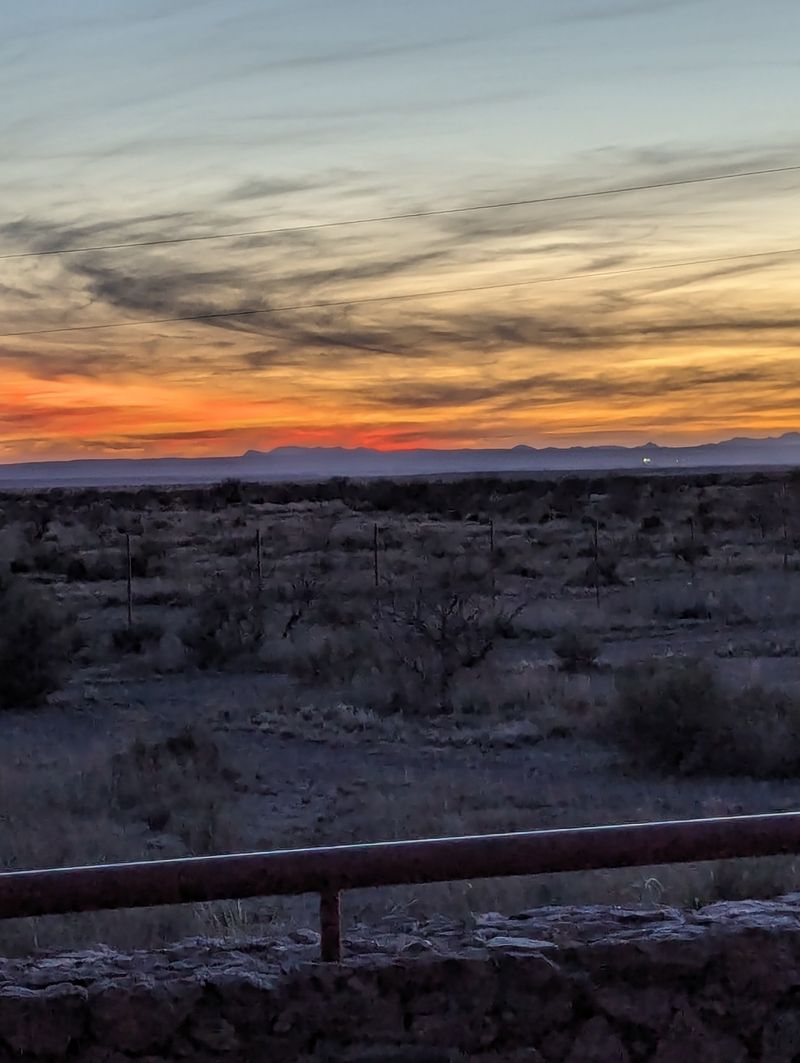
Strange orbs of light dance across the desert horizon east of Marfa, defying explanation despite decades of scientific investigation.
The official viewing area sits safely along Highway 90, but the lights themselves appear miles away across open rangeland.
Curious visitors sometimes venture off the designated viewing platform, walking into the desert darkness chasing phenomena that locals have learned to observe from a distance.
The desert landscape looks deceptively flat and simple, but it conceals deep arroyos, abandoned mine shafts, and unstable ground.
Walking cross-country at night without proper lighting and navigation equipment invites disaster.
Rattlesnakes hunt during evening hours when temperatures moderate, and their camouflage makes them invisible until you’re within striking distance.
Private property boundaries crisscross the area where the lights appear most frequently.
Ranchers protect their land, and trespassers risk encountering not just legal consequences but also aggressive livestock guardian animals.
The isolation means cell service functions sporadically at best, and help might be 30 miles away even if you can call.
Temperature swings in this high desert region catch unprepared visitors off guard.
Pleasant evenings can turn bitterly cold within hours as clear skies allow heat to radiate away rapidly.
Without proper clothing and supplies, hypothermia becomes a real threat, even in a place most people associate with scorching heat.
The psychological draw of mysterious lights can cloud judgment, leading people to wander farther than intended into unfamiliar terrain.
Stories circulate about visitors who became disoriented chasing the lights and required search parties to locate them.
Whether the lights have natural or supernatural origins, they’ve lured enough people into dangerous situations that locals now warn strongly against solo pursuit into the surrounding desert darkness.
9. Caddo Lake State Park Remote Channels
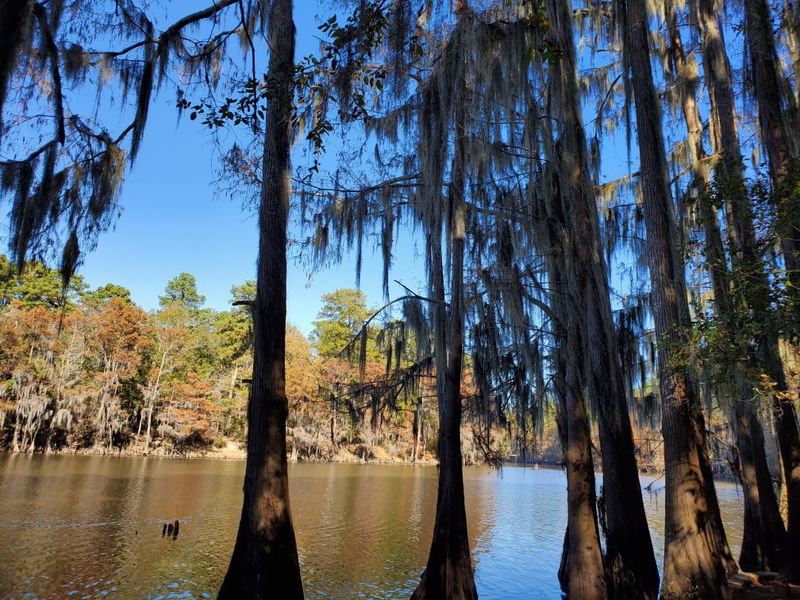
Cypress trees rise from dark water like ancient sentinels guarding secrets hidden beneath the surface.
Caddo Lake straddles the Texas-Louisiana border, creating a watery labyrinth of channels, sloughs, and dead ends where Spanish moss drapes every branch.
Paddlers can lose themselves completely in this maze, where every turn looks identical and modern navigation tools struggle under the heavy tree canopy.
The lake formed naturally, making it one of the few natural lakes in Texas, but that natural origin means hazards lurk everywhere.
Submerged logs called deadheads float just below the surface, capable of capsizing canoes or damaging boat hulls.
Cypress knees jut up unexpectedly, creating obstacle courses in narrow passages.
Water depth varies dramatically and unpredictably, with deep holes appearing next to shallow bars.
Alligators inhabit these waters in healthy numbers, and while they typically avoid humans, encounters happen regularly.
Water moccasins sun themselves on low-hanging branches, dropping into boats when disturbed.
The thick vegetation blocks wind, creating still air that allows heat and humidity to reach oppressive levels during summer months.
Getting lost in Caddo’s remote channels means potentially spending an unplanned night in your boat or on a tiny island.
The park’s size and complexity mean even experienced paddlers sometimes require hours to find their way back to launch points.
Without a companion, an overturned boat or medical emergency becomes exponentially more dangerous.
Cell phone signals penetrate only certain areas of the lake, and the dense forest muffles sound, meaning calls for help might not carry far.
Local guides know these waters intimately but still recommend never paddling the remote sections alone.
The combination of navigation difficulty, wildlife hazards, and isolation makes Caddo Lake’s backcountry channels a place where solo exploration crosses the line from adventurous to reckless.
10. Terlingua Ghost Town Abandoned Mines
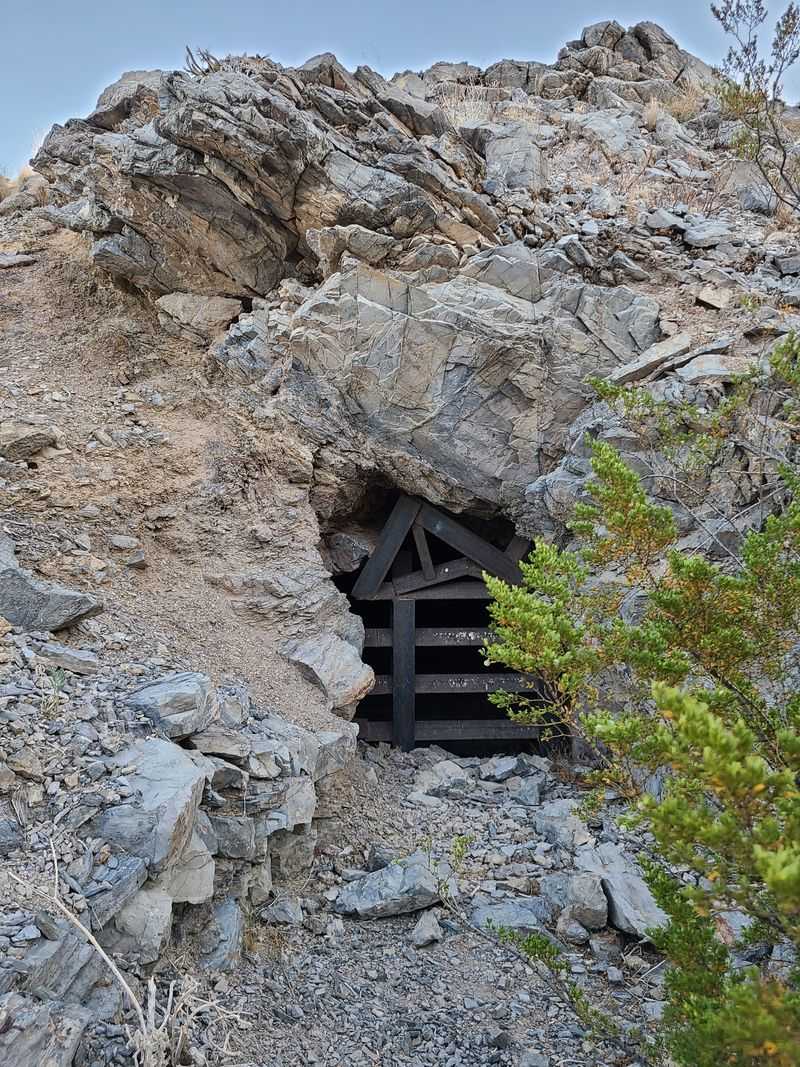
Mercury mining once brought prosperity to this remote desert outpost, but when the ore ran out, residents scattered, leaving behind a crumbling town frozen in time.
Terlingua’s abandoned buildings draw photographers and history enthusiasts, but the real dangers hide underground in miles of mining tunnels that honeycomb the surrounding hills.
These shafts and adits remain largely unmapped and completely unregulated, presenting hazards that have claimed lives over the decades.
Mine openings appear as dark holes in hillsides, often partially concealed by desert vegetation and erosion.
Inside, the air quality becomes questionable as oxygen levels drop and potentially toxic gases accumulate.
Support timbers installed a century ago have rotted away, leaving tunnels prone to sudden collapse.
Vertical shafts drop into darkness without warning or barriers, and falling into one means almost certain death.
The desert environment surrounding Terlingua presents its own challenges, with extreme heat, scarce water, and venomous creatures.
Abandoned structures in the ghost town itself pose fall hazards, with weakened floors and stairs that give way unexpectedly.
Rusty metal and broken glass litter the ground, creating tetanus risks and opportunities for serious cuts.
Cell phone coverage in this remote area near Big Bend remains spotty at best.
The nearest medical facilities sit hours away by vehicle, meaning even moderate injuries become serious emergencies.
Flash floods can trap explorers in low areas when thunderstorms develop over the Chisos Mountains.
Local residents and park rangers warn visitors to stay out of the mines entirely, but curiosity draws people into these death traps regularly.
Exploring alone means no one knows where to search if you don’t return, and the vast desert landscape offers countless places where a person could disappear.
The combination of mining hazards, harsh environment, and extreme isolation makes solo exploration of Terlingua’s abandoned areas a genuinely life-threatening proposition.
Dear Reader: This page may contain affiliate links which may earn a commission if you click through and make a purchase. Our independent journalism is not influenced by any advertiser or commercial initiative unless it is clearly marked as sponsored content. As travel products change, please be sure to reconfirm all details and stay up to date with current events to ensure a safe and successful trip.
