Texas has always been a place where locals know the best spots long before the rest of the world catches on. From hidden swimming holes to tucked-away diners serving up legendary breakfast tacos, these treasures thrive because they remain just out of reach of the tourist crowds.
But in the age of social media, one viral post can change everything overnight, turning a peaceful weekend retreat into a packed parking lot and a quiet neighborhood hangout into a selfie destination.
The fear is real among Texans who have watched their favorite places transform after hitting TikTok or Instagram fame. What was once a local secret becomes overrun, prices creep up, and the authentic character that made these spots special starts to fade.
These are the places that locals hope stay under the radar, the ones they’d rather keep to themselves than see plastered across every travel influencer’s feed.
1. Jacob’s Well Natural Area
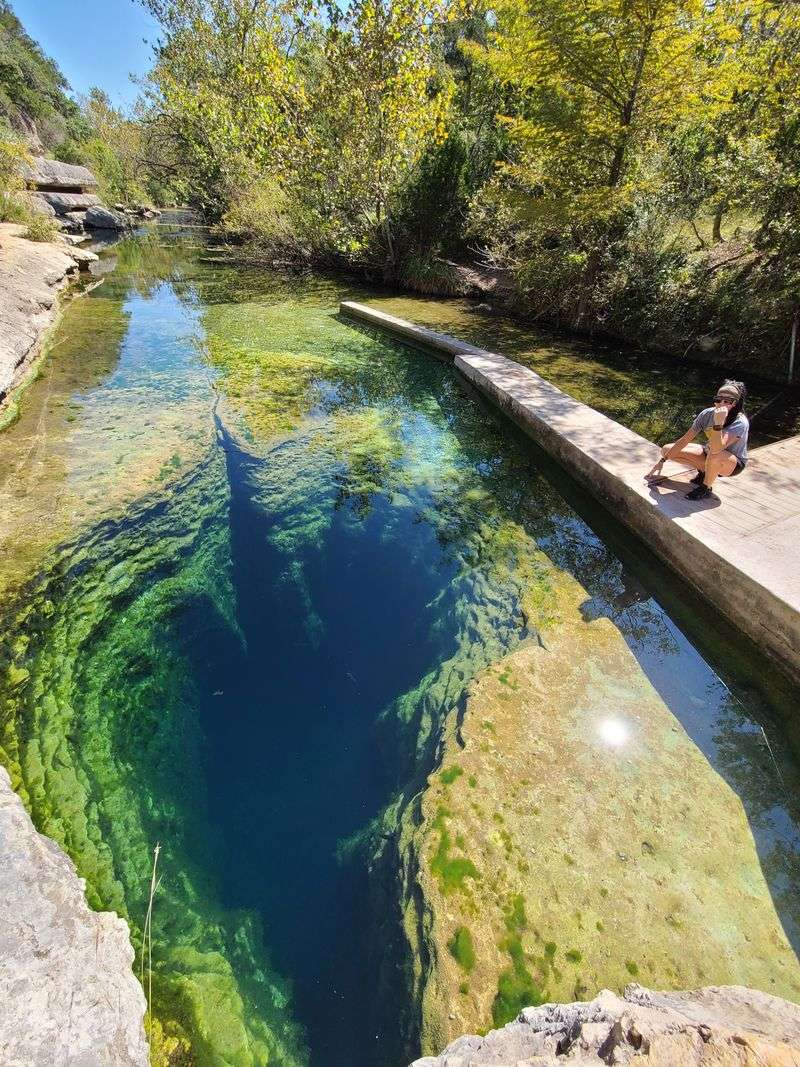
Deep in the Texas Hill Country, a crystal-clear spring bubbles up from an underground cavern system that stretches down over 140 feet.
Jacob’s Well has been a local swimming spot for generations, where families come to cool off during the scorching summer months and divers explore the mysterious underwater passages.
The water stays a constant 68 degrees year-round, making it refreshing even on the hottest August afternoons.
Wimberley residents have long protected this natural wonder, understanding that its delicate ecosystem requires careful management. The spring feeds Cypress Creek and provides habitat for several endangered species, including the Texas blind salamander.
Local conservation efforts have worked tirelessly to maintain water quality and limit visitor impact through reservation systems and daily caps on swimmers.
When photos of Jacob’s Well started circulating online a few years back, locals watched nervously as visitor numbers began climbing. The concern isn’t just about crowds but about the real environmental damage that can occur when too many people descend on a fragile natural area.
Increased foot traffic erodes banks, sunscreen chemicals affect water quality, and the peaceful atmosphere that made this spot special disappears.
The surrounding community has seen what viral fame did to other swimming holes across Texas, turning serene natural areas into chaotic tourist destinations.
They’ve implemented stricter rules and reservation requirements, but the fear remains that one massive viral moment could overwhelm even the best management plans.
2. Gruene Historic District
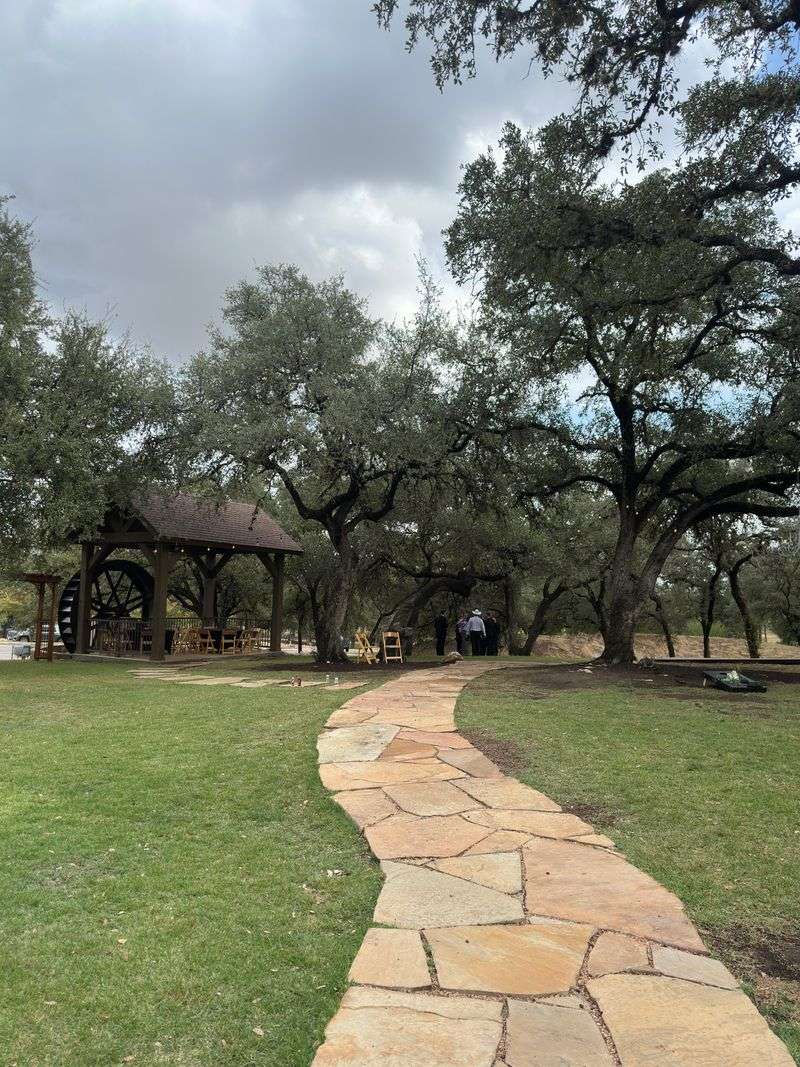
Nestled along the Guadalupe River between Austin and San Antonio, Gruene maintains the charm of a 19th-century German settlement frozen in time.
The entire district consists of historic buildings dating back to the 1870s, including Texas’s oldest continually operating dance hall where legends like Willie Nelson and George Strait have performed.
Wooden floors worn smooth by decades of boot scuffles tell stories of countless Saturday nights filled with two-stepping and live country music.
New Braunfels locals treasure Gruene as their weekend escape, a place where they can browse antique shops, grab lunch at a family-owned cafe, and listen to live music without the pretense of bigger city venues.
The scale remains intimate, with most businesses occupying historic structures that limit how much expansion can happen.
This natural constraint has kept Gruene from becoming overly commercialized, preserving the authentic small-town Texas atmosphere that makes it special.
Recent social media attention has started bringing larger crowds, especially on weekends when the dance hall hosts popular acts. Locals worry that increased visibility will price out the longtime businesses that give Gruene its character, replacing them with tourist-focused shops selling mass-produced Texas kitsch.
The parking situation already gets tight during peak times, and the narrow streets weren’t designed for modern traffic volumes.
Viral fame threatens to turn this authentic cultural landscape into just another crowded tourist stop where visitors snap photos but miss the deeper story. For locals, Gruene isn’t just a cute historic district but a connection to their roots and a reminder of what Texas was before everything got bigger and faster.
3. Caddo Lake State Park
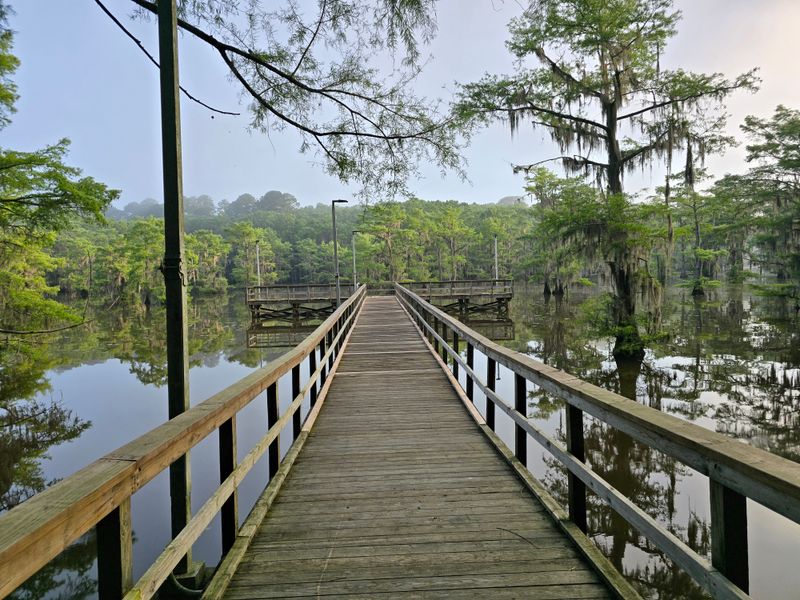
Spanish moss drapes from ancient bald cypress trees rising out of dark, mysterious waters in the far northeastern corner of Texas. Caddo Lake creates an otherworldly landscape that feels more like Louisiana bayou country than the Texas most people imagine.
The lake’s maze of sloughs, ponds, and channels covers over 25,000 acres, creating one of the few naturally-formed lakes in Texas and the largest cypress forest in the world.
Locals from nearby Marshall and Jefferson know this place intimately, navigating the waterways by kayak or small boat to reach secret fishing spots where largemouth bass hide among the cypress knees.
Early morning fog transforms the lake into something magical, with shafts of sunlight piercing through the canopy and reflecting off still water.
Wildlife thrives here, from alligators sunning on logs to hundreds of bird species that use the wetlands as a migration stopover.
The remote location has kept Caddo Lake relatively unknown compared to other Texas destinations, which is exactly how locals prefer it. They’ve watched as social media has discovered other natural areas, bringing crowds that trample vegetation, disturb wildlife, and leave trash behind.
The delicate wetland ecosystem at Caddo can’t handle that kind of pressure without suffering serious damage.
Paddling through the cypress forest requires skill and attention since it’s easy to get lost in the interconnected channels.
This natural barrier has kept casual visitors to a minimum, but viral videos could inspire unprepared adventurers to attempt navigation without proper knowledge or respect for the environment.
4. Marfa’s Viewing Platform
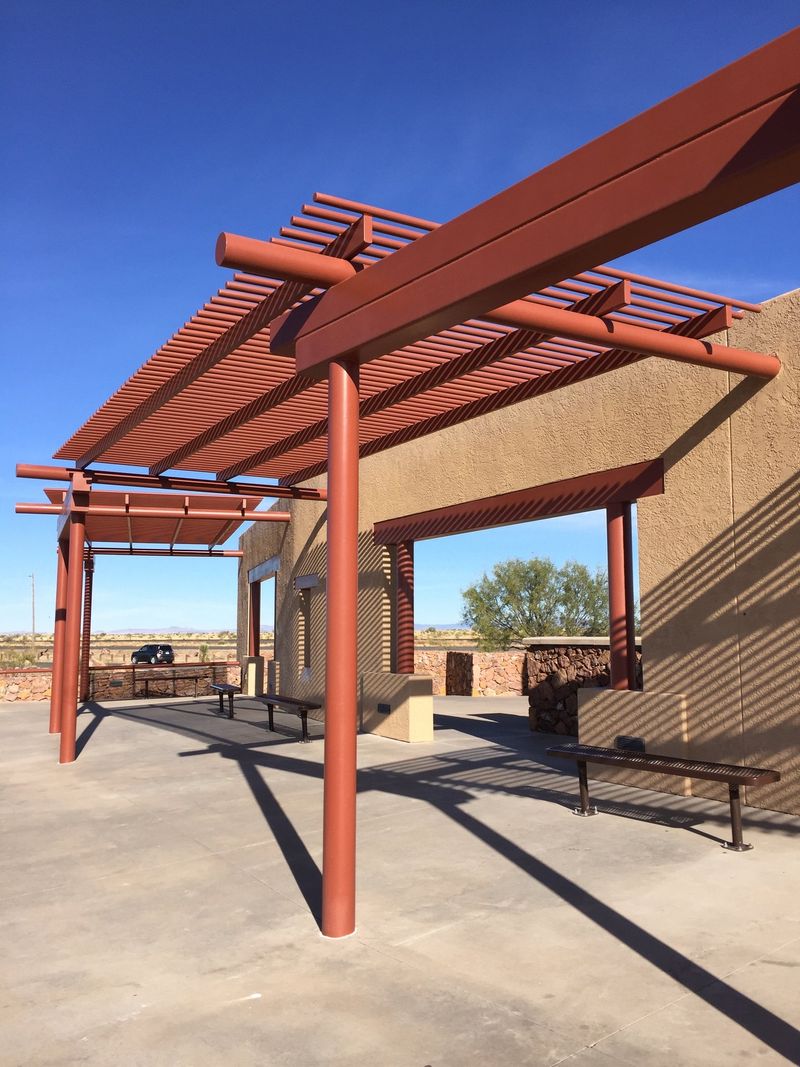
Out in the vast emptiness of West Texas, mysterious lights have been appearing in the desert sky for over a century. The Marfa Lights remain unexplained despite numerous scientific investigations, creating an enigmatic phenomenon that draws curious observers to a simple viewing platform along Highway 90.
On clear nights, glowing orbs of various colors dance, split, merge, and disappear across the distant horizon, defying easy explanation and sparking endless debate about their origin.
Marfa itself has evolved into an unlikely art destination, but locals maintain a protective attitude toward their desert home and its mysteries.
The viewing platform offers a democratic experience where anyone can pull off the highway and watch for the lights without paying admission or dealing with commercial exploitation.
This accessibility and authenticity matter deeply to residents who’ve resisted turning the phenomenon into a tourist trap.
The town’s population hovers around 1,700 people who chose this remote location specifically for its isolation and stark beauty. They appreciate visitors who come respectfully, but worry about what happens when social media transforms a quiet evening of light-watching into a crowded spectacle.
The desert landscape surrounding Marfa is fragile, and the dark skies that make the lights visible depend on minimal light pollution.
Recent years have already brought increased attention to Marfa thanks to its art scene, and locals have mixed feelings about the changes. Adding viral fame for the Marfa Lights could tip the balance, bringing crowds that overwhelm the small town’s limited infrastructure.
There are no big hotels or chain restaurants here, and residents prefer it that way.
5. Balmorhea State Park
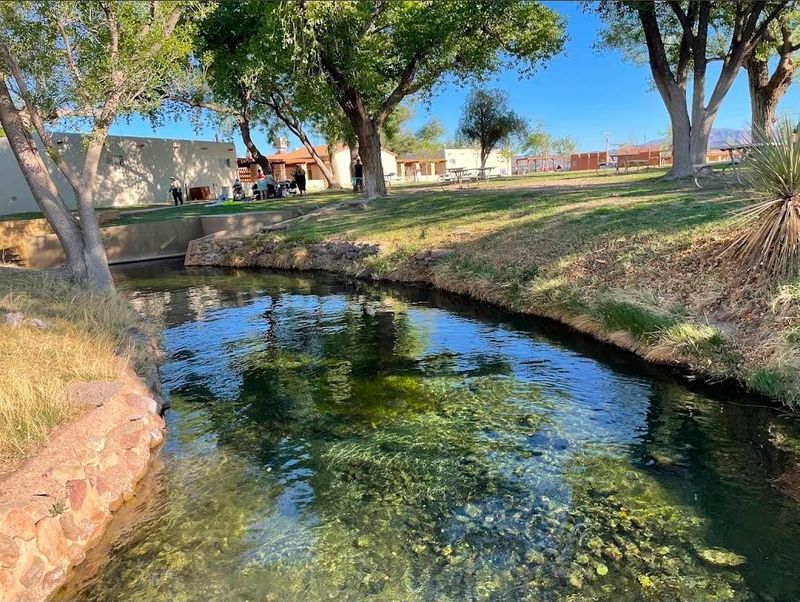
In the middle of West Texas desert, where summer temperatures regularly exceed 100 degrees, a natural spring-fed pool offers an oasis that seems almost impossible.
Balmorhea State Park’s swimming pool is actually a massive spring that produces 15 to 20 million gallons of crystal-clear water daily, maintaining a constant temperature between 72 and 76 degrees.
Families spread out on the grassy areas surrounding the pool, spending entire days swimming, snorkeling, and escaping the relentless desert heat. The experience feels timeless, with the same CCC-era stonework and bathhouse that greeted swimmers decades ago still standing today.
What makes Balmorhea truly special is the underwater world visible through the incredibly clear spring water. Snorkelers glide alongside Mexican tetras and two endangered fish species, the Comanche Springs pupfish and Pecos mosquitofish, found nowhere else on Earth.
The springs themselves bubble up through the pool bottom, creating gentle currents and maintaining the pristine water quality that allows visibility of 30 feet or more.
The park’s remote location, over an hour from any significant town, has historically limited crowds to those willing to make the journey. But locals have noticed increasing attention as word spreads about this desert swimming paradise.
They worry that viral fame could bring crowds that exceed the park’s capacity, degrading water quality and disturbing the endangered species that call the springs home.
6. Palo Duro Canyon
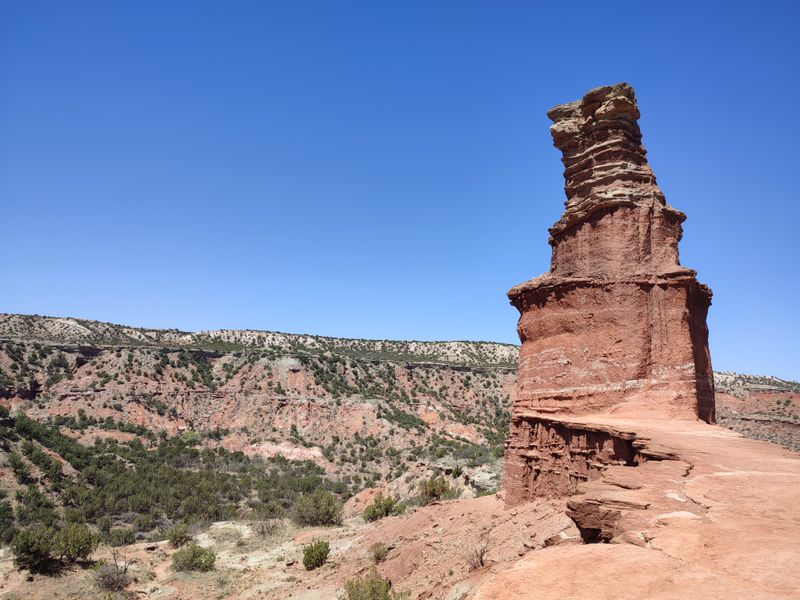
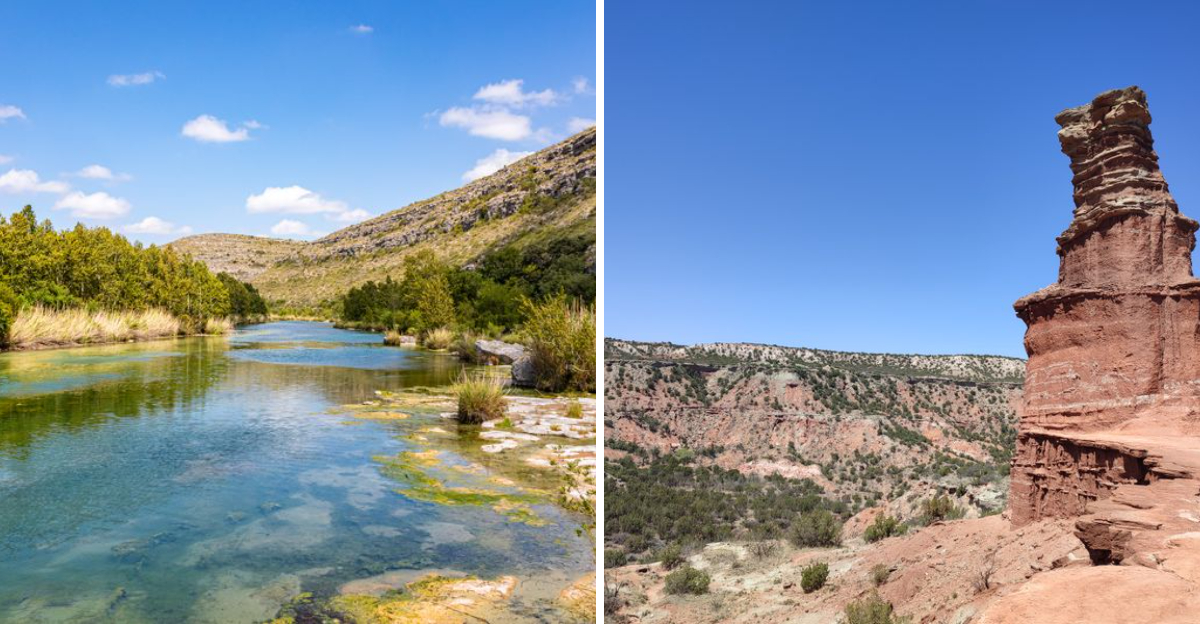
Most people think of Texas as flat and featureless, which makes the sudden appearance of a 120-mile-long, 800-foot-deep canyon in the Panhandle all the more shocking.
Palo Duro Canyon, the second-largest canyon system in the United States, reveals layers of red, orange, and yellow rock formations that glow brilliantly during sunrise and sunset.
The Spanish explorers who discovered it in 1541 named it Palo Duro, meaning hard wood, after the juniper trees growing from the canyon walls.
The park offers 30 miles of trails ranging from easy walks to challenging climbs that reward effort with spectacular views. During summer, an outdoor musical drama called Texas performs in a natural amphitheater carved into the canyon walls, a tradition dating back to 1966.
The canyon’s ecosystem supports a surprising diversity of wildlife, including roadrunners, wild turkeys, and occasionally even Texas horned lizards.
The Prairie Dog Town Fork of the Red River carved this geological masterpiece over millions of years, exposing rock layers that tell the story of ancient seas and prehistoric creatures.
Fossils embedded in the canyon walls include remains of early horses and other mammals that roamed the region long before humans arrived.
Panhandle locals have watched nervously as other Texas natural areas gained viral attention and subsequently struggled with overcrowding. Palo Duro already attracts visitors, but it remains relatively unknown compared to Arizona’s Grand Canyon or Utah’s national parks.
They prefer it that way, knowing that the trails, campsites, and scenic overlooks can’t handle massive increases in visitation without significant environmental impact.
7. Port Aransas Beach
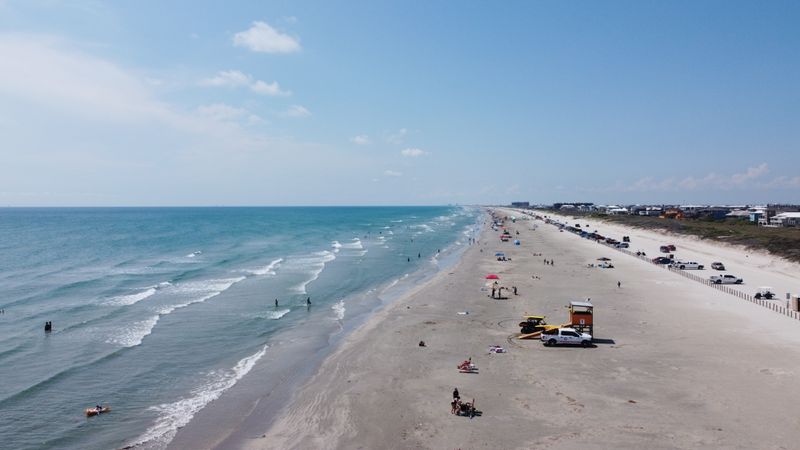
Mustang Island stretches along the Gulf Coast, and at its northern tip sits Port Aransas, a fishing village that has somehow resisted becoming another overdeveloped beach resort.
The beach here feels authentic and unpretentious, a place where locals drive their trucks onto the sand, set up simple camps, and spend the day surf fishing without worrying about beach clubs or resort fees.
The town maintains a laid-back atmosphere with family-owned seafood restaurants, bait shops, and surf shacks that have operated for decades. Charter fishing boats depart daily from the harbor, taking anglers out into the Gulf to catch red snapper, kingfish, and tarpon.
The ferry ride from the mainland to the island adds to the sense of leaving the everyday world behind.
What locals love most is the ability to enjoy the beach without the commercialization that has overtaken other Gulf Coast destinations. You can still find stretches of sand with only a handful of other people, especially if you drive a few miles from the main beach access points.
Sea turtles nest along these shores during summer months, and volunteers work to protect the nests from disturbance, a conservation effort that depends on maintaining relatively low beach traffic.
Hurricane Harvey devastated Port Aransas in 2017, and the community has slowly rebuilt with a focus on preserving its character rather than transforming into a tourist resort.
Locals worry that viral social media attention could undo this careful balance, bringing developers and crowds that would push out longtime businesses and change the town’s essential nature.
8. Enchanted Rock State Natural Area
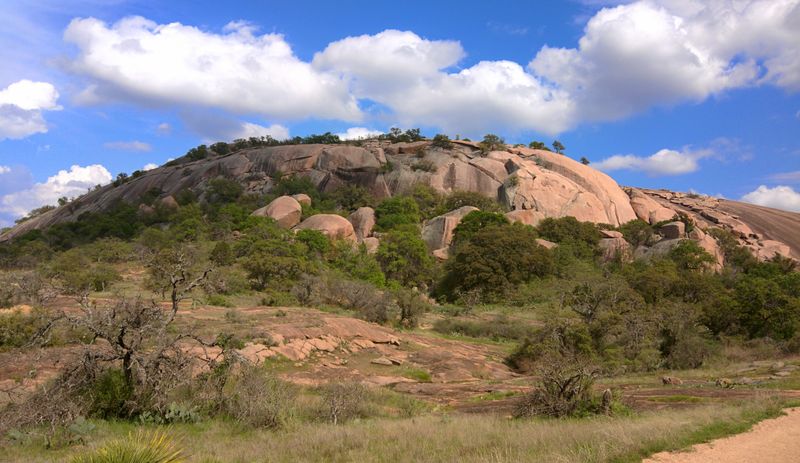
A massive pink granite dome rises 425 feet above the surrounding Hill Country, creating a geological wonder that has drawn humans for over 11,000 years.
Enchanted Rock is actually a batholith, an underground rock formation exposed by erosion, and it’s one of the largest such formations in the United States.
Native American tribes considered the rock sacred, believing spirits inhabited the stone, and on quiet nights some visitors still report hearing creaking and groaning sounds as the rock cools and contracts.
The rock’s surface supports unique plant communities specially adapted to survive in shallow soil and extreme temperature variations. Vernal pools form in natural depressions on the rock after rains, creating temporary habitats for fairy shrimp and other specialized creatures.
Rock climbers come to challenge themselves on the various routes up the dome’s steeper faces, while families stick to the hiking trail that switchbacks to the summit.
State park officials already limit daily visitors through a reservation system because the natural area can only handle so many people without suffering damage.
Locals appreciate these protections but fear that viral attention could create overwhelming demand that makes it nearly impossible for them to visit their beloved rock.
The parking lot fills early on weekends, and increased social media exposure would only make access more difficult. What troubles longtime Hill Country residents most is watching the rock become a bucket-list destination rather than a place for genuine connection with nature.
9. Devil’s River State Natural Area
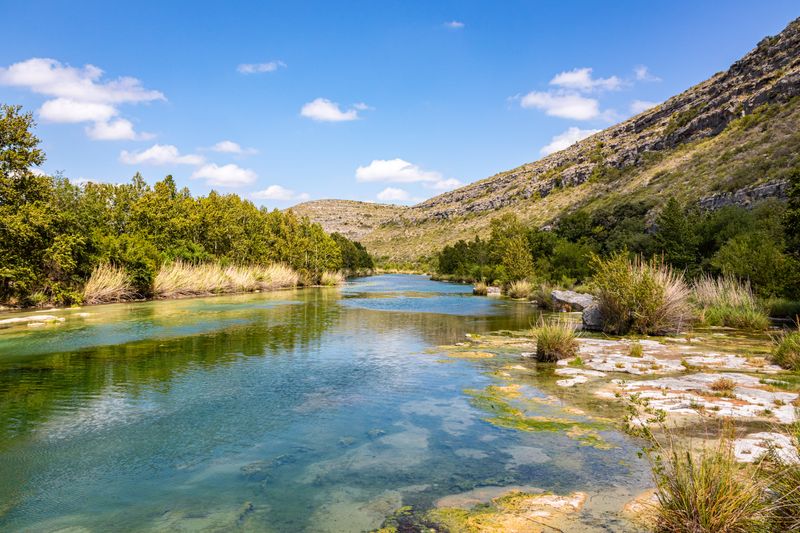
Where the Devil’s River flows through remote canyons in Val Verde County, some of the clearest water in Texas creates pools so transparent you can see every rock on the bottom 15 feet down.
This remains one of the most pristine and least visited natural areas in the entire state, protected by its extreme remoteness and lack of easy access.
Getting here requires driving miles on rough ranch roads, and once you arrive, the landscape feels untouched by modern civilization, exactly as it has for thousands of years.
Swimming in the river’s pools feels like entering another world, where the water stays cool even during summer and the only sounds come from wind and birdsong.
The natural area requires advance reservations and limits visitor numbers strictly to protect both the environment and the visitor experience. The remoteness means no cell phone service, no nearby towns if something goes wrong, and a real sense of wilderness that has become increasingly rare in Texas.
This isolation has kept Devil’s River off most people’s radar, which is precisely why it remains in such pristine condition.
Locals fear that viral social media posts could inspire unprepared visitors to attempt the journey without understanding the challenges involved. The rough roads can damage vehicles, summer heat can be dangerous without proper preparation, and the river itself poses risks for inexperienced swimmers.
Beyond safety concerns, increased visitation would threaten the very wildness that makes Devil’s River extraordinary.
10. Big Bend Ranch State Park
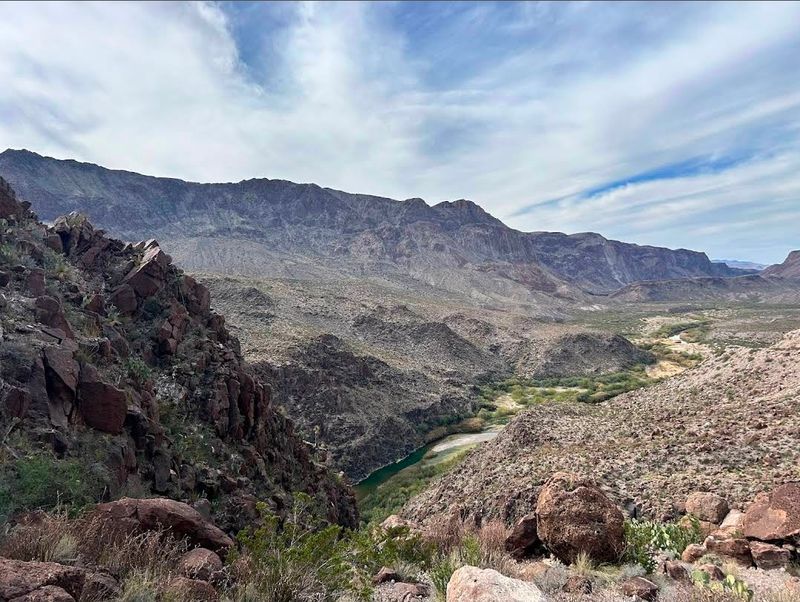
While Big Bend National Park draws hundreds of thousands of visitors annually, its neighbor to the west remains gloriously empty and wild.
Big Bend Ranch State Park protects over 300,000 acres of Chihuahuan Desert wilderness, making it the largest state park in Texas and one of the most remote protected areas in the lower 48 states.
The landscape here is raw and unforgiving, with volcanic formations, desert mountains, and the Rio Grande cutting through deep canyons along the Mexican border.
Locals from Presidio and Terlingua appreciate that Big Bend Ranch requires more effort and preparation than the national park, which naturally limits crowds to those serious about experiencing genuine wilderness.
The park offers challenging hiking trails, primitive camping, and mountain biking routes that traverse terrain unchanged since prehistoric times.
River trips down the Rio Grande through Colorado Canyon provide multi-day adventures through some of the most spectacular desert scenery in North America.
Wildlife thrives in this protected desert landscape, including mountain lions, black bears, and over 400 bird species. The night skies here rank among the darkest in the United States, offering stargazing that reveals the Milky Way in stunning detail.
Ancient volcanic activity created unique geological features like the Solitario, a massive eroded dome visible from space that creates a natural amphitheater of layered rock.
West Texas locals worry that social media attention could bring unprepared visitors who underestimate the desert’s dangers or overestimate their own abilities.
Dear Reader: This page may contain affiliate links which may earn a commission if you click through and make a purchase. Our independent journalism is not influenced by any advertiser or commercial initiative unless it is clearly marked as sponsored content. As travel products change, please be sure to reconfirm all details and stay up to date with current events to ensure a safe and successful trip.
