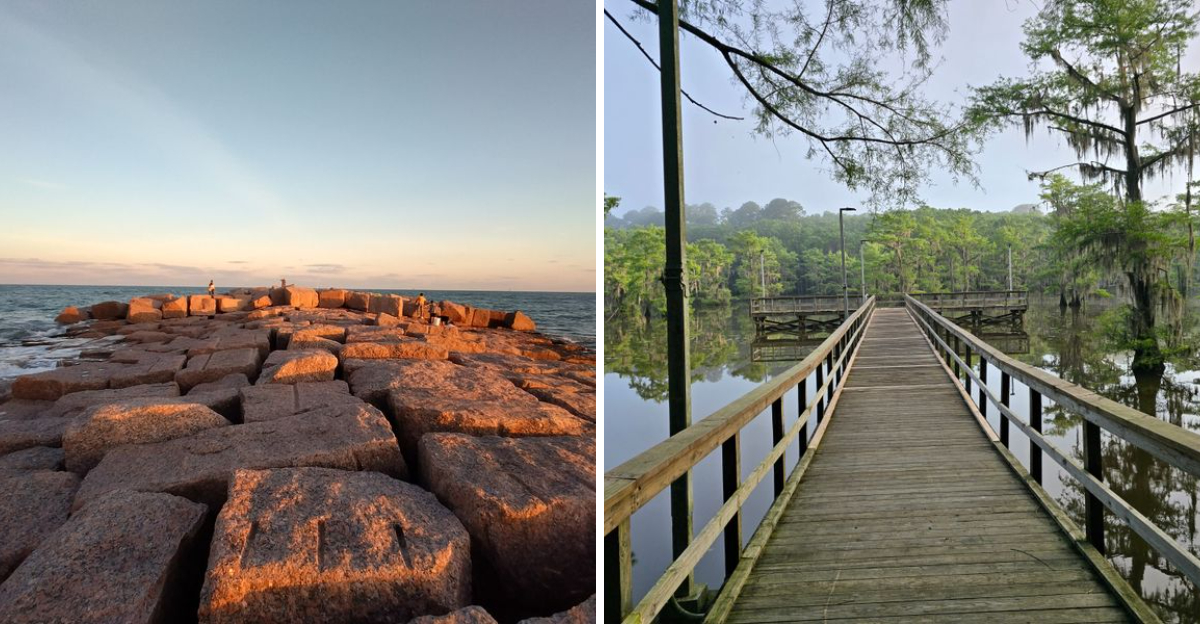
Texas has no shortage of famous attractions that draw millions of visitors every year, from the Alamo to the Houston Space Center. But ask any true Texan where they spend their free time, and you’ll get a very different answer.
Locals have their own secret spots, places that might not make the glossy travel brochures but hold a special charm that only residents truly understand. These are the destinations where you’ll find authentic Texas culture, away from the selfie sticks and tour buses, where the food tastes better, the history runs deeper, and the experience feels genuinely real.
1. Mission Reach Trail, San Antonio
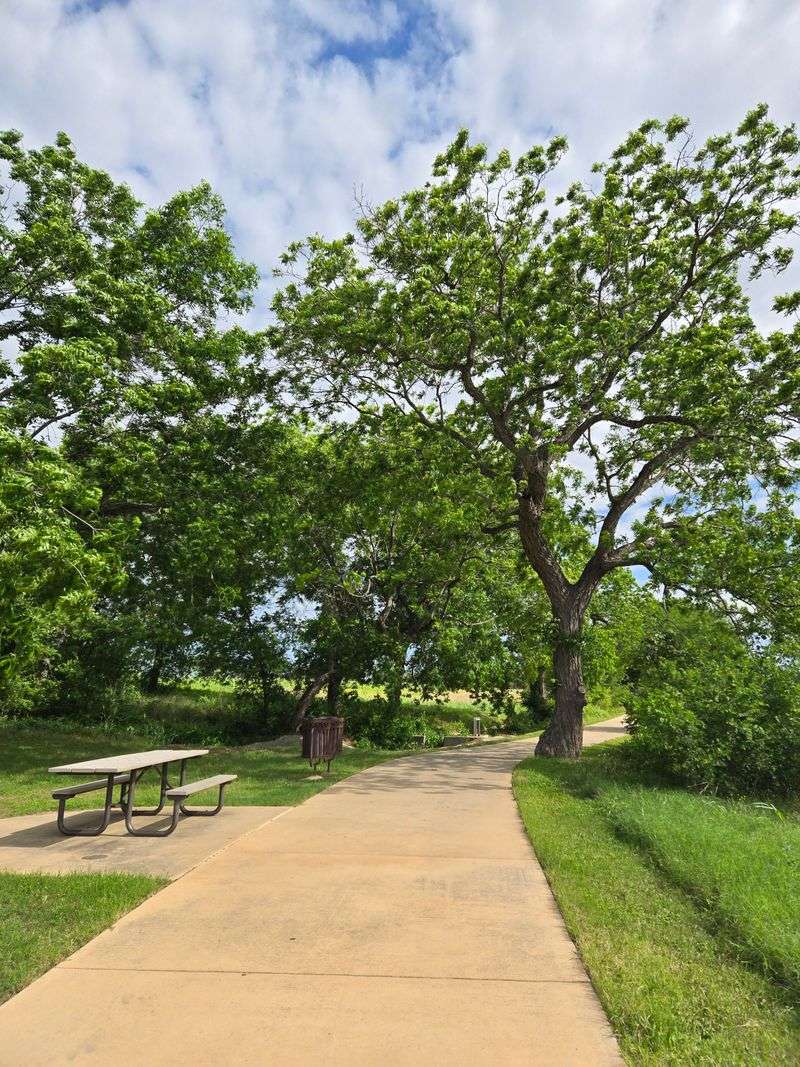
While tourists flock to the famous River Walk downtown, locals lace up their sneakers and head south to Mission Reach. This eight-mile stretch of trail follows the San Antonio River through a landscape that feels worlds away from the crowded commercial district.
Native grasses sway in the breeze, herons fish along the banks, and cyclists pass joggers on paths that connect five Spanish colonial missions dating back to the 1700s. The peaceful atmosphere here stands in sharp contrast to the bustling restaurant scene just a few miles north.
Mission Reach offers something the main River Walk cannot: space to breathe and genuine historical context. Each mission along the route tells stories of early Texas settlers, indigenous peoples, and the blending of cultures that shaped the region.
Interpretive signs explain the sophisticated irrigation systems these communities built centuries ago. Locals bring their dogs, pack picnics, and spend entire afternoons exploring without ever feeling rushed by crowds or pressured to buy souvenirs.
The trail becomes especially magical during spring wildflower season when bluebonnets carpet the fields surrounding Mission San Juan. Early morning visits reward walkers with wildlife sightings, including deer, armadillos, and dozens of bird species.
Families gather at shaded picnic areas while history enthusiasts photograph the ancient stone architecture. This stretch of San Antonio reveals the city’s soul in ways the tourist corridor simply cannot match, offering authentic connections to both nature and the past that keep locals returning week after week.
2. East Austin Neighborhoods
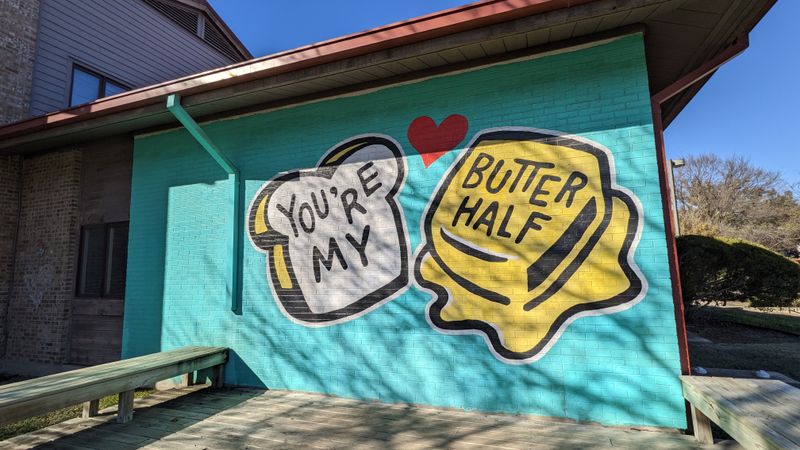
Sixth Street might grab all the headlines, but locals know the real heart of Austin beats on the east side. This collection of neighborhoods has transformed from overlooked areas into creative hubs where authenticity still matters more than Instagram appeal.
Vintage bungalows painted in bold colors line streets where food trucks serve some of the city’s best tacos, and murals turn ordinary walls into outdoor galleries. The vibe here feels genuinely Austin, not the packaged version sold to bachelor parties downtown.
East Austin’s appeal lies in its resistance to polish. Music venues tucked into converted warehouses host shows where you might catch tomorrow’s headliners playing to intimate crowds tonight.
Local artists run studios in former industrial spaces, often opening their doors for community events. Coffee shops occupy old gas stations, serving locally roasted beans to regulars who actually live in the neighborhood.
This organic evolution created spaces that feel lived-in rather than designed for tourists, which is precisely why residents love it.
The area’s cultural diversity adds layers of richness rarely found in tourist districts. Family-owned restaurants serve authentic Mexican, Vietnamese, and Ethiopian cuisine passed down through generations.
Community gardens flourish between buildings, and weekend markets feature crafts made by neighborhood artisans. Walking these streets means encountering real Austin life, complete with its creative spirit and welcoming inclusivity.
Tourists seeking neon-lit party scenes will find East Austin too quiet, too real, but locals wouldn’t have it any other way, cherishing these blocks as the last authentic corners of their rapidly changing city.
3. Mustang Island State Park
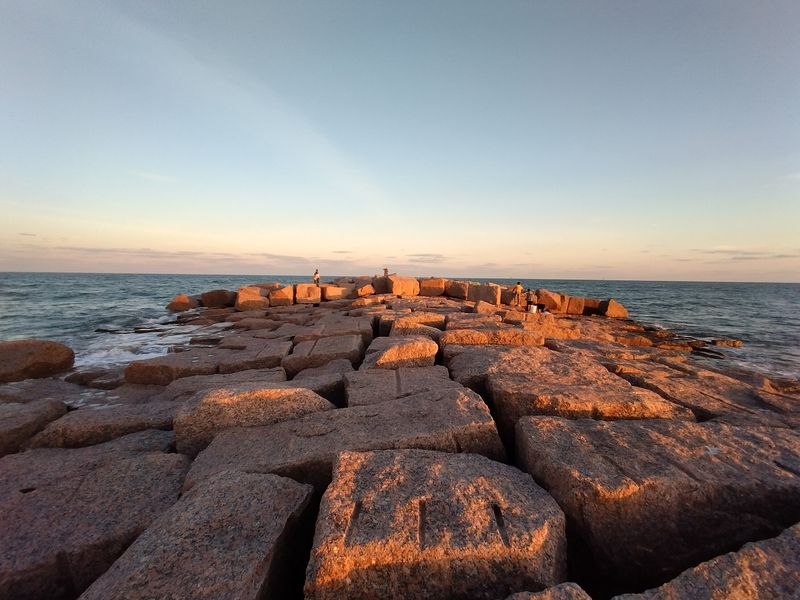
Port Aransas Beach parking lots overflow with tourists every summer, but just down the coast, Mustang Island State Park offers 3,700 acres of protected shoreline that feels like a different world entirely. No high-rise hotels block the horizon here.
No jet skis shatter the sound of crashing waves. Instead, natural dunes covered in sea oats stretch for miles, providing habitat for nesting birds and peaceful refuge for locals who crave coastal beauty without the carnival atmosphere.
The park’s five miles of beach remain blissfully underdeveloped, allowing visitors to experience the Texas Gulf Coast as it existed before commercialization. Locals arrive early to claim favorite spots, spreading blankets on sand that hasn’t been raked or groomed, collecting shells that wash up naturally with each tide.
Paddlefish Bay on the park’s bay side offers calmer waters perfect for kayaking and birdwatching, where roseate spoonbills and pelicans feed in shallow waters. Camping here means falling asleep to wave sounds rather than party noise, waking to sunrises that paint the sky in brilliant oranges and pinks.
What tourists miss by skipping this park is the authentic coastal experience Texas residents treasure. The lack of amenities that might disappoint visitors seeking convenience is exactly what locals love.
No souvenir shops means more focus on nature. Fewer crowds means actual relaxation.
The primitive quality of Mustang Island reminds visitors that beaches existed long before beach resorts, and some Texans prefer their coast wild and real. Address: 9394 TX-361, Corpus Christi, Texas.
4. Downtown Waco Historic District
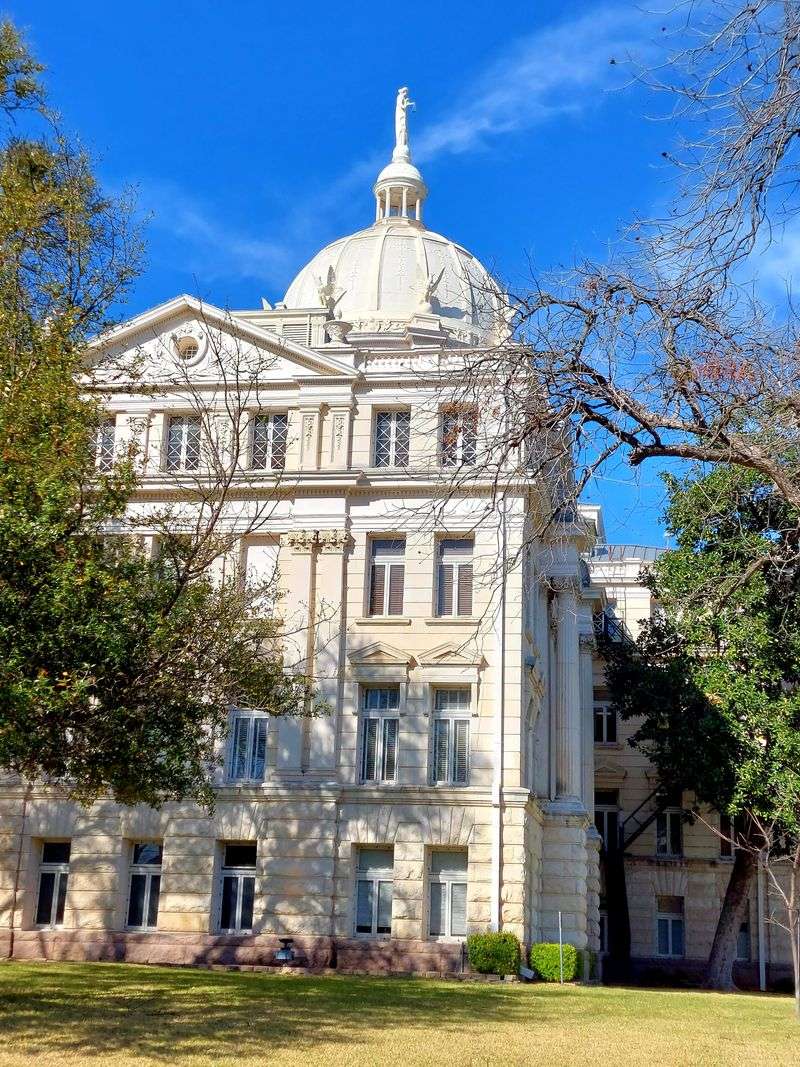
Magnolia Market draws crowds by the thousands, but locals bypass the Silos entirely in favor of downtown Waco’s historic blocks. This revitalized district showcases the city’s genuine character through beautifully restored buildings from the late 1800s and early 1900s.
Brick facades house independent bookstores, locally owned restaurants, and shops selling Texas-made goods rather than mass-produced souvenirs. The atmosphere here feels organic, shaped by community rather than television producers.
Walking these streets reveals layers of Waco history often overshadowed by reality TV fame. The Dr. Pepper Museum occupies the original 1906 bottling plant where the iconic soda was first mass-produced, offering exhibits that trace both the drink’s evolution and the city’s industrial heritage.
The Hippodrome Theatre, a stunning example of 1914 vaudeville architecture, now hosts concerts and community events. Local galleries feature Texas artists, and cafes serve dishes created by chefs who live in the neighborhoods they feed.
This authentic sense of place makes downtown feel like a real city rather than a theme park.
Residents appreciate that downtown Waco offers substance without manufactured hype. Weekend farmers markets bring together growers and makers from surrounding counties, creating genuine connections between producers and consumers.
Historic walking tours led by longtime residents share stories of the city’s complex past, including triumphs and struggles rarely mentioned in promotional materials. The Brazos River provides a scenic backdrop for walking trails where locals exercise and socialize.
While tourists stand in line for overpriced merchandise elsewhere, Waco residents enjoy their city’s true treasures, the ones that existed long before fame arrived and will remain long after trends fade.
5. Palo Duro Canyon State Park
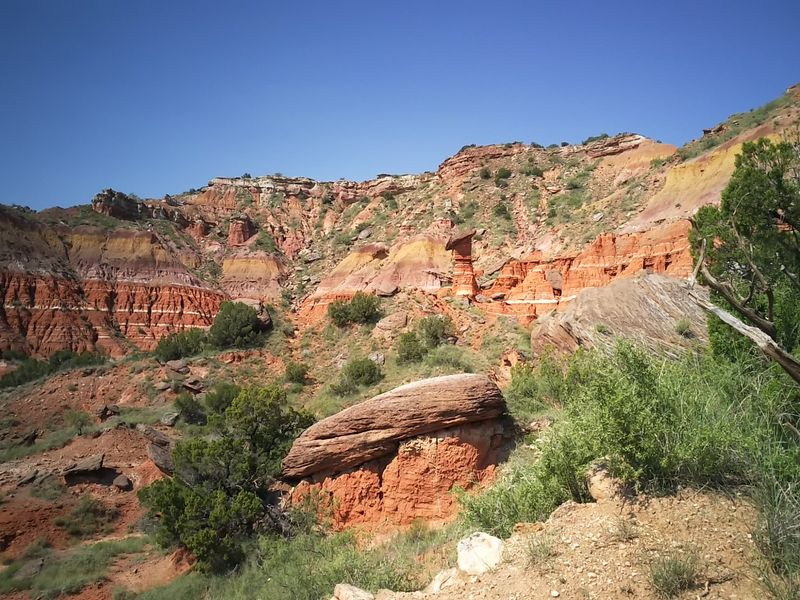
Cadillac Ranch gets the roadside attraction fame, but Texans in the know drive straight past those spray-painted cars to reach Palo Duro Canyon. This massive gorge, second only to the Grand Canyon in size within the United States, drops 800 feet below the flat Panhandle plains in a dramatic reveal that stops first-time visitors mid-breath.
Layers of red, orange, and yellow rock tell 250 million years of geological history, creating landscapes that feel more like Utah or Arizona than most people’s image of Texas.
The canyon’s 120 miles of trails offer adventures for every fitness level, from easy riverside walks to challenging climbs that reward hikers with panoramic views across the vast chasm. Locals know which paths lead to hidden caves, which overlooks provide the best sunset views, and which seasons bring the most dramatic weather.
Spring wildflowers transform the canyon floor into a colorful carpet. Summer thunderstorms create waterfalls that exist for just hours.
Fall brings comfortable temperatures perfect for all-day exploration. Winter occasionally dusts the red rocks with snow, creating surreal contrasts that photographers dream about.
What makes Palo Duro special to residents is its ability to provide true wilderness experiences just miles from Amarillo. The canyon feels remote and wild despite its accessibility, offering solitude and natural beauty that busy lives rarely provide.
Camping here means sleeping under star-filled skies unpolluted by city lights, waking to canyon wrens singing from rocky perches. The outdoor musical drama performed in summer adds cultural enrichment to natural wonders.
While tourists snap quick photos at Cadillac Ranch, locals spend entire weekends immersed in canyon country, reconnecting with landscapes that define the Panhandle’s rugged character.
6. Rockport Beach and Harbor
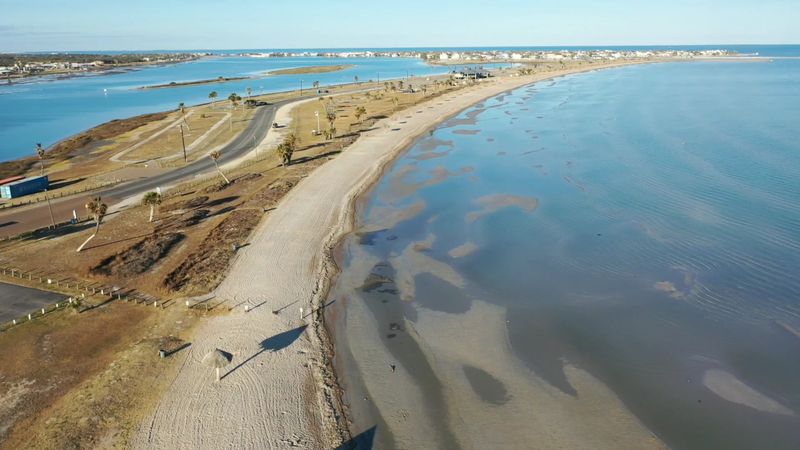
Corpus Christi beaches attract spring breakers and summer crowds, but coastal Texans prefer the quieter charms of Rockport. This small fishing village an hour up the coast maintains an unhurried pace that feels refreshing in an increasingly hectic world.
The shallow, calm waters of Aransas Bay lap gently at beaches where families wade safely and children hunt for shells without battling waves. Live oak trees, some over 500 years old, provide natural shade along the waterfront, their massive branches draped with Spanish moss creating scenes straight from coastal postcards.
Rockport’s appeal extends beyond its beaches to a genuine working harbor where shrimp boats still dock each evening, captains selling fresh catch directly to locals who know to arrive before the best seafood disappears. Art galleries line downtown streets, many run by artists who moved here for the exceptional light and stayed for the community.
The town earned designation as a bird sanctuary, and serious birders travel internationally to spot rare species during migration seasons. Whooping cranes winter in nearby Aransas National Wildlife Refuge, and locals consider sightings of these magnificent endangered birds special privileges of living here.
What tourists miss by choosing larger beach towns is Rockport’s authentic coastal culture. Restaurants serve seafood caught that morning prepared in recipes perfected over generations.
No chain stores interrupt the locally owned character of downtown shopping. Sunsets here draw crowds to the harbor not for parties but for quiet appreciation of natural beauty, as the sky transforms into brilliant displays reflected in still bay waters.
Locals protect this peaceful atmosphere fiercely, understanding that Rockport’s greatest treasure is its resistance to overdevelopment and its commitment to remaining a real Texas coastal town rather than another tourist destination.
7. Gruene Historic District
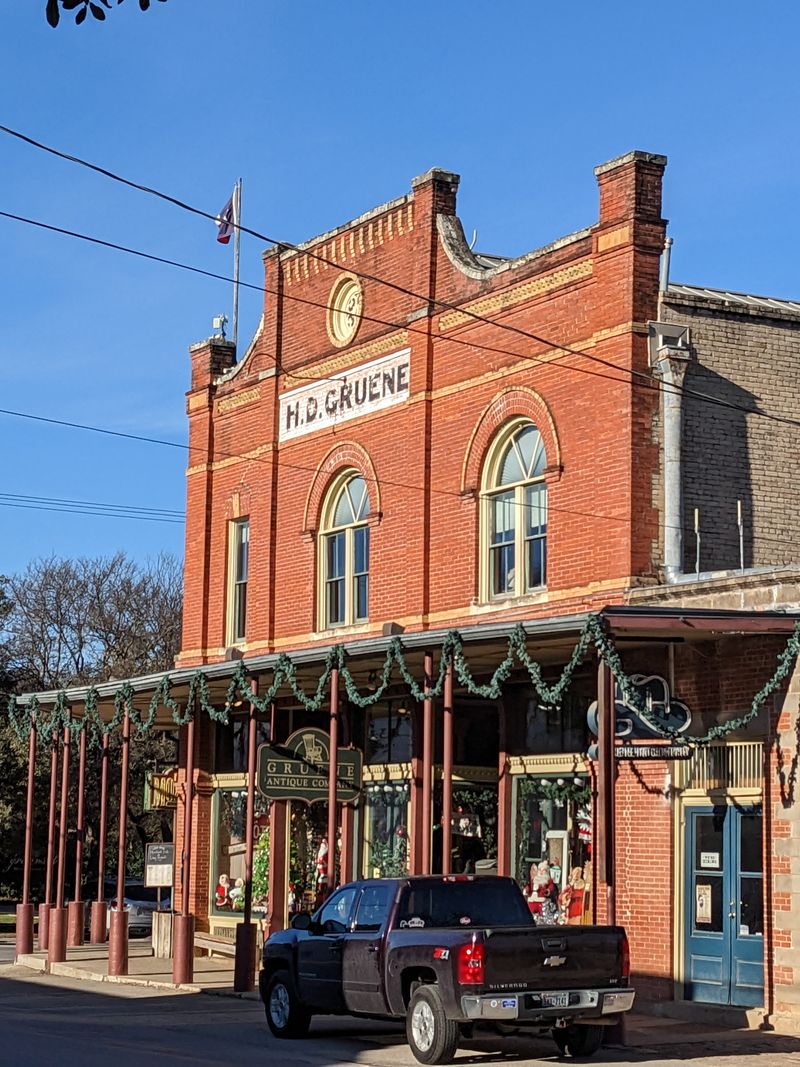
New Braunfels water parks pull in tourists by the busload, but locals escape the crowds at nearby Gruene, a tiny historic district that time seemingly forgot. This former cotton-farming community, established in the 1870s by German immigrants, retains its 19th-century character through careful preservation.
Weathered wooden buildings line dusty streets where modern development has been intentionally kept at bay. The entire district appears frozen in a gentler era, offering visitors a genuine glimpse into Texas small-town life as it existed over a century ago.
Gruene Hall, built in 1878, claims the title of Texas’s oldest continually operating dance hall, and its worn wooden floors bear the scuff marks of countless boots that have two-stepped across them through generations. Locals come for live music performances that happen almost nightly, filling the simple hall with sounds that honor Texas musical traditions.
The atmosphere inside feels authentic because it is, with no modern renovations to sanitize the building’s character. Original advertisements still painted on walls, vintage photographs document the community’s history, and the space maintains its purpose as a gathering place for people who love music and dancing.
Beyond the famous dance hall, Gruene offers antique shops housed in original structures, riverside parks along the Guadalupe River perfect for afternoon relaxation, and restaurants serving German-influenced Texas cuisine. The slower pace here appeals to residents tired of constant development and change.
Walking these streets means experiencing Texas heritage preserved rather than recreated, touching history through buildings that have sheltered multiple generations. Tourists racing between water park attractions miss this treasure entirely, while locals savor Gruene as a reminder of what Texas towns once were and, in rare cases, still are.
8. Big Bend Ranch State Park
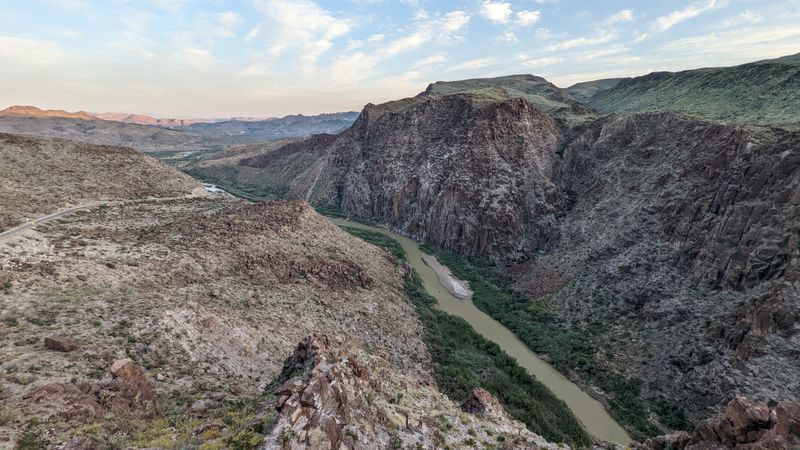
Big Bend National Park gets all the attention, but experienced Texas outdoors enthusiasts often prefer its lesser-known neighbor. Big Bend Ranch State Park protects over 300,000 acres of Chihuahuan Desert wilderness even more remote and rugged than the national park next door.
This vast landscape of volcanic peaks, deep canyons, and desert valleys sees a fraction of the visitors, meaning those who make the journey find solitude increasingly rare in modern America. The park’s extreme remoteness demands preparation and respect, which naturally filters out casual tourists seeking easy experiences.
The terrain here challenges even seasoned hikers and backpackers. Trails wind through landscapes shaped by ancient volcanic activity, past colorful rock formations and through canyons where seasonal waterfalls create unexpected oases.
The Rio Grande forms the park’s southern boundary, offering world-class kayaking and rafting through remote canyons accessible only by water. Locals who explore these areas understand they’re experiencing wilderness in its truest form, places where cell phones don’t work, where wildlife outnumbers people, and where nature operates by its own rules without human interference.
What makes Big Bend Ranch special to Texans is its uncompromising wildness. The park makes few concessions to comfort, with primitive camping and minimal facilities that keep crowds away.
Stargazing here ranks among the best in North America, with darkness so complete that the Milky Way casts shadows. Spring brings surprising displays of wildflowers that transform the desert into colorful gardens.
Summer heat reaches extreme levels, while winter can bring snow to higher elevations. This place rewards those willing to meet it on its own terms, offering experiences that stay with visitors forever.
Tourists seeking convenience and easy access will find Big Bend Ranch too demanding, but locals treasure it precisely because it remains wild, remote, and real.
9. Marfa Art Scene
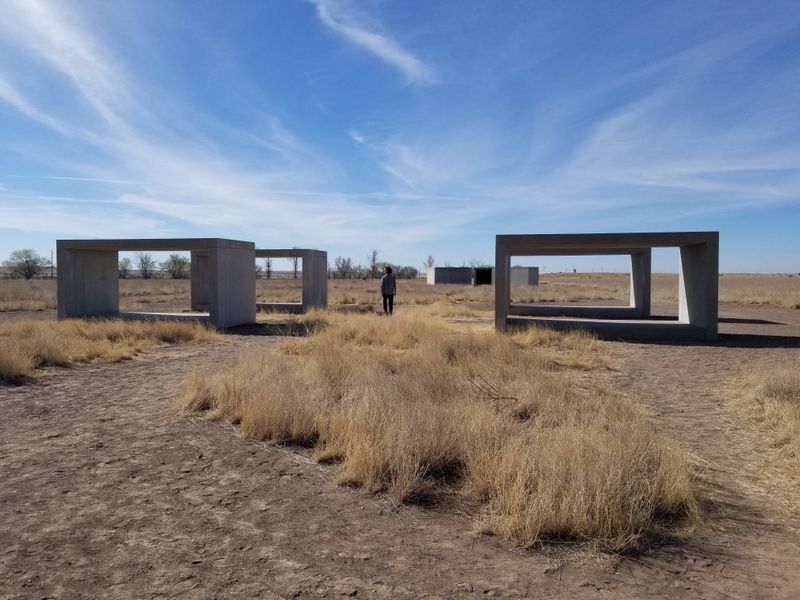
Some visitors make the long drive to West Texas just to photograph the mysterious Marfa Lights, snap a picture, and leave. Locals and art enthusiasts, however, understand that Marfa’s real magic lies in its thriving contemporary art community.
This tiny town of fewer than 2,000 residents has become an internationally recognized art destination since minimalist artist Donald Judd established permanent installations here in the 1970s. The juxtaposition of cutting-edge art in a remote desert setting creates an atmosphere unlike anywhere else in Texas or beyond.
Judd’s Chinati Foundation occupies a former military base, where massive sculptures and installations occupy renovated barracks and artillery sheds. Viewing these works requires time and contemplation, as the art interacts with the desert landscape and abundant West Texas light in ways that shift throughout the day.
Other galleries showcase contemporary artists drawn to Marfa’s creative energy and dramatic setting. The town itself has become art, with vintage buildings restored and repurposed, creating an aesthetic that blends frontier history with modern minimalism.
What residents and regular visitors treasure is Marfa’s refusal to become a typical tourist town despite its fame. Restaurants serve sophisticated cuisine but maintain casual atmospheres.
Bookstores and coffee shops encourage lingering conversations. The community supports artists while preserving the small-town character that attracted them initially.
Stargazing remains spectacular, and the surrounding desert landscape provides endless exploration opportunities. The pace here moves slowly, deliberately, allowing space for creativity and reflection.
Tourists expecting quick entertainment or obvious attractions often leave disappointed, but those who embrace Marfa’s unique rhythm discover a place where art, nature, and community combine in ways both inspiring and deeply Texan in their independence and authenticity.
10. Caddo Lake State Park
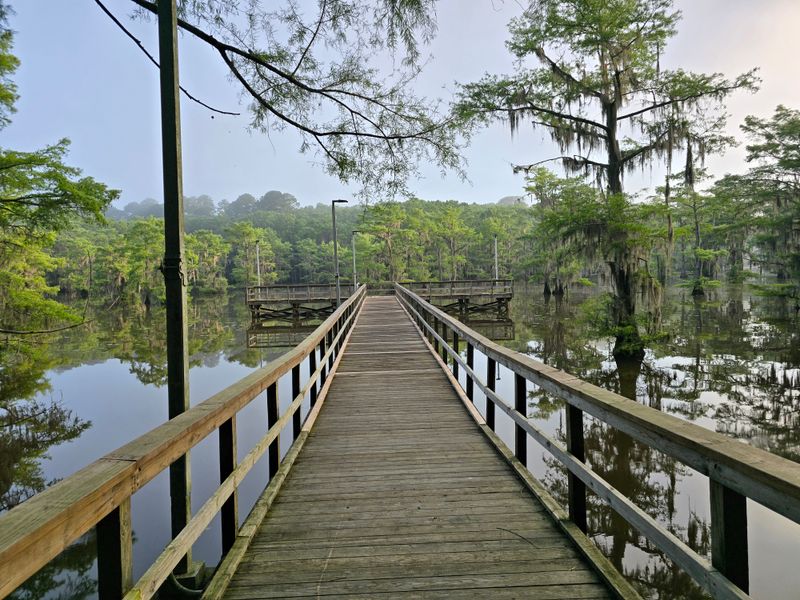
Most people picture Texas as dry and dusty, which makes Caddo Lake feel like a secret from another world entirely. This mysterious wetland on the Texas-Louisiana border creates landscapes more associated with Deep South bayous than the Lone Star State.
Massive bald cypress trees rise from dark waters, their trunks flared at the base, their branches draped with Spanish moss that sways in humid breezes. Narrow channels wind through forests that seem primeval, where alligators sun on logs and herons stalk fish in shallow waters.
Exploring Caddo Lake requires a kayak or canoe to navigate its maze of sloughs, channels, and open ponds covering 25,400 acres. Locals who know these waters understand that getting slightly lost is part of the experience, as every turn reveals new scenes of haunting beauty.
The lake supports incredible biodiversity, with over 70 fish species and countless birds making their homes in this wetland ecosystem. Spring brings blooming lotus flowers that carpet portions of the lake in pink and white.
Fall transforms cypress needles to rust orange before they drop, and winter reveals the intricate architecture of bare branches reflected in still waters.
What makes Caddo Lake special to Texans is its complete difference from stereotypical state landscapes. This place defies expectations, offering subtropical wilderness where desert should be.
The atmosphere feels timeless and slightly mysterious, as mist rises from water surfaces at dawn and sunset light filters through dense canopies in golden shafts. Locals come here to disconnect from modern life, paddling quietly through ancient forests that have witnessed centuries of change while remaining essentially unchanged themselves.
Tourists racing between more famous attractions miss this entirely, but those who discover Caddo Lake find one of Texas’s most enchanting and unexpected treasures. Address: 245 Park Road 2, Karnack, Texas.
Dear Reader: This page may contain affiliate links which may earn a commission if you click through and make a purchase. Our independent journalism is not influenced by any advertiser or commercial initiative unless it is clearly marked as sponsored content. As travel products change, please be sure to reconfirm all details and stay up to date with current events to ensure a safe and successful trip.
