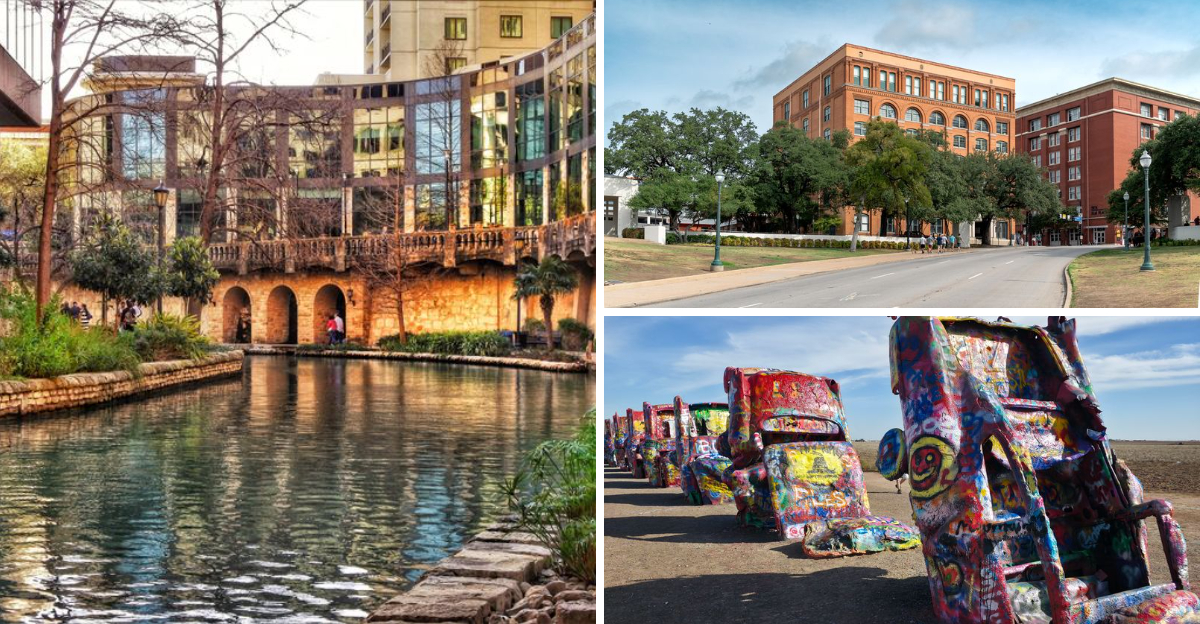
Every state has those spots that draw tourists by the thousands, yet locals won’t go near them unless they absolutely have to. Texas is no exception, with its fair share of attractions that visitors swoon over while residents shake their heads and take the long way around.
From overcrowded riverwalk cafes to roadside art installations that lose their charm after the first five minutes, the Lone Star State has plenty of places where the hype far outweighs the reality.
If you’re planning a trip to Texas and want to experience what locals actually love, you might want to skip these ten spots that have become more about the Instagram photo than the authentic experience.
1. Magnolia Market at the Silos in Waco
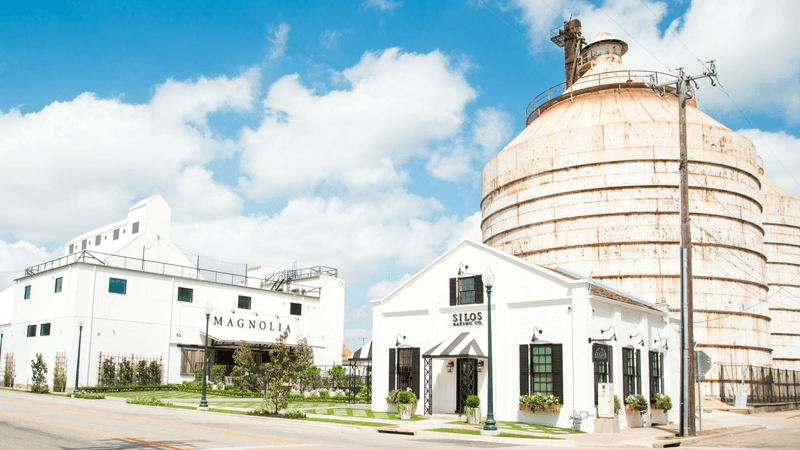
Waco was a quiet central Texas town that most people drove through without stopping until a home renovation show transformed it into a pilgrimage site for fans seeking the perfect farmhouse aesthetic.
Magnolia Market at the Silos draws thousands of visitors daily, all hoping to capture some of that television magic and maybe spot the famous couple who created this retail empire.
What they discover is a crowded marketplace selling overpriced home decor, long lines for food trucks, and an experience that feels more like a theme park than an authentic shopping destination.
Waco residents have mixed feelings about their city’s sudden fame. The tourist dollars certainly help the local economy, but the traffic, crowds, and commercialization have changed the character of their hometown.
Finding parking near the Silos on weekends becomes an adventure in itself, with visitors circling blocks and filling up neighborhood streets.
The famous bakery requires waiting in line for an hour or more just to buy a cupcake, and the gift shop prices reflect the captive audience of devoted fans willing to pay premium prices for anything with the Magnolia brand.
Beyond the Silos, Waco offers genuinely interesting attractions that most tourists never see because they’re too busy standing in line for overpriced pastries. The Dr Pepper Museum tells the story of the iconic Texas soft drink invented right here in Waco.
The Mayborn Museum Complex provides fascinating exhibits on natural history and cultural heritage. Cameron Park offers beautiful hiking trails and scenic overlooks that showcase central Texas landscapes.
Local residents wish visitors would explore these authentic Waco experiences instead of spending their entire visit at what essentially amounts to an outdoor shopping mall with better marketing than most.
Address: 601 Webster Ave, Waco, Texas
2. Sixth Street in Austin
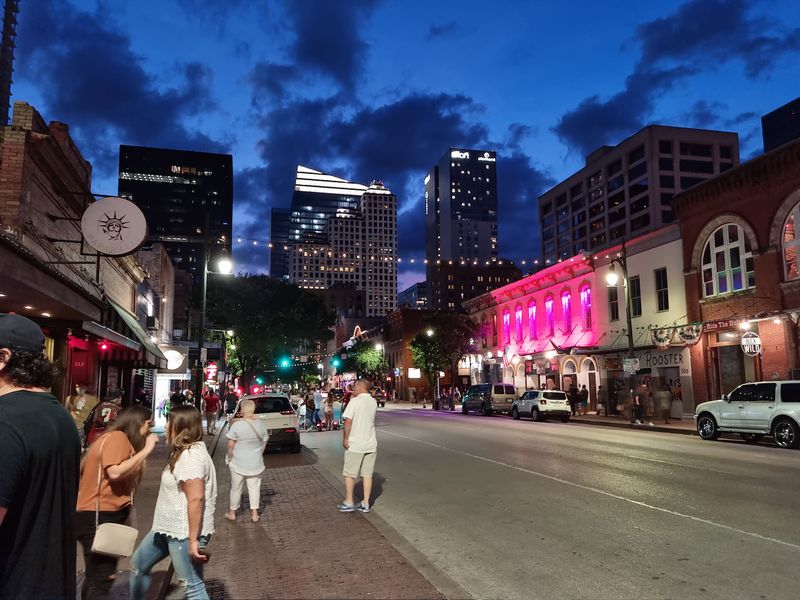
Austin’s famous Sixth Street stretches through downtown like a neon-lit canyon, promising an unforgettable night of live music and Texas-style fun. T
ourists flock here expecting to discover the authentic Austin music scene that made the city famous, but what they find instead is a chaotic strip of overcrowded bars, cover bands, and an atmosphere that feels more like spring break than the Live Music Capital of the World.
The street transforms into a pedestrian zone on weekend nights, packed so tightly with people that moving from one block to the next becomes an exhausting shuffle.
Real Austinites abandoned Sixth Street years ago, migrating to neighborhoods like East Austin, South Congress, and the Red River Cultural District where genuine local music thrives.
These areas host the actual musicians who define Austin’s sound, playing in intimate venues where you can hear the lyrics and feel the music rather than just adding to the noise.
The historic music venues that once made Sixth Street legendary still exist, but they’re now surrounded by themed bars and party buses that cater to bachelorette parties and college crowds rather than music lovers.
Weekend nights on Sixth Street create a scene that locals actively avoid. The noise level reaches painful decibels, trash accumulates on the sidewalks, and the whole experience feels more exhausting than entertaining.
What bothers Austin residents most is watching tourists leave the city thinking they’ve experienced authentic Austin culture when they’ve actually seen a commercialized version created specifically for out-of-towners.
The real Austin music scene requires venturing beyond the obvious tourist corridor into neighborhoods where rent hasn’t yet priced out the artists who make the city special.
3. San Antonio River Walk
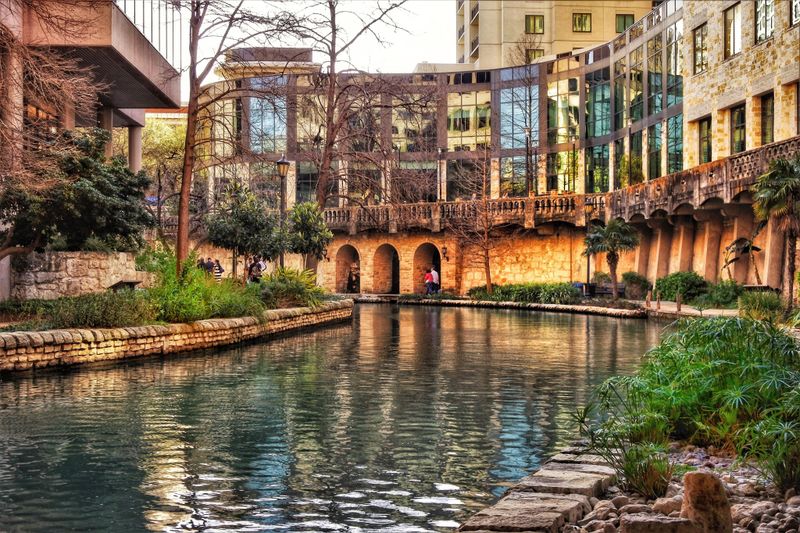
Picture a winding waterway lined with cypress trees, charming bridges, and the peaceful sound of flowing water. That’s what the San Antonio River Walk used to be, back before it became one of the most crowded tourist corridors in all of Texas.
What was once a serene escape through the heart of downtown has transformed into a maze of chain restaurants, souvenir shops, and shoulder-to-shoulder crowds that make it nearly impossible to enjoy the scenery.
Locals remember when you could actually hear the water and have a conversation without shouting over tour groups.
The prices along the River Walk tell their own story. A simple meal that would cost ten dollars anywhere else in San Antonio suddenly doubles or triples just because the restaurant has a view of the water.
Gift shops sell the same mass-produced Texas memorabilia you can find at any highway rest stop, but with an extra markup for the prime location.
During peak season, finding a table at any restaurant means waiting in line for an hour or more, and forget about taking a leisurely stroll when you’re constantly dodging selfie sticks and tour groups.
San Antonio residents have their own favorite spots along quieter stretches of the river, away from the commercial heart of the River Walk. The Museum Reach and Mission Reach sections offer the peaceful waterside experience that the downtown portion has lost.
Native trees provide shade, local birds nest in the branches, and you can actually walk at your own pace without getting swept up in the tourist tide.
Real San Antonio culture exists in the neighborhoods beyond the River Walk, where family-owned restaurants serve authentic Tex-Mex at reasonable prices and the atmosphere feels genuine rather than manufactured for visitors.
4. Cadillac Ranch in Amarillo
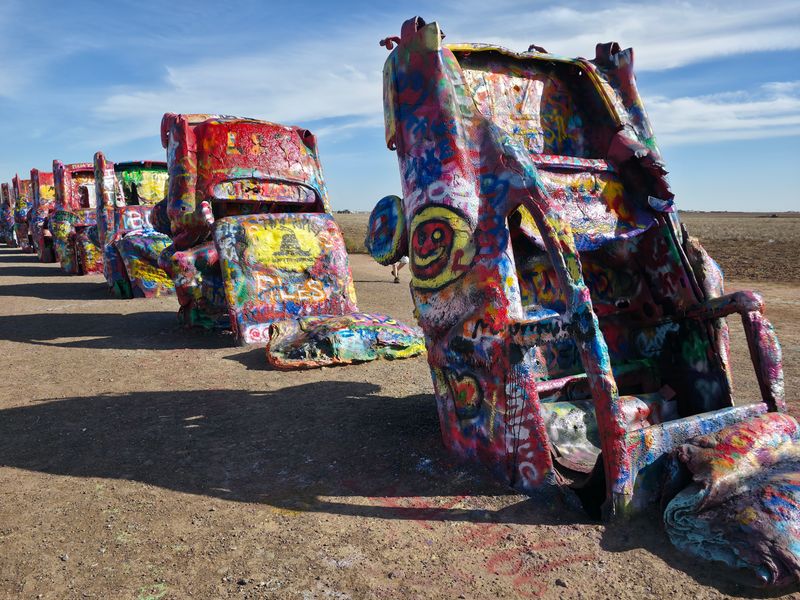
Ten vintage Cadillacs buried nose-down in a Texas panhandle field create one of the most photographed roadside attractions in America. Visitors driving along Interstate 40 spot the colorful cars from the highway and pull off for what they imagine will be a memorable stop on their cross-country journey.
The reality involves a dusty walk across an open field to reach cars covered in layers of spray paint, where you’ll join dozens of other tourists taking the exact same photos. The whole experience typically lasts about fifteen minutes before everyone realizes there’s not much else to see or do.
Amarillo locals have watched Cadillac Ranch evolve from a quirky art installation into a tourist obligation that most travelers feel compelled to check off their route. The field surrounding the cars shows the impact of thousands of visitors, with spray paint cans littering the ground despite trash receptacles at the site.
The cars themselves have been repainted so many times that the original artistic vision has long since disappeared under countless layers of tourist graffiti. What was meant as a statement about American car culture has become a statement about Instagram culture instead.
The novelty wears off quickly once you’ve taken your photos and added your own spray paint to the collection. Unlike genuine roadside attractions that offer historical context or natural beauty, Cadillac Ranch exists purely as a photo opportunity with no deeper experience to discover.
Locals suggest that if you’re driving through Amarillo anyway, stopping for five minutes won’t hurt, but planning your route specifically to visit feels like a waste of travel time.
The Texas panhandle has stunning landscapes, fascinating history, and authentic Western culture that tourists miss because they’re too focused on getting their Cadillac Ranch selfie.
Address: Interstate 40 Frontage Road, Amarillo, Texas
5. The Alamo in San Antonio
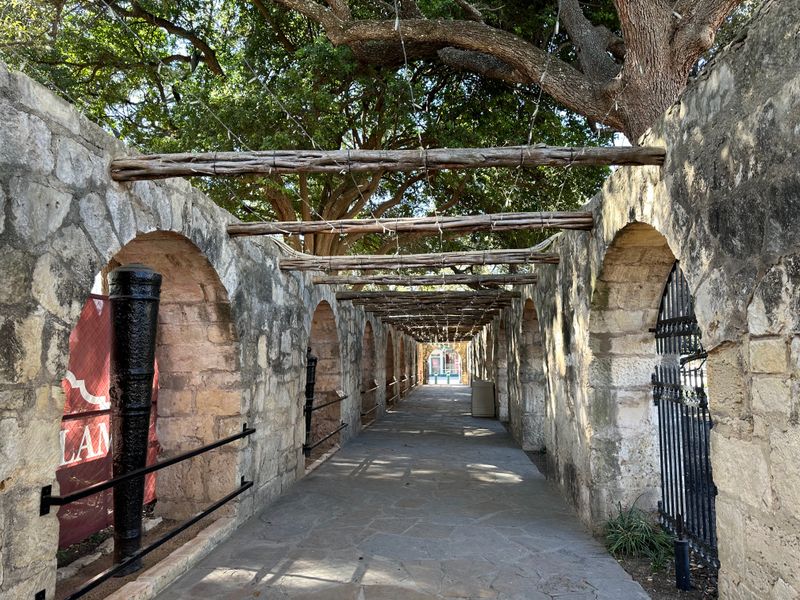
Remember the Alamo, the saying goes, but most tourists don’t realize just how small the actual site is until they’re standing in front of it. Surrounded by modern San Antonio, the historic mission sits in the middle of downtown like a tiny island of history in a sea of commercial development.
Gift shops selling Davy Crockett coonskin caps and Alamo snow globes crowd the perimeter, creating an atmosphere that feels more like a tourist trap than a solemn memorial to the Texans who died defending it.
Visitors expecting a sprawling fortress discover a single chapel and a few reconstructed walls, with most of the original compound long since lost to urban development.
The disconnect between the Alamo’s legendary status and its physical reality disappoints many visitors who arrive with expectations shaped by movies and mythology.
The site receives millions of visitors annually, creating crowds that make it difficult to appreciate the historical significance or spend quiet time reflecting on the events that happened here.
Tour groups cycle through quickly, guides rushing through the story to make room for the next wave of visitors. The surrounding commercialization bothers locals who feel the site deserves more reverent treatment than being sandwiched between souvenir shops and tourist restaurants.
San Antonio residents understand the Alamo’s importance to Texas history and identity, but they also recognize that the tourist experience falls short of what the site represents. The free admission means every tour bus stops here, contributing to the overcrowding that diminishes the experience.
Better historical interpretation exists at the other San Antonio missions, which offer more complete architecture, beautiful grounds, and fewer crowds.
These sites provide richer understanding of Spanish colonial history and mission life, but tourists skip them because they lack the Alamo’s name recognition despite being more impressive and educational destinations.
Address: 300 Alamo Plaza, San Antonio, Texas
6. South Congress Avenue in Austin
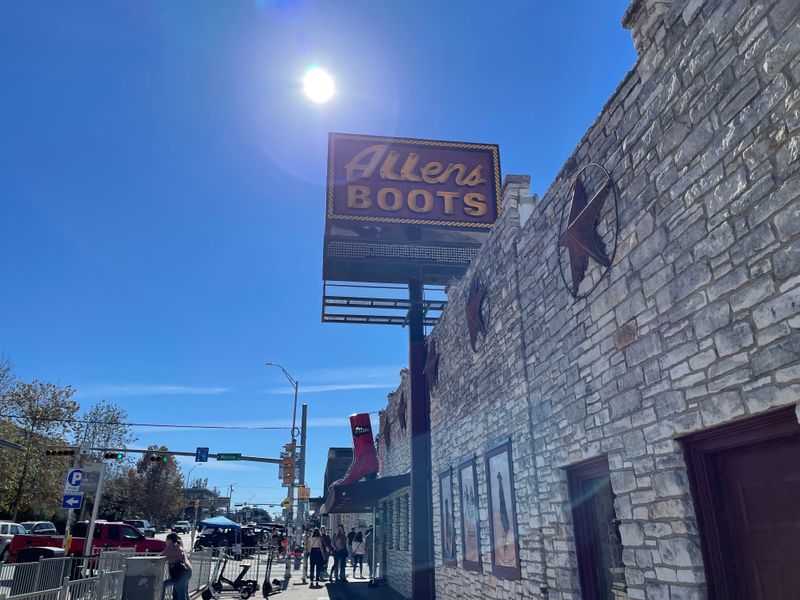
South Congress Avenue, affectionately called SoCo by locals who remember when it was actually local, has become Austin’s most Instagram-famous street.
Colorful murals decorate nearly every available wall, vintage shops promise authentic Austin finds, and trendy boutiques sell Texas-themed merchandise at prices that would make a real cowboy laugh.
Tourists wander up and down the street taking photos in front of the greetings from Austin mural, waiting in line at famous food trailers, and browsing shops that increasingly cater to visitors rather than residents.
What was once a genuine neighborhood shopping district has transformed into an outdoor mall disguised as quirky Austin culture.
Austin residents watched South Congress change gradually, then suddenly, as rising rents pushed out longtime businesses and replaced them with shops selling expensive boots and designer Western wear.
The vintage stores that remain charge premium prices for items you could find at actual thrift stores for a fraction of the cost.
Food trailers that started as local favorites now have lines stretching down the block, with tourists willing to wait an hour for tacos they could get better and faster in dozens of other Austin neighborhoods.
The street has become a victim of its own success, so popular that it lost the authentic character that made it special in the first place.
Weekend afternoons on South Congress create pedestrian traffic jams as visitors pose for photos, browse merchandise they have no intention of buying, and generally treat the neighborhood like a theme park version of Austin.
Locals avoid the area during peak times, knowing that parking will be impossible and every restaurant will have a wait.
The businesses that survive on South Congress now depend almost entirely on tourist dollars, pricing their goods accordingly and creating an experience that feels manufactured rather than organic.
Real Austin character still exists in neighborhoods that haven’t yet been discovered by travel bloggers and tour guides.
7. Dealey Plaza in Dallas
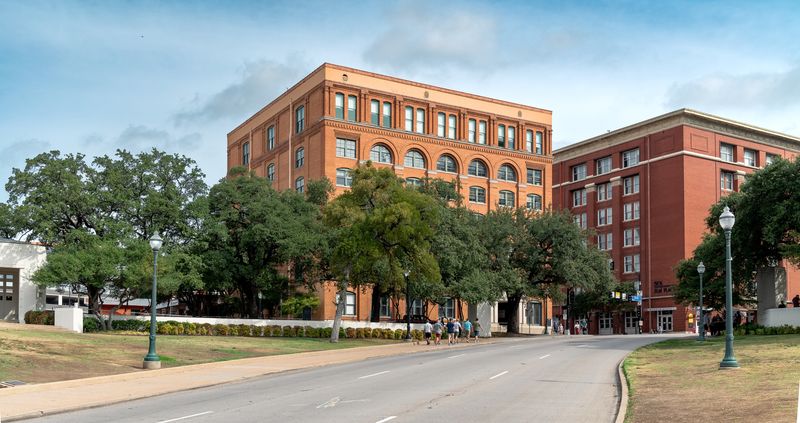
Dealey Plaza sits in downtown Dallas as a memorial to one of America’s darkest days, yet the atmosphere often feels more like a tourist attraction than a place of historical reflection.
Visitors gather at the infamous grassy knoll, stand on the X marked in the street where President Kennedy was shot, and pose for photos that feel inappropriate given the tragedy that occurred here.
Conspiracy theory tour guides offer their versions of events, souvenir vendors sell assassination memorabilia, and the whole scene creates an uncomfortable mix of history, commerce, and morbid curiosity that makes many Dallas residents avoid the area entirely.
The Sixth Floor Museum provides thoughtful, well-researched exhibits about Kennedy’s presidency, the assassination, and its aftermath. This educational component offers genuine historical value and context that helps visitors understand the event’s significance.
However, the scene outside the museum tells a different story, with tourists treating the plaza like any other photo opportunity rather than a site where someone died.
Standing in the middle of Elm Street to take pictures on the X becomes a strange ritual that locals find disrespectful, yet tourists continue the practice daily, stopping traffic and creating safety hazards.
Dallas has grown and changed dramatically since 1963, becoming a modern metropolis with thriving arts, culture, and business districts. Many residents wish visitors would explore what Dallas is today rather than defining the entire city by a tragic event from over sixty years ago.
The Dallas Arts District, one of the largest urban arts districts in the nation, offers world-class museums and performance venues. The Bishop Arts District showcases local creativity and independent businesses.
Deep Ellum pulses with live music and street art. These neighborhoods represent contemporary Dallas culture, but tourists often spend their entire visit focused on Dealey Plaza, missing everything else the city has to offer.
Address: 400 Main St, Dallas, Texas
8. Palo Duro Canyon State Park
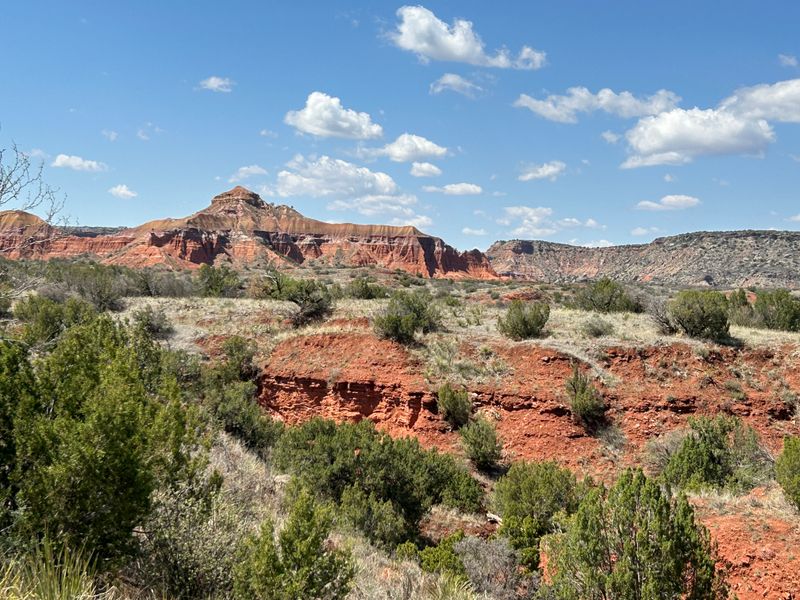
Texas’s second-largest state park cuts a dramatic gash through the flat panhandle landscape, revealing millions of years of geological history in colorful rock layers.
Palo Duro Canyon genuinely deserves its reputation as the Grand Canyon of Texas, offering spectacular scenery, excellent hiking trails, and a wilderness experience rare in the Lone Star State.
So why do locals roll their eyes? Because tourists arrive expecting an exact replica of Arizona’s Grand Canyon and then complain that Palo Duro doesn’t measure up to that impossible standard.
The constant comparisons diminish the canyon’s own unique beauty and geological significance. Visitors who take time to appreciate Palo Duro on its own terms discover a remarkable landscape that tells the story of ancient seas, rivers, and wind sculpting rock over millennia.
The red, orange, and yellow rock layers create stunning color combinations, especially during sunrise and sunset when the light transforms the canyon walls into glowing works of natural art.
Wildlife including roadrunners, mule deer, and wild turkeys inhabit the canyon, and the trails range from easy rim walks to challenging backcountry routes. Summer heat can be intense, but spring and fall offer perfect conditions for exploring this panhandle treasure.
The eye-rolling from locals comes when tourists treat Palo Duro as a disappointing substitute for the Grand Canyon rather than appreciating it as a distinct and valuable natural area.
Canyon residents and regular visitors know the best trails, the secret viewpoints, and the seasonal changes that make each visit different.
They understand that Palo Duro’s smaller scale actually makes it more accessible and less crowded than its famous Arizona cousin. The outdoor musical drama performed in the canyon amphitheater tells the story of Texas panhandle settlement, adding cultural context that enriches the natural experience.
Palo Duro deserves recognition for what it is rather than criticism for what it isn’t.
9. Schlitterbahn Waterpark in New Braunfels
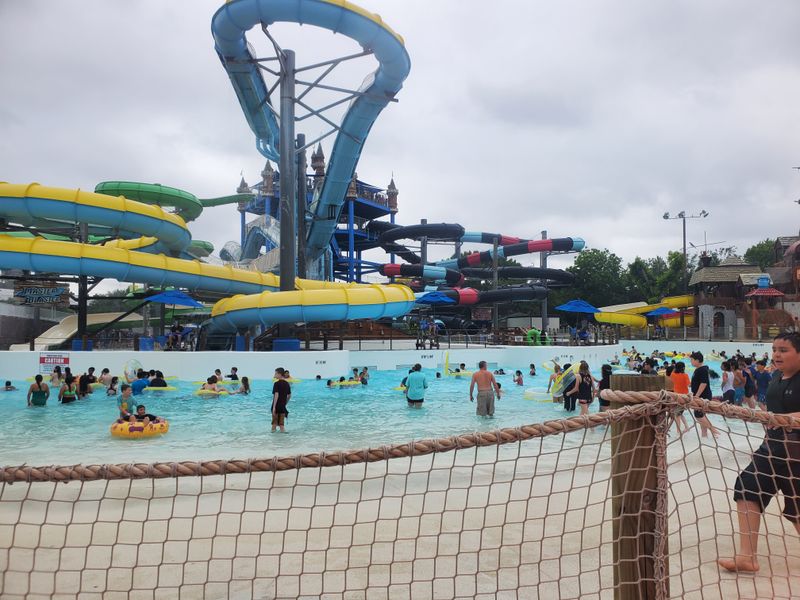
Summer in central Texas means temperatures regularly exceeding one hundred degrees, making waterparks an obvious escape from the heat.
Schlitterbahn built its reputation on innovative rides, the natural spring-fed Comal River flowing through the park, and a German-themed atmosphere that matched New Braunfels’s heritage.
Tourists from across Texas and beyond flock here during summer months, packing the park to capacity and creating wait times that can stretch over an hour for popular slides.
What was once a local favorite has become so crowded that New Braunfels residents now avoid their hometown waterpark during peak season.
The crowds fundamentally change the Schlitterbahn experience from relaxing river floating to strategic planning about which rides to hit first and whether the wait times are worth it. Lockers, tubes, and cabanas cost extra, adding significant expense to an already pricey admission ticket.
Finding a spot to spread your towel becomes competitive, with families arriving at opening time to claim territory. The lazy river, meant for peaceful floating, turns into a bumper-to-bumper traffic jam of inner tubes.
Lines for food and restrooms rival the ride queues, making a day at the park feel more exhausting than refreshing.
Local residents know better alternatives for beating the Texas heat. The natural Comal River and Guadalupe River offer free floating without the crowds and admission fees.
Nearby natural swimming holes provide cool, spring-fed water in scenic settings. Jacob’s Well, Barton Springs, and Blue Hole create swimming experiences that feel authentically Texan rather than manufactured for tourists.
These natural areas do get busy during summer weekends, but they offer genuine connection to the Texas landscape rather than a commercialized waterpark experience.
Schlitterbahn serves its purpose for families wanting guaranteed water fun regardless of weather or river conditions, but locals prefer the real rivers that made this area special long before the waterparks arrived.
Address: 381 E Austin St, New Braunfels, Texas
10. Space Center Houston
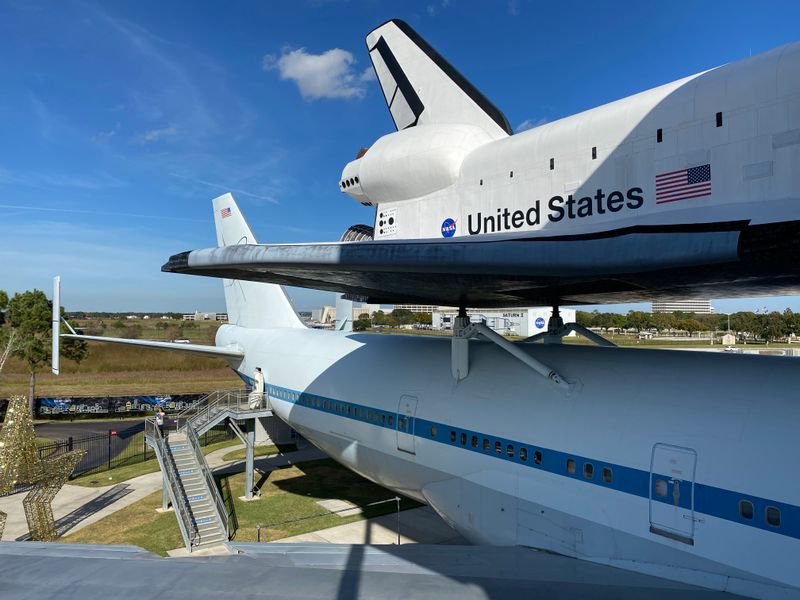
NASA’s Johnson Space Center represents genuine achievement in human space exploration, and Space Center Houston serves as its official visitor center. The facility houses actual spacecraft, moon rocks, and artifacts from America’s space program, offering educational exhibits that chronicle humanity’s journey beyond Earth.
Tourists arrive with high expectations, imagining immersive experiences that make them feel like astronauts.
What they often encounter instead is a sprawling complex where the most interesting artifacts sit behind glass, the tram tour of NASA facilities shows mostly office buildings from a distance, and the overall experience feels more like a science museum than mission control.
The disconnect between expectations and reality creates the frustration that locals recognize in disappointed visitors. Movies and television portray NASA as an exciting, dramatic environment where history happens daily.
The actual Space Center Houston experience involves a lot of walking between exhibits, watching educational videos, and looking at equipment you can’t touch.
The tram tour, included with admission, takes visitors past buildings where actual space program work happens, but security restrictions mean you’re viewing everything from afar.
During busy periods, the trams fill up quickly, creating long waits for what amounts to a bus tour of an office park.
Houston residents appreciate having NASA in their city and recognize the space program’s importance, but they also understand that the tourist experience doesn’t quite match the hype.
The facility has improved over years with new exhibits and interactive displays, yet it still struggles to make space exploration feel immediate and exciting rather than historical and distant.
Families with children interested in science find educational value here, but casual tourists expecting theme park excitement often leave underwhelmed.
The gift shop might be the most impressive part, offering space-themed merchandise that ranges from astronaut ice cream to detailed spacecraft models, giving visitors something tangible to take home from their brush with space history.
Address: 1601 E NASA Pkwy, Houston, Texas
Dear Reader: This page may contain affiliate links which may earn a commission if you click through and make a purchase. Our independent journalism is not influenced by any advertiser or commercial initiative unless it is clearly marked as sponsored content. As travel products change, please be sure to reconfirm all details and stay up to date with current events to ensure a safe and successful trip.
