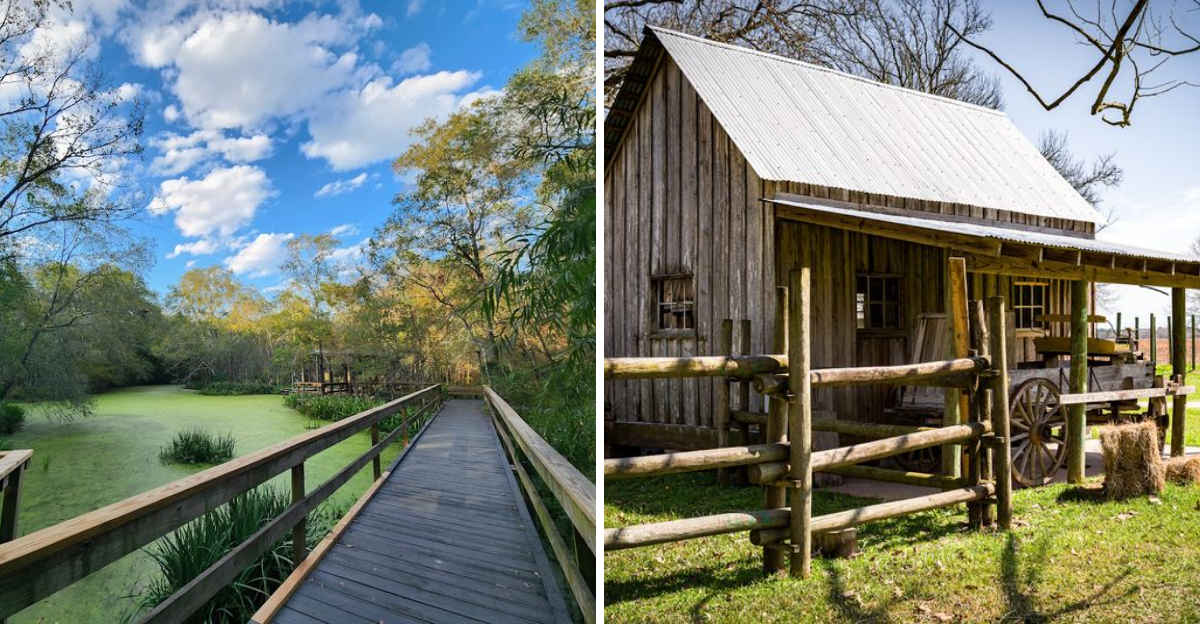
Stepping onto the trails at Armand Bayou Nature Center for the first time, I honestly had no idea what I was walking into. Within minutes, the city noise faded completely, replaced by birdsong, rustling leaves, and the quiet lap of bayou water against muddy banks.
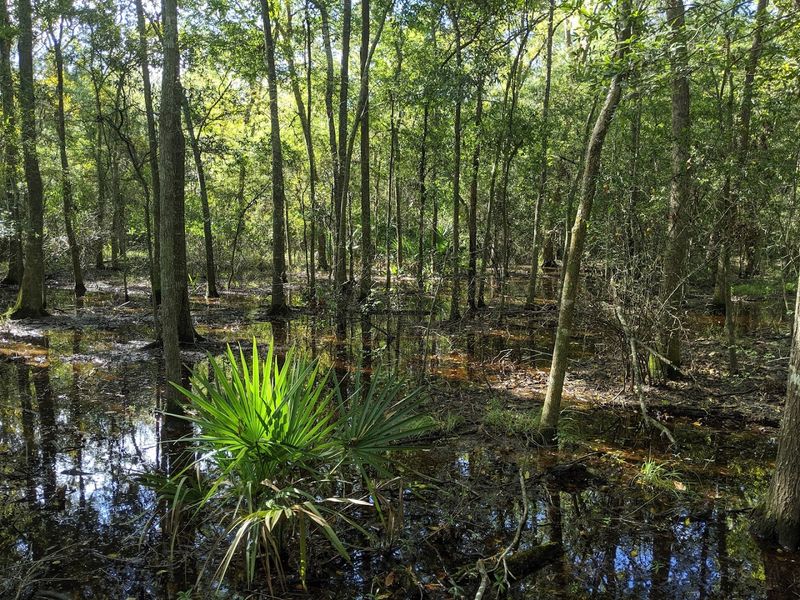
This place sits right in Pasadena, Texas, yet it feels like a world that exists completely apart from highways and strip malls. Sprawling across nearly 2,500 acres, it protects one of the last remaining coastal prairies, forested wetlands, and freshwater marshes in the Houston area.
I found myself moving through totally different landscapes in a single afternoon, which is not something you expect from a day trip so close to a major city. If you have been looking for a place that genuinely surprises you, this is it.
The Trails That Take You Through Multiple Worlds
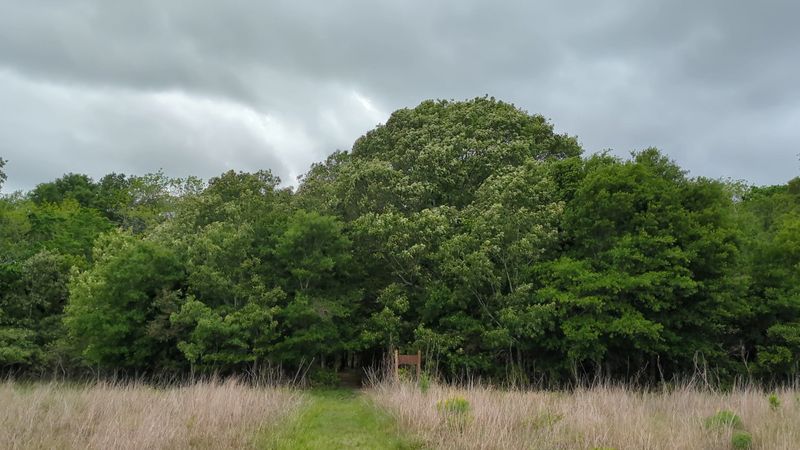
Walking the trail system here feels less like exercise and more like flipping through different chapters of the same book. One moment you are moving under a canopy of hardwood trees, and the next you are stepping out onto open prairie with tall grasses swaying around you.
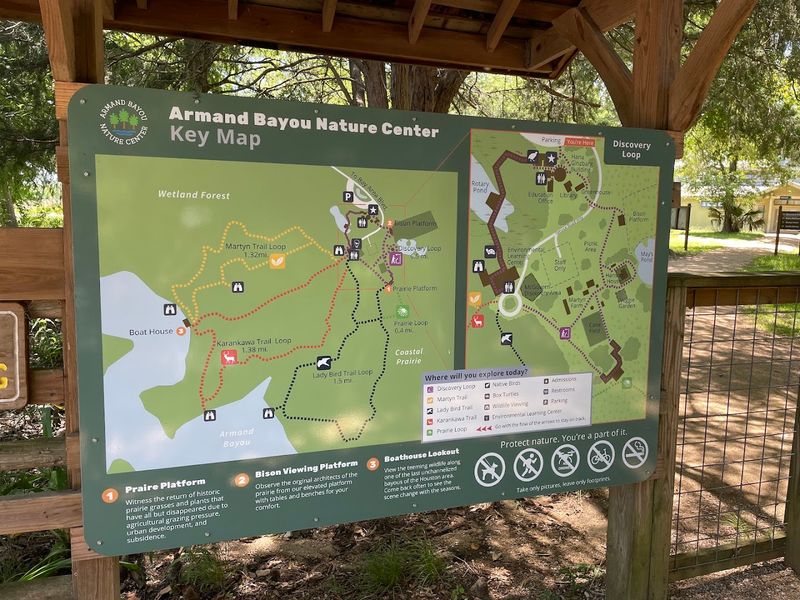
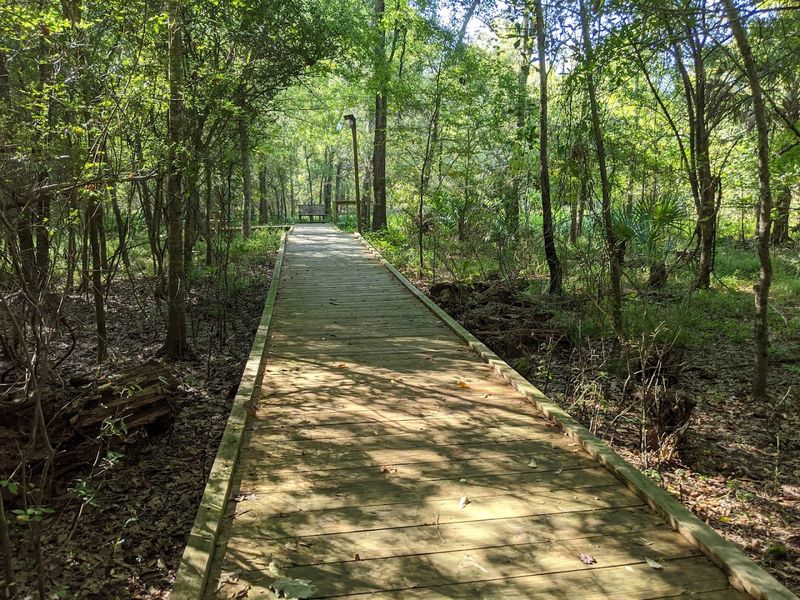
Armand Bayou Nature Center offers three separate loop trails, each roughly 1.5 miles long. You can walk one or connect all three for a longer outing that covers forest, wetland, and grassland terrain in a single visit.
The transitions between these ecosystems happen naturally, which makes the whole experience feel almost cinematic.
Flat terrain makes these paths accessible for most fitness levels, including families with young kids. Wooden boardwalks carry you over softer, marshy ground where the soil gets too wet for regular footing.
Sensory details are everywhere: the smell of earth after rain, the sound of frogs calling from somewhere just off the path, the way light shifts when you move from shade into open sky. Bring water, wear closed-toe shoes, and give yourself at least two hours to appreciate what each section has to offer.
Wildlife Encounters Around Every Bend
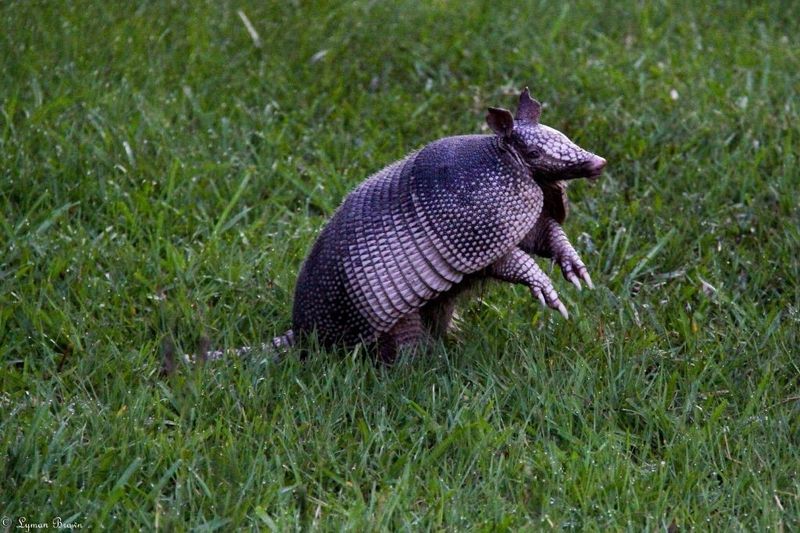
Nobody warns you quite enough about how casually the wildlife shows up here. You might round a corner and find an alligator sunning itself on a muddy bank just a few feet away, completely unbothered by your presence.
Visitors regularly spot white-tailed deer, raccoons, armadillos, turtles, and a wide variety of wading birds including herons and egrets. The bayou draws species that thrive in coastal wetland environments, so the diversity is genuinely impressive for a place this close to an urban center.
During late winter and early spring, migratory birds pass through in noticeable numbers, adding even more variety to what you might see on any given walk.
Resident bald eagles have also been spotted in the preserve, though sightings depend on timing and a little luck. Frogs are practically everywhere once the temperatures warm up.
The key is moving slowly and staying quiet, because the animals here are wild and behave accordingly. This is not a zoo experience where animals perform on a schedule.
What you see depends on the season, the time of day, and how patiently you pay attention to your surroundings.
The Bayou Itself and Why It Matters
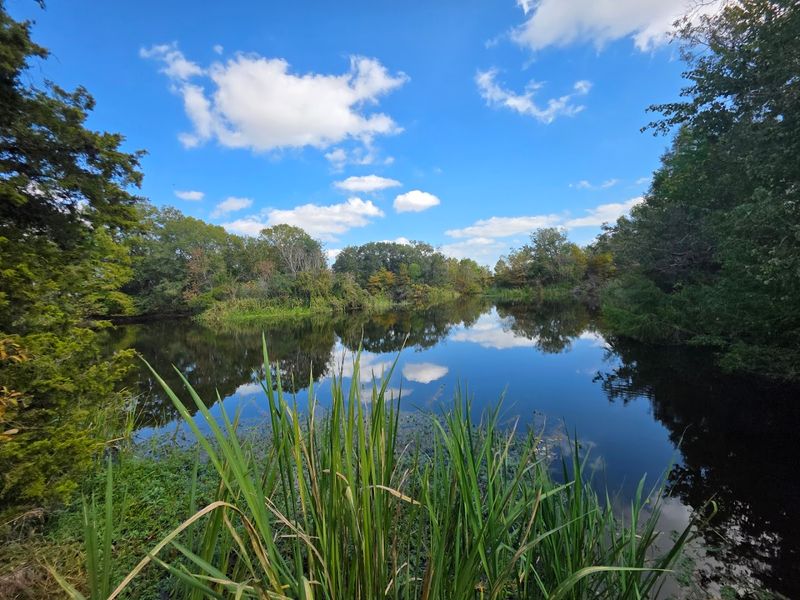
Armand Bayou is not just a scenic backdrop. It is the entire reason this place exists.
The bayou runs through the heart of the preserve, connecting freshwater marsh areas to Galveston Bay and supporting an ecosystem that took thousands of years to develop.
Watching the water move here has a particular kind of calming effect that is hard to describe until you experience it. The surface shifts slowly, reflecting trees and clouds, occasionally broken by a fish jumping or a turtle slipping off a log.
Standing at one of the wooden observation decks near the boathouse gives you an unobstructed view of the channel and the wildlife that depends on it.
The bayou is also one of the cleanest and least disturbed waterways remaining in the greater Houston area, which is a significant conservation achievement given how much development surrounds it. The nature center works hard to protect water quality and native plant communities along the banks.
That effort shows in how alive the whole corridor feels. Whether you are watching from shore or floating on the water during one of the center’s guided boat tours, the bayou rewards your attention every single time.
Pontoon Boat and Canoe Tours on the Water
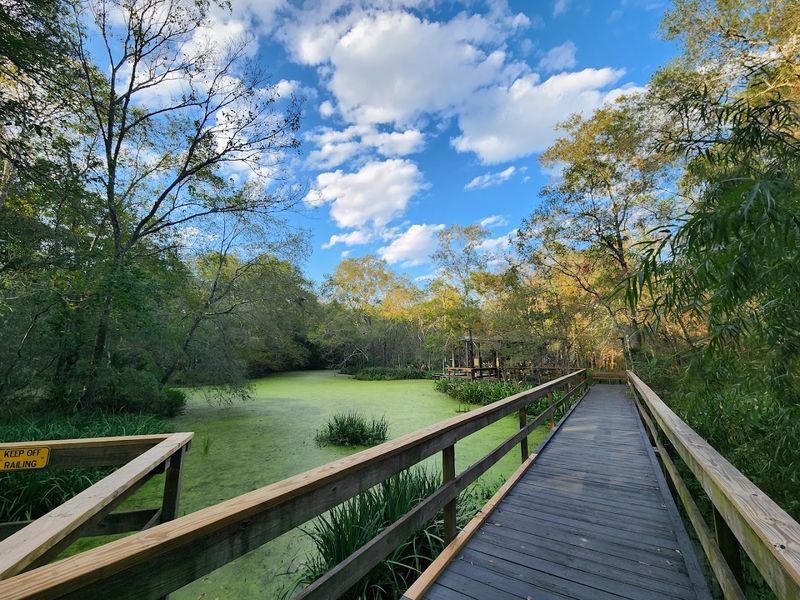
Getting out on the water completely changes how you experience this place. The pontoon boat tours run on a scheduled basis and last roughly an hour and a half, giving you a slow, unhurried look at the bayou from the water level where most of the action actually happens.
On the boat, guides point out alligators along the banks, explain the behavior of nesting birds overhead, and share context about the ecosystem that you simply would not pick up walking the trails alone. Binoculars are available onboard, which makes spotting distant herons and egrets much easier.
Sunset tours offer a different atmosphere entirely, with golden light spreading across the water and birds heading to roost in the cypress trees.
Guided canoe trips are also available for those who want a more hands-on experience. Paddling through the narrower channels gives you a close-up perspective on the marsh vegetation and lets you move quietly enough to get surprisingly near the wildlife.
Both options require checking the center’s schedule in advance, as availability varies by season. Either way, spending time on the bayou rather than just beside it is one of the most memorable things you can do during a visit here.
American Bison on the Prairie
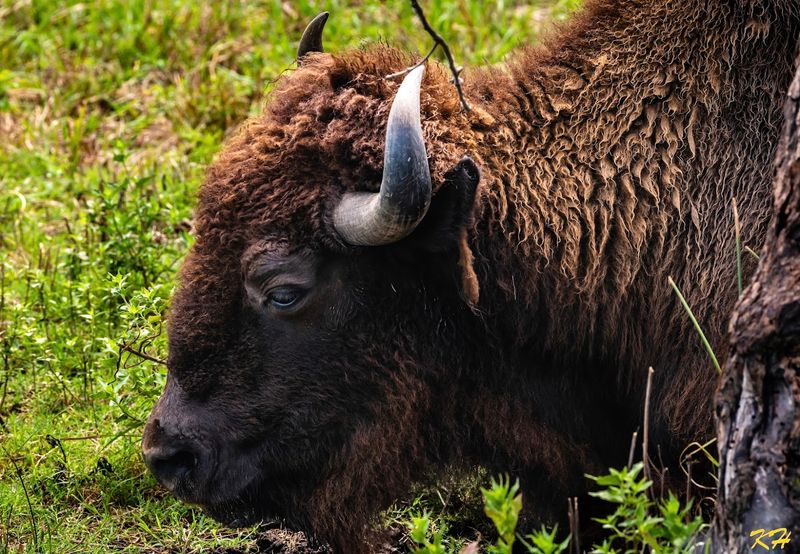
Seeing bison in Texas always feels a little surprising, even when you know they are there. The small herd at Armand Bayou Nature Center lives on a fenced section of restored coastal prairie, and spotting them from the trail is one of those moments that genuinely stops you in your tracks.
These animals are massive up close, and watching them move slowly through the tall grass with total indifference to the world around them is oddly peaceful. The prairie habitat itself is worth noticing too, since coastal prairies are among the most endangered ecosystems in North America.
The center actively manages this land to keep it healthy for native grasses and the species that depend on them.
The bison viewing area sits along one of the main trail loops, so you do not need to go out of your way to see them. Early morning visits tend to offer the best sightings, as the animals are usually more active before the midday heat settles in.
Kids especially get a kick out of seeing something this large and prehistoric-looking just standing calmly in a Texas field. It is one of those details about this preserve that makes it feel genuinely different from anything else nearby.
The Historic Farm and Hands-On Exhibits
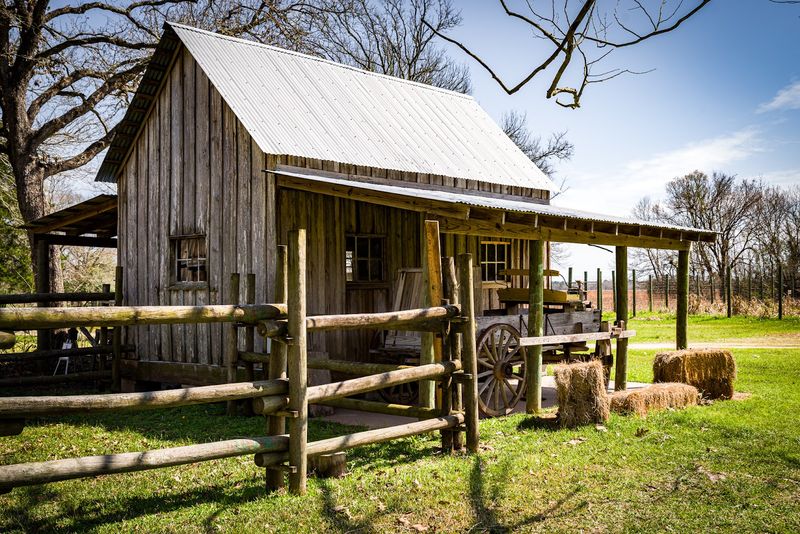
Hidden within the preserve is a historic farm site that adds a completely different layer to the visit. The structures here date back to early Texas settler history, and walking through them gives you a grounded sense of what life looked like on this land long before the city grew up around it.
During special programs and seasonal events like the Fall Festival, the farm comes fully alive with hands-on activities. Visitors have made butter by hand, baled hay, and participated in demonstrations that turn history into something you can actually feel and taste rather than just read about on a sign.
These programs are especially popular with young children, who tend to remember the experience long after they leave.
Even outside of scheduled events, the farm area is worth exploring on its own. The buildings, tools, and surrounding landscape tell a quiet story about the region’s agricultural past.
The contrast between the wild bayou trails and this more structured historical space makes the overall visit feel richer and more layered.
Check the center’s website before your trip to see if any programs or educational events are scheduled during your visit, since timing your arrival around one of these experiences adds a lot to the day.
Educational Programs for All Ages
One thing that sets this place apart from a simple hiking destination is how seriously it takes education. The center runs structured programs throughout the year that are designed to connect people of all ages to the natural world in meaningful, hands-on ways.
Eco-Tots is a program built specifically for toddlers and their parents, meeting regularly to explore a different animal or nature topic each session. Eco-Kids serves older children with similarly engaging outdoor curriculum.
Summer camps run for school-age kids and have become a tradition for many local families who return year after year. These programs are not just fun, they genuinely build the kind of environmental awareness that sticks with kids as they grow up.
Adults are not left out either. Guided tours, volunteer opportunities, and special events throughout the year give grown-ups plenty of reasons to stay connected to the preserve beyond a casual walk.
The staff brings real enthusiasm to these programs, and that energy is contagious. Families who participate in the structured offerings tend to come back far more often than those who only visit once for a hike.
The community that has formed around these programs is one of the center’s most quietly impressive achievements.
Wildlife Ambassador Animals and the Reptile Center
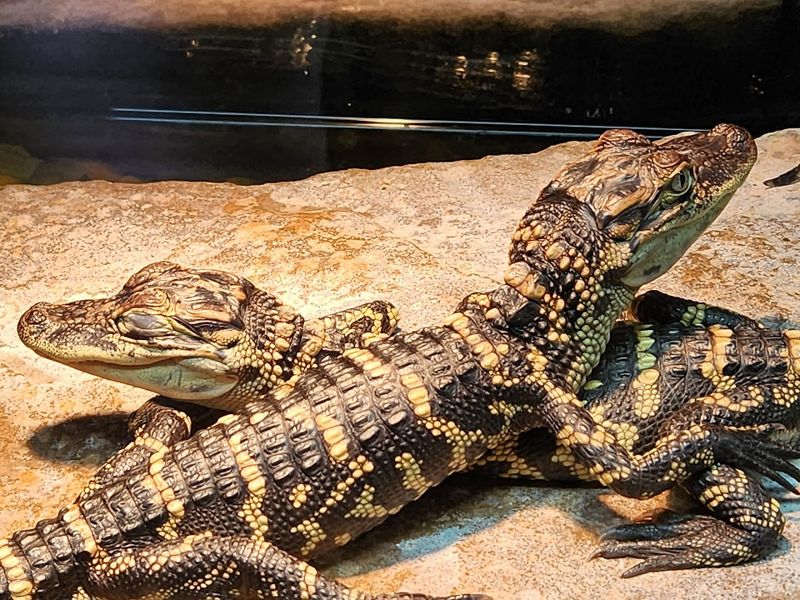
Not all the wildlife at Armand Bayou is roaming freely through the trees. The center maintains a collection of native animal ambassadors that live in on-site enclosures and serve an important educational purpose for visitors who want a closer look at local species.
The reptile and wildlife exhibit area introduces guests to animals that might be harder to spot on the trails, including native snakes, turtles, and other species that play key roles in the local ecosystem.
A red-tailed hawk enclosure gives bird lovers a rare chance to observe one of Texas’s most striking raptors at close range.
These animals are not there as entertainment but as living examples of the species that share this landscape with us.
For visitors who feel nervous about encountering wildlife on the trails, spending time in the exhibit area first can actually ease a lot of anxiety. Understanding what a cottonmouth looks like and how it behaves makes a trail encounter far less alarming.
Staff members are often nearby and willing to answer questions, which makes these exhibits feel more like a conversation than a display. The combination of live animals, knowledgeable staff, and clear educational signage makes this section of the center genuinely worth your time.
What to Know Before You Visit
Planning ahead makes a real difference here. The center is open Wednesday through Saturday from 9 AM to 5 PM and on Sundays from noon to 5 PM.
Monday and Tuesday are closed, so showing up on the wrong day means a wasted trip. The gate closes at 5 PM sharp, and signs throughout the property remind you of exactly when that happens.
Admission is affordable and can be paid in person or purchased online through the center’s website at abnc.org. Boat tours and special programs often require advance registration since spots fill up, especially on weekends and during popular seasons.
Late winter through early spring is widely considered the best time to visit if you want to see migratory birds and active wildlife before the Texas heat fully arrives.
Dress for the outdoors without overthinking it. Closed-toe shoes, sunscreen, and a water bottle are the basics.
Bug spray is a smart addition during warmer months. The trails are flat and well-maintained, but the environment is genuinely wild, so staying on marked paths and keeping a respectful distance from any wildlife you encounter is just good sense.
Restrooms are available on-site and visitors consistently mention how clean the facilities are kept, which is a small but appreciated detail.
Why This Place Keeps Pulling People Back
There is something about Armand Bayou Nature Center that is genuinely hard to shake once you have been there.
People come back not just because the trails are pleasant or the wildlife is interesting, but because the whole place feels like it is operating on a different rhythm than the world outside its boundaries.
Families return season after season and watch their kids grow up with a connection to this land that started with a toddler program or a first alligator sighting.
Long-time visitors notice the way the preserve changes with the seasons, how the bird activity shifts, how the water level rises and falls, how the bison move differently in cooler weather.
That kind of ongoing relationship with a place is rare, and it is something the center actively nurtures through its programs and conservation work.
For anyone visiting the Houston area, or living there without having made the trip yet, this preserve deserves a spot on your list. It is not a theme park or a manicured garden.
It is a living, breathing piece of coastal Texas that has been carefully protected for future generations. Spending a day here feels less like tourism and more like remembering something important about the natural world.
Address: 8500 Bay Area Blvd, Pasadena, TX 77507
Dear Reader: This page may contain affiliate links which may earn a commission if you click through and make a purchase. Our independent journalism is not influenced by any advertiser or commercial initiative unless it is clearly marked as sponsored content. As travel products change, please be sure to reconfirm all details and stay up to date with current events to ensure a safe and successful trip.
