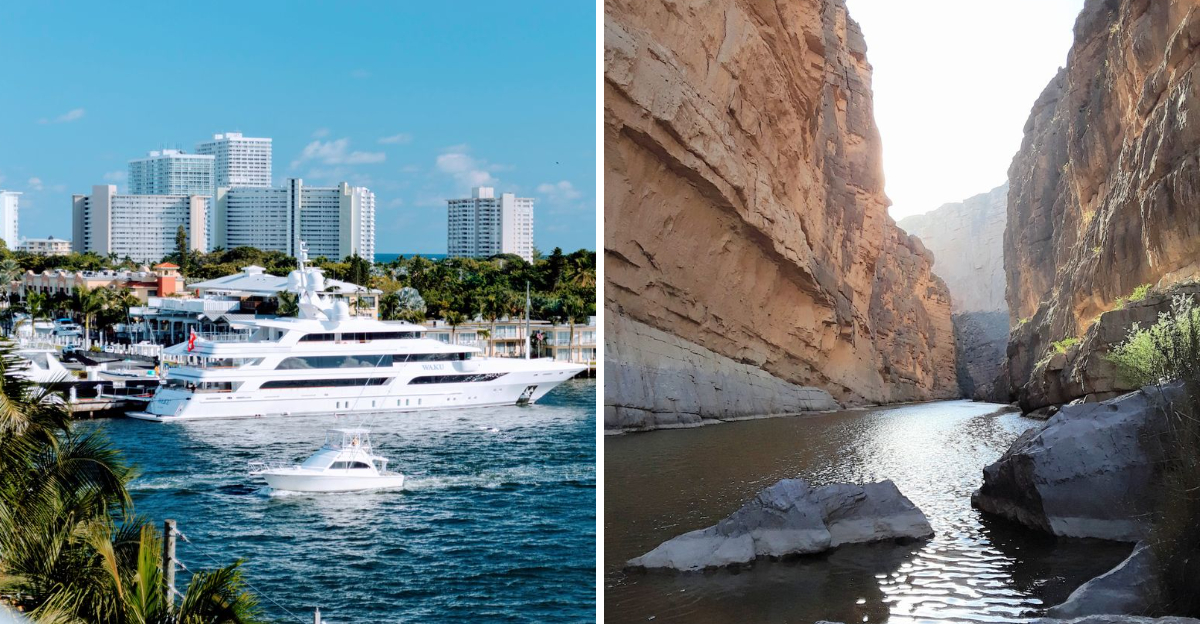
Texas stretches across an enormous landscape that offers travelers more than just wide open spaces.
From towering mountains to rolling hills and dense forests, each region invites you to slow down and soak in the scenery.
Whether you crave dramatic canyon views, peaceful river valleys, or coastal wetlands teeming with wildlife, the Lone Star State delivers unforgettable experiences at every turn.
Exploring these diverse regions at a relaxed pace allows you to truly appreciate the natural beauty and cultural richness that make Texas so special.
Pack your bags and prepare for a journey through landscapes that will leave you breathless and inspired.
1. Big Bend Country
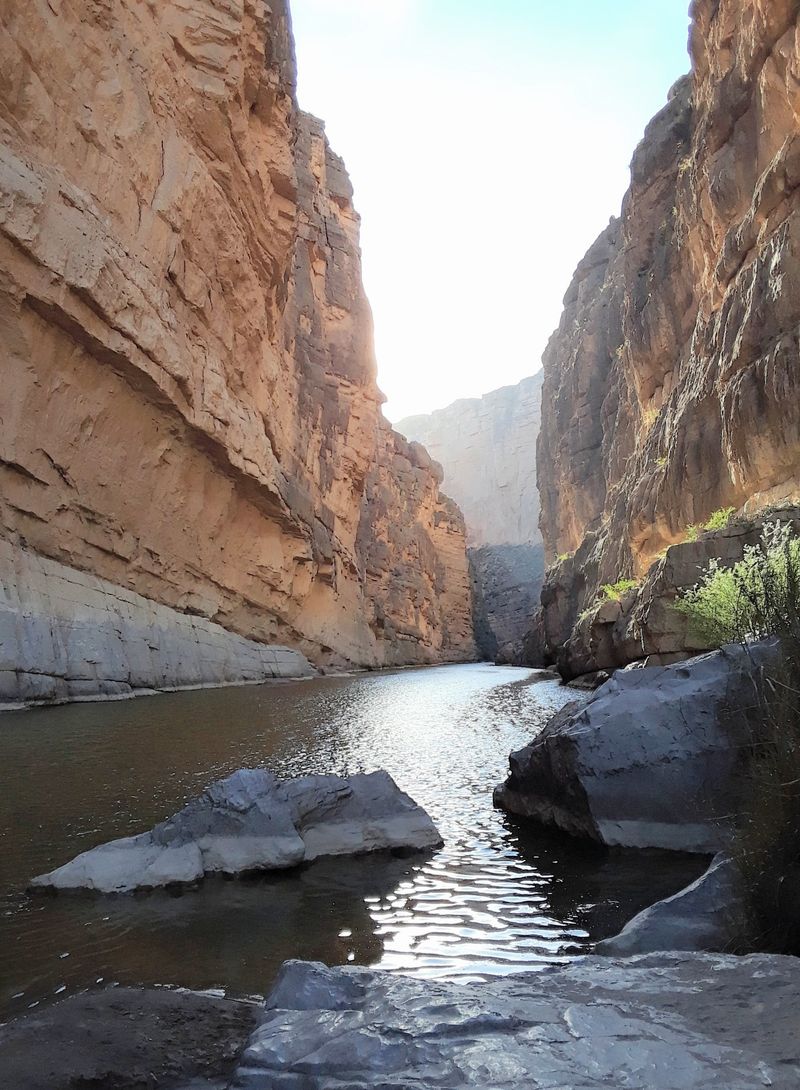
Far West Texas holds some of the most breathtaking landscapes you will ever witness.
Big Bend Country encompasses the Chihuahuan Desert and several impressive mountain ranges, including the Guadalupe and Davis Mountains.
Big Bend National Park and Big Bend Ranch State Park anchor this remote region, offering visitors unmatched solitude and natural splendor.
The River Road, officially known as FM 170, ranks among the most spectacular drives in Texas.
This winding route follows the Rio Grande through dramatic elevation changes and stunning canyon vistas.
Every twist and turn reveals new perspectives on the rugged terrain.
Ancient volcanic formations rise from the desert floor, creating a landscape that feels almost otherworldly.
Visitors often spend hours simply pulling over to absorb the majesty around them.
Stargazing here is unparalleled, thanks to minimal light pollution and crystal-clear skies.
Wildlife thrives in this harsh environment, from roadrunners darting across the pavement to mountain lions prowling the high country.
Small towns like Terlingua offer quirky charm and a glimpse into frontier life.
The isolation might feel daunting at first, but it quickly becomes part of the appeal.
Slow travel through Big Bend Country rewards patience with memories that last forever.
Address: Big Bend National Park, 1 Panther Junction, TX 79834.
2. Hill Country

Central Texas transforms into a wonderland of rolling hills and limestone outcroppings that captivate every visitor.
Hill Country boasts spring-fed rivers that carve through the Edwards Plateau, creating swimming holes and scenic overlooks.
Wildflowers blanket the landscape each spring, painting the countryside in brilliant blues, reds, and yellows.
Bluebonnets reign supreme among these floral displays, attracting photographers and nature lovers from across the state.
Scenic drives like the Llano River Loop offer mile after mile of breathtaking views.
The Texas Hill Country Overland Route connects charming small towns where German heritage remains strong.
Lost Maples State Natural Area stands out as a must-visit destination, especially during autumn.
Fall foliage here rivals anything found in New England, with maples turning brilliant shades of orange and red.
Winding roads lead through valleys dotted with ranches and vineyards.
Quaint communities like Fredericksburg and Wimberley welcome travelers with local shops and friendly faces.
The pace of life slows naturally as you meander through this picturesque region.
Limestone caves hide beneath the surface, offering cool respite from summer heat.
Every season brings new reasons to explore Hill Country at a leisurely pace.
Address: Lost Maples State Natural Area, 37221 FM 187, Vanderpool, TX 78885.
3. Pineywoods

East Texas stands in stark contrast to the arid western regions, offering a completely different landscape.
Pineywoods covers the eastern portion of the state with dense, towering forests that create a humid, subtropical environment.
Tall pines reach skyward, filtering sunlight and creating a serene atmosphere perfect for contemplation.
Caddo Lake holds the distinction of being the only natural lake in Texas.
Cypress trees draped with Spanish moss emerge from the murky waters, creating an almost mystical setting.
Paddling through the maze of channels feels like entering a forgotten world.
The Lone Star Hiking Trail stretches across the Sam Houston National Forest for an impressive distance.
Backpackers and day hikers alike find solace in the quiet beauty of these woodlands.
Wildlife abounds, from white-tailed deer to colorful songbirds that fill the air with music.
Small logging towns preserve the heritage of this forested region.
Humidity hangs thick in the air during summer, but spring and fall offer ideal conditions for exploration.
Camping beneath the canopy provides a peaceful escape from modern life.
Few visitors expect to find such lush forests in Texas, making the Pineywoods a delightful surprise.
Address: Caddo Lake State Park, 245 Park Road 2, Karnack, TX 75661.
4. Gulf Coast

Stretching along the Gulf of Mexico, this low-lying region offers a completely different flavor of Texas scenery.
Wetlands and barrier islands create a dynamic ecosystem where land and water blur together.
Bays teem with marine life, from dolphins playing in the surf to pelicans diving for fish.
The Historic Battlefield Trail near Brownsville winds through coastal prairie landscapes steeped in history.
Visitors can trace the movements of armies while enjoying views of native grasses swaying in the breeze.
Padre Island National Seashore protects miles of undeveloped beach, offering solitude rare along modern coastlines.
Sea turtles nest on these shores, and conservation efforts allow visitors to witness these ancient creatures up close.
Coastal towns like Port Aransas and Rockport blend fishing culture with artistic communities.
Birdwatchers flock to the Gulf Coast year-round, as migration routes bring hundreds of species through the area.
Sunrise over the water paints the sky in pastel hues that seem almost too beautiful to be real.
Seafood shacks serve fresh catches while offering views of shrimping boats returning to harbor.
Salt air and the rhythm of waves create a relaxing atmosphere perfect for slow travel.
Every beachcomber discovers treasures washed ashore by the tides.
Address: Padre Island National Seashore, 20420 Park Road 22, Corpus Christi, TX 78418.
5. High Plains

The Panhandle region rises to elevated plateaus that stretch endlessly toward distant horizons.
High Plains dominate this part of Texas, creating a landscape of vast, largely flat tableland.
Yet dramatic interruptions break the monotony in spectacular fashion.
Palo Duro Canyon carves through the plains as the second-largest canyon system in the United States.
Red and orange rock layers tell millions of years of geological history.
Hiking trails descend into the canyon, revealing hidden waterfalls and unique rock formations.
The scale of this natural wonder takes your breath away, especially at sunrise when light bathes the walls in golden hues.
Wind turbines dot the landscape, their massive blades turning gracefully against big skies.
Small farming communities preserve the heritage of pioneers who settled this challenging environment.
Thunderstorms roll across the plains with dramatic intensity, putting on nature’s greatest light show.
Wide open spaces create a sense of freedom that urban dwellers rarely experience.
The simplicity of the landscape allows your mind to wander and reflect.
Wildlife adapts to the harsh conditions, from pronghorn antelope to prairie dogs.
Slow travel through the High Plains reveals beauty in subtlety and grandeur alike.
Address: Palo Duro Canyon State Park, 11450 State Hwy Park Road 5, Canyon, TX 79015.
6. South Texas Plains

Brushland dominates this warm region where ranching culture runs deep in the soil.
South Texas Plains extend across a vast area characterized by thorny vegetation and hardy wildlife.
Mesquite and acacia trees dot the landscape, providing shade for cattle and wild creatures alike.
This region showcases a beautiful blend of Hispanic and Anglo traditions that shape local culture.
Ranch roads wind through private lands where generations have worked the same soil.
Birdwatchers consider this area a paradise, as unique species thrive in the brushland habitat.
Green jays flash brilliant colors as they dart between branches.
Ocelots and jaguarundis, though rare, still roam the densest thickets.
Small towns preserve the cowboy heritage with rodeos and ranch museums.
The warmth of the climate means outdoor activities remain possible year-round.
Sunset turns the sky into a canvas of purples and oranges that seem to last forever.
Historic missions and old ranch headquarters tell stories of Spanish colonization and frontier expansion.
Wildlife refuges protect critical habitat for endangered species.
Slow travel here means embracing a lifestyle where time moves at nature’s pace.
Address: King Ranch Visitor Center, 2205 Highway 141 West, Kingsville, TX 78363.
7. Prairies and Lakes

Central and North Texas blend together in a region of remarkable diversity.
Prairies and Lakes encompasses varied terrain from grasslands to woodlands known as Cross Timbers.
Numerous reservoirs dot the landscape, created by damming rivers like the Colorado and Brazos.
These man-made lakes offer recreational opportunities while providing water to growing cities.
Sailboats glide across blue waters while anglers try their luck from shoreline perches.
State parks surrounding these reservoirs protect native ecosystems and provide camping facilities.
Prairie grasses sway in constant breezes, creating waves of gold and green.
Limestone cliffs rise along some lake shores, offering dramatic backdrops for photography.
The Cross Timbers forest creates a transition zone between eastern woodlands and western prairies.
Oak and juniper trees grow in dense thickets that shelter deer and wild turkeys.
Small communities around the lakes welcome weekend visitors escaping city life.
Marinas and lakeside restaurants provide gathering spots where locals share fishing tales.
Wildflowers bloom in spring, attracting butterflies and photographers in equal measure.
The varied terrain means every drive reveals something different around the next bend.
Address: Lake Mineral Wells State Park, 100 Park Road 71, Mineral Wells, TX 76067.
8. Guadalupe Mountains

Rising dramatically from the desert floor, these mountains contain the highest elevations in Texas.
Guadalupe Mountains form a subregion within the broader Mountains and Basins area.
Guadalupe Peak stands as the roof of the state, challenging hikers with steep trails and thin air.
Views from the summit stretch across seemingly endless desert landscapes.
High-altitude evergreen forests create unexpected ecosystems in this arid region.
Ponderosa pines and Douglas firs grow where moisture and elevation combine favorably.
McKittrick Canyon transforms into a riot of color during autumn when maples change.
Photographers arrive from across the country to capture this brief but spectacular display.
Ancient marine fossils embedded in the limestone tell of oceans that covered this area millions of years ago.
Scenic drives approach the mountains from multiple directions, each offering unique perspectives.
Desert wildlife gives way to mountain species as elevation increases.
Elk herds roam the high country, their bugling calls echoing through the canyons during rutting season.
Camping beneath star-filled skies creates memories that endure long after returning home.
The rugged beauty demands respect and rewards those willing to explore slowly.
Address: Guadalupe Mountains National Park, 400 Pine Canyon Drive, Salt Flat, TX 79847.
9. Rio Grande Valley

The southernmost tip of Texas embraces a subtropical climate and rich cultural heritage.
Rio Grande Valley spreads across the border region where Hispanic influence shapes every aspect of life.
Citrus groves perfume the air with blossoms during spring, creating an almost intoxicating atmosphere.
The Great Texas Coastal Birding Trail reaches its pinnacle in this region.
Rare species found nowhere else in the United States attract dedicated birders year-round.
Resacas, or oxbow lakes, provide habitat for countless birds and other wildlife.
Spanish moss drapes from trees, creating a landscape that feels more tropical than Texan.
Small towns celebrate their heritage with festivals featuring traditional music and authentic cuisine.
Border culture creates a unique blend where two nations meet and mingle.
Nature preserves protect critical habitat for endangered species like the ocelot.
Butterfly migrations pass through the valley in spectacular numbers.
Slow travel here means immersing yourself in a culture distinct from the rest of Texas.
Warm winters make this region a haven for visitors escaping northern cold.
Every corner reveals something new, from historic missions to modern wildlife refuges.
Address: Santa Ana National Wildlife Refuge, 3325 Green Jay Road, Alamo, TX 78516.
Dear Reader: This page may contain affiliate links which may earn a commission if you click through and make a purchase. Our independent journalism is not influenced by any advertiser or commercial initiative unless it is clearly marked as sponsored content. As travel products change, please be sure to reconfirm all details and stay up to date with current events to ensure a safe and successful trip.
