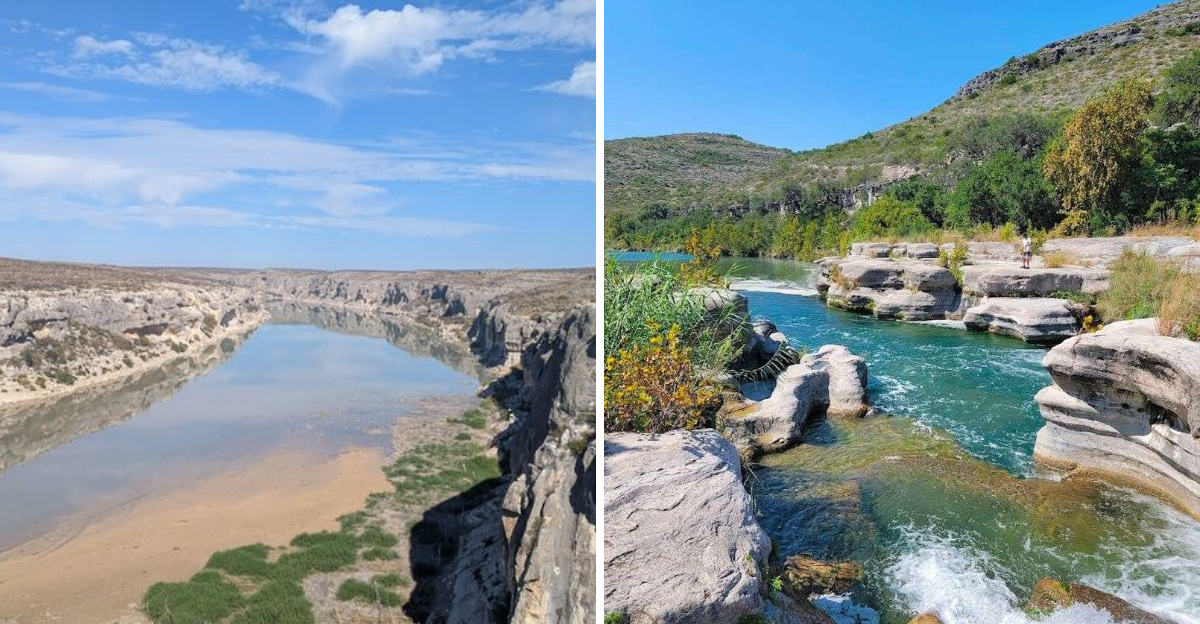
A river that just meanders through flat farmland is fine. But a river that cuts through canyons, now that is worth a road trip.
These twelve Texas waterways have spent millions of years carving through limestone and rock, leaving behind cliffs, hidden waterfalls, and walls so tall they block out the afternoon sun. Some stretches require a kayak or a canoe.
Others can be seen from hiking trails that hug the canyon edge. A person could spend a whole day floating through a gorge and still not see everything the cliffs have to offer.
The views change with every bend, from narrow passages where the water turns green to wide open pools where the sky feels huge. Texas has plenty of creeks and streams, but these rivers deliver scenery that demands a second look.
Pack a camera, a life jacket, and a sense of adventure. The canyons have been waiting a long time for visitors, and they do not disappoint.
Rio Grande, Boquillas Canyon
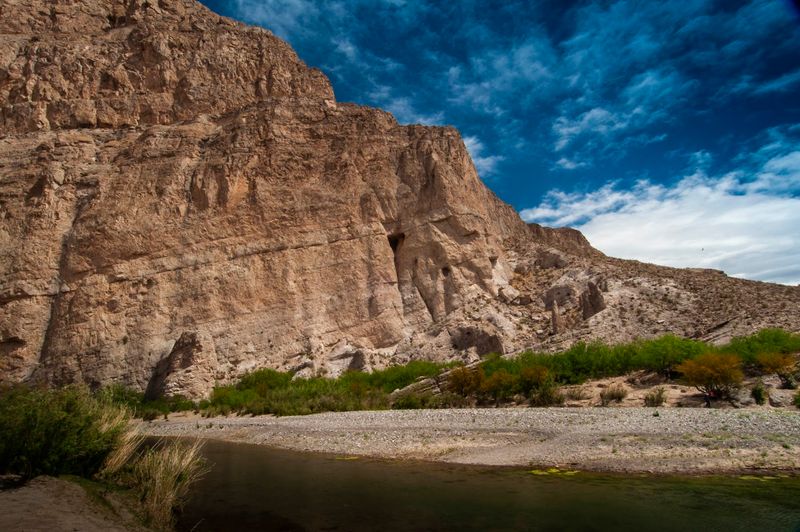
Boquillas Canyon holds the title of longest and deepest canyon in Big Bend National Park, stretching 33 miles through some of the most dramatic terrain in the region. The canyon walls climb high above the river, with Pico del Carmen rising an extraordinary 7,000 feet above the Rio Grande in the distance.
The sense of vertical scale here is unlike anything else in the park.
An overnight rafting or kayaking trip is the best way to experience Boquillas fully. Floating through at river level gives you a perspective that no overlook can match.
The canyon walls change color as the day progresses, shifting from pale yellow in the morning to deep amber and shadow by late afternoon.
The surrounding area has a quiet, almost meditative quality. Boquillas Canyon feels less visited than Santa Elena, which gives it a more personal atmosphere.
Bird life is rich throughout the canyon, and the reflections of the cliffs in the calm stretches of river are genuinely photogenic.
The small Mexican village of Boquillas del Carmen sits just across the border, adding a cross-cultural dimension to the experience that makes this canyon feel even more layered and interesting.
Pecos River Canyon
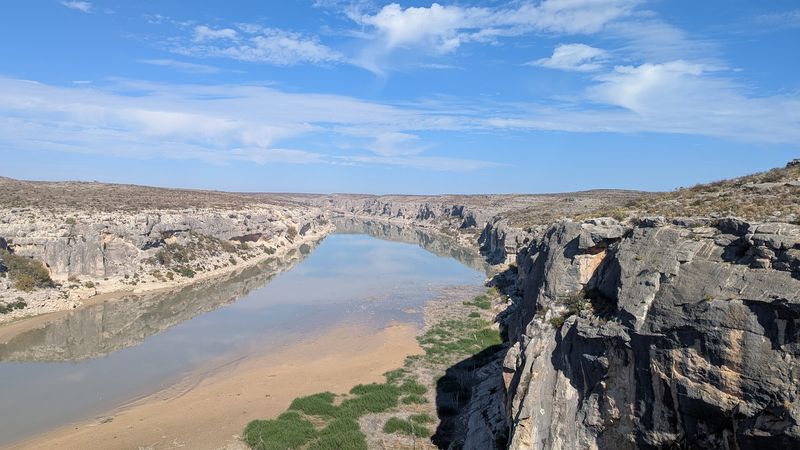
The Pecos River cuts through some of the most rugged and visually striking terrain in all of Texas. Limestone canyon walls rise dramatically above water that runs a surprising shade of bright turquoise blue, a color that seems almost out of place in the dry Chihuahuan Desert.
The contrast between the pale rock and the vivid river is the kind of thing that makes you stop paddling just to look around.
Ancient rock art found along the canyon walls adds a profound sense of history to the experience. These pictographs, some estimated to be thousands of years old, appear on sheltered limestone ledges above the waterline.
Seeing them in context, with the canyon framing everything, is a reminder that people have been drawn to this river for an extraordinarily long time.
Multi-day trips are the norm for serious exploration of the Pecos canyon country. The terrain is remote and access points are limited, which keeps the crowds thin and the atmosphere wild.
Cliff faces overhang the water in places, creating deep shade and dramatic shadows across the river surface. The Pecos is one of those rivers that feels transformative rather than just scenic, the kind of place that changes how you think about Texas landscapes.
Devils River
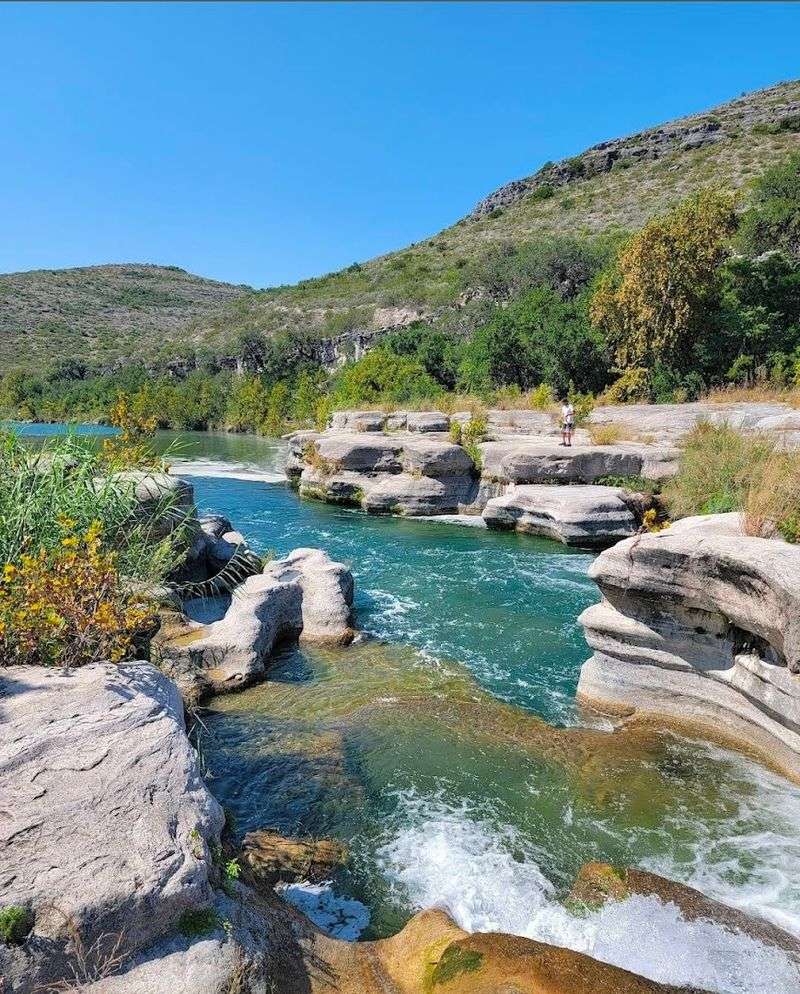
The Devils River has a reputation among Texas paddlers that borders on legendary. Its spring-fed waters are some of the clearest in the state, running cold and brilliantly transparent over limestone and gravel beds.
The river flows through rugged canyon ridges and brushy banks in a part of southwest Texas that feels genuinely untouched by development.
Getting there is part of the experience. Access to the Devils River requires navigating rough roads and private land, and permits are limited to protect the fragile ecosystem.
That difficulty filters out casual visitors and rewards those who put in the effort with something rare: a river that actually feels wild. The canyon scenery along the way is dramatic, with limestone ridges rising sharply above both banks.
Wildlife along the Devils River is exceptional. Golden eagles, ringtail cats, and a variety of rare fish species call this corridor home.
The water clarity means you can watch fish moving below your kayak as you paddle, which adds a whole extra dimension to the float. Camping on gravel bars under a sky full of stars, surrounded by canyon walls and total silence, is the kind of experience that reminds you why some places deserve to be hard to reach.
The Devils River earns every bit of its reputation.
Rio Grande, Santa Elena Canyon
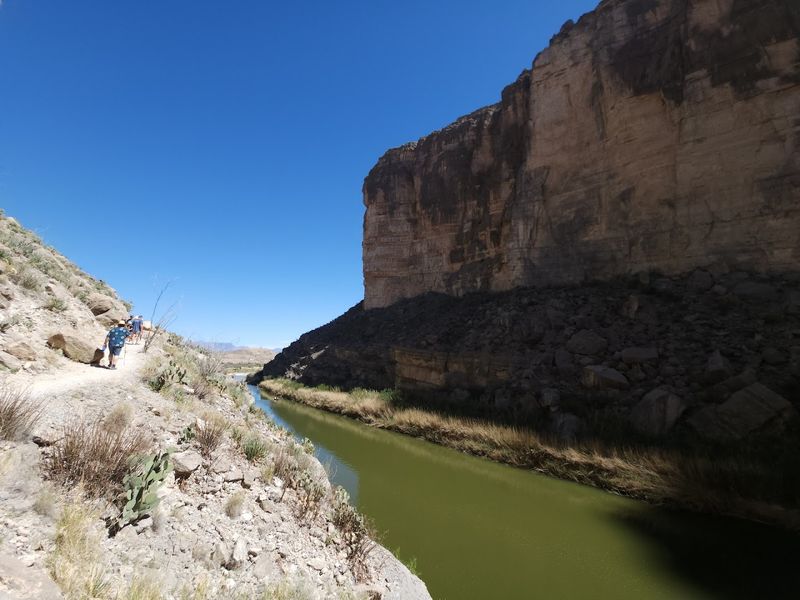
The sheer scale of Santa Elena Canyon is something photographs struggle to capture honestly. Cliffs rise 1,500 feet straight up from the surface of the Rio Grande, forming walls so tall that sunlight only reaches the water for a narrow window each day.
The canyon was carved along the Terlingua fault, and standing at its mouth, you can feel the geological drama of that fact.
A 1.6-mile round trip trail leads into the canyon from the Texas side, crossing a creek and winding along rocky ledges above the river. The hike is accessible enough for most visitors but still feels adventurous.
At certain points, the canyon narrows so much that the walls seem almost close enough to touch from both sides.
Paddlers who float through this section often describe it as one of the most awe-inspiring experiences in Texas. The acoustics inside the canyon amplify every sound, from rushing water to the distant cry of a hawk.
Big Bend National Park surrounds the area, so the drive in is already spectacular before you even reach the water. Santa Elena is the kind of place that earns a permanent spot in your memory.
Palo Duro Canyon and Prairie Dog Town Fork
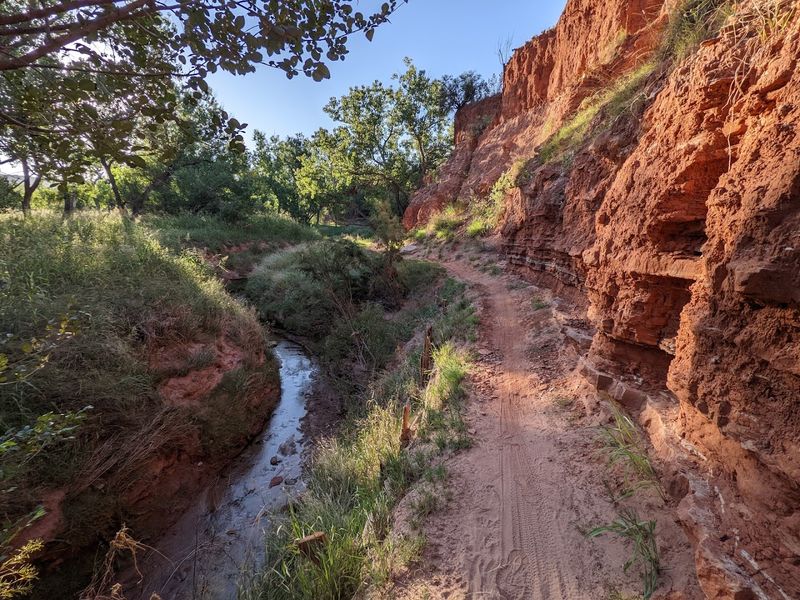
Palo Duro Canyon is often called the Grand Canyon of Texas, and while that comparison gets used a lot, it genuinely earns the nickname. At 120 miles long, up to 20 miles wide, and more than 800 feet deep, this is the second-largest canyon in the United States.
The Prairie Dog Town Fork of the Red River carved this massive feature over millions of years, and the result is one of the most visually dramatic landscapes in the entire state.
The canyon walls display layer after layer of geological history in shades of red, orange, purple, and cream. Hiking trails wind down from the rim and into the canyon floor, where the scale of the place becomes fully apparent.
Mountain biking and horseback riding are also popular ways to explore the canyon’s interior.
Palo Duro Canyon State Park manages the area and keeps it accessible for all kinds of visitors. Sunrise and sunset light transforms the canyon walls into something almost theatrical, with colors deepening and shifting minute by minute.
The Lighthouse formation, a tall red rock spire, is the most photographed feature in the park and rewards the moderate hike required to reach it. Palo Duro is one of those Texas landscapes that genuinely surprises people who assumed the state was mostly flat.
Rio Grande, Hot Springs Canyon
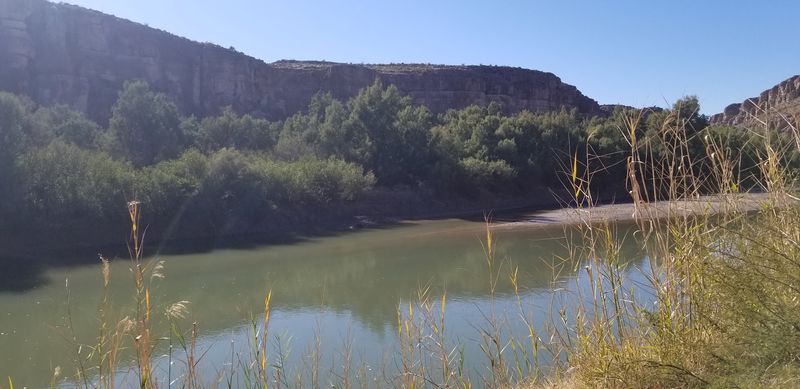
Hot Springs Canyon offers a canyon experience with an added bonus that most river trips simply cannot match. Natural hot springs along the bank reach temperatures around 105 degrees Fahrenheit, making this one of the more unusual and memorable stops in all of Big Bend National Park.
The combination of soaking in warm mineral water while canyon walls tower overhead is genuinely hard to beat.
The canyon itself is compact compared to Boquillas or Santa Elena, but what it lacks in sheer scale it makes up for in atmosphere. The ruins of a historic bathhouse sit near the springs, adding a layer of human history to the natural drama.
A short hike from the parking area leads to the springs and river access, passing through desert scrub and rocky terrain.
Morning is the best time to visit, when the light hits the canyon walls at a low angle and the springs are less crowded. The Rio Grande runs quietly through this section, and the views across the river into Mexico add a sense of geographic breadth to the experience.
Hot Springs Canyon is one of those places that rewards visitors who slow down, stay a while, and actually get in the water rather than just taking photos from the bank.
Caprock Canyons and the Red River
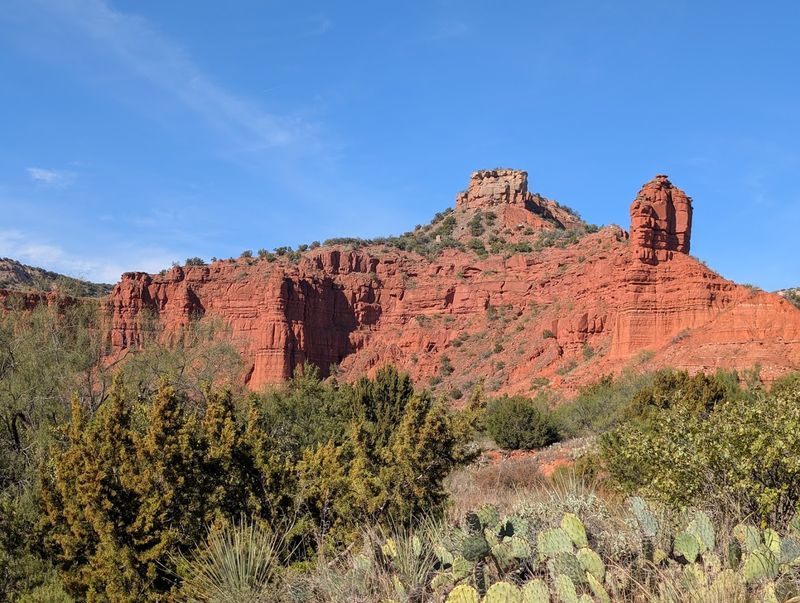
Caprock Canyons State Park sits in the Texas Panhandle and protects a series of rugged, colorful canyons carved by water flowing toward the Red River.
The canyon walls here are layered in deep reds and warm oranges, formed from the same Triassic and Permian deposits that give the Panhandle its distinctive palette.
The landscape feels ancient and elemental in a way that is hard to describe without seeing it firsthand.
One of the park’s most memorable features has nothing to do with geology. A state bison herd roams freely through the canyons, and encountering these massive animals against a backdrop of red rock walls is an experience that feels genuinely primal.
The herd is descended from the last free-ranging Southern Plains bison, which adds a layer of historical significance to every sighting.
Hiking trails wind through the canyon system, with routes ranging from easy valley walks to more challenging ridge climbs. The canyon views from the upper trails are expansive and reward the effort of the climb.
The park also offers mountain biking on dedicated trails and camping at several sites within the canyon. Caprock Canyons is one of those places that tends to be underestimated by people who have not visited, but it consistently ranks among the most striking parks in Texas.
Rio Grande, Colorado Canyon
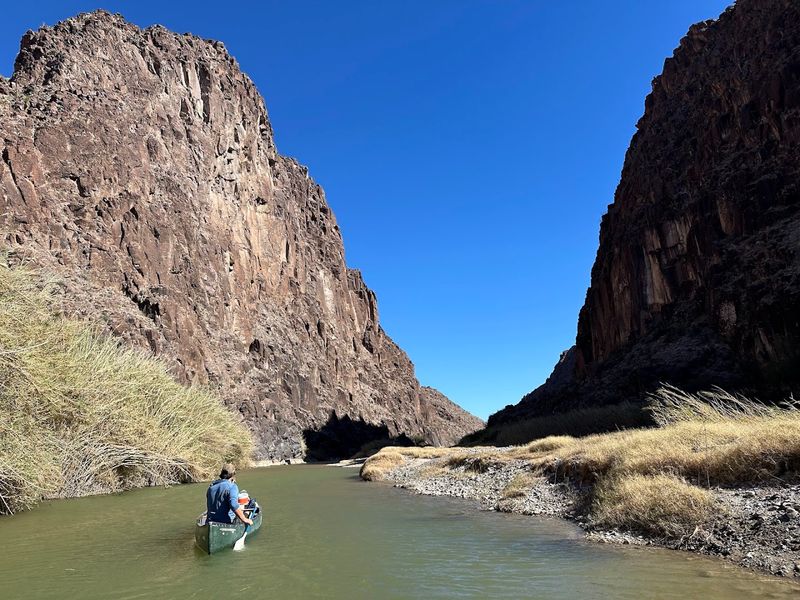
Colorado Canyon sits inside Big Bend Ranch State Park and has a reputation as the most accessible of the major river canyons in the region.
Unlike some of the more remote stretches of the Rio Grande, this canyon can be reached by vehicle along FM 170, the scenic highway that runs between Presidio and Lajitas.
Pullouts along the road offer direct views down to the river and canyon walls without requiring a long hike.
Shorter float trips are a popular option here, making Colorado Canyon a good choice for travelers who want a canyon experience without committing to a multi-day expedition. The canyon walls are composed of volcanic rock and ancient limestone, and the color contrasts are striking against the desert sky.
Water levels vary seasonally, which affects the character of the float considerably.
Big Bend Ranch State Park itself is one of Texas’s most underrated destinations. The park covers over 300,000 acres of Chihuahuan Desert landscape and offers hiking, backpacking, and mountain biking in addition to river access.
Colorado Canyon is a natural highlight of any visit to the park, and its relative accessibility makes it a smart first stop for anyone new to the Big Bend region who wants canyon views without the full expedition commitment.
Blanco Canyon
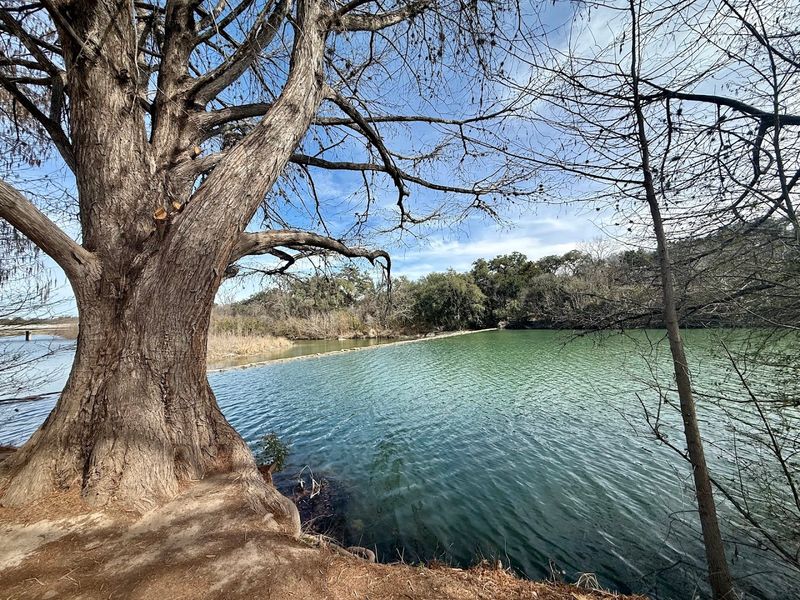
Blanco Canyon stretches 34 miles along the eastern face of the Llano Estacado, the vast elevated plateau that dominates much of West Texas. Rivers carved this canyon over thousands of years, gradually widening it to 10 miles across and deepening it to 500 feet in places.
The result is a broad, sweeping landscape that feels open rather than enclosed, with long views across the canyon floor and up to the caprock rim.
The canyon has a quieter character than some of the more dramatic gorges in the state. The scale is horizontal rather than vertical, which gives it a different kind of grandeur.
Early morning light catches the canyon walls beautifully, casting long shadows that reveal the texture of the layered rock in sharp relief. It is the kind of landscape that rewards patient observation.
The surrounding area has deep historical significance. The Battle of Blanco Canyon took place here in 1871, part of the broader conflict over the southern plains.
Remnants of that history add a somber dimension to what is already a geologically compelling landscape. Blanco Canyon does not draw the crowds that Palo Duro does, which means visitors often have the canyon largely to themselves.
That solitude is one of its most underappreciated qualities.
Rio Grande, Lower Canyons
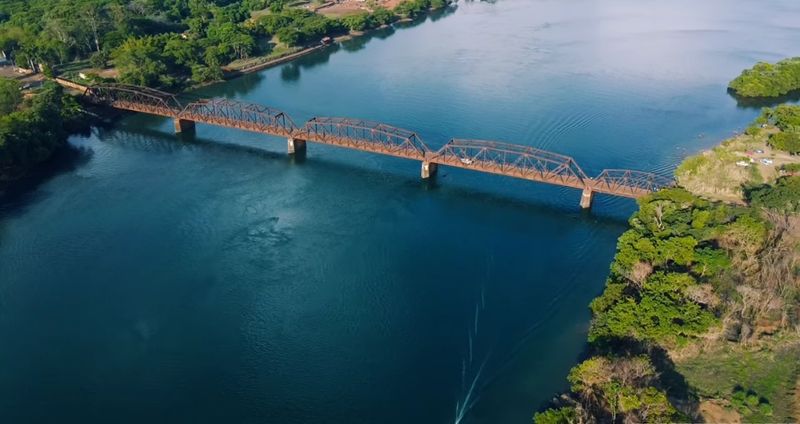
Few stretches of river in the entire country feel as genuinely wild as the Lower Canyons of the Rio Grande. Stretching 83 miles downstream from Big Bend National Park, this section of river passes through some of the most remote terrain in Texas.
Rock spires, natural bridges, and towering canyon walls make every bend feel like a discovery.
The whitewater here ranges from Class II to Class IV, which means you get both thrilling rapids and calmer floats between the action. Most people tackle this as a multi-day trip, camping on sandbars and waking up to canyon walls glowing in the early morning light.
There are no roads in, no crowds, and no cell service. That remoteness is exactly the point.
The Chihuahuan Desert surrounds everything, and the geology is genuinely stunning. Layers of limestone and volcanic rock tell millions of years of history in colors that shift from rust to cream to deep gray.
Wildlife sightings are common, from peregrine falcons overhead to javelinas on the banks. If you want a river trip that feels like a true expedition, this is the one that delivers.
Tule Canyon
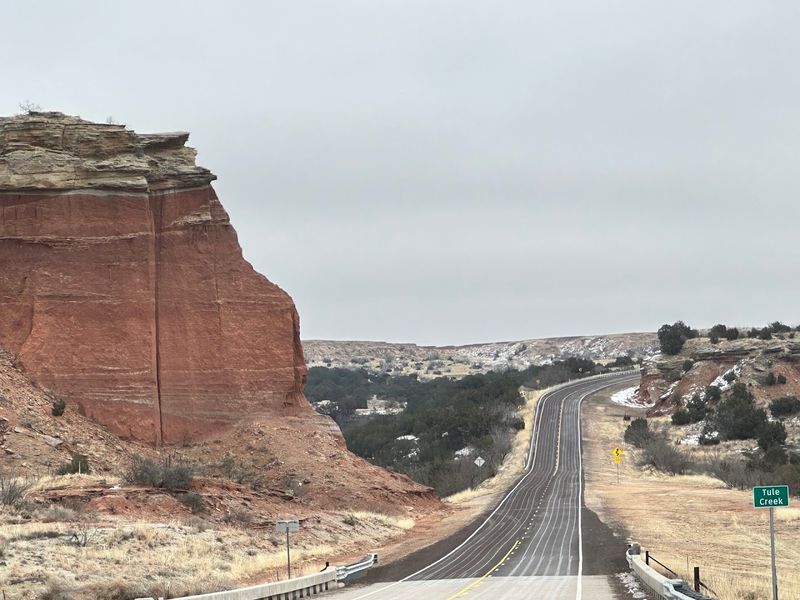
Tule Canyon cuts into the eastern escarpment of the Llano Estacado in the Texas Panhandle, carved by centuries of water erosion working its way down from the plateau.
The canyon shares the same geological DNA as its neighbors, with layered walls of red, tan, and cream rock telling a long story of deposition and erosion.
What sets Tule apart is its atmosphere, which feels particularly remote and unhurried.
The canyon gained a dark footnote in Texas history in 1874, when Colonel Ranald Mackenzie’s forces destroyed a large Comanche village encampment here during the Red River War. That event effectively ended the traditional way of life for the Southern Plains tribes, and the canyon carries that weight quietly.
Knowing the history changes how you experience the landscape.
The canyon floor follows the course of Tule Creek, which runs through the canyon after significant rainfall and creates temporary pools and small cascades in the rock. Hiking here requires some route-finding ability since formal trails are limited, but that informality adds to the sense of exploration.
The views from the canyon rim looking down into the layered walls below are genuinely impressive. Tule Canyon rewards travelers who seek out the less-publicized corners of the Texas Panhandle with something honest and affecting.
Yellow House Canyon
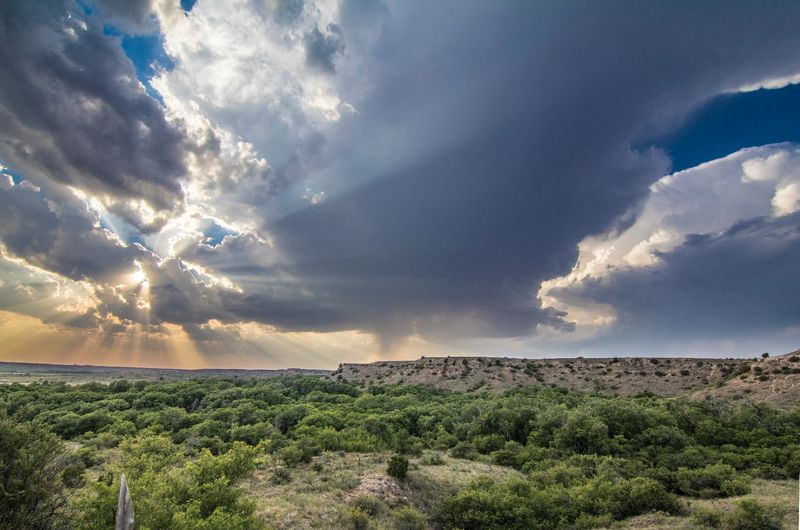
Yellow House Canyon runs along the eastern edge of the Llano Estacado near present-day Lubbock, carved by the drainage that eventually feeds into the broader Brazos River system.
The canyon walls display the same layered rock formations found throughout this part of the Panhandle, but the setting here has a particular intimacy.
The canyon is narrower and more enclosed than Blanco Canyon, which gives it a sheltered, hidden-away quality.
The canyon played a significant role in the region’s history. It served as a campsite and refuge for various groups over centuries, and archaeological evidence of long human habitation has been found along its banks.
The Yellow House Draw, the drainage that created the canyon, gave its name to a historic cattle ranch that shaped the development of the surrounding region.
Today the canyon offers a peaceful escape from the flatness that defines most of the surrounding landscape. The contrast between the open plains above and the sheltered canyon below is striking.
Cottonwood trees line the creek bed in places, adding seasonal color and shade that make the canyon floor feel like a different world from the exposed plateau above. Yellow House Canyon is a quiet reminder that even in the flattest parts of Texas, rivers have always found a way to carve something worth seeing.
