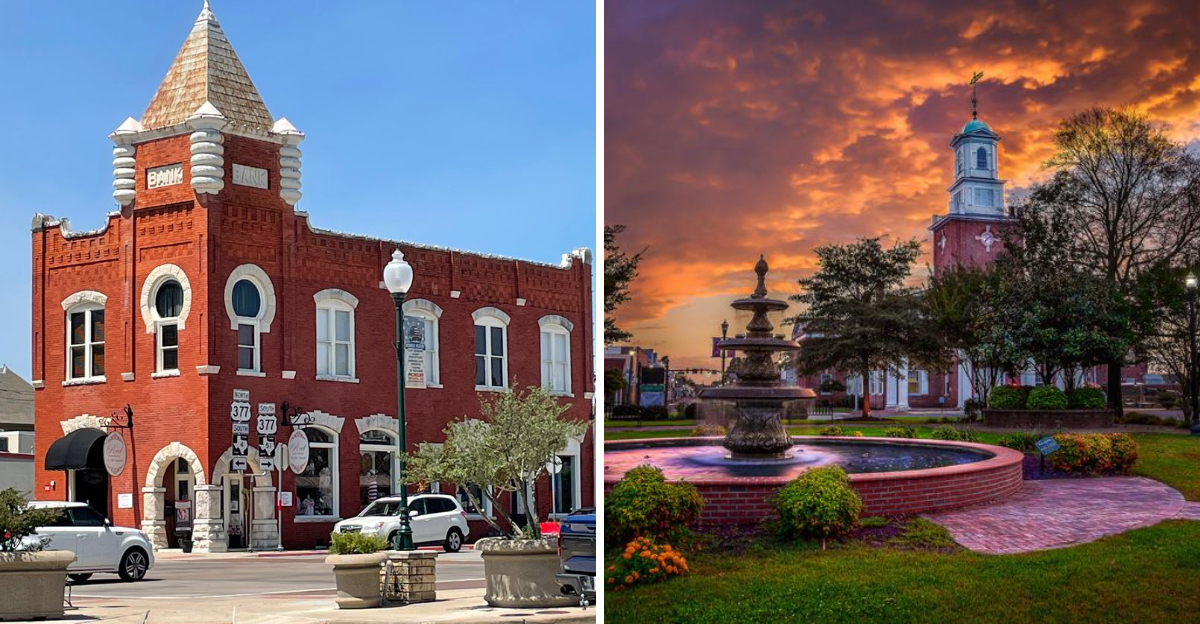
Texas holds more than sprawling cities and wide-open ranches.
Hidden across the state, charming small towns preserve stories etched into brick streets and century-old storefronts.
These downtown districts showcase authentic character shaped by pioneers, immigrants, and artists who built communities rooted in tradition.
Walking through these historic squares feels like stepping into living museums where local shops, working dance halls, and family-owned businesses keep the past alive.
From German settlements in the Hill Country to high-desert art havens, each town offers a unique glimpse into regional heritage.
Whether you seek handcrafted goods, architectural beauty, or simply a slower pace, these destinations deliver experiences impossible to find in modern shopping centers.
Exploring these ten downtowns means discovering the heart of Texas beyond the highways.
1. Jefferson: A River Port Frozen in Time
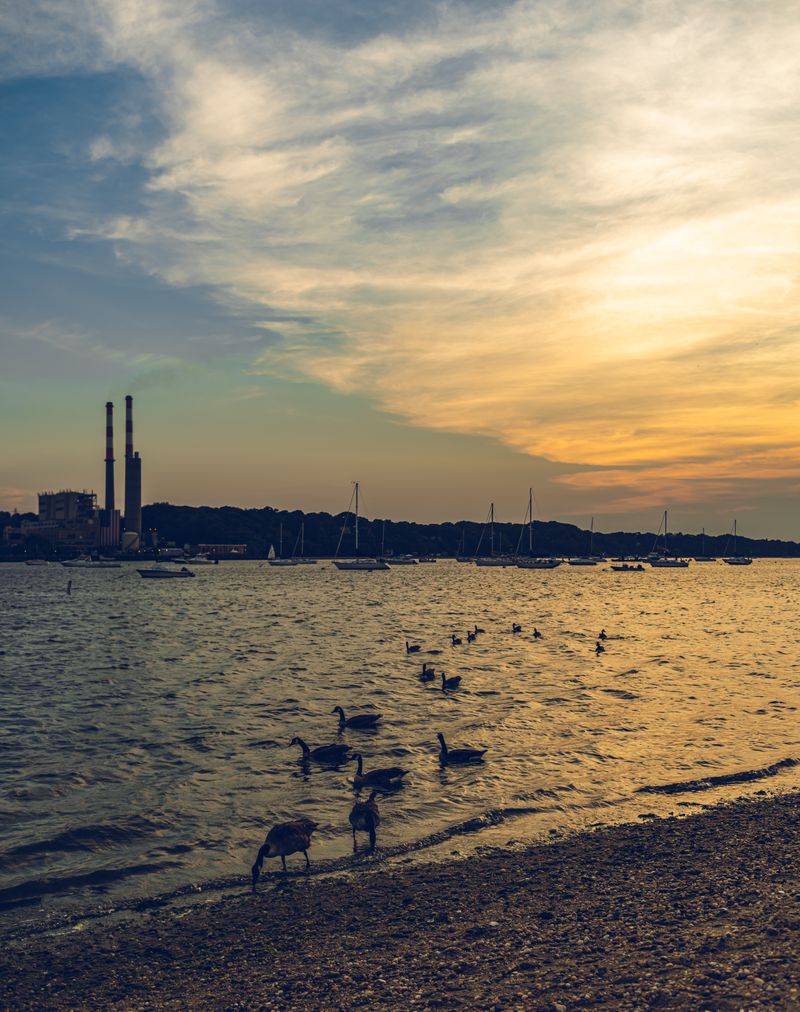
Nestled deep in the Pineywoods of East Texas, Jefferson stands as a remarkable testament to 19th-century river commerce.
Brick buildings line the streets, their facades weathered by time yet meticulously preserved.
The Jefferson General Store has anchored the community since the 1870s, operating continuously from its original location.
Visitors wander past iron-front architecture that once served steamboat captains and cotton traders.
Antique shops now occupy spaces where merchants once bartered goods arriving by riverboat.
The downtown atmosphere transports guests to an era when Jefferson rivaled Galveston as a commercial powerhouse.
Walking tours reveal stories of prosperity built on waterways before railroads shifted trade routes.
Local historians preserve tales of the town’s golden age through guided experiences.
Cypress trees drape Spanish moss over streets that witnessed Texas history unfold.
Bed and breakfast establishments inhabit former mansions, offering overnight stays in restored elegance.
The downtown district maintains its authentic character without surrendering to modern chain development.
Jefferson’s commitment to preservation allows visitors to experience genuine East Texas heritage.
Address: Historic Downtown Jefferson, Marion County, Texas 75657.
2. Gruene: Where German Heritage Meets Texas Spirit
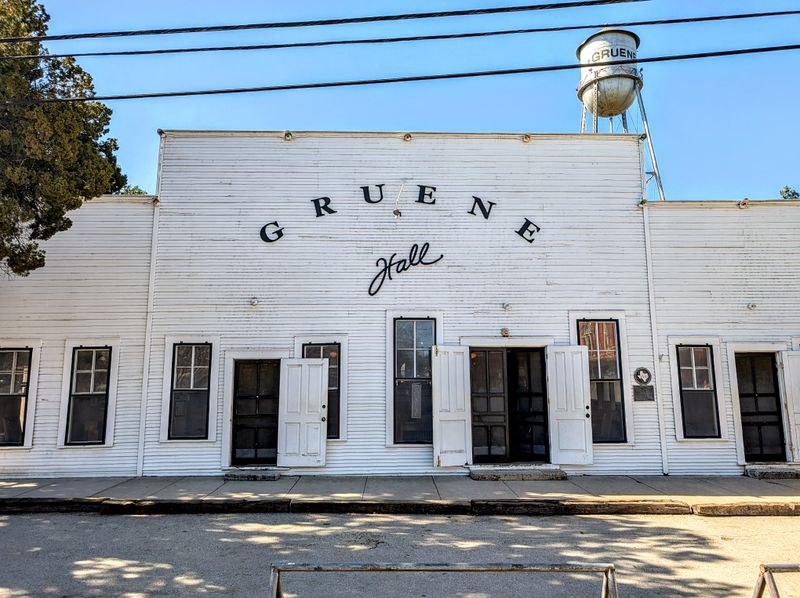
German settlers established Gruene in the mid-1800s, creating a community that thrives today as a living historic district.
Gruene Hall stands as the oldest continuously operating dance hall in Texas, its wooden floors worn smooth by generations of dancers.
The building’s rustic exterior and open-air design reflect practical pioneer construction.
Surrounding the hall, repurposed cotton gin structures house antique shops and artisan boutiques.
Weathered wood and corrugated metal siding preserve the agricultural aesthetic of the original settlement.
Visitors explore galleries displaying local crafts alongside vintage treasures.
The Guadalupe River flows nearby, adding natural beauty to the historic setting.
Shade trees provide relief while shoppers browse storefronts unchanged for decades.
This district avoids commercialization, maintaining its authentic German-Texan character.
Live music echoes from the dance hall on weekends, continuing a tradition spanning over a century.
Couples and families gather where their ancestors celebrated harvests and community milestones.
Gruene proves that historic preservation and vibrant community life can coexist beautifully.
Address: Gruene Historic District, 1601 Hunter Road, New Braunfels, Texas 78130.
3. Wimberley: Hill Country Charm by the Creek
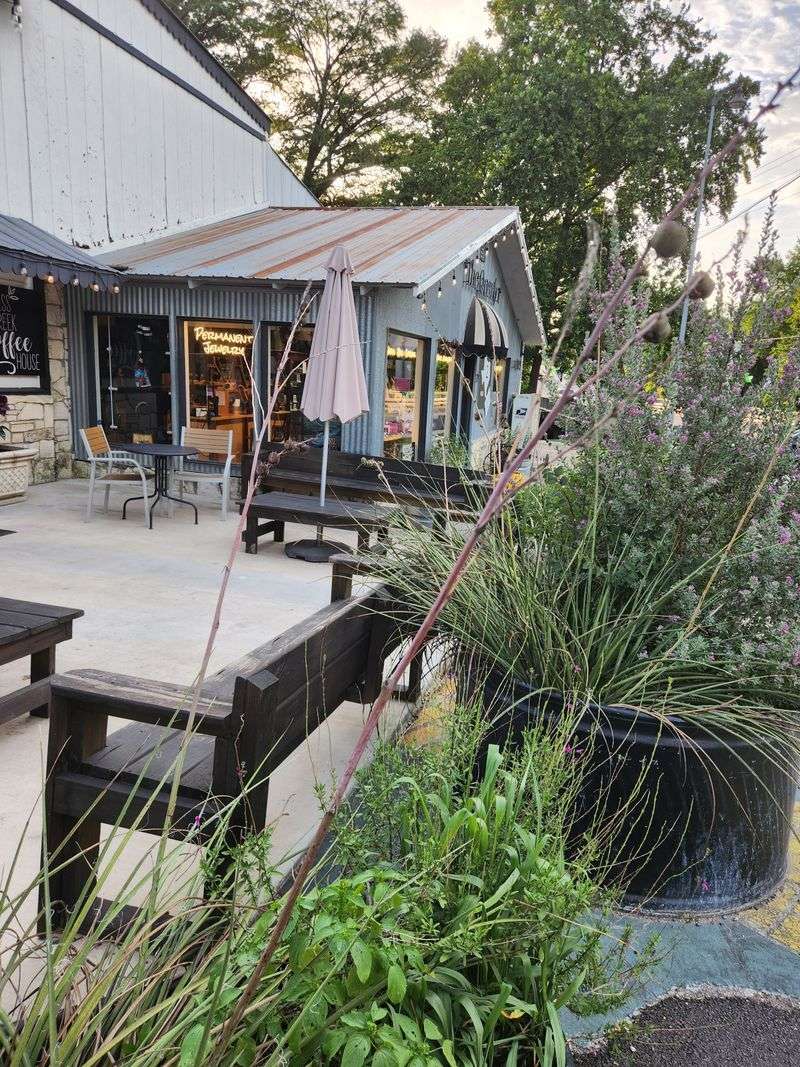
Cypress Creek winds through Wimberley, providing a natural centerpiece for this Hill Country gem.
The town square, known locally as “The Square,” gathers limestone buildings housing independent galleries and shops.
Artists have discovered Wimberley as an ideal setting for creative work, establishing studios throughout the downtown area.
Limestone construction reflects traditional Texas Hill Country architecture, blending seamlessly with the rugged landscape.
Visitors browse paintings, sculptures, and handcrafted jewelry created by local artisans.
The creek offers cooling shade beneath towering cypress trees, creating peaceful spots for reflection.
Boutiques showcase clothing and home goods curated by owners who live in the community.
Wimberley maintains a relaxed pace that encourages leisurely exploration rather than rushed tourism.
Weekend markets bring additional vendors selling everything from pottery to organic produce.
The town’s commitment to supporting local artists creates a thriving cultural scene.
Natural beauty and human creativity combine to make Wimberley distinctly memorable.
Families enjoy the creek while art enthusiasts discover emerging talents in gallery spaces.
Address: Wimberley Town Square, Wimberley, Hays County, Texas 78676.
4. Marfa: High Desert Meets Minimalist Art
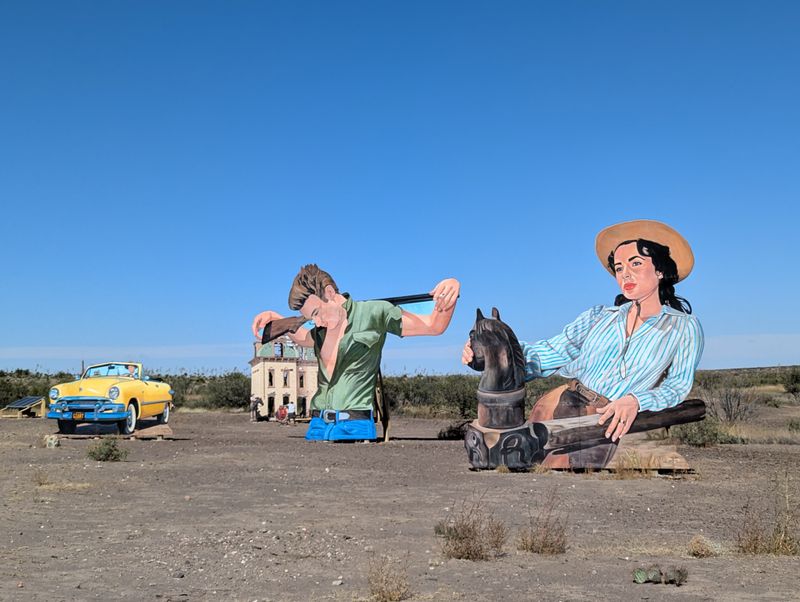
High desert landscapes surround Marfa, creating an unexpected setting for contemporary art alongside ranching heritage.
Highland Avenue showcases historic storefronts transformed into galleries displaying minimalist works.
The Hotel Paisano stands as a landmark, its architecture echoing the town’s early 20th-century railroad origins.
Artists arrived decades ago, drawn by vast skies and isolation perfect for creative contemplation.
Their influence reshaped abandoned buildings into exhibition spaces without erasing original character.
Ranching culture persists alongside the art scene, creating fascinating cultural juxtaposition.
Cowboys and gallery owners share coffee at local establishments, bridging seemingly disparate worlds.
The downtown retains its frontier authenticity despite international attention from art collectors.
Visitors experience both working ranch culture and cutting-edge contemporary installations.
Mountains rise in the distance, reminding everyone of the rugged landscape that defines West Texas.
Marfa refuses to compromise its identity, maintaining small-town rhythms despite cultural significance.
This balance between tradition and innovation makes the town genuinely unique.
Address: Historic Downtown Marfa, Highland Avenue, Marfa, Texas 79843.
5. Fredericksburg: German Heritage on Main Street
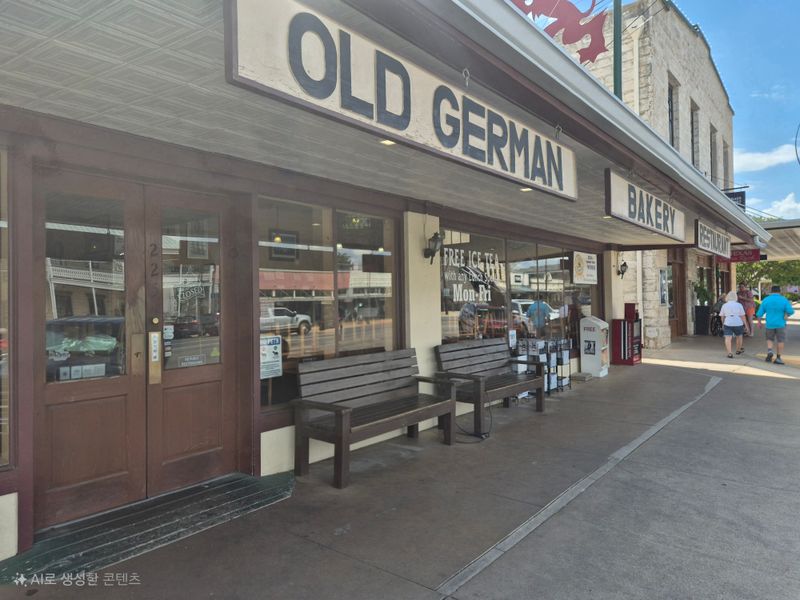
Main Street in Fredericksburg, known traditionally as Hauptstrasse, preserves German immigrant architecture dating back generations.
Limestone buildings constructed by settlers still stand, housing bakeries producing traditional recipes.
The distinctive “Sunday Houses” represent a unique architectural tradition where rural families maintained small town residences for weekend church attendance.
These compact structures cluster near the downtown core, showcasing practical German design adapted to Texas conditions.
Tasting rooms occupy historic spaces, offering samples of locally produced goods.
The National Museum of the Pacific War anchors one end of Main Street, honoring the town’s most famous native son.
Visitors discover that Fredericksburg maintains its cultural identity through language, food, and architectural preservation.
Shops display both traditional German imports and Texas Hill Country products.
The streetscape invites leisurely strolls under shade trees planted decades ago.
Seasonal festivals celebrate German heritage with community participation rather than manufactured tourist experiences.
Fredericksburg demonstrates how immigrant culture can thrive while embracing Texas identity.
The downtown remains a living community center rather than a static historic display.
Address: Main Street (Hauptstrasse), Fredericksburg, Gillespie County, Texas 78624.
6. Granbury: Victorian Elegance Around the Square
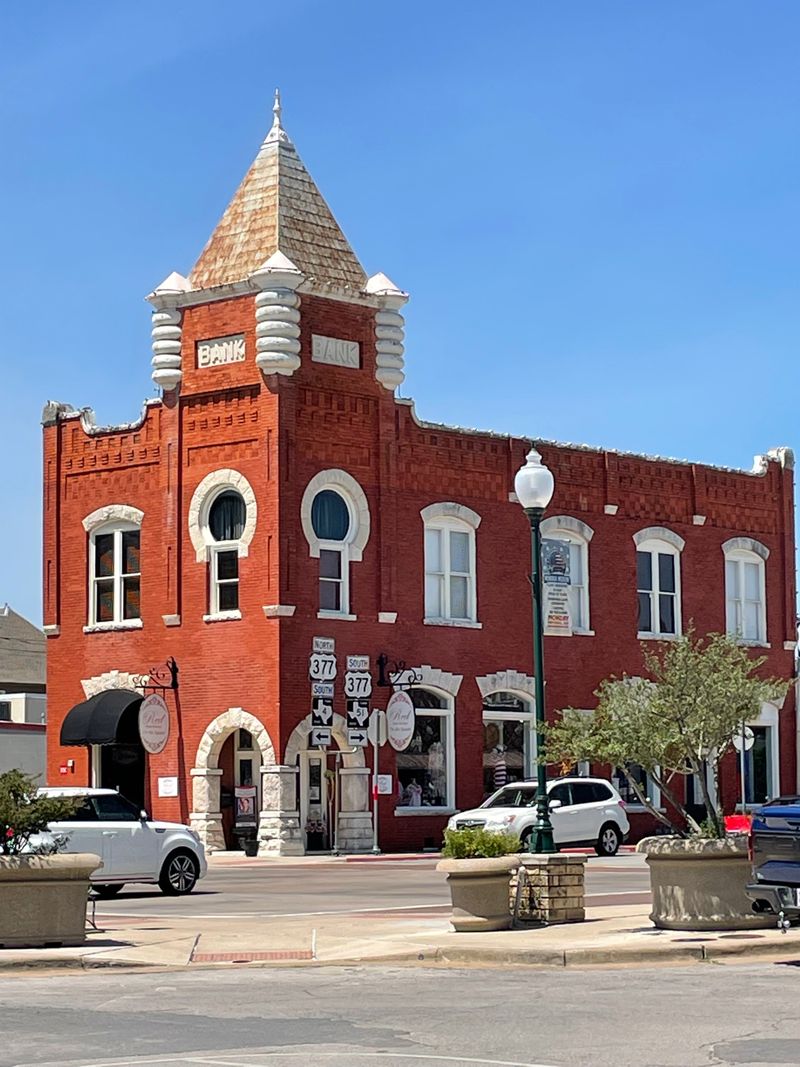
Granbury’s courthouse square achieved distinction as the first in Texas listed on the National Register of Historic Places.
Victorian-era buildings encircle the central courthouse, their ornate details meticulously restored.
The Granbury Opera House continues hosting performances, its interior preserving original theatrical charm.
Walking the square reveals architectural details often overlooked in modern construction.
Decorative cornices, arched windows, and pressed-tin ceilings showcase craftsmanship from the 1880s.
Local business owners occupy these historic structures, operating shops and services within preserved spaces.
The town’s commitment to authenticity extends beyond facades to interior restoration.
Visitors experience a cohesive historic district rather than isolated preserved buildings.
Evening strolls around the square offer a glimpse into small-town life as it existed over a century ago.
Gas-style street lamps illuminate sidewalks where families gather after theater performances.
Granbury proves that historic preservation can support thriving local commerce.
The square functions as a genuine community gathering place, not merely a tourist attraction.
Address: Historic Granbury Square, Granbury, Hood County, Texas 76048.
7. Salado: Stagecoach Stop Turned Artist Village

Salado evolved from a stagecoach stop into a thriving artist community while preserving its frontier origins.
The Stagecoach Inn stands as a reminder of the town’s role in early Texas transportation routes.
Travelers once rested here during long journeys, finding respite under ancient oak trees.
Today, Main Street hosts working craft studios where artisans create pottery, jewelry, and textiles.
Sculpture gardens dot the downtown area, displaying works by local and regional artists.
Historic inns provide overnight accommodations in buildings that witnessed Texas history.
The village atmosphere encourages visitors to slow down and appreciate handmade goods.
Galleries showcase everything from traditional Western art to contemporary abstract pieces.
Salado Creek flows through the town, adding natural beauty to the historic setting.
Artists chose this location for its peaceful environment and supportive community.
The downtown remains pedestrian-friendly, with shops clustered along shaded walkways.
Visitors often discover unexpected treasures created by talented craftspeople.
Salado demonstrates how historic preservation and artistic innovation enhance each other.
Address: Main Street, Salado, Bell County, Texas 76571.
8. Bastrop: Pineywoods Charm by the Colorado River
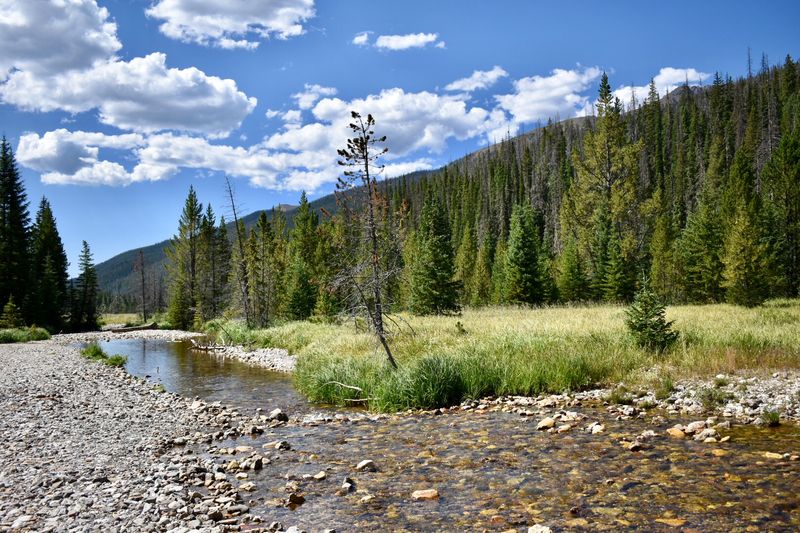
Bastrop sits on the Colorado River, surrounded by the westernmost extension of East Texas pine forests.
Over 130 downtown sites appear on the National Register of Historic Places, creating a cohesive historic district.
Red-brick streets distinguish Bastrop from other Texas towns, adding distinctive character.
The Pineywoods setting creates an unexpected landscape just east of Austin.
Historic buildings reflect various architectural periods, from frontier simplicity to Victorian elaboration.
Local businesses occupy structures that witnessed the town’s evolution from frontier outpost to modern community.
The river provided transportation and commerce in early days, shaping the town’s development.
Today, the waterfront offers recreational opportunities alongside historic exploration.
Walking tours reveal stories of resilience, including recovery from devastating wildfires.
The community rebuilt while maintaining historic integrity, demonstrating commitment to preservation.
Shops and galleries showcase local artists and craftspeople who call Bastrop home.
The downtown serves residents and visitors equally, functioning as a genuine town center.
Bastrop’s unique ecology and history combine to create memorable experiences.
Address: Historic Downtown Bastrop, Main Street, Bastrop, Texas 78602.
9. Georgetown: Victorian Beauty Around the Square
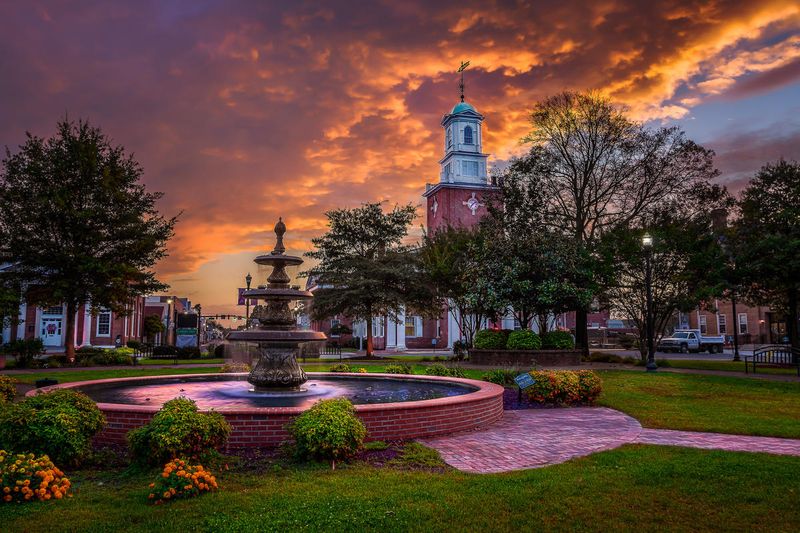
Georgetown frequently earns recognition for having the most beautiful town square in Texas.
A Victorian-era courthouse dominates the square, its architecture representing governmental elegance from another century.
Surrounding commercial buildings date to the 19th century, their preservation impeccable.
Architectural details include decorative brickwork, original window designs, and period-appropriate signage.
Local ordinances ensure that new construction respects the historic character established generations ago.
Shops and restaurants occupy ground floors while offices fill upper stories, creating vibrant mixed-use spaces.
The square functions as Georgetown’s social heart, hosting community events and daily commerce.
Landscaping enhances the historic setting with seasonal flowers and mature shade trees.
Visitors photograph the courthouse from multiple angles, capturing its photogenic presence.
Evening lighting transforms the square into a romantic setting for strolls and gatherings.
Georgetown demonstrates that historic preservation supports economic vitality rather than hindering it.
The downtown thrives because residents value its beauty and authenticity.
Address: Georgetown Square, Williamson County, Georgetown, Texas 78626.
10. Alpine: Big Bend Gateway with Mountain Character
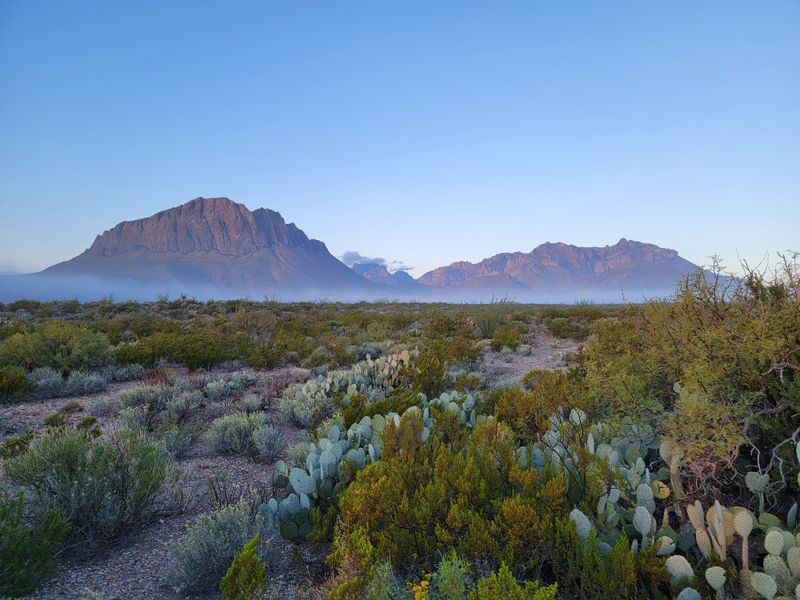
Alpine serves as the commercial hub for the vast Big Bend region of West Texas.
Mountains rise in every direction, creating dramatic backdrops for the historic downtown.
Colorful murals decorate building walls, celebrating ranching heritage and natural landscapes.
The Holland Hotel stands as a landmark, its architecture reflecting early 20th-century railroad prosperity.
Independent bookstores occupy storefronts, serving both residents and travelers exploring remote West Texas.
The downtown reflects the rugged character of surrounding landscapes and the hardy people who settled here.
Galleries display works inspired by desert beauty and mountain majesty.
Local shops cater to ranchers, artists, and outdoor enthusiasts equally.
Alpine maintains its frontier authenticity while supporting contemporary cultural needs.
The town functions as a genuine community center for a sparsely populated region.
Visitors preparing for Big Bend adventures find supplies and hospitality in Alpine’s downtown.
The combination of working-town practicality and artistic sensibility creates unique appeal.
Address: Historic Downtown Alpine, Brewster County, Alpine, Texas 79830.
Dear Reader: This page may contain affiliate links which may earn a commission if you click through and make a purchase. Our independent journalism is not influenced by any advertiser or commercial initiative unless it is clearly marked as sponsored content. As travel products change, please be sure to reconfirm all details and stay up to date with current events to ensure a safe and successful trip.
