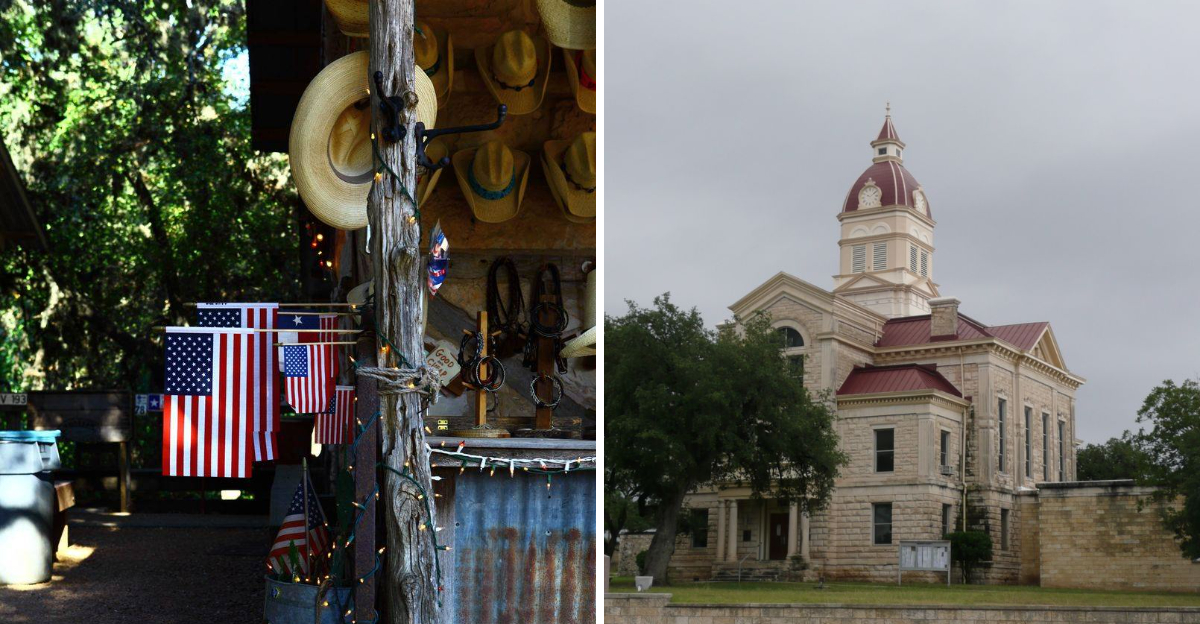
Texas small towns often appear picture-perfect in online photos, with charming main streets, historic buildings, and promises of authentic Southwestern hospitality. Social media feeds overflow with filtered sunsets over dusty plazas and quaint storefronts that seem frozen in time.
But when you actually visit some of these communities, the reality can surprise you in unexpected ways, from economic struggles and abandoned buildings to housing crises that have transformed once-quiet havens into something entirely different.
Understanding the gap between online perception and ground-level truth matters for travelers who want genuine experiences rather than Instagram disappointments.
Some Texas towns face challenges that photographs simply cannot capture, like water shortages, population decline, or the pressures of sudden tourism that prices out longtime residents.
Exploring these contrasts helps us appreciate both the beauty and the complexity of small-town Texas life, where history and hardship often walk hand in hand down the same weathered sidewalks.
1. Porterville: The Town That Vanished
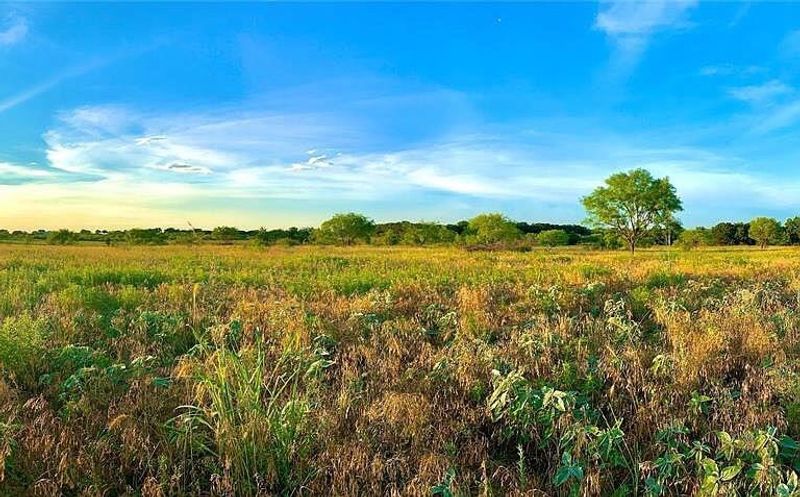
Porterville once thrived as a farming community established in 1905 by Dr. Phil Porter, who envisioned prosperity on the fertile lands of West Texas. Early settlers built hotels, blacksmith shops, general stores, and a post office that served the growing population.
Photographs from that era, now circulating online, show a bustling settlement full of promise and pioneer spirit that attracts history enthusiasts searching for authentic Old West experiences.
The reality today tells a vastly different story. Farmers quickly discovered that the nearby Pecos River could not provide adequate irrigation for their crops, leading to agricultural failures.
As harvests disappointed and economic opportunities dried up, families began leaving for more promising locations.
The discovery of oil in the early 1930s shifted regional attention and resources to nearby Mentone, accelerating Porterville’s decline. Businesses closed their doors, residents packed their belongings, and the town slowly faded into abandonment.
What once buzzed with commerce and community life became a ghost town with little to mark its former existence.
Visitors hoping to explore this historic settlement will find almost nothing remaining. Only the church built in 1909 survives in any usable condition, standing as a lonely monument to vanished dreams.
The other structures have succumbed to time, weather, and neglect, leaving mostly empty land where families once raised children and built futures.
Online images of old Porterville create expectations that the physical location simply cannot fulfill.
The gap between the vibrant community captured in historical photographs and the nearly empty landscape today represents one of the starkest contrasts in Texas small-town history, serving as a reminder of how quickly fortune can abandon a place.
2. Alton: Forgotten County Seat
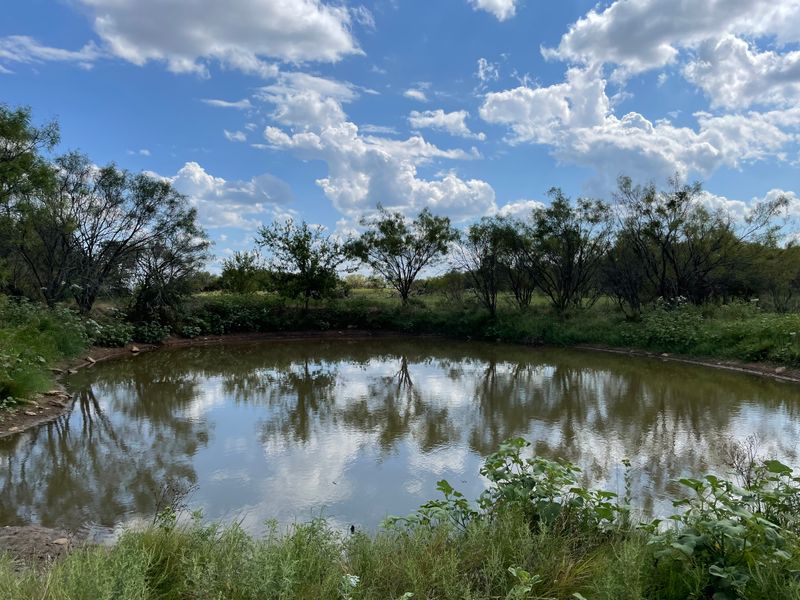
Alton began its existence in 1846 as an official county seat, a designation that brought immediate importance and growth to the fledgling settlement. Within a decade, the town boasted numerous homes, a blacksmith, multiple stores, a school, hotels, medical professionals, and legal services.
Historical records paint a picture of a thriving frontier hub that served the surrounding region’s needs, and these accounts fascinate modern readers who discover them online.
Water scarcity proved to be Alton’s undoing. Residents faced constant struggles to secure adequate supplies for drinking, cooking, and basic sanitation.
The problem became so severe that citizens petitioned for the county seat to be relocated to a more viable location with better water access.
By 1859, the post office closed its doors, marking the beginning of the end for Alton. Families and businesses followed the county government to the new seat, abandoning their properties in search of more sustainable living conditions.
The once-bustling community transformed into a ghost town within a remarkably short period.
Today, only the Old Alton Cemetery remains as tangible evidence that a town once existed here. Graves dating back to 1852 rest beneath weathered headstones, telling silent stories of the pioneers who tried to build a future in this challenging environment.
The cemetery’s survival while everything else disappeared creates a haunting atmosphere.
Travelers drawn by online references to this historic county seat will find no town to explore, no buildings to photograph, no main street to walk.
The disconnect between the documented history and the present reality could hardly be more complete, offering a sobering lesson about how environmental challenges can erase entire communities from the landscape.
3. Terlingua: Mining Town Turned Tourist Trap
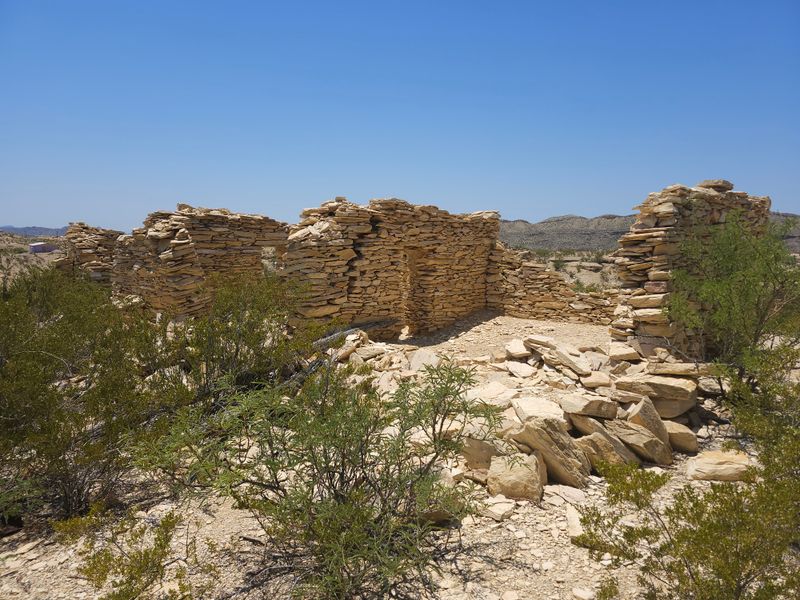
Terlingua’s ruined adobe structures and desert backdrop create incredibly photogenic scenes that dominate travel blogs and social media posts about authentic Texas ghost towns. The crumbling buildings and abandoned mercury mine tell stories of boom-and-bust cycles that shaped the Big Bend region.
Online, Terlingua appears as a perfectly preserved slice of mining history waiting to be explored by adventurous souls seeking off-the-beaten-path destinations.
Reality introduces a more commercial element that surprises many first-time visitors. The ghost town now functions primarily as a tourist attraction, with guided tours, souvenir shops, and staged events that cater to visitors rather than preserving authentic history.
The atmosphere leans heavily toward entertainment rather than education or preservation.
Crowds can be substantial, especially during peak tourist seasons and special events that draw thousands of people to this remote location. The solitude and eerie abandonment suggested by photographs evaporates when buses unload groups of camera-wielding tourists.
Parking becomes challenging, and the sense of discovery that online images promise gives way to a more managed, commercial experience.
The nearby modern Terlingua community adds another layer of complexity. Restaurants, lodging options, and tour companies have sprung up to serve the steady stream of visitors, creating a hybrid environment that blends ghost town aesthetics with functioning tourism infrastructure.
This juxtaposition can feel jarring to those expecting pure historical exploration.
The mercury mine’s ruins remain genuinely impressive, and the desert setting provides stunning vistas that live up to their online reputation.
However, the overall experience skews more toward commercial tourism than the romantic notion of discovering a forgotten place that photographs often suggest to potential visitors planning their West Texas adventures.
4. Luckenbach: Manufactured Nostalgia
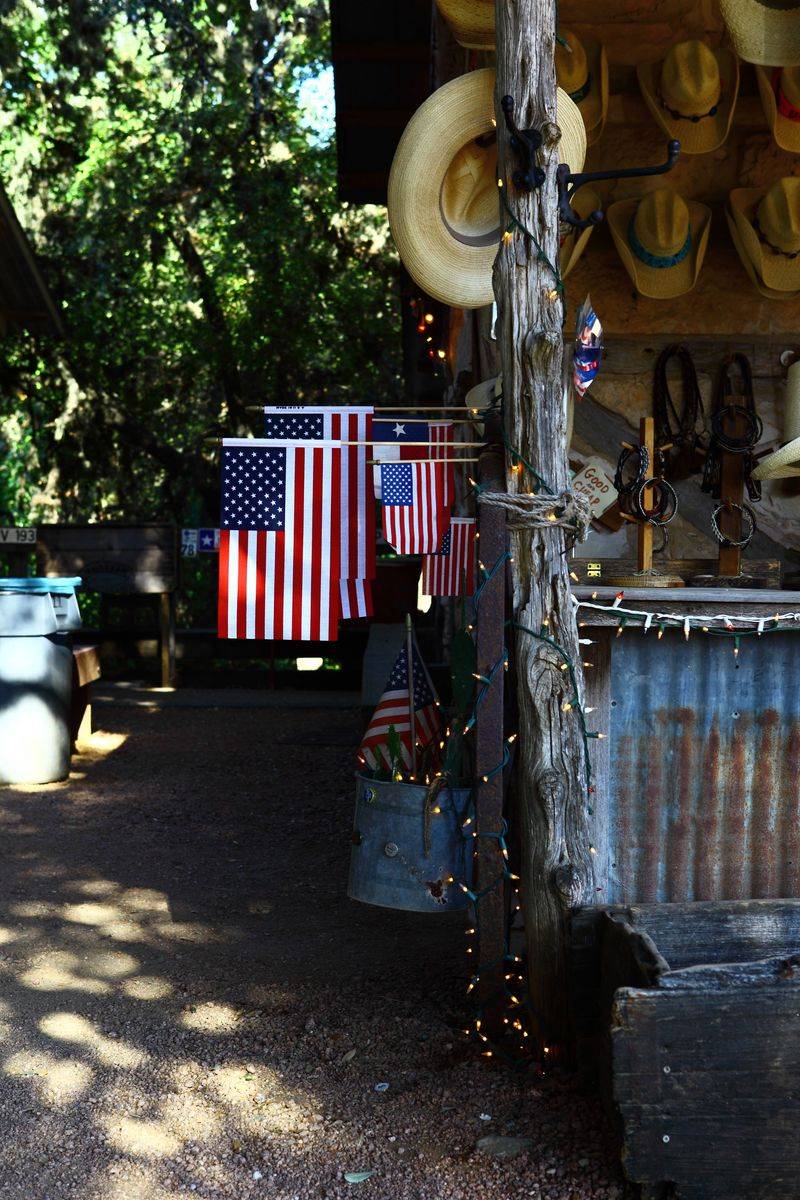
Luckenbach gained legendary status through country music references that romanticized this tiny Hill Country settlement as the epitome of simple Texas living. Songs painted pictures of a place where troubles melted away and authentic experiences awaited those tired of city life.
Online searches yield countless images of the famous general store and dance hall, creating expectations of discovering genuine small-town Texas culture.
The reality centers almost entirely on tourism and nostalgia marketing. Luckenbach consists essentially of a general store, a dance hall, and not much else, yet it attracts thousands of visitors annually who come seeking the experience promised by songs and stories.
The tiny population means there is no real functioning town to explore beyond the commercial attractions designed for tourists.
Merchandise dominates the experience more than many visitors anticipate. The general store stocks countless T-shirts, hats, bumper stickers, and memorabilia proclaiming your visit to this famous location.
The commercial atmosphere can feel at odds with the anti-commercial, back-to-basics philosophy that the town’s reputation suggests.
Live music performances do occur regularly, and these can provide enjoyable entertainment in a pleasant outdoor setting. However, the crowds and the staged nature of the experience create an atmosphere more akin to a theme park than the authentic, undiscovered hideaway that online descriptions often suggest.
The disconnect between expectation and reality can be significant for those arriving with romantic notions.
Luckenbach succeeds at what it actually is: a tourist destination trading on musical fame and Texas nostalgia.
Problems arise only when visitors expect something different based on idealized online portrayals that emphasize charm and authenticity over the commercial reality of a place that exists primarily to serve the tourism industry.
5. Gruene: Quaint Facade, Tourist Reality
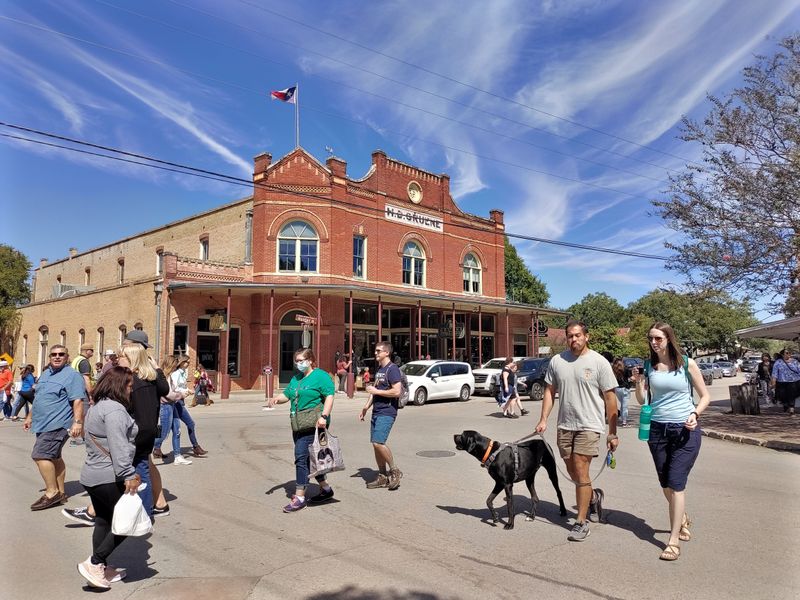
Gruene appears in countless travel guides as a perfectly preserved historic town featuring a famous dance hall, antique shops, and riverfront charm. Photographs showcase beautiful old buildings, tree-lined streets, and a timeless quality that appeals to travelers seeking authentic Texas Hill Country experiences.
The online presentation suggests a functioning small town that has maintained its character despite the passage of time.
What exists today functions more as an outdoor shopping mall themed around Texas history than as a genuine small town. Nearly every building houses a shop, gallery, or restaurant aimed squarely at tourists.
Residents are scarce, and the community feel that photographs imply simply does not exist in any meaningful way.
Crowds can be overwhelming, particularly on weekends when day-trippers from nearby cities descend on the area. Parking becomes a competitive sport, and the streets fill with people shopping for souvenirs and taking selfies in front of historic markers.
The peaceful, small-town atmosphere suggested by carefully framed online photos dissolves in the reality of mass tourism.
The famous dance hall does maintain authentic character and hosts genuinely enjoyable performances by notable musicians. However, even this historic venue operates primarily as a tourist attraction rather than a community gathering place.
Tickets sell out quickly for popular shows, and the crowds reflect the venue’s reputation rather than local patronage.
Gruene succeeds as a well-maintained historic district with quality shops and dining options in attractive surroundings. The disappointment comes for visitors expecting a charming small town where people actually live and work in traditional ways.
Instead, they find a carefully curated commercial district that preserves architectural charm while serving primarily as a retail and entertainment destination for outsiders seeking Texas-themed experiences.
6. Fredericksburg: German Heritage Meets Tourism Overload
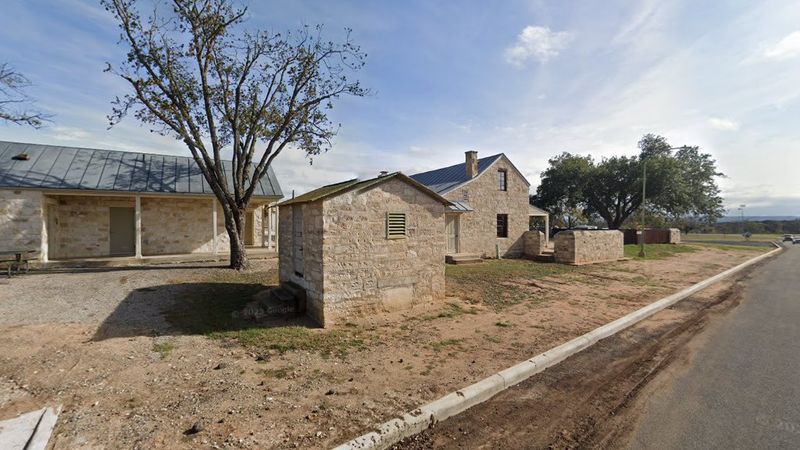
Fredericksburg’s German heritage creates a unique cultural identity that photographs beautifully, with traditional architecture, bakeries, and festivals that celebrate the town’s European roots.
Online images showcase charming main streets, historic sites, and promises of authentic German-Texan culture that distinguish this Hill Country community from typical Texas towns.
Travel blogs rave about the distinctive character and small-town hospitality that await visitors.
The tourism industry has grown so dominant that it overwhelms much of the authentic small-town experience that originally attracted visitors.
Main Street resembles a continuous strip of wine tasting rooms, gift shops, and tourist-oriented businesses rather than a functioning downtown serving local residents.
The sheer volume of commercial activity aimed at outsiders has transformed the town’s character significantly.
Traffic congestion and parking difficulties plague the downtown area, especially during peak seasons and special events. The narrow streets designed for a much smaller population struggle to accommodate the thousands of weekend visitors who arrive seeking Hill Country charm.
What should be a leisurely stroll through a historic town becomes a frustrating navigation of crowds and traffic.
Many businesses now focus primarily on visitors rather than serving the local community, shifting the town’s identity from a place where people live and work to a destination where outsiders come to spend money.
This transformation has created tensions between preserving authentic German-Texan heritage and maximizing tourism revenue through commercialization.
Fredericksburg retains genuine historical significance and does offer quality experiences for those who research carefully and manage expectations.
However, the gap between the quaint German village portrayed online and the busy tourist hub that exists today can disappoint visitors seeking authentic small-town experiences rather than commercial tourism districts dressed in traditional architecture.
7. Bandera: Cowboy Capital Commercialization
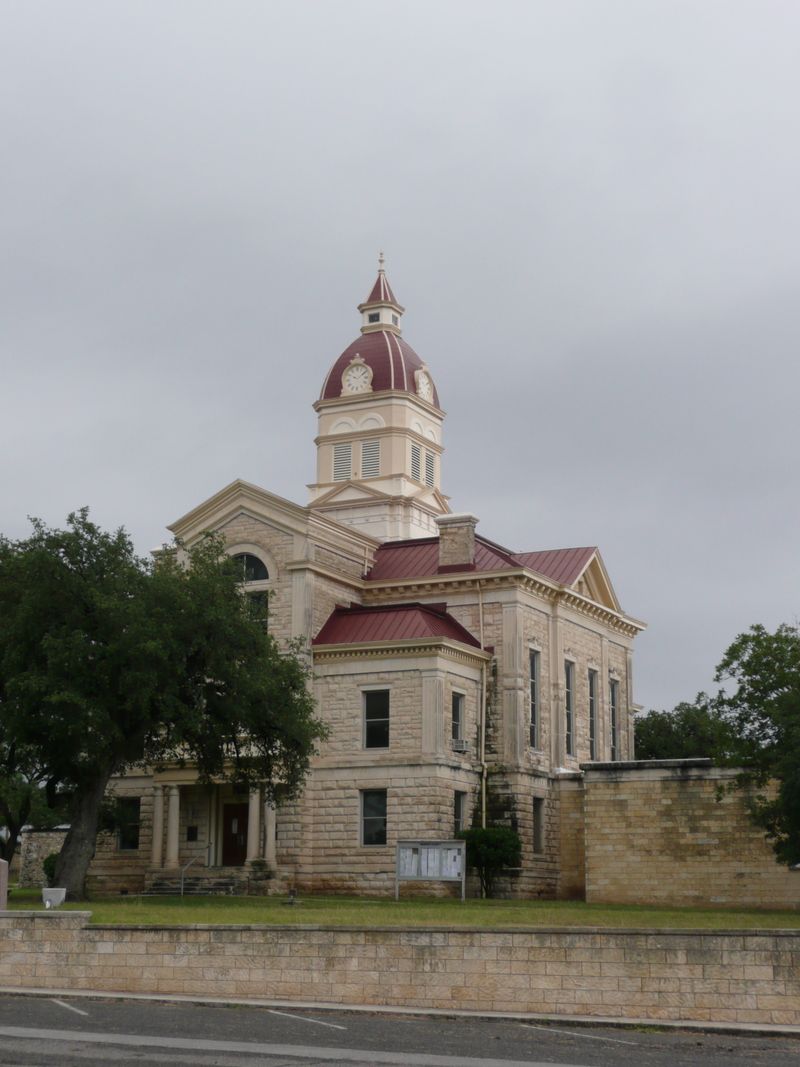
Bandera proclaims itself the Cowboy Capital of the World, a title that conjures images of authentic ranch culture, working cowboys, and genuine Western heritage. Online promotional materials showcase rodeos, dude ranches, and promises of experiencing real Texas cowboy life in a small-town setting.
Photographs of riders on horseback against Hill Country backdrops create powerful expectations for visitors seeking authentic Western experiences.
The reality leans heavily toward staged cowboy experiences designed for tourists rather than genuine ranch culture.
Dude ranches dominate the local economy, offering packaged Western adventures complete with trail rides, cookouts, and entertainment that mimics cowboy life without the authentic hardships or daily realities.
The experience feels more like a Western-themed resort than immersion in actual ranching culture.
Many of the cowboy activities available to visitors follow predictable scripts designed for maximum tourist enjoyment rather than authentic representation of ranching life. Trail rides follow well-worn paths with guides who repeat the same stories to each group.
Rodeos, while entertaining, cater primarily to spectators rather than serving as genuine competitions among working ranch hands.
The downtown area reflects the tourism focus, with shops selling Western wear, souvenirs, and decorative items aimed at visitors taking home memories of their cowboy experience.
Fewer businesses serve the actual needs of local residents, and the town’s identity has shifted noticeably toward its role as a tourism destination rather than a functioning ranching community.
Bandera does maintain connections to genuine ranching heritage, and some operations offer more authentic experiences for those willing to research carefully.
However, the overall atmosphere skews toward commercialized Western entertainment rather than the working cowboy culture that the town’s reputation and online presence suggest to visitors planning their Hill Country adventures.
8. Wimberley: Artist Colony Overwhelmed by Growth
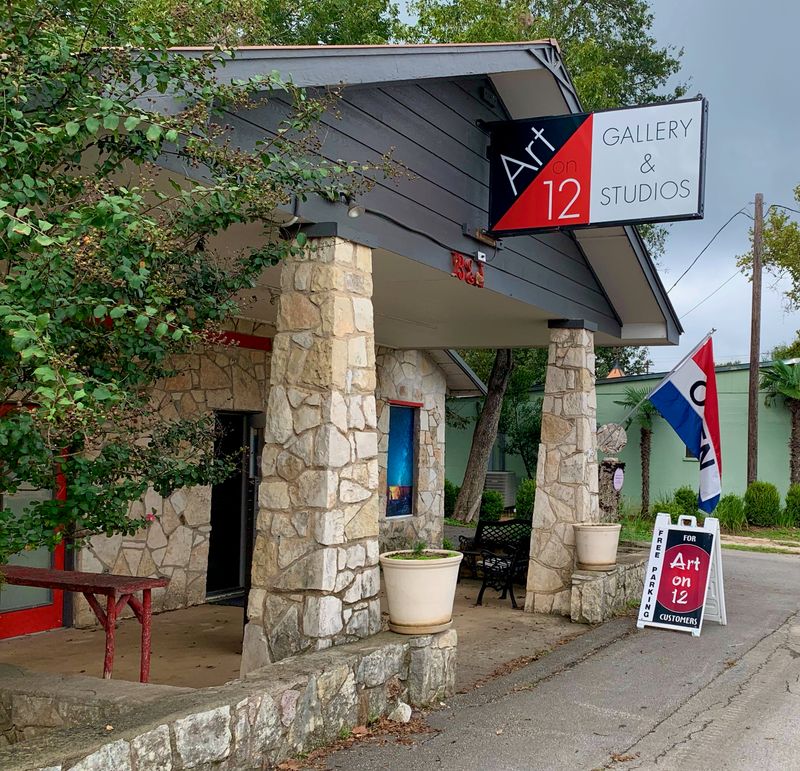
Wimberley developed a reputation as a tranquil artist colony nestled in the Hill Country, where creative individuals found inspiration in natural beauty and small-town peace.
Online descriptions emphasize the artistic community, local galleries, and the slower pace of life that attracted painters, sculptors, and craftspeople seeking refuge from urban pressures.
Photographs of tree-shaded streets and the picturesque Blanco River create expectations of discovering a hidden creative haven.
Rapid growth has transformed Wimberley significantly, bringing suburban sprawl and development that has altered the town’s character dramatically. New housing developments spread across former ranchland, and traffic has increased substantially as the population expanded.
The quiet artist colony atmosphere that once defined the community has given way to something resembling an exurban extension of nearby Austin.
The town struggles to maintain its infrastructure and small-town identity while accommodating the influx of new residents and visitors. Roads designed for minimal traffic now experience congestion during peak times.
Local businesses face pressure from rising rents and changing customer demographics that favor chain stores over the quirky independent shops that originally gave Wimberley its distinctive character.
Weekend visitors compound the challenges, with tourists seeking the artistic charm and natural beauty they have read about online. Popular spots like the Blue Hole swimming area become crowded, and parking at galleries and shops grows difficult.
The sense of discovery and peaceful creativity suggested by online descriptions feels increasingly elusive amid the crowds and development.
Wimberley retains pockets of artistic spirit and natural beauty, and dedicated seekers can still find the qualities that built the town’s reputation.
However, the gap between the tranquil artist colony portrayed in older articles and the rapidly growing community experiencing suburban pressures today can surprise and disappoint visitors expecting the peaceful creative haven that online sources often describe.
9. Shiner: Brewery Town with Limited Appeal
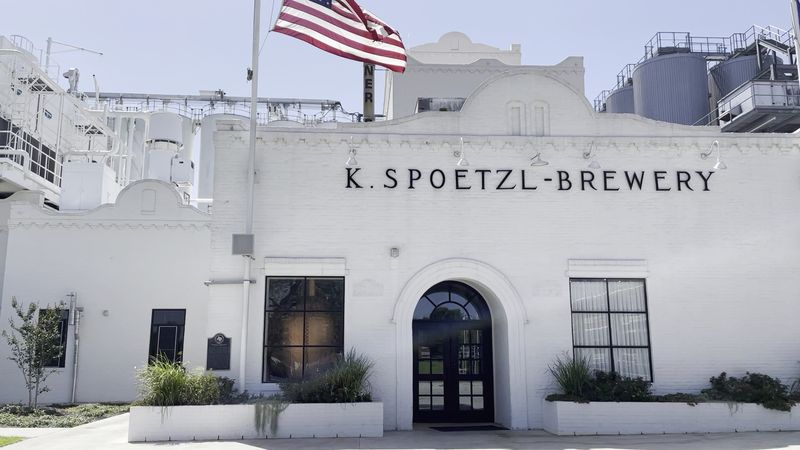
Shiner gained fame far beyond its size thanks to the brewery that bears its name, creating an identity centered on Texas heritage and small-town authenticity. Online searches reveal countless references to the famous brewery, historic downtown, and promises of experiencing genuine small-town Texas life.
Photographs of the brewery’s distinctive architecture and the town’s vintage main street create expectations of a charming destination worth the drive through rural Texas.
The reality offers much less to see and do than many visitors anticipate based on the town’s fame. The brewery tour provides the main attraction, and once completed, visitors find limited reasons to linger.
Downtown consists of a handful of blocks with few operating businesses, and the overall atmosphere can feel quiet to the point of emptiness rather than charmingly peaceful.
Many storefronts stand vacant, reflecting economic challenges that small Texas towns face when traditional industries decline and younger generations move to cities seeking opportunities.
The historic buildings that photograph well from the outside often house nothing inside, or have been converted to purposes that do not draw visitors or create vibrant street life.
The disconnect between Shiner’s widespread name recognition through its brewery and the modest reality of the actual town surprises many first-time visitors.
People arrive expecting a bustling small town with multiple attractions, dining options, and activities, only to discover that the brewery tour essentially exhausts the available tourist experiences within a short time.
Shiner functions primarily as a genuine small Texas town serving local residents rather than as a tourism destination, despite its famous name. This authenticity has value for travelers seeking unvarnished reality over curated experiences.
However, those arriving with expectations shaped by the brewery’s marketing and online hype about visiting this famous town often leave feeling that the visit did not justify the travel time required to reach this remote location.
10. Marfa: The Art Town with a Housing Crisis
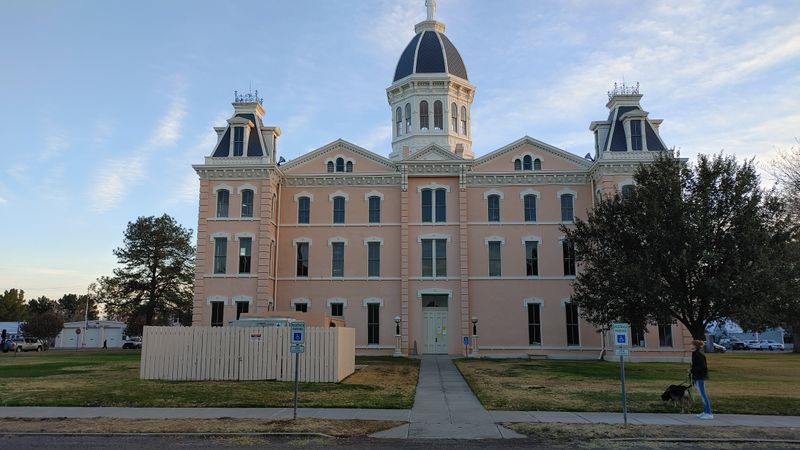
Marfa transformed from a quiet ranching outpost into an internationally recognized art destination, drawing creative minds and curious travelers from around the globe. The town’s minimalist installations and stark desert landscapes photograph beautifully, creating an irresistible online allure.
Yet behind those carefully curated images lies a community grappling with serious affordability challenges that have reshaped daily life for residents who have called this place home for generations.
The art world’s embrace of Marfa brought galleries, boutique hotels, and cultural events that elevated the town’s profile dramatically. Property values skyrocketed as outsiders purchased homes and land, transforming the local real estate market.
Long-time residents now struggle to afford rent or find available housing, as the limited supply cannot keep pace with demand from newcomers and investors.
Geographic constraints compound the problem significantly. Marfa sits surrounded by vast ranchlands that owners are reluctant to subdivide or sell for development.
The town cannot easily expand its footprint, leaving housing options severely limited even as interest in living there continues growing.
Visitors arriving with expectations shaped by glossy magazine spreads may find the atmosphere more complicated than anticipated. The tension between preservation and growth, between old-timers and transplants, creates an undercurrent that photographs cannot capture.
While the art installations remain striking and the desert vistas genuinely breathtaking, the social fabric shows strain from rapid change.
The coffee shops and galleries that populate downtown serve a clientele that looks quite different from the ranching families who built this community. This cultural shift, while bringing economic benefits to some, has fundamentally altered the character of a town that once epitomized remote West Texas living.
Dear Reader: This page may contain affiliate links which may earn a commission if you click through and make a purchase. Our independent journalism is not influenced by any advertiser or commercial initiative unless it is clearly marked as sponsored content. As travel products change, please be sure to reconfirm all details and stay up to date with current events to ensure a safe and successful trip.
