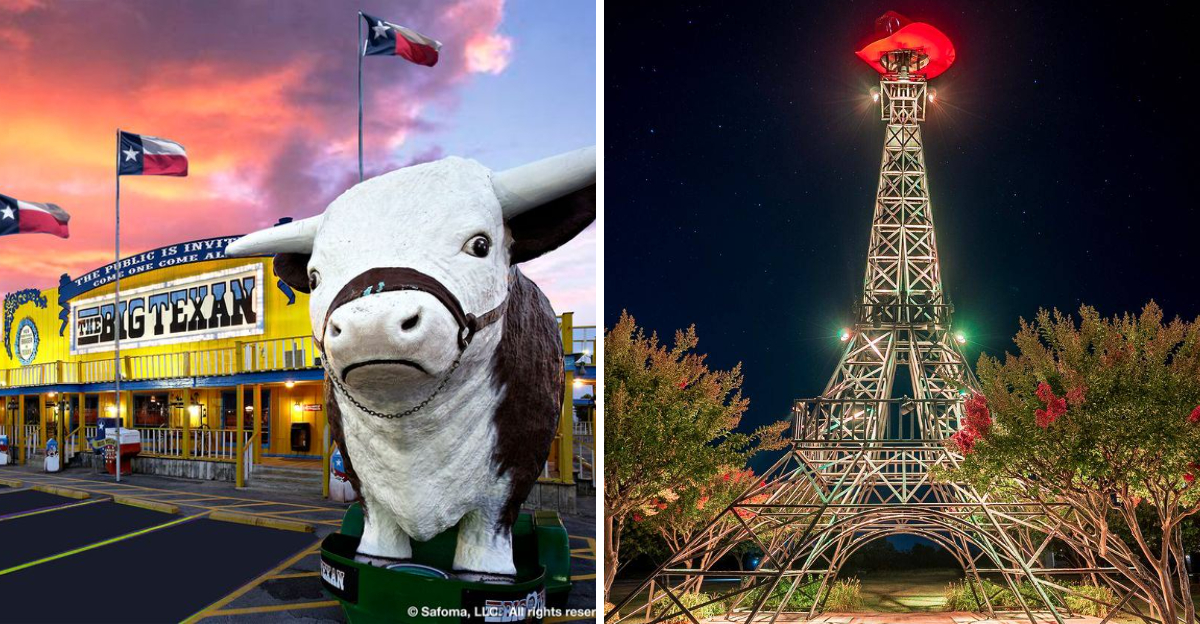
Texas is a state that inspires as much curiosity as it does skepticism. People who have never visited often joke about the roadside attractions, quirky landmarks, and seemingly bizarre pitstops scattered across the Lone Star State.
But there is something magical that happens when you actually pull over, step out of your car, and experience these places for yourself.
1. Buc-ee’s (Any Major Highway)
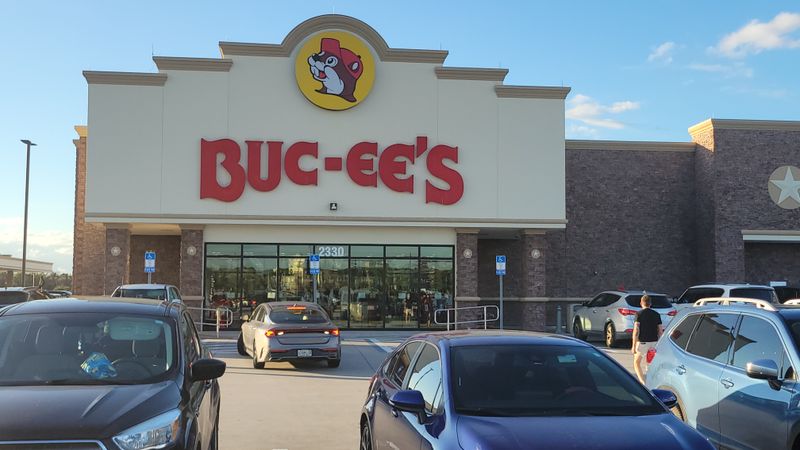
To the uninitiated, the cult of Buc-ee’s seems like a collective delusion. Friends from out of state hear Texans rave about a gas station and assume it is some kind of inside joke or exaggeration.
The beaver mascot, the endless merchandise, the fanatical devotion to a rest stop all sound absurd from a distance.
But once you experience the eerie cleanliness of the restrooms, the wall of 150 different types of jerky, and the hot brisket sandwiches, you get it. Walking into a Buc-ee’s for the first time feels like stepping into an alternate dimension where gas stations evolved into something completely different.
The bathrooms are so spotless they could pass health inspections at five-star hotels. The aisles stretch on forever, filled with everything from homemade fudge to camping gear to entire sections dedicated to Texas-themed kitsch.
It is not just a gas station. It is a Texas-sized fever dream of efficiency and Beaver Nuggets, those addictive puffed corn snacks that taste like sweet childhood memories.
The food counter serves breakfast tacos, chopped brisket, and kolaches that rival dedicated bakeries. People plan road trips around Buc-ee’s locations, and families make pilgrimages to the newest mega-stores that span over 70,000 square feet.
The real magic is not in any single element but in the totality of the experience. Clean restrooms, quality food, friendly staff, and a shopping experience that somehow makes a highway pitstop feel like an event.
Critics joke until they visit, then they are the ones insisting on stopping at every Buc-ee’s along the route, arms full of Beaver Nuggets and beef jerky.
2. Cadillac Ranch (Amarillo)
It sounds like a gimmick when you first hear about it. You want me to drive into a muddy field to look at half-buried trash?
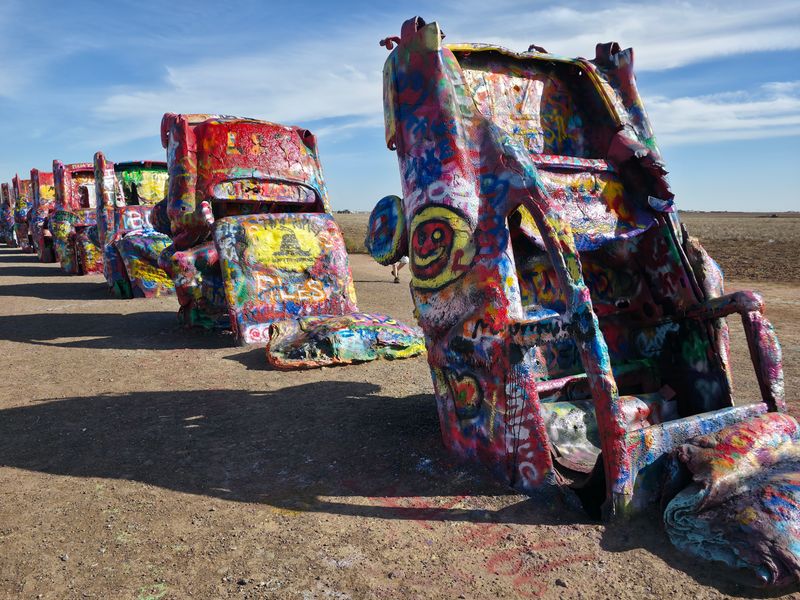
Ten vintage Cadillacs planted nose-first in the ground, covered in layers upon layers of spray paint, sitting in the middle of nowhere along Route 66. The concept seems more like a punchline than an actual destination worth visiting.
But there is something deeply cathartic about Cadillac Ranch that photographs can never capture. Unlike most art installations where you cannot touch anything, here you are required to bring a can of spray paint and add your own mark to the ever-changing canvas.
The cars have been repainted thousands of times over the past fifty years, creating a living, breathing artwork that transforms daily.
Standing in that field with a spray can in hand, surrounded by families, couples, and solo travelers all adding their messages and designs, creates a strange communal beauty. Some people write names of loved ones, others create elaborate murals, and still others just spray random colors because they can.
The wind whips across the Texas Panhandle, the sun beats down on the metal cars, and for a moment you are part of something larger than yourself.
The joke fades away when you realize this is not about the cars themselves but about the experience of creation and connection. Visitors leave pieces of themselves on those Cadillacs, joining a 50-year-old conversation between strangers.
The muddy field becomes sacred ground for self-expression, and the trash transforms into a monument to human creativity and the freedom to leave your mark on the world.
Address: 13651 I-40 Frontage Rd, Amarillo, TX 79124
3. The Czech Stop (West, TX)
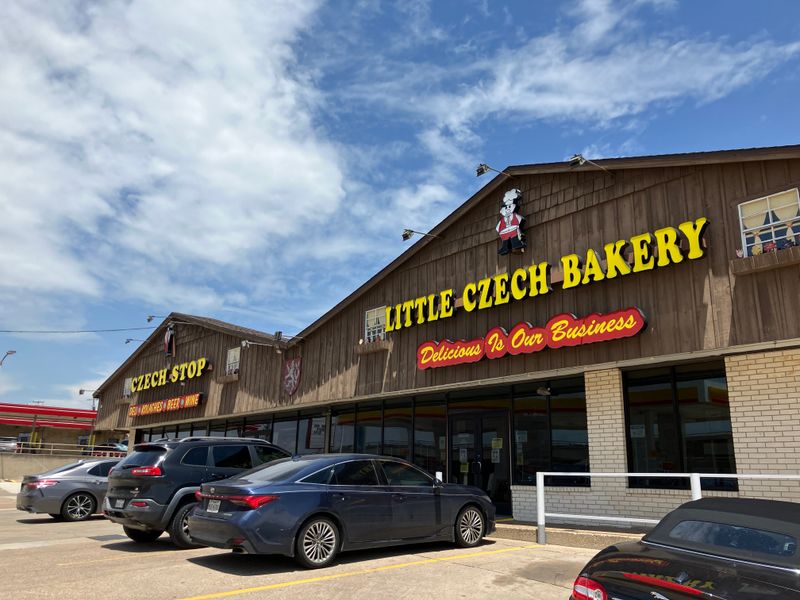
People seriously pull off the highway and wait in a 30-minute line for a piece of bread? That is the reaction most people have when they hear about The Czech Stop for the first time.
Located in the tiny town of West, which confusingly sits in Central Texas and not West Texas, this bakery has achieved legendary status among I-35 travelers. Skeptics call it a carb-heavy tourist trap that survives on highway captivity and clever marketing.
Then they bite into a warm kolache fresh from the oven, and suddenly the world makes sense again. These Czech pastries, brought to Texas by immigrants in the 1800s, come in both sweet fruit varieties and savory sausage versions.
The dough is pillowy soft, the fillings are generous, and the warmth seeps into your hands as you carry them back to your car. Within moments of that first bite, you understand why people set alarms to time their road trips perfectly with a Czech Stop visit.
The brutal drive between Dallas and Austin becomes bearable when you know a kolache break awaits. The bakery itself is unpretentious, with a small-town charm that feels authentic rather than manufactured for tourists.
Display cases overflow with dozens of varieties, from traditional poppy seed to cream cheese to jalapeno sausage. The line moves surprisingly fast despite the crowds, and the staff works with the efficiency of people who have perfected their craft over decades.
What started as a joke about obsessive pastry fans becomes a genuine appreciation for quality baking and cultural preservation. The Czech Stop is not just about the food but about maintaining traditions and creating a ritual that makes long Texas drives feel more human and connected to place.
Address: 105 N George Kacir Dr, West, Texas
4. Prada Marfa (Valentine)
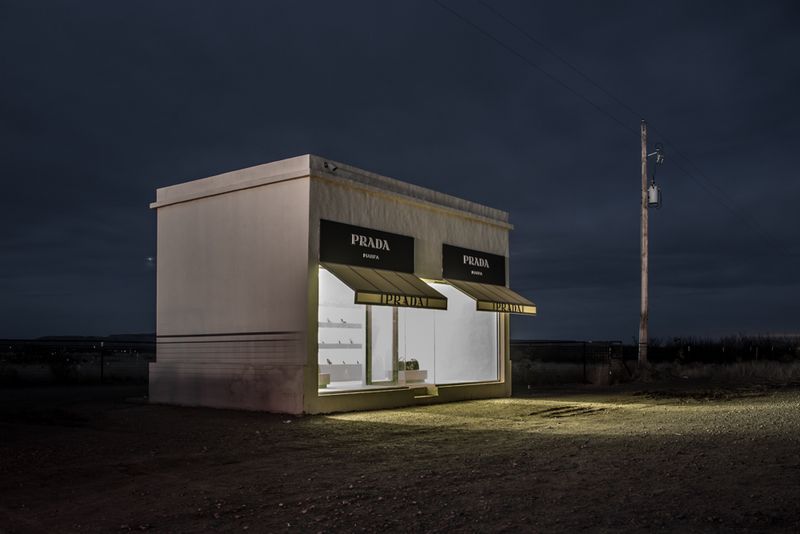
It is a fake store in the desert, the ultimate influencer bait. That is how critics describe Prada Marfa, and from a certain angle, they are not wrong.
This permanent art installation sits miles from any town, a pristine white building displaying luxury handbags and shoes behind glass windows that never open. Social media feeds overflow with photos of people posing in front of it, which only reinforces the idea that it exists solely for vanity and likes.
But seeing this structure in person, standing in the middle of the stark, lonely Chihuahuan Desert, is genuinely surreal in a way that transcends Instagram trends. The silence out there is profound, broken only by wind and the occasional passing vehicle.
The landscape stretches endlessly in every direction, all scrub brush and distant mountains and enormous sky. Then suddenly, inexplicably, there is Prada.
Artists Elmgreen and Dragset created this piece as a commentary on consumerism, luxury branding, and the absurdity of desire. The commentary feels much more haunting and high-art when you are standing in front of it with nothing but wind and tumbleweeds for company.
The juxtaposition of extreme wealth and extreme isolation creates a visual and conceptual tension that photographs cannot fully convey. The building will never be entered, the products will never be sold, and the whole thing slowly deteriorates under the harsh desert sun.
What begins as a joke about shallow social media culture transforms into a meditation on permanence, value, and meaning. The installation asks questions about what we worship and why, about the relationship between art and commerce, about the strange human impulse to create monuments in empty places.
The desert does not care about luxury brands, and that indifference makes the whole installation strangely beautiful and melancholy.
Address: 1 Prada Marfa, Valentine, Texas
5. The Big Texan Steak Ranch (Amarillo)
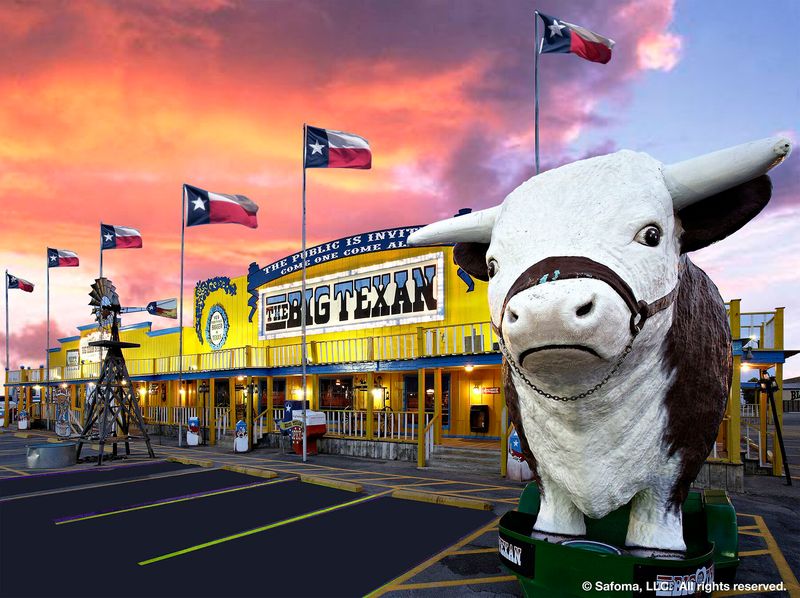
It is a tacky tourist trap for people who want to watch someone have a heart attack over a 72-ounce challenge. That is the common perception of The Big Texan, and honestly, the place leans into that reputation.
The giant cowboy statue out front, the neon signs, the literal stage where contestants attempt to consume four and a half pounds of meat in under an hour, all of it screams roadside kitsch designed to separate tourists from their money.
Yes, it is incredibly kitschy. Yes, there is a stage for the challenge with a timer and audience.
But the actual food quality surprises even the most cynical visitors. The kitchen serves genuinely excellent cuts of meat, cooked to proper temperatures by people who understand their craft.
The regular menu offers everything from perfectly seasoned ribeyes to tender filets, all reasonably portioned for normal human consumption.
The atmosphere is so unapologetically Texas that even skeptics usually end up buying a souvenir cowboy hat by the time they leave. The dining room sprawls across multiple sections, decorated with Western memorabilia, mounted animal heads, and enough cowboy boots to outfit a small ranch.
Live country music fills the space, and the servers embrace the theatrical nature of the whole experience without making it feel forced or fake.
What makes The Big Texan work is that it never pretends to be something it is not. The place knows exactly what it is and commits fully to the bit.
The challenge is ridiculous, the decor is over-the-top, and the whole thing celebrates Texas stereotypes with genuine affection rather than mockery.
Visitors come for the spectacle but stay for the quality, discovering that sometimes tourist traps earn their popularity through actual substance beneath the showmanship.
Address: 7701 Interstate 40 Access Rd, Amarillo, Texas
6. The San Antonio River Walk
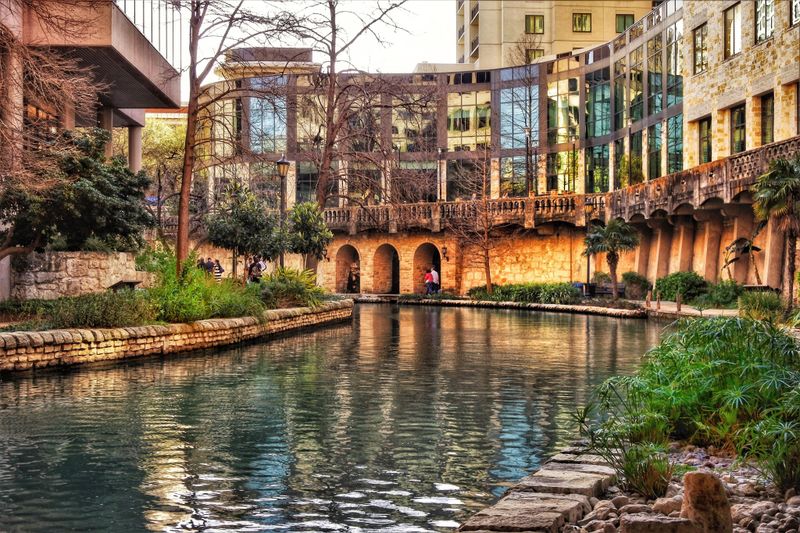
It is just a concrete ditch with overpriced margaritas and too many tourists. If you have only experienced the main commercial loop of the San Antonio River Walk, that criticism feels accurate.
The central section near the Alamo and the shopping district can feel overcrowded and overpriced, packed with chain restaurants and souvenir shops that could exist in any tourist district in America. The charm gets lost in the crowds and commercialization.
But if you venture beyond the main attractions to the Museum Reach or the Mission Reach sections, the River Walk transforms into something remarkable. These extended portions stretch for miles, winding through beautifully landscaped parks with native Texas plants, public art installations, and historic Spanish colonial missions.
The crowds thin out dramatically, replaced by joggers, cyclists, and locals walking their dogs along peaceful pathways.
The Museum Reach connects downtown to the Pearl District, passing through quiet neighborhoods and under artistic bridges decorated with colorful tiles and murals. The Mission Reach extends south toward the historic missions, offering a glimpse of what the river looked like centuries ago before urban development.
Herons and turtles populate the waterways, and the sound of the city fades into rustling leaves and flowing water.
This is one of the most successful urban park regenerations in the country, transforming a flood control channel into a living ecosystem and community gathering space. The full River Walk system spans over 15 miles, offering everything from bustling commercial districts to serene natural corridors.
What starts as a joke about tourist traps becomes an appreciation for thoughtful urban planning and the power of public spaces to connect people with nature and history within a modern city.
7. The Eiffel Tower with a Cowboy Hat (Paris, TX)
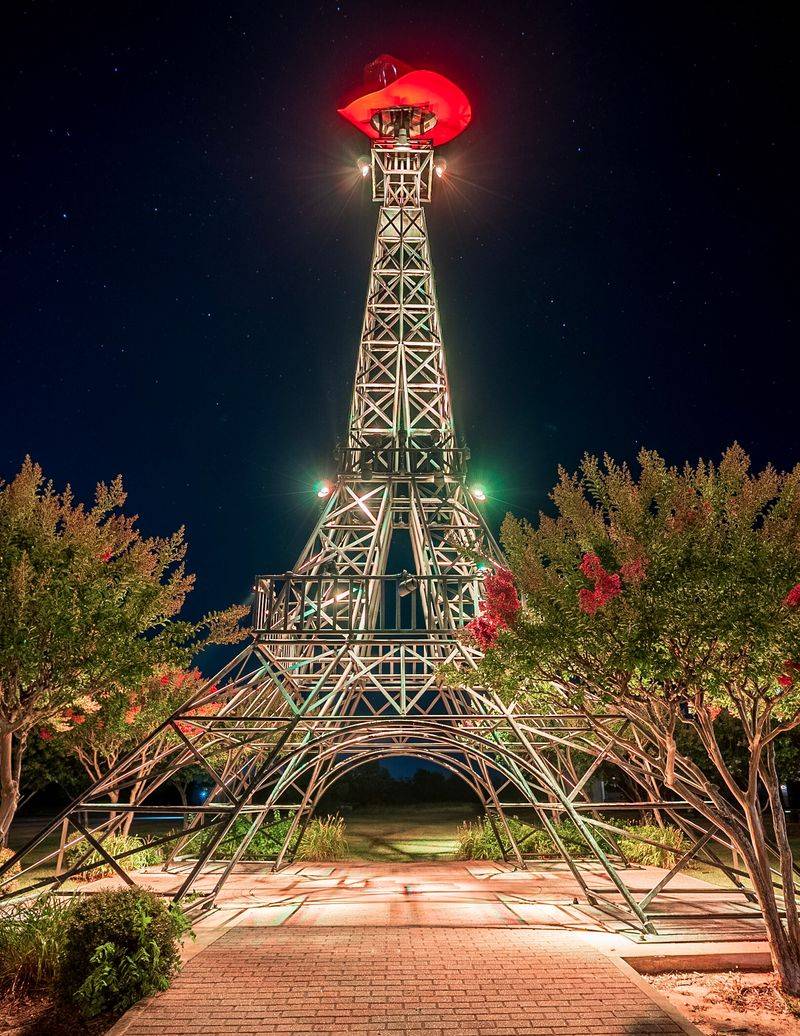
Texas is so desperate for culture they put a hat on a fake French monument. That is the joke, and from a certain perspective, it makes sense.
The town of Paris, Texas decided to build a replica of the Eiffel Tower, then topped it with a giant red cowboy hat just to make it more Texan. The whole thing sounds like small-town desperation trying to create an identity through gimmicks and borrowed iconography.
The reality is so absurd that it circles back to being genuinely charming. The tower was actually built during a friendly battle with Paris, Tennessee, to see which Paris could claim the taller replica.
When Tennessee built a tower, Texas responded by adding the massive red hat to ensure their version stood taller. It is a 65-foot-tall monument to Texas pettiness, humor, and refusal to be second place at anything.
The hat itself weighs several hundred pounds and sits proudly atop the structure like a declaration of independence from European sophistication. The whole installation sits in a small park where locals gather for picnics and events, treating their oddball landmark with genuine affection.
Children climb on the base, couples take anniversary photos, and the town embraces the silliness without embarrassment.
What could be seen as cultural appropriation or small-town kitsch becomes a celebration of Texas identity and the freedom to be ridiculous. The tower with its hat represents the Texas attitude of taking something serious and making it fun, of refusing to take yourself too seriously while still maintaining fierce pride.
It makes for a surprisingly delightful photo opportunity and a reminder that sometimes the best landmarks are the ones that make you smile rather than inspire reverence.
Address: 2025 S Collegiate Dr, Paris, Texas
8. The Beer Can House (Houston)
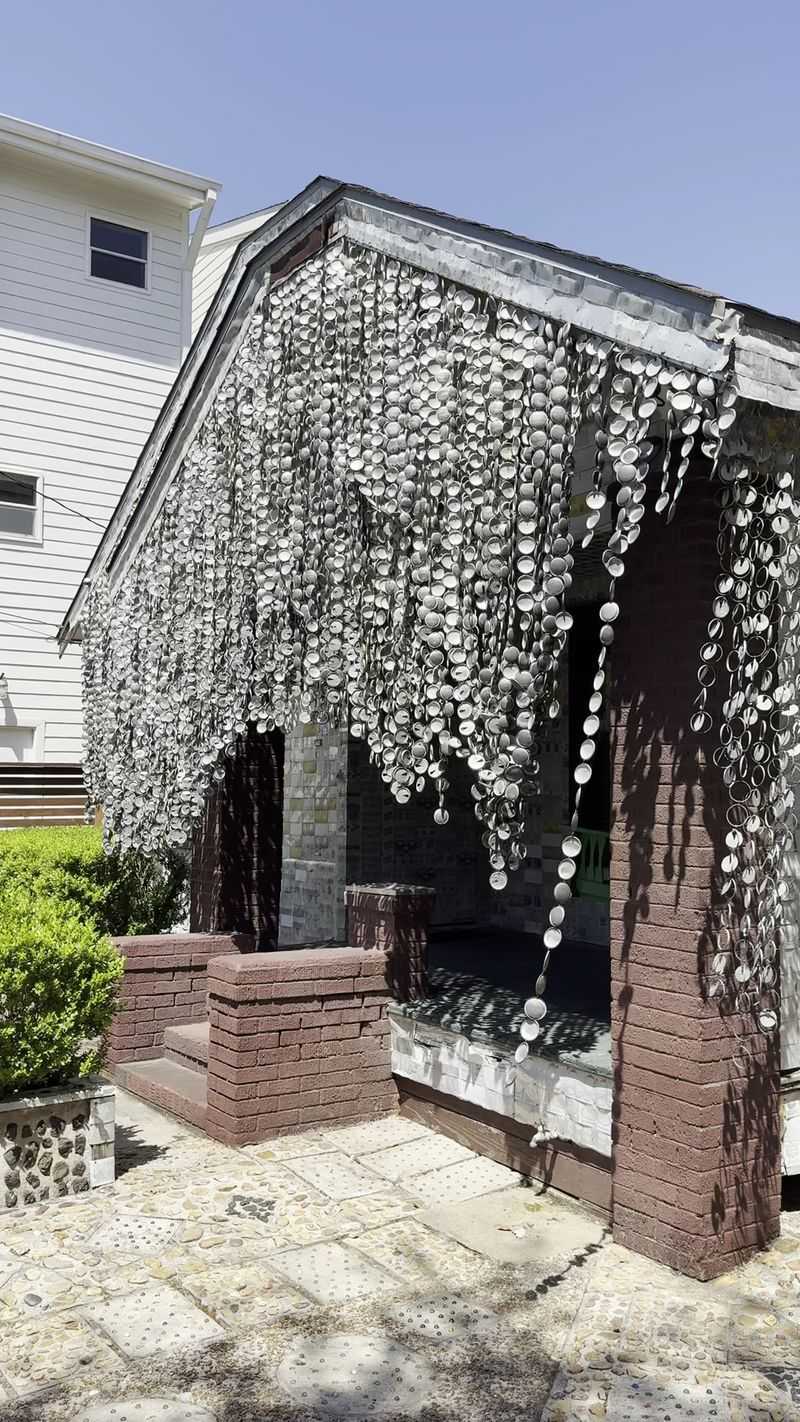
It is just a house covered in literal garbage. That is the first impression most people have when they hear about John Milkovisch’s creation in Houston.
A man spent 18 years covering his entire home in over 50,000 recycled cans, creating curtains, siding, and decorations from what most people throw away. The concept sounds like hoarding disguised as art, the kind of eyesore that makes neighbors complain and property values drop.
But standing in front of the house, watching the sun reflect off thousands of aluminum surfaces, transforms that judgment into appreciation. When the wind blows, the garlands made of can tabs create a metallic tinkling sound that is unexpectedly peaceful, like wind chimes made from industrial materials.
The entire structure shimmers and moves, alive with light and sound in ways that traditional architecture never achieves.
Milkovisch started the project as a practical solution to yard maintenance, covering the grass with concrete embedded with rocks and marbles. Then he moved to the house itself, flattening cans and using them as siding, creating curtains that rippled in the breeze, building fences and decorations from an endless supply of recycled materials.
What began as a hobby became an obsession, and that obsession became one of Houston’s most beloved folk art landmarks.
The house proves that one person’s recycling can truly become a city’s treasure. It challenges assumptions about what constitutes art, about the value of found materials, and about the line between eccentricity and creativity.
The Orange Show Center for Visionary Art now maintains the property, preserving Milkovisch’s vision for future generations. What sounds like a joke about trash becomes a meditation on transformation, dedication, and the beauty that emerges when someone commits fully to their unique vision.
Address: 222 Malone St, Houston, Texas
Dear Reader: This page may contain affiliate links which may earn a commission if you click through and make a purchase. Our independent journalism is not influenced by any advertiser or commercial initiative unless it is clearly marked as sponsored content. As travel products change, please be sure to reconfirm all details and stay up to date with current events to ensure a safe and successful trip.
