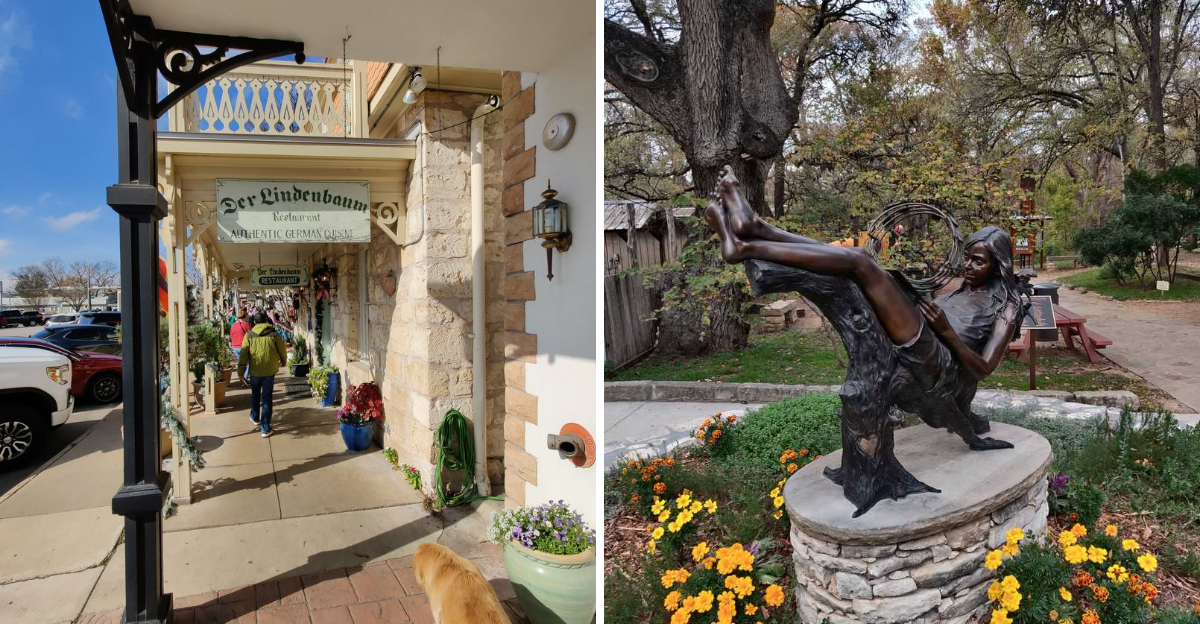
Texas has long captured the imagination of travelers with its wide-open spaces, cowboy culture, and small-town charm. Visitors flock to quaint communities hoping to experience authentic Texan life, but many locals say the reality doesn’t quite match the romanticized vision outsiders have created.
Some of these towns have been transformed by tourism, rising property values, and an influx of newcomers who’ve reshaped the character of these once-quiet places.
While these destinations offer genuine beauty and culture, longtime residents often feel their hometowns have been packaged and sold in ways that overlook the challenges facing the people who’ve lived there for generations.
1. Marfa
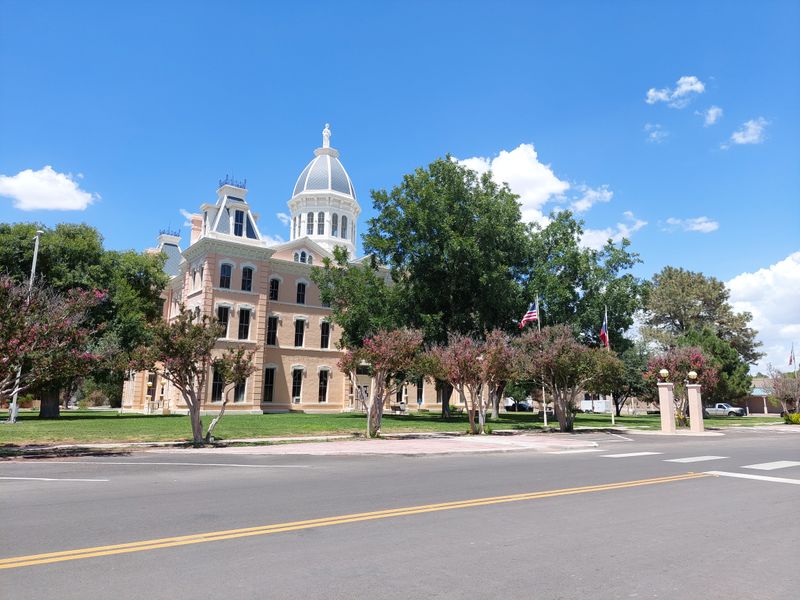
Out in the high desert of West Texas, Marfa sits surrounded by stark beauty and endless skies. What began as a humble ranching community became an unlikely art destination when minimalist artist Donald Judd arrived in the 1970s and established large-scale installations throughout the area.
His vision attracted galleries, artists, and cultural tourists from around the world, transforming this remote town into a pilgrimage site for art lovers.
The romantic image outsiders hold of Marfa centers on its artistic legacy, mysterious lights phenomenon, and trendy hotels housed in renovated buildings. Visitors imagine a bohemian paradise where creativity thrives against a backdrop of desert mountains.
Many come seeking inspiration, drawn by glossy magazine features showcasing the town’s minimalist aesthetic and cultural sophistication.
Longtime residents, particularly those from the majority Mexican-American community, experience a different reality. Property values have skyrocketed as wealthy buyers snap up homes for vacation properties or short-term rentals.
Nearly twenty percent of housing units now serve as rentals for tourists rather than homes for families who’ve lived here for generations.
The housing affordability crisis has forced many locals to leave the town their families called home for decades. Working-class residents find themselves priced out as boutique shops and galleries replace businesses that served everyday needs.
The cultural transformation has created a divide between the art world newcomers and the ranching families who built this community.
While Marfa’s artistic contributions deserve recognition, the romanticized version rarely acknowledges the displacement and economic hardship many locals face. The town’s transformation highlights how tourism and cultural attention can fundamentally alter a community’s character and affordability.
2. Fredericksburg
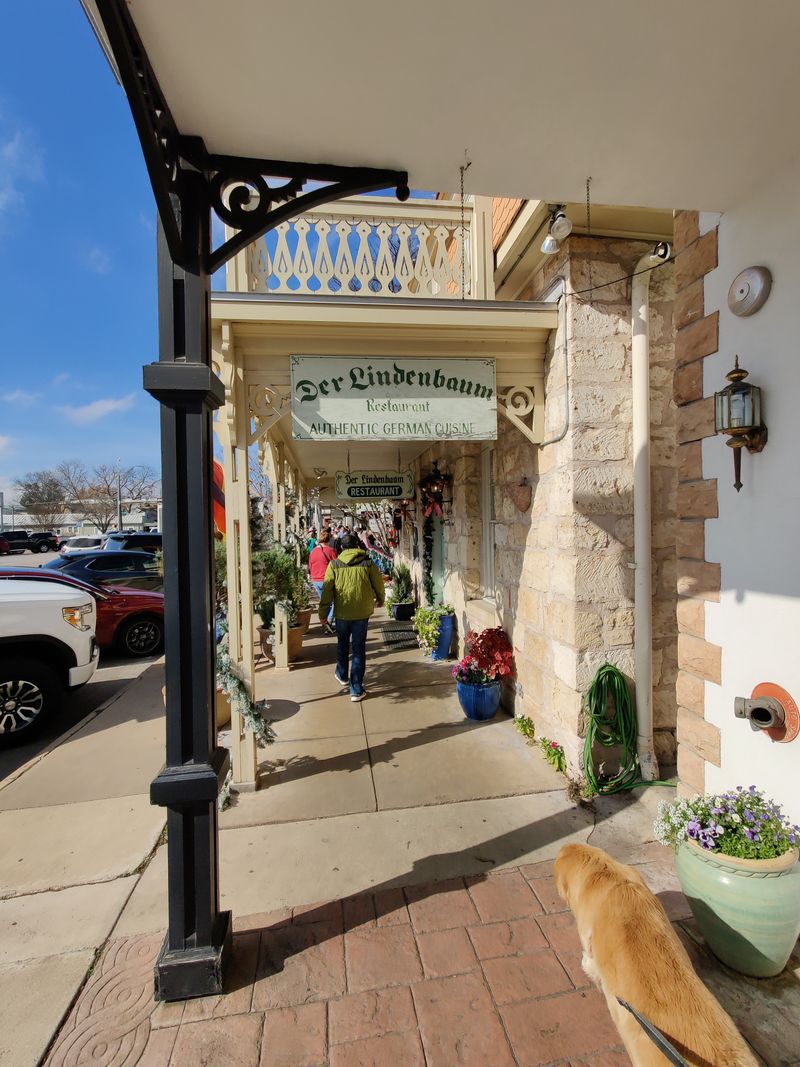
German heritage runs deep through the Hill Country, and Fredericksburg proudly celebrates its immigrant roots with festivals, architecture, and traditions. Founded in 1846 by German settlers, the town developed a distinct cultural identity that blended European customs with Texas frontier life.
For generations, this remained a close-knit agricultural community where families knew their neighbors and Main Street served local needs.
Outsiders romanticize Fredericksburg as a charming escape filled with authentic German culture, picturesque wineries, and quaint bed-and-breakfasts. Weekend visitors from San Antonio and Austin crowd the sidewalks, browsing boutiques and sampling wines at numerous tasting rooms.
Travel magazines paint the town as a perfect getaway destination where Old World charm meets Texas hospitality.
Locals watch their hometown transform into something that feels increasingly unfamiliar. Main Street now caters almost exclusively to tourists, with shops selling expensive gifts and home decor rather than everyday necessities.
The grocery stores and hardware shops that once anchored the business district have been replaced by wine bars and trendy restaurants with prices locals can’t afford.
Traffic congestion has become a serious problem on weekends, with visitors clogging streets that were never designed for such volume. Housing costs have climbed steadily as vacation rental properties multiply, making it difficult for young families and service workers to live in the community.
Many residents who work in the tourism industry find themselves commuting from neighboring towns because they can’t afford Fredericksburg anymore.
The authentic German heritage that made Fredericksburg special risks becoming a theme park version of itself, polished and packaged for tourist consumption while the real community struggles beneath the surface.
3. Wimberley
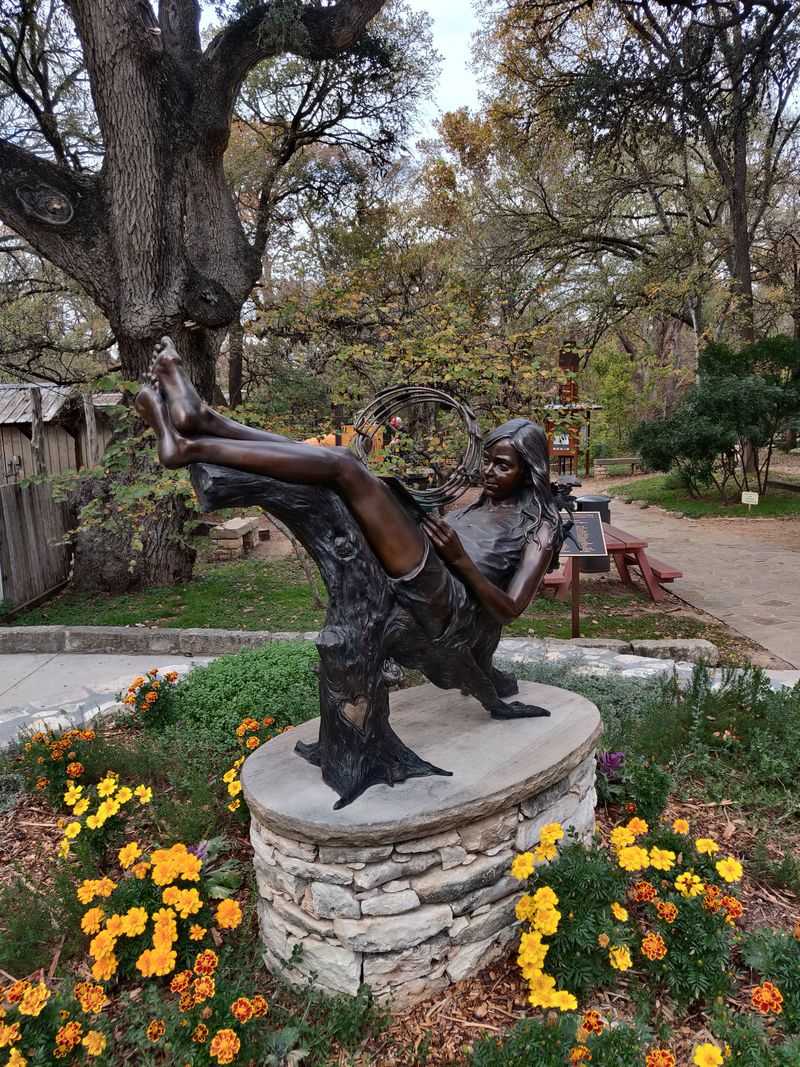
Cypress trees lean over clear spring-fed waters in this Hill Country haven that once offered peaceful retreat from city life. Wimberley grew slowly as a quiet artists’ colony and weekend escape for families seeking natural beauty without commercial development.
Blue Hole and Jacob’s Well became beloved swimming spots where locals could cool off during hot Texas summers, sharing these natural treasures with respectful visitors.
Social media has changed everything. Stunning photos of turquoise waters and limestone cliffs spread across Instagram, drawing crowds who see Wimberley as an undiscovered paradise.
Outsiders imagine a pristine natural wonderland where they can escape urban stress and reconnect with nature. Travel bloggers promote the town as a hidden gem, inadvertently ensuring it won’t stay hidden much longer.
The reality for residents involves traffic jams on roads that wind through the hills, overcrowded swimming holes, and environmental concerns about the impact of so many visitors. Jacob’s Well, a delicate natural spring, faces threats from overuse and the strain of increased development in the surrounding watershed.
What was once a tranquil morning swim now requires arriving at dawn to avoid the crowds.
Property values have climbed dramatically as Austin’s growth pushes buyers farther into the Hill Country. Longtime residents find themselves unable to afford the rising property taxes on land their families have owned for generations.
The peaceful character that made Wimberley special is disappearing under the weight of its own popularity.
Day-trippers leave behind trash and traffic but don’t contribute to the local economy in ways that help the community manage the impact.
Locals feel caught between wanting to share their beautiful home and watching it be loved to death by visitors who don’t understand the fragility of what they’re experiencing.
4. Luckenbach
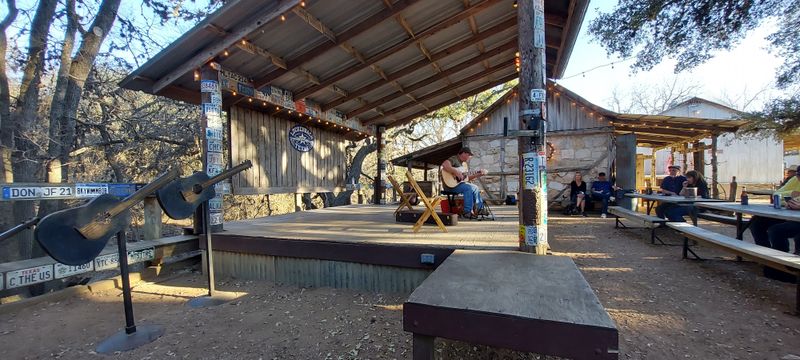
A song made this tiny community famous beyond anything its handful of residents could have imagined. When Waylon Jennings and Willie Nelson sang about Luckenbach in 1977, they immortalized a place where life moved slowly and troubles seemed far away.
The lyrics spoke to people’s longing for simpler times, creating a mythical version of small-town Texas that captured hearts across the nation.
Visitors arrive expecting to find the authentic, laid-back atmosphere described in the song. They picture a genuine gathering place where locals still sit under oak trees, playing music and sharing stories without pretense.
The romantic vision includes cold drinks, live music, and the kind of unpretentious community spirit that feels increasingly rare in modern America.
What they find is a carefully maintained tourist attraction that trades heavily on its musical legacy. The general store and dance hall serve as stages for the Luckenbach myth, with special events drawing massive crowds.
During popular weekends, the tiny town becomes overwhelmed with visitors, their cars lining the country roads and their voices drowning out any remaining authenticity.
Locals who remember when Luckenbach was truly a quiet gathering spot feel their community has been packaged and sold. The spontaneous music sessions and genuine neighborliness have been replaced by scheduled performances and commercial operations.
The irony isn’t lost on longtime residents that a song celebrating simplicity and authenticity turned their town into exactly the kind of commercial enterprise they were trying to escape.
Luckenbach has become a victim of its own romanticized image, unable to live up to the myth while also unable to return to what it once was.
5. Bandera
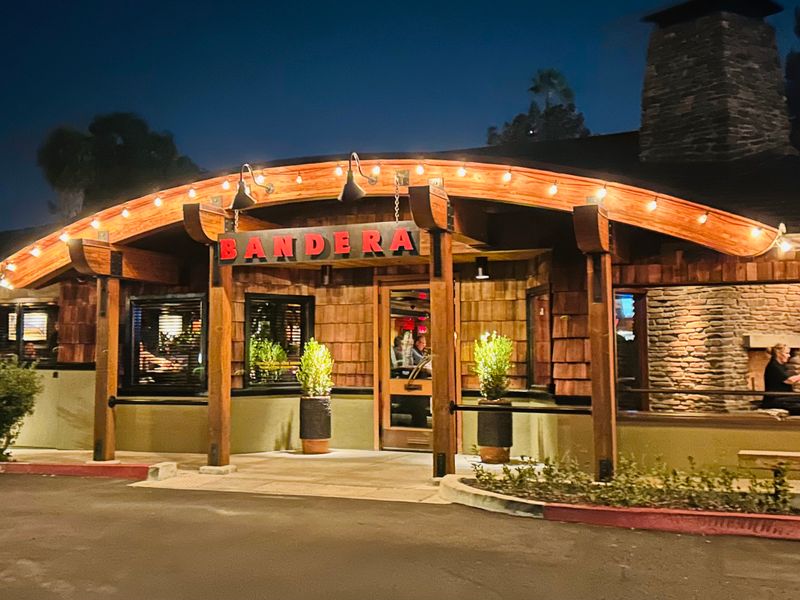
Cowboys still ride through this self-proclaimed Cowboy Capital of the World, but the relationship between working ranches and tourist operations has grown complicated. Bandera built its identity on genuine ranching culture, with families raising cattle and maintaining traditions passed down through generations.
Dude ranches began welcoming guests decades ago, offering city folks a taste of cowboy life while supporting working operations.
Modern visitors romanticize Bandera as a place where the Old West lives on unchanged. They imagine authentic cowboys, rodeos, and a lifestyle straight out of Western movies.
Travel companies market the town as a chance to experience real ranch life, complete with horseback riding, campfires, and stories under the stars.
The reality involves a tourism industry that has grown so large it sometimes overshadows the working ranching community. Guest ranches cater to visitors seeking cowboy experiences, but many operate more like resorts than actual working cattle operations.
The economic pressure to serve tourists has changed the character of some ranches, turning them into entertainment venues rather than agricultural businesses.
Longtime ranching families struggle with rising property values driven by buyers seeking Hill Country retreats or investment properties. Young people from ranching families find it difficult to stay in the business when land prices reflect tourism value rather than agricultural productivity.
The very success of Bandera’s cowboy image threatens the authentic ranching culture that created that image. Locals appreciate visitors who come to learn about ranching heritage with respect and genuine interest.
What frustrates them are tourists who expect a sanitized, entertainment-focused version of cowboy life without understanding the hard work, economic challenges, and environmental stewardship that real ranching requires in the modern era.
6. Gruene

Historic buildings line the streets of this Hill Country community that time seemed to forget. Gruene flourished in the late 1800s as a prosperous cotton town built by German immigrant Heinrich Gruene.
When the boll weevil devastated cotton crops and the Great Depression struck, the town’s growth stopped abruptly, leaving behind perfectly preserved Victorian-era architecture that would later prove invaluable.
Tourists romanticize Gruene as a perfectly preserved slice of Texas history where they can step back in time. The famous dance hall, operating since 1878, draws visitors seeking authentic Texas music and atmosphere.
Outsiders imagine a charming village where history lives naturally, unaware of how carefully the preservation has been managed and marketed.
The historic district functions essentially as an outdoor museum and shopping complex, with most businesses catering exclusively to tourists. Gruene Hall hosts nationally known musicians, and the surrounding shops sell antiques, gifts, and souvenirs at prices that reflect the area’s popularity.
What appears to be a living historic community is largely a commercial operation built around preserved buildings.
Locals from the broader New Braunfels area watch as Gruene becomes increasingly crowded and commercialized. Weekend traffic creates gridlock on small roads never designed for such volume.
The Guadalupe River that flows nearby has become so popular with tubers and kayakers that environmental concerns have prompted regulations and restrictions.
The preservation of Gruene’s historic buildings deserves praise, but the romanticized version visitors embrace often misses how thoroughly the area has been transformed into a tourist destination.
The carefully maintained historic appearance masks the commercial reality underneath, creating a kind of theme park version of Texas history rather than a genuine living community.
7. Port Aransas

Barrier island breezes blow across this Gulf Coast community that fishing families built over generations. Port Aransas grew as a working port and fishing village where shrimpers and charter captains made their living from the sea.
The laid-back beach town attracted visitors who appreciated its unpretentious character and genuine coastal culture, where locals and tourists mingled easily at fish houses and bait shops.
Outsiders now romanticize Port A as an unspoiled beach paradise offering authentic Texas coastal living. Social media showcases pristine beaches, colorful sunsets, and the relaxed island lifestyle that seems increasingly rare along developed coastlines.
Visitors seek the casual, flip-flop atmosphere they imagine defines true beach town living, far from the high-rise condos of other Gulf destinations.
Hurricane Harvey devastated Port Aransas in 2017, destroying homes and businesses throughout the community. The rebuilding process has accelerated changes that were already underway, with vacation rental properties replacing long-term housing and new developments catering to tourists rather than locals.
The working fishing community finds itself squeezed by rising property values and a tourism economy that has grown to dominate the island.
Commercial fishing families struggle to maintain their livelihoods as docks and waterfront properties are converted to tourist uses. The fish houses and ice docks that served working boats are being replaced by restaurants and rental properties.
Young people from fishing families often can’t afford to live on the island where they grew up, commuting from the mainland to work in the tourism industry.
Locals don’t oppose tourism, which has always been part of the island economy, but the scale and character have shifted dramatically.
The romanticized image of an authentic fishing village doesn’t acknowledge how thoroughly the community has been transformed or the challenges facing the people who’ve called this island home for generations.
Dear Reader: This page may contain affiliate links which may earn a commission if you click through and make a purchase. Our independent journalism is not influenced by any advertiser or commercial initiative unless it is clearly marked as sponsored content. As travel products change, please be sure to reconfirm all details and stay up to date with current events to ensure a safe and successful trip.
