Every local has that one story. The one about the time before the stoplight showed up, before the weekend traffic, before the souvenir shops multiplied.
These 10 Texas towns used to move at a slower pace, the kind where neighbors waved from porches and a Friday night high school game was the biggest event of the week. Then the crowds found them.
New restaurants opened, parking got tight, and suddenly a peaceful main street felt like a destination. The old timers still love their towns, but they will also tell anyone who listens about how things used to be.
A person can still find that charm underneath the bustle, but it takes a little more looking. Texas is growing, and some spots are feeling the shift.
1. Terlingua
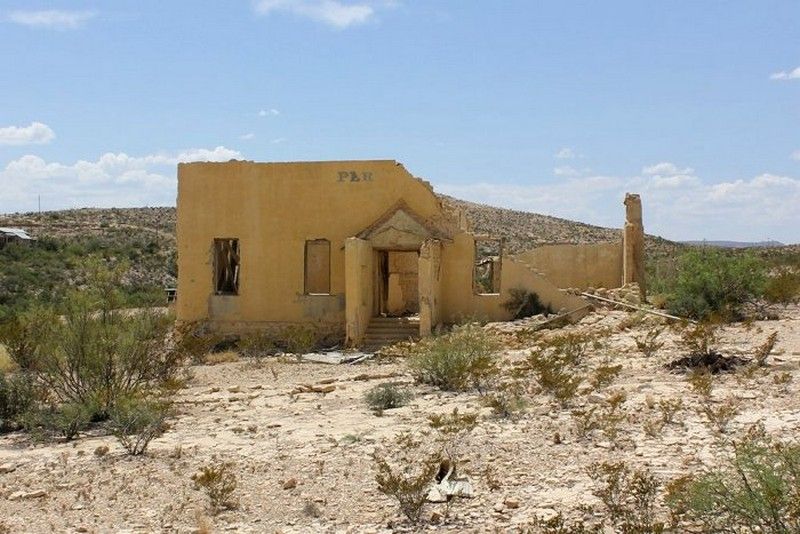
Out near the Big Bend country, Terlingua sits in one of the loneliest stretches of Texas desert you can imagine. Not long ago, it was the kind of place where a handful of stubborn souls lived off the grid, surrounded by cinnabar mine ruins and an almost spiritual silence.
The nearest grocery store was a serious drive, and that was exactly the point.
People who settled here chose it because it asked something of them. You had to want the remoteness, the heat, the stars so thick at night they looked painted on.
That bargain felt sacred to those who made it.
Now, the chili cook-off draws crowds that stretch far beyond the dusty main drag, and boutique camping setups have replaced the makeshift homesteads that once dotted the hillsides. Visitors arrive expecting atmosphere, and in some ways they find it.
But longtime residents quietly note that the desert used to feel like theirs in a way it no longer does.
The landscape itself has not changed much. The Big Bend sky is still overwhelming and the sunsets still stop you cold.
What shifted is the feeling of being alone inside all that beauty, and that is the part that cannot be replicated.
2. Fredericksburg
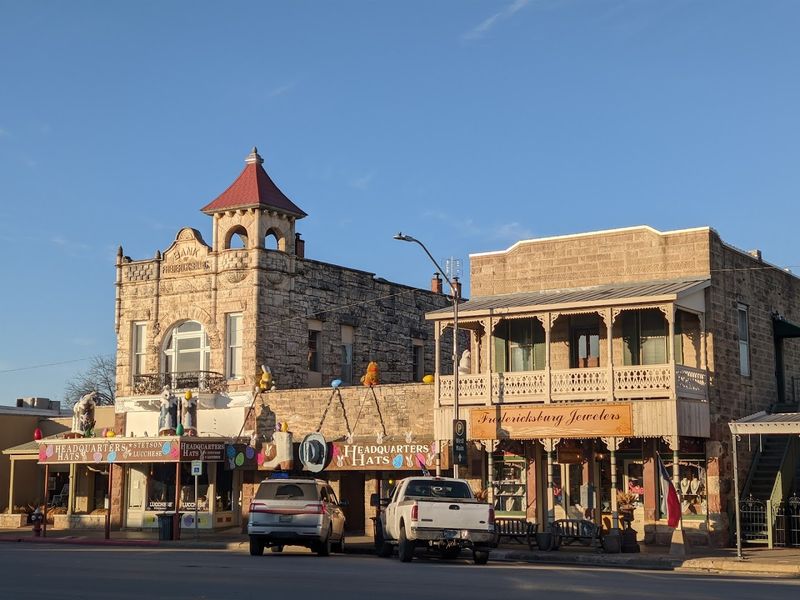
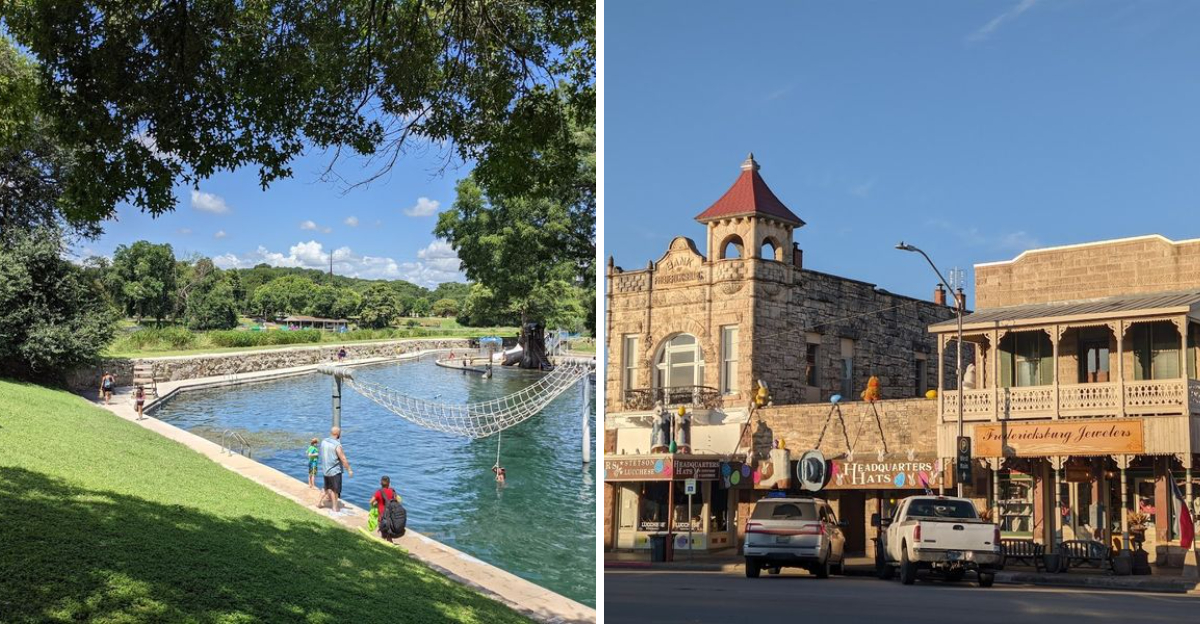
Fredericksburg was built by German immigrants in 1846, and for generations it held onto that heritage with quiet pride. Families farmed the surrounding Hill Country, kept traditions alive, and gathered at the same local spots their grandparents had known.
The pace was unhurried. Main Street had a rhythm that matched the seasons, not the tourist calendar.
Then the wineries arrived. One became ten, ten became fifty, and now there are over a hundred tasting rooms drawing more than a million visitors each year.
The town became the second most visited wine destination in the entire United States, which is a remarkable fact for a place that once felt like a well-kept secret.
Property values climbed steeply, traffic on Main Street thickened during weekends, and the agricultural identity that once anchored the community began to blur. Longtime residents still love their town, but many describe a kind of cultural whiplash when they compare today to even fifteen years ago.
The limestone buildings are still there, the peach orchards still bloom each spring, and the German heritage is still celebrated. But the crowd that fills the sidewalks now is largely passing through, not growing up here, and that difference is felt deeply.
3. Marfa
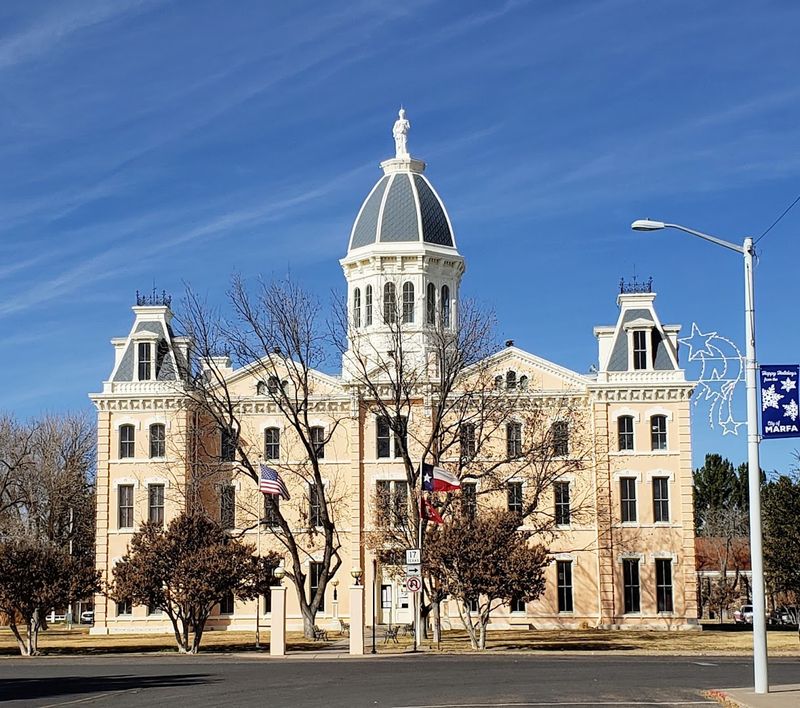
Before the art world discovered it, Marfa was a railroad stop in the middle of the Chihuahuan Desert where ranchers outnumbered everyone else combined. It had a courthouse, a few cafes, and the kind of dusty quiet that settles deep into your bones after a few hours.
Nobody was rushing anywhere, because there was nowhere particular to rush to.
Donald Judd changed that when he arrived in the 1970s and began filling the landscape with permanent minimalist installations. Slowly, then all at once, Marfa became internationally known.
Artists, collectors, and celebrities followed, drawn by the strange collision of emptiness and intention that Judd had created.
Today the town buzzes with boutique hotels, farm-to-table menus, and chic coffee shops that would feel at home in Brooklyn or East London. The clientele shifted completely, from working ranchers to cultural tourists clutching design magazines.
Some residents appreciate the economic lift. Others feel like they are living inside someone else’s art project.
What Marfa had before was a kind of accidental authenticity, the realness that comes from a place not trying to be anything. That quality is harder to find now, buried under the layers of curated cool that arrived with the admirers.
4. Port Aransas
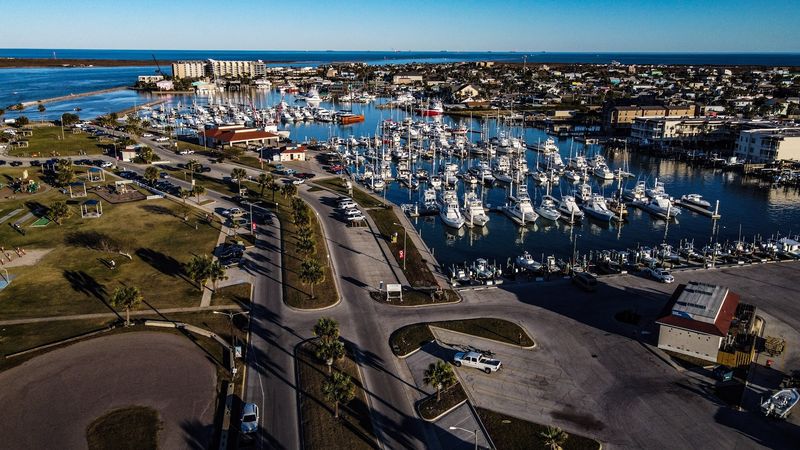
There was a time when Port Aransas belonged almost entirely to the fishermen. Life moved with the tides, mornings smelled like salt and diesel, and the community was bound together by shared knowledge of the water.
Visitors came, sure, but they came quietly and blended into the easy coastal rhythm without disrupting it much.
That balance tipped as the beaches gained wider recognition. Spring break crowds grew year after year, summer traffic thickened, and the fishing village identity slowly gave way to a vacation economy.
Hurricane Harvey hit in 2017 and, in the rebuilding that followed, development leaned heavily toward tourism infrastructure rather than restoring what had been there before.
Many longtime residents were displaced by rising costs during the reconstruction period. Some returned to find their neighborhood transformed into a short-term rental corridor where strangers rotated in and out every weekend.
The close-knit quality that once made Port Aransas feel like a real community became harder to locate.
The Gulf is still gorgeous here, the sunrises still paint the sky in shades of coral and gold, and the fishing is still good if you know where to go. But the town that greets you today is shaped by visitor expectations more than by the people who actually call it home year-round.
5. Galveston
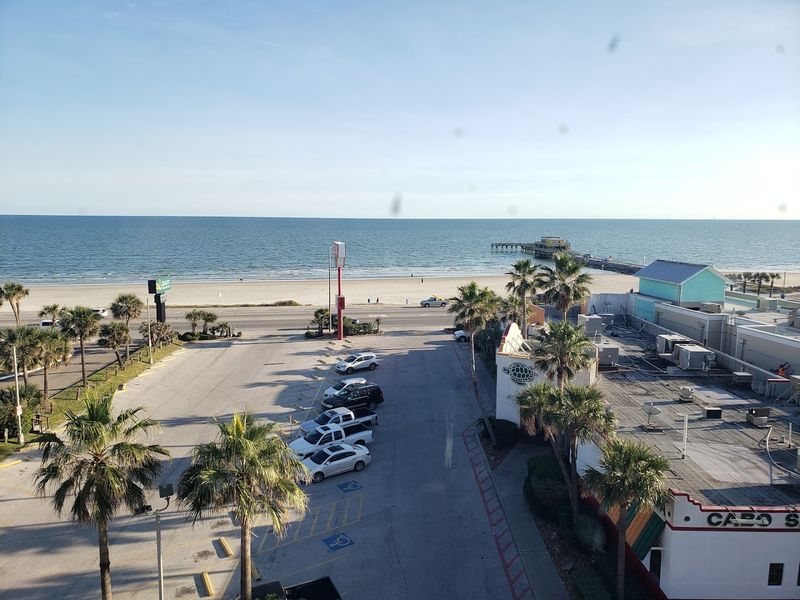
Galveston carries more history per square mile than almost anywhere else in Texas, and for a long stretch of its modern life, that history sat quietly beneath the surface. The island had a weathered, slightly faded quality that felt genuinely old rather than staged.
Neighborhoods of Victorian homes stood a little tired but beautiful, and the seawall drew a local crowd as much as a tourist one.
Over time, the island’s accessibility from Houston made it an increasingly popular weekend escape. Development picked up, new attractions multiplied, and the Strand district transformed from a somewhat overlooked historic corridor into a busy commercial strip.
The crowds that once came seasonally began arriving year-round.
Longtime residents describe a strange doubling, where the island they know intimately exists alongside the island that visitors experience, and the two rarely overlap. The local coffee shop becomes impossible on a holiday weekend.
The quiet beach spots get pinned on social media and stop being quiet.
Galveston’s resilience is real and well-earned, having survived storms, economic shifts, and decades of reinvention. But some of that gritty, unpolished character that made it feel like a living place rather than a destination has softened under the weight of its own popularity.
6. New Braunfels
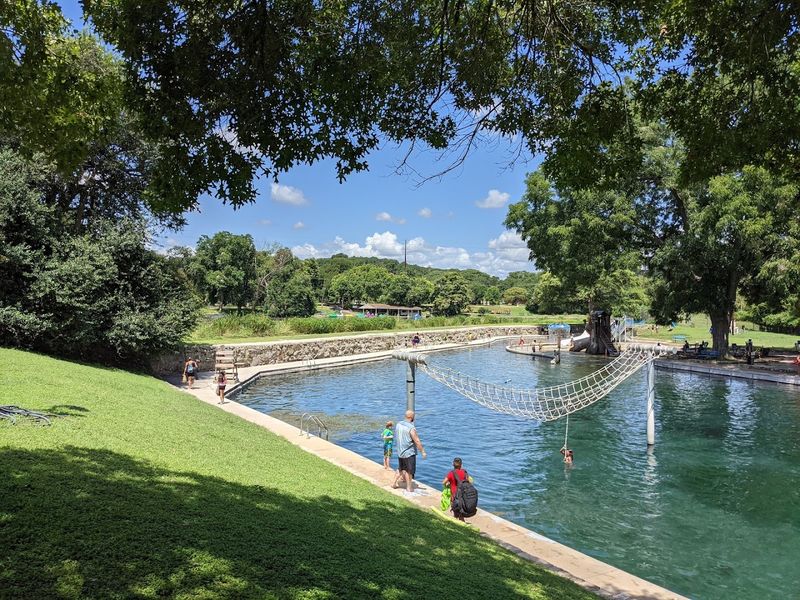
New Braunfels had a long run as one of those Texas towns that people from larger cities discovered and kept quietly to themselves. The Comal and Guadalupe rivers made it a natural draw, and the German heritage gave it a distinct personality that felt rooted rather than performed.
Summer tubing was a local ritual, not a branded experience.
Then the growth hit hard. New Braunfels became one of the fastest-growing cities in the United States during the 2010s, and the transformation was visible almost block by block.
Farmland gave way to subdivisions, local businesses faced rising rents, and the river corridors got crowded in a way that changed how residents related to them.
The Comal River on a peak summer weekend now looks less like a lazy float and more like a slow-moving parade. The charm is still there if you time it right, but timing it right requires knowledge and flexibility that visitors rarely have.
Residents who have been here for decades will tell you the town still has its soul, and they are probably right. But that soul now has to work a little harder to make itself heard over the noise of a community that grew faster than anyone planned for, and the growing pains are very much ongoing.
7. Wimberley
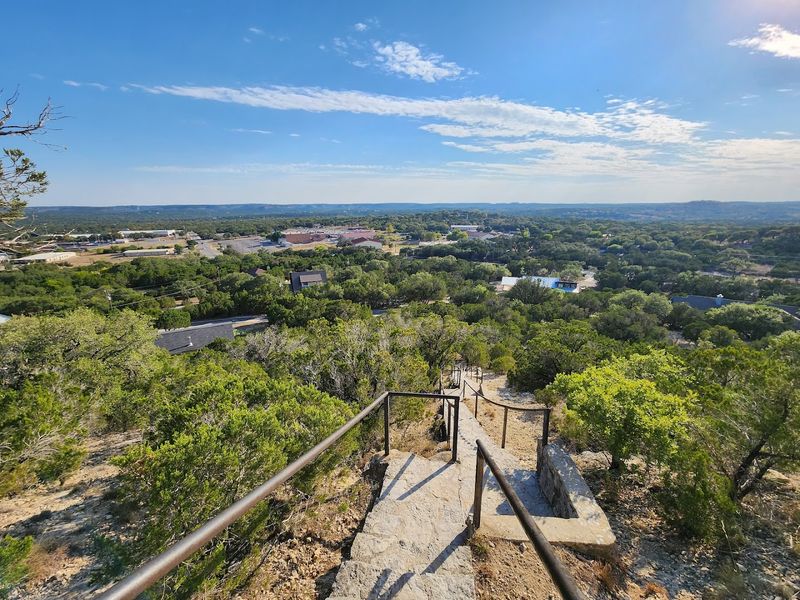
Wimberley started as a trading post in 1848, built around a gristmill near the Blanco River, and for most of its existence it carried that modest, functional energy.
Cattle ranching and cotton farming defined the economy for generations, and the community that formed around those industries was tight and unhurried.
It whispered simplicity in a way that felt completely unself-conscious.
The shift toward arts and tourism crept in gradually, then accelerated. The market days became famous, the swimming holes went viral, and Wimberley found itself roaring with enthusiasm it had never asked for.
Finding a quiet corner on a summer weekend became a genuine challenge rather than a given.
Jacob’s Well, the natural spring that once felt like a neighborhood swimming hole, now requires reservations and careful crowd management to keep it from being loved to pieces. That is both a success story and a kind of loss, depending on how long you have been coming here.
The Hill Country scenery is undeniably beautiful, and Wimberley still draws artists and makers who contribute something real to the community’s character.
But longtime residents feel the difference between a town that grew organically and one that grew because the internet decided it was worth visiting.
That difference lives in the details.
8. Dripping Springs
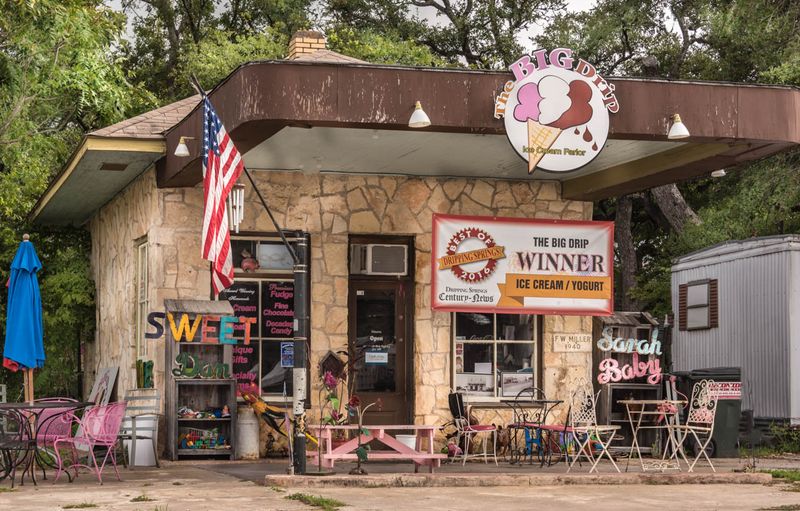
For nearly a century after its 1881 city plan was drawn up, Dripping Springs was exactly what its name suggested: unhurried, natural, and easy to overlook. It was a farm and ranch community where people knew their neighbors by name and by the truck they drove.
The land mattered more than the zip code, and nobody was moving here to be close to anything except the Hill Country itself.
Around 2010, everything shifted. Affordability compared to Austin, combined with the area’s natural beauty, made Dripping Springs a magnet for families and remote workers.
The growth was rapid, almost disorienting. Roads that once carried tractors now carry a steady stream of commuter traffic, and the open land between properties has been steadily filling in.
Some longtime residents joke about the Teslas parked at the feed store, but the humor has an edge to it. The community is still friendly, still genuinely Texan in its bones, but the original farming identity has been largely absorbed into a suburban expansion narrative that few people here chose.
New residents bring energy and investment, and the local food scene has genuinely flourished. But the version of Dripping Springs that existed before the growth spurt, quiet, rooted, and slightly forgotten, lives mostly in the memories of the people who knew it then.
9. South Padre Island
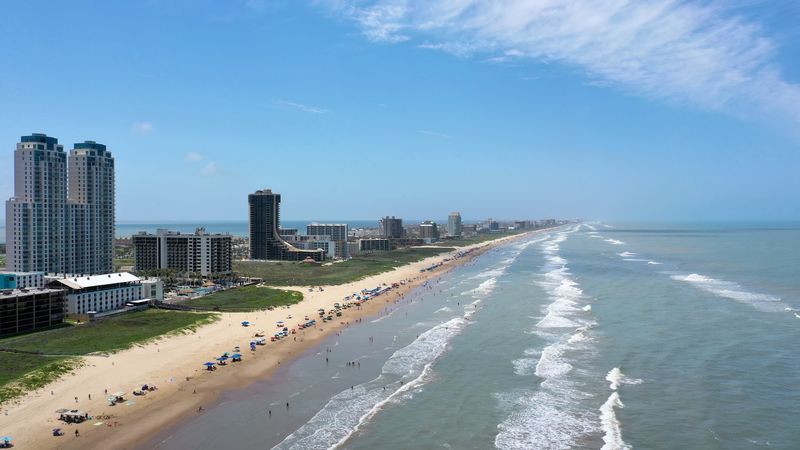
South Padre Island sits at the southern tip of Texas, separated from the mainland by the Laguna Madre, and for much of its history that geography kept it delightfully isolated.
The fishing was exceptional, the beach stretched on without interruption, and the community that lived here had a casual, salt-worn ease that felt genuinely earned rather than curated.
Spring break changed the conversation permanently. The island became synonymous with college crowds, and the infrastructure built to accommodate them reshaped the town’s identity in lasting ways.
Year-round residents found themselves living inside someone else’s vacation destination, navigating the same roads and beaches that briefly became unrecognizable each March.
Outside of peak season, South Padre still shows flashes of its original self. The birdwatching is world-class, the sunsets over the Laguna Madre are extraordinary, and the pace drops back to something manageable.
Those quieter months remind residents why they chose this particular stretch of coast in the first place.
But the development that followed the crowds has permanently altered the island’s physical character. High-rise condos now block views that once belonged to everyone, and the low-key fishing culture that anchored the community for decades occupies a smaller and smaller piece of the overall picture.
The island remembers what it was, even if the skyline does not.
10. Boerne
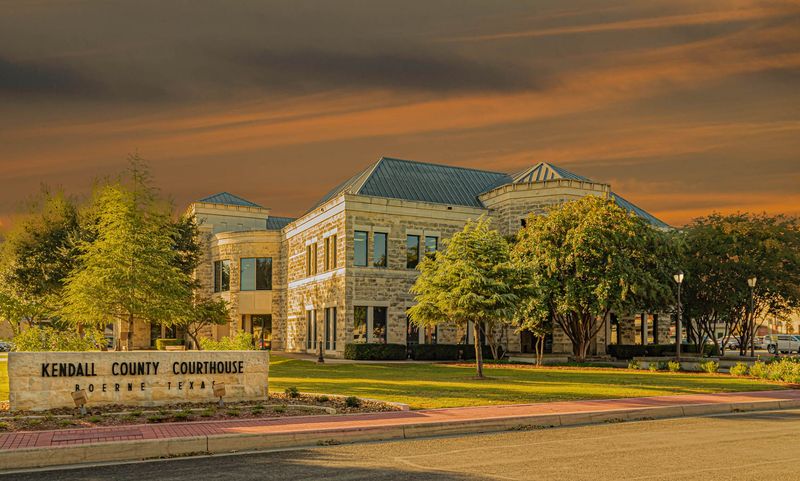
Boerne has a particular kind of Hill Country grace that comes from age and limestone and big old oak trees that have been shading the same streets for over a century.
It was founded by German freethinkers in 1852, and for a long time it held onto a quiet, slightly eccentric identity that made it feel unlike anywhere else in Texas.
People chose Boerne because it was not San Antonio, even though San Antonio was close.
That proximity eventually became the thing that changed everything. As San Antonio expanded and Austin’s influence spread westward, Boerne found itself positioned perfectly for suburban growth.
The population climbed steadily, new neighborhoods spread across the surrounding hills, and the historic main street began attracting the kind of boutique traffic that signals a town in transition.
Longtime residents are not entirely unhappy about the growth. The restaurants are better, the events calendar has filled out, and the community still has a warmth that newer boomtowns often lack.
But something about the scale has shifted in a way that is hard to name precisely.
Boerne used to feel like a discovery, the kind of place you told friends about in a low voice because you wanted it to stay small. It does not feel like that anymore, and the people who found it first carry that awareness quietly, like something they are still adjusting to.
