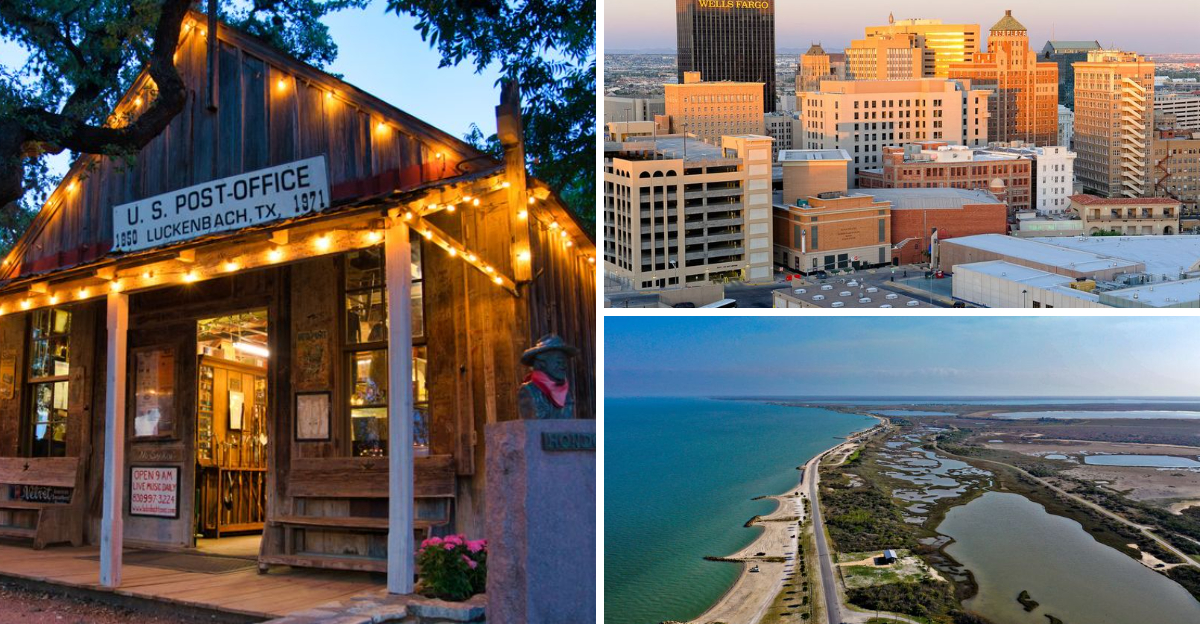
Texas is full of places everyone seems to know about, even though hardly anyone has actually been there.
I have heard these towns mentioned in songs, campfire stories, and random conversations like they are common knowledge, but when I asked people if they had visited, the answer was almost always no. That gap between reputation and reality is what pulled me in.
These towns live somewhere between myth and map, where the stories feel bigger than the streets and history still clings to every dusty corner. What makes a place famous without crowds?
Why do some towns become legends while staying strangely untouched? That is what sent me down back roads and into places that feel frozen in time.
Ahead are the Texas towns everyone talks about, few people visit, and even fewer truly understand once they get there.
1. Luckenbach
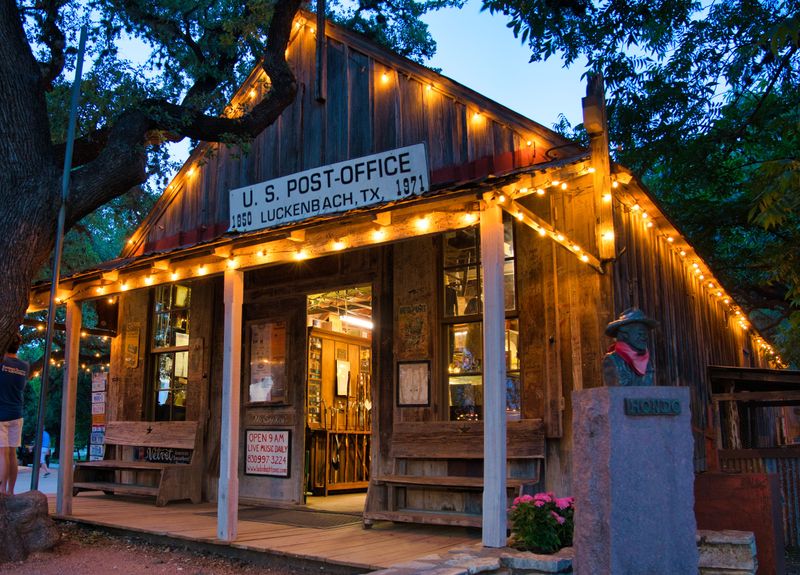
Country music lovers recognize this name instantly, thanks to Waylon Jennings immortalizing it in song back in the 1970s. Luckenbach sits tucked away in Gillespie County, a tiny unincorporated community that barely registers on most maps.
What it lacks in population, it makes up for in character and charm that draws musicians and dreamers from around the globe.
The historic dance hall still hosts live performances, where guitars echo under tin roofs and strangers become friends over shared melodies. Next door, the old general store sells everything from postcards to handmade crafts, preserving that authentic frontier spirit.
Walking through Luckenbach feels like stepping into a living postcard where time moves slower and worries fade faster.
The town’s motto, “Everybody’s somebody in Luckenbach,” isn’t just clever marketing. It captures the welcoming vibe that makes visitors feel like honored guests rather than tourists.
Whether you’re tapping your boots to a local band or simply soaking in the laid-back atmosphere, this little slice of Texas history delivers big on authenticity and heart.
2. Lobo
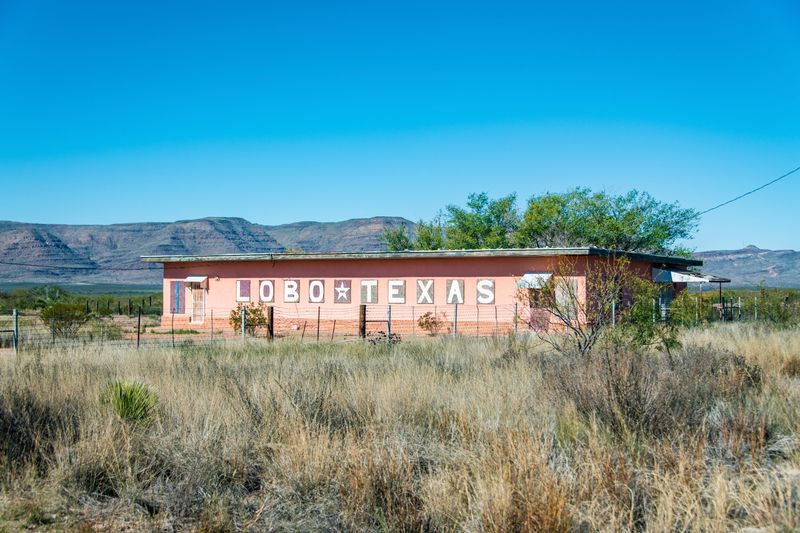
Ghost towns don’t get much more atmospheric than Lobo, where silence hangs heavy and history whispers through empty buildings. Located in remote Culberson County, this abandoned settlement once thrived as a watering stop for weary travelers crossing the harsh West Texas desert.
From 1907 until 1942, the post office kept the community connected to the outside world.
By 1991, the last residents had departed, leaving behind skeletal structures that now serve as monuments to frontier ambition. Crumbling adobe walls and rusted metal roofs tell stories of families who carved out lives in one of America’s most unforgiving landscapes.
Photographers and history enthusiasts make pilgrimages here, capturing images that blend beauty with melancholy.
Standing among Lobo’s ruins, you can almost hear echoes of stagecoaches and smell dust kicked up by cattle drives. The isolation feels profound, reminding visitors how quickly thriving communities can fade when circumstances change.
It’s a humbling experience that connects you directly to Texas’s wild past, offering perspective you won’t find in any textbook or museum display.
3. Patton Village
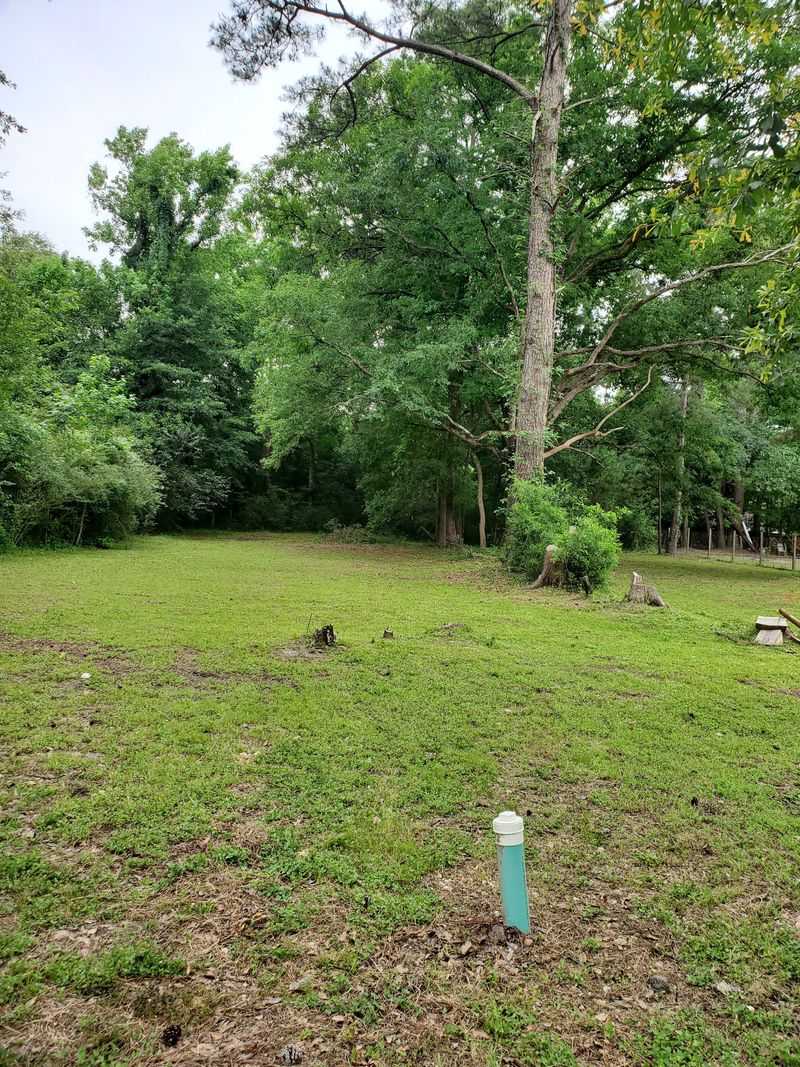
Few towns have earned notoriety quite like Patton Village, which became infamous during the 1980s as one of Texas’s most aggressive speed traps. Incorporated in 1966 in Montgomery County, this small community discovered that traffic enforcement could generate serious revenue.
Drivers learned to dread the stretch of road through town, where speed limits dropped suddenly and patrol cars seemed to lurk behind every tree.
The reputation spread far and wide, making Patton Village a punchline in conversations about small-town policing tactics. National media covered the phenomenon, and travelers shared warnings like folklore passed between generations.
For years, the town’s name became synonymous with roadside justice and hefty fines that funded municipal operations.
Recent decades have seen Patton Village work hard to shed that image and reinvent itself as a welcoming community. Local leaders emphasize small-town charm over citation quotas, hoping to attract visitors interested in genuine Texas hospitality.
The transformation hasn’t been easy, proving that reputations, once established, cling stubbornly even when communities genuinely change direction and priorities.
4. Tee Pee City
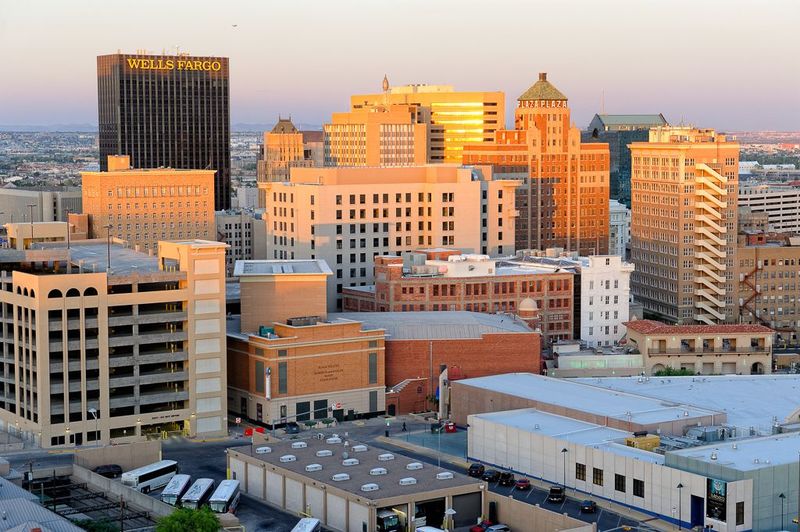
Wild doesn’t begin to describe Tee Pee City, which earned a reputation for lawlessness that eventually led to its closure. Established in 1875 in eastern Motley County, the settlement served as a trading post where buffalo hunters and surveying parties could resupply and rest.
The frontier atmosphere attracted rough characters, and order remained a distant concept in this remote outpost.
Stories from Tee Pee City’s brief existence read like Western movie scripts, filled with colorful personalities and questionable decisions. Without consistent law enforcement, disputes were settled through methods that wouldn’t pass legal muster in more civilized communities.
By 1904, authorities had seen enough and shut down operations, scattering residents to more respectable towns.
Today, only a 1936 Texas historical marker and a handful of weathered gravestones mark where Tee Pee City once stood. The marker’s brief text hints at the drama that unfolded here, leaving much to imagination.
Visitors often feel a strange energy at the site, as if the spirits of those buried nearby still remember when this lonely spot bustled with activity, however chaotic and ungoverned it might have been.
5. Terlingua
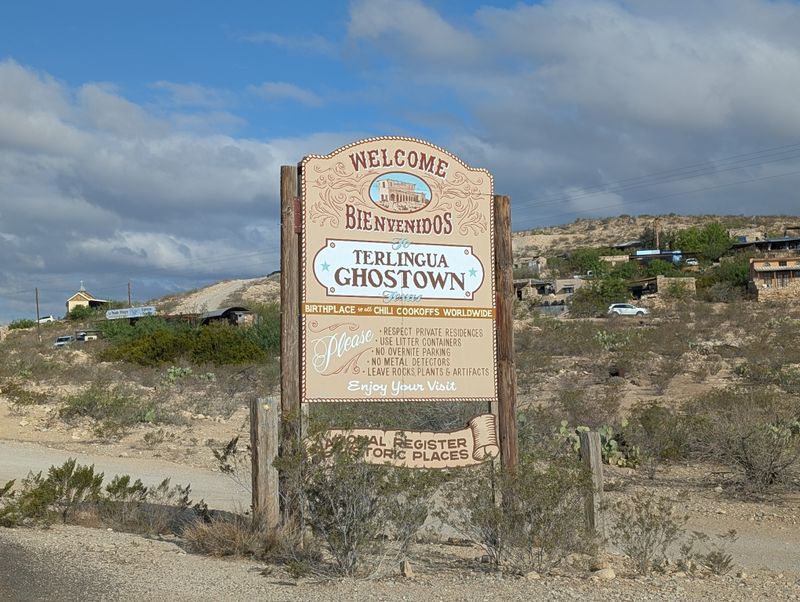
Chili cook-offs put Terlingua on the map, transforming this Brewster County ghost town into an unlikely annual destination for spice enthusiasts. Once a thriving quicksilver mining community, the town boomed in the early 1900s before the mines played out and residents departed.
Abandoned buildings crumbled under the relentless desert sun, creating an eerie landscape that attracted artists and adventurers.
Then came the chili championships, which began in 1967 and grew into a legendary gathering that draws thousands of competitors and spectators. The event’s quirky spirit matches Terlingua’s eccentric vibe perfectly, creating a temporary city of tents, RVs, and enthusiastic cooks.
Outside of November’s festivities, the town maintains its haunting beauty and sparse population.
Big Bend National Park sits nearby, making Terlingua a convenient base for exploring one of America’s most spectacular wilderness areas. The combination of ghost town atmosphere, stunning desert scenery, and proximity to world-class hiking creates unique appeal.
Sunsets here paint the Chisos Mountains in colors that seem impossible, while stars emerge so bright they feel close enough to touch, reminding visitors why Texas’s remote corners hold such powerful magic.
6. Glenrio
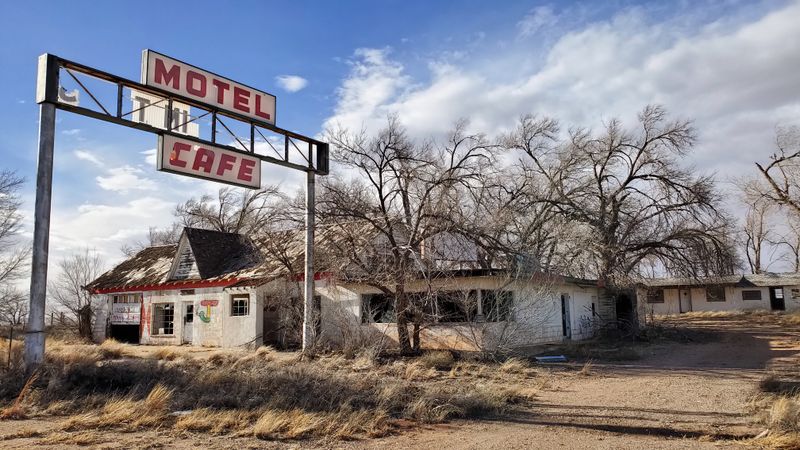
Route 66 nostalgia runs deep in Glenrio, which straddles the Texas-New Mexico border like a time capsule from America’s golden age of road trips. During the highway’s heyday, this tiny community thrived on travelers needing gas, food, and rest before continuing their cross-country journeys.
Motels, diners, and service stations lined the main drag, their neon signs promising comfort and convenience.
Interstate 40’s construction in the 1970s bypassed Glenrio completely, cutting off the lifeblood of passing traffic. Businesses closed almost overnight, unable to survive without customers.
The town emptied, leaving behind perfectly preserved examples of mid-century roadside architecture that now attract photographers and history buffs documenting America’s vanishing landscapes.
Walking through Glenrio feels like exploring a movie set, with vintage gas pumps standing sentinel and faded advertisements still visible on building walls. Each structure tells stories of families who built dreams along the Mother Road, only to watch them crumble when transportation patterns shifted.
The experience offers bittersweet reflection on progress and loss, reminding us that what seems permanent and prosperous can vanish surprisingly quickly when circumstances change.
7. Marfa
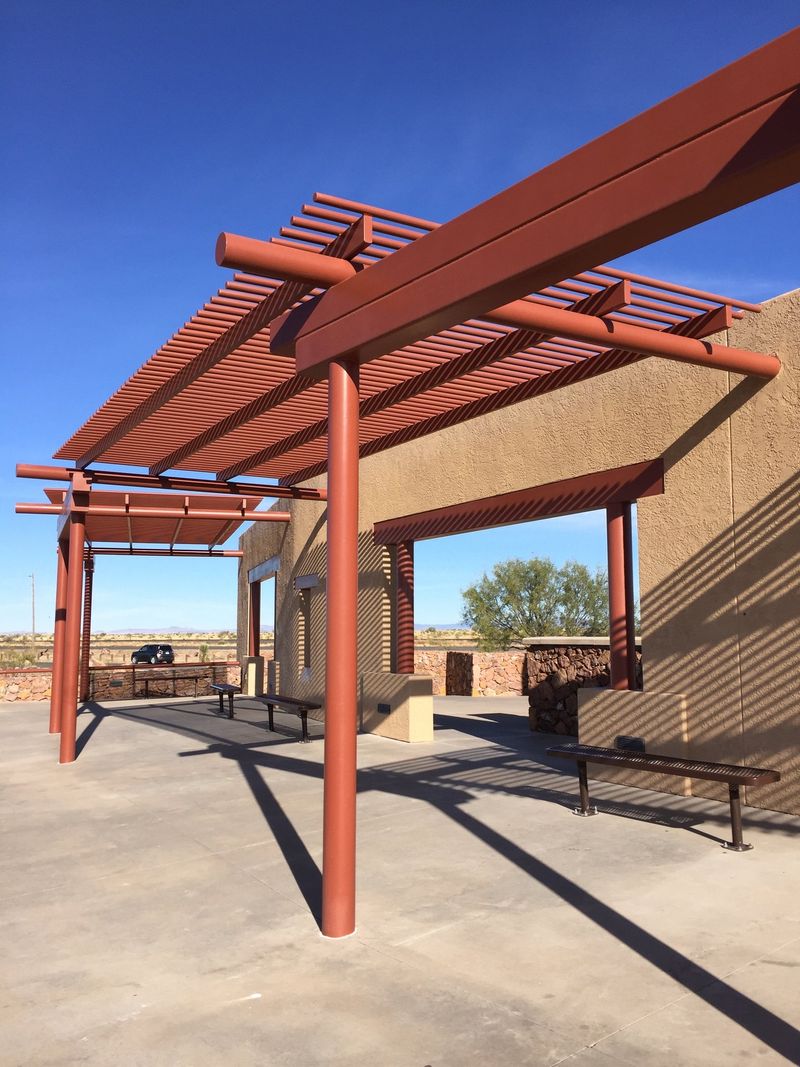
Art galleries seem wildly out of place in the remote West Texas desert, yet Marfa has become an unlikely cultural mecca attracting creative types from around the world.
The transformation began when minimalist artist Donald Judd established a foundation here in the 1970s, installing large-scale sculptures that interact dramatically with the stark landscape.
What started as one visionary’s project has blossomed into a thriving arts community.
The mysterious Marfa Lights add another layer of intrigue, with unexplained glowing orbs appearing regularly on the horizon. Scientists debate their origin while visitors gather at the official viewing area, hoping to witness the phenomenon.
Whether natural occurrence or something stranger, the lights have generated countless theories and endless fascination.
Despite its growing fame, Marfa maintains a population under 2,000, creating surreal contrast between small-town simplicity and sophisticated cultural offerings.
High-end restaurants serve innovative cuisine, contemporary galleries showcase cutting-edge work, and stylish boutique hotels provide luxurious accommodations.
Yet cattle ranches still surround the town, and cowboy culture remains deeply rooted. This blend of art and authenticity makes Marfa genuinely unique, defying easy categorization or comparison.
8. Thurber
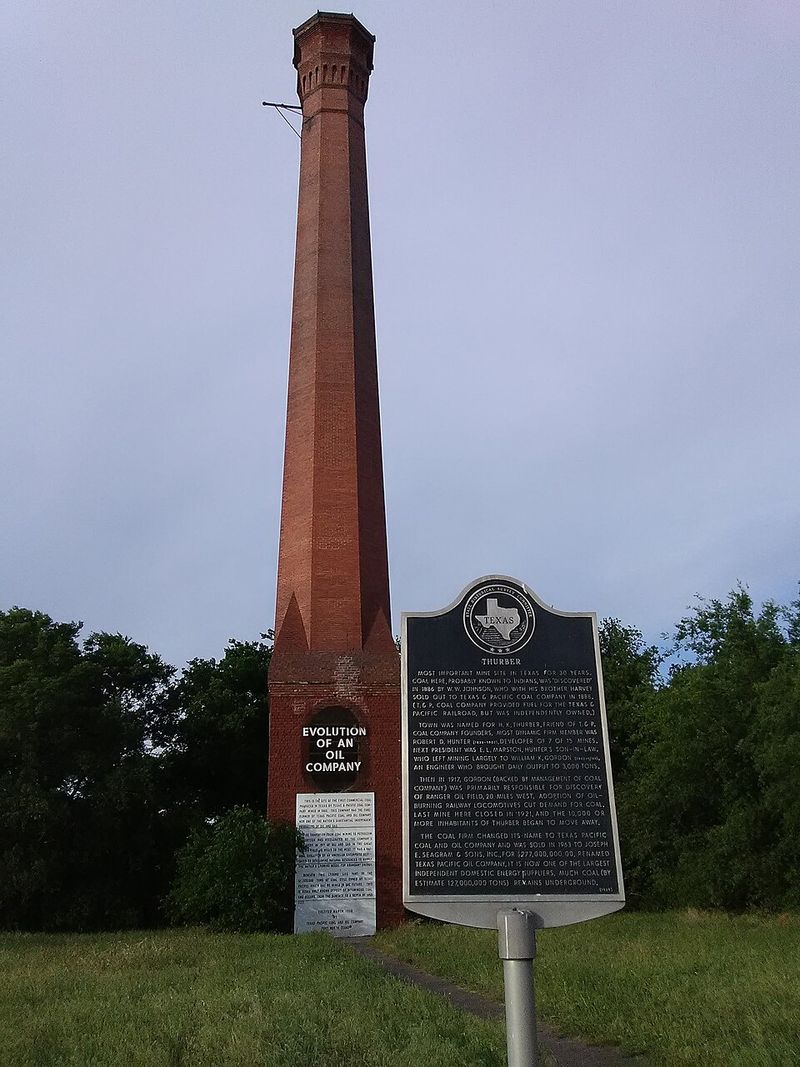
Company towns rarely survive once the industry supporting them disappears, and Thurber stands as a fascinating example of this pattern. Located in Erath County, the community thrived from the 1880s through the 1920s as a coal mining and brick manufacturing center.
At its peak, roughly 10,000 people called Thurber home, making it one of the largest towns in the region.
The population was remarkably diverse for rural Texas, with immigrants from Italy, Poland, and Mexico working side by side in the mines. The town boasted modern amenities including electricity, an opera house, and the first completely electrified streetcar system in Texas.
Prosperity seemed assured until natural gas emerged as a cheaper fuel alternative.
When the mines closed in the 1920s, Thurber’s population evaporated almost overnight. Today, only a restored company store and smokestack remain as monuments to the town’s industrial past.
A small restaurant serves travelers along Interstate 20, where a giant brick smokestack towers as a landmark visible for miles. The site offers sobering lessons about economic dependence and the impermanence of even the most successful communities when market conditions shift dramatically.
9. Indianola
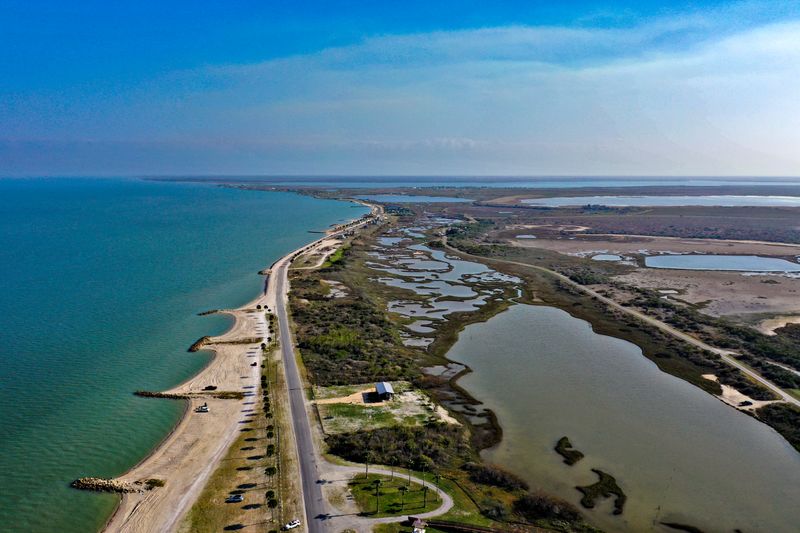
Natural disasters can erase entire communities, and Indianola’s tragic story illustrates nature’s devastating power. This Calhoun County port city once rivaled Galveston in importance, serving as a major gateway for immigrants and goods entering Texas.
By the 1870s, roughly 5,000 residents enjoyed the prosperity that maritime commerce brought to their thriving community.
Then came September 1875, when a massive hurricane slammed into the coast, destroying much of the city and killing hundreds. Survivors rebuilt with determination, refusing to abandon their homes and businesses.
Their resilience seemed admirable until September 1886, when an even more powerful hurricane struck, essentially wiping Indianola off the map completely.
After the second catastrophe, residents finally accepted defeat and relocated to safer inland locations. Today, nothing remains above water except a historical marker on the shore, as the Gulf of Mexico has claimed the land where streets once bustled.
The story haunts anyone who reads it, serving as a humbling reminder that humans can’t always overcome nature’s fury. Indianola’s complete disappearance stands among the most dramatic examples of how quickly civilization can vanish when facing forces beyond human control.
10. Shafter
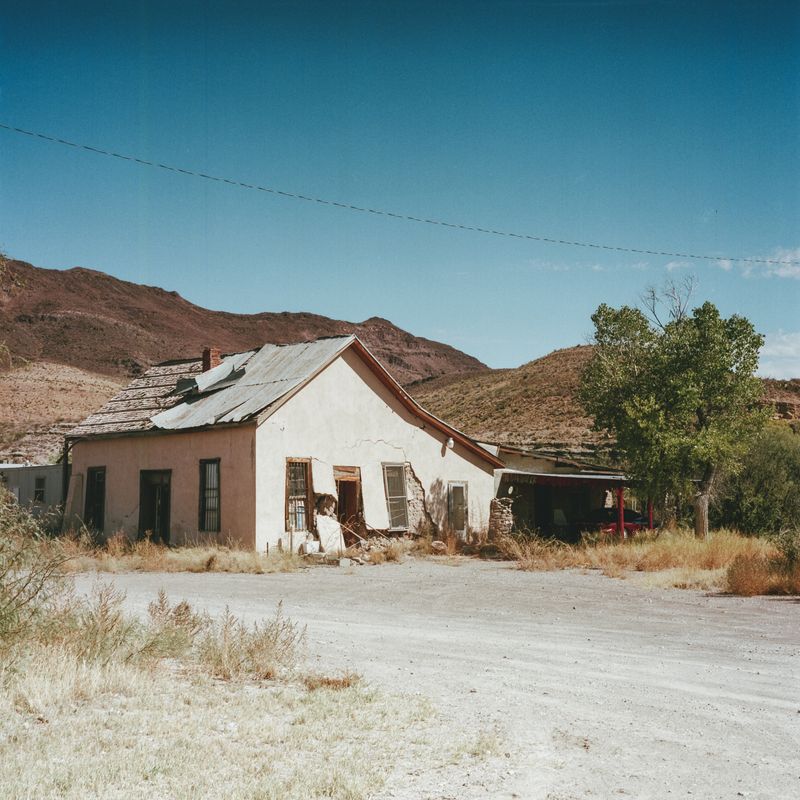
Silver mining created Shafter in remote Presidio County, where prospectors discovered rich ore deposits in the 1880s. The town grew quickly as miners arrived seeking fortune, and by the early 1900s, sophisticated operations extracted valuable metal from the surrounding mountains.
Shafter became one of the most productive silver mining centers in Texas, generating wealth that seemed limitless.
Elegant buildings rose to house mining executives and their families, creating pockets of Victorian refinement in the harsh Chihuahuan Desert. The mines operated successfully for decades, surviving economic downturns that closed less productive operations.
Eventually, declining ore quality and falling silver prices made continued extraction unprofitable, and the mines shut down permanently in the 1940s.
Modern Shafter exists as a quiet shadow of its prosperous past, with only a handful of residents remaining. Abandoned mine structures dot the landscape, their rusting machinery slowly surrendering to desert conditions.
The ghost town attracts adventurers willing to make the long drive to this isolated corner of Texas, where mountain scenery and mining history combine to create an otherworldly atmosphere.
Standing among the ruins, you can almost hear echoes of picks striking rock and imagine the excitement when rich veins were discovered.
Dear Reader: This page may contain affiliate links which may earn a commission if you click through and make a purchase. Our independent journalism is not influenced by any advertiser or commercial initiative unless it is clearly marked as sponsored content. As travel products change, please be sure to reconfirm all details and stay up to date with current events to ensure a safe and successful trip.
