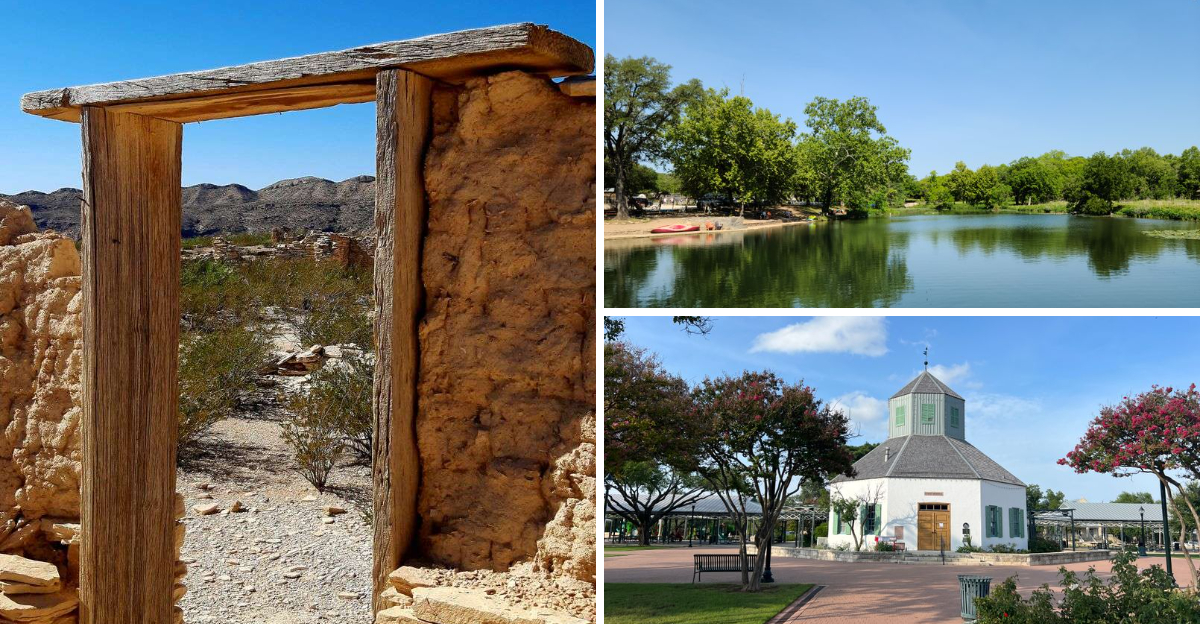
Texas is famous for cowboys, barbecue, and wide-open prairies, but hidden across the Lone Star State are towns that feel like you’ve stepped into a completely different world.
From artistic desert oases to European-inspired villages, these unique communities offer experiences that surprise even lifelong Texans.
Whether you’re drawn to quirky culture, stunning landscapes, or rich history, these towns break the mold and invite you to explore a side of Texas most people never expect.
Get ready to discover places where the spirit of Texas blends with something wonderfully unexpected.
1. Marfa: Desert Art Colony
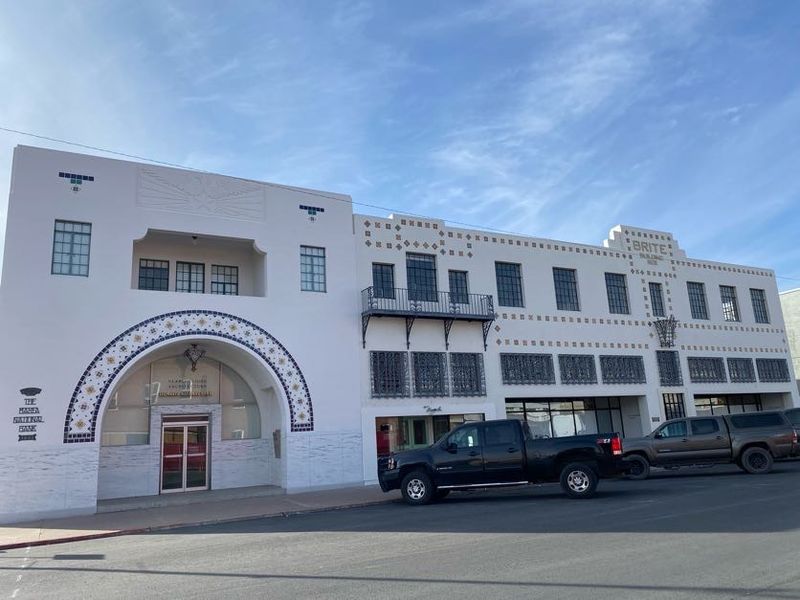
Way out in the vast West Texas desert, Marfa stands as one of the most unexpected art destinations in America.
What began as a quiet ranching town transformed in the 1970s when minimalist artist Donald Judd arrived and started purchasing buildings to house his large-scale installations.
Today, the Chinati Foundation displays permanent works by Judd and other contemporary artists across former military buildings and the surrounding desert landscape.
Walking through Marfa feels like entering an alternate dimension where high art meets cowboy culture.
Gallery openings happen alongside cattle ranches, and you might spot an art collector chatting with a fourth-generation rancher at the local diner.
The town’s small population embraces this unusual blend, creating a welcoming atmosphere for visitors curious about both the art scene and the stark beauty of the Chihuahuan Desert.
One of Marfa’s most photographed attractions sits just outside town on Highway 90.
The Prada Marfa installation looks like a luxury boutique dropped in the middle of nowhere, complete with real handbags and shoes displayed in the windows.
Created by artists Elmgreen and Dragset, this permanent sculpture comments on consumerism and has become an iconic roadside landmark.
The mysterious Marfa Lights add another layer of intrigue to this already fascinating place.
For over a century, people have reported seeing unexplained glowing orbs dancing across the desert horizon at night.
Scientists and skeptics offer various theories, but the lights remain unexplained, drawing curious visitors to the official viewing area east of town.
Between the world-class art, dramatic desert scenery, and enduring mysteries, Marfa proves that Texas contains multitudes far beyond its stereotypical image.
2. Fredericksburg: Hill Country Germany
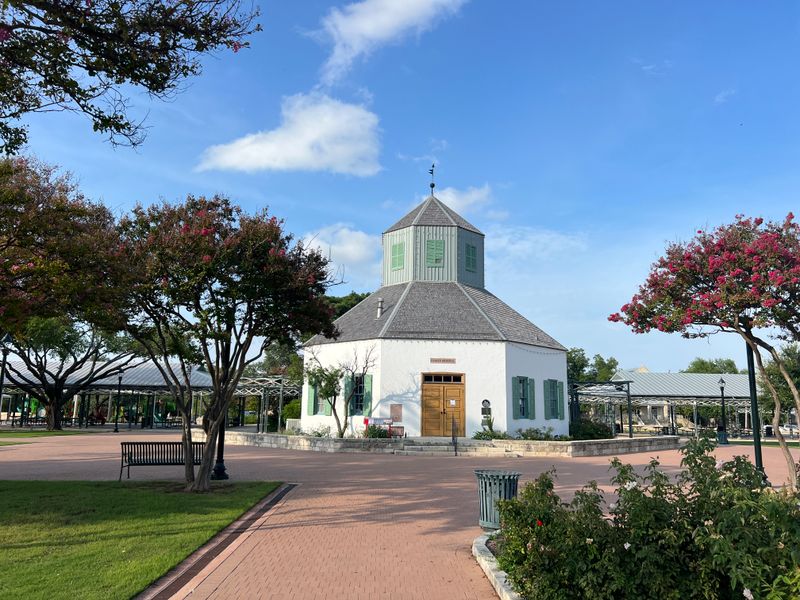
Driving into Fredericksburg feels like crossing an invisible border into a corner of Bavaria transplanted to the Texas Hill Country.
German immigrants founded this town in 1846, and their cultural influence remains deeply woven into every aspect of local life.
Traditional German architecture lines Main Street, where you’ll find authentic bakeries serving strudel and pretzels alongside shops selling handcrafted goods.
The town celebrates its heritage through festivals, cuisine, and even a German dialect once commonly spoken here called Texas German.
Beyond the charming downtown, Fredericksburg has become the heart of Texas wine country.
Rolling hills surrounding the town are dotted with vineyards and tasting rooms, offering a completely different Texas experience from what most people imagine.
Visitors can spend days exploring the wine trail, sampling local vintages while enjoying views that could easily be mistaken for the European countryside.
History enthusiasts appreciate Fredericksburg’s connection to World War II through the National Museum of the Pacific War.
This extensive facility honors Fleet Admiral Chester Nimitz, a Fredericksburg native who commanded Allied forces in the Pacific.
The museum’s exhibits and memorial garden provide thoughtful perspectives on this pivotal period in history, adding educational depth to a visit focused on culture and relaxation.
The surrounding countryside offers beautiful drives through peach orchards and wildflower fields, especially stunning during spring when bluebonnets blanket the hillsides.
Local farms welcome visitors for picking seasons, and roadside stands sell fresh produce and homemade preserves.
This combination of German heritage, wine culture, natural beauty, and warm hospitality creates an experience that feels worlds away from stereotypical Texas, proving the state’s incredible diversity within its borders.
3. Luckenbach: Musical Heart of Texas
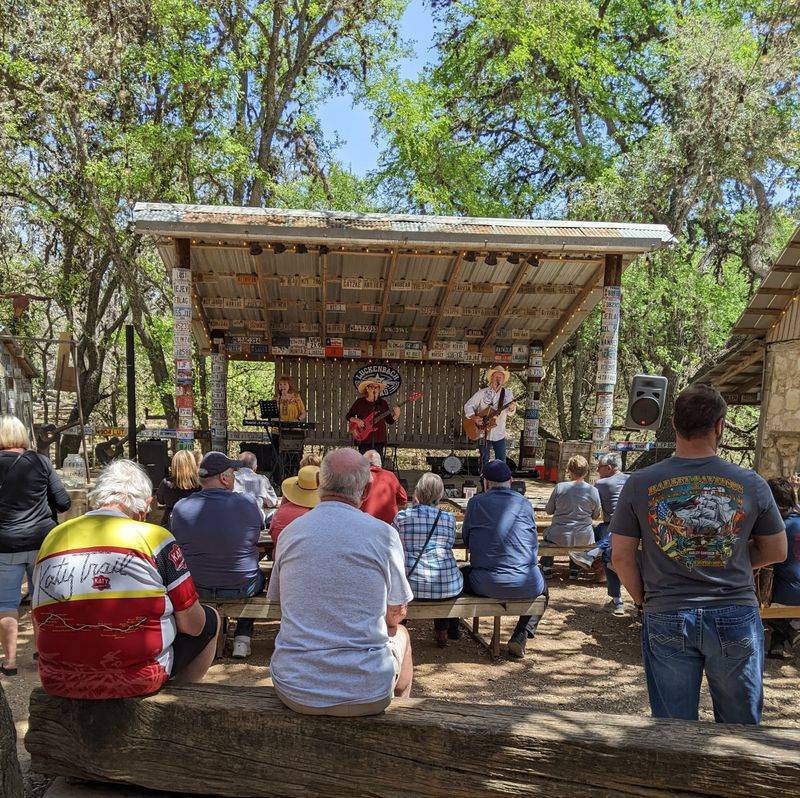
Population three.
That’s the official count for Luckenbach, but this tiny Hill Country community has an outsized reputation in Texas music culture.
Made famous by Waylon Jennings’ 1977 song, Luckenbach embodies the laid-back spirit of Texas country music in a way that feels authentic and unpretentious.
The entire town consists of a dance hall, a general store, and a few scattered buildings under massive oak trees, yet it draws visitors from around the world seeking genuine musical experiences.
Music happens here organically, often spontaneously.
On any given weekend, you might find professional musicians jamming with talented amateurs under the shade trees, creating the kind of informal picking sessions that defined country music’s roots.
The dance hall hosts regular concerts featuring both established artists and up-and-coming performers, maintaining traditions that stretch back generations.
Everyone truly is somebody in Luckenbach, just as the town motto promises.
The general store serves as the community’s gathering place, selling everything from cold drinks to T-shirts while maintaining its historic character.
Old license plates, photographs, and memorabilia cover the walls, creating a living museum of Texas music history.
Visitors can sign their names on the walls or ceiling, adding their mark to this legendary place.
What makes Luckenbach feel different from typical Texas isn’t just the music but the attitude.
There’s no pretense here, no corporate polish or manufactured authenticity.
People come to relax, listen to good music, and connect with others who appreciate simple pleasures.
The massive oak trees provide natural shade for gatherings, and the peaceful Hill Country setting encourages visitors to slow down and savor the moment, making Luckenbach a refuge from modern life’s hectic pace.
4. El Paso: Border City Fusion
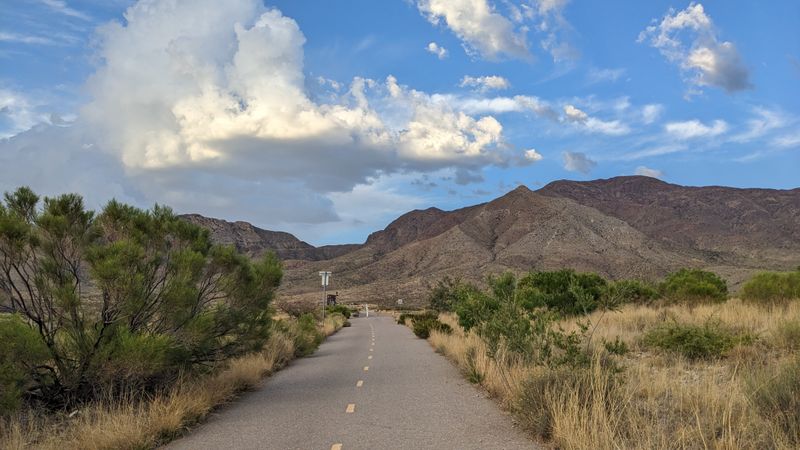
Situated where Texas meets New Mexico and Mexico, El Paso creates a cultural blend found nowhere else in the state.
The Franklin Mountains rise dramatically through the city, providing a stunning desert backdrop that feels more southwestern than traditionally Texan.
Spanish colonial history mingles with modern border city energy, creating a vibrant atmosphere where two nations and multiple cultures intersect daily.
El Paso’s arts scene reflects this unique position.
The Plaza Theatre, a beautifully restored 1930s movie palace, hosts performances ranging from classical music to contemporary productions.
The Abraham Chavez Theatre serves as home to the El Paso Symphony Orchestra and El Paso Opera, bringing world-class performances to this border community.
Local galleries showcase works by artists drawing inspiration from the region’s complex cultural landscape.
Food in El Paso deserves special mention because the Mexican influence creates flavors distinct from Tex-Mex found elsewhere in the state.
Street food vendors, family restaurants, and local markets offer authentic dishes that reflect the city’s proximity to Juarez and deep connections to Mexican culinary traditions.
The blend of ingredients, techniques, and recipes creates a food culture that stands apart from other Texas cities.
The desert landscape surrounding El Paso offers outdoor adventures rarely associated with Texas.
Hiking trails wind through the Franklin Mountains State Park, providing spectacular views of three states and two countries.
The rugged terrain, unique flora, and dramatic geology appeal to nature lovers seeking experiences beyond Texas’s more famous forests and coastlines.
El Paso’s elevation and desert climate also create weather patterns different from the rest of the state, with cooler temperatures and distinct seasonal changes that surprise first-time visitors expecting typical Texas heat.
5. Brownsville: Tropical Border Town
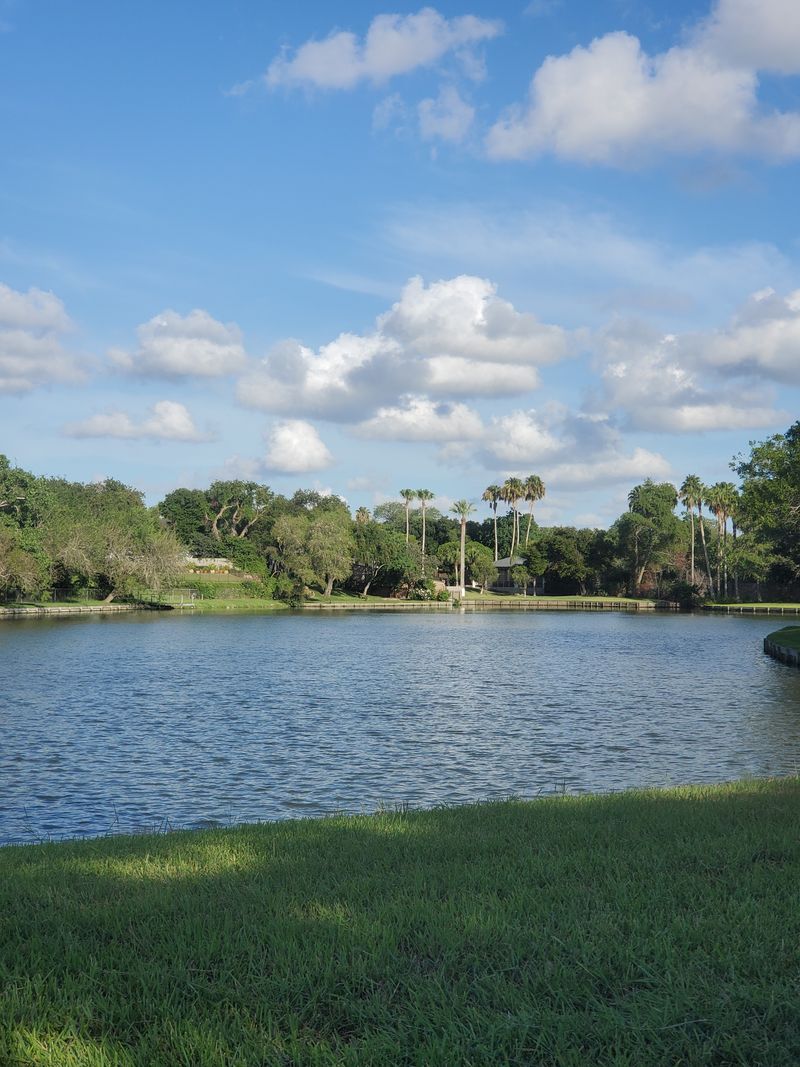
Located at Texas’s southernmost tip, Brownsville feels more like a tropical gateway than a typical Texas city.
Palm trees line streets where Spanish is heard as commonly as English, reflecting the city’s predominantly Hispanic population and deep cultural ties to Mexico.
The subtropical climate supports lush vegetation and creates a year-round growing season that produces a landscape vastly different from images most people associate with Texas.
Brownsville celebrates its binational heritage through festivals and events that honor both American and Mexican traditions.
Charro Days, held each February, features four days of celebrations including parades, traditional dancing, and cultural exhibitions that spill across the border into Matamoros, Mexico.
This two-nation fiesta showcases the unique friendship and shared history between border communities, creating experiences impossible to find elsewhere in Texas.
Nature enthusiasts discover unexpected treasures in Brownsville’s surrounding areas.
The region serves as a critical stopping point for migratory birds, making it one of North America’s premier birdwatching destinations.
The Sabal Palm Sanctuary preserves one of the last remaining stands of native sabal palms, offering glimpses of the subtropical forest that once covered the Rio Grande Valley.
These ecological riches attract naturalists from around the world.
The Latin Jazz Festival and other cultural events highlight Brownsville’s vibrant arts community.
Local musicians, dancers, and artists draw inspiration from the city’s multicultural environment, creating works that blend Mexican, American, and Caribbean influences.
Historic buildings in downtown Brownsville tell stories of the region’s complex past, from Spanish colonial times through the Mexican-American War to modern border life.
This layered history, combined with tropical scenery and binational culture, makes Brownsville feel like a world apart from stereotypical Texas landscapes and communities.
6. Wimberley: Artist Haven in the Hills
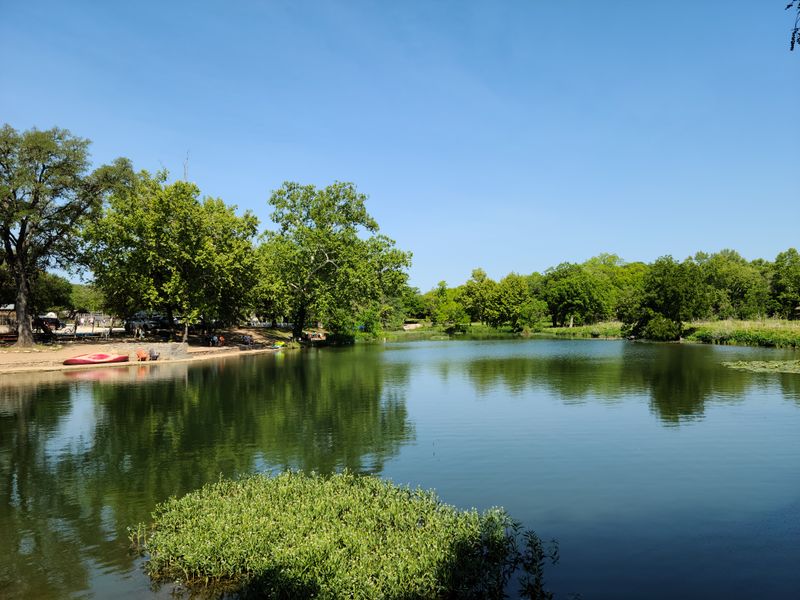
Tucked into the cypress-lined banks of Cypress Creek, Wimberley has earned a reputation as one of Texas’s most charming artist communities.
This small Hill Country town attracts painters, sculptors, glassblowers, and craftspeople who draw inspiration from the area’s natural beauty and peaceful atmosphere.
Gallery-lined streets in the historic downtown showcase local talent, while working studios invite visitors to watch artists create everything from pottery to metalwork.
The monthly Wimberley Market Days, held the first Saturday of each month from March through December, transforms the Lion’s Field into a sprawling outdoor marketplace.
Hundreds of vendors display handmade goods, antiques, and local products under massive oak trees.
This beloved tradition brings together artists, collectors, and bargain hunters in a festive atmosphere that celebrates creativity and community.
Natural swimming holes along Cypress Creek provide refreshing escapes during hot Texas summers.
Blue Hole Regional Park protects a particularly beautiful section of creek where clear spring-fed waters flow over limestone bedrock.
Families spread blankets under towering cypress trees while kids splash in the shallow pools, creating idyllic scenes that feel timeless and peaceful.
Wimberley’s commitment to preserving its small-town character and natural environment sets it apart from rapidly developing areas elsewhere in Texas.
Strict building codes maintain the town’s rustic aesthetic, and residents actively protect the watershed and surrounding ranchland.
This dedication creates a place where visitors can experience Texas Hill Country as it existed before modern development, with scenic drives revealing stunning vistas, historic dance halls hosting live music, and local restaurants serving home-style cooking.
The combination of artistic culture, natural beauty, and community values makes Wimberley feel like stepping back to a simpler, more connected way of life rarely found in contemporary Texas.
7. Port Aransas: Island Beach Culture
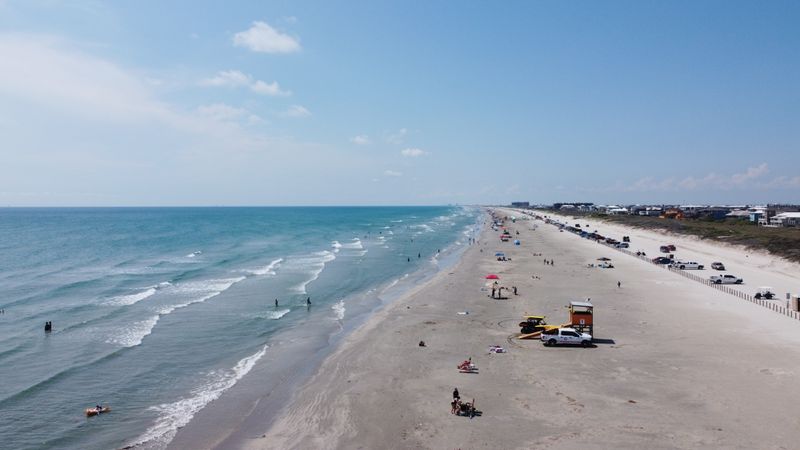
Accessible only by ferry or causeway, Port Aransas occupies Mustang Island on the Texas Gulf Coast, creating an island vibe distinct from mainland Texas.
This laid-back beach town attracts surfers, fishermen, and beach lovers seeking a more relaxed coastal experience than found in larger resort cities.
Golf carts serve as common transportation, and the dress code rarely requires more than swimsuits and flip-flops, establishing a casual atmosphere that encourages visitors to leave their worries on the mainland.
The fishing culture runs deep in Port Aransas, from charter boats heading into the Gulf to surf fishermen casting from the beach.
The town’s harbor bustles with activity as boats return with their catches, and local restaurants serve fresh seafood caught that same day.
Fishing tournaments throughout the year bring competitive anglers from across the country, but the sport remains accessible to beginners, with pier fishing and bay wading offering easy entry points.
Beach access spans miles of undeveloped shoreline where you can walk for hours seeing more seabirds than people.
The wide sandy beaches provide space for building sandcastles, flying kites, or simply watching waves roll in from the Gulf.
During spring break, the town livens up considerably, but outside peak seasons, Port Aransas maintains a peaceful, almost remote quality unusual for Texas coastal destinations.
The University of Texas Marine Science Institute adds an educational dimension to Port Aransas, conducting important research on Gulf ecosystems and offering public programs that teach visitors about coastal environments.
Nature lovers appreciate the nearby wetlands and dunes that provide habitat for migratory birds and other wildlife.
This combination of island geography, beach culture, fishing heritage, and natural beauty creates an experience that feels more like a Caribbean getaway than a typical Texas destination, proving the state’s coastline holds surprises for those willing to explore.
8. Terlingua: Ghost Town Revival
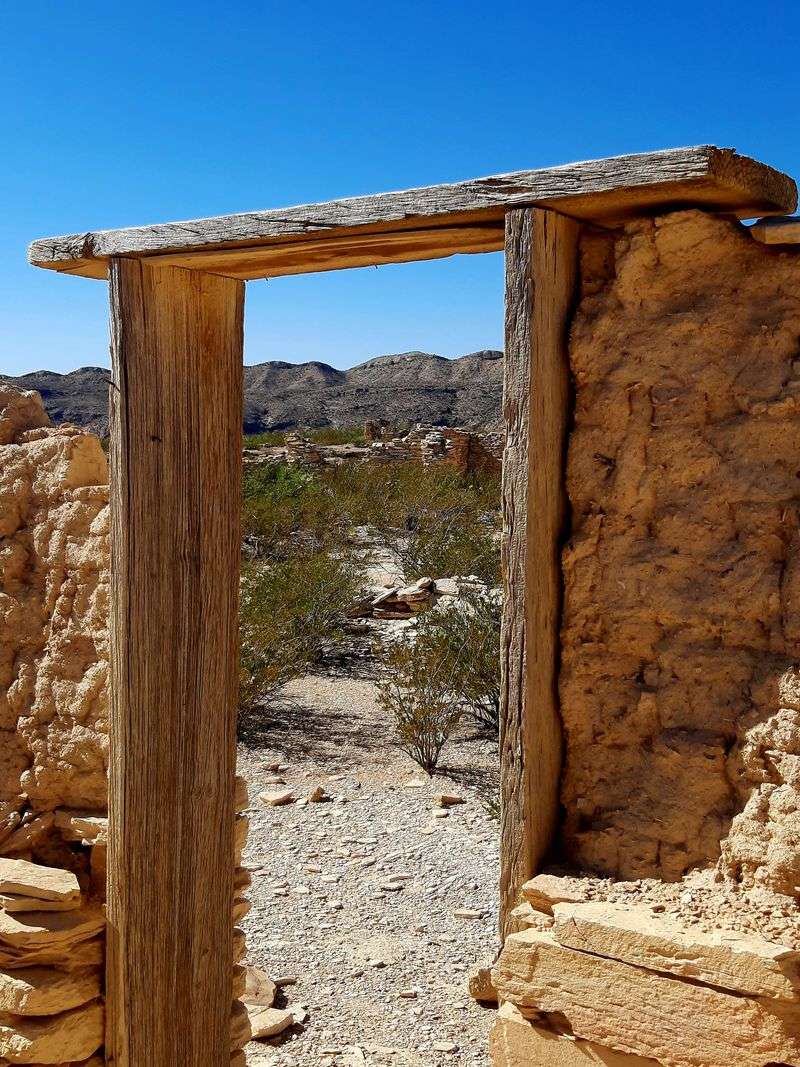
Near Big Bend National Park in far West Texas, Terlingua exists as a fascinating blend of abandoned mining town and thriving artistic community.
Mercury mining once supported hundreds of residents here, but when the mines closed in the 1940s, Terlingua became a ghost town with crumbling adobe buildings and rusted equipment scattered across the desert landscape.
In recent decades, artists, adventurers, and free spirits have breathed new life into this remote location, creating one of Texas’s most unconventional communities.
The Terlingua Ghost Town preserves remnants of the mining era alongside newer establishments.
You can explore abandoned buildings, including the old Chisos Mining Company store and the Perry Mansion ruins, while also visiting functioning restaurants, shops, and galleries operated by current residents.
This juxtaposition of past and present creates a unique atmosphere where history remains visible and tangible rather than simply commemorated.
Every November, Terlingua hosts the World Championship Chili Cook-off, drawing thousands of visitors to this tiny community for a weekend of cooking competitions, live music, and desert celebration.
The event has become legendary in Texas, with separate competitions held by rival organizations, both claiming championship status.
The festivities transform the ghost town into a temporary city of tents and RVs, showcasing Texans’ passion for this iconic dish.
Terlingua’s location near Big Bend National Park makes it a base for exploring some of Texas’s most dramatic landscapes.
The Chisos Mountains, Rio Grande canyons, and vast Chihuahuan Desert offer world-class hiking, river trips, and stargazing under some of the darkest skies in the United States.
The remoteness that once spelled Terlingua’s doom now attracts people seeking escape from crowded cities and modern conveniences, creating a community that values independence, creativity, and connection to the stark beauty of the West Texas desert.
9. Jefferson: Victorian River Town
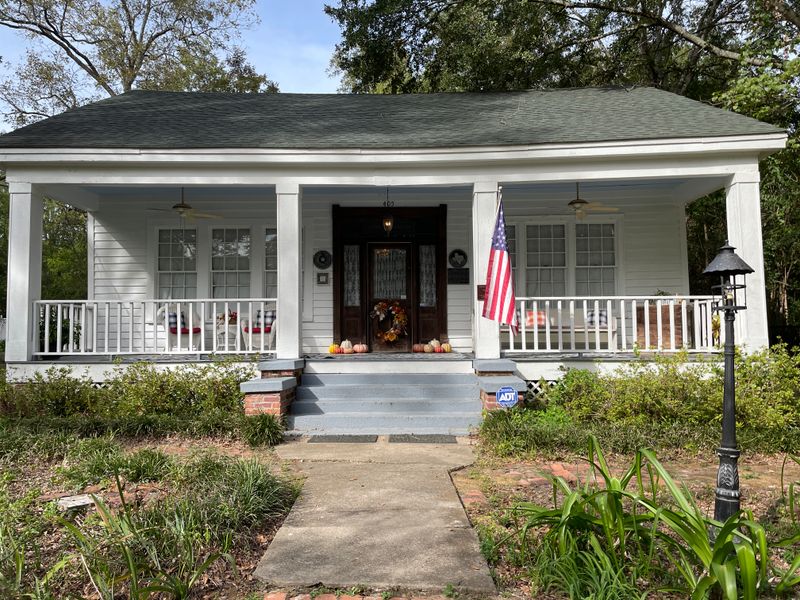
In the pine forests of East Texas, Jefferson preserves a slice of 19th-century riverboat culture that feels transported from the antebellum South rather than typical Texas.
This historic town thrived as a major inland port during the 1800s when steamboats navigated Cypress Bayou, bringing goods and passengers to this bustling commercial center.
When the riverboat era ended, Jefferson’s economy declined, but this downturn inadvertently preserved hundreds of historic buildings that now form one of Texas’s most intact Victorian-era towns.
Walking Jefferson’s streets reveals architectural treasures at every turn.
Ornate homes feature elaborate gingerbread trim, wraparound porches, and period details maintained by residents committed to historic preservation.
Many buildings now operate as bed and breakfasts, museums, or shops, allowing visitors to experience 19th-century craftsmanship firsthand.
The Jefferson Historical Museum and other sites tell stories of the town’s prosperous past and the colorful characters who shaped its history.
Ghost stories and legends add mysterious appeal to Jefferson’s historic atmosphere.
Several buildings claim resident spirits, and ghost tours lead visitors through allegedly haunted sites while sharing tales of unexplained phenomena.
Whether you believe in paranormal activity or simply enjoy spooky stories, these tours provide entertaining perspectives on local history and the people who never quite left Jefferson.
Cypress Bayou still flows through Jefferson, now offering peaceful paddling rather than commercial navigation.
Canoe and kayak trips glide past cypress trees draped with Spanish moss, creating scenes more associated with Louisiana bayous than Texas landscapes.
Annual events like the Historical Pilgrimage and Candlelight Tour celebrate Jefferson’s heritage, drawing history enthusiasts and antique lovers.
This combination of Victorian architecture, riverboat history, natural beauty, and Southern atmosphere makes Jefferson feel like a completely different world within Texas borders.
10. Rockport: Coastal Art Colony

Along the Texas Gulf Coast, Rockport has cultivated a reputation as an artists’ paradise where creative inspiration flows as freely as the tides.
This charming coastal town attracts painters, sculptors, and photographers drawn to the unique quality of light reflecting off Aransas Bay and the abundance of natural subjects, from shorebirds to windswept oaks.
Galleries line downtown streets, and you’ll often spot artists working outdoors, capturing coastal scenes on canvas or in photographs.
The famous Rockport Big Tree, a massive live oak estimated to be over 1,000 years old, symbolizes the town’s connection to nature.
This natural landmark has witnessed centuries of coastal history, from Native American inhabitants through Spanish explorers to modern artists seeking inspiration beneath its spreading branches.
The tree survived Hurricane Harvey in 2017, though damaged, demonstrating the resilience that characterizes both the natural environment and the community.
Birdwatching reaches world-class status in Rockport, particularly during winter when whooping cranes return to the nearby Aransas National Wildlife Refuge.
These endangered birds, standing nearly five feet tall, make Rockport one of the few places where visitors can observe them in their natural habitat.
Boat tours offer close encounters with these magnificent creatures, along with opportunities to spot dolphins, pelicans, and dozens of other species that inhabit the productive coastal ecosystem.
Rockport’s fishing heritage remains strong, with charter boats and fishing guides offering access to some of the Gulf Coast’s best redfish and speckled trout waters.
The town maintains a working waterfront where commercial fishermen still bring in catches, providing fresh seafood to local restaurants.
This blend of artistic culture, natural beauty, outdoor recreation, and maritime tradition creates a coastal experience distinctly different from typical Texas, appealing to visitors seeking both creative inspiration and connection to the sea.
Dear Reader: This page may contain affiliate links which may earn a commission if you click through and make a purchase. Our independent journalism is not influenced by any advertiser or commercial initiative unless it is clearly marked as sponsored content. As travel products change, please be sure to reconfirm all details and stay up to date with current events to ensure a safe and successful trip.
