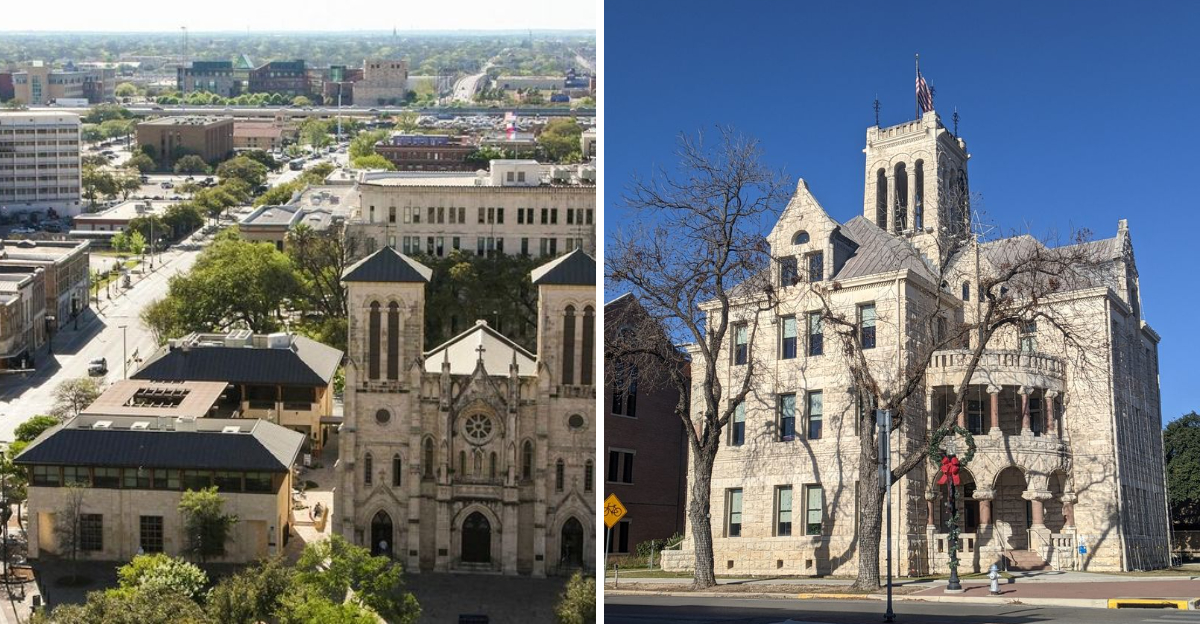
Texas is a state known for its sprawling landscapes, rich history, and proud culture, but not every corner of the Lone Star State lives up to the hype.
Some towns have developed reputations among travelers for falling short of expectations, whether due to overcrowding, disappointing accommodations, or just a general lack of charm.
Visitors arrive with high hopes, only to find themselves caught in traffic, dealing with poorly maintained facilities, or feeling like the town just isn’t worth the detour. Understanding which destinations might leave you underwhelmed can save you time, money, and a whole lot of frustration.
So before you pack your bags and hit the road, you might want to reconsider a few stops along the way. These are the towns where tourists say they consistently have the worst experiences.
Buckle up, because this list might just surprise you. Ready to find out which Texas towns didn’t make the cut?
1. San Antonio
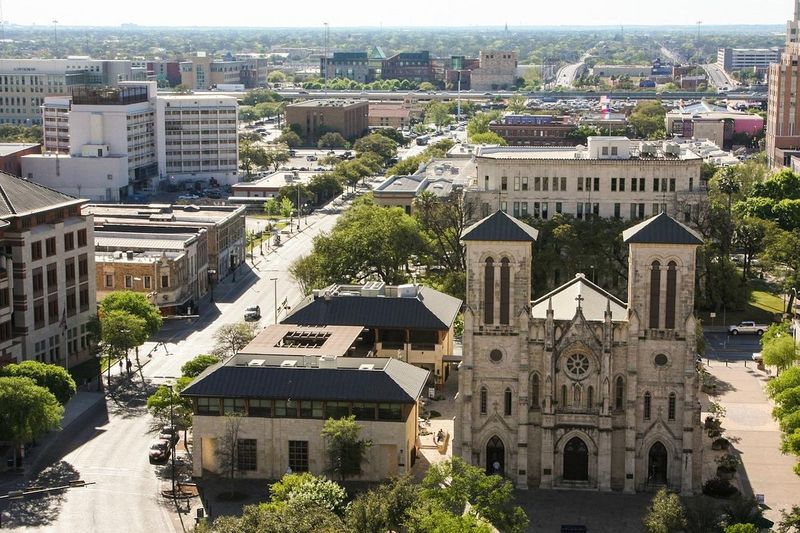
San Antonio draws millions of visitors each year with promises of the Alamo, the River Walk, and rich Tex-Mex culture, but many tourists leave feeling let down by the quality of their stay.
The city ranked among the worst in the nation for hotel conditions, according to a 2023 report that highlighted recurring issues with cleanliness and maintenance.
Guests have complained about everything from musty odors to stained linens, making what should be a relaxing retreat feel more like a gamble.
Beyond the hotels, the River Walk can feel overcrowded and commercialized, especially during peak seasons. What looks charming in photos often translates to elbow-to-elbow crowds, overpriced dining, and a somewhat manufactured atmosphere.
Navigating the area can be confusing for first-time visitors, and parking is notoriously difficult and expensive.
Even the historic Alamo, while culturally significant, often disappoints tourists who expect something grander. The site is smaller than many anticipate, and the surrounding area is cluttered with souvenir shops and chain restaurants.
Street vendors can be persistent, and the overall experience feels rushed and touristy rather than educational.
Traffic congestion is another major complaint, particularly around downtown and the medical center. Getting from one attraction to another can take far longer than expected, cutting into valuable sightseeing time.
Summer heat only adds to the discomfort, with temperatures regularly soaring above 100 degrees.
While San Antonio has its highlights, the combination of subpar lodging, crowded attractions, and logistical headaches leaves many visitors wishing they had chosen a different Texas destination.
Managing expectations and doing thorough research before booking can help, but for some, the city just doesn’t deliver the magic it promises.
2. Galveston
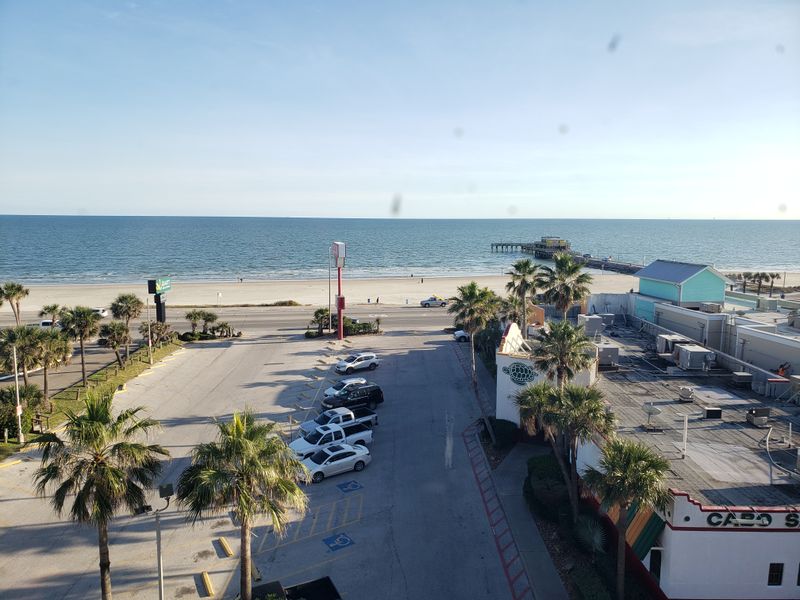
Galveston markets itself as a charming coastal escape with historic architecture and sandy beaches, but the reality often falls short of the brochure.
Hotels in this island city have earned a reputation for being among the worst in Texas, with travelers reporting issues like poor cleanliness, outdated facilities, and lackluster customer service.
What should be a beachside getaway can quickly turn into a disappointing ordeal when your room smells like mildew and the air conditioning barely works.
The beaches themselves are another source of frustration. Unlike the crystal-clear waters of Florida or California, Galveston’s shoreline is known for murky, brown water that doesn’t exactly scream paradise.
Seaweed piles up along the sand, and the beach can feel crowded and littered, especially on weekends. Families hoping for a pristine coastal experience often leave feeling cheated.
Parking is a nightmare, particularly near the Seawall and popular piers. Meters are expensive, and finding a spot during busy times can take longer than the actual beach visit.
Traffic along Seawall Boulevard crawls at a snail’s pace, and road construction seems to be a permanent fixture.
Dining options can be hit or miss, with many restaurants relying on their location rather than quality food. Prices are inflated, and service can be slow and indifferent.
Even the historic Strand District, while picturesque, feels more like a tourist trap than an authentic glimpse into the past.
Hurricanes and tropical storms pose a constant threat, and signs of past damage are still visible in some areas. For a coastal getaway, Galveston often leaves tourists feeling like they settled for second best.
Better beaches and more reliable accommodations can be found elsewhere in Texas and beyond.
3. Port Aransas
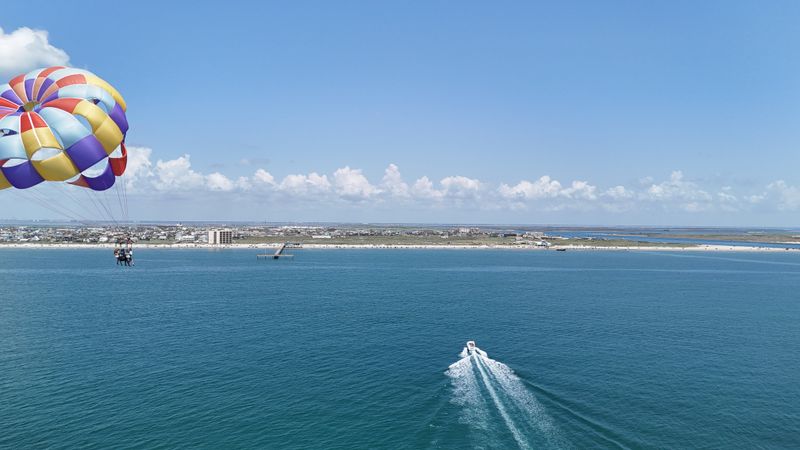
Port Aransas has long been a favorite beach destination for Texans looking to escape inland heat, but overcrowding has turned this once-quiet fishing village into a chaotic tourist trap. During peak seasons, the town swells with visitors, and the infrastructure simply can’t keep up.
Traffic jams clog the main roads, and finding parking near the beach or popular restaurants can feel impossible.
The beaches, while beautiful, become packed shoulder to shoulder with umbrellas, coolers, and families. What should be a relaxing day by the ocean turns into a crowded, noisy experience where personal space is a luxury.
Trash left behind by careless visitors is a common sight, and the lack of public restrooms makes things even more uncomfortable.
Accommodations in Port Aransas range from outdated motels to overpriced vacation rentals, many of which don’t live up to their online photos. Guests have reported cleanliness issues, broken amenities, and poor communication from property managers.
Hurricane damage from past storms is still evident in some buildings, giving parts of the town a neglected feel.
Dining options are limited and often overpriced, with long waits at popular seafood spots. Quality varies wildly, and many restaurants rely on their beachside location rather than exceptional food or service.
Reservations are nearly impossible to secure during busy weekends.
Ferry delays add another layer of frustration for those traveling to and from the island. Wait times can stretch for hours, especially on holiday weekends, leaving travelers stuck in their cars under the blazing sun.
While Port Aransas has its charm, the overcrowding and logistical headaches make it a tough sell for anyone seeking a peaceful beach retreat.
4. New Braunfels
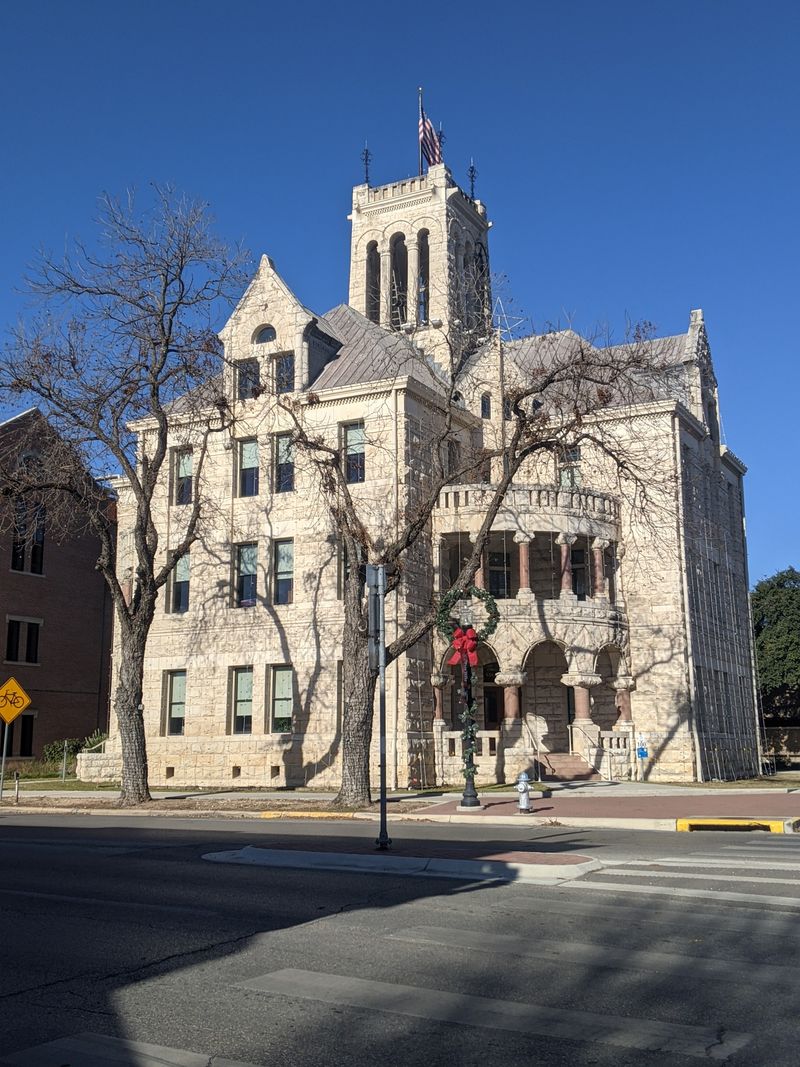
New Braunfels has become synonymous with river tubing and summer fun, but the town’s popularity has spiraled into a nightmare of overcrowding and chaos. The Comal River, once a peaceful spot for floating and relaxation, now resembles a water-logged traffic jam during peak season.
Tubes bump into one another, music blares from portable speakers, and the riverbanks are littered with trash and discarded cans.
Parking near the river is a major challenge, with lots filling up early in the morning and prices skyrocketing as demand increases. Shuttle services are often slow and disorganized, leaving visitors standing in the heat for extended periods.
The entire experience can feel more like a logistical headache than a leisurely day on the water.
Schlitterbahn, the town’s famous water park, is another victim of its own success. Lines for popular rides can stretch for hours, and the park feels overcrowded and overwhelming, especially during summer weekends.
Prices for admission, food, and lockers add up quickly, making a family outing surprisingly expensive.
Downtown New Braunfels offers some charm with its German heritage and quaint shops, but even this area becomes congested with tourists. Restaurants have long waits, and parking is scarce.
The town’s infrastructure struggles to handle the influx of visitors, leading to traffic jams and frustration.
Noise complaints are common, particularly in residential areas near popular tubing spots. Locals have grown weary of the rowdy crowds, and the tension between residents and tourists is palpable.
What was once a hidden gem has become a victim of over-tourism, leaving many visitors wishing they had discovered it a decade earlier. If you’re seeking tranquility, New Braunfels is no longer the place to find it.
5. Vidor
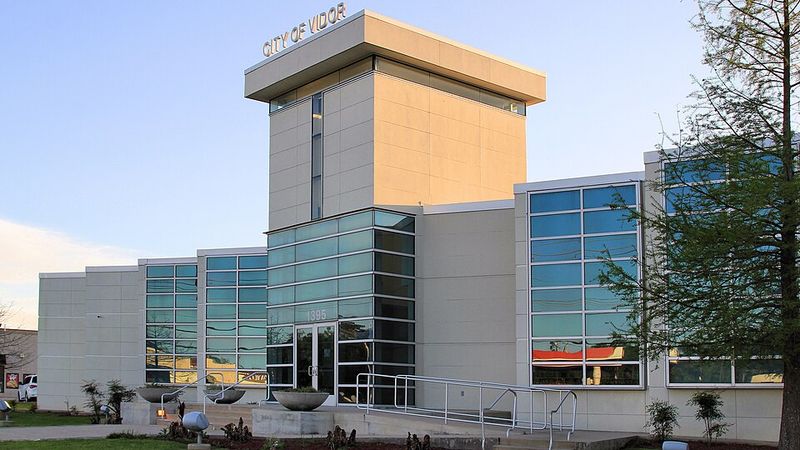
Vidor carries a dark and troubling history that continues to cast a shadow over the small town. Known historically as a sundown town, where people of color were unwelcome after dark, the community has struggled to shake its reputation for intolerance and hostility.
While some residents insist the town has changed, many travelers report feeling uncomfortable and unwelcome, particularly those from minority backgrounds.
There’s not much to draw tourists to Vidor in the first place. The town lacks notable attractions, cultural sites, or scenic beauty.
Most people only pass through on their way to somewhere else, and those who do stop often leave quickly. Gas stations and fast-food chains dominate the landscape, and the overall atmosphere feels bleak and unwelcoming.
Online reviews and travel forums are filled with warnings about Vidor, with visitors sharing stories of hostile stares, rude interactions, and an overall sense of unease. Whether these experiences reflect current reality or lingering perceptions, the town’s reputation deters many from even considering a visit.
Trust and comfort are essential for any travel experience, and Vidor struggles to provide either.
Economic decline is evident throughout the town, with boarded-up storefronts and neglected infrastructure. The lack of investment in community development gives Vidor a rundown appearance that does little to inspire confidence or interest.
Even basic amenities like clean public restrooms and well-maintained roads are lacking.
For travelers seeking authentic Texas hospitality and charm, Vidor is best left off the itinerary. The town’s troubled past and present-day reputation create an environment where visitors rarely feel at ease.
Until significant cultural and economic changes take place, Vidor will likely remain a place people avoid rather than explore.
6. South Padre Island
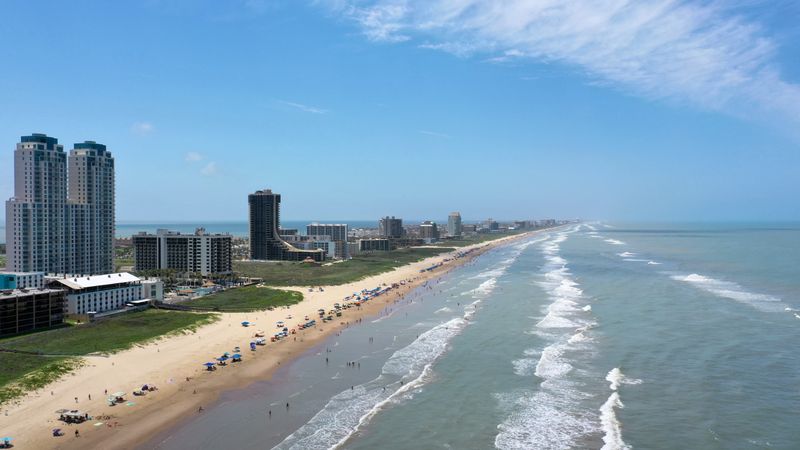
South Padre Island is marketed as a tropical paradise at the southern tip of Texas, but the reality often clashes with the fantasy. During spring break, the island transforms into a rowdy party zone, with noise, crowds, and chaos dominating the experience.
Even outside of peak party season, the town struggles with overcrowding, particularly during summer and holiday weekends.
Accommodations range from mediocre to outright disappointing, with many hotels and condos showing signs of wear and poor maintenance. Guests have reported issues with cleanliness, broken appliances, and unresponsive management.
Prices are inflated, especially during high season, and the value simply isn’t there for what you’re paying.
The beach itself can be beautiful, but it’s often crowded and littered with trash. Seaweed piles up along the shore, and jellyfish are a common nuisance.
Public beach access points are limited, and parking is both expensive and hard to find. The constant stream of tour groups and partiers can make it difficult to find a quiet spot to relax.
Dining options are limited and overpriced, with most restaurants serving mediocre food at tourist-trap prices. Service can be slow and indifferent, and making reservations during busy times is nearly impossible.
Many visitors end up eating the same chain food they could find anywhere else.
Traffic on the island is a constant headache, with only one main road running the length of the island. Accidents and construction cause frequent backups, and getting from one end to the other can take far longer than expected.
The causeway connecting the island to the mainland is often congested, adding to the frustration. For a true beach getaway, there are far better options along the Gulf Coast.
7. Amarillo
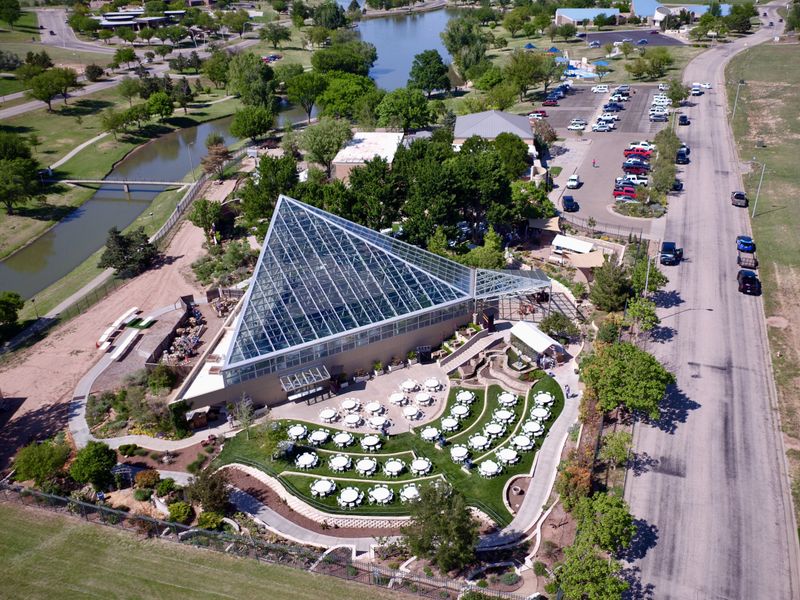
Amarillo sits in the middle of the Texas Panhandle, and for many travelers, it’s little more than a pit stop on the way to somewhere more exciting. The city lacks the cultural richness and natural beauty found in other parts of Texas, leaving visitors wondering why they bothered to stop.
Even the famous Cadillac Ranch, a quirky roadside attraction featuring half-buried cars covered in graffiti, feels more like a photo op than a true destination.
Accommodations in Amarillo are hit or miss, with many budget motels showing their age and neglect. Cleanliness is a common complaint, and the customer service at many establishments leaves much to be desired.
Even mid-range hotels can feel worn down and uninviting, making it hard to get a good night’s rest.
Dining options are dominated by chain restaurants, with few locally owned gems to discover. Steak is a regional specialty, but even the best steakhouses in town don’t live up to the hype.
Prices are reasonable, but the food is often bland and uninspired, lacking the bold flavors you’d expect from Texas cuisine.
The landscape around Amarillo is flat, barren, and monotonous, offering little in the way of scenic beauty. Windstorms kick up dust and debris, and the constant gusts make outdoor activities unpleasant.
Summers are scorching, and winters can be bitterly cold, with few comfortable months in between.
Cultural attractions are sparse, and the city lacks the vibrant arts scene or historic charm found in other Texas cities. The Big Texan Steak Ranch, famous for its 72-ounce steak challenge, is more of a gimmick than a genuine culinary experience.
For most travelers, Amarillo is a place to refuel and move on, not a destination worth lingering in.
8. Waco
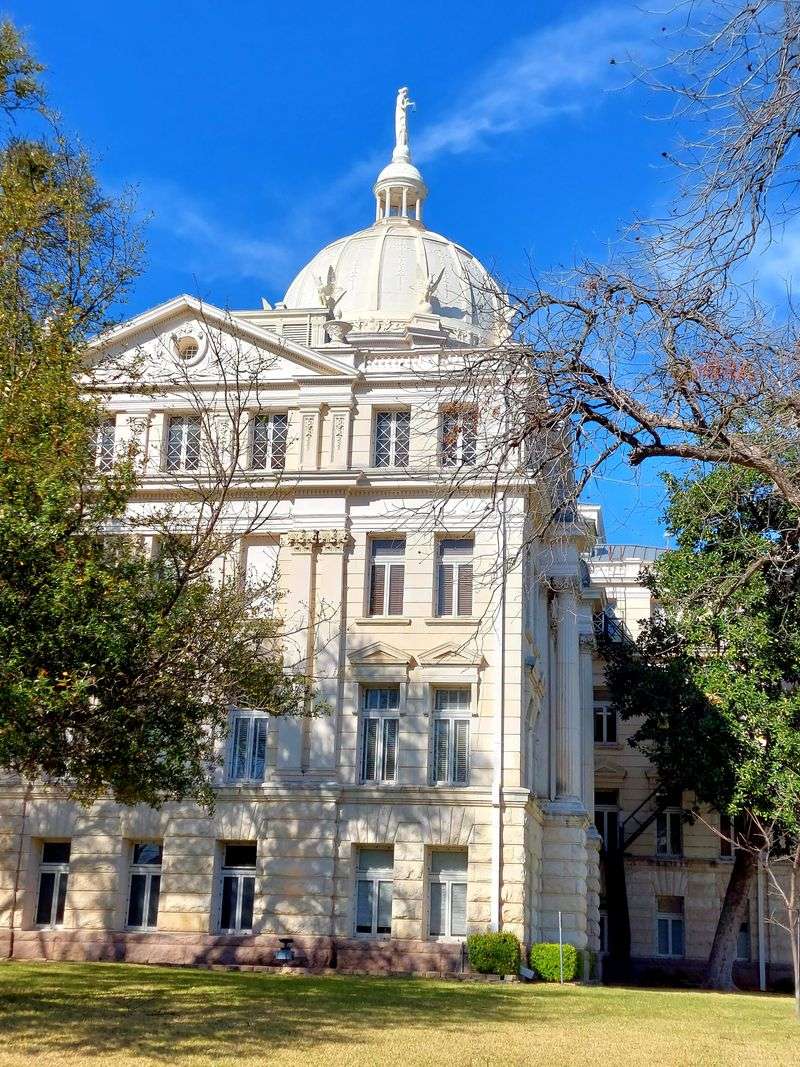
Waco has tried to reinvent itself as a tourist destination, largely thanks to the popularity of a certain home improvement show, but the reality often disappoints visitors expecting a charming small-town experience.
Magnolia Market at the Silos draws massive crowds, but the attraction itself is essentially a glorified gift shop surrounded by food trucks and lawn games.
Lines are long, parking is a nightmare, and the whole experience feels more commercial than authentic.
Beyond the Silos, Waco has little to offer tourists. The downtown area is small and lacks the vibrancy and character of other Texas cities.
Many storefronts sit vacant, and the overall atmosphere feels sleepy and uninspired. Visitors often find themselves wondering what to do after spending an hour at Magnolia.
Accommodations in Waco are limited, and the influx of tourists has driven prices up without a corresponding increase in quality. Hotels fill up quickly on weekends, and last-minute bookings often mean settling for subpar lodging.
Cleanliness and maintenance issues are common complaints, and customer service can be hit or miss.
Dining options are similarly underwhelming, with a handful of decent restaurants scattered among mediocre chains. Reservations are hard to come by at popular spots, and the food rarely lives up to the hype.
Prices are inflated due to tourist demand, and portions are often smaller than expected.
Traffic congestion around the Silos and nearby attractions can be frustrating, especially on weekends. Parking is expensive and scarce, and navigating the area can be confusing for first-time visitors.
The Brazos River offers some scenic views, but overall, Waco feels like a one-trick pony that doesn’t deliver enough to justify the trip. Unless you’re a die-hard fan of the show, there are better ways to spend your Texas vacation.
Dear Reader: This page may contain affiliate links which may earn a commission if you click through and make a purchase. Our independent journalism is not influenced by any advertiser or commercial initiative unless it is clearly marked as sponsored content. As travel products change, please be sure to reconfirm all details and stay up to date with current events to ensure a safe and successful trip.
