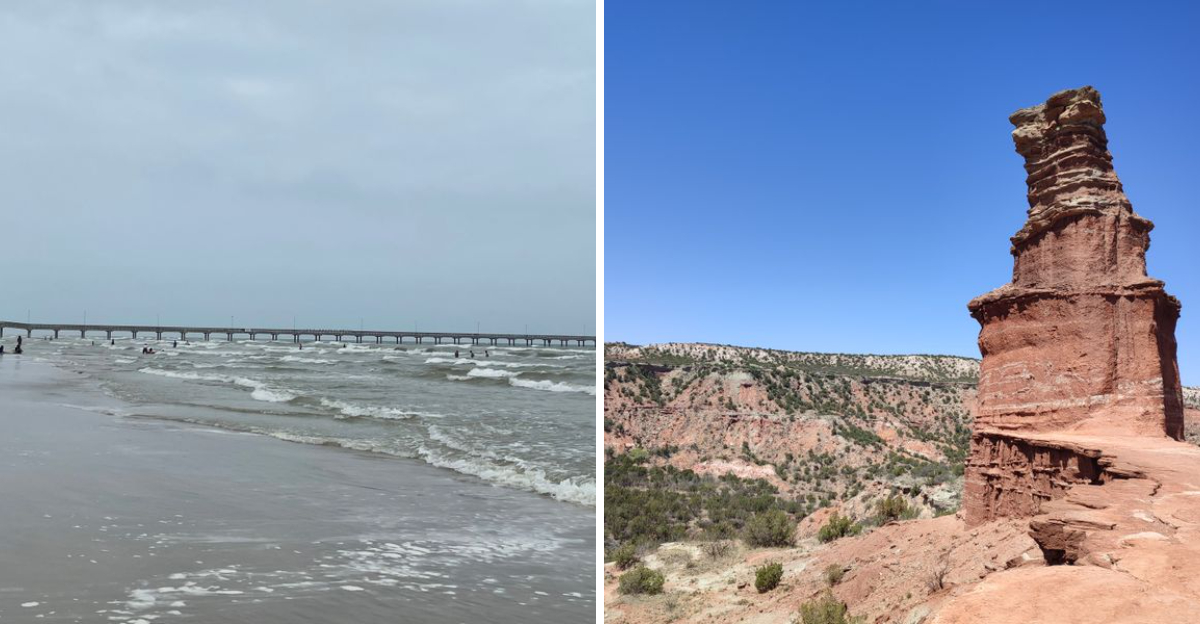
Texas spans nearly 270,000 square miles of diverse terrain, from Gulf Coast beaches to desert mountains, offering travelers countless weekend escape options.
Social media feeds overflow with stunning photos of Texas destinations that promise unforgettable experiences, but reality doesn’t always match the filtered images.
Some popular getaway spots come with unexpected crowds, logistical challenges, or seasonal issues that turn dream vacations into disappointing trips.
Understanding what really awaits at these heavily promoted locations helps you plan smarter and set realistic expectations for your next Texas adventure.
1. South Padre Island During Peak Spring Break
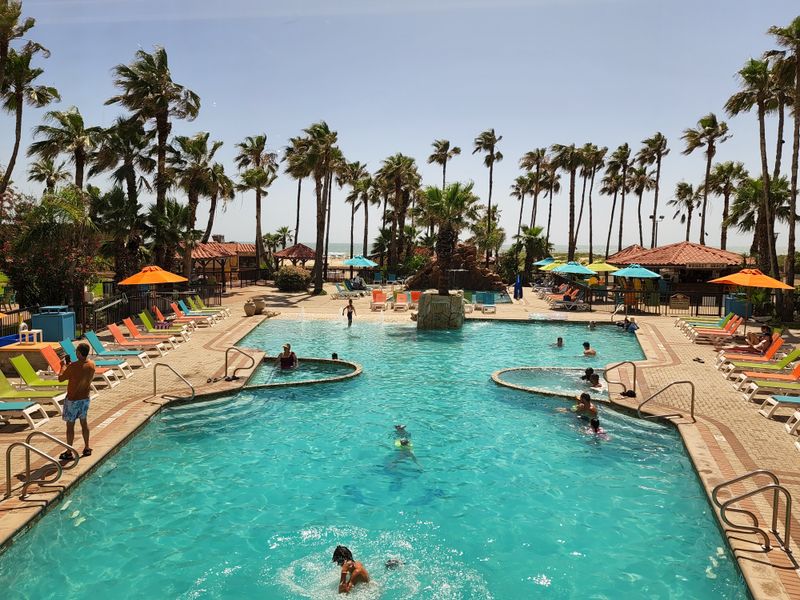
South Padre Island markets itself as a tropical paradise where turquoise waves meet pristine white sand, and for most of the year, it delivers on that promise beautifully.
However, if you book a weekend getaway during peak spring break season, typically March through early April, you’ll encounter a completely different scene.
The island transforms into a massive college party destination, with thousands of students flooding the 34-mile barrier island simultaneously.
Hotels and vacation rentals triple their rates during this period, turning affordable beach stays into budget-busting expenses that rival luxury resorts elsewhere.
Beach access becomes a competitive sport as visitors stake claims to tiny patches of sand before dawn, and by midday, finding space to spread a towel feels nearly impossible.
Restaurants that normally offer quick, friendly service suddenly have two-hour waits, and many establishments shift to limited menus to handle overwhelming demand.
The peaceful sound of ocean waves gets drowned out by constant music from competing beach parties and the roar of jet skis zipping dangerously close to swimmers.
Traffic congestion on Park Road 100, the island’s main thoroughfare, creates gridlock that makes simple errands take hours instead of minutes.
Parking lots charge premium fees while filling to capacity before 10 a.m., forcing latecomers to park miles away from their beach destination.
Local law enforcement increases patrols to manage the chaos, but the party atmosphere often leads to noise complaints and disruptions throughout the night.
If you’re seeking a relaxing coastal retreat with your family or partner, visiting South Padre during spring break will likely leave you frustrated and exhausted rather than refreshed.
2. Marfa’s Mysterious Lights
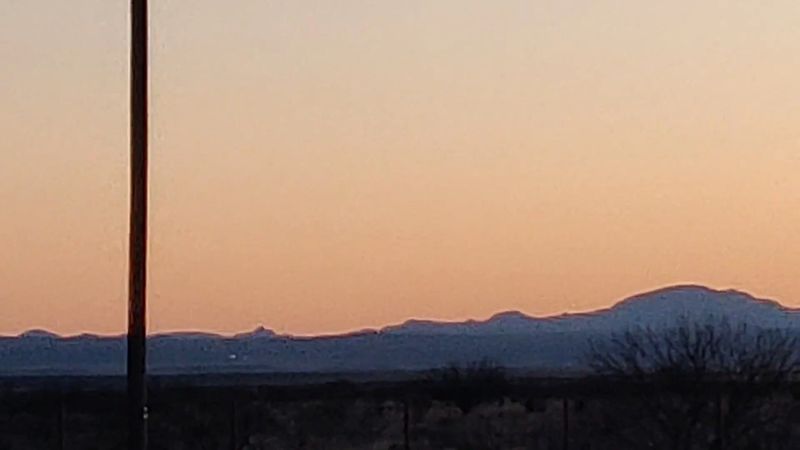
Marfa has built an international reputation around unexplained lights that appear in the desert sky, attracting curious visitors hoping to witness this mysterious phenomenon.
The town sits in the high desert of far West Texas, about three hours from El Paso and five hours from San Antonio, making it one of the state’s most isolated destinations.
Many travelers make the long pilgrimage specifically to see the famous Marfa Lights, only to spend hours staring at an empty horizon with nothing unusual appearing.
Scientists have offered various explanations for the lights, from atmospheric reflections to car headlights on distant highways, but sightings remain unpredictable and sporadic.
The official Marfa Lights Viewing Area provides a designated spot with historical markers, but even on clear nights, most visitors leave without seeing anything remarkable.
Beyond the lights, Marfa has transformed into an art destination thanks to minimalist artist Donald Judd, who relocated here in the 1970s and created permanent installations.
While art enthusiasts appreciate the galleries and installations, casual visitors sometimes find the sparse, conceptual works difficult to connect with emotionally.
The town’s remote location means limited dining options, with only a handful of restaurants that often close unexpectedly or maintain irregular hours.
Accommodations range from quirky to sparse, and during festival weekends or peak tourist seasons, prices skyrocket while availability plummets.
Cell phone service proves unreliable throughout much of the area, and the nearest major shopping or emergency services sit hours away.
Summer temperatures regularly exceed 100 degrees with minimal shade, while winter nights drop below freezing, making comfortable outdoor exploration challenging year-round.
Unless you’re deeply invested in contemporary art or genuinely fascinated by unexplained phenomena, the long drive to Marfa might not justify the limited activities available once you arrive.
3. Fredericksburg Wineries on Holiday Weekends
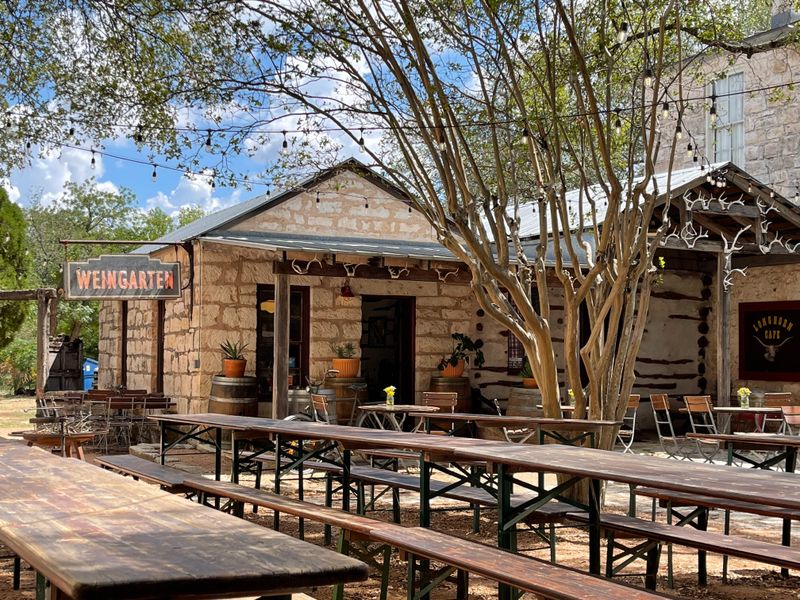
Fredericksburg has cultivated a charming reputation as Texas Hill Country’s premier wine destination, with over 50 wineries dotting the rolling landscape surrounding this German-heritage town.
Throughout most weekdays and regular weekends, the wineries offer pleasant tastings in relaxed settings where staff members have time to discuss grape varieties and winemaking techniques.
Book a weekend getaway during Memorial Day, Fourth of July, or Labor Day, though, and you’ll discover an entirely different experience.
Holiday weekends bring massive crowds from Austin, San Antonio, and Houston, turning peaceful tasting rooms into shoulder-to-shoulder events where conversation becomes difficult.
Popular wineries implement timed reservations that fill up weeks in advance, and walk-in visitors often face two-hour waits or outright rejection at the door.
The town’s Main Street, normally a delightful place to browse German bakeries and antique shops, becomes a traffic nightmare with cars circling endlessly for parking spaces.
Hotel rooms and bed-and-breakfast accommodations book solid months ahead for holiday weekends, and last-minute travelers find themselves paying premium rates for subpar lodging in neighboring towns.
Restaurant reservations become essential rather than optional, and even with reservations, expect significant delays as kitchens struggle to keep pace with demand.
The quaint, small-town atmosphere that makes Fredericksburg special during off-peak times disappears completely under the weight of holiday crowds.
Tasting room staff, overwhelmed by the volume of visitors, rush through presentations and pour smaller samples to manage inventory and time constraints.
Many wineries implement cover charges or increase tasting fees during peak periods, turning an affordable afternoon into an expensive outing.
If you’re dreaming of a romantic, leisurely wine-tasting weekend in the Texas Hill Country, avoid holiday periods and visit during the quieter shoulder seasons instead.
4. Big Bend National Park’s Remote Location
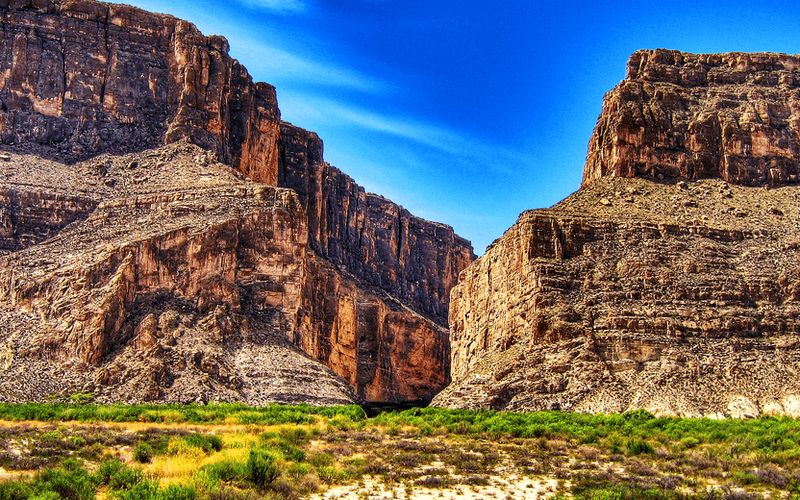
Big Bend National Park encompasses over 800,000 acres of spectacular Chihuahuan Desert landscape where the Rio Grande carves dramatic canyons through ancient limestone.
Photography on social media showcases the park’s stunning vistas, colorful rock formations, and star-filled night skies that seem almost otherworldly in their clarity.
What those gorgeous images don’t convey is the serious logistical challenge of actually reaching this remote corner of Texas.
The park sits roughly eight hours from Dallas, seven hours from Houston, and six hours from San Antonio, with the final several hours crossing desolate desert with virtually no services.
Cell phone coverage disappears long before you reach the park entrance, and it doesn’t return until you drive several hours back toward civilization.
Gas stations become sparse once you leave Interstate 10, and running low on fuel in this region creates genuine emergencies rather than minor inconveniences.
Inside the park, facilities remain deliberately basic to preserve the wilderness character, meaning limited food options, no cell service, and minimal emergency medical care.
Summer temperatures routinely soar above 110 degrees in the lower elevations, making daytime hiking dangerous and potentially deadly without extensive preparation.
The park’s vast size means driving between trailheads and scenic overlooks can take hours, turning a simple sightseeing day into an exhausting endurance test.
Accommodations within the park book months in advance, and the nearest towns, Terlingua and Marathon, offer extremely limited lodging with prices that don’t match the quality.
Wildlife encounters include not just deer and javelinas but also rattlesnakes, scorpions, and mountain lions, requiring constant vigilance on trails.
While Big Bend rewards adventurous travelers with unmatched natural beauty, weekend visitors often find the extreme remoteness and harsh conditions more challenging than their research suggested.
5. Corpus Christi Beaches Post-Storm
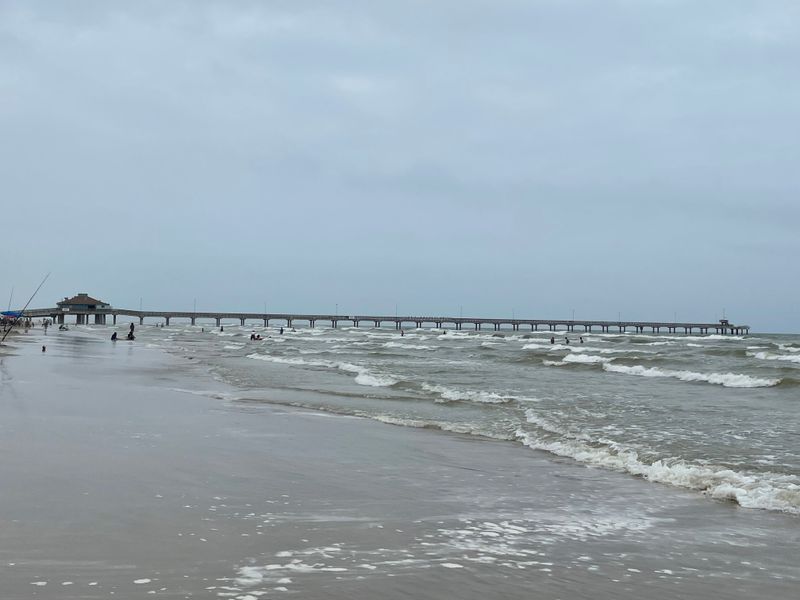
Corpus Christi promotes itself as a coastal playground where families can enjoy affordable beach vacations without traveling to more expensive Gulf destinations.
The city’s beaches, including North Beach, Whitecap Beach, and nearby Mustang Island, attract thousands of visitors seeking sun, surf, and seafood year-round.
Timing your visit poorly, particularly in the days or weeks following a tropical storm or hurricane, reveals a much less appealing reality.
Gulf storms churn up massive amounts of seaweed, which washes ashore in thick, smelly mats that cover the sand and make walking unpleasant.
Debris ranging from driftwood to plastic containers to fishing equipment scatters across beaches, creating hazards for barefoot walkers and reducing the aesthetic appeal dramatically.
City cleanup crews work diligently to clear the beaches, but after major storms, the process can take weeks, leaving large sections of shoreline unusable.
Water quality often declines after storms due to runoff and stirred-up sediment, leading to temporary swimming advisories that prevent visitors from enjoying the Gulf.
Strong winds that accompany and follow storm systems create choppy, uninviting surf conditions and blow sand painfully across the beach.
Hotels and vacation rentals rarely offer refunds or discounts for poor beach conditions, meaning you’re stuck paying full price for a compromised experience.
The persistent winds make setting up umbrellas or beach tents nearly impossible, and sand gets into everything from food to camera equipment.
Local restaurants and attractions may operate on reduced hours or remain closed entirely while recovering from storm damage and power outages.
Before booking a Corpus Christi beach weekend, check recent weather patterns and coastal conditions, because arriving post-storm guarantees disappointment rather than the pristine coastal escape advertised online.
6. The Alamo’s Short Tour and Crowds
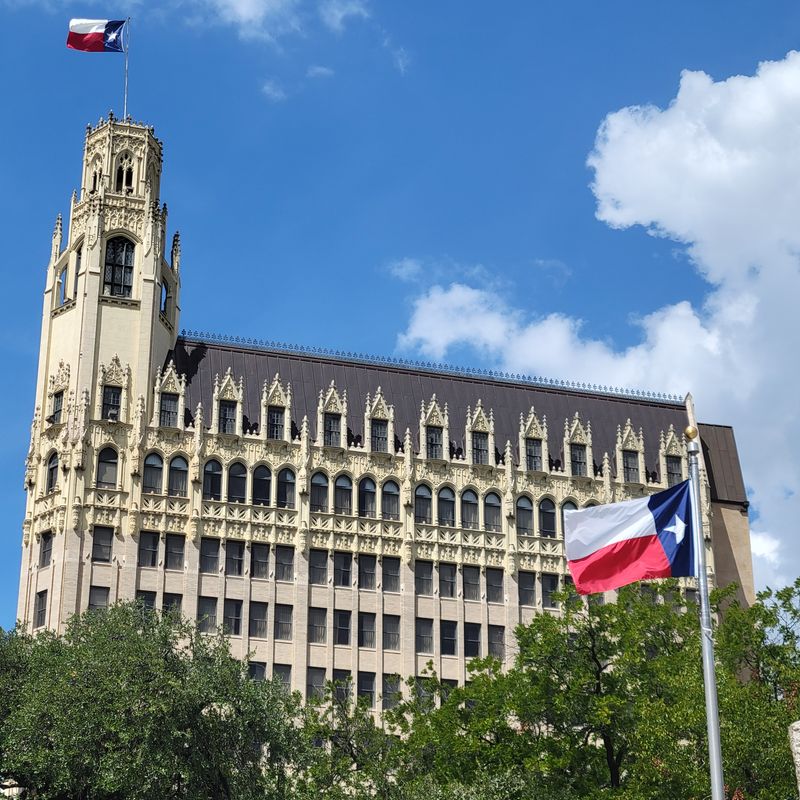
Remember the Alamo, the famous battle cry, has drawn millions of visitors to San Antonio’s most iconic historical site where Texas revolutionaries fought Mexican forces in 1836.
School textbooks and movies build up the Alamo as a grand fortress where dramatic events unfolded, creating expectations of an expansive, immersive historical experience.
First-time visitors often express surprise at how small the actual site is, with the famous chapel building occupying a relatively compact footprint in downtown San Antonio.
The self-guided tour takes most people only 20 to 30 minutes to complete, leaving many feeling like they drove hours for a very brief historical encounter.
Crowds pack into the small interior spaces, especially during spring break and summer vacation periods, making it difficult to read exhibits or take photos without strangers in the frame.
The site sits surrounded by modern commercial development, including a shopping mall, hotels, and tourist trap gift shops that diminish the historical atmosphere considerably.
Street performers, vendors, and tourists create constant noise and activity around the Alamo grounds, making it nearly impossible to experience any sense of historical reverence.
Photography restrictions inside the chapel prevent visitors from capturing memories of the interior, frustrating those who traveled specifically to document their visit.
Limited parking in downtown San Antonio means paying premium rates at distant garages and walking several blocks to reach the site.
The surrounding area’s heavy commercialization includes kitschy attractions that exploit the Alamo’s name without offering genuine historical value.
Educational content, while present, remains fairly basic, and history enthusiasts often leave feeling they learned more from documentaries than from the actual site visit.
While the Alamo deserves recognition for its historical significance, managing expectations about the size, tour length, and surrounding environment prevents disappointment for weekend visitors.
Address: 300 Alamo Plaza, San Antonio, Texas
7. Waco’s Magnolia Market Overcrowding
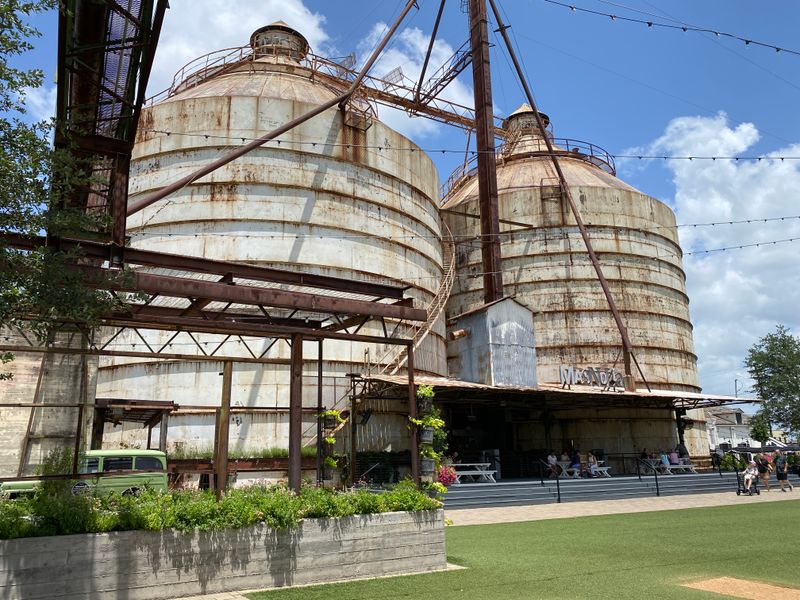
Chip and Joanna Gaines transformed Waco from a relatively unknown Central Texas city into a pilgrimage destination for home design enthusiasts through their HGTV empire.
Magnolia Market at the Silos serves as the crown jewel of their business empire, featuring shopping, dining, lawn games, and Instagram-worthy backdrops.
What started as a charming retail concept has exploded into a tourist attraction that draws tens of thousands of visitors monthly, especially on weekends.
Arriving on a Saturday or Sunday means competing with tour buses full of fans, resulting in packed parking lots where finding a space requires patience and luck.
The famous Silos Baking Co. generates lines that snake across the property, with wait times exceeding an hour just to purchase cupcakes and cookies.
Inside the main retail building, navigating through the crowds to browse home decor items becomes an exercise in frustration as people jostle for position.
Food trucks that serve lunch on the grounds develop lengthy queues, and finding an open picnic table to eat your meal proves nearly impossible during peak hours.
Prices reflect the property’s celebrity status, with items marked significantly higher than similar products available at regular home goods stores.
The experience feels less like shopping and more like crowd management, with staff focusing on moving people through rather than providing personalized customer service.
Bathroom facilities, while clean, involve waiting in lines, and the sheer number of visitors creates a chaotic atmosphere rather than the relaxed shopping vibe advertised.
Beyond Magnolia Market, Waco offers limited attractions for a full weekend getaway, leaving visitors wondering what to do after spending two hours at the Silos.
Unless you’re a devoted Fixer Upper fan willing to tolerate crowds and premium prices, Waco’s Magnolia Market delivers a more stressful experience than the cozy, welcoming environment portrayed on television.
Address: 601 Webster Avenue, Waco, Texas
8. Palo Duro Canyon in Summer Heat
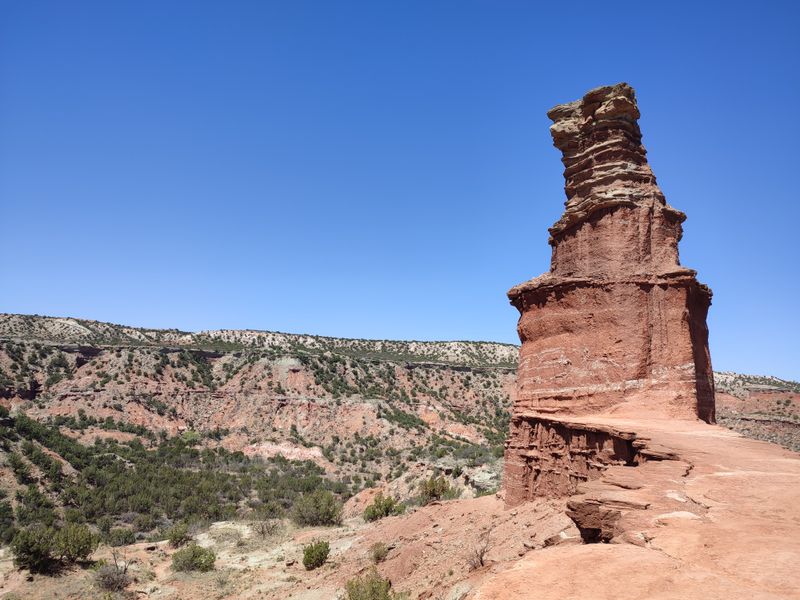
Palo Duro Canyon earns its nickname as the Grand Canyon of Texas, stretching 120 miles long and plunging 800 feet deep into the Caprock Escarpment of the Texas Panhandle.
Photographs showcase the canyon’s stunning layers of red, orange, and yellow rock formations that create a painter’s palette of natural beauty.
Visitors who plan summer weekend trips to this natural wonder often underestimate the brutal heat that makes outdoor activities genuinely dangerous rather than merely uncomfortable.
June through August temperatures regularly exceed 100 degrees Fahrenheit, and the canyon’s depth creates a bowl effect that traps heat and eliminates cooling breezes.
Hiking trails that look manageable on maps become exhausting ordeals in triple-digit heat, with inadequate shade and relentless sun exposure causing rapid dehydration.
The park’s most popular trails, including Lighthouse Trail, require several hours to complete, and attempting them in summer heat sends numerous visitors to emergency rooms annually.
Rock surfaces absorb and radiate heat, making the air temperature feel even hotter than thermometer readings suggest, and touching canyon walls can actually burn skin.
Wildlife sensibly retreats to shaded areas during daylight hours, meaning visitors rarely spot the advertised roadrunners, mule deer, or other creatures.
Camping, one of the park’s main attractions, becomes miserable as tents turn into ovens and nighttime temperatures barely drop enough to provide relief.
The small camp store sells out of ice, cold drinks, and other cooling supplies quickly, leaving late arrivals without essential heat-management resources.
Air-conditioned facilities remain minimal, with only the visitor center offering respite, and even short drives between overlooks in non-air-conditioned vehicles become unbearable.
While Palo Duro Canyon offers spectacular scenery year-round, visiting during summer months transforms a potentially amazing outdoor adventure into a survival challenge that overshadows the natural beauty.
9. Austin’s Rainey Street Noise Complaints
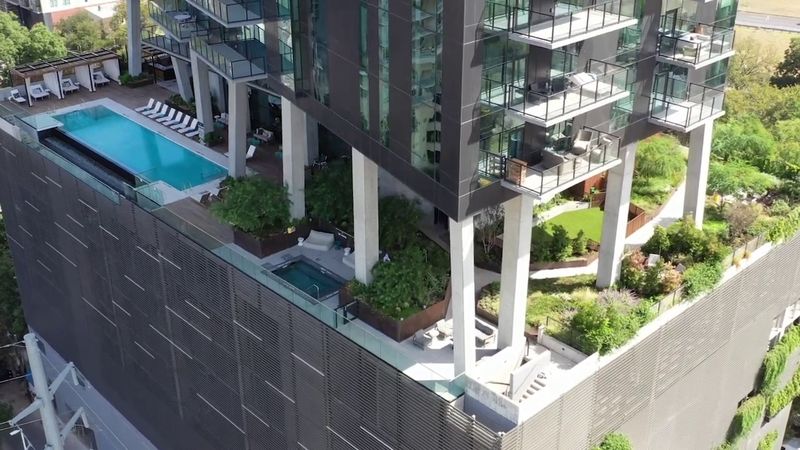
Rainey Street represents one of Austin’s most unique entertainment districts, where historic bungalows have been converted into trendy bars and restaurants that attract locals and tourists alike.
The street’s quirky charm comes from its residential origins, with small houses transformed into watering holes complete with front-yard patios and backyard beer gardens.
Travel blogs and social media posts portray Rainey Street as a must-visit Austin experience, and many visitors book nearby hotels to stay within walking distance of the action.
What those glowing recommendations often omit is the overwhelming noise level that makes this district extremely disruptive, especially Thursday through Saturday nights.
Live music pours from multiple venues simultaneously, creating a wall of sound that carries for blocks and makes conversation difficult even inside nearby hotel rooms.
Crowds of bar-hoppers fill the sidewalks and spill into the street, generating constant shouting, laughing, and occasional arguments that continue well past midnight.
The district’s popularity has led to severe overcrowding, with lines forming outside popular spots and aggressive door staff creating an unwelcoming atmosphere.
Parking proves nearly impossible, and rideshare pickup areas become chaotic scenes where intoxicated patrons compete for limited vehicles.
Hotels near Rainey Street, including several high-rise properties, receive constant noise complaints from guests who didn’t realize they’d booked accommodations in an entertainment zone.
The intimate, neighborhood feel that initially made Rainey Street special has been lost to commercial development and massive crowds that treat it like any other bar district.
Drink prices reflect the area’s popularity, with cocktails costing significantly more than at bars just a few blocks away in less trendy neighborhoods.
If you’re seeking a relaxing Austin weekend with good sleep and peaceful downtime, staying near Rainey Street guarantees frustration rather than the authentic local experience you might expect.
Dear Reader: This page may contain affiliate links which may earn a commission if you click through and make a purchase. Our independent journalism is not influenced by any advertiser or commercial initiative unless it is clearly marked as sponsored content. As travel products change, please be sure to reconfirm all details and stay up to date with current events to ensure a safe and successful trip.
