Texas collects strange law rumors the way small towns collect tall tales, and travelers hear them everywhere from trailheads to taco counters.
You have probably heard the classics, like the bluebonnet panic or the “say spouse three times” barbecue marriage.
Some of it is pure myth, some of it is outdated, and some of it is real enough to ruin your day.
This guide separates legend from law so your road trip stories stay fun and accurate.
Expect quick explanations, practical do not do this reminders, and just enough wink to keep it light.
Let’s clear up the weird stuff before you accidentally become someone’s vacation story.
1. Picking Bluebonnets Is Illegal (Myth)
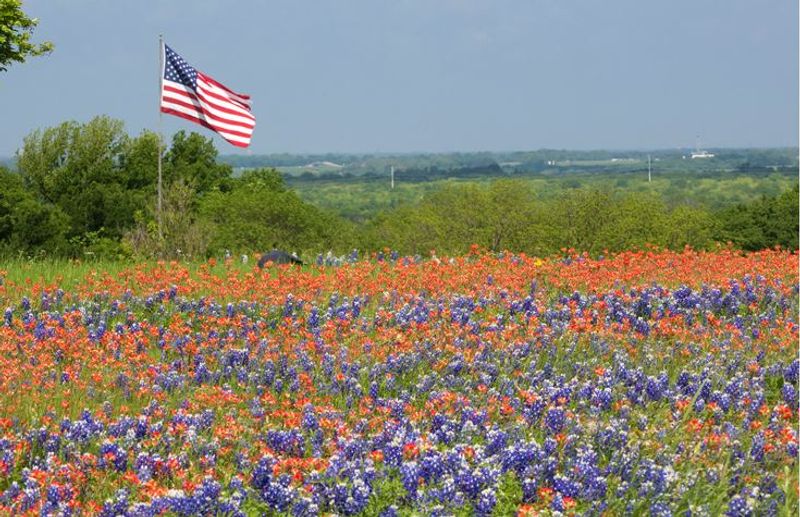
You see bluebonnets, you want the photo, and then someone swears picking them is illegal, but Texas has no statewide blanket ban.
The panic usually comes from mixing up rules about safety, property, and protected areas.
The real risk is trespassing, damaging a highway right of way, or stopping in an unsafe spot along a busy road.
For a safer shot, use designated pull offs near 7900 N Interstate 35 Frontage Rd, Austin, TX 78753, and stay on stable ground.
Troopers and rangers care more about traffic and property than one flower.
I check traffic twice, step onto gravel, and keep kids and pets out of tall grass where fire ants and snakes can hide.
On public lands, posted signs control what is allowed, so read them before you wander.
On private ranches and in neighborhoods, treat the field like someone’s yard and ask permission or skip it.
Want the wildflowers to look great for the next traveler?
Do not turn the shoulder into a parking lot.
Step lightly, do not trample blooms, and keep your stop quick.
Texas loves its state flower, but it also wants shoulders clear and plants standing.
Bring the camera, not a shovel, and let the bluebonnets do their thing.
2. Criminals Must Warn Victims First (Myth)

This rumor sticks because it sounds like a Miranda warning for villains, but Texas law does not require criminals to give victims advance notice.
The story traces back to an old proposed bill that never became law, which is why it keeps showing up on “weird Texas laws” lists.
When you hear it at a barbecue, treat it like a tall tale, then ask which code section supposedly says it.
If you want a real world reality check, use a public law resource instead of social media screenshots.
In Austin, the Travis County Law Library is a solid starting point, and staff can point you to the official Texas statutes.
Texas criminal cases hinge on elements of offenses and evidence, not on a “courtesy script” before wrongdoing.
Prosecutors do not need a warning to file a case, and courts do not accept folklore as a defense.
If you like flipping through codes for fun, you will quickly see how a funny claim can sound official when it gets repeated enough.
Rumors like this survive because they fit a frontier vibe people expect Texas to have.
Stick with trustworthy sources, keep the legend for campfire laughs, and keep your trip energy pointed at the good stuff.
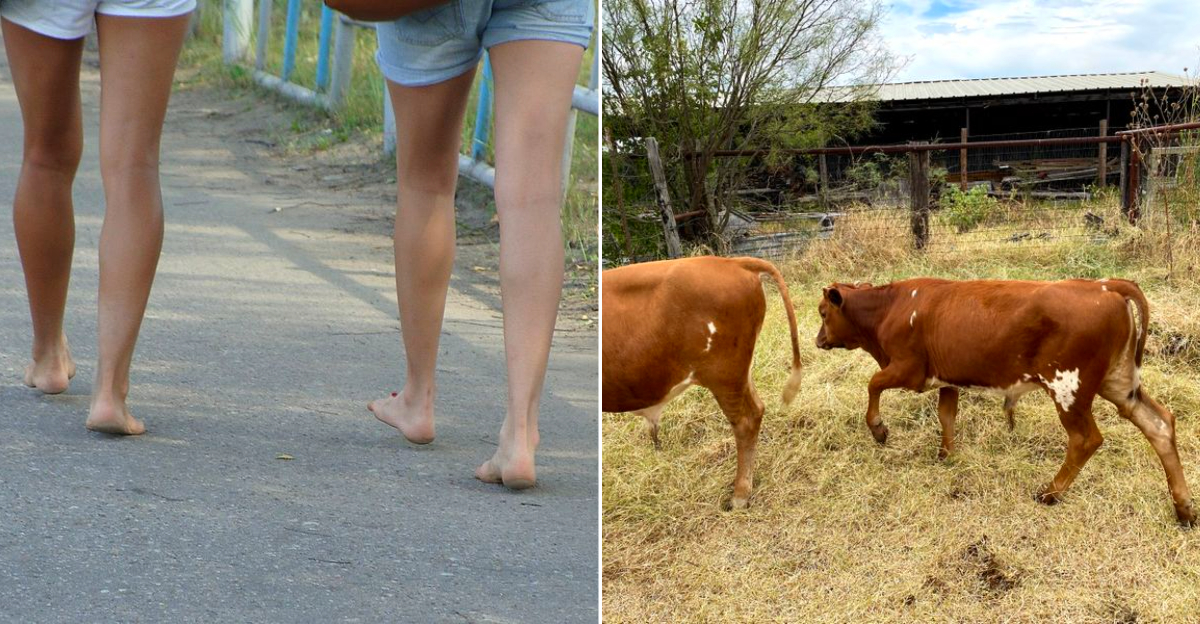
3. Barefoot Walking Requires A Permit (Mostly Myth)

The barefoot permit story is one of those Texas rumors that survives because it sounds just believable enough to repeat.
What actually happens is simpler: sometimes people confuse old local sanitation style rules and business policies with “Texas law.”
If you like walking light, treat it like a local question, not a statewide requirement.
Check posted signs, and remember that stores and public buildings can set their own footwear rules for safety.
If you want to verify something fast, city offices are a better bet than a viral list, and Dallas City Hall is at 1500 Marilla St, Dallas, TX 75201.
On the road, I keep thin soled shoes handy because hot pavement and broken glass do not care about your vibe.
Pool decks, park paths, and river access points can also be rough, even when they look harmless from the car.
Texas towns vary, which is part of the charm, and rules can change from place to place.
Most of the time, signs tell you what matters and save you the awkward moment at the door.
When in doubt, shoes on, handle your errand, then kick them off back at camp.
That way you keep the freedom vibe, skip the hassle, and let the “permit” legend fade back into the tall tale pile.
4. Milking Someone Else’s Cow Is Illegal (Myth Today)

That “milking someone else’s cow is illegal in Texas” line is fun trivia, but it is not a special crime anymore.
It did appear in an older Texas penal code article, which is why it keeps popping up on weird law lists.
That specific language was removed in a later overhaul, and today the same behavior would be handled under general theft rules.
In ranch country, the practical takeaway stays simple: property is property, and boundaries matter.
Along County Road 300 near 100 County Rd 300, Hico, TX 76457, gates and signs make the message clear without a speech.
Enjoy the view, but do not cross fences or treat someone’s livestock like a roadside attraction.
I stay on the shoulder, admire the herd, and leave the work to the owner.
For travelers, the key is consent, because taking anything of value from livestock without permission can become a real problem fast.
Modern codes prefer broad categories that cover many kinds of taking, so the cow story survives as a catchy example.
The law does not need to say “milk” to cover it.
If you are curious, ask the rancher first and accept the answer.
Laugh at the legend, keep your hands off the udders, and keep your trip moving.
5. Selling Your Eye Is Illegal (Fact)

This is one rumor that actually holds up, because Texas bans the sale of human organs, and eyes are explicitly named in the statute.
The rule targets buying and selling, not lawful medical donations handled through proper channels.
That wording is why weird law lists fixate on eyeballs, since it sounds shocking out of context.
In reality, the law is about ethics and preventing exploitation, not creating a bizarre edge case.
If you want to see the language yourself, public law libraries make it easy to look things up without drama.
The Harris County Law Library at 1019 Congress St, Houston, TX 77002, is one place where visitors can read the code directly.
Staff there do not offer legal advice, but they help point you to the right section so you can see the wording firsthand.
I have skimmed it between courthouse visits, and the intent comes through clearly.
For travelers, this rule changes nothing about daily life or sightseeing plans.
No museum, park, or stadium is worried about organ sales, and nobody is policing tourists for anatomy related crimes.
The value here is understanding why the rumor exists and why it sounds so extreme.
Texas often gets painted as anything goes, but this law shows clear limits rooted in ethics.
It lines up with national standards and common sense more than shock value.
So when someone claims Texas allows absolutely anything, this is a calm counterexample.
Keep your curiosity sharp, your facts straight, and your trip focused on the fun parts.
6. Carrying Wire Cutters Is Illegal (Local Rule)

That wire cutter rumor spreads fast, someone says it is “illegal in Texas,” and suddenly your glove box feels suspicious.
Most of the time, it points to a local fence protection rule, not a statewide weapons ban, so the answer depends on where you are standing.
In ranch country, cutters can mean a clipped fence, loose cattle, and a dangerous road, which is why people take it seriously.
If you are in Austin, treat it like a city code question and check it instead of trusting a viral list.
Austin City Hall at 301 W 2nd St, Austin, TX 78701 can direct you to public terminals where you can read the ordinance text yourself.
The practical takeaway is simple, do not walk up to gates or posted property with tools like that unless you have permission.
Even where no ordinance applies, landowners notice cutters quickly, because repairs are not cheap.
Keep gear packed away, stay on public ground, and respect signs, and you avoid awkward questions.
Texas can vary block by block, which keeps a road trip interesting and a little confusing.
Once you see the local angle, the rumor reads less like a ban and more like a common sense reminder.
7. Wipers Required, Windshield Optional (Mostly Fact)
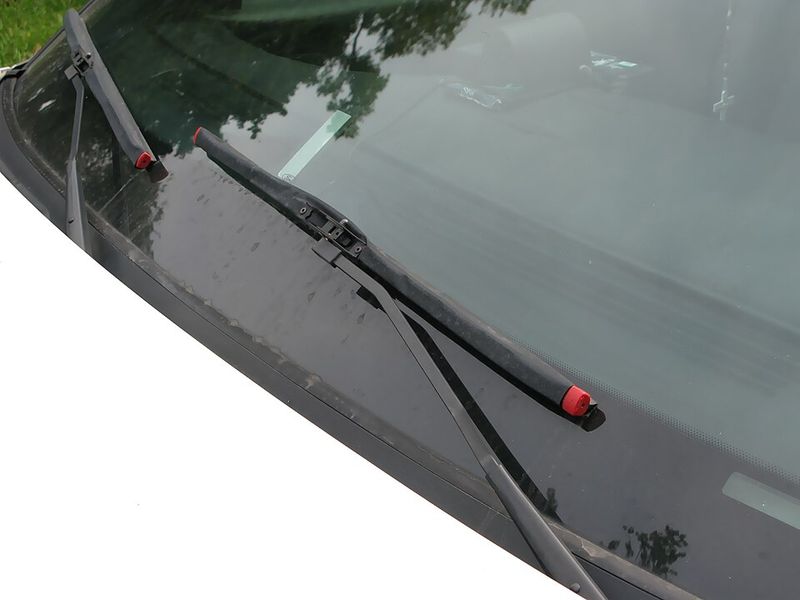
Drivers love this oddity because it sounds like Texas forgot to require a windshield.
The code talks clearly about working wipers, but it never flat out says every car must have glass in front of the driver.
That gap creates a lot of chatter online and at rest stops.
In real life, inspection rules and equipment lists tighten things up fast.
Officers and inspectors focus on whether a vehicle is safe, visible, and compliant as a whole, not on technical word games.
If you want clarity, stop by a state inspection shop like 6100 Burnet Rd, Austin, TX 78757, and ask what actually passes.
Techs will walk you through the checklist and explain how wipers, washers, mounts, and visibility get evaluated.
I once listened to a mechanic explain the difference between internet theory and what rolls out of the bay with a sticker.
On the road, missing glass means wind blast, flying debris, noise, and eye strain, which makes the experiment short lived for most drivers.
A cruiser behind you looks for clear sightlines, secure parts, and working safety gear, not clever interpretations.
So yes, the wording leaves room for debate, but street reality closes it quickly.
Texas road trips reward common sense more than loopholes.
If your vehicle passes inspection and you can see and control it safely, you will spend more time chasing sunsets than citations.
Save the loophole argument for dinner and keep your windshield clear.
8. Sitting On Sidewalks Can Be Fined (Fact)
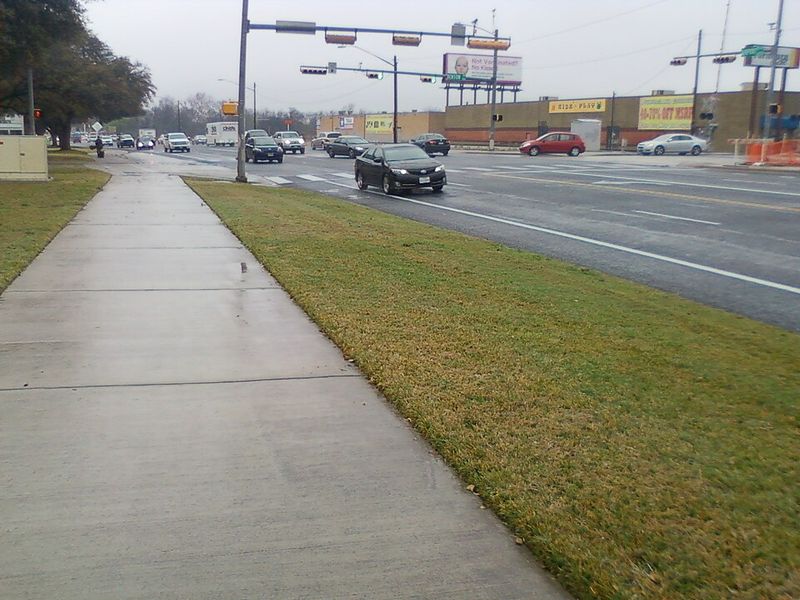
Galveston is beachy and laid back, but the sidewalk rules in certain areas are not a suggestion.
In some posted zones, sitting or lying on the sidewalk can get you cited, especially when crowds pack the walkways.
The goal is simple, keep paths open in busy commercial stretches so people can move without weaving around someone’s photo break.
If you need a rest, the smarter move is using benches or designated spots the city already set up for stopping.
When you are exploring The Strand, look for notices around 2300 Strand St, Galveston, TX 77550, because enforcement areas are usually marked.
I treat it like a quick scan before I settle anywhere, check the nearest sign, then pick a railing or bench if I need a pause.
During peak season, businesses want clear doorways and steady foot traffic, and the rule supports that.
Officers often point to alternatives only a few steps away, so it is rarely a big hassle.
Texas coastal towns do this balancing act all the time, tourism energy on one side and pedestrian flow on the other.
It is not about punishing tired feet, it is about keeping shared space working.
If a rule feels surprising on vacation, remember sidewalks are infrastructure, not lounge chairs.
Take the hint, grab a bench, snap your photo, and keep the vibe friendly and your day ticket free.
9. Kids Can’t Have Unusual Haircuts (Unverified)
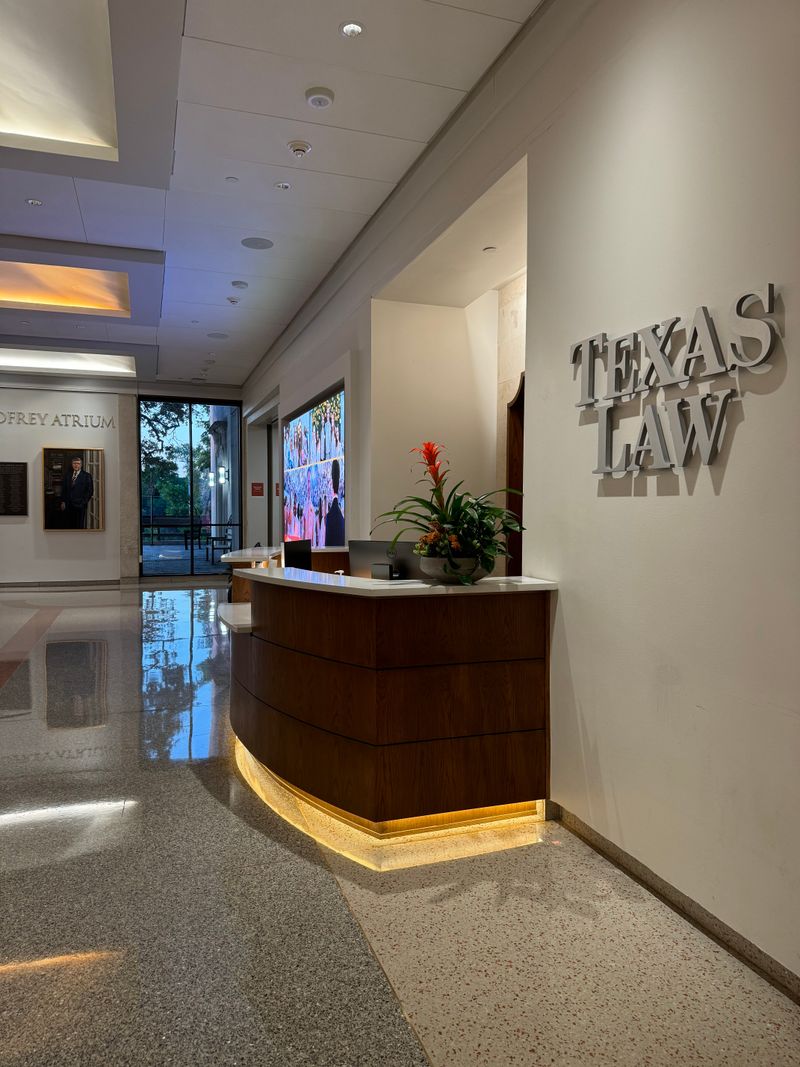
Mesquite’s “banned kids’ haircuts” rumor spreads because it sounds oddly specific and strict.
It pops up on weird law lists, but usually without an ordinance number or a link to the current city code.
Even articles that repeat it often admit they cannot find the text, which keeps it in rumor territory.
Until someone produces a current code section, treat it as unverified trivia and do not plan your trip around it.
If you want to check for yourself, go to Mesquite City Hall at 757 N Galloway Ave, Mesquite, TX 75149, and ask how to access the municipal code.
Search terms like grooming, barber, appearance, and minors will get you to anything relevant fast.
Most legends fade the second a clerk shows you the search tool.
In practice, haircut rules are more likely to come from school district dress codes than from criminal ordinances.
Those policies change, vary by campus, and are handled by schools, not police.
Use this rumor as a quick filter for any viral “Texas law” claim you hear at dinner.
Look for an exact section number, the current wording, and where it is enforced.
If none of that exists, file it under campfire talk, laugh, and keep your road trip moving.
10. Calling Someone Your Spouse Makes You Married (Myth)
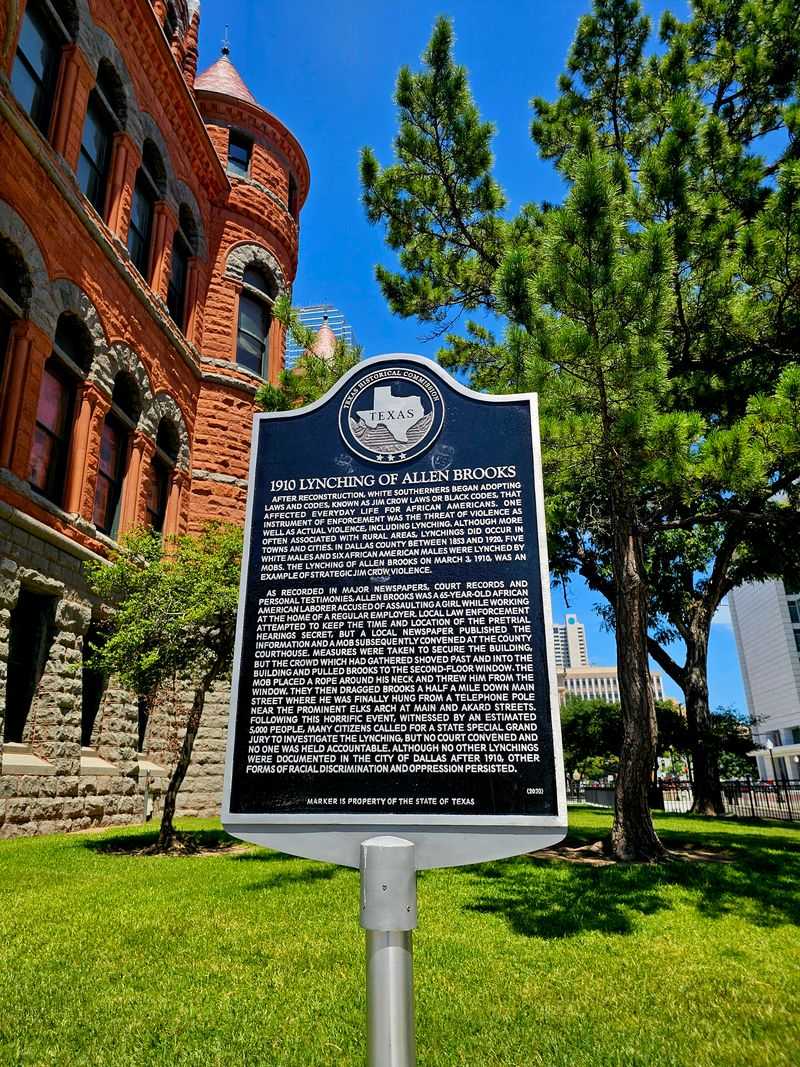
The “say it three times and you’re married” line gets laughs on Texas tours, but it is not how informal marriage actually works.
Texas requires three real elements, an agreement to be married, living together in the state as spouses, and presenting yourselves to others as married.
Joking at a party or repeating the word spouse does not meet that standard.
County clerk offices explain how declarations work and what evidence matters.
At Bexar County Clerk, 100 Dolorosa, San Antonio, TX 78205, staff point visitors to forms and plain language guides.
You can ask process questions without drifting into legal advice.
I once watched a couple pick up brochures, step outside, and turn the joke into a real conversation.
For travelers, the takeaway is simple and reassuring.
Friendly banter does not create surprise obligations or paperwork.
If you want a formal step, the office visit and filing make it explicit.
If you want no step, enjoy the trip and keep it light.
Texas recognizes informal marriage, but courts look for consistent proof, not punchlines.
The myth sticks because it sounds daring, easy, and very Texas.
When it pops up on a bus or barstool, smile and steer the talk back to brisket.
Dear Reader: This page may contain affiliate links which may earn a commission if you click through and make a purchase. Our independent journalism is not influenced by any advertiser or commercial initiative unless it is clearly marked as sponsored content. As travel products change, please be sure to reconfirm all details and stay up to date with current events to ensure a safe and successful trip.
