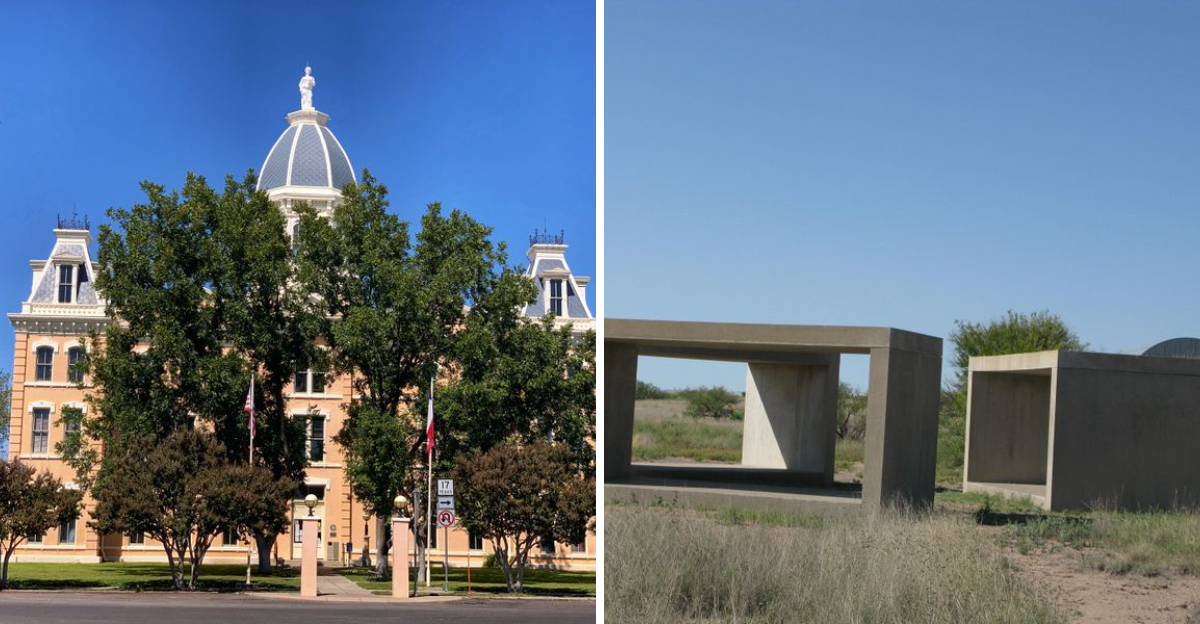
Marfa sits in the middle of the West Texas desert, a place where tumbleweeds once outnumbered people.
What started as a dusty railroad stop transformed into one of the most unexpected art destinations on the planet.
This tiny town, with its wide-open skies and abandoned buildings, caught the eye of artists seeking something real and raw.
Now, galleries stand next to old ranches, and tourists from around the world come to see mysterious lights and giant art installations.
Marfa proves that even the most remote places can become cultural landmarks.
The story of how this happened involves war, art, mystery, and the kind of stubborn creativity that refuses to follow the rules.
From minimalist sculptures to glowing desert phenomena, Marfa offers surprises at every turn.
1. From Railroad Stop to Ranching Town: Marfa’s Early Days
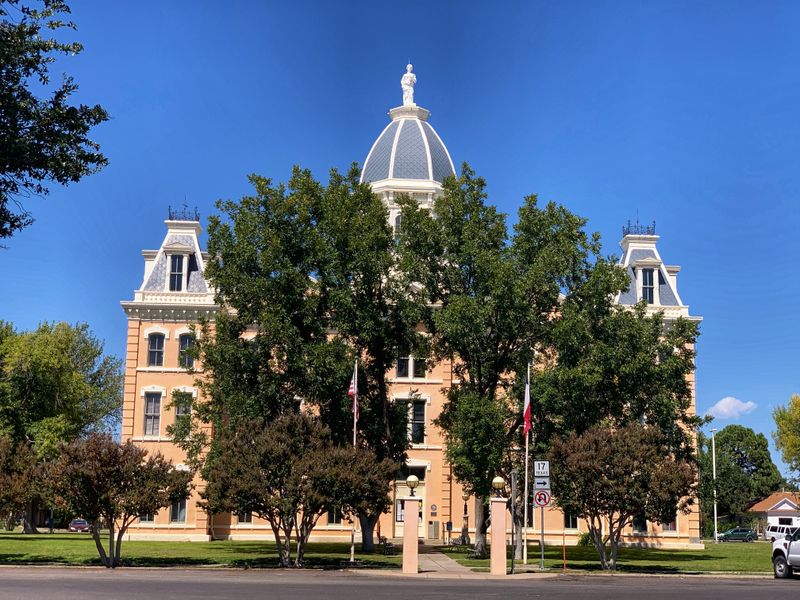
Marfa sprang to life in the late 1880s when the railroad pushed through the harsh West Texas landscape.
Workers needed water for steam engines, so they built a stop in this remote stretch of desert.
The town got its name from a character in a Russian novel that a railroad executive’s wife was reading at the time.
Ranchers soon followed the tracks, recognizing that the grasslands could support cattle despite the dry climate.
Families settled in, building homes and businesses around the depot.
Life revolved around livestock, with cowboys driving herds across the plains and trading in town.
Water was precious, and everyone learned to respect the unforgiving environment.
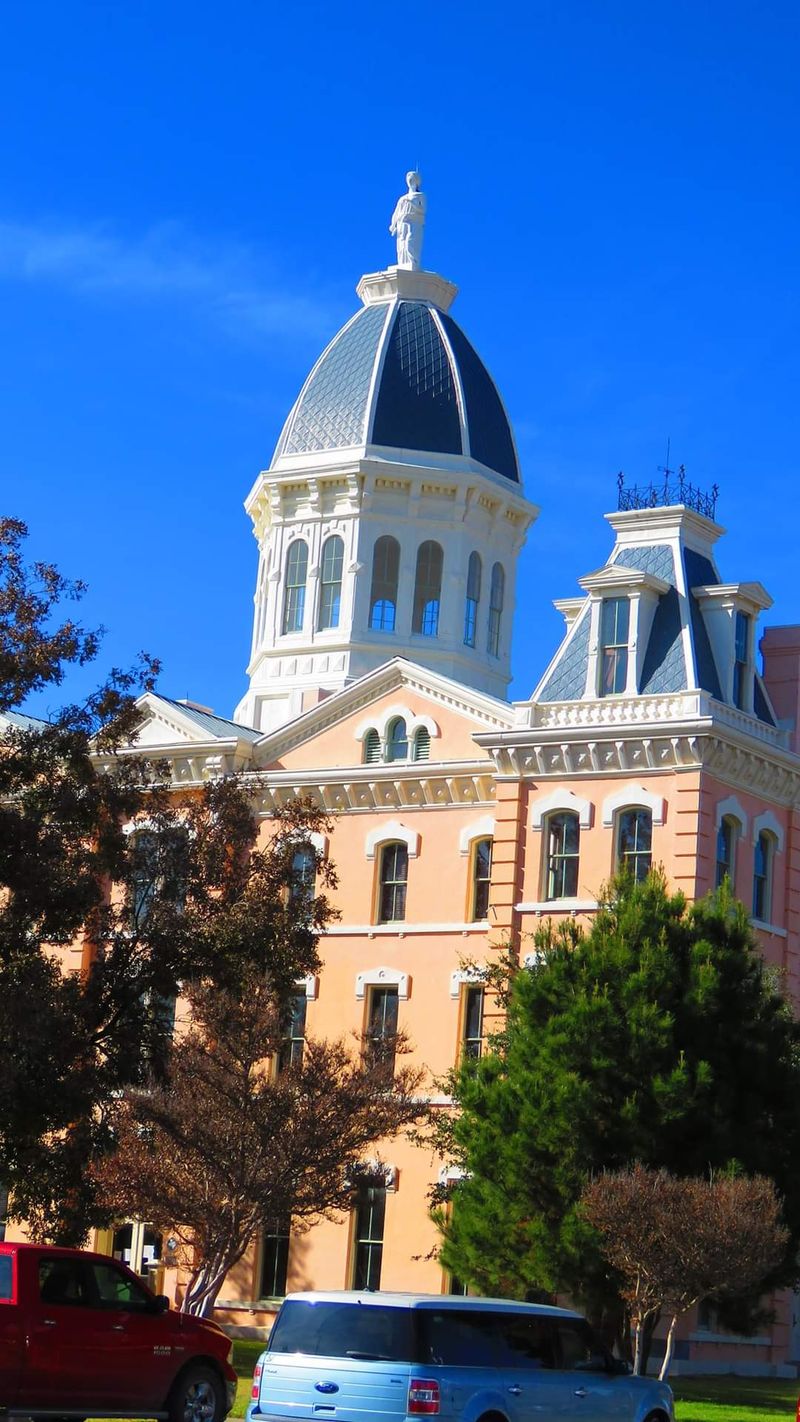
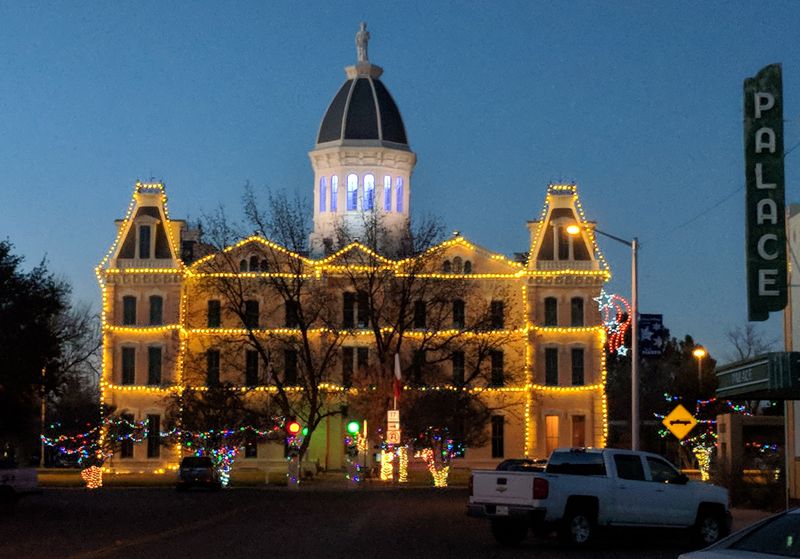
The community grew slowly but steadily, with a courthouse, general stores, and schools appearing over the decades.
Marfa became the seat of Presidio County, giving it a sense of permanence despite its isolation.
Ranching culture defined everything, from the clothes people wore to the values they held.
Generations of families built their lives around the rhythms of the land.
Nobody could have predicted that this quiet ranching town would one day attract international attention for reasons having nothing to do with cattle.
2. A Wartime Boom and Post-War Bust
World War II changed everything for this sleepy Texas town.
The military chose Marfa as the location for an Army Air Field, transforming empty land into a bustling training center.
Thousands of pilots arrived to learn combat flying in the clear desert skies.
The base brought jobs, money, and a sudden population explosion that made Marfa feel like a boomtown.
Local businesses thrived as servicemen filled restaurants, shops, and boarding houses.
Families opened their homes to officers, and the town buzzed with wartime energy.
But when the war ended, so did Marfa’s prosperity.
The base closed almost as quickly as it had opened, leaving behind empty buildings and a shrinking economy.
Drought hit the ranching industry hard, making it difficult for families to keep their operations going.
Young people left for cities where jobs were more plentiful.
Marfa faced the real possibility of becoming a ghost town, with boarded-up storefronts and abandoned homes.
The population dwindled, and the future looked bleak for this isolated community.
Few could have imagined that these very abandoned buildings would one day become the foundation for an artistic renaissance.
3. The Arrival of Donald Judd and a New Artistic Vision
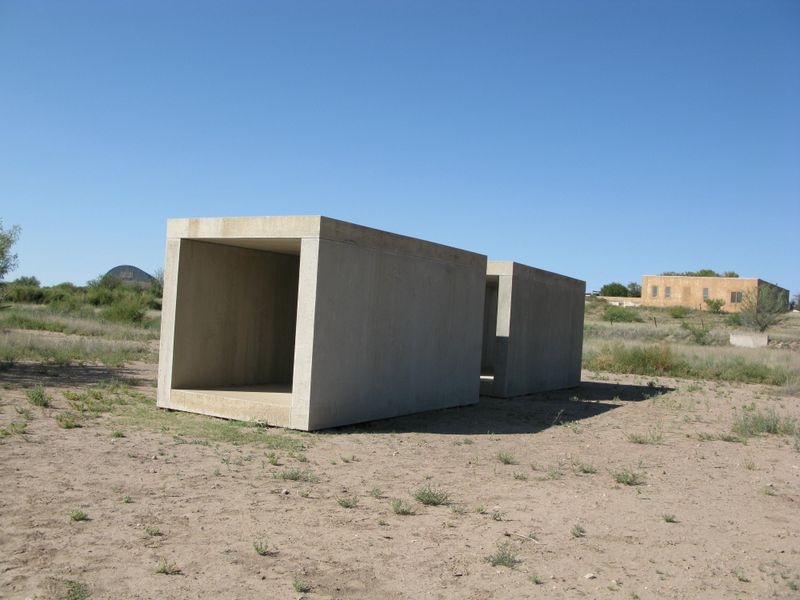
Donald Judd grew tired of New York City’s crowded art scene in the 1970s.
He wanted space, silence, and a place where his large-scale minimalist works could exist without compromise.
Marfa offered exactly what he needed: cheap land, abandoned buildings, and a landscape that stretched to the horizon.
Judd bought property and began transforming the old structures into studios and exhibition spaces.
His vision went beyond simply displaying art in galleries.
He believed that art should interact with its surroundings, becoming part of the environment rather than separate from it.
The harsh beauty of the desert appealed to his minimalist sensibilities.
Other artists heard about what Judd was doing and came to see for themselves.
Some stayed, drawn by the same qualities that had attracted him: solitude, light, and freedom.
Locals watched with curiosity and sometimes skepticism as these outsiders moved into their struggling town.
Judd’s presence marked a turning point, though it would take years for the full impact to become clear.
His commitment to Marfa was total, and he spent the rest of his life building something unprecedented in this unlikely location.
Address: Marfa, Texas 79843
4. The Chinati Foundation: A Museum Where Art Meets the Desert Landscape
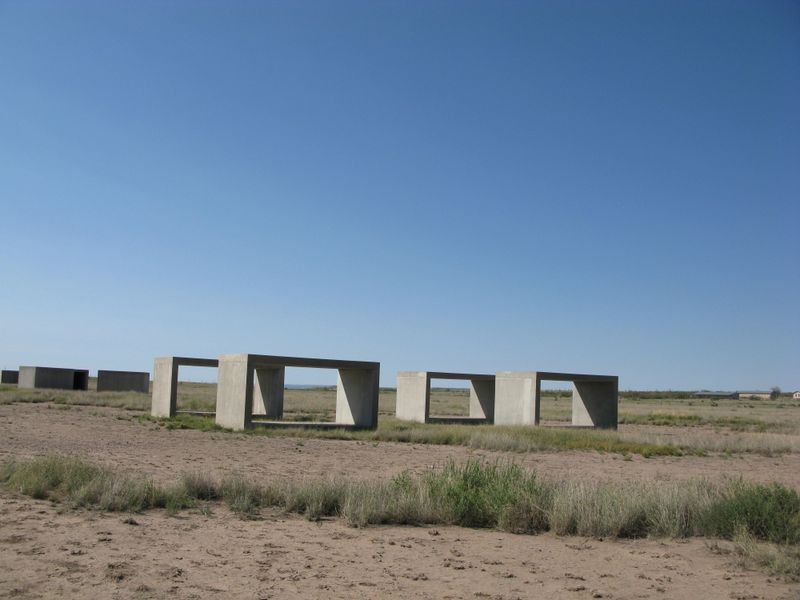
Judd transformed the abandoned Fort D. A. Russell into something the art world had never seen before.
He established the Chinati Foundation as a permanent home for large-scale installations by himself and other minimalist artists.
The former military buildings became exhibition spaces where art could be experienced in vast, uncluttered rooms.
Natural light pours through windows, changing the appearance of the works throughout the day.
Visitors walk through artillery sheds to see rows of aluminum boxes, each one precisely placed and identical yet somehow unique.
Dan Flavin’s colored fluorescent lights glow in old barracks, creating immersive environments.
The foundation’s philosophy rejects the traditional museum model where art gets moved around and stored.
Everything here stays put, allowing each piece to develop a relationship with its specific location.
The desert landscape becomes part of the experience, visible through every window and doorway.
Tours last hours because there is so much to see and the spaces demand slow, thoughtful viewing.
This approach to exhibiting art influenced museums worldwide, proving that context matters as much as the artwork itself.
The Chinati Foundation put Marfa on the map for serious art lovers and changed how people think about where and how art should be displayed.
Address: 1 Cavalry Row, Marfa, Texas 79843
5. Prada Marfa: The Iconic, Controversial Roadside Art Installation
A luxury boutique stands alone on a desolate highway outside Marfa, miles from anything.
Prada Marfa looks like a real store, complete with handbags and shoes displayed in the windows.
But the door never opens, and nothing inside is for sale.
Artists Elmgreen and Dragset created this permanent sculpture to comment on consumerism and the absurdity of luxury branding.
The installation immediately became one of the most photographed spots in West Texas.
Travelers pull over constantly to snap pictures with this surreal sight.
Some people love it, seeing it as a brilliant commentary on modern culture.
Others consider it pretentious or out of place in ranch country.
Vandals have broken in several times, stealing the merchandise and forcing repairs.
The building deteriorates naturally under the harsh sun, which the artists intended as part of the work.
Prada Marfa represents everything quirky and unexpected about the region’s art scene.
It proves that art here refuses to stay confined to galleries and museums.
The installation has appeared in countless magazines, movies, and social media posts, becoming a symbol of Marfa’s creative spirit.
Address: 1 Prada Marfa, Valentine, Texas 79854
6. The Mysterious Marfa Lights: A Longstanding Enigma
Strange glowing orbs have appeared in the night sky near Marfa for over a century.
These lights dance, split apart, change colors, and vanish without explanation.
Ranchers first reported seeing them in the late 1800s, long before cars or airplanes could account for the phenomenon.
Scientists have offered theories ranging from atmospheric reflections to swamp gas, but none fully explain what people see.
The lights appear randomly, sometimes several times a week and sometimes not for months.
They hover above the desert, moving in ways that seem impossible for natural phenomena.
Skeptics insist they are just distant car headlights, but witnesses who have watched them closely disagree.
The mystery adds to Marfa’s mystique, attracting curious visitors who hope to catch a glimpse.
A viewing area with a parking lot and informational plaques sits along Highway 90.
People gather there after dark, scanning the horizon with binoculars and cameras.
Some leave disappointed, seeing nothing unusual.
Others swear they witnessed something genuinely unexplainable.
Whether the lights are natural, paranormal, or simply misidentified, they remain one of Marfa’s most enduring attractions.
Address: Highway 90, Marfa, Texas 79843
7. A Bohemian Magnet: Drawing Artists, Writers, and Creatives
Judd’s presence acted like a beacon for other creative people seeking escape from mainstream culture.
Artists arrived from New York, Los Angeles, and Europe, drawn by cheap rent and the promise of artistic freedom.
Writers found inspiration in the silence and the dramatic landscape.
Galleries opened in former storefronts, showing experimental work that might not find audiences elsewhere.
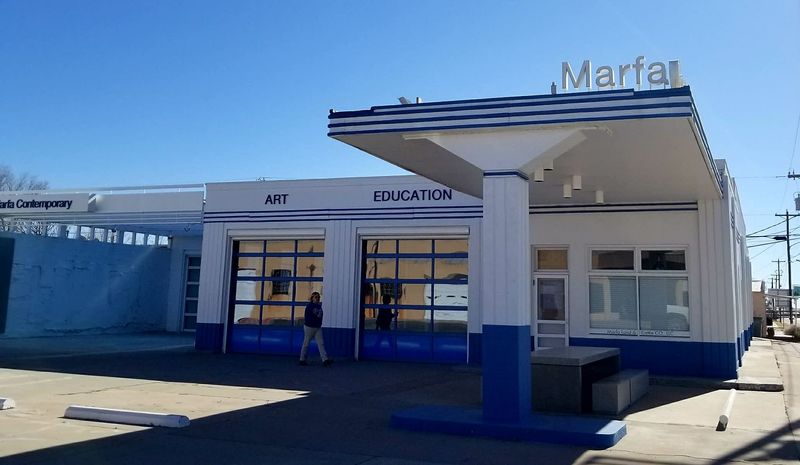
Ballroom Marfa became a vital cultural space, hosting exhibitions, concerts, and performances that pushed boundaries.
The organization brought international artists to town for residencies and projects.
Creative communities formed, with people collaborating on projects and supporting each other’s work.
Coffee shops and bookstores catered to this new population, creating gathering spaces for conversation and exchange.
The bohemian atmosphere contrasted sharply with the traditional ranching culture, but somehow the two coexisted.
Marfa developed a reputation as a place where unconventional ideas were welcome.
Film directors, musicians, and fashion designers began visiting, using the town as a backdrop for creative projects.
This influx of talent transformed Marfa from a dying town into a vibrant cultural hub.
The creative energy became self-sustaining, with each new arrival adding to the town’s appeal.
Address: 108 E San Antonio St, Marfa, Texas 79843
8. Cowboy Culture Meets High Art: A Unique Coexistence
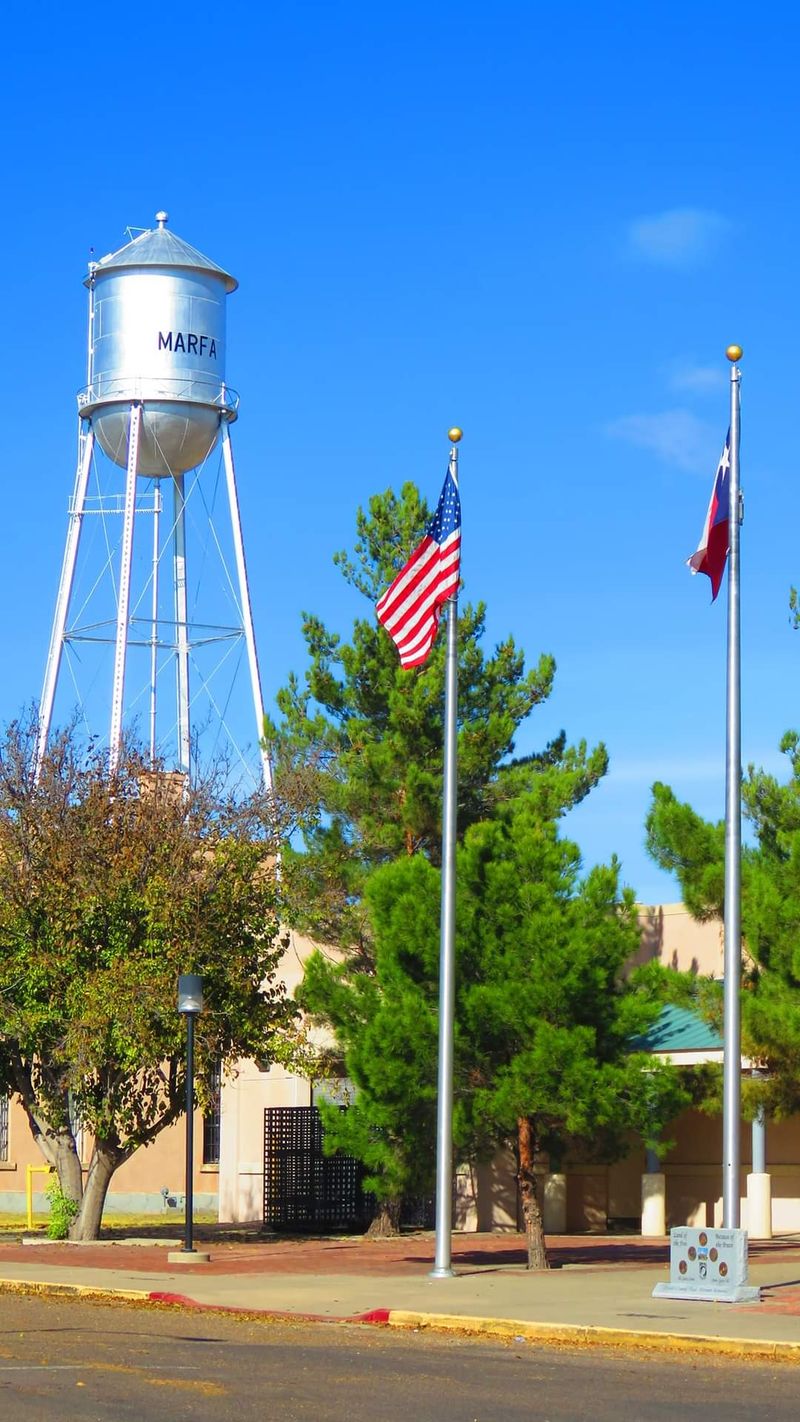
Ranching families who had lived in Marfa for generations suddenly found themselves sharing their town with artists and intellectuals.
The contrast could have created conflict, but instead, an unusual balance emerged.
Cowboys still work the surrounding ranches, driving cattle and maintaining fences just as their grandparents did.
They shop at the same grocery store where gallery owners buy supplies.
The local bar serves both ranch hands and visiting curators.
Some longtime residents embraced the changes, recognizing that art tourism brought economic opportunities.
Others remained skeptical, viewing the newcomers as outsiders who did not understand or respect local traditions.
Yet the two worlds learned to coexist, each respecting the other’s claim to the town.
Art openings might happen on the same weekend as a ranch rodeo.
Pickup trucks park next to expensive sports cars on the main street.
This cultural collision creates a dynamic unlike anywhere else in Texas.
Marfa’s identity now encompasses both its cowboy heritage and its reputation as an art destination.
The tension between old and new gives the town much of its character and appeal.
Address: Marfa, Texas 79843
9. Tourism and Gentrification: The Challenges of Being a Hot Spot
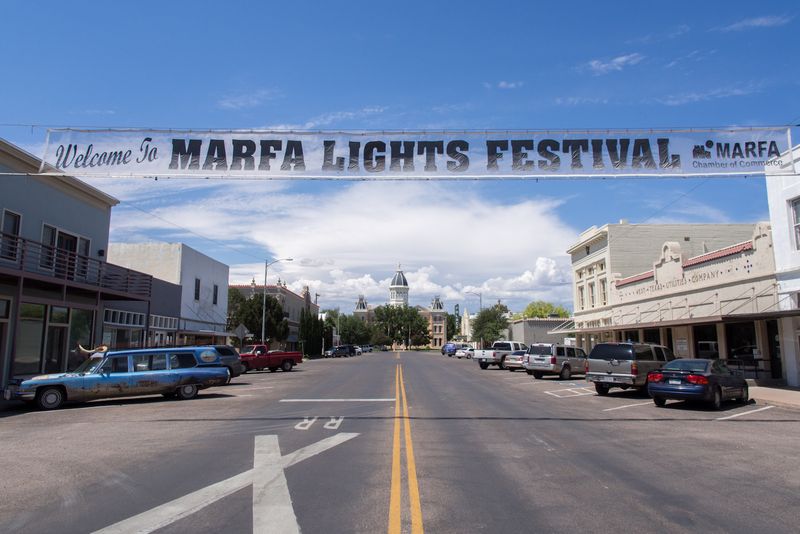
Success brought problems that nobody anticipated when the first artists arrived.
Property values skyrocketed as wealthy outsiders bought second homes and investment properties.
Longtime residents found themselves priced out of the housing market in their own town.
Rental costs increased dramatically, making it difficult for working families to stay.
Boutique hotels replaced modest motels, catering to tourists willing to pay premium prices.
High-end restaurants opened, serving cuisine that bore little resemblance to traditional West Texas fare.
The quiet, isolated atmosphere that originally attracted artists began to disappear under the pressure of constant visitors.
Weekends became crowded, with tour buses and rental cars clogging the streets.
Some worried that Marfa was becoming a parody of itself, a commodified version of the authentic place it once was.
Local leaders struggled to balance economic development with preservation of community character.
The debate over Marfa’s future continues, with no easy answers.
Growth brought prosperity but also threatened the very qualities that made the town special.
This tension between preservation and progress defines modern Marfa.
Address: Marfa, Texas 79843
10. Marfa Today: A Must-Visit Destination in the Middle of Nowhere
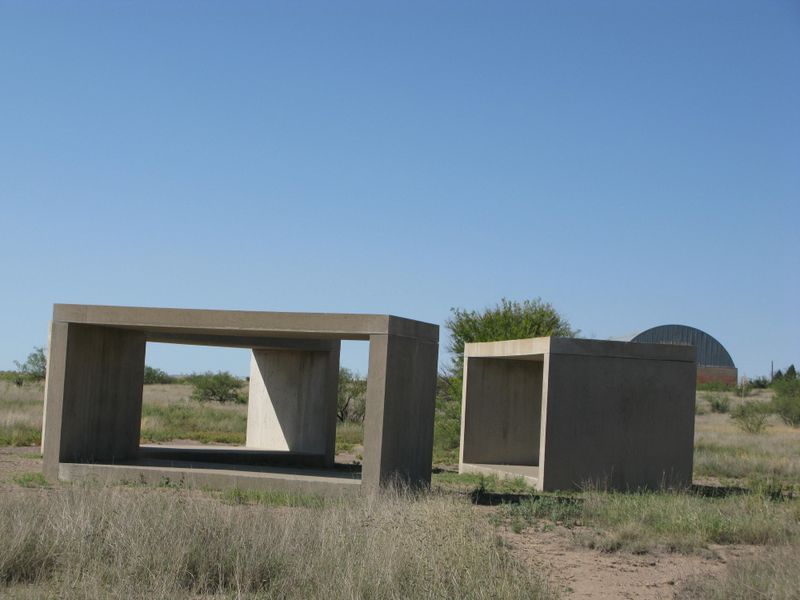
Modern Marfa offers an experience found nowhere else on Earth.
Visitors come for world-class art installations that rival anything in major cities.
They stay for the dark skies, stunning sunsets, and sense of being genuinely far from everything.
Acclaimed restaurants serve innovative cuisine in converted historic buildings.
Quirky shops sell everything from vintage boots to contemporary art books.
The town maintains its small size, with just a few thousand permanent residents.
Yet its cultural influence extends globally, with magazines and travel guides regularly featuring it.
Big Bend National Park lies within driving distance, adding natural wonders to the artistic attractions.
Film festivals, art openings, and music events draw crowds throughout the year.
The landscape remains as dramatic and unforgiving as ever, reminding visitors why this place inspired artists in the first place.
Marfa proves that geography need not limit cultural significance.
This remote Texas town became an international destination through vision, creativity, and stubborn determination.
Its story continues to evolve, with new chapters being written by each generation of residents and visitors.
Address: Marfa, Texas 79843
Dear Reader: This page may contain affiliate links which may earn a commission if you click through and make a purchase. Our independent journalism is not influenced by any advertiser or commercial initiative unless it is clearly marked as sponsored content. As travel products change, please be sure to reconfirm all details and stay up to date with current events to ensure a safe and successful trip.
