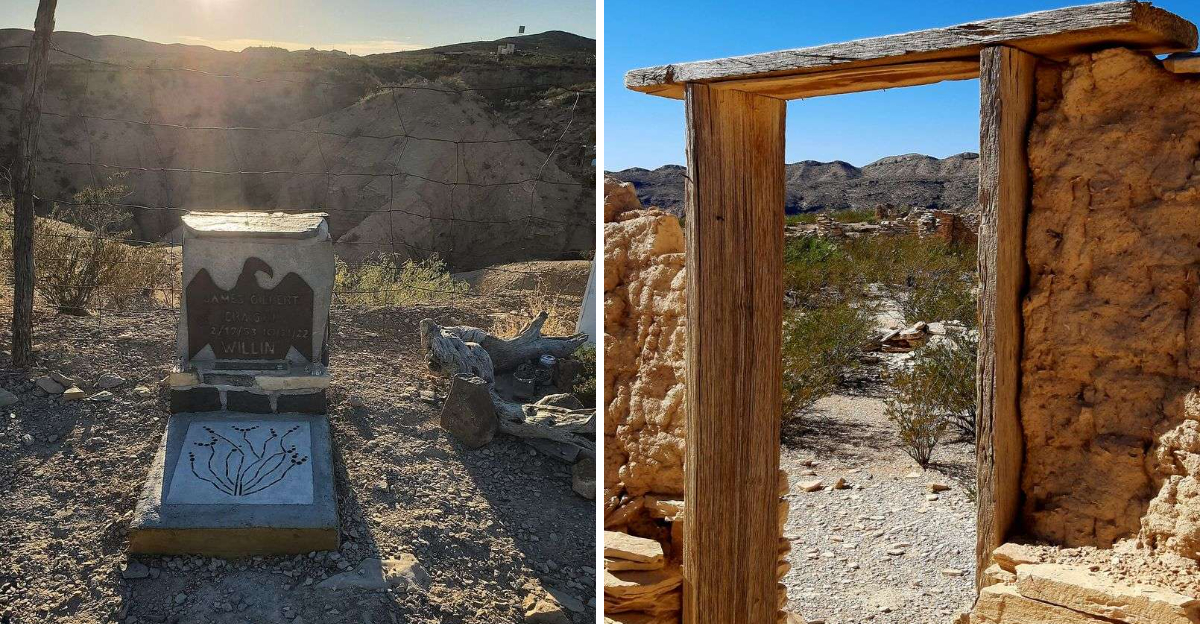
You are about to meet a tiny desert town that should have vanished, yet it greets you with dusty charm and stubborn heart.
Terlingua sits between towering canyons and star-soaked skies, where Texas grit meets creative spark.
The story starts with mercury mines and ends with porch music, art shacks, and trail shoes.
Bring curiosity, bring patience, and plan to stay long enough for the sunset to show you why people never really left.
By the end, you might feel like you have joined the family of wanderers who call this place home.
From ghost town roots to living legend
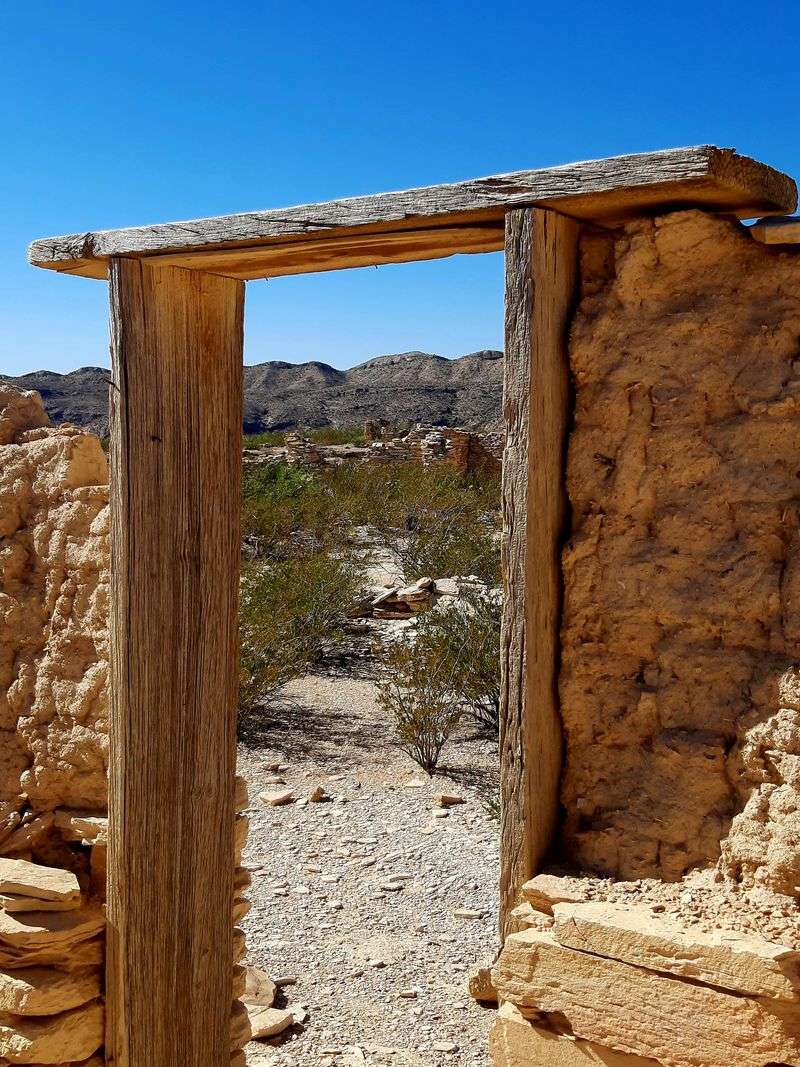
Terlingua began as a mercury mining district, and the boom of the early twentieth century shaped the grid of ruins you see leaning into the sun today.
When the mines closed and families drifted away, the desert started to reclaim timbers, roofs, and tailings with a quiet steadiness that feels almost polite.
Walk the paths between collapsed adobe and stone, and you sense a pause rather than an ending, a breath held as if the town waited for someone to press play again.
That pause ended when artists, guides, and desert dreamers arrived, drawn by open horizons and the promise of Big Bend adventures on both the national and state park sides.
They opened outfitters, tuned guitars, and refit old walls into galleries and studios, and a ghost town became a living gallery of Texas persistence.
You can read the story in textures, from rough mesquite doors to sun fired bricks that still hold the day’s heat after twilight.
Locals guard the pace of life, so plan to slow down, greet people by name, and let conversations meander like arroyos after summer rain.
Historic markers and small plaques provide context, but the best guide is the landscape itself, which tells of ore, water, and wind.
Some folks repeat rumors about lost stashes of cinnabar or hidden mine maps, and those stories are legends, not confirmed history.
What is certain is a practical resilience, a way that Terlingua fits the hand like a well used tool and refuses unnecessary polish.
Stand on a rise at sunset and you will see the Chisos turn to silhouette while the ruins glow a soft copper.
In that light, the town’s reputation as a survivor stops being a headline and becomes a simple fact you can feel beneath your boots.
The Terlingua Cemetery, a quiet chronicle
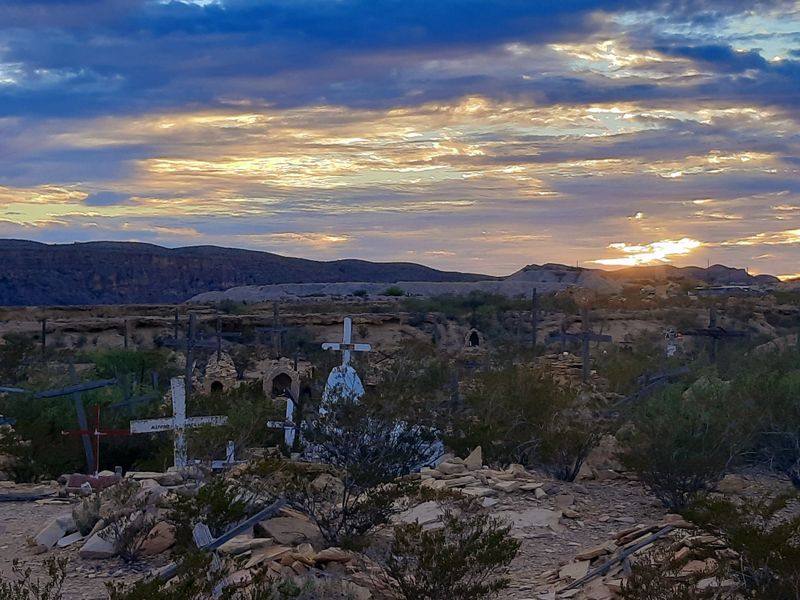
The Terlingua Cemetery sits on a low hill where handmade crosses lean into the wind and stones trace careful mounds over desert soil.
Names from Mexico and Texas mingle with weathered wood and simple metal, and the arrangement feels personal, not curated.
Dia de los Muertos gatherings bring candles and flowers each fall, and visitors watch with respect as families honor memory with color and song.
Daytime visits reveal details you might miss at night, like glass fragments arranged into stars and shells fixed into mortar as bright talismans.
The ground is uneven and the sun can be harsh, so bring water, step lightly, and photograph thoughtfully.
You will notice offerings tucked beneath crosses, and it is best to admire without moving anything because every item has intention.
The site tells a story of working lives tied to mines and ranches, of hardship met with humor, and of community that outlived payrolls.
Readings of headstones show Spanish and English side by side, a reminder that the border here is a river and a relationship.
Several graves honor unknown miners, and the absence of detail says as much as an inscription, letting the desert carry the rest.
Legends whisper of odd lights on certain nights, and those tales are unverified, though the quiet can indeed feel otherworldly.
What is confirmed is the ongoing care, with fresh paint on crosses and newly placed stones that keep the place alive in the present.
Leave with a slower heartbeat and a better sense of why Terlingua endures, because remembrance in Texas often looks like this, humble and steady.
Big Bend basecamp, trails at your doorstep
Terlingua works like a flexible basecamp for exploring Big Bend National Park and Big Bend Ranch State Park, with trailheads a short drive apart.
Early risers reach the Window View or Lost Mine trail before sun glare and return for late lunch in the shade of old walls.
Afternoons shift west toward the River Road area for overlooks and gravel travel, then back to town for porch music and star maps.
Outfitters arrange guided paddles on the Rio Grande, along with shuttles for point to point hikes that can simplify logistics.
Rental options include sturdy river gear, bikes suited to desert roads, and satellite devices for safety where cell service fades.
Pack more water than feels necessary, and add wide brim hats plus sun layers to handle Texas light that reflects off pale limestone.
Wildlife sightings tend to be early or late, so keep distance, use binoculars, and let the desert set the viewing pace.
Trail etiquette matters on narrow sections with cryptobiotic crust, which you should avoid stepping on to protect the living soil.
Storms can rise fast in warm seasons, turning arroyos into brief creeks, and detours may save a day from drama.
Maps from visitor centers are current, but check road status boards because closures change with weather and maintenance.
Back in town, route planning becomes a social sport, with chalkboards and paper maps spread across tables as plans evolve.
Use Terlingua as your calm middle ground, a place where gear dries, boots cool, and tomorrow’s adventure forms without hurry.
Starlight Theatre, a stage with stories
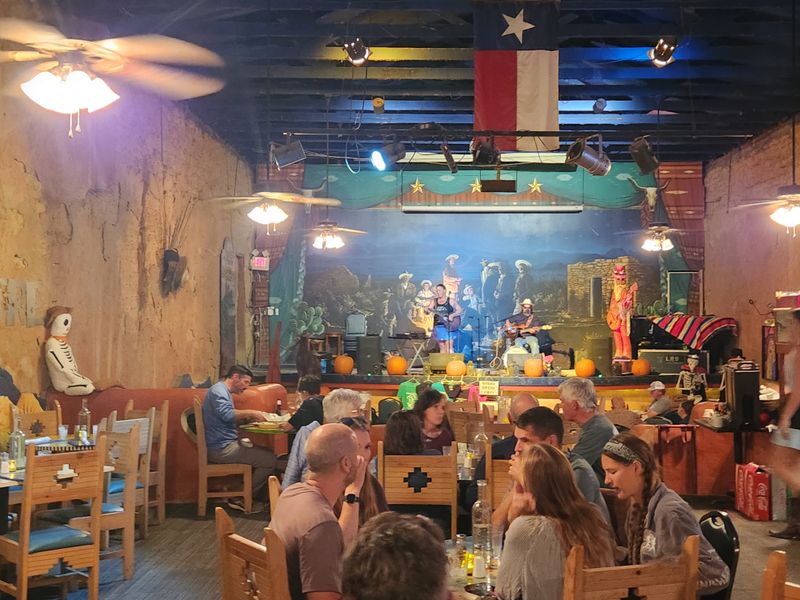
The Starlight Theatre anchors evening life in the Ghost Town with live music and a roomy interior that feels like a desert lodge turned playhouse.
The building once stood roofless, and locals remember open air nights before restoration gave the hall a dependable cover and sound.
Performers pass through with guitars and travel cases, and sets swing from folk to country to border ballads as the night finds its rhythm.
The porch gathers an audience before the first chord, and conversations spill between wooden posts and the sandy lot.
If you value atmosphere, show up early to pick a seat with a view of the stage and the steady traffic of neighbors and travelers.
Sound carries cleanly under high ceilings that soften echoes and make small bands feel intimate rather than distant.
Dress remains casual with boots, hats, and sun shirts, and nobody minds trail dust if you handled your day on the rocks.
Staff keep the pace friendly, and set breaks become your chance to step outside and catch a moonrise over low rooftops.
The address is 631 Ivey Road, Terlingua, Texas 79852, and signage is clear from the main Ghost Town loop.
Events and hours change with seasons, so always check current listings before driving from remote lodging.
Legends claim a few playful spirits linger from the roofless era, and those stories remain unverified but persist in porch chatter.
Either way the music and the crowd prove why evening in Terlingua is less about plans and more about simply showing up together.
Art shacks and desert studios
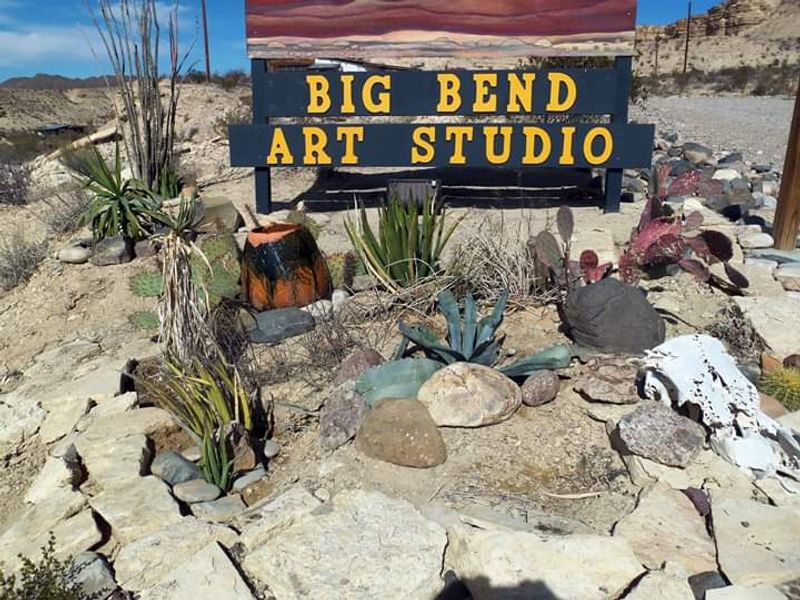
Art in Terlingua looks like color splashed across corrugated metal and mosaics pressed into concrete beside rambling cactus gardens.
Studios open on casual hours, and makers often work with reclaimed wood, wire, and found glass that the desert seems to gift daily.
Galleries range from one room showcases to small compounds with courtyards, where shade structures double as conversation nooks.
You can ask about commissions or custom pieces, and many artists accept simple deposits with delivery timed to your next visit.
Photography friendly spaces invite you to document interiors and exteriors, especially weathered textures and creative seating corners.
Price points vary, so you can carry home a small print or plan for a statement piece that anchors a room.
Many artists moved here after discovering Big Bend on repeat trips, trading city noise for a studio that opens to ocotillo.
Talk to them about materials and the challenges of finishing work in dry heat that changes paints and glues.
There is no single art district address to list, since display spaces are spread across the Ghost Town and nearby lanes.
Events pop up seasonally with open studio afternoons, which you can confirm through local boards and community pages.
Stories about secret galleries down unmarked roads are mostly playful legends, and it is best to stick to public invitations.
Bring patience and an open ear, because the art here reveals how Texas scale and border light shape imagination every day.
Lodging with character, ruins and views
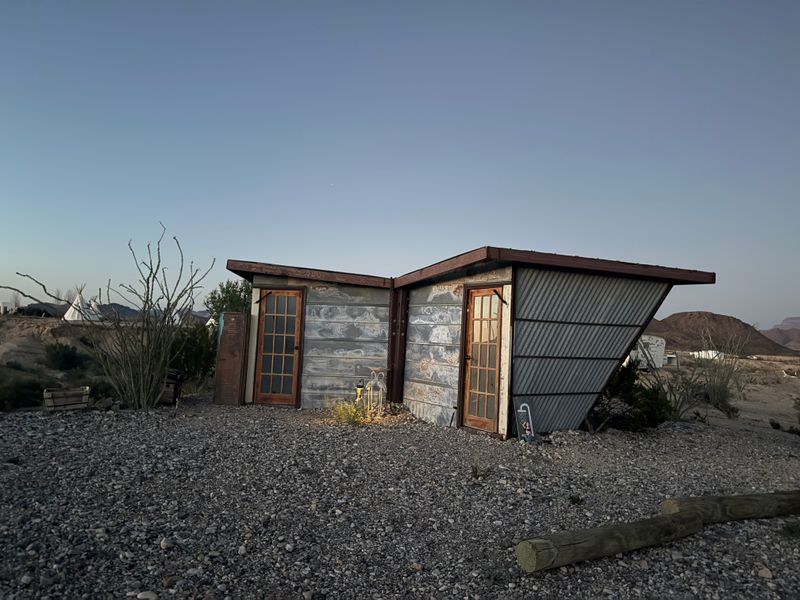
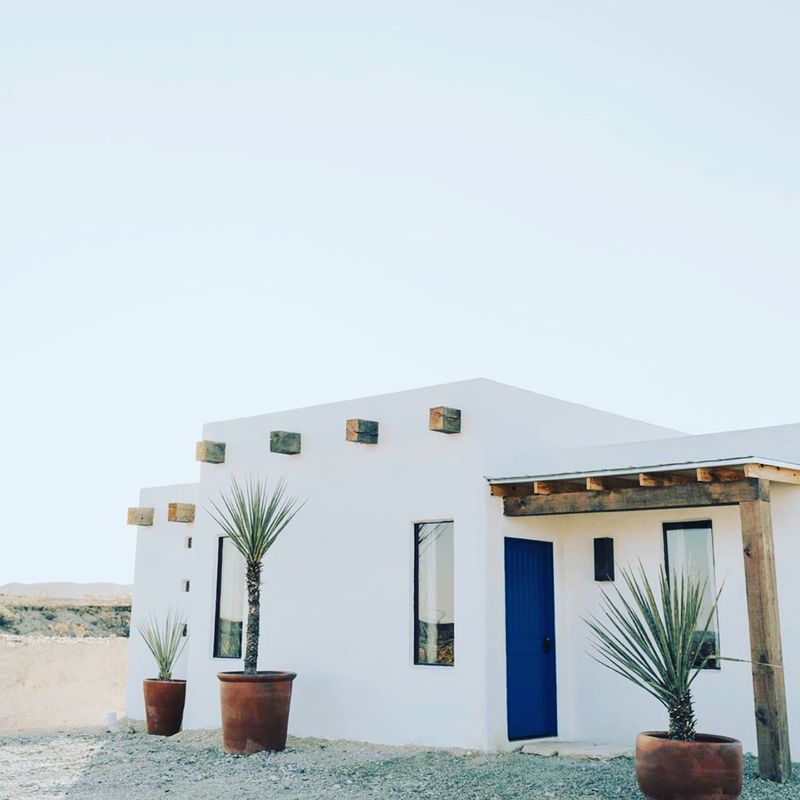
Staying in Terlingua often means a casita or room tucked into old foundations with porches aimed at sunset and sky.
Some properties keep vintage fixtures and reclaimed doors that turn each cabin into its own small storybook.
Expect strong temperature swings, so choose places with good fans or heaters depending on the season and wind.
Hosts tend to be longtime locals or guides, and their advice can save an hour on the road and add a viewpoint to your plan.
Look for clear check in instructions and parking notes, since lanes can be narrow and signage modest by design.
If a listing promises stargazing, confirm whether lights are shielded and if outdoor seating faces open horizons.
Lodges near the Ghost Town keep you close to music and galleries, while more remote spots trade convenience for quiet.
There are no high rise hotels here, only small scale places that match the terrain and keep footprints light.
Addresses are provided by each property and vary across town, so confirm directions ahead of late night arrivals.
Many stays include outdoor showers or decks that make sunrise coffee a daily highlight.
Legends of rooms haunted by miners read like campfire material, and none of those tales hold confirmed evidence.
You will likely leave with a favorite porch chair and a mental map of Texas stars that guide your next return.
Fuel up for trails, simple and satisfying
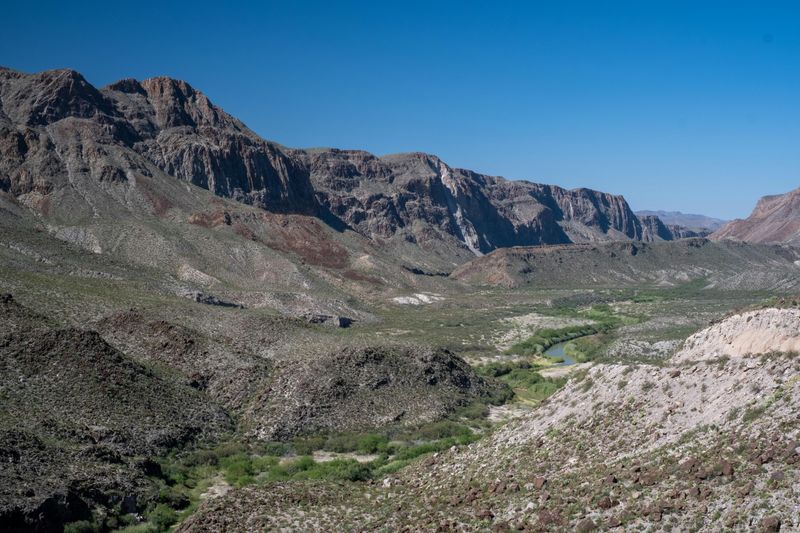
Mornings in Terlingua start early when guides roll out and hikers prep for trailheads that heat up fast.
Cafes keep hours tuned to sunrise, and you will find friendly counters, shaded patios, and bulletin boards stacked with updates.
The best spots focus on quick service, reliable coffee, and a sense of community that wakes you with conversation.
Seating ranges from simple stools to porch benches with mountain views that make a weather check feel like a ritual.
Menu details change often, so confirm daily offerings and consider pre ordering for large groups heading into the park.
Carry reusable bottles and ask about water fill stations, because desert hydration is a full time habit here.
Plan your return route around mid afternoon shade so you can cool down and review maps before the evening show.
Some places close midweek or shift hours seasonally, so a quick online check saves disappointment after long drives.
Because specific venues can move or remodel, verify addresses and directions on current pages before setting out.
When you sit under string lights at dusk, the day turns from logistics to memories as dust settles and voices rise.
Stories of pop up bakeries appear now and then, and those are fun rumors until signage announces a real schedule.
Across Texas you can eat anywhere, but in Terlingua you refuel with intention so tomorrow’s miles feel like a gift.
Starstruck nights and dark sky etiquette
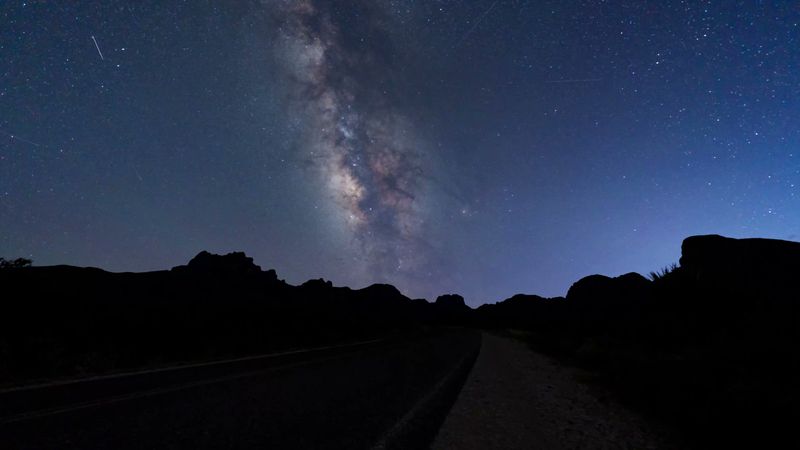
Night in Terlingua arrives with a sky so dense with stars that conversations slow and cameras point upward without prompting.
The region benefits from low light pollution and clear air that turns the Milky Way into a confident arc by midsummer.
Bring a red light for walking between spots, and keep porch lights shielded to preserve neighbors’ views and comfort.
Tripods and remote triggers help with long exposures, and a simple wide lens captures ruins and sky in one frame.
Wind can nudge gear, so weight your tripod and frame with extra margin around edges to keep shots steady.
Meteor showers pull folks into open lots where shared gasps make instant friendship without much introduction.
Plan around moon phases, since bright nights shift the mood from star fields to silver edged silhouettes.
Check forecasts for high clouds that can glow softly and still deliver a satisfying session for beginners.
Do not trespass for vantage points, because many alluring structures sit on private land within walking distance of town.
Guided night programs sometimes appear through local groups, which you can confirm on community boards and park sites.
Legends about strange lights across distant ridges are common border tales, and they remain unverified anecdotes.
Respect the quiet and you will hear coyotes tune the evening while Texas constellations mark a route back to your door.
River canyons within reach
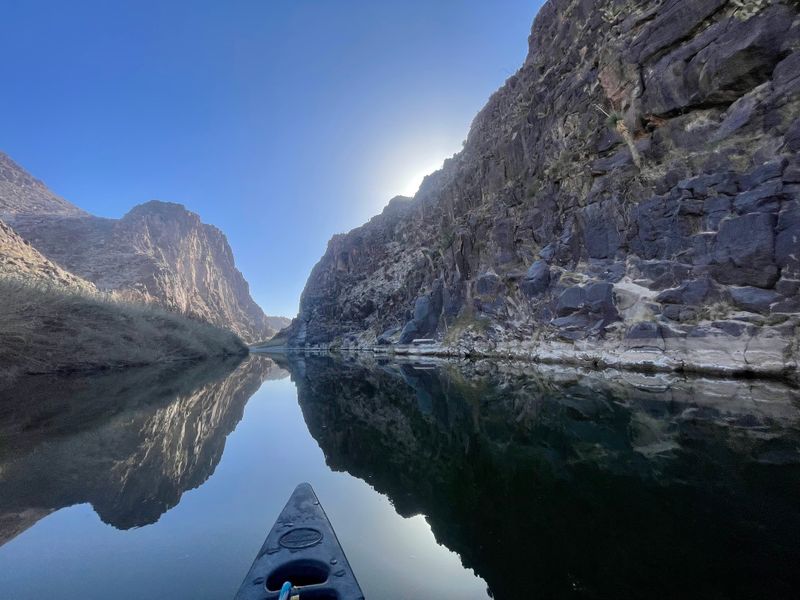
From Terlingua, the Rio Grande feels close enough to include on most itineraries without rushing the day.
Guided trips range from gentle floats to swift current sections where experience and water levels guide the call.
Santa Elena Canyon gets the attention for its soaring walls, while Boquillas offers wide river bends and border town views.
Access depends on park conditions, and rangers post updates that outfitters track before confirming departures.
Wear closed toe shoes that grip wet rock, and pack sun layers plus a dry bag for phones and maps.
Afternoons can bring winds that turn corners into challenges, so route choices may favor shorter runs.
Photography shines at low angles where light meets water and cliff faces mirror color back to your lens.
Stay on legal put in and take out points to respect land rules and avoid confusion at the end of a long float.
Because this is border water, be mindful of regulations and carry identification as advised by official sources.
Wildlife often appears as herons, turtles, and quiet fish ripples that fade as quickly as they arrive.
Stories about hidden hot springs near unnamed bends read like camp talk, and you should treat them as legends.
Back in Terlingua the desert air feels lighter after a day on the river, a Texas moment where contrast becomes memory.
Events that stitch the town together
Annual happenings keep Terlingua on calendars, with music nights, art pop ups, and outdoor meetups spaced across the cooler months.
The famous chili scene evolved into separate cookoffs nearby, and the town still buzzes when competitors and fans roll through.
Smaller events feel spontaneous, like a workshop announced on a chalkboard or a trail cleanup that starts with porch coffee.
There is a rhythm to fall and spring when temperatures invite longer hangs and late arrivals still find seats.
Community boards near the Ghost Town serve as planning hubs, and a quick check can shape your day more than any brochure.
Visitors are welcome to join volunteer efforts that support trails, art spaces, and local services.
If a listing includes an address, verify it before you drive, because pop up venues sometimes change at the last minute.
Conversations continue after the last song as people linger under string lights and trade tips for tomorrow’s routes.
Families tend to feel comfortable here, with open spaces, friendly dogs, and easygoing hosts.
Photo guidelines favor shots of stages, seating, and exteriors, which keeps the focus on place rather than consumption.
Rumors of secret midnight concerts surface every season, and those remain unverified and best treated as playful lore.
Show up with patience and a hello, and you will find that Texas hospitality blends with desert independence in the best possible way.
Dear Reader: This page may contain affiliate links which may earn a commission if you click through and make a purchase. Our independent journalism is not influenced by any advertiser or commercial initiative unless it is clearly marked as sponsored content. As travel products change, please be sure to reconfirm all details and stay up to date with current events to ensure a safe and successful trip.
