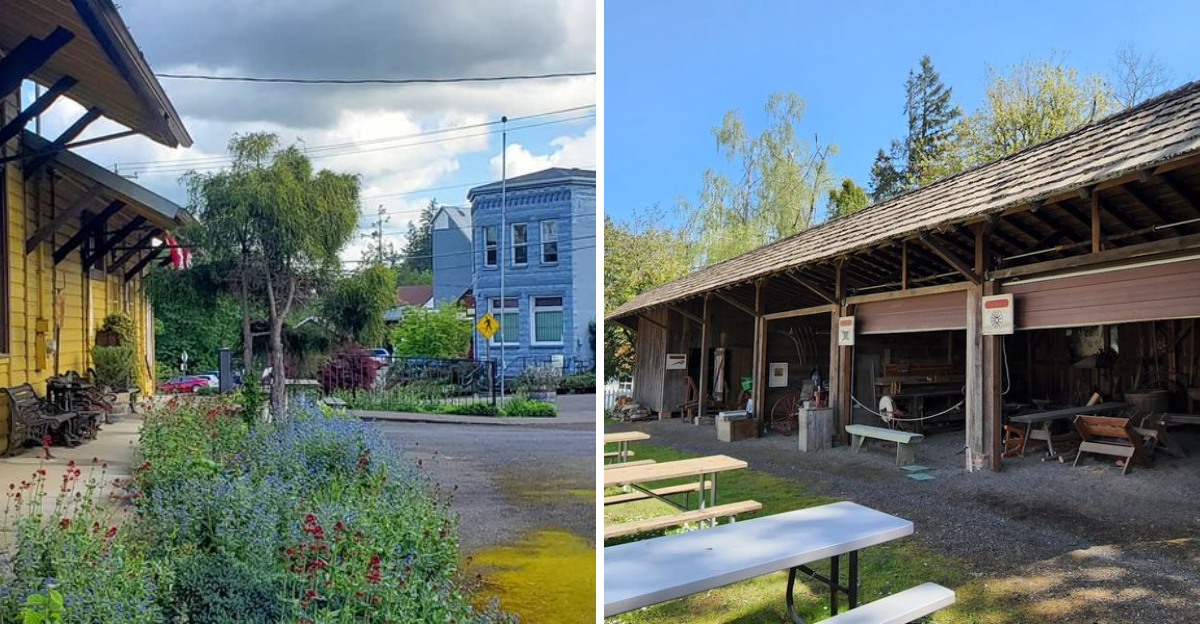
A quiet pocket of history in Oregon feels almost frozen in time, like the world decided to pause and never press play again. This 19th-century German colony carries that rare kind of atmosphere where every structure, street, and detail still echoes the year 1856.
I didn’t expect a place this old to feel this intact, but walking through it is like stepping directly into another century. Wooden buildings, preserved traditions, and a strong sense of heritage make the whole setting feel unusually vivid.
There’s a stillness here that isn’t empty – it’s full of stories that never really left. Each corner seems to hold onto a piece of the past without trying to modernize it away.
It’s the kind of place where history doesn’t feel displayed; it feels lived in, even now.
The Man Who Built a Dream: Wilhelm Keil and His Vision
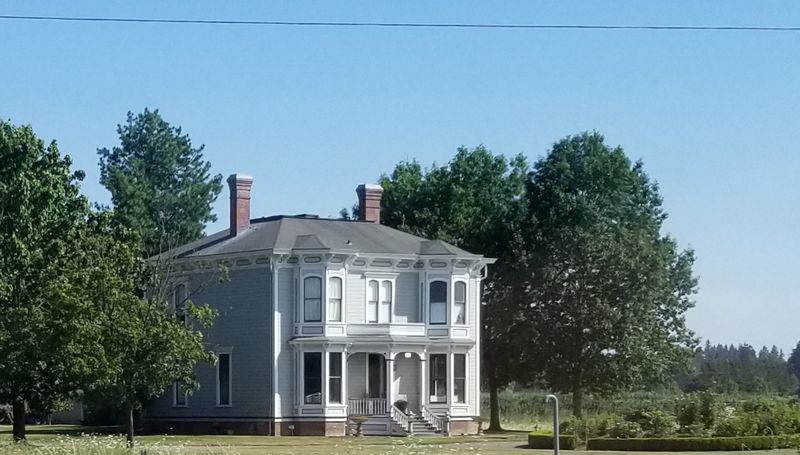
Not every town gets built by a dreamer with a mission. Wilhelm Keil arrived in America with a bold idea: create a Christian communal colony where everyone shared equally in work and reward.
Born in Prussia in 1812, Keil had already led a successful colony in Bethel, Missouri before setting his sights on the Pacific Northwest. He believed deeply in community over individual gain.
His followers trusted him completely.
The group traveled the Oregon Trail in 1855. Legend holds that Keil’s eldest son Willie died just before departure.
Keil kept his promise to bring Willie along by placing his body in a lead-lined whiskey barrel for the journey.
They arrived in the Willamette Valley in 1856 and began building Aurora Colony. Keil led the settlement until his death in 1877.
His legacy shaped not just a town but a way of life that Oregon still honors today.
Aurora Colony: A Commune Unlike Any Other
Aurora Colony was not your typical pioneer town. Every resident worked for the good of the whole group, not for personal profit.
Land, tools, and food were all shared.
The colony operated on Christian principles mixed with practical communal living. No one owned private property.
Everyone contributed their skills, whether farming, cooking, carpentry, or music.
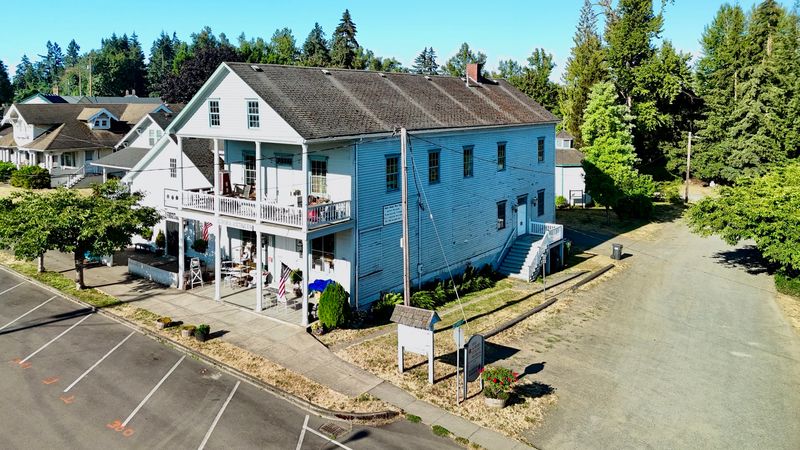
At its peak, Aurora Colony housed several hundred residents. The community ran its own industries, including a sawmill, a grist mill, and a hotel.
Visitors traveling the Pacific Coast route often stopped here.
The colony’s unique structure made it one of the longest-lasting communal settlements in American history. It lasted over two decades before dissolving in 1883 after Keil’s death.
The dissolution happened peacefully, with land divided among former members. Aurora’s identity as a colony town never truly faded.
The spirit of shared purpose still echoes through every restored building on its main street.
Old Aurora Colony Museum: Where 1856 Comes Alive
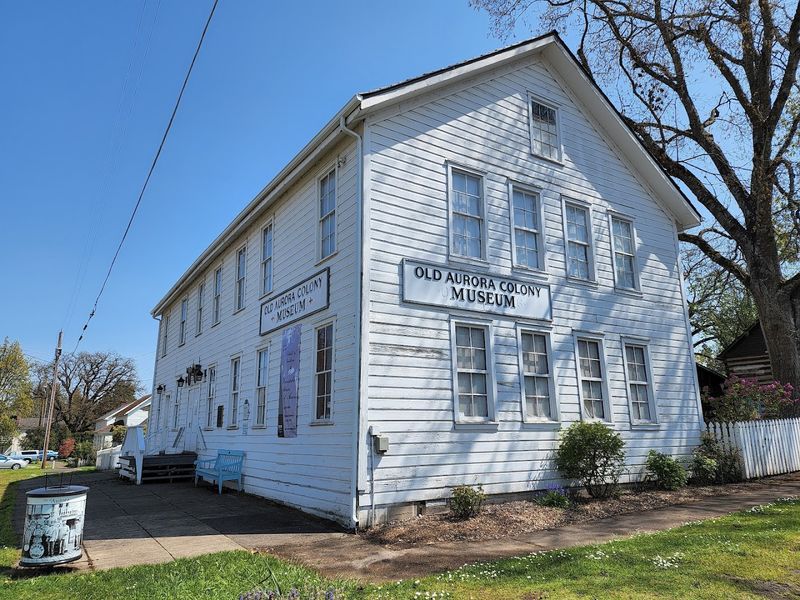
Stepping into the Old Aurora Colony Museum felt like crossing a threshold into another century. The museum complex spans several original colony buildings, each restored with care and detail.
The main museum houses thousands of artifacts from colony life. Quilts, furniture, farm tools, and personal items tell quiet but powerful stories.
Each object was once touched by someone who gave everything to a shared dream.
One of the standout buildings is the Ox Barn, a massive original structure that once housed the colony’s working animals. It now serves as an exhibit hall.
The craftsmanship in its beams is stunning.
The museum also preserves the colony’s famous needlework and woodworking traditions. Colony craftspeople were known throughout Oregon for their skill.
Their work sold well at the nearby railroad depot. Guided tours run regularly and bring the history to vivid life.
The museum is located at 15018 2nd St NE, Aurora, Oregon 97002.
The Antique Shops That Keep History Breathing
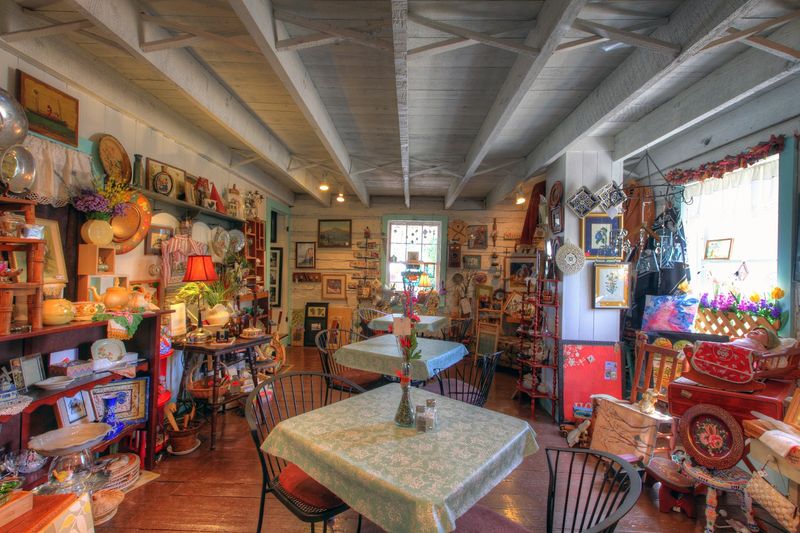
Aurora has quietly earned a reputation as one of Oregon’s top antique destinations. The main street is lined with shops that feel less like retail spaces and more like curated time capsules.
Each store has its own personality. Some focus on Victorian furniture.
Others specialize in vintage textiles, glassware, or farm tools that look like they came straight from the colony’s storage rooms.
I wandered into one shop and found a hand-stitched quilt folded on a wooden table. The pattern matched designs documented in the colony museum.
That kind of connection between past and present is rare.
Antique hunting in Aurora rewards patience. You need to slow down and look carefully.
Treasures hide in corners and on low shelves. Shop owners tend to know their inventory deeply and love sharing stories.
The whole experience feels like a community effort to keep history alive, one beautiful old object at a time.
The Communal Kitchen and the Food That Fed a Colony
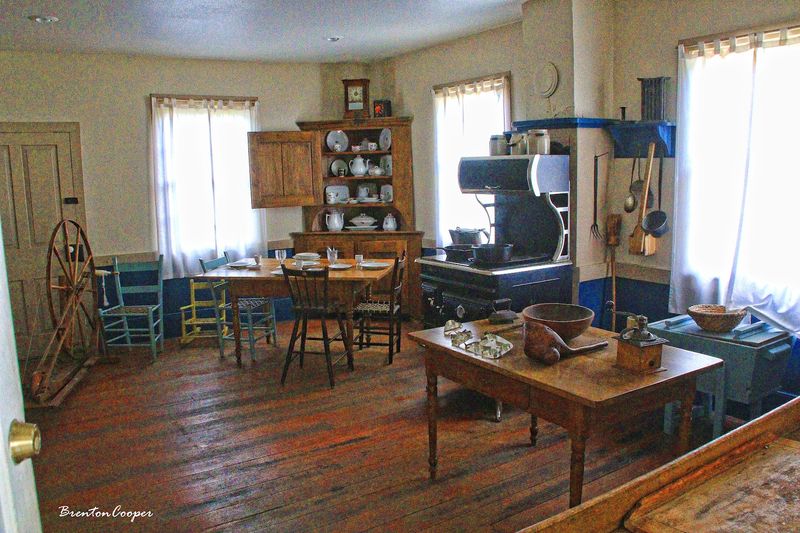
Food in Aurora Colony was never a solo act. The community cooked and ate together, with large communal kitchens feeding dozens of people at every meal.
That tradition shaped the town’s culture deeply.
Colony women were responsible for much of the cooking. They prepared hearty German-influenced meals using ingredients grown on colony farmland.
Bread, root vegetables, preserved meats, and dairy were daily staples.
The communal kitchen was also a social hub. Recipes passed between generations without ever being written down.
Some of those flavors still influence local cooking in the area today.
Modern Aurora carries that food heritage forward. Small cafes and seasonal events in town often draw inspiration from old colony recipes.
The emphasis on simple, wholesome, locally sourced food feels remarkably current. Sitting down for a meal in Aurora today still carries a quiet communal warmth.
The tables may be smaller now, but the spirit of sharing has never really left this town.
Colony Craftsmanship: Furniture, Quilts, and Woodwork
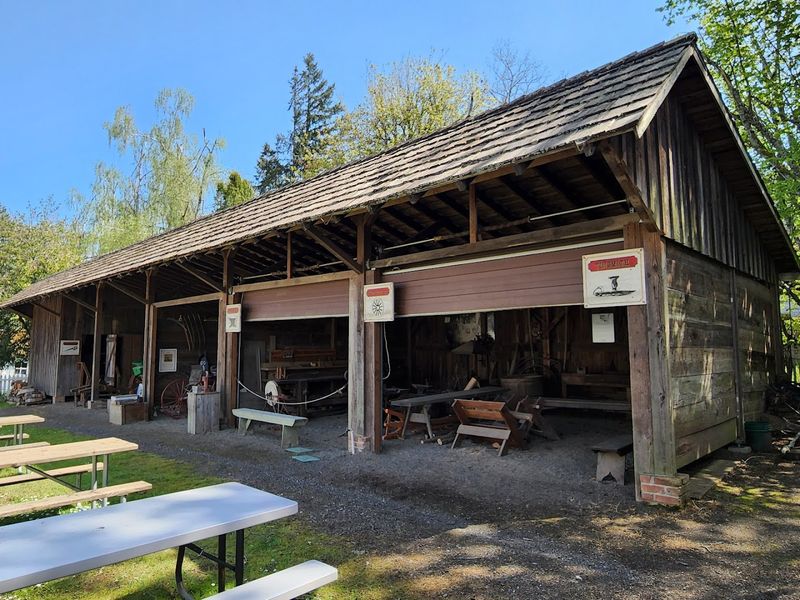
Aurora Colony craftspeople were extraordinary. Their furniture, quilts, and woodwork gained recognition far beyond Oregon’s borders.
Pieces traveled by rail to buyers across the Pacific Northwest.
The colony’s cabinetmakers worked with walnut, oak, and cherry wood. Their joinery was precise and built to last generations.
Many original pieces still exist in private collections and museum displays.
Quilting was equally celebrated. Colony women created complex geometric patterns using fabrics dyed with natural pigments.
The quilts were functional but undeniably beautiful. Some are still displayed at the colony museum.
What made colony craftsmanship special was its purpose. Nothing was made purely for decoration.
Every object served a practical role in daily life. That philosophy gave the work a grounded, honest quality you can still feel when you stand close to an original piece.
Aurora’s artisan tradition lives on today in local craft markets and workshops that honor those old-world skills with genuine respect.
The Railroad That Changed Everything for Aurora
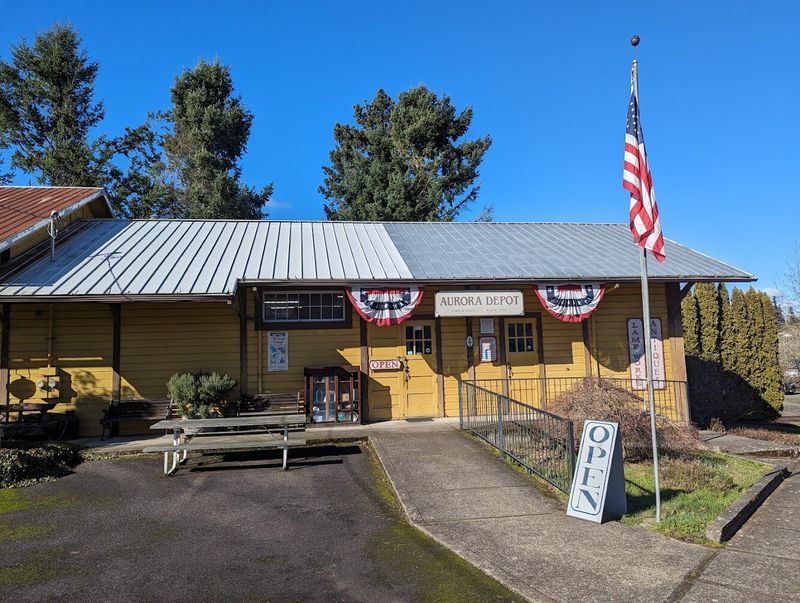
The arrival of the Oregon and California Railroad in 1870 transformed Aurora overnight. Suddenly, the colony’s goods could reach markets far beyond the Willamette Valley.
Business boomed.
Colony leaders quickly adapted. They expanded their hotel to accommodate railroad travelers.
The Aurora Hotel became a well-known stop for passengers making the long journey between Portland and California.
The railroad also brought outside ideas into a community that had operated largely in isolation. New goods, new people, and new perspectives began filtering in.
Some historians argue the railroad accelerated the colony’s eventual dissolution in 1883.
Still, the rail connection gave Aurora a decade of real prosperity. Colony products, especially furniture and agricultural goods, found eager buyers up and down the line.
The depot no longer operates, but its story is woven into Aurora’s identity. The town’s commercial character today still reflects that brief but transformative era of connection and growth.
Walking the Historic District: A Self-Guided Journey
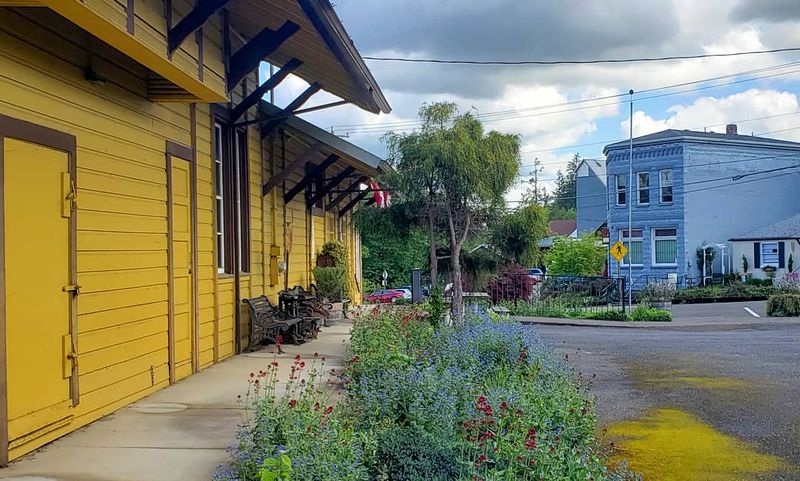
Aurora’s historic district is compact and completely walkable. The whole area covers just a few blocks, but every step carries the weight of a remarkable story.
Self-guided walking tour maps are available at the museum. The route passes original colony buildings, including homes, workshops, and the old church site.
Interpretive signs explain what happened at each location.
I found the walking pace perfect. Slow enough to notice details.
Fast enough to cover the district in a relaxed morning. The wooden sidewalks and modest storefronts make you feel like you’ve genuinely stepped back in time.
Spring and fall are ideal seasons to visit. The light is softer, the crowds are smaller, and the air carries a crispness that suits the town’s quiet mood.
Summer weekends draw more visitors, which brings energy but also noise. Aurora rewards those who come on a Tuesday morning and take their time.
The town reveals itself slowly, and that’s exactly the point.
Community Events That Echo the Colony Spirit
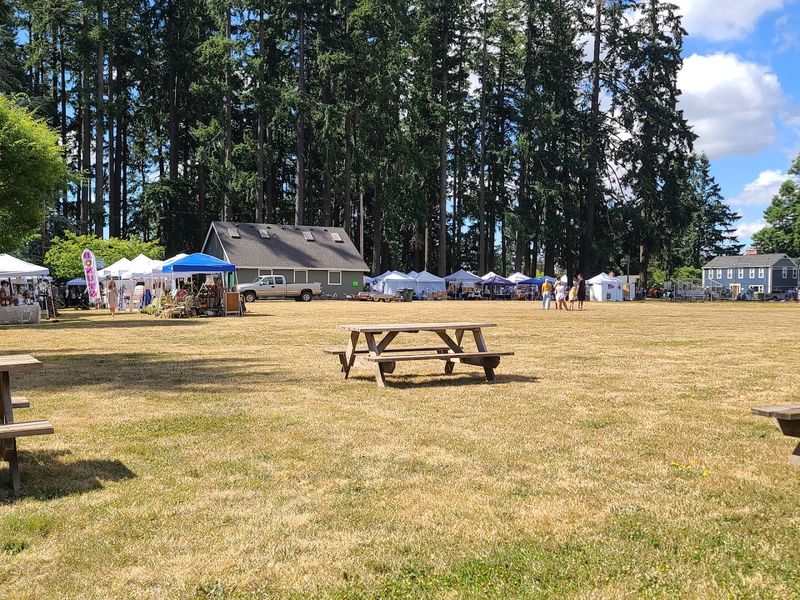
Aurora hosts events throughout the year that feel genuinely rooted in its communal past. These aren’t manufactured tourist attractions.
They feel like things the town does because it actually enjoys them.
The Aurora Colony Festival is a highlight. Held annually, it celebrates the town’s German immigrant heritage with craft demonstrations, traditional music, and historical presentations.
Local artisans showcase skills that mirror the original colony trades.
Antique fairs draw collectors from across the Pacific Northwest. The events transform the main street into an open-air marketplace.
It’s lively but never chaotic. The scale stays human and friendly.
Community events here feel like a continuation of something old. The colony survived on cooperation and shared celebration.
Modern Aurora keeps that instinct alive. Even small gatherings carry a warmth that feels inherited rather than invented.
If your visit coincides with a festival weekend, stay for the whole day. The evening hours, when things quiet down, are often the most memorable part.
Aurora Today: A Small Town With a Long Memory
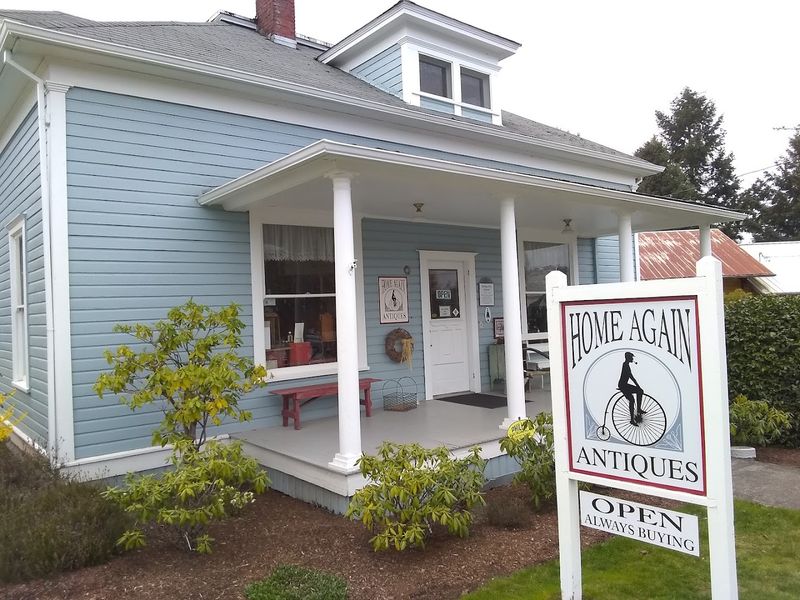
Aurora today has a population of just over 1,100 people. It’s a small town by any measure.
But its sense of identity is enormous, built on a foundation that most American towns simply don’t have.
The community takes its history seriously without being stiff about it. Residents know the colony story well.
They talk about it the way families talk about their own grandparents, with affection and a bit of pride.
New businesses have moved in alongside the antique shops and the museum. Small restaurants and artisan studios bring fresh energy.
The balance between old and new feels carefully maintained.
Sitting on a bench near the main street on a quiet afternoon, I noticed how unhurried everything felt. No one seemed to be rushing anywhere.
The pace matched the town’s deeper rhythm, one that has been slow and deliberate since 1856. Aurora doesn’t try to be anything other than itself.
That, more than anything, is what makes it worth the visit.
