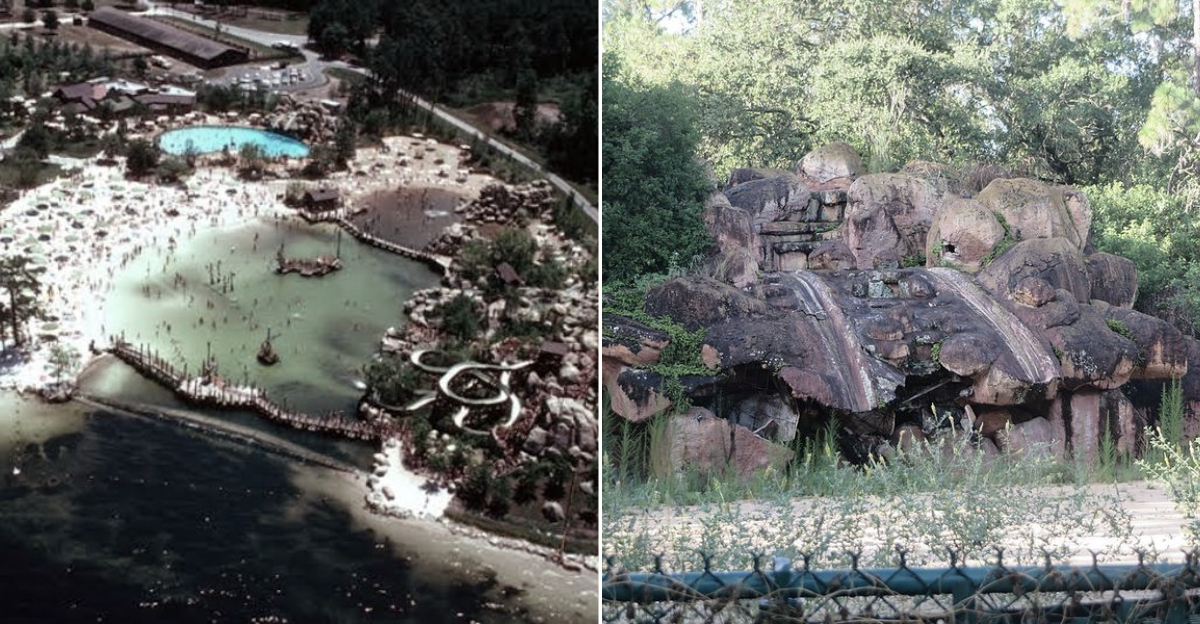
I keep thinking about that old Florida water park that slips in and out of view after big storms, like a memory you only catch when the light hits right.
You know the spot on Bay Lake, where the shoreline shifts and suddenly you can pick out slides and railings that were supposed to be gone?
It is not haunted or anything, but the way hurricanes mess with water levels makes it feel like the place is winking at everyone. What disappears for years can resurface overnight, rearranged just enough to spark fresh curiosity.
Locals tend to shrug it off, while first timers stand there trying to match what they see with what they have heard.
If you are game, let us map a lazy road trip and see why this keeps happening without getting spooky about it.
A Water Park Built Directly Into A Natural Lake System
Start with this, because it is the key detail that keeps surprising people every time the weather turns.
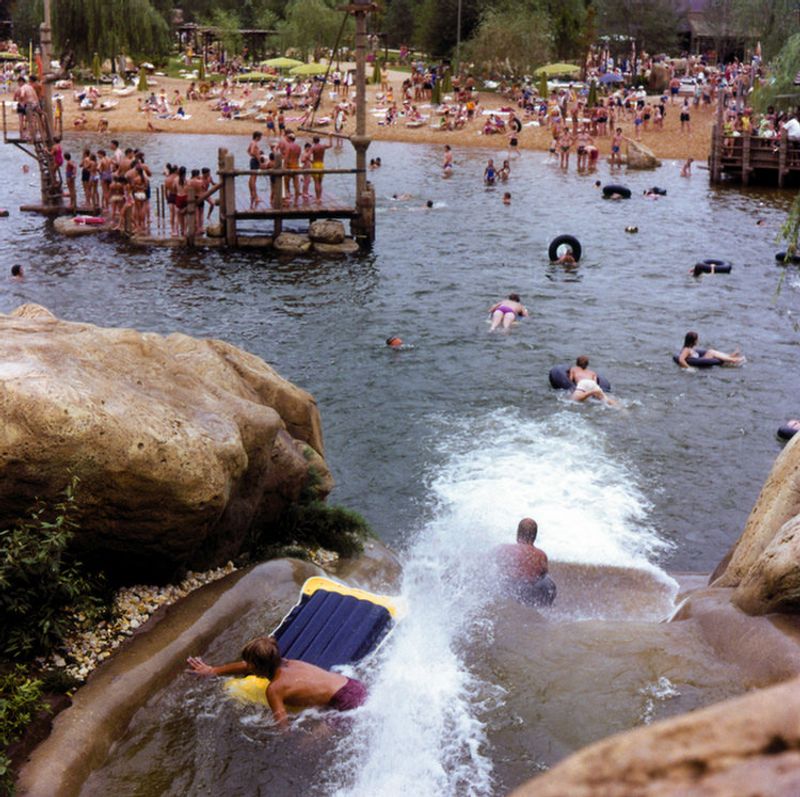
Disney’s River Country used Bay Lake itself at 4510 Fort Wilderness Trail, Lake Buena Vista, which means the park’s bones are woven into a living lake system.
Instead of isolated pools, the designers blended sandy lagoons and rockwork with the shoreline, which makes the landscape react to storms like the rest of Florida’s lakes do. When wind stacks water or drops it, features slip into view, then fade again.
You can stand on the Fort Wilderness side and read the angles, like you would study a tide line.
A railing might draw a sharp line against brown water for a day, then vanish under ripples.
That is why it feels uncanny without being mystical. The park was always part of a bigger hydrology story, so the lake keeps editing the scene.
Driving in from Kissimmee, you notice how flat everything is and how fast water moves across ditches after storms. Bay Lake joins that rhythm, nudging old structures to blink into sight.
If you are picturing neat ruins, think messier, softer, more natural.
Slides and pilings sit like driftwood that remembers being a ride.
The address is real, the effect is real, and the camera loves a dramatic shoreline. After a blow, one afternoon of sunshine can make details pop like they were staged.
Then the plants get back to work. Give it a few quiet days, and the lake tucks the park away again.
Why Closure Did Not Mean Complete Removal
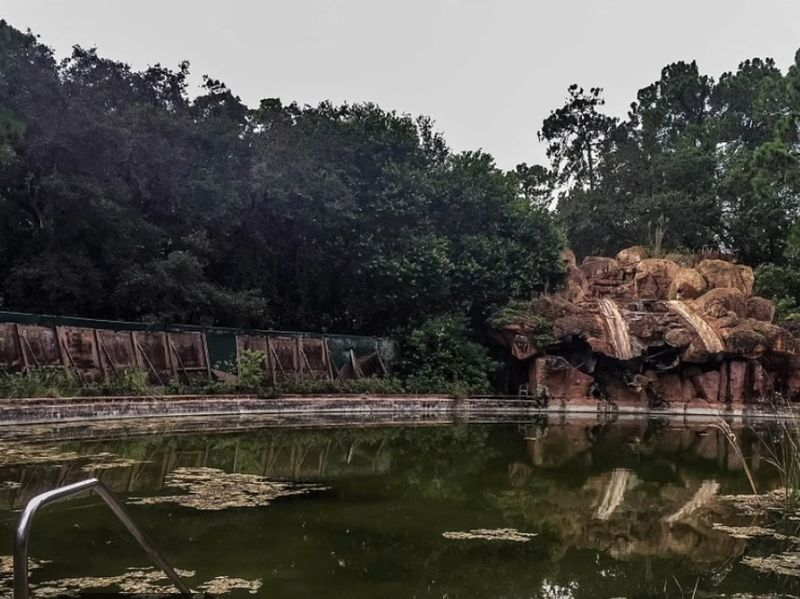
People hear a park closed and assume bulldozers wiped the slate clean, but that is not how this one went.
Think about what it takes to extract concrete footers out of a living shoreline without scarring the lake.
Sometimes the safer choice is stabilizing what is there, letting vegetation cover it, and monitoring the site.
So when Florida gets hammered and the water drops or shifts, rails and steps peek out like someone moved a curtain. It is the same old hardware, just momentarily better lit.
I like how storms function like editors here. They cut away leaves, redistribute silt, and expose sharp geometry that does not belong to the forest.
You can look from the Fort Wilderness paths and pick the straight lines from the tangle.
Nature rarely draws a perfect rectangle, but humans love them.
Closure, in this case, meant silence, not erasure. The address remains on the map because the land and the resort still exist around it.
On calm weeks, all you see is green on green. After a weather swing, familiar shapes slip forward, then sink back into the brush.
It is oddly respectful. The past stays put, but the lake gets the last word.
How Hurricanes Change Water Levels Around Bay Lake
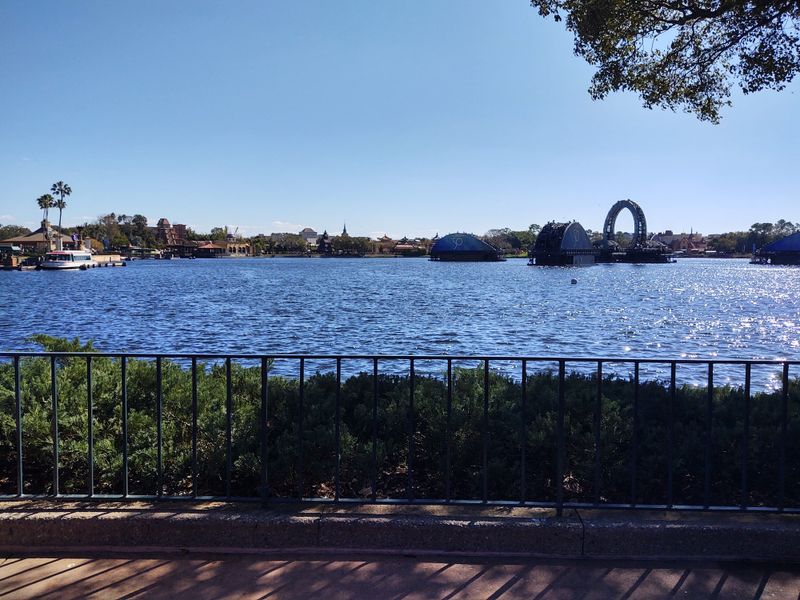
You know how a storm can push water up one shore and pull it down another? Bay Lake plays that game hard when the wind stacks water, so levels shift enough to reveal things along 4510 Fort Wilderness Trail, Lake Buena Vista.
Hurricanes crank up fetch and shove water like a slow bulldozer, then drain it back with a sigh. Those pushes expose edges, steps, and the odd beam that normally sit just below the surface.
We are not talking about dramatic shipwreck vibes. It is more like an old outline traced in wet sand, and you only catch it if you arrive at the right moment.
Stand still and watch the seiche rolls, those sloshing motions that linger after everything calms.
Little drops and rises pull away plant mats and silt crusts, so hard angles appear.
When the sun shows after the storm, the shallow water turns tea clear. That is when your eyes start sorting shapes faster than your brain expects.
Florida does this everywhere, but here the history makes it personal.
The lake is not revealing secrets so much as rebalancing.
If you take photos, try low angles along the shoreline near the resort paths. That is where reflections separate from objects just enough to outline a stair edge.
Give it a day or two, and a breeze can blow everything fuzzy again. Timing is the real trick, not luck.
Storm Surge And Vegetation Loss Reveal Old Structures
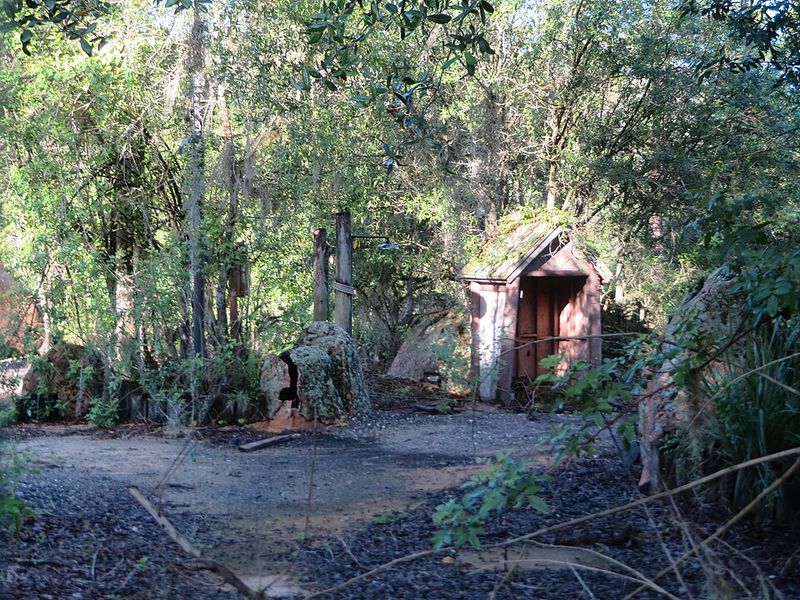
Here is the part that always gets people reaching for their phones. After heavy weather, leaves tear away and reed mats peel back, so metal and concrete show their faces.
Surge does not just mean high water, it means scraping forces that lift, twist, and relocate the soft stuff.
That clearing effect is why slides and catwalk posts reappear like they were waiting for a cue.
I have stood there and watched a gust comb the shoreline like a brush. When it passes, the color palette changes and straight lines snap into view.
None of this requires myths. It is just physics meeting landscaping that grew wild.
Vegetation grows fast in Florida’s heat, and storms prune it brutally.
What grows back later is rarely the same shape, which keeps changing the sightlines.
From the Fort Wilderness side, you will see places where vines drop like curtains. A single sheet torn away can light up a whole structure silhouette.
If you want photos that show the before and after, take one frame on a gusty day and another the morning after. The difference can be comically clear.
Then it all fills in again, slow and quiet. You blink, and the curtain has closed.
Why Slides And Bridges Still Exist Beneath The Surface
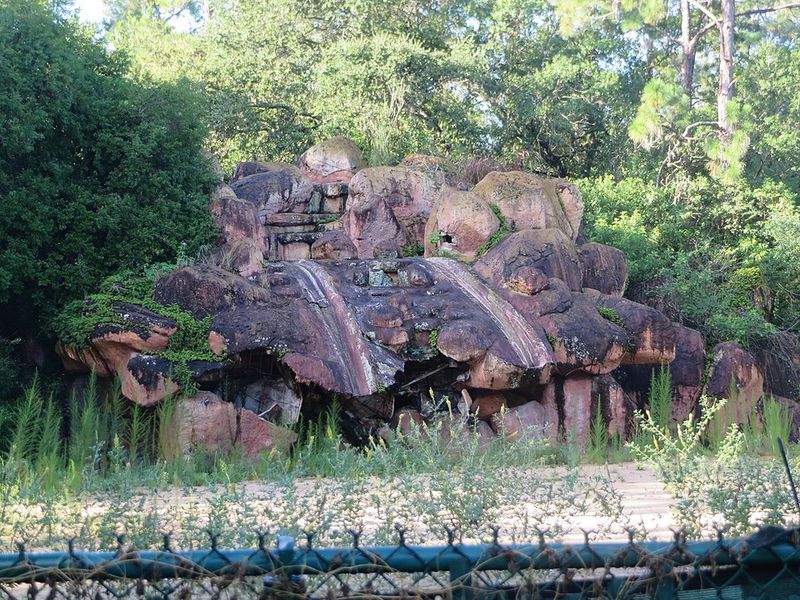
Quick reality check, because everyone asks the same thing. The slides and bridge footings at 4510 Fort Wilderness Trail, Lake Buena Vista, Florida, were built stout, and some substructures are safer left undisturbed in a managed area.
Pulling them out could churn sediment and hurt the shoreline, which the resort team obviously wants to avoid.
So the practical choice leaves parts in place, stabilized and monitored within the property.
That means when Florida weather yo-yos the waterline, you get flashes of shapes that used to carry screams and laughter. It is not theatrical, just a glimpse of engineering doing what it does.
Bridges love straight lines and repeated spacing between posts. Even half-buried, that rhythm is easy to spot through tannin water.
I like how honest the materials feel after storms.
Paint goes, textures roughen, and the sun lays everything flat and readable.
If you look from the campground side, the sightlines cross at just the right angles. You catch a ladder side or a bolt pattern and suddenly the whole layout clicks.
Bring patience more than gear. The lake reveals things at its own pace, not yours.
When the breeze chills after a storm, the water calms into a brown mirror. That is your window before the plants return.
How Aerial Photos Keep Renewing Public Interest
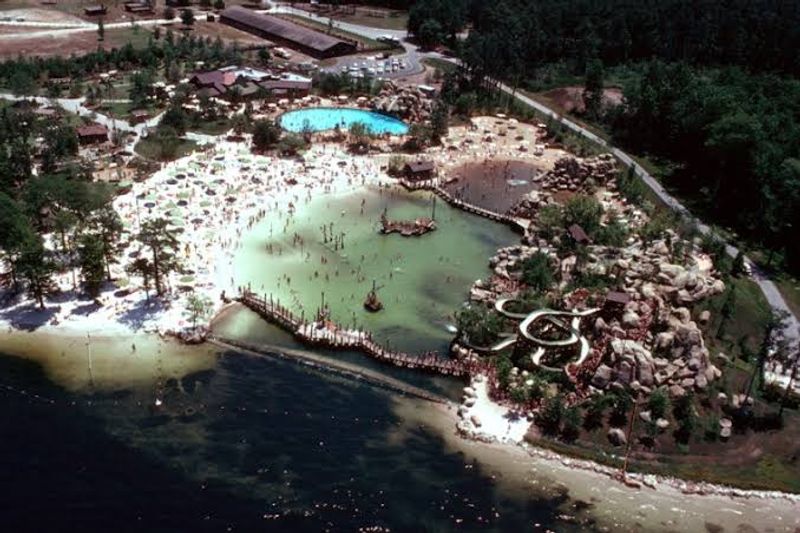
You have seen those overhead shots that light up social feeds after a storm, right? A drone climbs above and suddenly the plan of the old park reads like a blueprint.
From up there, the contrasts sharpen, because shallow runs, foundations, and walkways sort themselves by color.
Water goes bronze, concrete goes slate, and the story writes itself in lines.
I like ground truth more than pixels, but the aerial view explains why people think the place came back. It is just that the grid pops when the canopy thins.
Florida skies clear fast, and that crisp morning light after weather is brutal in a good way. It turns the lake into a scanner bed for a few minutes.
Maps and memory meet in those frames. You can lay old layouts over new photos and see how the curves still steer the shoreline.
If we are road tripping, we will not fly anything near controlled areas.
We can still study recent aerials others captured and plan where to stand for the same angles on foot.
The trick is matching tree breaks to old paths. Once you find one reference point, the rest unfold.
All it takes is a storm and a clear window. The aerials flare up, then the leaves take their privacy back.
The Difference Between Abandonment And Erasure
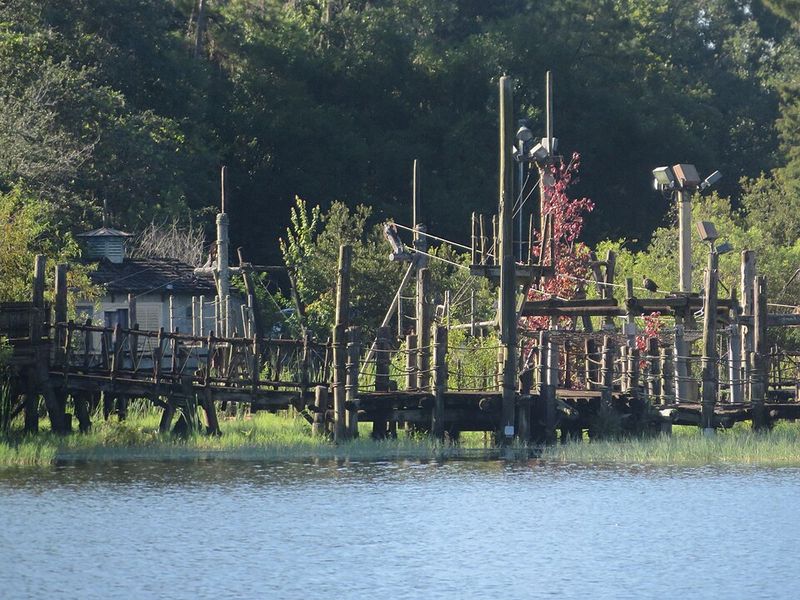
This place teaches a clean distinction that people mix up all the time. Abandonment at 4510 Fort Wilderness Trail, Lake Buena Vista, means quiet management and closed gates, while erasure would mean taking everything out.
The land is active around it, with guests and buses and calm routines unfolding nearby.
Inside the former park footprint, the process is slower and guided by safety and environment.
You can feel the difference when a storm rewrites the shoreline. Erased things do not return, but abandoned things echo back when water and wind allow.
Florida does echo well because growth is relentless.
Cut a path, walk away, and it comes back softer, then denser.
So the structures cycle between seen and unseen without drama. That is just how a managed, closed space breathes in a humid climate.
When you look from the Fort Wilderness side, you are watching the edge between two speeds of time. Resort time hums, reclamation time drifts, and storms sync them for a moment.
It is not sad, just layered. The park had its run, and the lake is older than all of it.
After weather, the layers stack where your eyes can read them. Then the stack falls back into the usual quiet.
Why This Site Continues To Fascinate After Every Storm
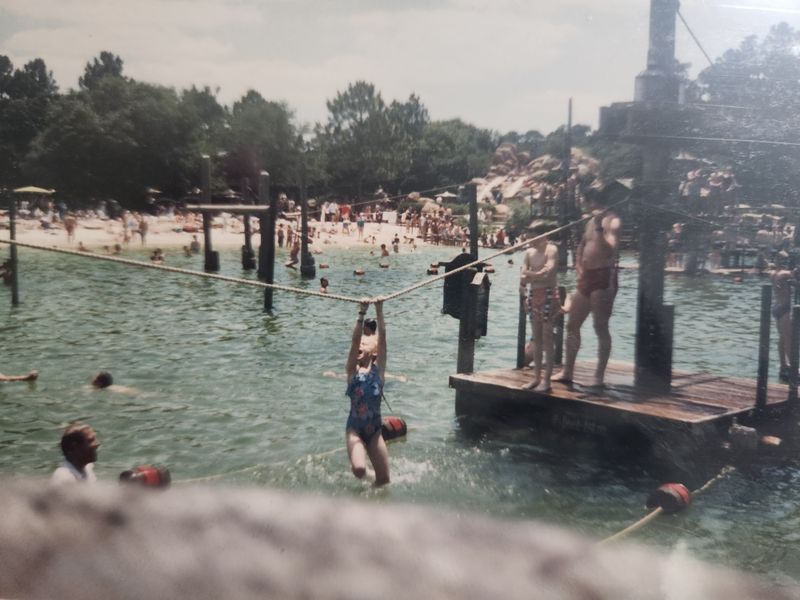
Okay, so why does this one spot keep pulling people back after messy weather runs through? Because at 4510 Fort Wilderness Trail, Lake Buena Vista, Florida, the ingredients line up perfectly for glimpses that feel personal but stay completely explainable.
You have a famous name, a living lake, and a climate that edits scenes with wind and water.
Every storm gives a short encore that sparks memory more than mystery.
I think it is the rhythm. Show, hide, show, hide, like waves breathing.
Florida gives it drama without needing a tall story. The physics and the plants handle the reveal better than any script.
For a road trip, it is a reminder to let places be themselves. You visit, you notice, you do not force it.
From the resort side, you can pick out angles and textures with patience.
Photos are souvenirs of timing, not access.
Then you drive on to the next stop with the windows down, still talking about how a lake can remember. That is the best part of watching, honestly.
It is just a shoreline doing what shorelines do in Florida. And that is more than enough to keep looking.
