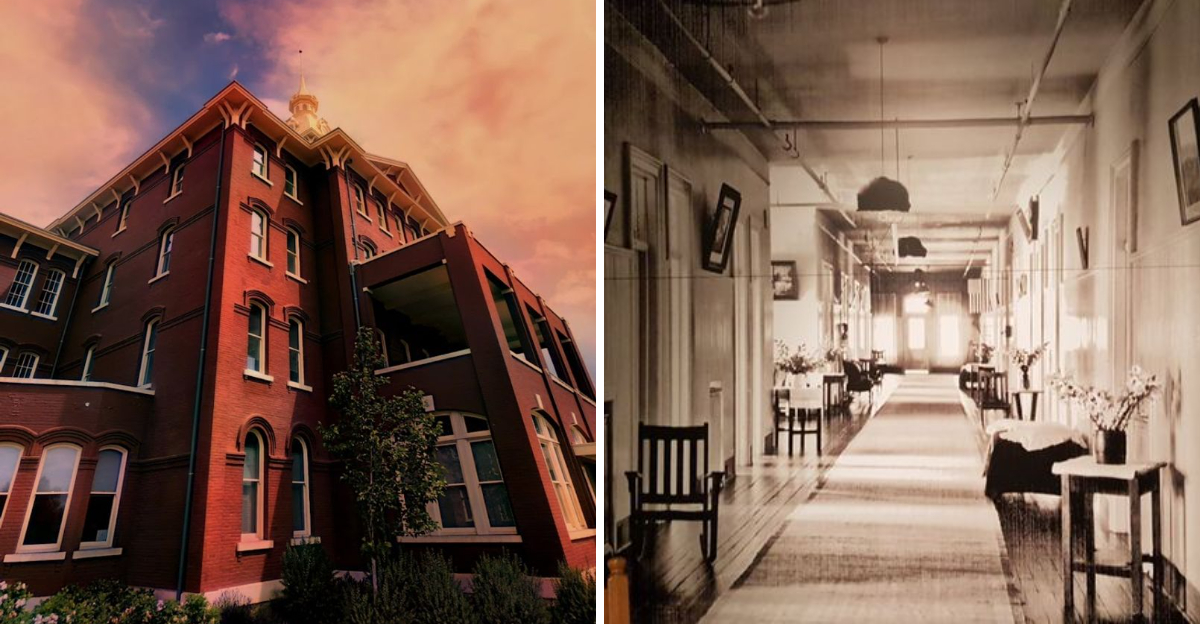
Ever caught yourself wondering what stories a building can hold when the lights have been off for decades? I stumbled across an old Oregon hospital that locals whisper about only after sunset.
The air around it carries a quiet that’s oddly electric. Imagine peeling back rusted doors and discovering a hallway lined with faded patient charts.
The faint scent of antiseptic lingers like a memory you can’t quite place.
There’s a rumor that the night nurse on duty never left. Her laughter echoes through the empty wing, just barely audible if you listen close enough.
The idea of exploring it alone sends a chill down the spine. The promise of uncover?the?secret moments makes the hair-raising thought feel oddly exciting.
Want to know why that abandoned wing feels more like a puzzle than a danger zone? Keep reading, and I’ll share the hidden detail that turned my solo curiosity into a night I’ll never forget.
A History That Haunts Every Hallway
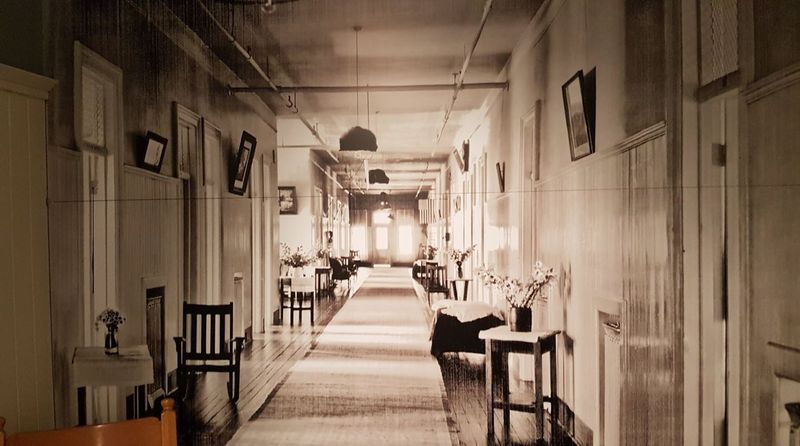
Oregon State Hospital opened its doors in 1883, and the weight of that history is impossible to shake. The original structure has seen generations of patients, staff, and stories that never made it into textbooks.
Walking past the oldest wings feels like reading a chapter of American history that most people would rather skip.
The hospital was built during a time when mental health treatment looked very different. Patients were often isolated, and the methods used back then would be unrecognizable today.
Knowing that makes every corridor feel heavier.
A large portion of the original building still stands. It has been preserved carefully, and you can see the architectural details that made it both a home and an institution.
The mix of beauty and sadness in those walls is hard to describe. Visiting here is not just about seeing old buildings.
It is about understanding how far society has come in caring for people who needed help the most.
The Museum of Mental Health Inside the Walls
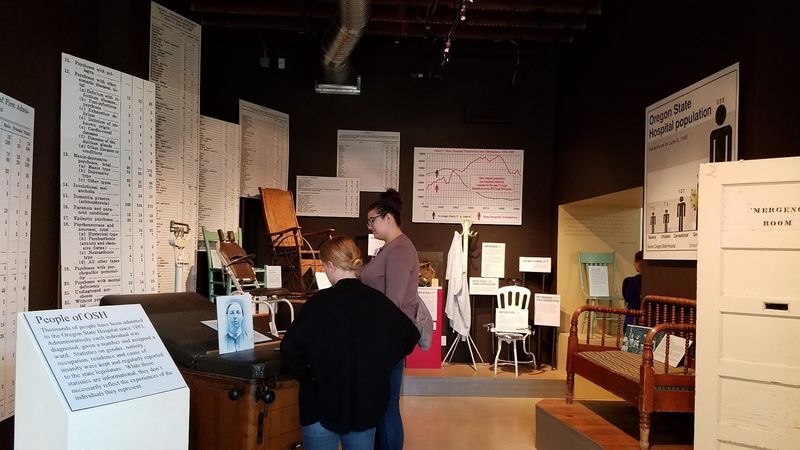
Tucked inside the hospital grounds is a museum that tells the real story of mental health treatment in Oregon. It opened to give visitors a chance to understand what life was like for patients over the decades.
The exhibits are thoughtful, detailed, and genuinely moving.
You can spend a solid hour or two just reading the panels and looking at the artifacts on display. Old treatment tools, patient records, and personal stories are all presented with care.
Nothing feels exploitative. It feels honest.
The museum is best suited for visitors over the age of 12, as some of the content is heavy and emotionally complex. Younger kids might not fully grasp what they are looking at.
But for older visitors, this place offers a perspective that is hard to find anywhere else.
Staff members are knowledgeable and happy to answer questions. The memorial area is especially well done.
It honors patients who passed away here and reminds you that behind every exhibit is a real human life.
One Flew Over the Cuckoo’s Nest Connection
Jack Nicholson walked these very halls. The 1975 film One Flew Over the Cuckoo’s Nest was filmed right here at Oregon State Hospital, and that fact alone draws hundreds of visitors every year.
Seeing the spaces that appeared on screen is a surreal experience.
The film won five Academy Awards and brought worldwide attention to psychiatric institutions. It also sparked real conversations about patient rights and mental health treatment.
That legacy is still felt when you walk through the building today.
Some of the original filming locations are preserved and accessible. Standing in a room where that iconic movie was shot is genuinely goosebump-inducing.
It bridges pop culture and painful history in a way that feels unexpected and powerful.
Film buffs and history enthusiasts both find something meaningful here. The connection between the movie and the real hospital adds a layer of storytelling that you cannot get from watching the film alone.
It makes the visit feel personal and cinematic all at once.
The Eerily Beautiful Hospital Grounds
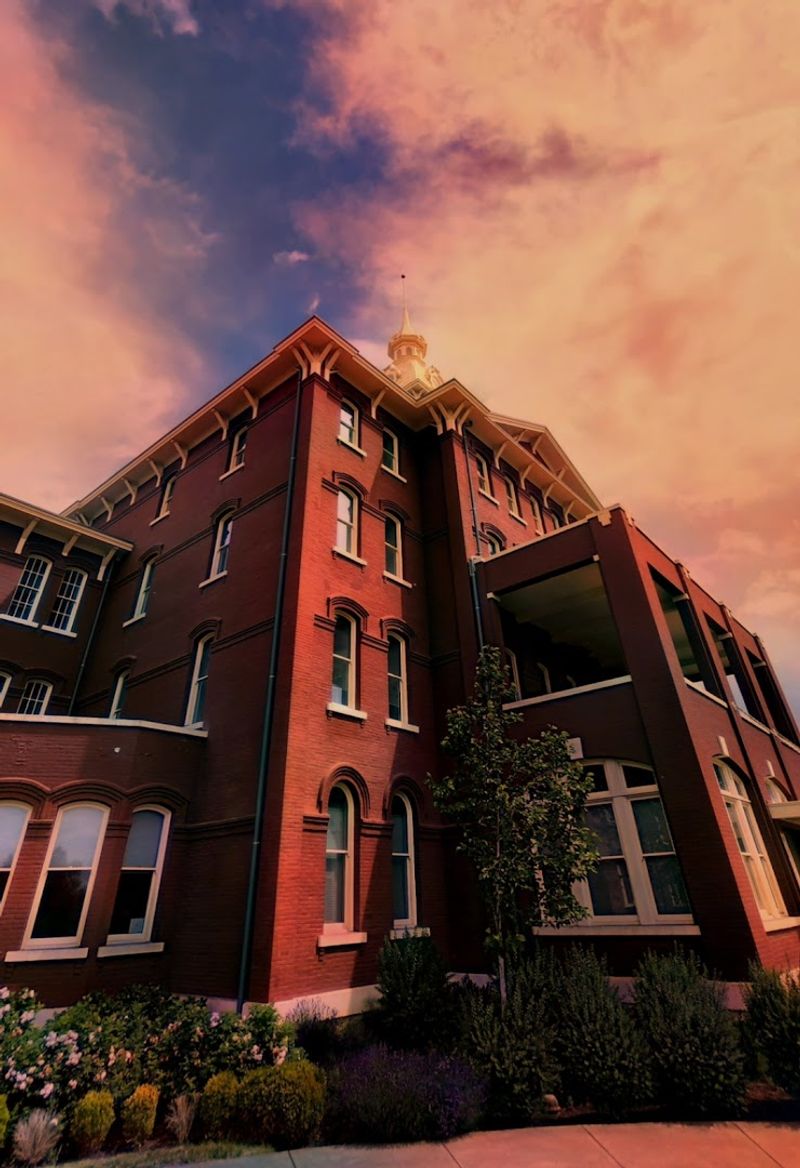
The grounds surrounding Oregon State Hospital are surprisingly peaceful. Wide green lawns stretch between the buildings, and mature trees cast long shadows across the walkways.
There is a strange calm here that feels almost out of place given the history.
The landscaping has been maintained carefully over the years. Flower beds, trimmed hedges, and clean pathways give the exterior a dignity that contrasts sharply with the darker stories inside.
It is the kind of beauty that makes you stop and breathe for a moment.
Visitors often comment on how the grounds feel like two different worlds. Outside, it looks almost like a university campus.
Step inside, and the atmosphere shifts completely.
Walking the perimeter is a good way to ease into the visit. The fresh air helps ground you before you head into the heavier parts of the museum.
If you visit in the fall, the trees turn brilliant shades of orange and red. The whole place takes on a dramatically different mood that feels perfectly suited to its haunted reputation.
The Memorial for Forgotten Patients

One of the most quietly powerful spots on the entire property is the patient memorial. It honors the thousands of people who lived and died at Oregon State Hospital over more than a century.
Many of them had no family to claim them after they passed.
The memorial was created to give these individuals dignity and recognition. For a long time, the remains of unclaimed patients were stored in copper canisters in the hospital basement.
That detail alone stops most visitors cold.
A documentary and later the Cuckoo’s Nest film brought this issue to public attention. After that, efforts began to properly memorialize those individuals.
The result is a moving outdoor space that asks you to slow down and remember.
Standing there, you feel the full weight of what this place represents. It is not just about hauntings or history.
It is about real people who deserved to be seen and remembered. The memorial is beautifully arranged and maintained.
It is, without question, the most emotionally resonant part of any visit to the hospital.
The Architecture That Refuses to Be Ignored
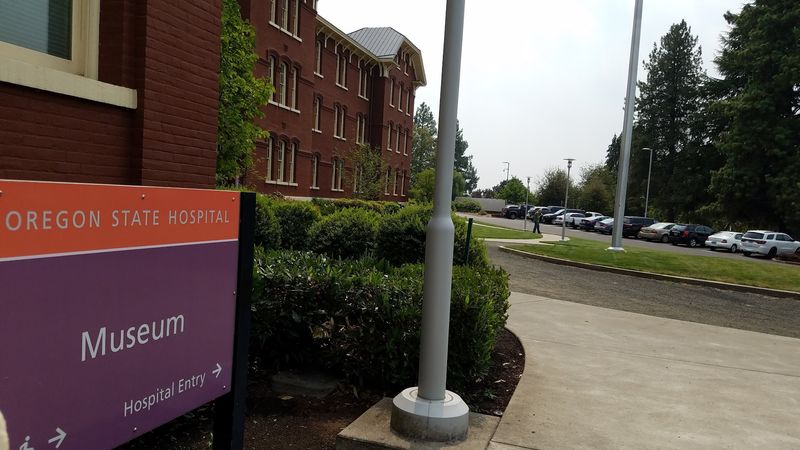
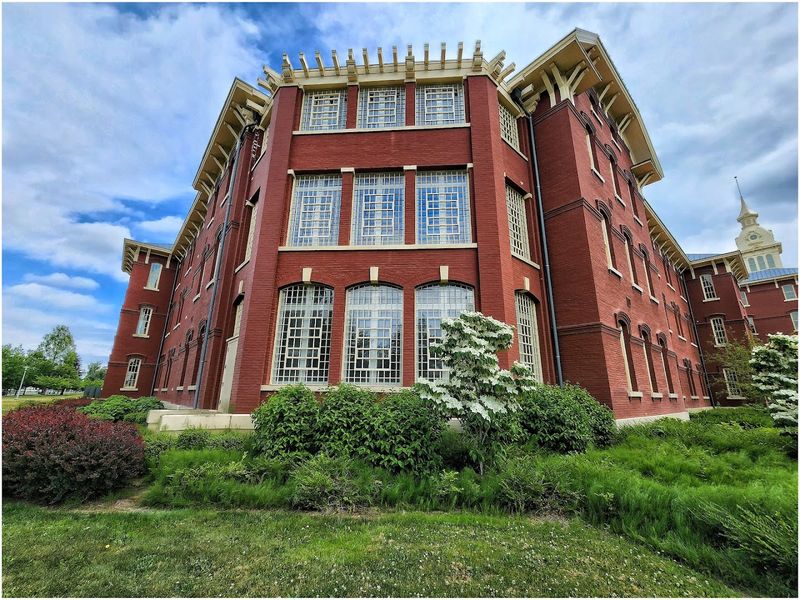
The building itself is a character. Oregon State Hospital was built in the Kirkbride style, an architectural approach designed to use light, air, and layout as part of the healing process.
The design philosophy was surprisingly humane for its era.
Long wings branch off from a central block, allowing natural light to reach as many rooms as possible. The brick detailing, arched windows, and grand scale of the structure are genuinely impressive.
It looks like something out of a Gothic novel.
Photographers love this place for obvious reasons. Every angle offers a different mood.
Morning light softens the facade. Evening shadows make it look like something entirely different.
Preservation efforts have kept much of the original structure intact. Some sections have been modernized for current hospital use, but the historic bones remain visible throughout.
Architecture enthusiasts will find plenty to admire here. The building tells its own story separate from the human histories inside.
It is a reminder that even institutions built with good intentions can carry a complicated legacy worth examining closely.
What It Feels Like to Visit Today
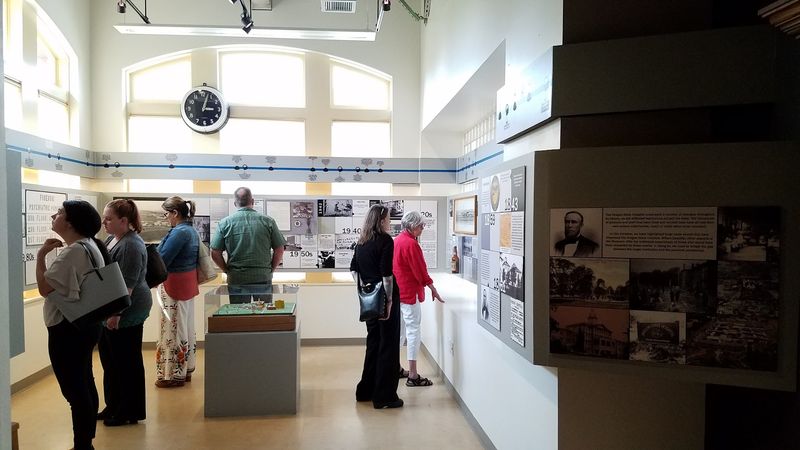
Visiting Oregon State Hospital is not your average afternoon outing. The experience is immersive in a way that sneaks up on you.
You arrive thinking you will look at some old rooms, and you leave thinking about things much bigger than yourself.
The museum portion is self-guided, which gives you room to move at your own pace. Some people breeze through in under an hour.
Others linger, reading every word on every panel. Both approaches are completely valid.
The staff are welcoming and genuinely helpful. Questions are encouraged, and nobody rushes you.
That unhurried atmosphere makes a real difference when you are absorbing difficult content.
Families with older kids will find the visit educational and thought-provoking. Solo travelers often find it unexpectedly moving.
Groups tend to end up in deep conversations afterward. No matter how you arrive, the hospital has a way of getting under your skin.
It is the kind of place you keep thinking about on the drive home, and sometimes for days after that.
The Haunted Reputation and What It Really Means
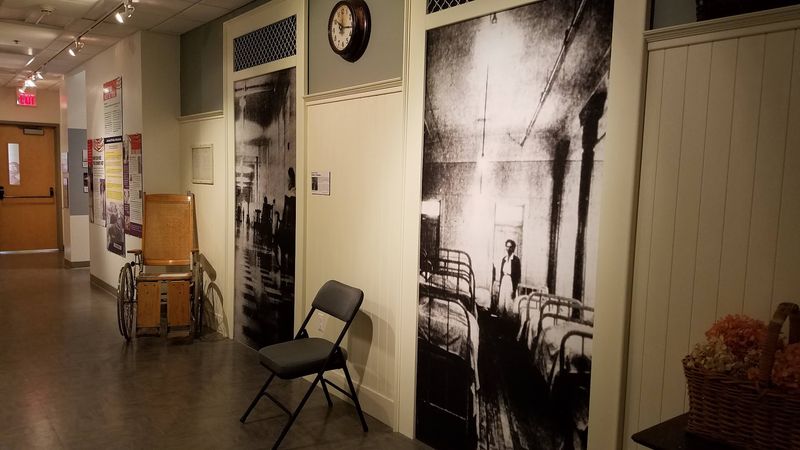
Oregon State Hospital has earned a reputation as one of the most haunted places in the Pacific Northwest. Ghost hunters have visited.
Paranormal investigators have written about it extensively. The stories are plentiful and persistent.
Whether or not you believe in hauntings, the feeling inside the older wings is undeniable. There is a weight to the air.
Sounds echo in unexpected ways. Shadows gather in corners that seem too dark for the time of day.
The haunted reputation is not just about spooky stories. It reflects the very real suffering that took place here over generations.
When a place holds that much human pain, it leaves a mark that even skeptics can feel.
Exploring alone is not something most visitors recommend. The atmosphere is intense enough that having company makes the experience feel safer and more grounded.
Going with a friend or a group lets you process what you are feeling in real time. The hospital does not need ghost stories to feel eerie.
Its actual history is more than enough to give you chills.
The Hospital as a Living Institution
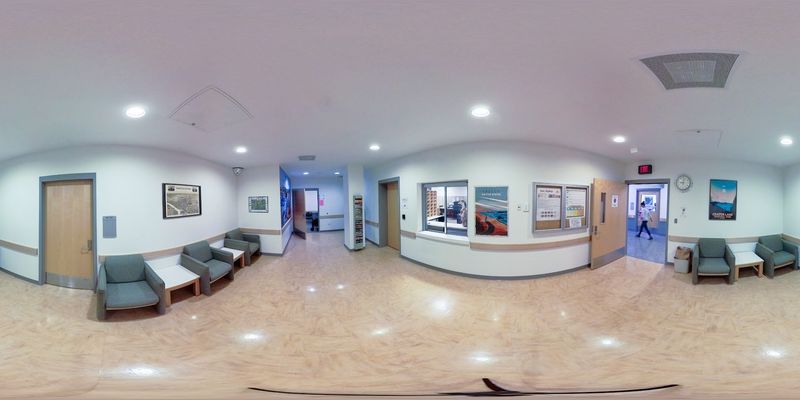
Here is something that surprises most visitors. Oregon State Hospital is not abandoned.
It is a fully functioning psychiatric hospital that operates around the clock, every single day of the year. The museum and historic sections exist alongside an active treatment facility.
That dual identity makes the place uniquely complex. You are not just touring a relic.
You are walking near a place where real people are receiving care right now. That awareness changes how you move and how you speak while you are there.
The hospital has worked to modernize its practices significantly. New buildings, updated treatment approaches, and a stronger focus on patient rights reflect how much has changed since the early days.
The contrast between old and new is visible everywhere you look.
Visitors are asked to be respectful of the active hospital areas. Most people naturally adjust their energy once they understand the situation.
Knowing the facility is still in use adds a layer of gravity to the visit that purely historical sites simply cannot replicate.
Planning Your Visit to Oregon State Hospital
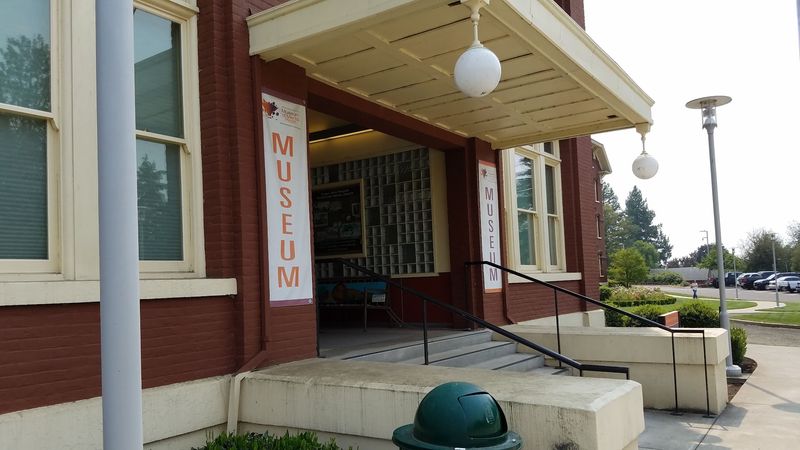
Getting to Oregon State Hospital is straightforward. The address is 2600 Center St NE in Salem, Oregon, and it is easy to find from most parts of the city.
Parking is available nearby, and the location is accessible by public transit as well.
The museum portion has its own entrance and hours separate from the main hospital facility. It is worth checking the museum schedule before you go, since hours can vary.
Calling ahead or checking the official website at osh.oregon.gov is the safest way to confirm.
Wear comfortable shoes. There is a fair amount of walking involved, especially if you explore the grounds.
Bring a jacket because the older interior spaces tend to run cool regardless of the season.
Budget at least two hours for a thorough visit. Rushing through means missing the details that make this place so remarkable.
Address: 2600 Center St NE, Salem, OR 97301.
Dear Reader: This page may contain affiliate links which may earn a commission if you click through and make a purchase. Our independent journalism is not influenced by any advertiser or commercial initiative unless it is clearly marked as sponsored content. As travel products change, please be sure to reconfirm all details and stay up to date with current events to ensure a safe and successful trip.
