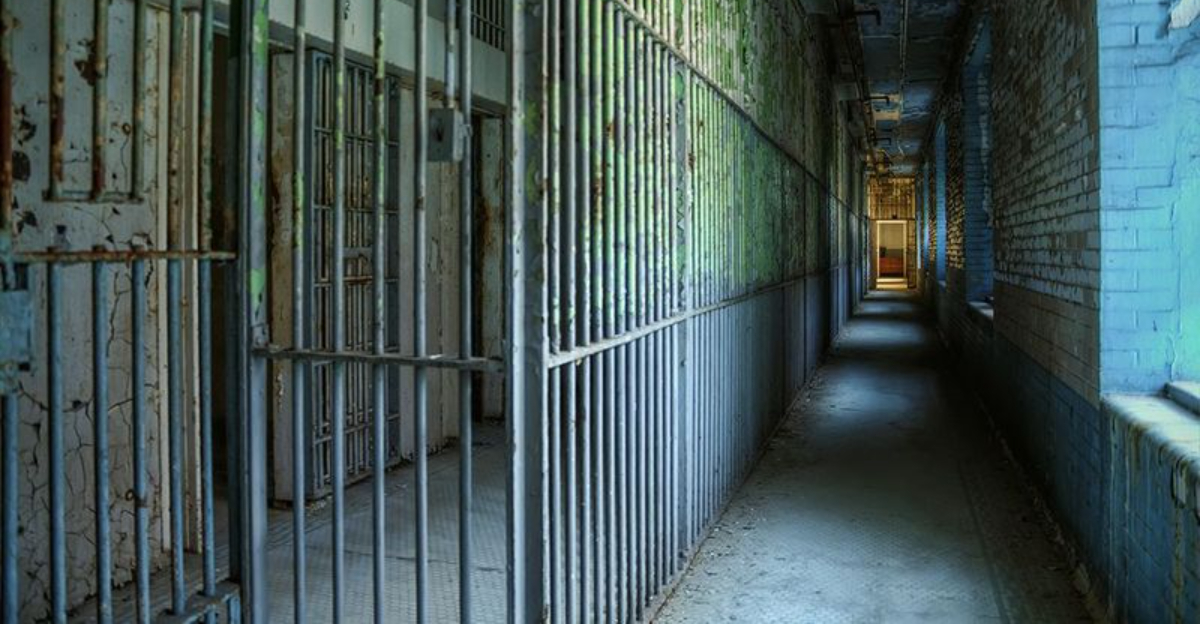
Missouri’s capital hides a place that hums after dark, where steel doors still ring and footsteps seem to trail just behind you. At the Missouri State Penitentiary in Jefferson City, history sits close to the skin, and the cold air in the corridors feels oddly attentive. Visitors come for the architecture and stay for the stories, many told by guides who ground each tale in documented events. If you are curious about the past and not afraid of long shadows, this storied site in Missouri rewards patient, watchful travelers.
1. Historic Cellblocks A, B, and C
Stepping into the main cellblocks at Missouri State Penitentiary is like opening a heavy book to a well-worn chapter. You will see stacked tiers of cells, catwalks, and grated floors that let sounds travel farther than seems comfortable.
Guides detail the complex’s evolution and point out dates etched into masonry, which helps tether eerie moments to verifiable history. The temperature can feel a touch cooler inside, and an occasional clang from a shifting door can spike your pulse.
Missouri visitors looking for authenticity find it here, where paint flakes, bolts rust, and time speaks through details. The lighting is kept modest, enhancing the sense of confinement without theatrical tricks. Tour content focuses on policy changes, inmate routines, and documented incidents, keeping the narrative balanced. Photographers favor the lines of the bars and the theater of shadows during late tours. Those seeking a grounded yet spooky experience will appreciate how carefully staff anchor every unsettling beat to real records. It is a sobering, memorable introduction to a landmark that shaped the state’s correctional history.
2. The Gas Chamber and Execution Building
The gas chamber at Missouri State Penitentiary is presented with care and context, emphasizing legal history and procedure over spectacle. Guides outline documented cases, court decisions, and changes in state law, giving weight to the room’s grim past.
The building is small, spare, and clinically arranged, which can be more unsettling than any staged effect. It is a place where visitors often lower their voices, absorbing the solemn history without pressure.
Missouri’s legacy in this space is addressed through public records and archived materials. You will hear how protocol evolved, then ended, and how the state now handles interpretation. This is not a haunted house; it is a preserved site with artifacts and careful explanations. The spookiness creeps in from the stillness and the tight quarters, especially when the door seals click. Many leave with a deeper sense of the stakes and human cost embedded in the building’s clean lines and cold fixtures. It is sobering, historically grounded, and difficult to forget.
3. Control Center and Administrative Wing
The administrative wing offers a quieter kind of chill. Rows of desks, chalkboards, and cabinets testify to routines that governed thousands of lives. Missouri State Penitentiary keeps this area factual, with logs and period hardware showing how decisions flowed from a few rooms into the entire complex. The control center’s observation points and old communications hardware reveal the system’s watchful design.
Guides trace policy shifts using records and photos that align with the penitentiary’s timeline. You may hear a door latch settle or a vent sigh in the distance, sounds that gain volume against the wing’s calm. The spookiness here lives in the paperwork and the planning, in maps dotted with routes and schedules that never slept.
Travelers who enjoy context will appreciate the detail, from typewritten memos to worn chair arms. It feels like time stepped out for a moment and left the room waiting, which suits the building’s measured heartbeat. Missouri history fans often linger, piecing together how authority was exercised day by day.
4. The Dungeon Cells and Lower-Level Corridors
Below the main blocks, the dungeon cells tighten the mood. Narrow doorways, heavier darkness, and low ceilings give these spaces a stern personality. Missouri State Penitentiary interprets them with a focus on policy, punishment standards of the era, and the reform debates that followed. The commentary is anchored to records and inspections rather than rumor, which keeps the experience credible.
As your eyes adjust, you notice how rough stone absorbs light. The echo of your steps can sound like someone else’s stride, and a stray metal rattle carries a long distance. It is easy to see how this level shaped behavior, and how Missouri adapted practices as attitudes changed.
Many guests describe a coolness against the walls, which staff attribute to the materials and airflow. The space does not sensationalize hardship; it simply allows it to be visible. Careful preservation makes this stop intense, reflective, and deeply atmospheric.
5. The Yard and Perimeter Walk
Outdoors, the yard resets your bearings with open sky and a ring of watchful architecture. Perimeter walls, guard towers, and walk lines frame the space where daily movement took place. Missouri State Penitentiary uses this setting to explain routines, sports, and work programs drawn from documented schedules. You can stand near the wall and trace sightlines that shaped discipline and safety.
Ghost stories fade a bit in the light, yet the quiet feels loaded. Wind pushes through gaps in concrete, and the thud of your shoes on worn pathways can startle birds in the towers. Guides highlight how Missouri balanced order with activity as policies evolved.
Photographers favor the angle from the far corner, where towers align with brick facades and the skyline. It is a calm stop that still hints at vigilance, and it pairs well with the interior spaces’ intensity. Many visitors pause here, breathing deeper before heading back inside.
6. Museum Artifacts and Exhibit Hall
The on-site exhibits lend shape to the stories told on the grounds. Uniforms, restraints, photographs, and personal items are arranged with interpretive panels that cite sources. Missouri State Penitentiary curators keep the tone clear and factual, linking each artifact to a documented change or notable event. The result is a balanced overview that enriches the tour rather than repeating it.
The room’s lighting draws attention to stitching on fabric, worn edges of logbooks, and tags that reveal chain-of-custody details. There is a subdued hush here that complements the more unsettling stops, while still allowing the atmosphere to creep in at the edges.
Missouri travelers with a taste for research will enjoy reading labels that reference archives and period news coverage. The display design invites close study and steady pacing. It is a thoughtful midpoint in a visit, where questions sharpen and the building’s whispers gain context. You leave with clearer timelines and stronger anchors for the darker corners ahead.
7. Night Tours and Special Programs
Evening tours introduce a different rhythm. Flashlights cut narrow cones through corridors, and small groups move slowly, taking longer pauses at key stops. Missouri State Penitentiary staff keep content sourced and careful, sometimes incorporating readings from reports to maintain accuracy. The darkness heightens each creak and hinge, which amplifies the spooky undertone without relying on theatrics.
Missouri visitors who prefer a calm pace often choose these programs because the quieter surroundings support focused listening. Seasonal events may add themes, yet the backbone remains historical, with guides ready to address questions.
It is wise to wear sturdy shoes and bring layers, since temperatures can shift across the grounds. The reward is unhurried time in spaces that feel watchful even when still. Those moments, suspended over cold concrete, can linger in your head long after you step back into streetlight.
8. Planning Your Visit and Responsible Touring
Good planning helps this experience land well. Check the official website for current schedules, accessibility notes, and any age guidelines for certain areas. Missouri State Penitentiary recommends advanced reservations for popular time slots, especially during peak travel months in Missouri. Wear closed-toe shoes, carry water, and allow time to read exhibit text so the history can settle in.
Responsible touring keeps the site respectful and safe. Follow guide instructions, avoid straying from marked routes, and treat sensitive areas with care. Photography is often welcomed, though flash rules can vary by room. Missouri travelers who want a calm, thorough visit should build in breaks and consider a daytime tour paired with an evening program.
The atmosphere is spooky, yes, but the focus stays on documented events and preservation. Leave with photos, notes, and a measured appreciation for a complex chapter in the state’s past.
Dear Reader: This page may contain affiliate links which may earn a commission if you click through and make a purchase. Our independent journalism is not influenced by any advertiser or commercial initiative unless it is clearly marked as sponsored content. As travel products change, please be sure to reconfirm all details and stay up to date with current events to ensure a safe and successful trip.
