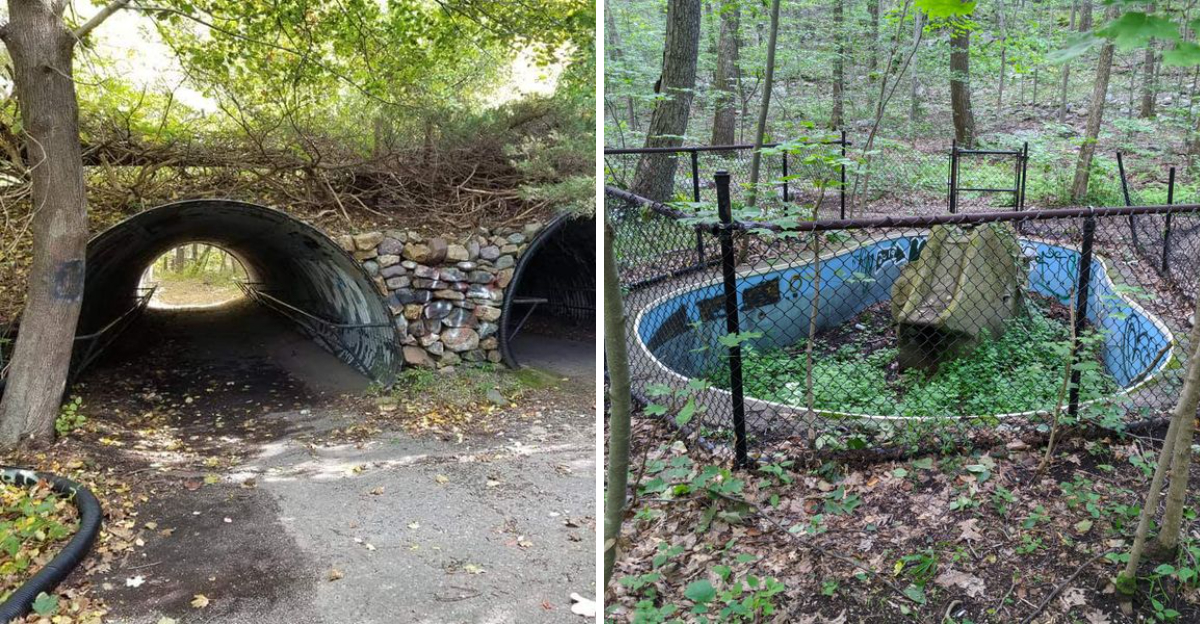
Deep in the heart of New Jersey lies a place where nature reclaimed what humans abandoned, creating one of the most hauntingly beautiful spots in the Garden State. Warner Bros.
Jungle Habitat at 109 Airport Rd, West Milford, NJ 07480 once thrilled families with exotic animals roaming freely, but today it stands as a ghostly reminder of a bygone era.
This former drive-through safari park opened in 1972 and closed just four years later, leaving behind crumbling structures and overgrown pathways that now attract adventurers, photographers, and history buffs from all over New Jersey and beyond.
What started as a grand experiment in wildlife entertainment has transformed into an accidental paradise for mountain bikers, hikers, and urban explorers who crave a taste of post-apocalyptic mystery mixed with natural beauty.
Want to know why locals can’t stop snapping photos of this eerie wonderland? Curious about what secrets hide in those overgrown trails and forgotten animal enclosures?
Bring your camera, because this slice of New Jersey history is basically Jurassic Park with squirrels.
A Drive-Through Safari That Brought Africa to New Jersey
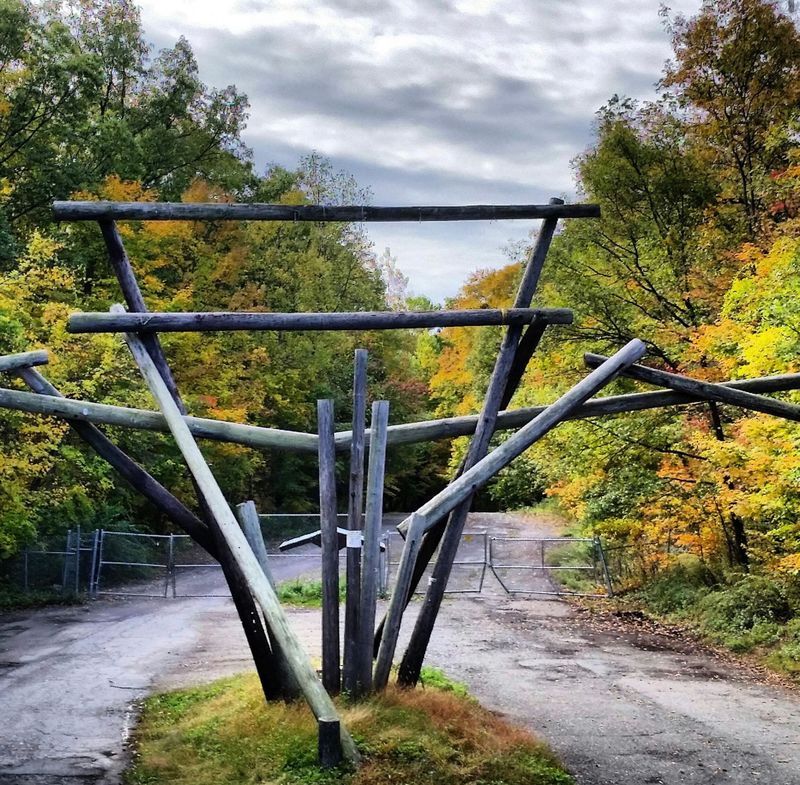
Warner Bros. Jungle Habitat opened its gates in 1972 with a bold vision to bring the thrill of an African safari right to the suburbs of New Jersey.
Families could drive through 450 acres of wilderness where lions, giraffes, elephants, and hundreds of other exotic animals roamed freely among the trees and rocks. The park featured over 1,500 animals from around the world, creating an immersive experience that felt worlds away from everyday life.
Visitors stayed safely in their cars while animals approached windows, creating unforgettable close encounters that kids talked about for weeks afterward. The concept was revolutionary for its time, offering an alternative to traditional zoos where animals lived behind bars.
People drove along winding roads through different themed sections, each representing various habitats from around the globe.
The park also included a pedestrian area called the Jungle Junction where guests could walk around, grab snacks, and see smaller animals up close in controlled exhibits. This combination of drive-through adventure and walking attractions made Jungle Habitat a complete day trip destination.
Families from across New Jersey and neighboring states flocked to West Milford every summer, eager to experience the wild without leaving the East Coast.
Unfortunately, the park struggled with financial issues, harsh winters that challenged animal care, and several incidents that raised safety concerns. By 1976, just four short years after opening, Warner Bros. made the difficult decision to close Jungle Habitat permanently, leaving behind empty enclosures and fading memories of roaring lions echoing through the New Jersey woods.
The Mysterious Ruins That Photographers Dream About
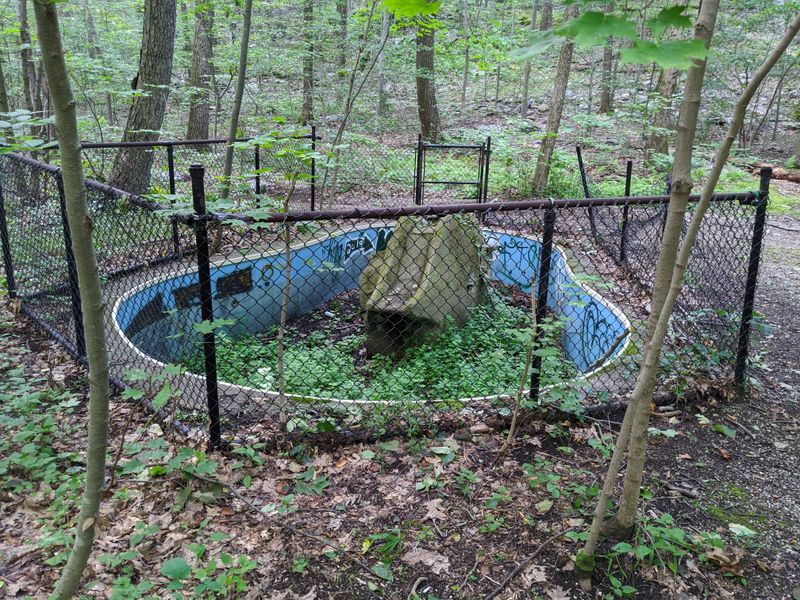
Scattered throughout the wooded trails at 109 Airport Rd are the ghostly remains of what once housed exotic creatures from distant continents. Crumbling concrete foundations, rusted cages overtaken by vines, and weathered ticket booths create an atmosphere that feels lifted straight from a post-apocalyptic movie set.
These decaying structures have become the holy grail for photographers seeking that perfect shot of nature reclaiming human construction.
The most famous remnant is the old ticket booth near the entrance, its paint peeling and windows broken, yet still standing proud as a sentinel to the past. Deeper into the woods, explorers discover the otter den, a concrete structure with pools now filled with leaves and rainwater instead of playful animals.
Rock walls that once separated different animal habitats now serve as dramatic backdrops for Instagram-worthy photographs that capture the haunting beauty of abandonment.
Every season brings a different photographic opportunity to these ruins, making them endlessly fascinating subjects for both amateur snapshooters and professional photographers. Spring covers everything in fresh green growth that softens the harsh edges of decay, while autumn paints the structures in golden light filtered through colorful leaves.
Winter snow transforms the ruins into something almost magical, and summer’s full foliage creates mysterious shadows perfect for moody compositions.
Local photography groups regularly organize meetups at the site, teaching techniques for capturing urban decay while respecting the natural environment. The combination of historical significance, architectural interest, and natural beauty makes these ruins irresistible to anyone with a camera and an appreciation for places where time stands still.
Mountain Biking Paradise on Former Safari Roads
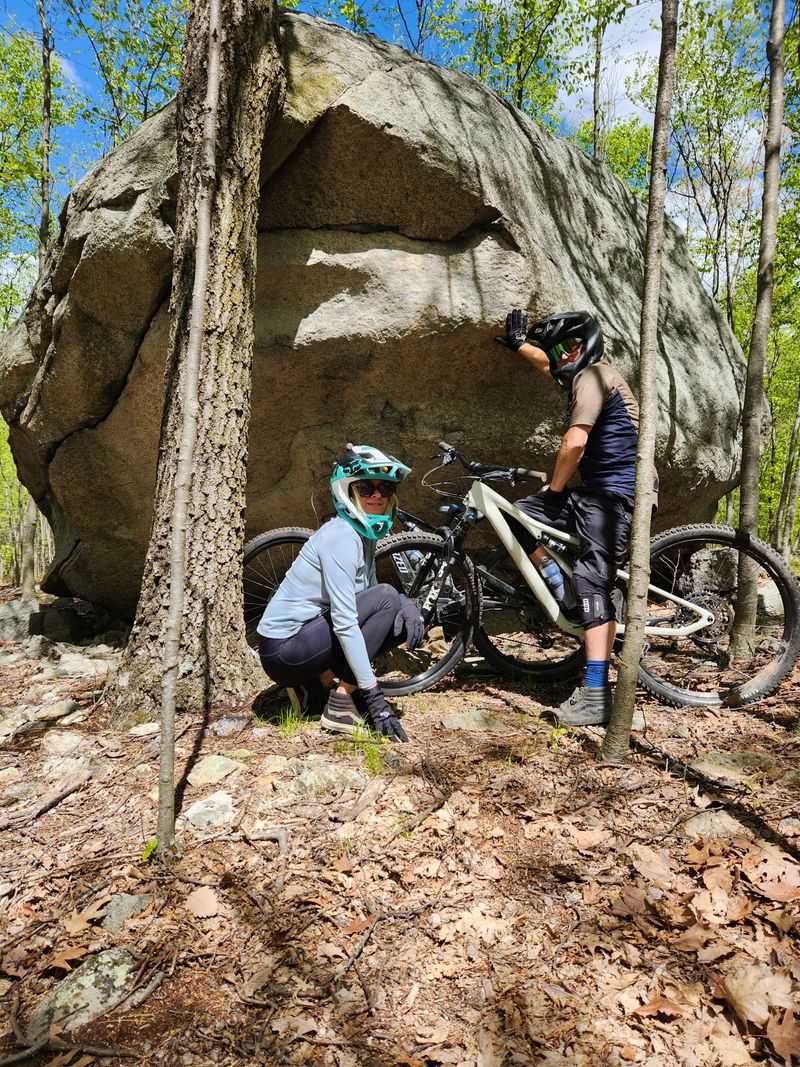
What used to carry station wagons full of excited families now challenges mountain bikers with some of the most technical and thrilling trails in New Jersey. The old safari roads and pathways have been transformed by local mountain biking organizations into a network of trails that range from beginner-friendly loops to expert-level rock gardens that test even seasoned riders.
This transformation has given Jungle Habitat a vibrant second life as an outdoor recreation destination.
The terrain features everything a mountain biker could want: sweeping single-track sections that flow through the forest, massive granite rock slabs that require skill and nerve to navigate, and challenging climbs that reward riders with satisfying descents. Riders can tackle the outer loop clockwise or counterclockwise, each direction offering a completely different experience and set of challenges.
The trails are color-coded by difficulty, with blue and red trails providing the most excitement for experienced bikers looking to push their limits.
Local mountain biking groups maintain these trails year-round, building features, clearing obstacles, and ensuring the paths remain rideable while preserving the historical character of the location. After rain, the trails become even more challenging with mud puddles and slippery rock surfaces that add an extra dimension of difficulty and fun.
Many riders report that the combination of technical riding and historical exploration makes Jungle Habitat their favorite spot in the entire state.
The biking community has embraced this location so thoroughly that it’s not uncommon to encounter groups of riders throughout the day, especially on weekends when the parking area fills with vehicles sporting bike racks and adventurous souls ready to tackle the rocky terrain that once echoed with animal calls.
Perfect Spot for Hiking Adventures with History

Beyond the adrenaline-pumping bike trails, Jungle Habitat offers miles of hiking paths that wind through beautiful New Jersey wilderness while revealing glimpses of the park’s fascinating past. Hikers can explore at a leisurely pace, stopping to examine old structures, read informational signs about the park’s history, and simply enjoy the peaceful forest atmosphere that has replaced the animal sounds of decades past.
The trails range from easy walks suitable for families with young children to more challenging routes that cover several miles of varied terrain.
Many visitors report completing three to four-mile hikes that take them past the most interesting historical remnants while providing a solid workout and plenty of fresh air. The paths meander through different elevations, offering occasional views of the surrounding landscape and opportunities to spot local wildlife that has reclaimed this territory.
Birds, deer, and even evidence of black bear activity remind hikers that nature never truly left this place, it simply waited patiently for humans to step back.
Trail maps are available through various online sources and hiking apps, with OpenStreetMap providing particularly detailed information about the various routes and points of interest throughout the property. Hikers should come prepared with good footwear since the terrain can be rocky and uneven, especially on paths less frequently traveled.
Bringing water and snacks is essential for longer explorations, and a camera is absolutely necessary for capturing the unique blend of natural beauty and human history.
The best times for hiking are spring and fall when temperatures are moderate and the forest displays its most dramatic colors, though each season offers its own special charm and photographic opportunities for those willing to explore this remarkable piece of New Jersey heritage.
Dog-Friendly Exploration That Pups Absolutely Love
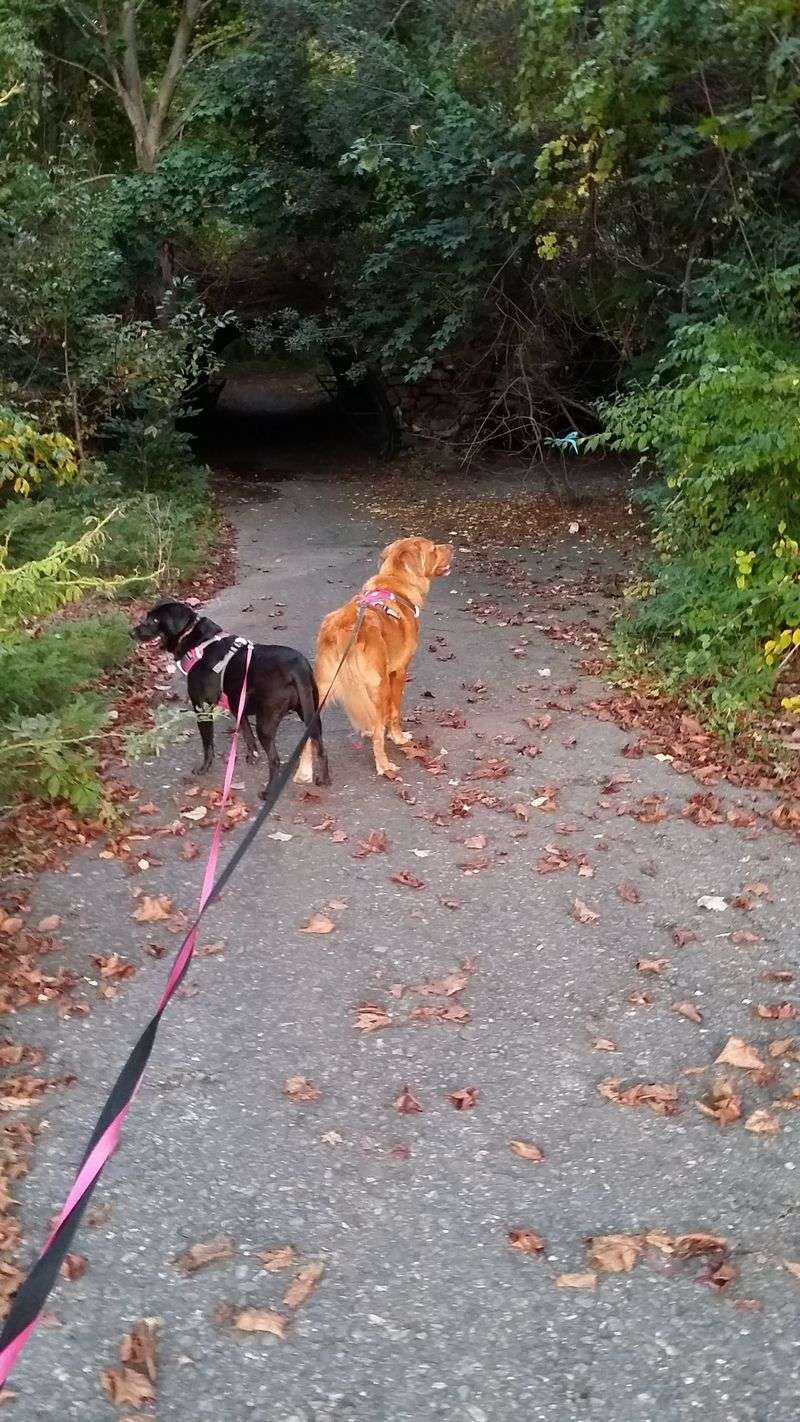
Jungle Habitat has become a favorite destination for dog owners looking to give their furry friends an exciting day of exploration and exercise in a unique environment. The trails offer endless opportunities for dogs to sniff interesting scents, navigate varied terrain, and enjoy the freedom of being outdoors in a place where leash rules are often relaxed.
Many visitors bring their pups for hours of adventure, watching them bound joyfully over rocks and through the forest like the wild animals that once called this place home.
Giant schnauzers, energetic terriers, and dogs of all sizes have been spotted happily exploring the ruins and trails alongside their humans. The combination of interesting smells, varied terrain, and the occasional encounter with other friendly dogs makes this an ideal location for socializing pets while getting everyone some healthy exercise.
Four-year-old children and four-legged companions alike find endless entertainment in discovering hidden structures and following winding paths through the woods.
Responsible dog owners appreciate that the large area provides plenty of space for their pets to run and play without disturbing other visitors, though it’s always courteous to maintain control of your animal and respect other trail users, especially mountain bikers who may be moving quickly through certain sections. The rocky terrain can be challenging for smaller dogs or those with shorter legs, so owners should assess their pet’s abilities before attempting the more technical trails.
Bringing plenty of water for both human and canine explorers is essential, especially during warmer months when the summer sun can make the forest quite warm despite the shade.
Many dog owners report that their pets sleep soundly for hours after a day of adventure at Jungle Habitat, thoroughly exhausted from exploring every nook and cranny of this fascinating location where wild and domestic animals have both left their marks on New Jersey history.
The Rocky Terrain That Makes Every Visit Challenging
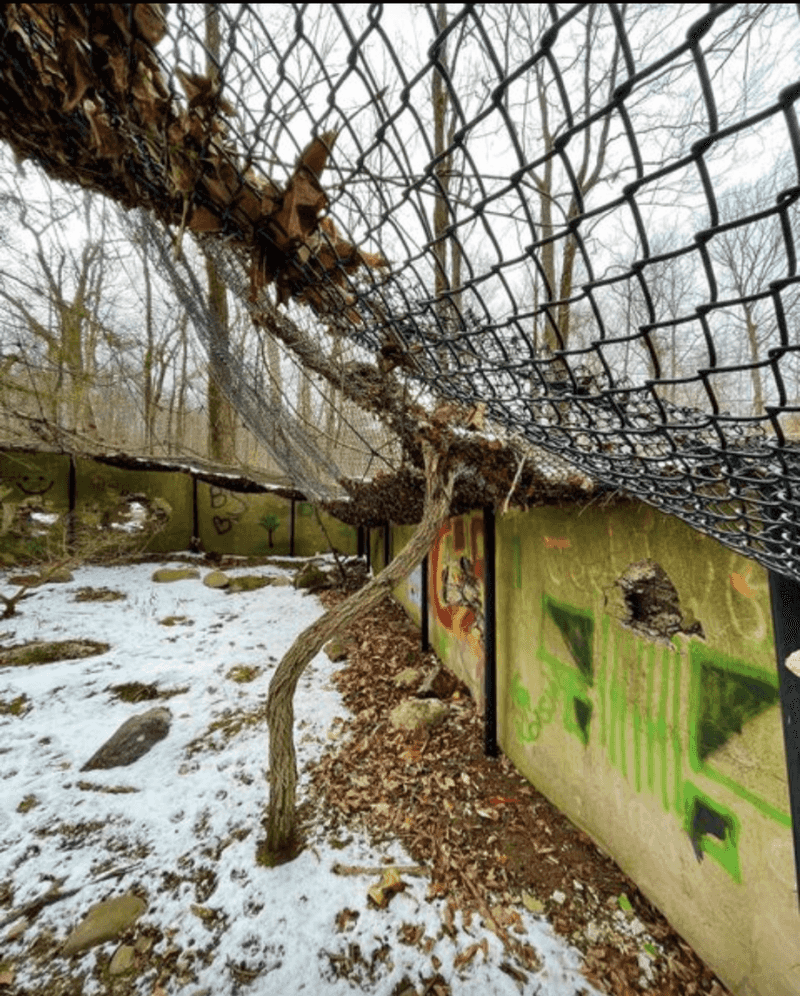
One thing every visitor to Jungle Habitat quickly learns is that this is not a place for smooth, easy walking or riding. The entire area is characterized by massive rock formations, stone slabs, and rocky terrain that adds both difficulty and unique character to every trail and pathway.
These geological features are remnants of ancient glacial activity that shaped New Jersey’s landscape thousands of years ago, and they now provide both obstacles and attractions for modern adventurers seeking something different from typical forest trails.
The huge rock slabs mentioned enthusiastically in visitor reviews are absolute highlights for mountain bikers who love technical challenges that test their skills and nerve. These smooth granite surfaces, some stretching dozens of feet across, require careful navigation and provide an exhilarating riding experience unlike anything found on typical dirt trails.
For hikers, these same rock features offer interesting visual breaks from the forest scenery and occasional opportunities to climb up for better views of the surrounding area.
Rock gardens, where smaller stones and boulders create obstacle courses along the trails, keep visitors constantly engaged and aware of their footing. This terrain means that Jungle Habitat definitely isn’t the place for those seeking smooth flow trails or easy strolls, but for adventurers who enjoy a physical challenge mixed with their outdoor exploration, these rocks are exactly what makes the location special.
The technical nature of the terrain also means that visitors should come prepared with appropriate footwear and expect to move more slowly than they might on easier trails.
Interestingly, these rocks also contribute to the site’s photographic appeal, creating dramatic natural sculptures that contrast beautifully with the overgrown ruins and forest vegetation, giving photographers endless compositional possibilities that combine geological wonder with human abandonment in uniquely New Jersey fashion.
Seasonal Changes That Transform the Landscape
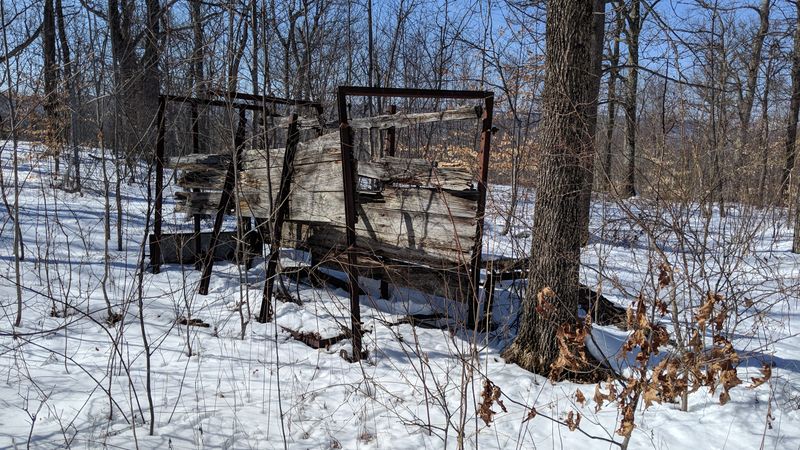
Jungle Habitat reveals completely different personalities depending on when you visit, making it a destination worth exploring multiple times throughout the year. Each season paints the abandoned park in new colors and moods, from the fresh green explosion of spring growth to the golden warmth of autumn leaves, creating endless variety for photographers and nature lovers who return again and again.
This seasonal transformation is part of what keeps locals coming back with their cameras, always finding something new to capture and experience.
Spring brings vibrant new life to the ruins as plants push through cracks in old concrete and fresh leaves create a bright green canopy overhead. Wildflowers dot the forest floor, and the sounds of returning birds fill the air with cheerful songs that contrast sharply with the silent, empty structures.
However, spring also brings increased poison ivy growth, so visitors should be cautious about which paths they explore and what they touch during this season of abundant plant life.
Summer offers the fullest foliage and deepest shade, creating mysterious shadows and cooler temperatures under the forest canopy despite the heat outside. This is when families with children often visit, taking advantage of school vacations to explore together.
Fall transforms Jungle Habitat into a photographer’s paradise with brilliant orange, red, and yellow leaves creating stunning backdrops for the gray concrete ruins and weathered structures that peek through the colorful display.
Winter brings its own stark beauty as snow covers the abandoned buildings and bare trees reveal views that remain hidden during leafier months. Fewer visitors brave the cold, meaning winter explorers often have the entire place to themselves, creating an even more profound sense of isolation and timelessness.
Visitors planning return trips in different seasons, as mentioned in several reviews, discover that Jungle Habitat never looks quite the same twice.
The Creepy Atmosphere That Adds Mysterious Appeal
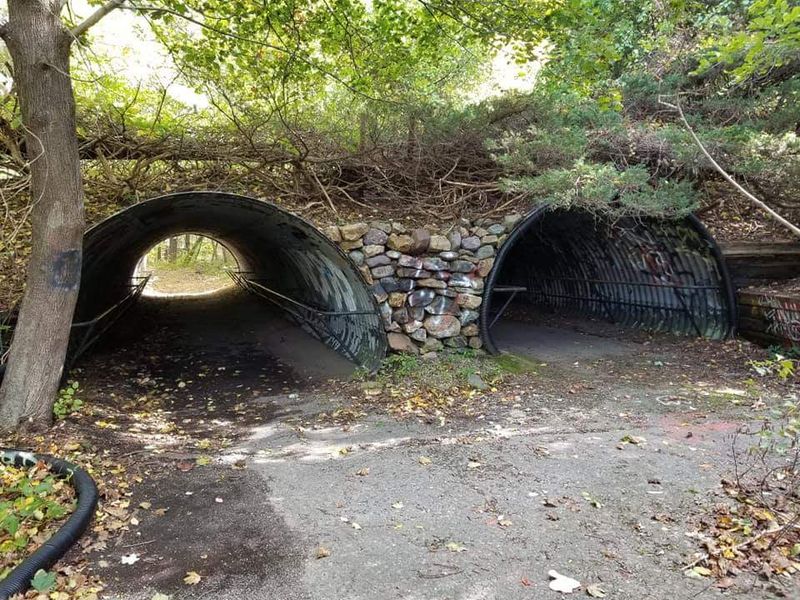
There’s no denying that Jungle Habitat possesses an eerie quality that some visitors find unsettling while others consider it the main attraction. The combination of overgrown vegetation swallowing old structures, the silence of a place once filled with animal sounds and human voices, and the occasional creaking of deteriorating buildings creates an atmosphere that feels suspended between past and present.
This post-apocalyptic vibe has made the location popular not just with outdoor enthusiasts but also with those fascinated by abandoned places and the stories they tell.
First-time visitors often report feeling the creepiness most strongly, especially when exploring alone or venturing into more remote sections where the forest has most completely reclaimed the land. The dilapidated structures lurking among the trees can appear suddenly around corners, their unexpected presence creating momentary startles that add to the adventure.
Some explorers even joke about watching out for ghosts and ghoulies, acknowledging the location’s haunted feeling while embracing it as part of the experience rather than something to fear.
This atmospheric quality makes Jungle Habitat particularly popular around Halloween when the natural spookiness reaches its peak and the autumn light creates long shadows through the colorful leaves. Photography enthusiasts specifically seek out this moody, mysterious quality, using the natural atmosphere to create images that tell stories of abandonment, nature’s persistence, and the inevitable passage of time.
The feeling isn’t threatening but rather thought-provoking, encouraging visitors to contemplate what this place once was and what it has become.
Despite the creepy reputation, most visitors emphasize that the location feels safe during daylight hours, especially when other hikers and bikers are around. The mysterious atmosphere adds character and interest rather than genuine danger, making Jungle Habitat a perfect destination for those who appreciate places with personality and history rather than sanitized, commercialized attractions.
Wildlife and Nature That Thrives in Abandonment
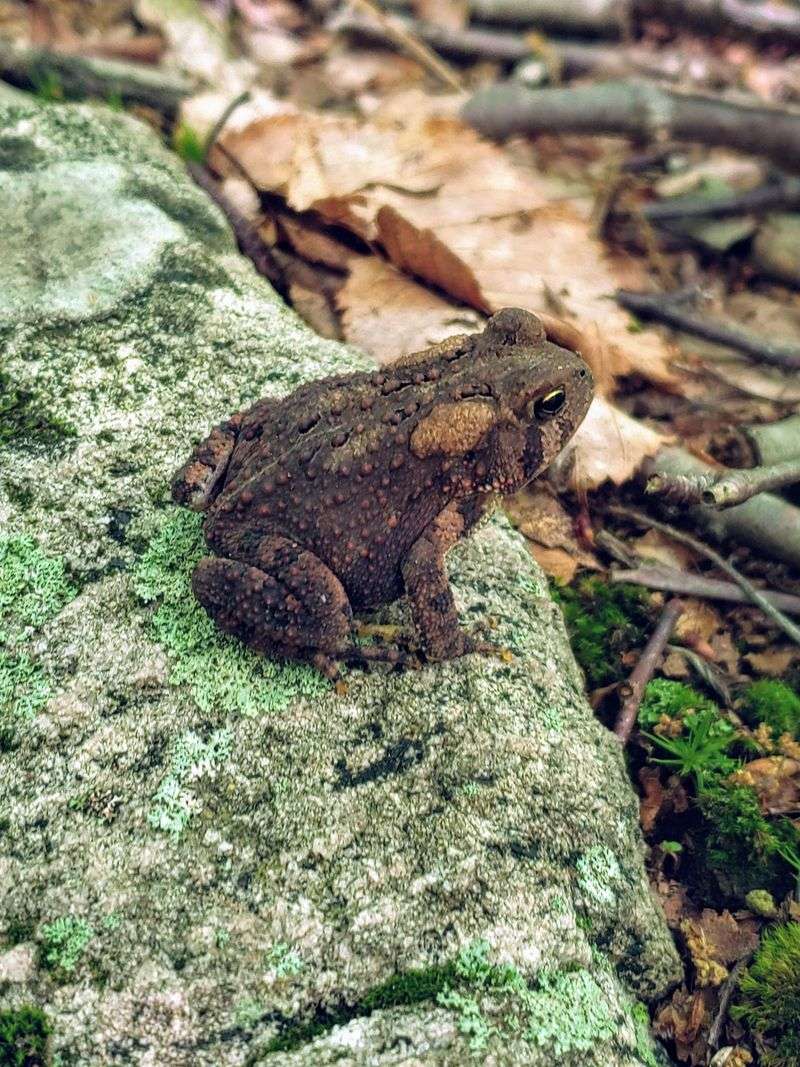
Decades after the exotic animals departed, Jungle Habitat has been reclaimed by the native wildlife of New Jersey, creating an ironic situation where the former zoo has become home to truly wild creatures living freely without human management.
Black bears, white-tailed deer, countless bird species, and smaller mammals now roam the same paths where lions and elephants once entertained visitors, proving that nature always finds a way to fill empty spaces.
This return of wild animals adds an element of authentic safari experience, though visitors should respect these creatures from a safe distance.
Evidence of black bear activity is frequently mentioned by hikers and bikers who discover tracks, scat, and occasionally catch glimpses of these impressive animals moving through the forest. While bear encounters are generally safe if humans remain calm and give the animals space, their presence adds a thrilling edge to explorations and reminds visitors that they’re truly entering wild territory.
Deer are even more commonly spotted, often bounding gracefully across trails or watching curiously from the safety of thick vegetation.
The plant life has exploded in the absence of constant human maintenance, with native trees, shrubs, and ground cover transforming what were once manicured exhibits into genuine wilderness. This rewilding process fascinates ecologists and nature lovers who appreciate seeing how quickly the land recovers when given the opportunity.
However, this abundant growth also includes less welcome species like poison ivy, which thrives throughout the property and requires visitors to stay alert and avoid touching unfamiliar plants.
Bird watchers find Jungle Habitat particularly rewarding since the varied habitat attracts numerous species throughout the year, from songbirds in summer to hawks soaring overhead year-round.
The combination of open areas, dense forest, and water features creates diverse ecosystems within the property that support rich biodiversity, making this abandoned theme park an accidental nature preserve where wildlife thrives better than during its commercial operation.
A Living History Lesson About Conservation and Commerce
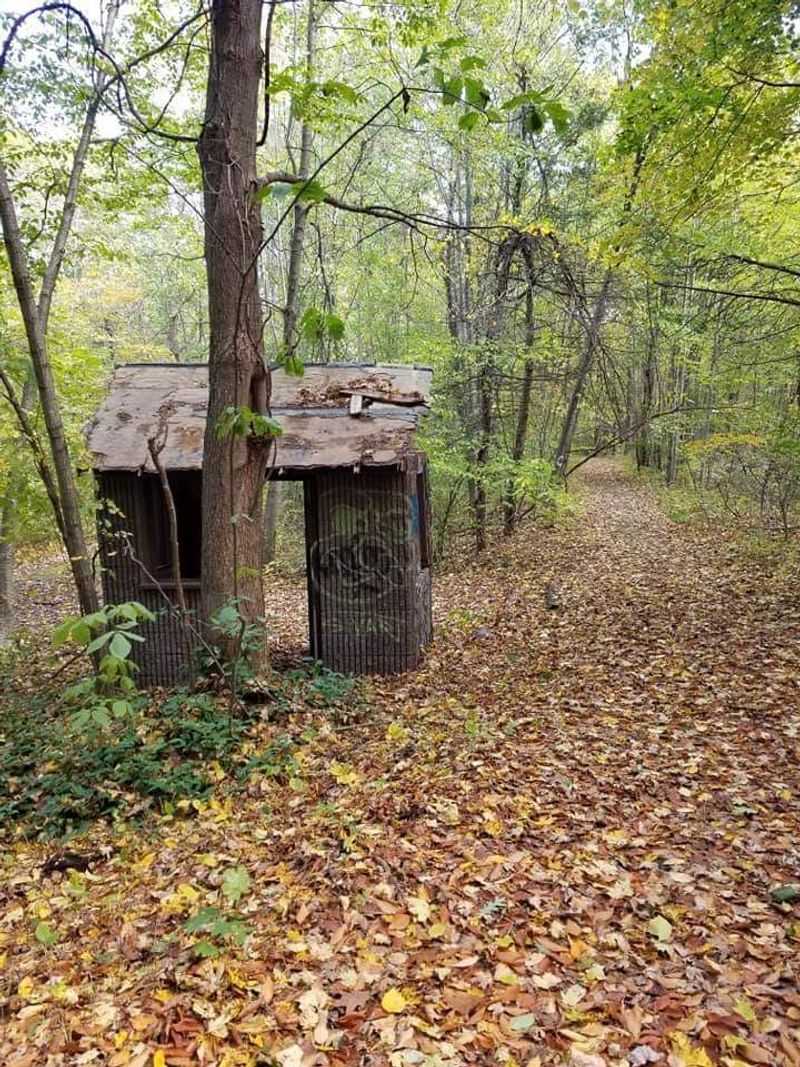
Beyond the adventure and photography opportunities, Jungle Habitat serves as a fascinating case study in the evolution of how humans interact with wild animals and the challenges of balancing entertainment with animal welfare.
The park opened during an era when drive-through safaris and roadside zoos were considered acceptable ways to experience wildlife, reflecting attitudes toward animal captivity that have changed dramatically over the past fifty years.
Visiting the ruins today prompts reflection on these shifting values and what we’ve learned about respecting animal needs.
The park’s brief four-year operation tells a cautionary tale about ambitious ventures that underestimate the practical challenges of their vision. Harsh New Jersey winters made caring for tropical and African animals extremely difficult and expensive, while several incidents involving escaped animals and visitor safety raised concerns that ultimately contributed to the closure.
Financial struggles compounded these problems, proving that good intentions and exciting concepts don’t always translate into sustainable businesses, especially when animal welfare and public safety are at stake.
Today’s visitors who research the history before exploring, as recommended by experienced explorers, gain deeper appreciation for what they’re seeing among the ruins. Each crumbling structure represents not just abandoned entertainment but also real animals that lived here, real families that visited, and real decisions that shaped this outcome.
The site has become an outdoor museum where the exhibits are lessons about ambition, failure, adaptation, and nature’s resilience in the face of human interference.
Local historians and preservationists debate whether more should be done to maintain or document the remaining structures before they disappear completely, while others argue that allowing nature to reclaim the space entirely is the most appropriate ending to this story.
Either way, Jungle Habitat at 109 Airport Rd in West Milford continues teaching lessons to everyone who visits, making it valuable not just for recreation but for the historical perspective it provides on changing relationships between humans, animals, and entertainment in New Jersey and beyond.
Dear Reader: This page may contain affiliate links which may earn a commission if you click through and make a purchase. Our independent journalism is not influenced by any advertiser or commercial initiative unless it is clearly marked as sponsored content. As travel products change, please be sure to reconfirm all details and stay up to date with current events to ensure a safe and successful trip.
