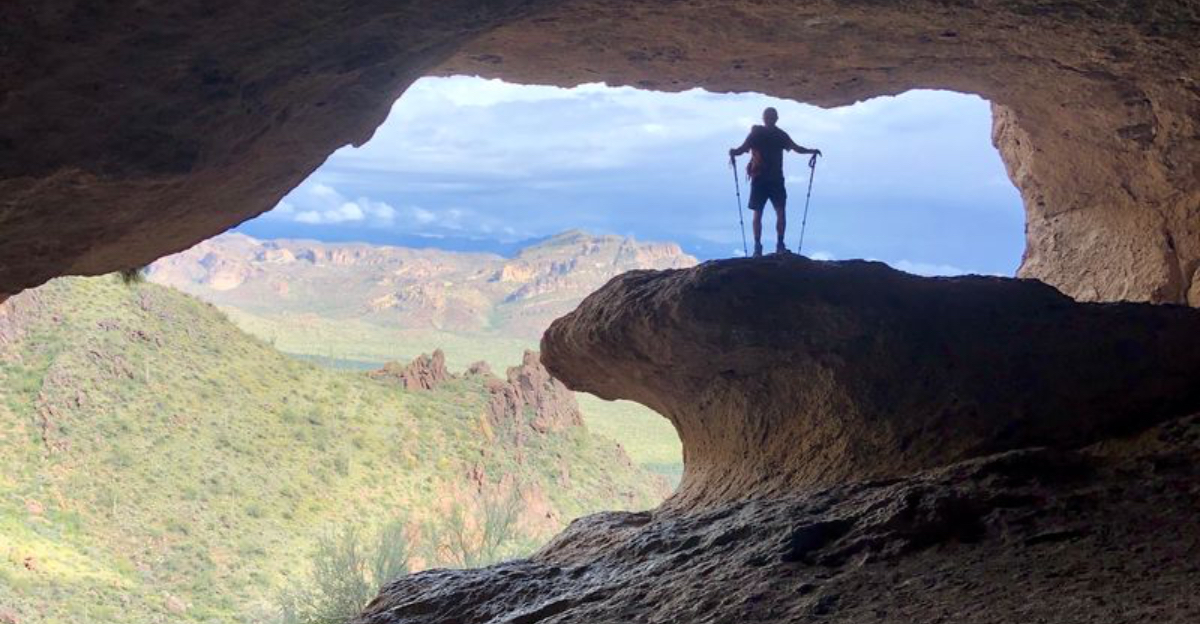
You hear it before you see it, a low murmur of stories that cling to the cliffs of the Superstition Mountains like dust after a monsoon wind.
Hikers talk about a cave that is more than a cave, a marker that points toward a fortune people still chase across this Arizona wilderness.
The legend circles Apache Junction like a hawk, steady and unblinking, daring you to follow.
If you go, the mountain will give you beauty, and it will ask what you are willing to trade for it.
The Desert’s Deadly Promise: Where Fortunes Vanish
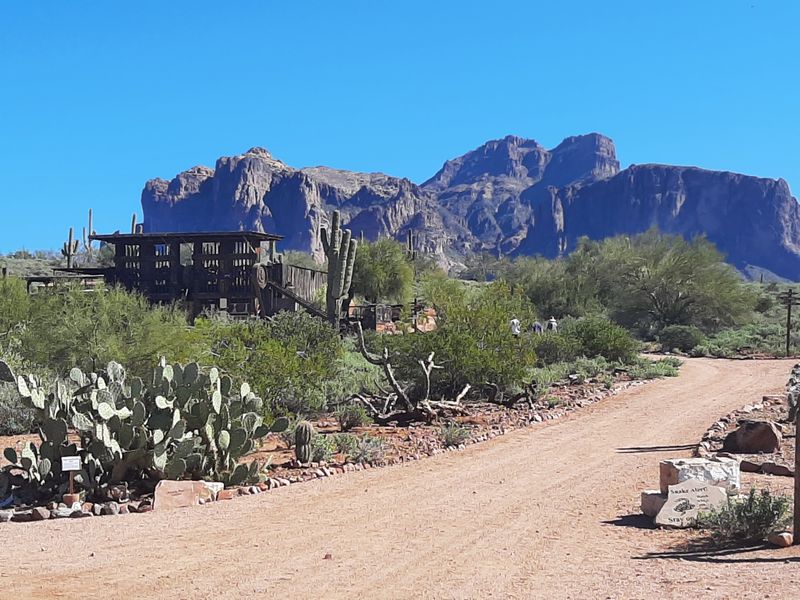
In the scorching, rugged wilderness east of Phoenix sits a landscape that looks carved for myth, and it wears the legend well.
The Superstition Mountains rise in jagged layers above Apache Junction, Arizona, and every ridge seems to hold a secret just out of reach.
Locals still speak about a cave that is less a shelter and more a signpost, a marker guarding the whispers of a lost gold mine that refuses to be found.
The number tied to that secret has swelled through retellings, yet even the old figure of half a million in historical terms hints at life changing promise.
You feel it the moment the trail narrows and the wind drops, as if the mountain is lowering its voice to make you listen.
Every canyon twists like a locked door, and every shadow suggests a passage that will only open for those who read the desert like a diary.
This is Arizona at its most unforgiving, bright light, hot rock, and silence that holds court all afternoon.
It is also Arizona at its most magnetic, because risk and beauty walk together here and neither lets go first.
Follow long enough and the ground begins to look coded, boulders standing like punctuation in a language you almost understand.
That is how fortunes vanish, not in a single wrong turn, but in a series of sure steps that feel right until the mountain decides otherwise.
The Superstitions’ Shadow: Where the Legend Lives
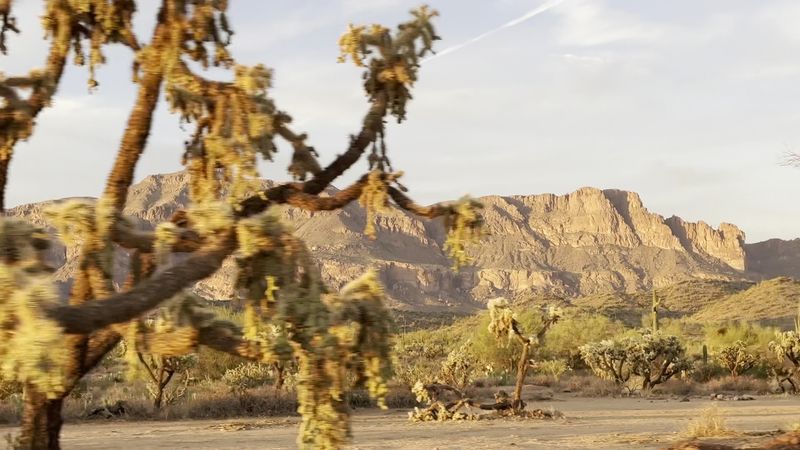
The Superstition Mountains, often called the Supes, sprawl across the eastern edge of the Phoenix Valley like a fortress built by time.
Trails cut and vanish along ridgelines, and the unmarked ones snake into draws where sound dissolves and sun rules without mercy.
This terrain feels stage set and unpredictable, the perfect canvas for a tale that grows with every footstep into the backcountry.
Danger is not an accessory here, it is part of the architecture, folded into steep gullies and crumbly switchbacks that look solid until they crumble.
That constant edge makes the legend breathe, because a place so dramatic asks for stories big enough to match its silhouette.
When the light shifts, cliffs turn to dark cutouts, and the whole range looks like it could hide ten mines and dare you to pick one.
Hikers come for views, then find themselves tracing lines on the rock, as if patterns might betray a longer memory.
The mountain never rushes, but it rewards patience with vistas that spill toward the Salt River and a sky that feels taller than the map.
Arizona offers many deserts, yet this one feels curated for obsession, every wash a loose thread that invites a tug.
The legend lives not because it is loud, but because the Supes speak softly and people lean in until they forget how far they came.
The Lost Dutchman: Who Was the Man Who Knew Too Much?
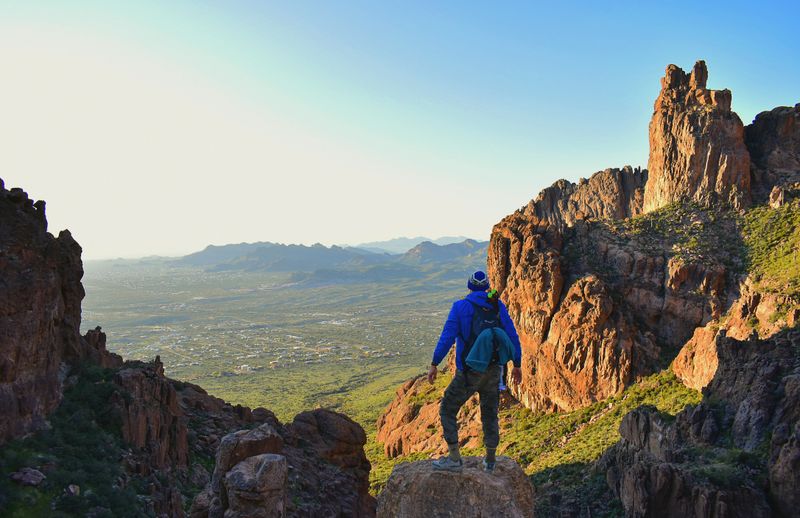
The story points to Jacob Waltz, a German immigrant who became the Dutchman by mistake and the center of a mystery by design.
He would surface in Phoenix with ore that turned heads, then slip back toward the volcanic walls as if the rock itself had invited him home.
On the edge of life, he handed down clues that read like poetry from a stern teacher, precise enough to tempt, vague enough to mislead.
Those lines sparked maps that multiplied, each one promising confidence and delivering doubt once boots hit the gravel east of Apache Junction.
The man became a mirror for ambition, because people saw in him whatever they needed to carry them deeper into the heat.
Some found courage in his tale, others found justification for risk that would later look like stubbornness dressed as resolve.
Arizona turned the Dutchman into folklore, and the folklore turned ordinary hikers into seekers who listened for echoes in narrow slots.
What remains certain is smaller than the rumor, a handful of names, a valley or two, and ore that beggars slept lighter for.
The rest survives because it refuses to settle, like dust that never quite leaves your boots even after the trailhead comes back into view.
In the Supes, a person can know too much and still not know enough, which is why the mountain keeps its lessons short and its tests long.
The Cave’s Riddle: Why a Cave is the Key Marker
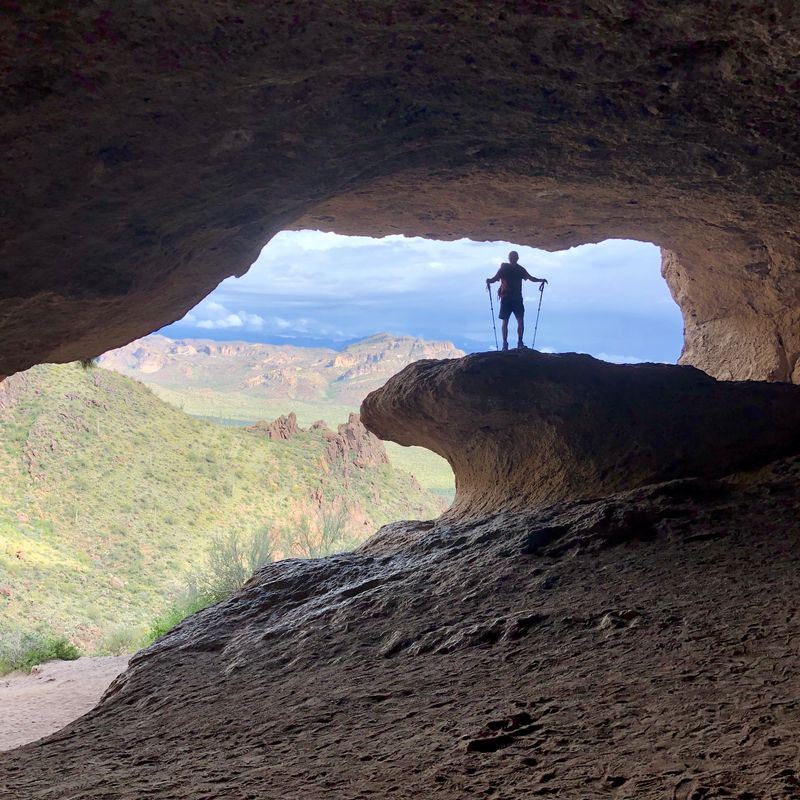
The hunt often circles a single idea, a cave that disguises the doorway to a vein so rich it could silence doubt on sight.
Waltz’s clues point toward features that change with light, which makes sunset a tool for those who know where to stand and when to look.
Geology complicates the puzzle, because erosion can rewrite landmarks while keeping their grammar intact enough to confuse the reader.
Some accounts mention a marked stone or a cut that aligns with a narrow ridge, a signal that hides in plain view until the hour is right.
In Arizona, rock can masquerade as memory, and the Supes are masters of that trick, offering shapes that repeat like a chorus.
Caves here are not cozy, they breathe hot air and shed gravel, and they seem to wait for feet that know their thresholds.
Mapmakers chase angles and bearings, yet the mountain tucks similar features across multiple drainages, a sly repetition that misleads precision.
That is why instinct still matters, because patterns speak softly and require a listener who has spent seasons cataloging the quiet.
A true marker would not shout, it would nod, inviting a second look and punishing a careless third with a wrong turn.
The riddle persists because the cave may exist and remain unfound, or it may be several caves mistaken for one story told too well.
The $500,000 Allure: Why the Treasure is So Valuable
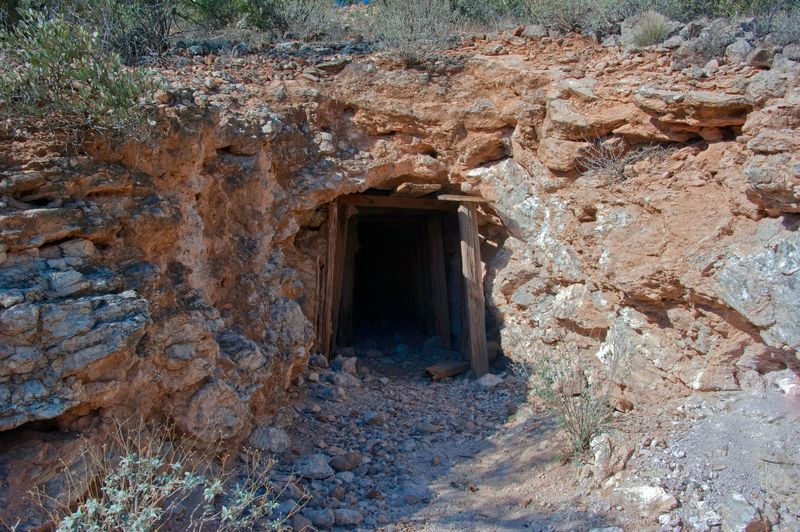
The figure that floats through the tale feels modest by modern standards, yet it anchors the obsession with a number that carries weight.
Early reports described ore of striking purity, the kind that needs little convincing and even less refining to prove its worth.
That quality turns a sack of rock into a future, which explains why footsteps multiply each season along the spurs near Apache Junction.
Value in Arizona deserts rarely gleams on the surface, so the mind does the shining, polishing scraps of rumor into something bright.
Half a million in late-19th-century terms reads like a promise scrawled in firm ink, especially when paired with whispers of more behind the gate.
Treasure here is not only metal, it is proof that patience and nerve can move mountains, or at least find a way through them.
The allure tightens when the day cools and shadows pool, because the landscape feels like it is hiding a smile you almost catch.
People arrive with tidy plans and leave with broader horizons, plus a few blisters that teach better than any guidebook ever could.
Arizona has a way of making ambition feel practical, which is why the number keeps its grip long after sunset.
In the end, value is measured by the lives rearranged by the chase, and that ledger still grows in the dust of the Supes.
The Deadly Guardians: What Keeps Searchers Away
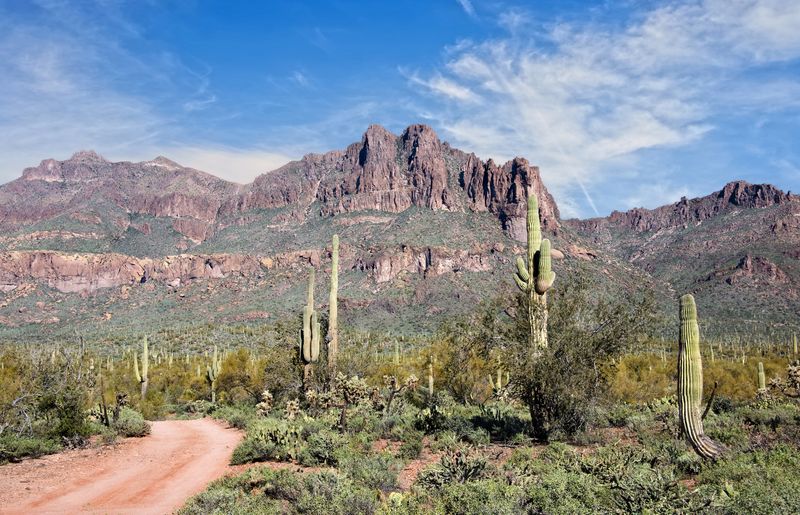
The legend speaks of spirits that watch the passes, and some hikers swear the air grows heavy near certain bends.
Folklore aside, the mountain has its own enforceable rules, written in scarcity, slope, and heat that tightens like a belt by midday.
Water disappears faster than plans, and gullies that look tame can turn sudden with runoff that moves stones like dice.
Cliffs invite overconfidence, then punish it, shedding handholds and sending pebbles ahead as a warning many ignore.
Wildlife blends with the palette, which means surprises often arrive as movement where eyes expected stillness.
Rescues happen, but the range is wide, and help can lag while sun and distance take their share.
Stories tally losses in a quiet tone, because numbers feel smaller than the lives behind them and the choices that led there.
Arizona rewards respect, and the Supes demand it twice, once before the climb and again when fatigue starts editing judgment.
The cave can feel like a dare, yet the path to it is the real test, an exam graded on preparation and humility.
Those who turn back often speak of relief that sounds like wisdom, and the mountain seems to nod when caution wins the day.
The Local Silence: Why Insiders Don’t Talk
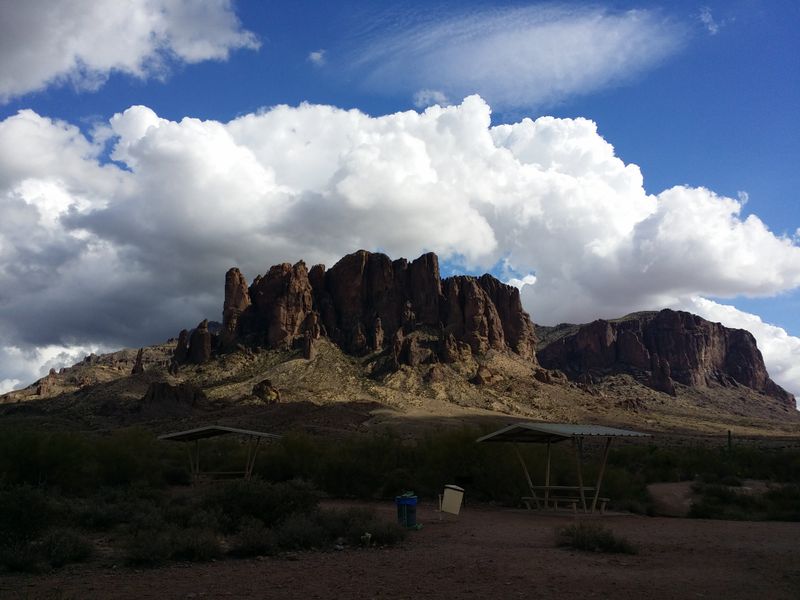
People who grow up in the shadow of these peaks learn early that talk travels farther than footprints.
In Apache Junction, the legend is a neighbor, and locals treat it with the politeness reserved for things that can turn quickly.
Stories circulate in fragments, traded in parking lots or on porches, clipped short before they become invitations.
Silence doubles as protection, because knowledge can attract the wrong kind of company and the wrong kind of night.
Families pass down hints like heirlooms, never the full set, just enough to honor memory without tempting consequence.
The desert keeps score, and that belief shapes how information moves, carefully, slowly, and only toward people who listen well.
Arizona communities near the Supes value self reliance, which makes secrets feel like tools rather than treasures.
Ask directly and you may get a smile that means be careful, which is both advice and boundary set in the same breath.
The fewer details shared, the fewer arguments, and that keeps peace in a place where tempers can run as hot as the rock.
In the end, the quiet holds because it works, and the mountain seems to prefer voices kept low.
GPS vs. Instinct: Navigating the Treacherous Terrain
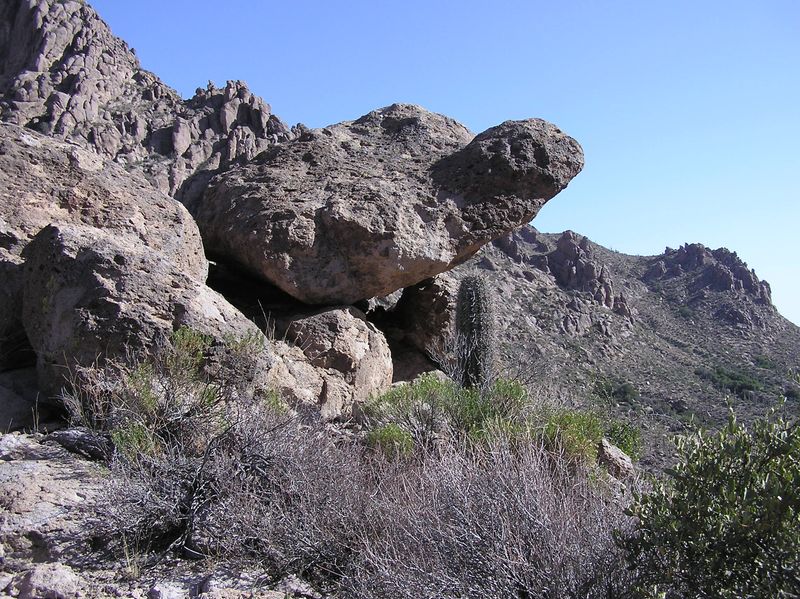
Signal drops quickly once the walls close in, and screens turn into mirrors that show a face thinking hard.
GPS lines look clean at home, then collide with reality when the canyon multiplies choices that the map glossed over.
Rock repetition is the trickster here, repeating shapes until confidence splits into three different directions.
Old school navigation still performs, the sun for time, the slope for story, and the geology for patterns that build a mental map.
Footprints can mislead, because goals differ and routes braid like rope that someone forgot to finish.
Wayfinding improves with apprenticeship, miles banked carefully and notes kept about shade, seams, and the kind of gravel underfoot.
Arizona rewards those who plan and punishes those who improvise at the wrong moment with the wrong shoes.
Water stashed wisely becomes a breadcrumb, and check ins at known landmarks turn a big problem into small solvable ones.
Instinct grows from repetition, not luck, and the Supes teach that lesson gently at first and firmly later.
When in doubt, the smartest move is often a retreat timed early, while the sun still smiles and the margin remains wide.
The Real Treasure: The Mystery Itself
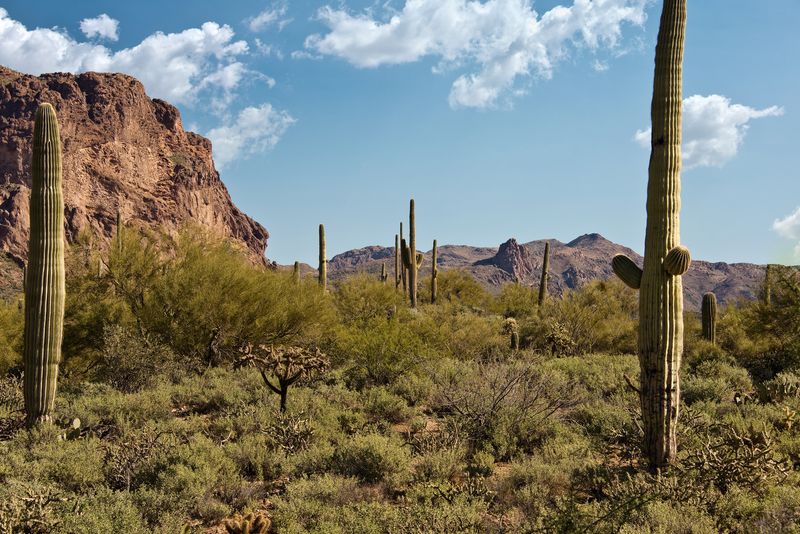
The promise of gold pulls people in, but the mystery is what brings them back with better boots and clearer eyes.
Every unanswered clue becomes a trail of its own, and the chase turns into a practice that shapes how days are planned.
Writers sketch theories, hikers test them, and the conversation between page and path never really ends.
The legend holds a community together, a loose circle of seekers who swap maps like musicians trading melodies.
Some come away with nothing but photographs of light on rock, which feels like plenty once the heat fades.
Others leave with a new respect for silence, because the mountain values quiet questions more than loud claims.
Arizona has many stories, yet this one stretches the farthest, linking the past to the present with a line you can almost trace.
The mine might exist or not, but the uncertainty gives the Supes their enduring pulse.
There is freedom in not knowing, a space where curiosity can breathe without the pressure to close the case.
That space is the real treasure, and the trailhead waits for anyone who wants to step into it.
Practical Gateway: Lost Dutchman State Park Trailheads
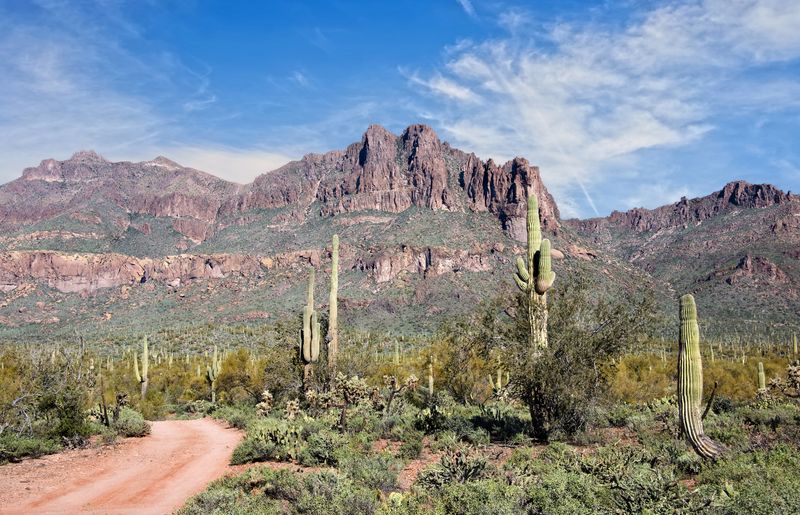
Most visitors start at Lost Dutchman State Park, a tidy gateway that kisses the foothills before the trails harden.
The address sits near 6109 N Apache Trail, Apache Junction, Arizona 85119, which places you close to the range without rushing you in.
From here, maintained paths meet raw country, and the transition feels like stepping from prologue into plot.
Trailheads point toward Siphon Draw and beyond, with signs that keep you honest until the rock requires your own decisions.
Facilities offer a last chance to reset, a pause that turns scattered plans into a route with bite sized goals.
Rangers and posted notices cover seasonal hazards, a quick brief that matters more than bravado ever will.
Arizona sun hits early, so starting at first light lets shade do some work before the day tightens.
Even short loops can surprise, which is why conservative turn around times pay dividends on the drive home.
The park acts as a respectful threshold, a place where comfort and wilderness shake hands before parting.
Step forward with humility, and the mountains will show you more than any legend can summarize.
Conclusion: Entering the Legend
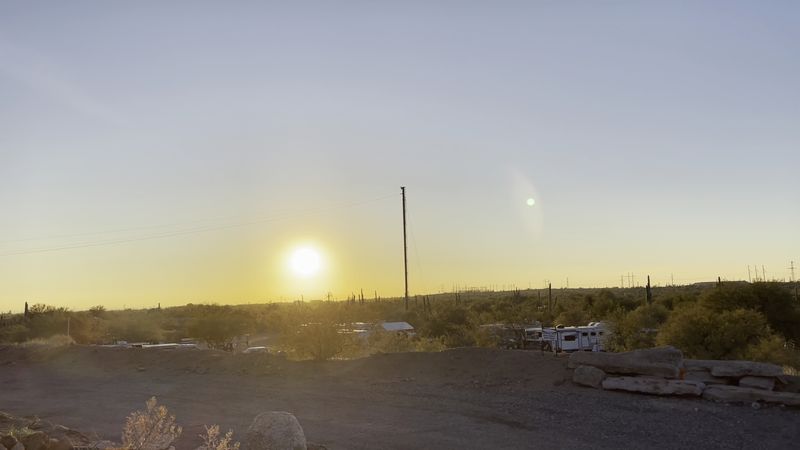
If you go looking for the cave, remember that every turn places you deeper into a story that edits visitors without apology.
The Superstition Mountains hold their ground above Apache Junction, and they expect respect before they consider mercy.
Pace yourself, read the weather, and let caution set the rhythm while curiosity sets the tune.
Arizona will meet you with heat and color, and the range will answer with silence that sharpens your focus.
The rumor of gold is a spark, but the journey is the fire, and it burns long after you leave the trail.
Listen more than you speak, and the desert might share a detail that only makes sense when your boots are dusty.
Take nothing you cannot carry back, including pride, because the mountain collects that fee quickly.
Turn back if the margin thins, and you will have learned the rare art of staying found.
The legend is not going anywhere, and neither are the cliffs that guard it like patient teachers.
Walk lightly, look closely, and let the mystery be enough for today.
Dear Reader: This page may contain affiliate links which may earn a commission if you click through and make a purchase. Our independent journalism is not influenced by any advertiser or commercial initiative unless it is clearly marked as sponsored content. As travel products change, please be sure to reconfirm all details and stay up to date with current events to ensure a safe and successful trip.
