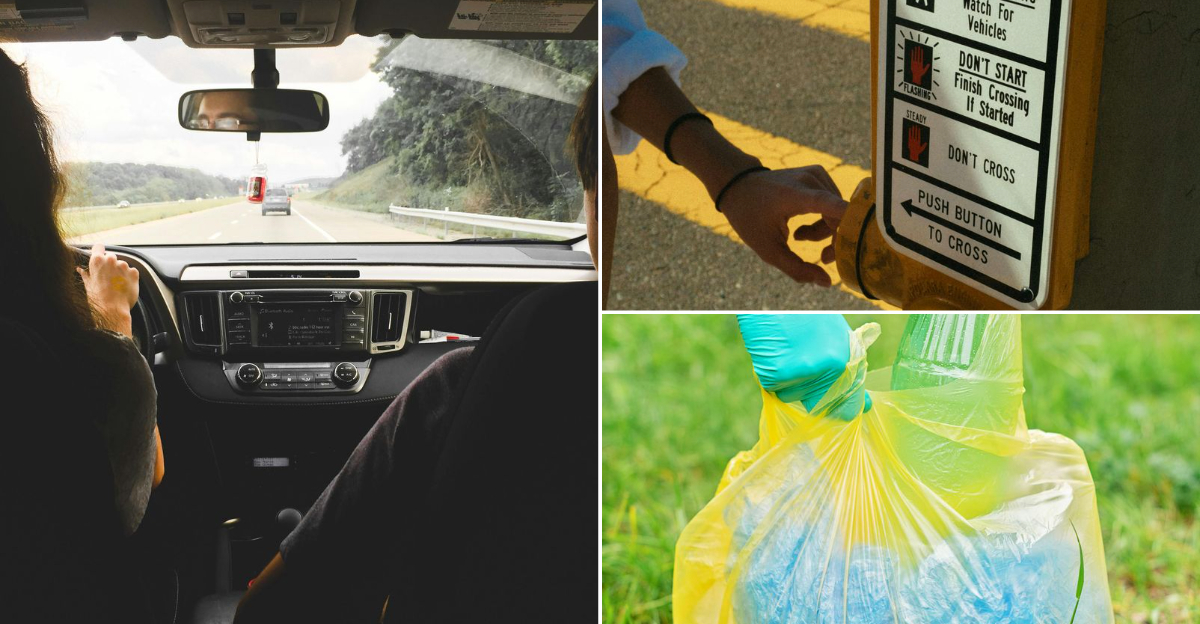
Would you believe some of Arizona’s strangest “that cannot be real” laws actually are? What sounds like desert folklore or a roadside joke often traces back to real statutes, local ordinances, or dusty legal language that never quite disappeared.
Arizona’s rules grew out of frontier life, mining camps, and early desert towns where lawmakers tried to keep order in unpredictable conditions.
Some laws targeted safety in harsh landscapes, others aimed to control public behavior, and a few simply reflect the quirks of their time.
Tourists usually hear these laws as funny trivia, but many are rooted in real regulations that once carried real consequences. The result is a mix of practical, outdated, and downright bizarre legal leftovers that make Arizona’s rulebook feel as colorful as its scenery.
Knowing a few of these myths-turned-realities can turn a road trip into a legal curiosity tour, and give you stories that are as memorable as the red rock sunsets.
1. You Can’t Collect Or Move Protected Native Plants Without The Right Permission
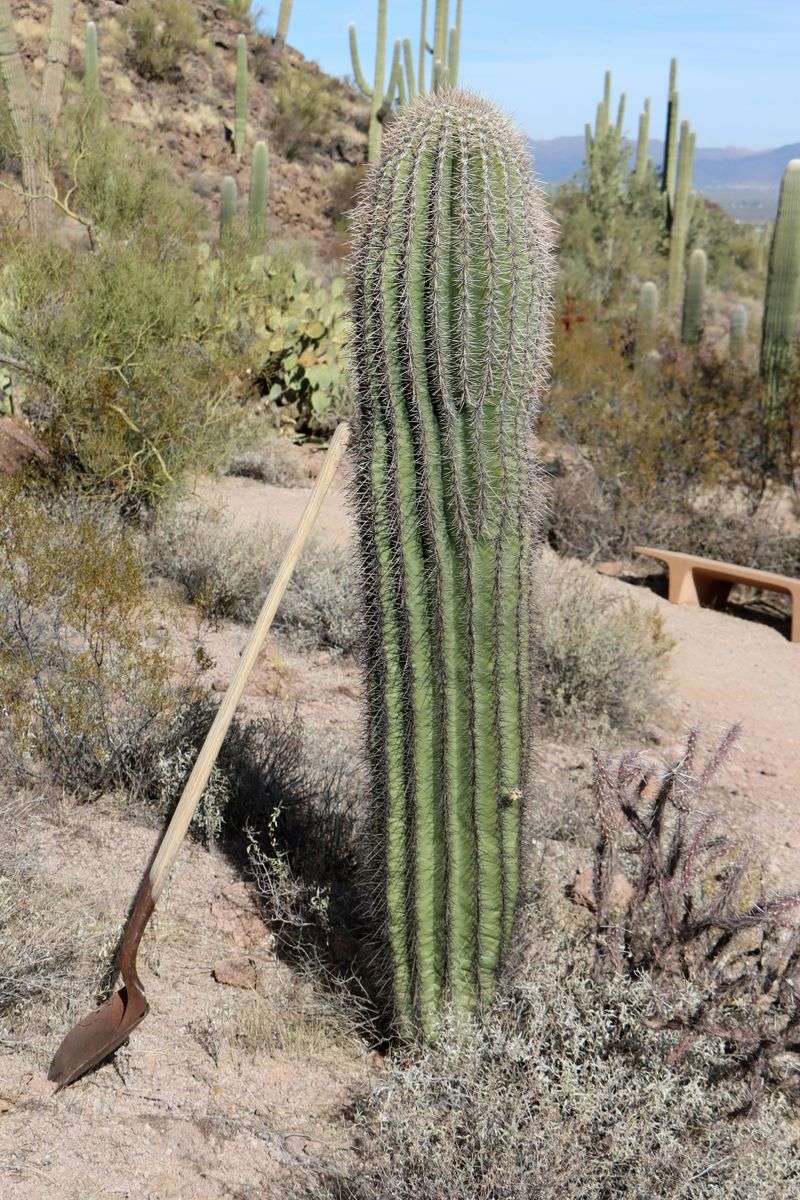
So here’s the twist you might not expect on a desert stroll. In Arizona, a saguaro is not just a tall backdrop for your sunset photo, it is a legally protected native plant.
State law says you cannot dig up, move, or collect certain native plants without the right permit.
That includes big icons like saguaro and organ pipe, but also smaller species you might overlook when you are near Tucson trailheads or on BLM land.
See one toppled after a storm and think you can rescue it for the yard? Not without paperwork, and you will want proof before it even leaves the ground.
Rangers and land managers actually tag these plants with tiny metal seals. Nurseries that sell legally salvaged cacti keep documentation handy, which is your safety net if anyone asks.
Out on a drive near Saguaro National Park or the Sonoran Desert National Monument, you will spot warning signs. They are not there for decoration, they are your reminder that the desert’s residents are accounted for.
Even on private property, permits and notices can apply, especially during construction.
Contractors bring in registered salvage crews who know how to brace, dig, transport, and replant without turning a century of growth into mulch.
If you love these plants, this actually makes the hikes better. You get to admire living skyscrapers and walk away knowing they will still be there the next time you roll through Arizona.
2. You Have To Report Certain Archaeological Or Historical Discoveries
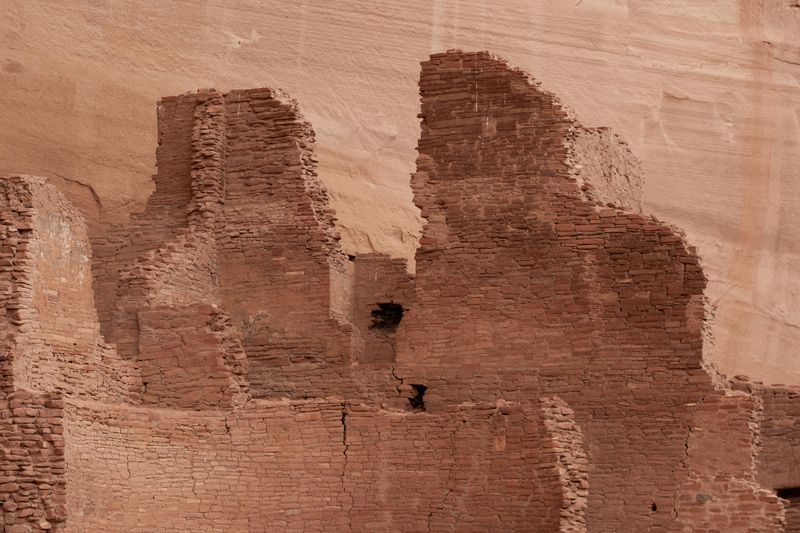
Stumble on something that looks ancient out on a dusty walk, and your inner treasure hunter might perk up. In Arizona, if it could be an archaeological or historical find on public land, the rule is pretty simple.
Do not pocket it. Report it.
That might mean pottery shards, a worked stone tool, or an old site feature tucked into a canyon bend near the Mogollon Rim.
Agencies want the location, not the souvenir, because context is what tells the story.
Visitor centers and ranger stations in places like Tonto National Forest can point you to the right contact. Even a quick call helps professionals protect the site from the slow drip of accidental damage.
On state lands, the statutes kick in fast, and the goal is respectful stewardship.
You are not losing a keepsake, you are keeping a timeline intact for everyone else who wanders through Arizona with curious eyes.
If you are hiking with kids, make it a little detective game. Spot, photograph, mark the GPS if you can, then let the experts do the careful work.
I know it is tempting to raise a dusty artifact like a movie hero. The real flex is leaving it exactly where it rests and making the call that saves the site.
3. Fake Emergency Reports Are A Crime
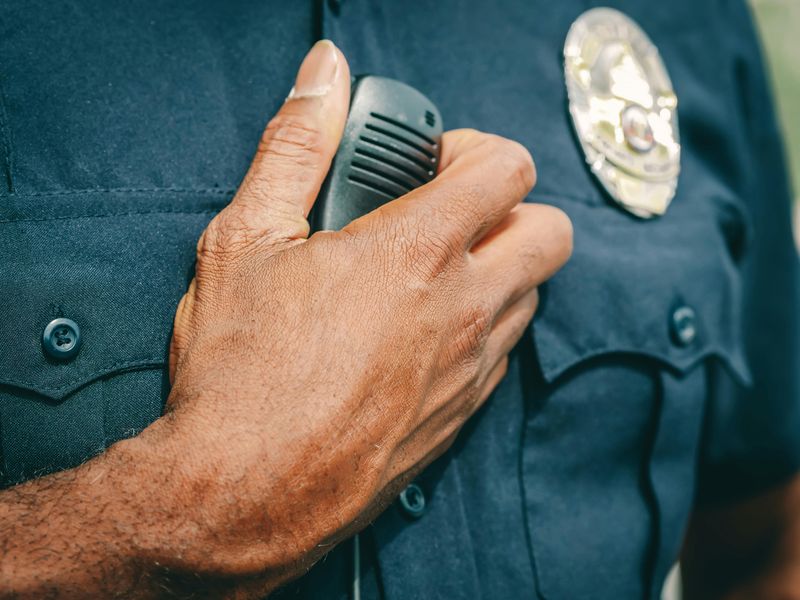
Ever hear a siren sprint past and wonder what set it off? In Arizona, faking that kind of call is not a prank, it is a crime with real teeth.
The statute covers false reports to emergency services, and it reads like a firm shake by the shoulders.
When units roll, they are leaving real calls uncovered, which is why dispatchers, firefighters, and officers take hoax alerts seriously.
Picture a busy evening in Flagstaff when the roads glaze over and radios light up. A made up emergency can send crews into risky traffic while someone else waits longer for help.
Even if you think you are “testing” the system, the law does not buy the bit. It is not just wasted time, it is resources and safety on the line for the whole community.
Traveling through Arizona and feel out of your depth with local numbers? Save the non-emergency line for questions, and only dial the urgent one when real danger is involved.
If a situation changes and things calm down, call back and update them.
Dispatchers appreciate clear info more than anything, and you can feel that calm settle in your voice too.
Bottom line, the myth is that a fake report is harmless. The reality is that it pulls the safety net away from someone who actually needs it.
4. Blocking Someone From Using An Emergency Phone Line Can Be Illegal
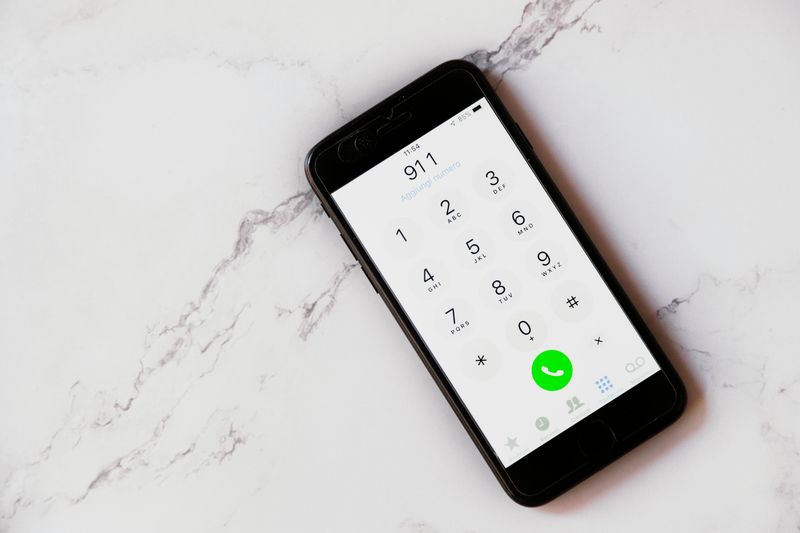
Here is one that feels obvious until it is not. Arizona law says you cannot interfere with someone trying to place an emergency call.
That interference can be physical, like grabbing a phone, or more subtle, like tying up the line with nonsense when someone nearby needs it clear. Either way, officials treat that call path like a lifeline.
Think of a trailhead parking lot south of Prescott where a hiker is shaky and someone dials for help.
If you block the call because you think it is overreacting, you are stepping into illegal territory.
There is a simple social script that works every time. Give space, keep others calm, and let the connection stay open until responders say otherwise.
Even in crowded spots, the rule holds, from Phoenix light rail platforms to a lodge lobby up north. The air gets tight in a crisis, and open lines keep the whole scene from spiraling.
If language or location details are messy, you can assist without taking over. Hand the phone back quickly, add the cross streets, then step aside.
Arizona builds a lot of its safety net on clean access to help.
Keeping that path clear is one of those quiet heroic moves you barely notice until it saves the day.
5. Most Hunting Is Limited To Daylight Hours Unless A Rule Says Otherwise
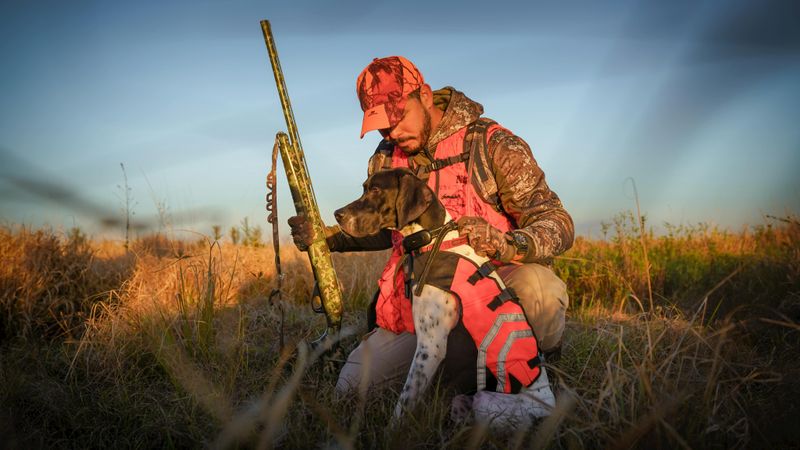
If you have ever watched the desert wake up, you know daylight changes everything. Arizona’s hunting framework leans on that, setting daylight as the default window unless specific rules carve out exceptions.
Game and Fish regulations get precise about species and seasons.
The general vibe though is visibility matters for safety, for identification, and for keeping the land quiet at night.
Out by the San Rafael Valley, morning light pulls color off the grasslands and reveals the slopes you could not read in the dark. That is when legal starts feeling practical.
Night pushes risk up for everyone, including campers on the other side of a ridge you cannot see. It also makes identifying a target tough, which is exactly what the law wants to avoid.
Before any trip, double check the regs for unit maps and time rules.
Arizona’s website is clear, but cell service can be patchy, so a printed page in the glove box helps.
Even if a rule allows after hours for certain species, lights and methods might have extra limits. You will feel better knowing you are inside the lines before the truck even rolls.
At sunrise, the land opens, the shadows step back, and your plan settles. That is the lane the statute nudges you into, and it makes a lot of sense once you are out there.
6. Using An Aircraft Chase, Or Help Locate Wildlife Is Treated As A Wildlife Violation

Hear a buzz overhead and watch animals scatter, and you get why this one exists. Arizona treats using aircraft to chase, harass, or even help locate wildlife as a violation.
We are talking planes, helicopters, and anything that turns the sky into a shortcut.
It breaks the fair chase idea and spooks animals far beyond the moment you see them bolt.
Picture pronghorn out near Sonoita lifting their heads as a rotor thumps the horizon. Long after the noise fades, the stress can push them off water or forage.
Game and Fish has paired statutes and rules to make the boundaries clear. Scouting with aerial help to guide a ground crew turns into trouble fast.
Pilots visiting Arizona for scenic flights should brief on local advisories and wildlife corridors.
The air looks empty from above, but the ground is busy with lives that do not love a chase.
If you are tempted to call a buddy with a small plane for a quick survey, skip it. A clean hunt or a quiet photography day just feels better without the drone of blades.
Out here, the sky is big, sure. It is not a loophole, and that is the point.
7. A Funeral Or Military Procession Gets The Right Of Way, Even At Intersections
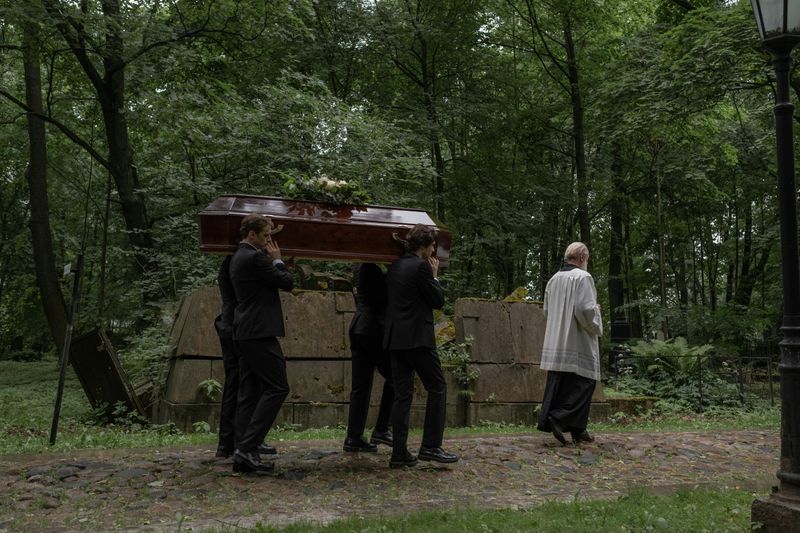
Ever roll up to a green light and still stop? That is exactly what happens when a marked funeral or military procession comes through in Arizona.
The vehicles will usually have flags, lights, or escorts.
Your job is to yield and let the line pass as a single unit, even across an intersection you would normally own.
It keeps the group together, which matters for families and for ceremony. It also prevents the dangerous accordion that happens when strangers split the line.
In Phoenix or Tucson, officers sometimes block cross traffic so the stream can move cleanly. You will feel the whole street take a breath and settle into a quiet minute.
If you end up mid-block when they arrive, just hold your spot.
No quick darts across the gap, no “I can make it” moves.
When the last vehicle clears, the normal flow returns. Arizona’s code is respectful, and honestly, that pause feels right when you are there.
It is one of those small courtesies the road asks of all of us. Blinkers off, hands calm, and a little patience while the moment passes.
8. Passengers Can’t Ride In A Way That Blocks The Driver’s View Or Control
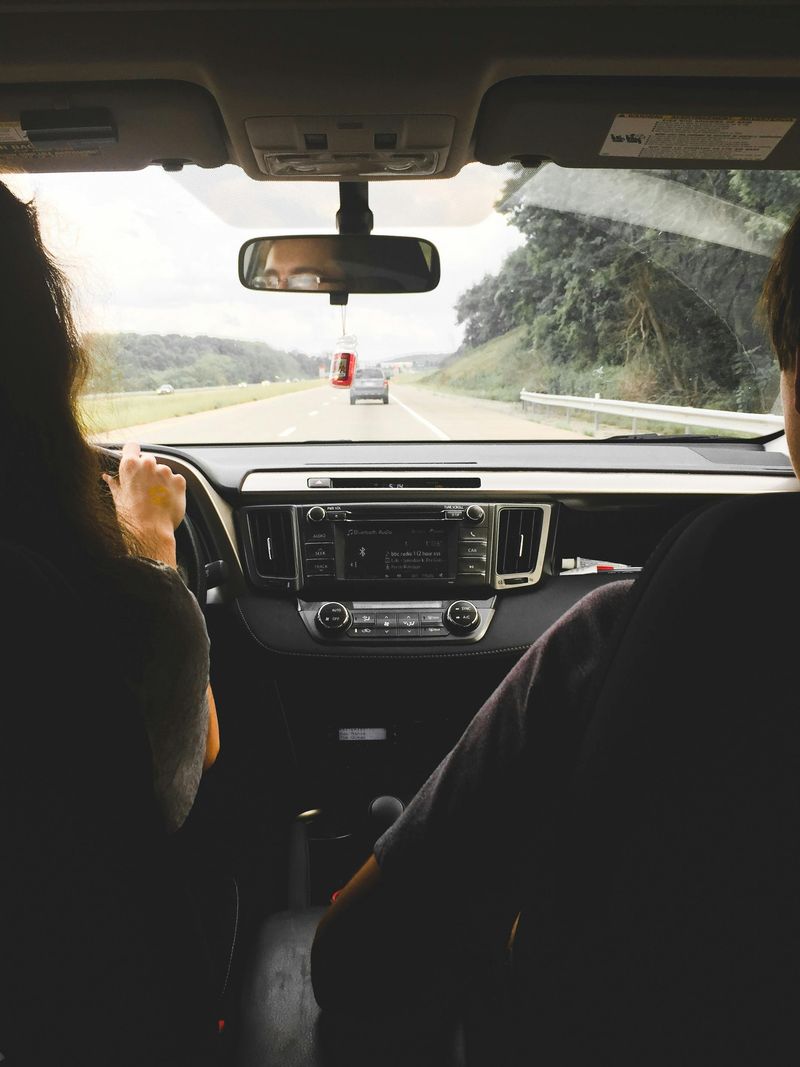
We have all seen that friend leaning halfway into the dash to point at a mountain. Arizona’s law keeps that impulse in check by banning passengers from riding in a way that blocks the driver’s view or control.
It is more than just feet on the dash. Think crowded front bench, someone perched on an armrest, or a pet in the driver’s lap turning the wheel into a suggestion.
Driving across the flats near Gila Bend, the horizon is so open you forget how fast everything arrives.
Then a gust hits or a truck drifts, and you are grateful the cockpit is clear.
Ride share or rental, same rules. If a seat belt exists, use it, and keep limbs and backpacks from sliding into the gear shift or pedals.
This is one of those statutes that reads like common sense after the fact. The trick is keeping the habit when the scenery steals your attention.
Tell your crew you will pull over for photos, then actually do it.
The road will still be there, and the view will too.
Arizona rewards clear heads and clear windshields. Let the driver drive, and the trip gets easier for everyone in the car.
9. Crossing Midblock Near Signalized Intersections Is Restricted
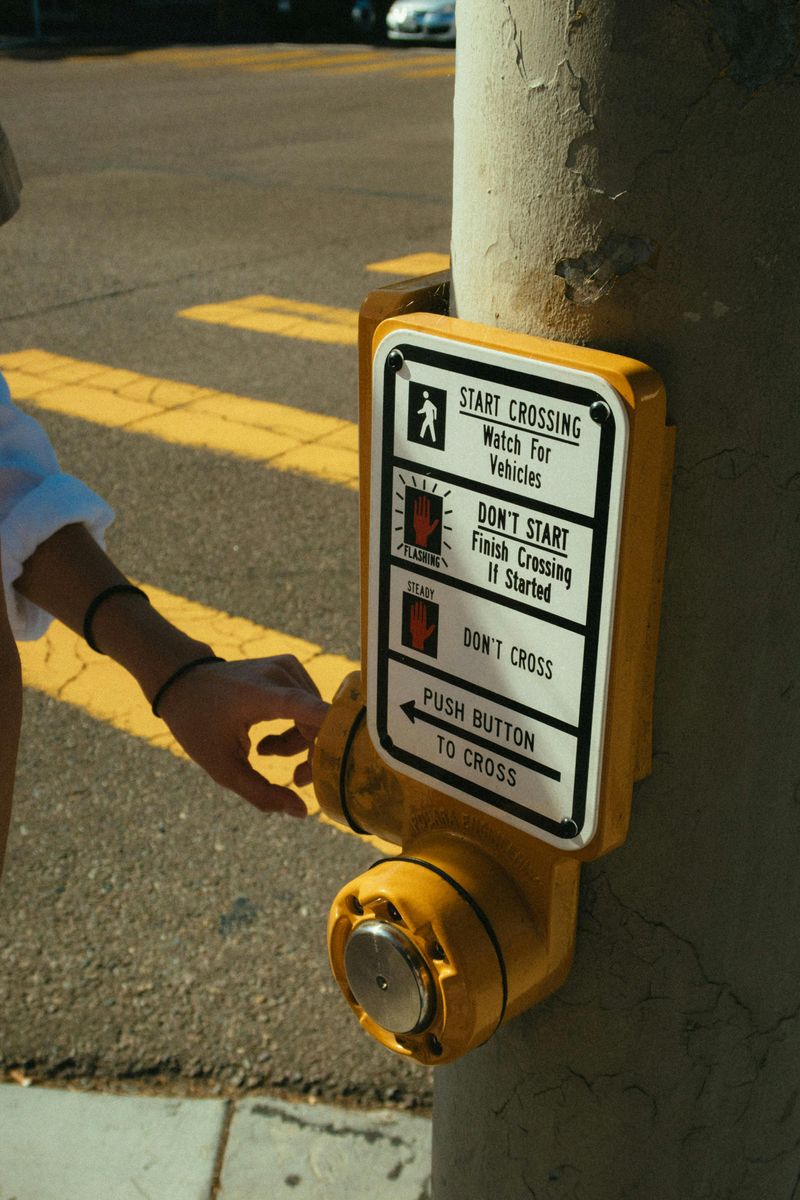
You know that midblock dash to beat the light? Arizona’s pedestrian rules say pump the brakes when you are near a signalized intersection.
Basically, if there is a traffic control device close by, you are expected to cross where it tells you.
The midblock move becomes restricted because drivers are watching corners, not surprise cameos from the curb.
Downtown streets in Tucson make this super clear with marked crosswalks every short stretch. When people stick to them, the whole dance flows better.
On busier corridors, the speed difference gets real. A driver glancing at the next green does not expect a sidestep halfway down the block.
Travel days scramble our internal compass, so give yourself a beat to find the signal.
Once you are at the corner, the countdown and the walk icon pull you into a safer rhythm.
Yes, it adds a few steps. But it trades a nervous sprint for eye contact and an actual right of way, which is a fair swap in my book.
Arizona’s cities are spreading out, but the rules tighten where the lanes do. Let the lights be your guide, and your ankles will thank you.
10. Private Landowners Can Ban Hunting On Their Land By Proper Posting
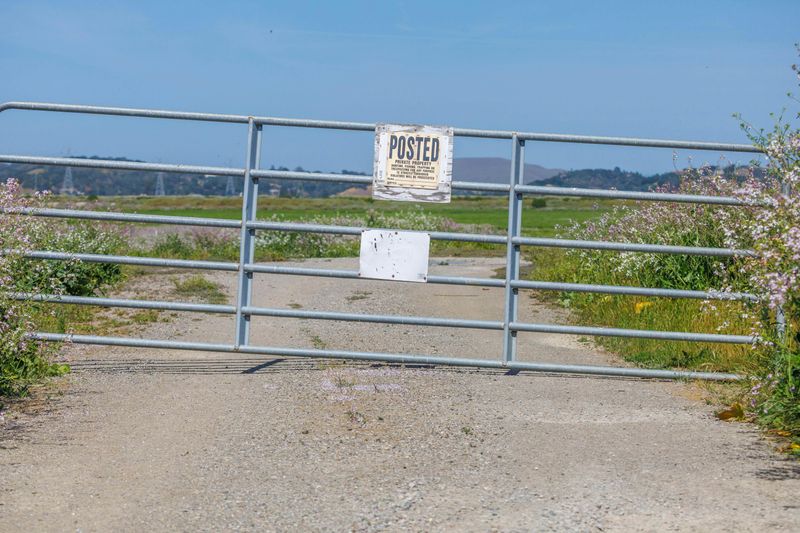
Out past the last gas station, land can look like endless public range. Arizona reminds you to read the fence line, because private landowners can shut down hunting with proper posting.
Those signs are not suggestions. They are the official notice that a property owner has drawn a line, and the law backs it up.
In ranch country near Willcox, you will see neatly spaced markers along wire and at gates.
If you do not have permission, that is your cue to turn around and pick a different unit.
Game and Fish maps help separate state parcels from private holdings. A quick cross check before dawn saves a headache when your boots hit the ground.
Sometimes owners grant access with a call and a handshake. When they do, treat that patch like a living room, because that is basically what it is.
If the posting looks weathered, do not guess.
Assume it counts until you confirm otherwise with the number on the sign or the county maps.
Arizona’s open spaces feel welcoming, but they are still stitched together with boundaries. Respecting the stitch is how the fabric stays strong.
11. Littering Public Hunting Or Fishing Areas Is Specifically Called Out In Wildlife Law

Trash out here does not just look bad, it messes with animals and people who share the space. Arizona pins it down in wildlife law by calling out littering in public hunting and fishing areas.
That means shells, line, bait containers, snack wraps, all of it.
If it did not grow there, it should not stay there, and rangers will absolutely cite for it.
Walk a shoreline at Roosevelt Lake after a busy weekend and you will see why the rule gets its own mention. Birds pick at bright bits, hooks snag where kids step, and the whole place feels cheapened.
Pack a bag you can stuff with spent odds and ends as you go. It is an easy rhythm to build, and it makes you notice fewer problems on your next lap.
Some access sites have dumpsters and clear signage. Use them, then give your tailgate a quick sweep so nothing sneaks off when you pull away.
On the trail, clink your water bottle before you leave and listen for stray sound.
If you hear it, you left something behind, and that is your cue to scan the ground.
Arizona thrives on clean edges where water meets rock. Keeping them tidy is the smallest, strongest way to say you will be back.
Dear Reader: This page may contain affiliate links which may earn a commission if you click through and make a purchase. Our independent journalism is not influenced by any advertiser or commercial initiative unless it is clearly marked as sponsored content. As travel products change, please be sure to reconfirm all details and stay up to date with current events to ensure a safe and successful trip.
