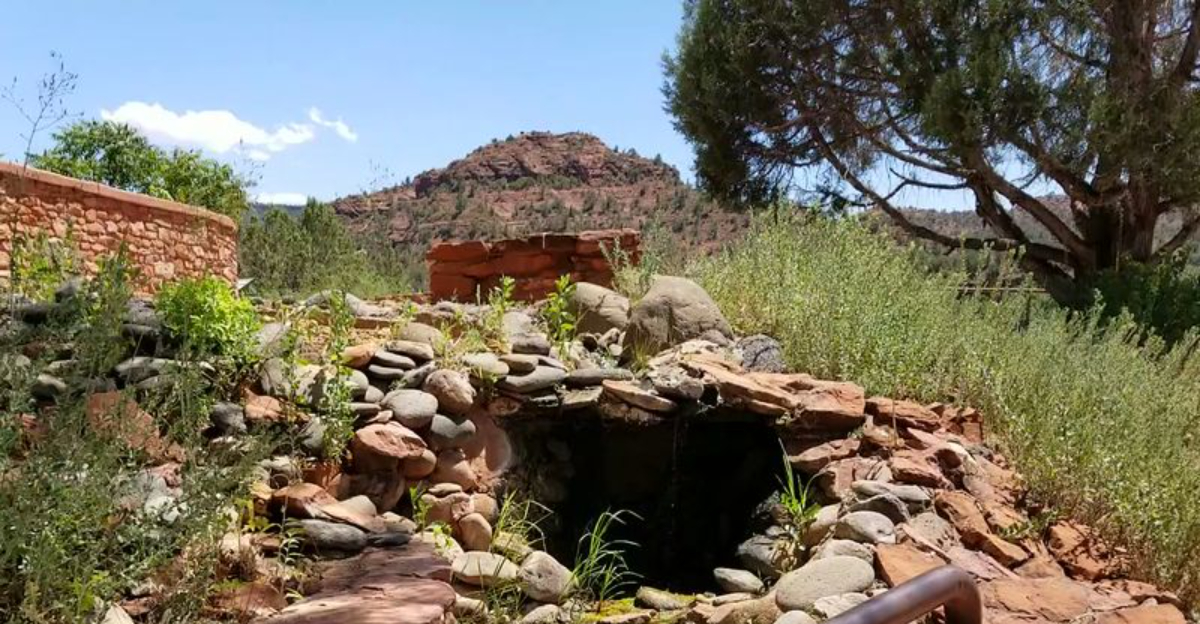
Sedona’s Red Rock Country stands as one of Arizona’s most breathtaking natural wonders, where towering crimson formations meet crystal-clear night skies in perfect harmony.
Located at 4050 Red Rock Loop Rd, Sedona, AZ 86336, Red Rock State Park serves as the gateway to this magical landscape that has captivated visitors for generations.
The combination of stunning geological formations and some of the darkest skies in the Southwest creates an experience where stargazing feels almost supernatural.
Whether you’re a nature enthusiast, astronomy lover, or simply seeking adventure, this remarkable destination offers something truly special for everyone who visits.
Red Rock State Park’s Stunning Natural Preserve
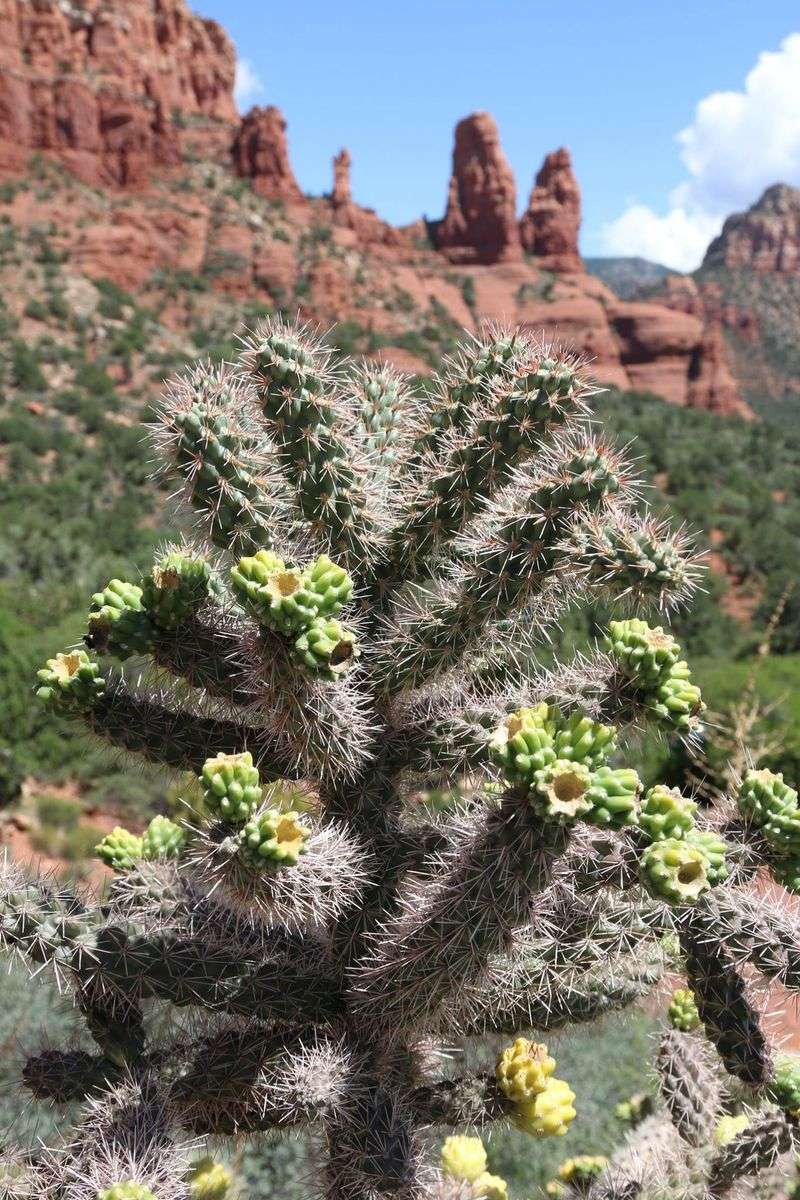
Spanning 286 acres of pristine wilderness, Red Rock State Park represents nature at its finest.
The park opens its gates daily from 8 AM to 5 PM, welcoming visitors to explore its remarkable terrain.
You can reach this natural sanctuary at 4050 Red Rock Loop Rd, Sedona, AZ 86336, where adventure begins the moment you arrive.
Massive red sandstone formations rise dramatically from the desert floor, creating a landscape that seems almost otherworldly.
Oak Creek flows gently through the property, providing life-giving water to countless plants and animals.
Cottonwood trees line the creek banks, offering shade and shelter to wildlife throughout the seasons.
The park maintains a delicate balance between accessibility and conservation, protecting this precious ecosystem for future generations.
Visitors consistently rate the park 4.7 stars based on nearly 2,000 reviews, praising its natural beauty and well-maintained facilities.
Rangers and staff work tirelessly to educate guests about the area’s unique geology and ecology.
Educational programs run throughout the year, teaching visitors about desert ecosystems and sustainable practices.
Photography opportunities abound at every turn, with morning and evening light creating spectacular color displays.
The crimson rocks glow brilliantly during golden hour, transforming the landscape into a photographer’s dream.
Families find the park particularly welcoming, with accessible trails and visitor-friendly amenities throughout.
Picnic areas provide perfect spots for relaxing while surrounded by stunning natural beauty.
The visitor center offers maps, information, and insights into the best ways to experience the park.
Seasonal changes bring different experiences, from spring wildflowers to autumn foliage along the creek.
Winter visits offer crisp air and occasional snow dusting the red rocks, creating magical contrasts.
Summer monsoons bring dramatic cloud formations that enhance the already impressive scenery.
Exceptional Stargazing Under Dark Skies
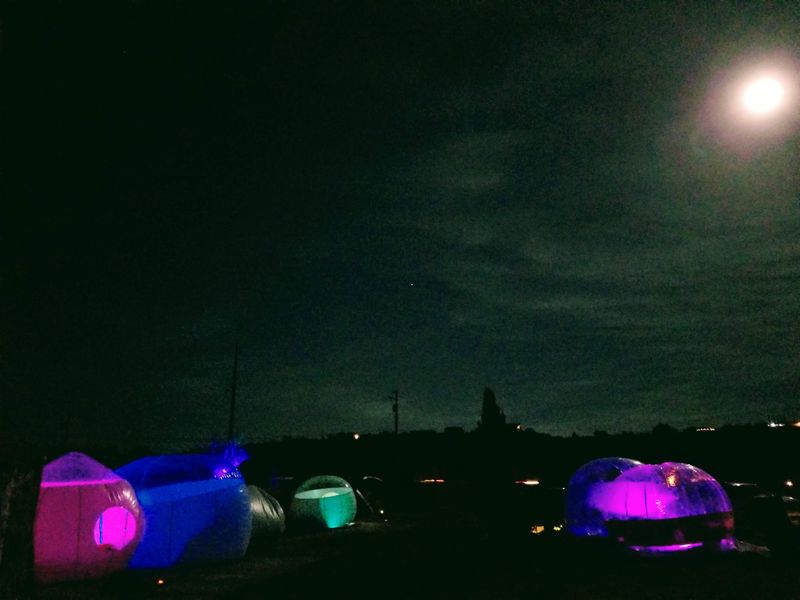
When darkness falls over Sedona, something magical happens above the red rock formations.
The night sky transforms into a celestial showcase, with thousands of stars becoming visible to the naked eye.
Sedona’s location away from major cities means minimal light pollution interferes with astronomical viewing.
The Milky Way stretches across the heavens like a luminous river, clearly visible on moonless nights.
Constellations appear sharp and brilliant, making it easy to identify familiar star patterns.
Amateur astronomers bring telescopes to observe planets, nebulae, and distant galaxies in remarkable detail.
Jupiter’s moons become visible through even modest equipment, while Saturn’s rings appear crisp and clear.
Meteor showers put on spectacular displays throughout the year, with shooting stars streaking across the darkness.
The Perseids in August and Geminids in December offer particularly impressive celestial performances.
Red rock silhouettes create dramatic foregrounds for astrophotography, producing stunning composite images.
Local astronomy clubs occasionally host star parties, sharing telescopes and knowledge with curious visitors.
Park rangers sometimes conduct evening astronomy programs, explaining celestial phenomena and cultural star lore.
Native American traditions connect many rock formations to specific constellations and astronomical events.
The clear, dry desert air provides exceptional atmospheric transparency for viewing distant objects.
Elevation at around 4,000 feet puts observers closer to the stars while maintaining comfortable conditions.
Bring warm layers for evening stargazing, as desert temperatures drop significantly after sunset.
Red flashlights help preserve night vision while navigating trails in darkness.
The experience of lying beneath such magnificent skies creates memories that last forever.
Diverse Trail Systems for Every Skill Level
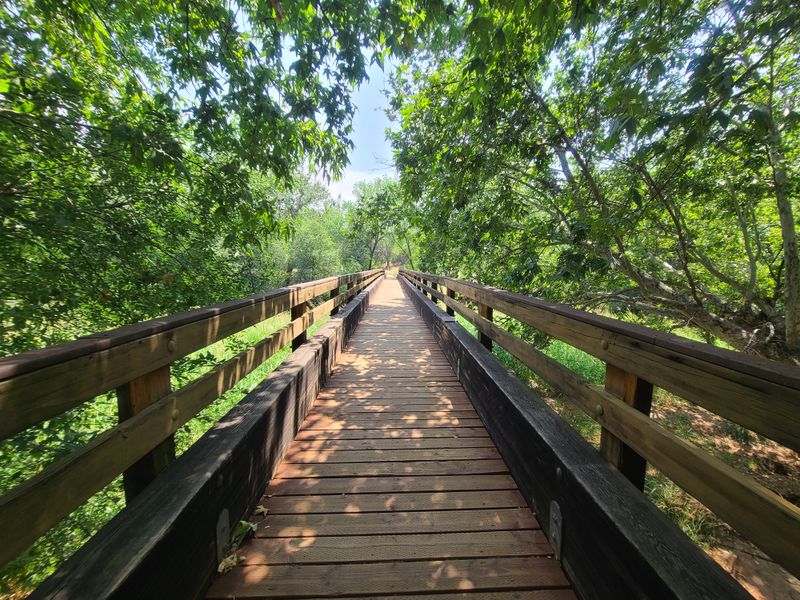
Miles of carefully maintained trails wind through Red Rock State Park, offering adventures for everyone.
Beginners appreciate the gentle Smoke Trail, which provides stunning views without demanding physical challenges.
This easy pathway follows Oak Creek, allowing hikers to enjoy riparian habitats and wildlife sightings.
Intermediate hikers often tackle the Eagle’s Nest Trail, which climbs to elevated viewpoints overlooking the valley.
The panoramic vistas from these higher elevations showcase the full grandeur of Sedona’s red rock landscape.
Advanced adventurers can connect multiple trails, creating longer loops that explore diverse ecosystems.
Trail surfaces vary from smooth packed earth to rocky sections requiring careful foot placement.
Proper footwear makes a significant difference, with hiking boots providing necessary ankle support and traction.
Summer hikers should start early, completing trails before midday heat becomes intense.
Carrying adequate water remains essential, as desert conditions can cause rapid dehydration.
Trail markers and signs help visitors navigate confidently, preventing confusion at intersections.
Benches positioned along routes provide welcome rest spots with beautiful surrounding views.
Wildlife encounters happen frequently, with deer, javelinas, and various bird species commonly spotted.
Respectful observation from a distance ensures both human safety and animal welfare.
Spring wildflowers add splashes of color to the red and green landscape palette.
Desert marigolds, brittlebush, and penstemon bloom in vibrant yellows, purples, and reds.
Trail etiquette includes yielding to uphill hikers and staying on designated paths to prevent erosion.
Dogs must remain leashed, protecting both wildlife and the natural environment from disturbance.
Trail maps available at the visitor center help plan routes matching your fitness level and time availability.
Spectacular Geological Formations and History
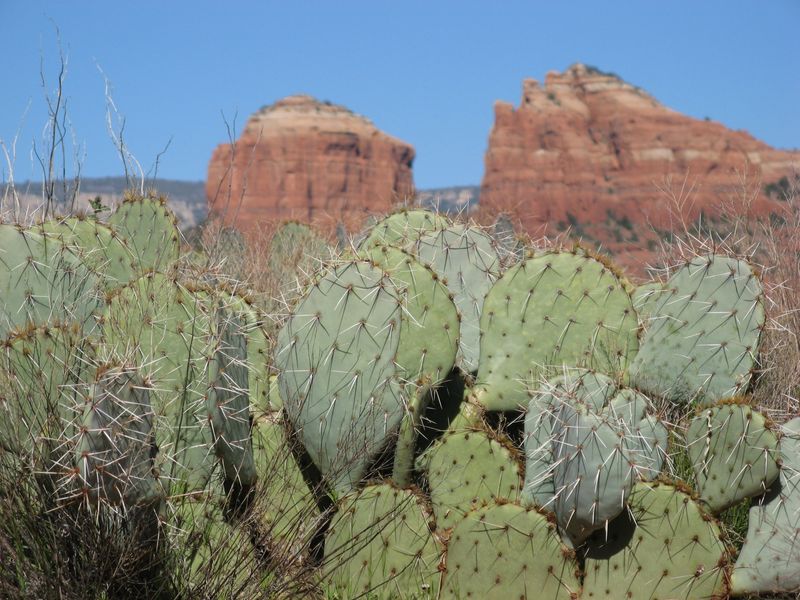
Millions of years of geological processes created the stunning red rock formations visible today.
Ancient seas once covered this region, depositing layers of sediment that eventually became sandstone.
Iron oxide gives the rocks their distinctive red color, essentially rusting within the stone over countless millennia.
Erosion sculpted these layers into dramatic cliffs, buttes, and spires that define Sedona’s landscape.
The Schnebly Hill Formation represents some of the most prominent red layers visible throughout the area.
Geologists study these rocks to understand ancient environments and climatic conditions from prehistoric times.
Cross-bedding patterns in the sandstone reveal ancient wind directions from when this was a vast desert.
Some formations tower hundreds of feet high, creating imposing natural monuments.
Cathedral Rock, Bell Rock, and Courthouse Butte rank among the most photographed formations worldwide.
Each formation has unique characteristics, from smooth rounded domes to sharp angular peaks.
Native peoples considered these formations sacred, incorporating them into spiritual practices and origin stories.
Archaeological evidence shows human presence in this region dating back thousands of years.
Sinagua people built cliff dwellings in protected alcoves, leaving behind fascinating historical remnants.
Pioneer settlers arrived in the late 1800s, establishing ranches and farms along Oak Creek.
The Schnebly family played a crucial role in Sedona’s development, with the town named after Sedona Schnebly.
Tourism began growing in the mid-20th century as word spread about this remarkable landscape.
Today, geological tours help visitors understand the forces that shaped this incredible terrain.
The ongoing erosion continues sculpting the landscape, though changes occur gradually over human timescales.
Rich Wildlife and Biodiversity
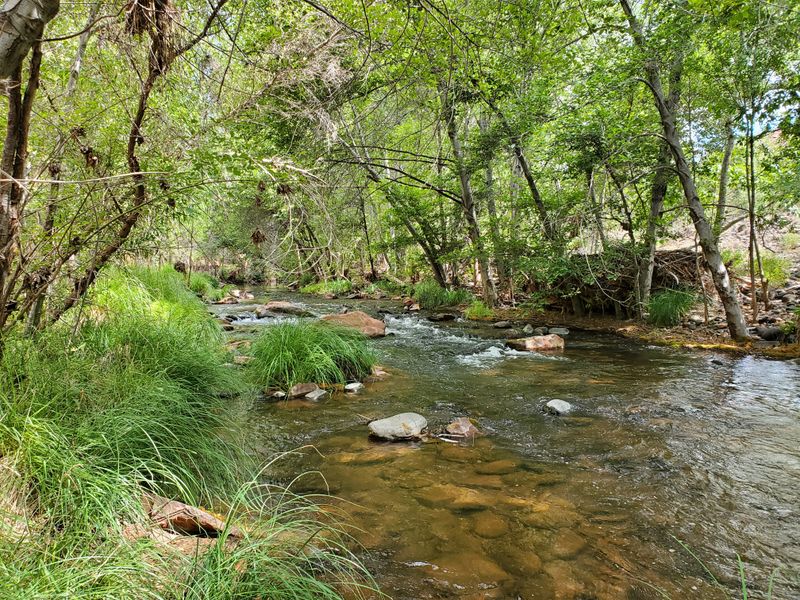
Red Rock State Park supports an impressive variety of wildlife adapted to desert and riparian environments.
Over 200 bird species have been documented within the park boundaries, making it a birdwatcher’s paradise.
Great blue herons stalk the creek shallows, hunting for fish and aquatic prey with patient precision.
Vermilion flycatchers display brilliant red plumage, creating stunning contrasts against green vegetation.
Hawks and eagles soar on thermal currents, scanning the landscape for rabbits and rodents below.
Mule deer browse on vegetation throughout the park, especially active during early morning and evening hours.
Their large ears rotate independently, helping detect potential threats from any direction.
Javelinas travel in family groups called squadrons, foraging for prickly pear cactus and other desert plants.
These pig-like mammals are actually peccaries, native to the Americas rather than true pigs.
Coyotes maintain important ecological roles as predators, controlling rodent populations naturally.
Their haunting calls echo through canyons at dawn and dusk, adding atmosphere to the wilderness experience.
Smaller mammals include rock squirrels, chipmunks, and various bat species that emerge at twilight.
Bats provide valuable pest control, consuming vast quantities of insects each night.
Reptiles thrive in the warm climate, with lizards basking on sun-heated rocks throughout the day.
Rattlesnakes occasionally appear on trails, requiring hikers to watch their step and respect their space.
These snakes prefer avoiding human contact, typically warning with their distinctive rattle before striking.
Aquatic life flourishes in Oak Creek, including native fish species and abundant invertebrates.
The creek’s year-round flow creates a vital lifeline for countless species in this arid environment.
Photography Opportunities Throughout the Seasons

Photographers from around the world journey to Sedona specifically to capture its extraordinary beauty.
The interplay of light and shadow on red rock faces creates constantly changing visual drama.
Golden hour transforms the landscape, with warm light intensifying the rocks’ natural red hues.
Sunrise photographers arrive early to catch the first rays illuminating eastern-facing formations.
The soft morning light creates gentle gradients and subtle color transitions across the rocky surfaces.
Sunset brings different magic, with western light painting the rocks in deep oranges and purples.
Storm clouds add dramatic elements, creating moody atmospheres and dynamic skies for compelling compositions.
Lightning photography during monsoon season captures nature’s raw power against ancient stone.
Autumn brings golden cottonwood leaves that contrast beautifully with evergreen vegetation and red rocks.
Winter snow occasionally dusts the formations, creating rare and highly sought-after photographic conditions.
The contrast between white snow and red rock produces images of striking visual impact.
Spring wildflowers provide colorful foreground elements that add depth and interest to landscape compositions.
Macro photography reveals intricate details in rock textures, lichens, and desert plant adaptations.
Wildlife photography requires patience and long lenses to capture animals without causing disturbance.
Creek reflections offer creative opportunities, mirroring rocks and sky in still water pools.
Night photography combines star trails with illuminated rock formations for spectacular results.
Tripods prove essential for low-light conditions and long exposures that capture movement and detail.
Polarizing filters help manage harsh midday light and enhance color saturation in skies and rocks.
The park’s accessibility makes it possible to carry photography equipment comfortably to various locations.
Educational Programs and Visitor Resources
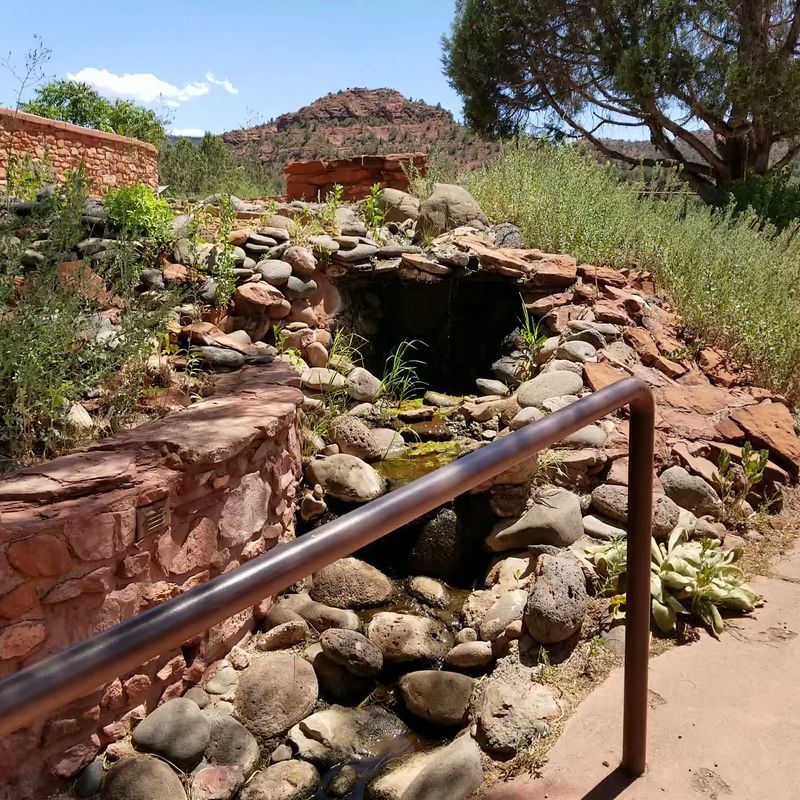
Red Rock State Park excels at connecting visitors with nature through comprehensive educational programming.
The visitor center serves as the starting point, offering exhibits about geology, ecology, and cultural history.
Interactive displays help children and adults understand complex natural processes in accessible ways.
Knowledgeable staff answer questions and provide recommendations tailored to individual interests and abilities.
Guided nature walks led by rangers reveal hidden details that casual visitors might otherwise miss.
These walks focus on various themes, from bird identification to plant adaptations to geological formation.
Junior Ranger programs engage young visitors, teaching conservation principles through fun activities.
Children complete activity booklets while exploring the park, earning badges upon finishing requirements.
Special events throughout the year celebrate seasonal changes and specific natural phenomena.
Eagle watching programs in winter help visitors spot these majestic birds during their seasonal presence.
Full moon hikes offer unique perspectives on the landscape under natural nighttime illumination.
Astronomy programs teach constellation identification and explain celestial mechanics in understandable terms.
Cultural heritage programs explore the area’s human history, from ancient peoples to pioneer settlers.
School groups frequently visit for field trips that align with science and environmental education curricula.
The park’s library contains reference materials about regional natural history and conservation topics.
Gift shop proceeds support park programs, offering books, maps, and nature-themed merchandise.
Volunteer opportunities allow passionate individuals to contribute to conservation and education efforts.
Volunteers lead hikes, staff the visitor center, and assist with habitat restoration projects.
Contact the park at (928) 282-6907 for current program schedules and registration information.
Riparian Habitat Along Oak Creek
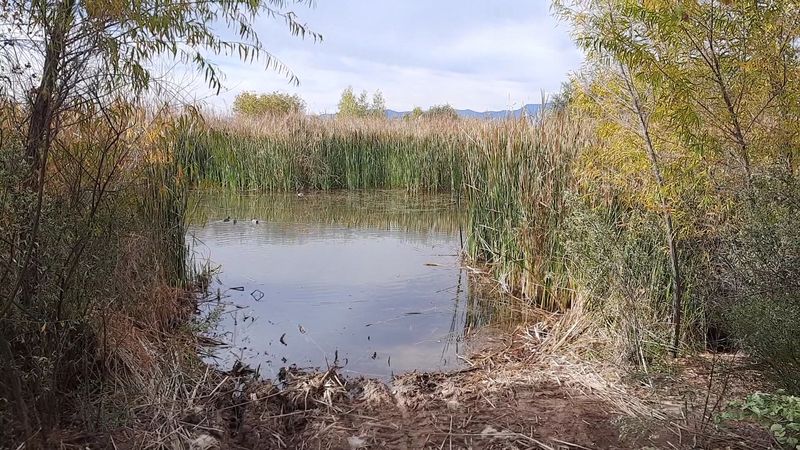
Oak Creek creates a ribbon of life flowing through the desert landscape of Red Rock State Park.
This permanent water source supports a dramatically different ecosystem than surrounding arid areas.
Towering cottonwood trees line the banks, their roots reaching deep to access consistent moisture.
Arizona sycamores contribute to the riparian canopy, their distinctive white bark standing out against red rocks.
Willows thrive in the wettest areas, their flexible branches swaying gracefully in canyon breezes.
The dense vegetation provides crucial habitat for countless bird species throughout the year.
Migratory birds stop here during spring and fall journeys, finding food and shelter along the creek.
Resident species nest in the trees and shrubs, raising young in this protected environment.
The creek’s cool water offers relief from desert heat, maintaining relatively stable temperatures year-round.
Native fish species have adapted to the creek’s specific conditions over thousands of years.
Aquatic insects form the base of the food chain, supporting fish, birds, and other wildlife.
Dragonflies and damselflies patrol the water surface, their iridescent bodies catching sunlight.
Frogs call from the creek banks, especially active during evening hours and after rains.
The riparian corridor acts as a wildlife highway, allowing animals to move safely through the landscape.
Tracks in creek-side mud reveal the diversity of visitors, from deer to raccoons to numerous bird species.
Seasonal flooding reshapes the creek channel, depositing nutrients and maintaining habitat diversity.
Conservation efforts protect this precious water resource from overuse and contamination.
Visitors can access the creek at designated areas, enjoying its beauty while minimizing environmental impact.
The contrast between lush creek vegetation and surrounding desert vegetation illustrates water’s vital importance.
Accessibility and Visitor Amenities
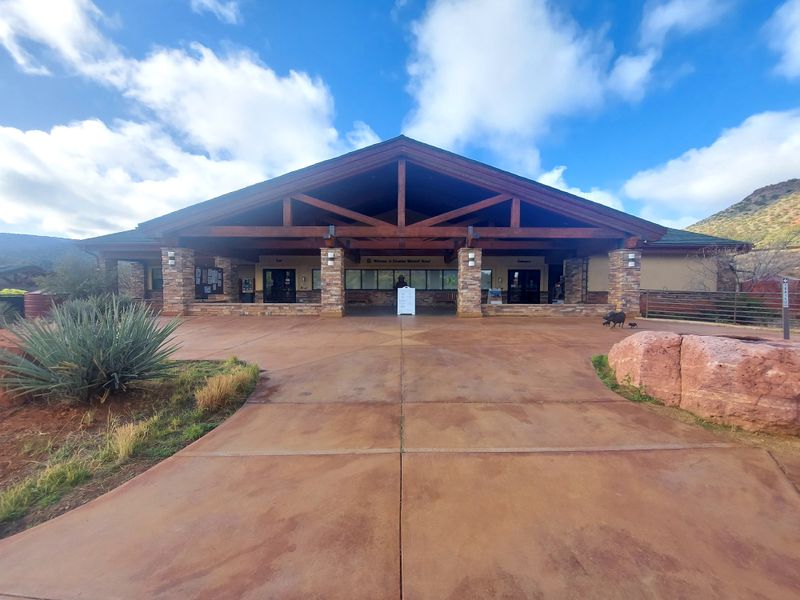
Red Rock State Park prioritizes making its natural wonders accessible to all visitors regardless of ability.
The visitor center features wheelchair-accessible entrances, restrooms, and exhibit spaces.
Paved pathways lead from parking areas to main facilities, ensuring smooth navigation for mobility devices.
Accessible trails allow wheelchair users and those with limited mobility to experience the park’s beauty firsthand.
These trails maintain gentle grades and smooth surfaces while still offering impressive views and nature experiences.
Ample parking includes designated accessible spaces located conveniently near main entrances.
The park charges a modest entrance fee that helps fund ongoing maintenance and program development.
Arizona State Parks passes offer unlimited annual access for frequent visitors and residents.
Restroom facilities remain clean and well-maintained, located strategically throughout the park.
Drinking fountains and water bottle filling stations help visitors stay hydrated in the desert climate.
Shaded ramadas provide relief from intense sun, offering pleasant spots for resting and picnicking.
Picnic tables accommodate families and groups, though visitors must pack out all trash.
The park operates on a leave-no-trace philosophy, encouraging minimal environmental impact.
Cell phone service can be spotty in some areas, so plan accordingly and inform others of your visit.
The park’s website at azstateparks.com/red-rock provides current information about conditions and closures.
Seasonal weather variations affect park operations, with summer heat requiring earlier visiting hours.
Winter brings cooler temperatures that many find ideal for hiking and outdoor activities.
The park’s location at 4050 Red Rock Loop Rd, Sedona, AZ 86336 places it conveniently near town amenities.
Nearby Sedona offers lodging, dining, and shopping options for multi-day visits to the region.
Dear Reader: This page may contain affiliate links which may earn a commission if you click through and make a purchase. Our independent journalism is not influenced by any advertiser or commercial initiative unless it is clearly marked as sponsored content. As travel products change, please be sure to reconfirm all details and stay up to date with current events to ensure a safe and successful trip.
