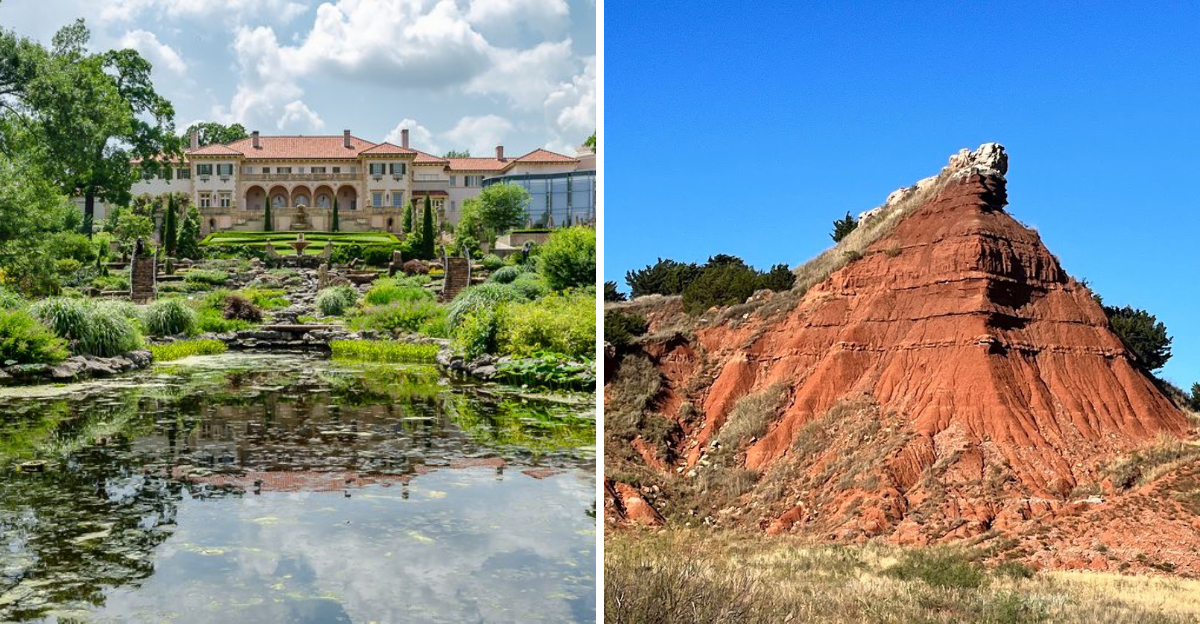
Oklahoma hides its best places in plain sight, and most people drive right past them without a second glance. Ask any local if they have seen everything the state has to offer, and they will probably say yes with full confidence.
But start naming places like ancient salt flats, towering granite peaks, and natural caves glowing with white rock, and watch that confidence quietly disappear.
Even lifelong residents are often stunned by how many of these spots they have never set foot in, and this list is proof that Oklahoma still has plenty of surprises left to discover.
1. Wichita Mountains Wildlife Refuge
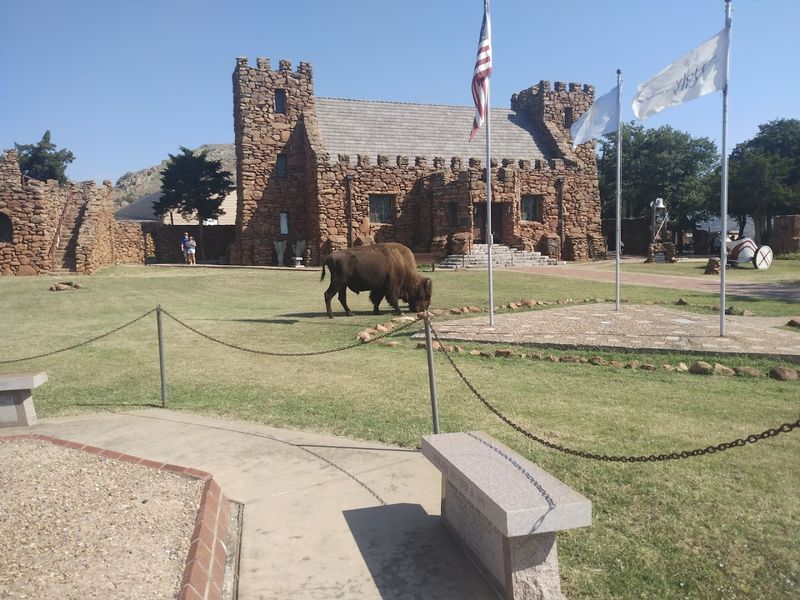
Nobody warns you about the Wichita Mountains. One moment you are driving through flat farmland, and the next massive granite peaks and boulder fields rise suddenly from the prairie.
The Wichita Mountains Wildlife Refuge spans about 59,000 acres in southwestern Oklahoma and is one of the oldest wildlife refuges in the United States. Herds of American bison roam freely across the refuge, often visible from the road.
Longhorn cattle, elk, and countless bird species share the same rugged landscape.
Mount Scott is one of the most popular stops. A winding road climbs to the summit, where wide views stretch across the plains and rocky hills of the refuge.
On clear days the landscape seems endless.
The refuge also offers miles of hiking trails that range from easy lakeside walks to challenging climbs over granite outcrops. Rock climbers are drawn to the area’s solid granite walls, while spring visitors enjoy hillsides covered in wildflowers.
Address: Wichita Mountains Wildlife Refuge, 32 Refuge Headquarters, Indiahoma, OK 73552.
2. Beavers Bend State Park
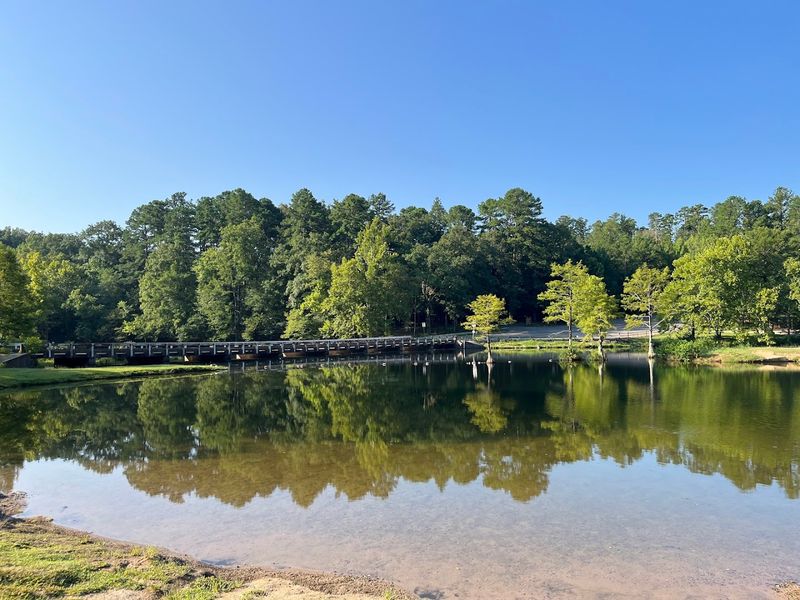
The atmosphere changes the moment you reach the Broken Bow area. Pine forests begin to crowd the road, and the scent of evergreen replaces the dry prairie air that defines much of Oklahoma.
Beavers Bend State Park sits in the Ouachita Mountains of southeastern Oklahoma and surrounds the clear waters of Broken Bow Lake and the Mountain Fork River. The park offers wooded hiking trails, scenic fishing spots, kayaking, and peaceful campgrounds tucked among tall pines.
The water here often appears blue-green in the sunlight, creating a striking contrast with the surrounding forest. Canoeing and kayaking are popular activities, and the river provides calm sections for beginners as well as scenic stretches for experienced paddlers.
Autumn is especially beautiful, when hardwood trees mixed among the pines turn bright shades of orange and red. Many visitors come once and end up returning year after year.
Cabins, a nature center, and even a small park train make the area especially appealing for families and weekend travelers.
Address: Beavers Bend State Park, 4350 OK-259A, Broken Bow, OK 74728.
3. Turner Falls Park
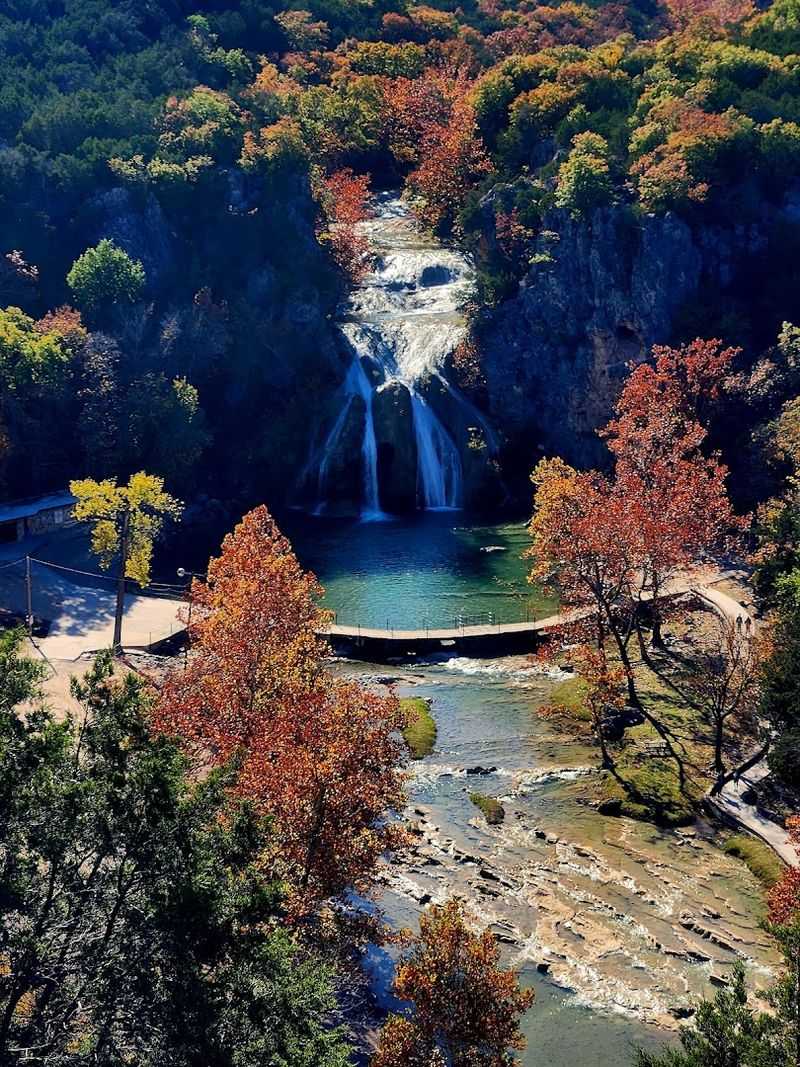
Many people are surprised to learn that Oklahoma has a waterfall, and not just a small cascade. Turner Falls drops 77 feet into a clear natural pool surrounded by limestone cliffs and cedar trees.
Located near Davis in the Arbuckle Mountains, Turner Falls Park has been a popular destination for more than a century. Honey Creek flows through a rocky canyon before spilling over the falls into a cool swimming area below.
During summer, the natural pool becomes one of the most refreshing places in the state. Visitors often spend hours wading in the clear water or relaxing on the nearby rocks.
Beyond the waterfall, the park includes smaller cascades, hiking trails, and a small cave that can be explored on foot. One of the most unusual features is the stone castle overlooking the park, built in the early 1900s by a Norwegian immigrant.
Wildflowers brighten the creek banks in spring, and camping inside the park allows visitors to fall asleep to the sound of rushing water.
Address: Turner Falls Park, I-35 &, US-77, Davis, OK 73030.
4. Tallgrass Prairie Preserve
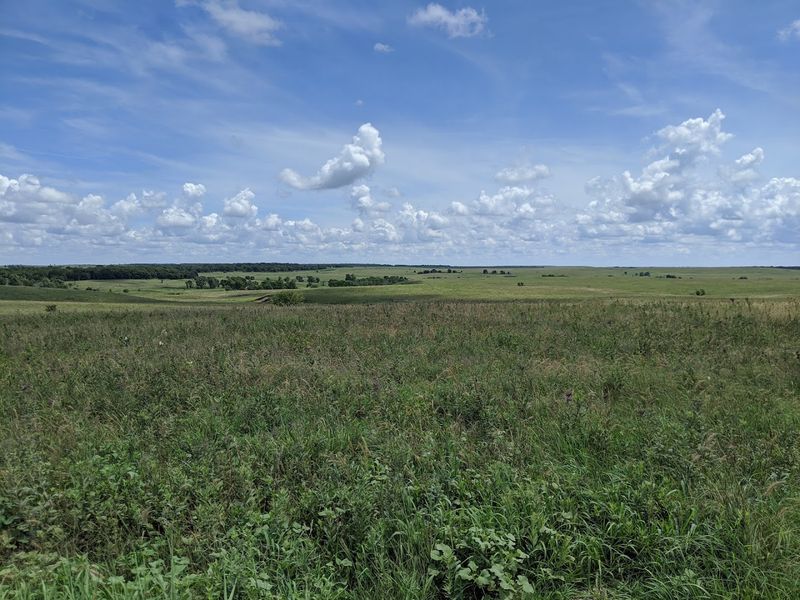
Standing in the Tallgrass Prairie Preserve can feel almost timeless. The grass stretches to the horizon, the sky dominates the landscape, and the quiet seems endless.
Located near Pawhuska, the preserve protects nearly 40,000 acres of one of the last remaining tallgrass prairie ecosystems in North America. Less than four percent of the original prairie still exists today, making this protected land especially significant.
A large herd of free-roaming bison lives on the preserve, and driving the gravel roads often brings visitors surprisingly close to these massive animals. The experience feels far more natural than seeing wildlife in a fenced environment.
Late spring brings wildflowers that paint the prairie with splashes of purple, yellow, and orange. Birdwatchers also travel here to see species that thrive in grassland habitats.
The nearby town of Pawhuska, closely tied to the history of the Osage Nation, provides a convenient stop for food or exploration after a day on the prairie.
Address: Tallgrass Prairie Preserve, 15316 Co Rd 4201, Pawhuska, OK 74056.
5. Black Mesa State Park
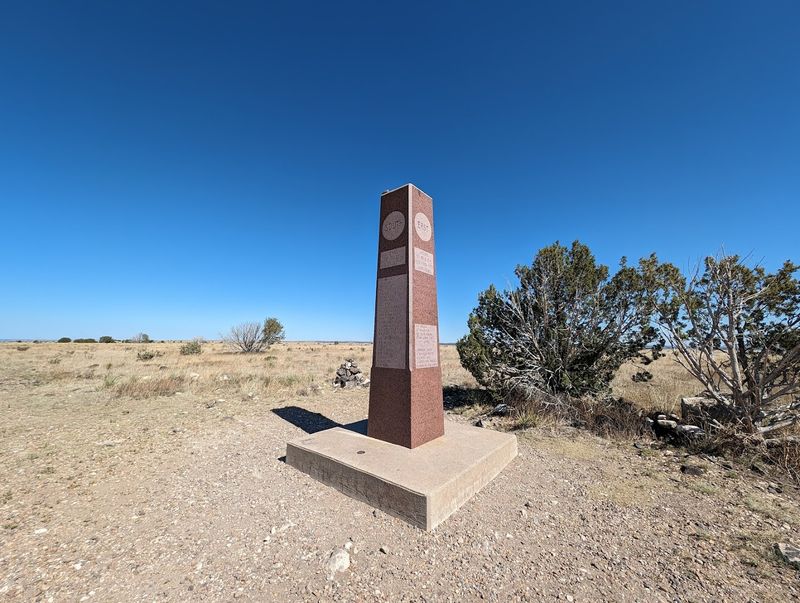
Oklahoma’s panhandle often feels like a different world, and Black Mesa sits quietly at its far western edge.
At 4,973 feet above sea level, Black Mesa marks the highest point in the state. Reaching the summit requires a roughly four-mile round-trip hike across open desert-like terrain.
The landscape looks more like New Mexico or Colorado than the rest of Oklahoma. Volcanic rock formations, wide skies, and open grasslands create a remote atmosphere rarely found elsewhere in the state.
The trail itself is manageable for most hikers, though the sun and wind can make the journey challenging. A stone marker at the summit marks the highest point, and on clear days visitors can see into three different states.
Sunsets here are especially striking, and the absence of nearby city lights creates excellent stargazing conditions.
Address: Black Mesa State Park, OK-325, Kenton, OK 73946.
6. Gloss Mountain State Park
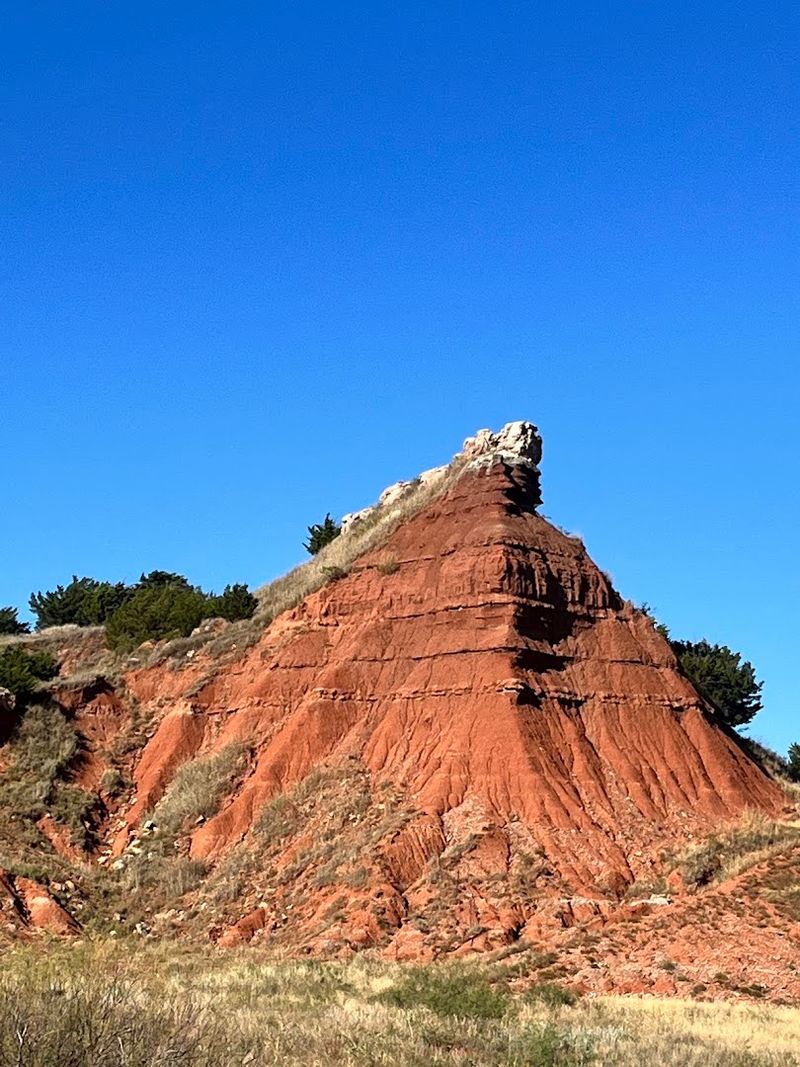
Northwestern Oklahoma farmland appears quiet and predictable until the red mesas of Gloss Mountain suddenly rise above the fields.
These striking formations are covered in selenite crystals that reflect sunlight, giving the hills their shimmering appearance. Up close, the crystals crunch underfoot along the hiking trail.
A staircase leads to the top of the main mesa, where visitors are rewarded with wide views of the surrounding plains. The contrast between the dramatic rock formations and the flat farmland is unforgettable.
The park itself is small, making it an easy stop during a road trip through western Oklahoma. In spring, wildflowers brighten the base of the mesas, while late afternoon sunlight gives the rocks a warm red glow.
Address: Gloss Mountain State Park, Highway 412, Fairview, OK 73737.
7. Chickasaw National Recreation Area
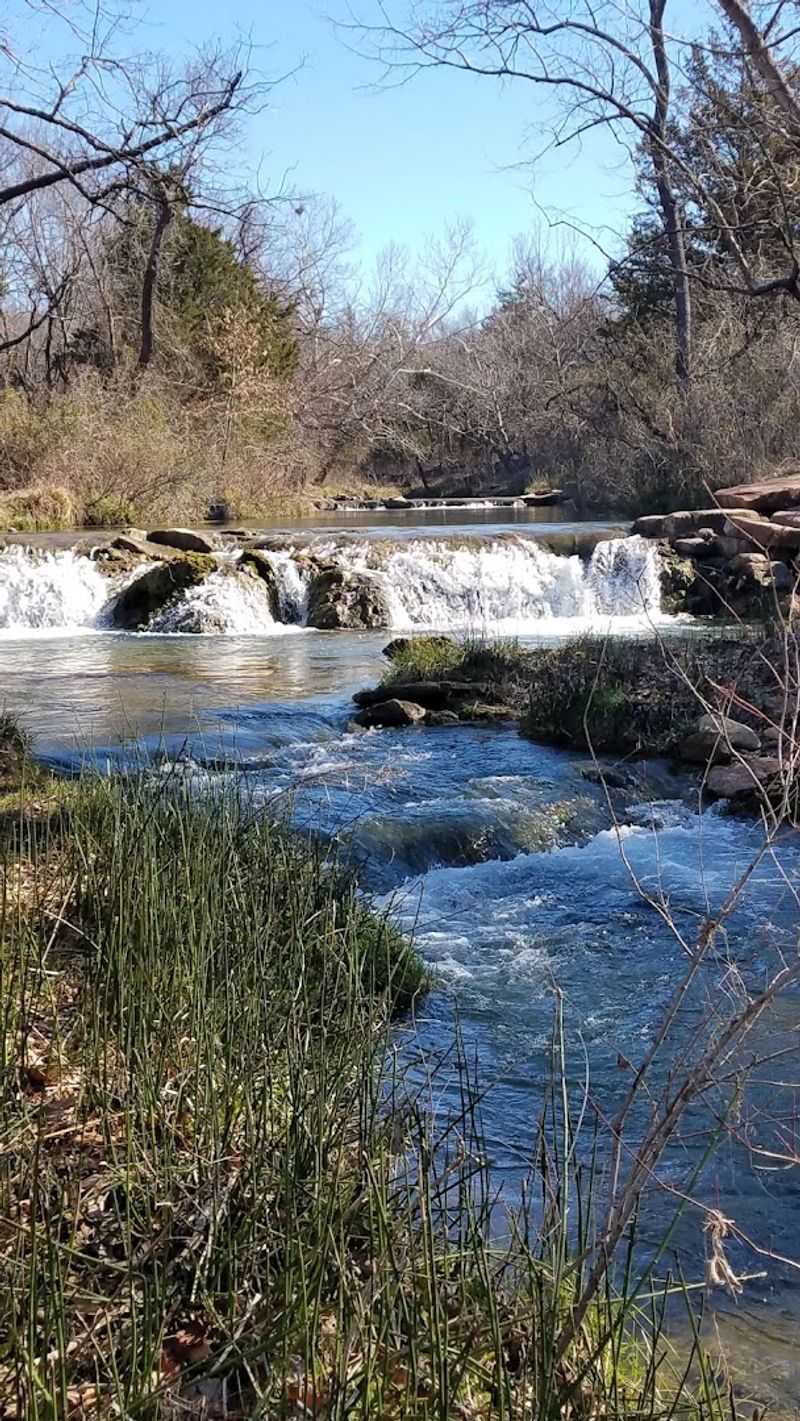
Few things feel better than stepping into cold spring water on a hot Oklahoma day. At Chickasaw National Recreation Area near Sulphur, that experience is easy to find.
The park protects a landscape of mineral springs, clear streams, and shaded woodland that has attracted visitors for generations. Long before it became a federal recreation area, Native American tribes considered the springs sacred.
Little Niagara is the park’s most famous feature. The small waterfall flows over smooth rock into a clear wading pool that stays refreshingly cool year-round.
Miles of hiking and biking trails wind through oak and cedar forest, and nearby Lake of the Arbuckles provides opportunities for boating and fishing.
The town of Sulphur sits right beside the park, making it easy to turn a short visit into a relaxing weekend getaway.
Address: Chickasaw National Recreation Area, 901 W 1st St, Sulphur, OK 73086.
8. Oklahoma City National Memorial and Museum
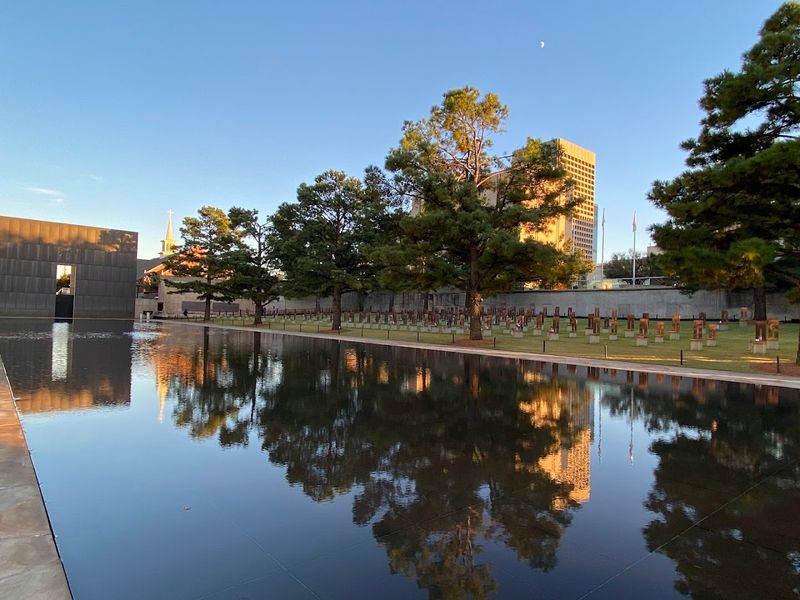
Some places naturally inspire quiet reflection. The Oklahoma City National Memorial is one of them.
Built on the site of the Alfred P. Murrah Federal Building, the memorial honors the victims of the April 19, 1995 bombing.
The outdoor memorial features 168 empty chairs, each representing a life lost.
The reflecting pool stretches between two bronze Gates of Time, symbolizing the moments before and after the tragedy.
Nearby stands the Survivor Tree, an American elm that survived the blast and has become a powerful symbol of resilience. Seedlings grown from the tree have been shared with communities around the country.
Inside the museum, exhibits carefully tell the story of that day, the rescue efforts, and the city’s response.
Address: Oklahoma City National Memorial and Museum, 620 N Harvey Ave, Oklahoma City, OK 73102.
9. Route 66 Through Oklahoma
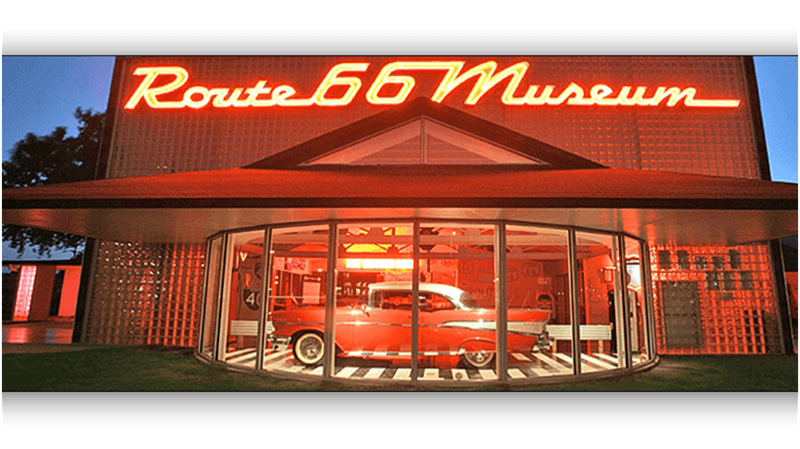
Oklahoma contains more miles of historic Route 66 than any other state, making it one of the best places to experience the legendary highway.
The route runs across the state from the Kansas border to the Texas panhandle, passing through towns like Tulsa, Stroud, Chandler, and Elk City. Along the way travelers encounter vintage motels, classic diners, roadside murals, and neon signs.
One of the most famous landmarks is the Blue Whale of Catoosa, a cheerful roadside sculpture that has become a symbol of Route 66’s quirky charm.
Driving the route slowly, stopping in small towns and local diners, is one of the most enjoyable ways to experience Oklahoma’s history and culture.
Address 2229 W Gary Blvd, Clinton, OK 73601.
10. Alabaster Caverns State Park
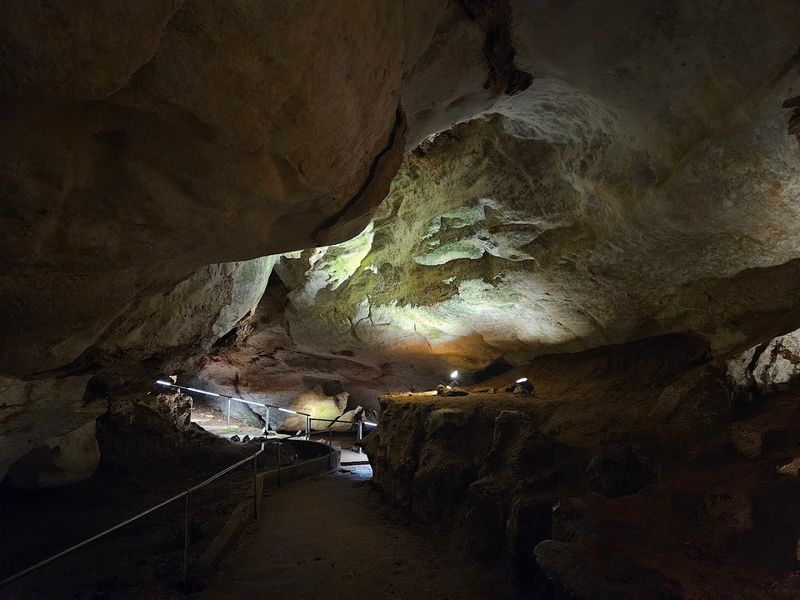
From the surface, northwestern Oklahoma appears quiet and flat. Beneath that landscape lies something far more unusual.
Alabaster Caverns State Park near Freedom contains one of the largest natural gypsum caves open to the public in the United States. Guided tours lead visitors through glowing passages of alabaster and selenite.
The cave remains cool year-round, making it a welcome escape during summer heat. Tours last about 45 minutes and explain the geology and history of the cave.
Bats inhabit certain areas of the caverns, and visitors occasionally see them during tours.
The surrounding park also offers hiking trails, picnic areas, and camping among the red cedar hills.
Address: Alabaster Caverns State Park, 217036 State Hwy 50A, Freedom, OK 73842.
11. Great Salt Plains State Park, Jet
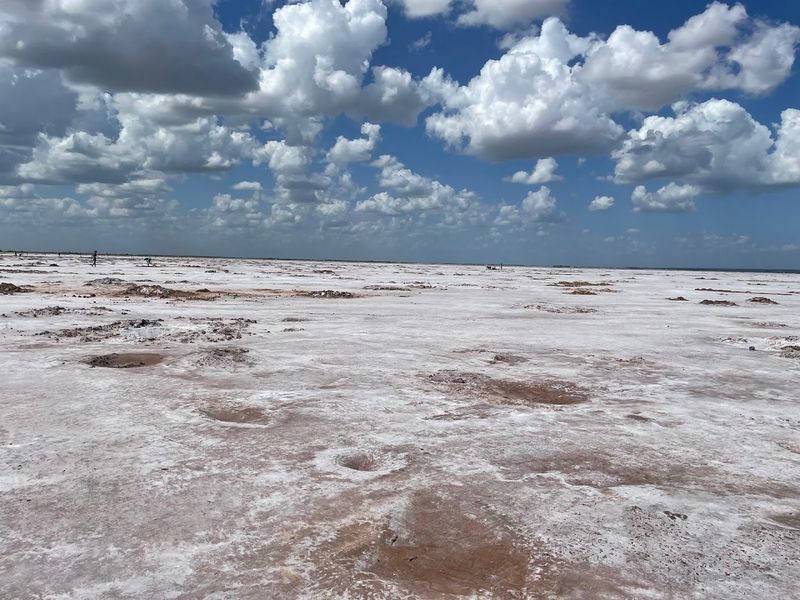
Few places in Oklahoma look as unusual as the Great Salt Plains. As the road approaches the flats, the ground begins to turn bright white, stretching toward the horizon like snow under a summer sun.
These massive salt flats were formed by ancient inland seas that once covered the region. When the water disappeared, thick mineral deposits remained, creating the shimmering landscape visitors see today.
Walking across the flats feels almost surreal. The surface crunches underfoot, sunlight reflects intensely off the white ground, and the open space seems to extend endlessly in every direction.
The park is famous for something even rarer. It is one of the only places in the world where visitors can dig for hourglass-shaped selenite crystals.
Families often arrive with small shovels and buckets, carefully searching the salty soil for the fragile crystals hidden just beneath the surface.
Beyond the crystal digging area lies Great Salt Plains Lake, a large reservoir popular for fishing, boating, and camping. The surrounding wetlands attract huge numbers of migratory birds, making the area one of the most important birdwatching locations in Oklahoma.
Address: Great Salt Plains State Park 23280 S Spillway Dr, Jet, OK 73749
12. Philbrook Museum of Art, Tulsa
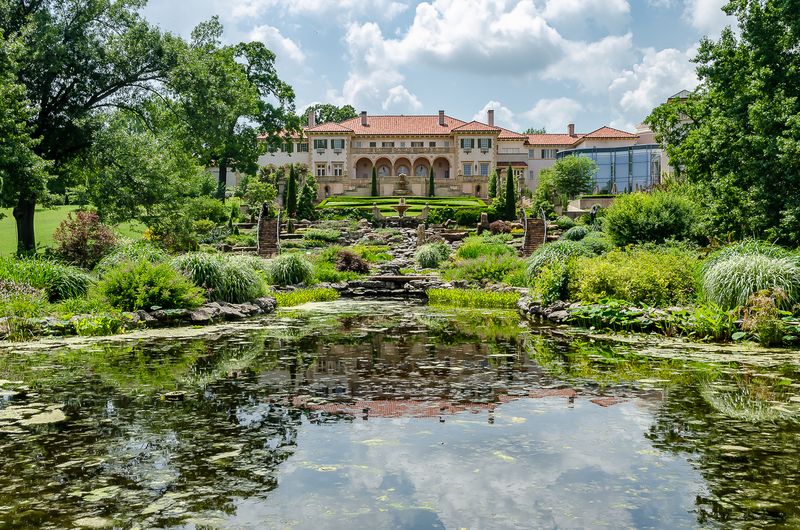
Philbrook Museum of Art offers a rare combination of art, architecture, and gardens in one remarkable setting.
The museum occupies a grand Italian-style villa built in the 1920s as the home of oilman Waite Phillips. With its tiled roofs, arched windows, and elegant stone details, the building feels more like a European estate than a museum in Tulsa.
Inside, galleries display a wide range of artwork including Native American pieces, European paintings, and rotating contemporary exhibitions. The museum layout encourages visitors to wander slowly through the rooms and enjoy the collection at a relaxed pace.
Outside, beautifully landscaped gardens stretch across terraced lawns behind the mansion. Stone paths, fountains, sculptures, and shaded benches create a peaceful atmosphere that invites exploration.
Seasonal flowers bring color to the grounds throughout the year, and many visitors find themselves spending as much time in the gardens as inside the museum.
Philbrook has become widely recognized as one of the finest museums in the region, combining art, history, and landscape into a single memorable experience.
Address: Philbrook Museum of Art, 2727 S Rockford Rd, Tulsa, OK 74114.
13. Marland Mansion, Ponca City

Marland Mansion stands as one of the grandest historic homes in Oklahoma.
Built in 1928 during the height of the oil boom, the estate was the home of oilman E. W.
Marland, who later served as governor of Oklahoma. The mansion reflects the enormous wealth generated by early petroleum discoveries in the region.
The home covers more than 55,000 square feet and contains dozens of rooms connected by elegant hallways and courtyards. Intricate woodwork, carved stone, decorative tile, and detailed craftsmanship appear throughout the building.
Walking through the mansion feels closer to touring a palace than visiting a traditional house.
The history of Marland himself adds another layer of intrigue. His life included great financial success, political ambition, and personal controversy, all of which shaped the story of Ponca City during Oklahoma’s early oil era.
The surrounding grounds feature landscaped gardens, terraces, and fountains that once formed part of a much larger estate complex.
Today guided tours allow visitors to explore the mansion while learning about the oil boom that built it and the fascinating history of its owner.
Address: Marland Mansion Estate, 901 Monument Rd, Ponca City, OK 74604.
14. Medicine Park
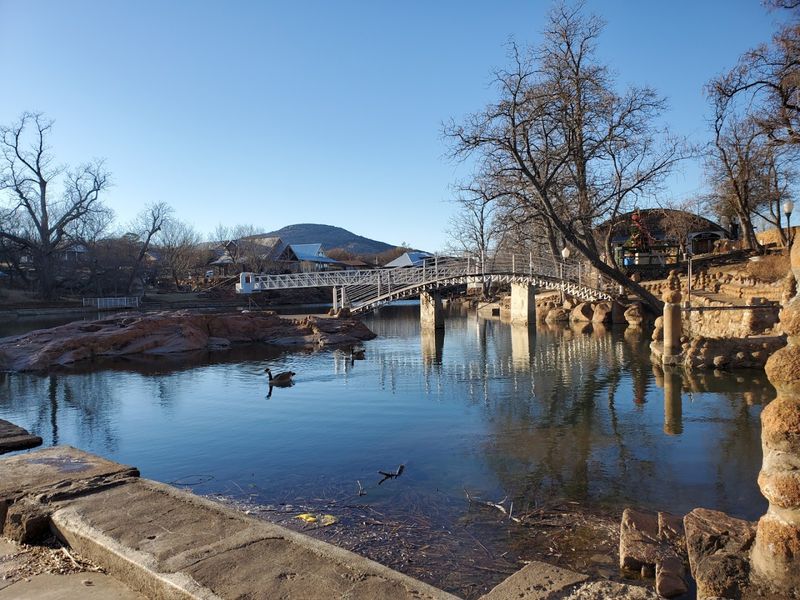
Medicine Park is one of the most charming small towns in Oklahoma.
Nestled in the foothills of the Wichita Mountains, this historic resort town is known for its distinctive cobblestone buildings. The stones used in construction were gathered from nearby streams, giving the town a unique handcrafted appearance.
Walking through Medicine Park feels relaxed and welcoming. Small shops, galleries, and cafés line the streets, while Medicine Creek flows gently through the center of town.
Stone bridges cross the creek, connecting walking paths and gathering spots where visitors pause to enjoy the scenery. During warm weather, people wade in the shallow water and relax along the natural swimming areas.
Medicine Park was founded in the early 1900s and quickly became a popular vacation destination for visitors from across Oklahoma and Texas. The town still carries that laid-back resort atmosphere today.
Festivals, live music events, and community gatherings bring life to the streets throughout the year. Its location just minutes from the Wichita Mountains Wildlife Refuge makes it an ideal stop for travelers exploring the surrounding landscape.
15. Robbers Cave State Park, Wilburton
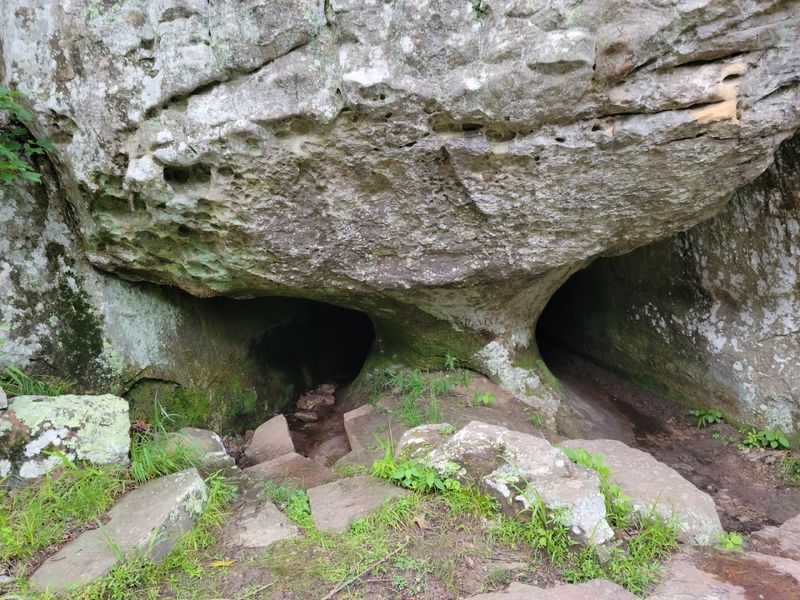
Robbers Cave State Park sits deep within the wooded hills of the San Bois Mountains in southeastern Oklahoma.
As the road approaches the park, the landscape shifts from farmland to dense forest and rugged sandstone cliffs. The terrain feels remote and mysterious, which may explain the legends connected to the area.
According to local stories, outlaws such as Jesse James and Belle Starr once used the caves and rocky formations as hiding places. Whether every detail of those stories is true or not, the setting certainly feels suited to them.
Robbers Cave itself lies along a short hiking trail where visitors can climb among the sandstone formations and explore the rocky hideouts.
Beyond the famous cave, the park offers miles of scenic hiking trails through oak and pine forest. Many routes lead to overlooks or quiet valleys, providing a surprising variety of landscapes.
Lake Carlton sits at the center of the park and offers fishing, kayaking, and peaceful shoreline walks. Camping areas, cabins, and picnic sites make it easy to spend a full weekend exploring.
Address: Robbers Cave State Park, 2084 NW 146th Rd, Wilburton, OK 74578.
Dear Reader: This page may contain affiliate links which may earn a commission if you click through and make a purchase. Our independent journalism is not influenced by any advertiser or commercial initiative unless it is clearly marked as sponsored content. As travel products change, please be sure to reconfirm all details and stay up to date with current events to ensure a safe and successful trip.
