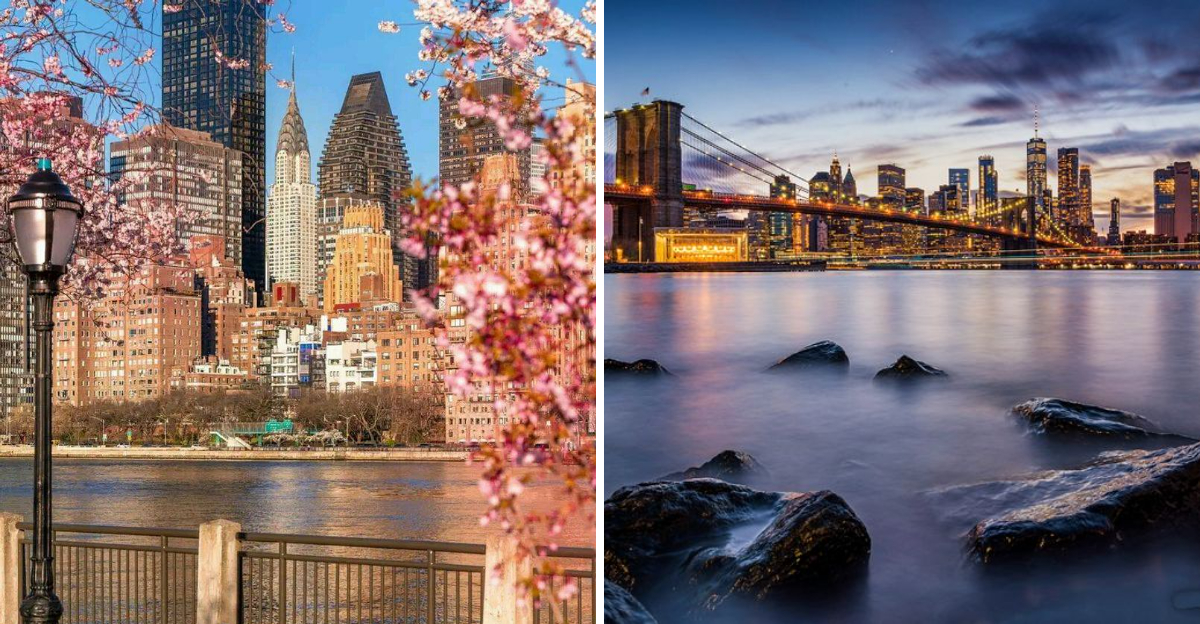
New York City sits at the mouth of the Hudson River, where five boroughs come together to form one of the most electrifying urban destinations on Earth.
Travelers flock here from every corner of the globe, drawn by the promise of world-class museums, towering skyscrapers, and neighborhoods that pulse with energy day and night.
Yet beneath the glittering surface of Broadway lights and iconic landmarks lies a complex reality that every visitor must navigate.
Understanding both the magic and the obstacles of this metropolis will help you make the most of your journey through the city that never sleeps.
Central Park’s Green Sanctuary Amid Urban Steel
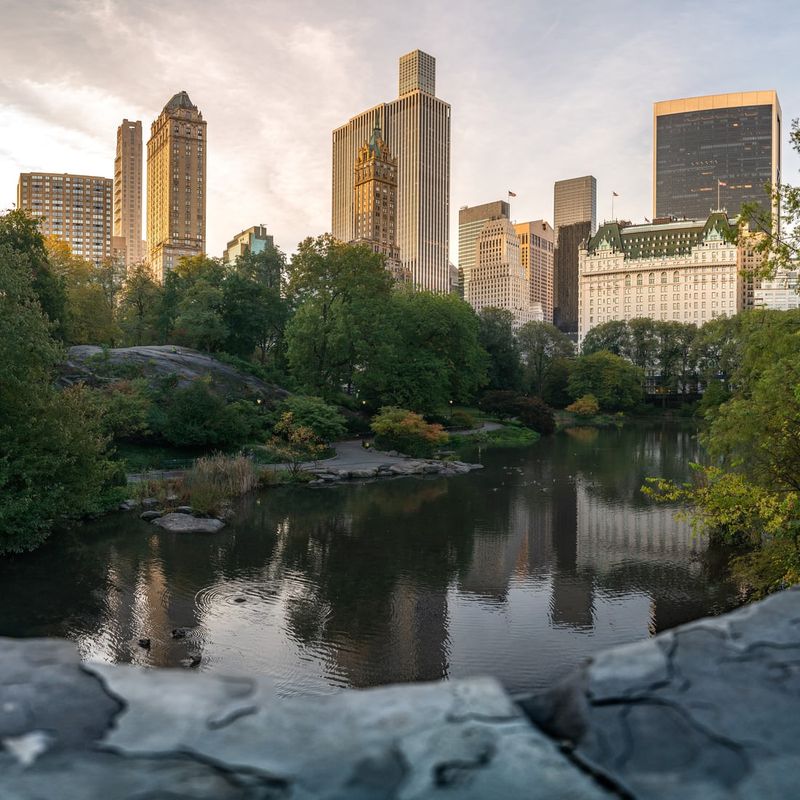
Stepping into Central Park feels like entering another dimension, where the roar of traffic fades into birdsong and the rustle of leaves.
This 843-acre masterpiece stretches from 59th Street to 110th Street between Fifth Avenue and Central Park West, offering an escape that millions of visitors and locals cherish throughout the year.
During spring, cherry blossoms explode in pastel clouds along the pathways, while summer brings families to the Great Lawn for picnics under a canopy of mature elms and oaks.
Autumn transforms the park into a painter’s palette of crimson, gold, and amber, making every walk feel like a scene from a classic film.
Winter blankets the landscape in snow, turning the park into a quiet wonderland where ice skaters glide across Wollman Rink with the skyline as their backdrop.
Yet navigating this urban oasis presents its own set of hurdles.
The sheer size can overwhelm first-time visitors who wander without a map, missing hidden gems like the Shakespeare Garden or the Ramble’s winding trails.
Weekends bring massive crowds, especially near popular spots like Bethesda Fountain and Bow Bridge, where finding a quiet moment becomes nearly impossible.
Street vendors and performers cluster at main entrances, creating a carnival atmosphere that some find charming and others consider intrusive.
Despite these challenges, Central Park remains the green heart of Manhattan, a place where nature and architecture create an unforgettable harmony that defines the New York experience.
Times Square’s Electric Pulse and Sensory Overload
Nothing quite prepares you for your first glimpse of Times Square after dark, when millions of LED lights turn the intersection into a glowing canyon of color and commerce.
Located at the junction of Broadway and Seventh Avenue, this famous crossroads has become synonymous with New York itself, appearing in countless films and photographs that capture its frenetic energy.
Giant digital screens tower overhead, broadcasting everything from Broadway show advertisements to live news feeds, creating a spectacle that feels almost futuristic.
Street performers in elaborate costumes pose for photos, musicians play for tips, and the scent of hot pretzels and roasted nuts drifts through the air.
Theater marquees announce the latest productions, their glowing letters promising entertainment that draws audiences from around the world.
Broadway shows represent the pinnacle of American theater, with historic venues like the Lyceum Theatre and the New Amsterdam Theatre hosting performances that become cultural touchstones.
However, Times Square also embodies many of the frustrations that visitors encounter in this massive city.
Sidewalks become so congested that walking in a straight line feels like an Olympic sport, with tourists stopping abruptly to take photos while locals try to push through.
Aggressive costumed characters sometimes demand payment after posing for pictures, creating uncomfortable confrontations.
The constant noise, flashing lights, and human density can trigger anxiety in those sensitive to sensory overload.
Still, experiencing Times Square remains a rite of passage, a place where the city’s theatrical spirit shines brightest even as it tests your patience.
The Subway System’s Underground Labyrinth
Descending into a New York subway station opens a portal to a vast underground network that moves over five million people daily through 472 stations spanning the five boroughs.
The system operates 24 hours a day, seven days a week, making it one of the few metros in the world that never closes, a fact that proves both convenient and essential for a city that truly never sleeps.
Historic stations feature beautiful tilework and mosaics from the early 1900s, with some stops like the 81st Street Museum of Natural History station showcasing artistic details that transform routine commutes into gallery walks.
Express and local train options allow savvy riders to zip across Manhattan in minutes, connecting neighborhoods that would take hours to reach on foot.
The affordability of a single ride makes the subway the most economical way to explore, costing a fraction of what taxi rides would demand.
Yet the subway system presents a steep learning curve for newcomers unfamiliar with its quirks and complexities.
Service changes, track work, and unexpected delays happen frequently, especially on weekends when entire lines may reroute without much advance notice.
Crowded cars during rush hour pack riders shoulder to shoulder, making the journey uncomfortable and sometimes overwhelming.
Platforms can be sweltering in summer and freezing in winter, with ventilation systems that struggle to keep up with demand.
Figuring out which train to take requires careful attention to maps and signage, since express trains skip stations and different lines share the same tracks.
Despite these obstacles, mastering the subway unlocks the entire city, turning you from a confused tourist into a confident urban explorer.
Brooklyn Bridge’s Iconic Span and Pedestrian Journey
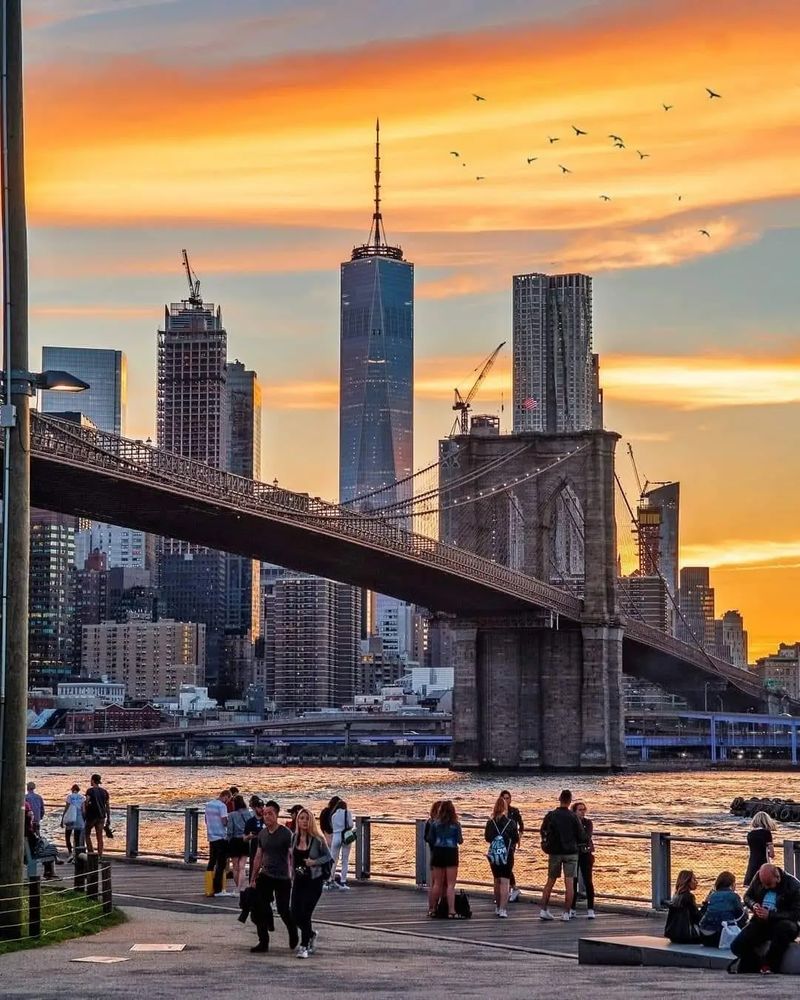
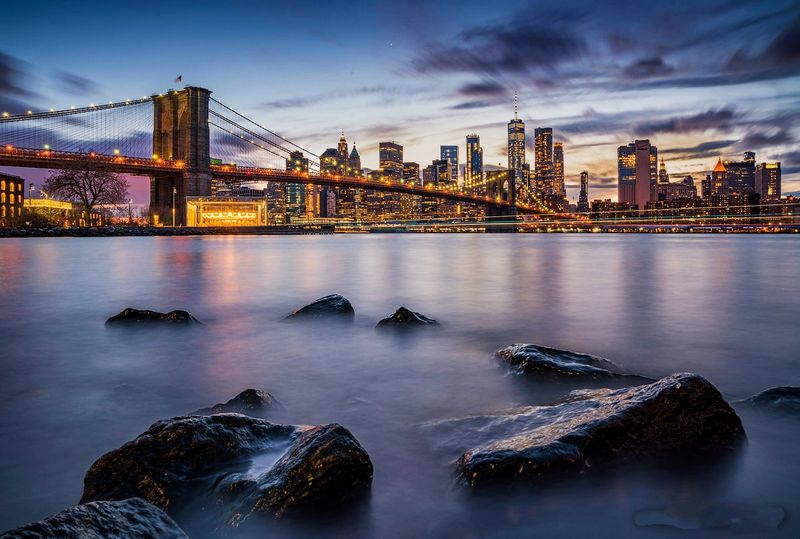
Walking across the Brooklyn Bridge ranks among the most memorable experiences any visitor can have in New York, offering sweeping views of the skyline, the East River, and the Statue of Liberty in the distance.
This engineering marvel opened in 1883 and remains one of the oldest suspension bridges in the United States, its Gothic arches and steel cables creating a silhouette recognized worldwide.
The pedestrian walkway sits elevated above the traffic lanes, allowing walkers and cyclists to cross without the noise and exhaust of vehicles below.
Sunrise paints the city in soft pinks and oranges, while sunset casts a golden glow over the buildings, making these times particularly magical for photographers.
Plaques along the route explain the bridge’s history and construction, including the tragic story of its chief engineer and the workers who sacrificed so much to build it.
Once you reach Brooklyn, neighborhoods like DUMBO (Down Under the Manhattan Bridge Overpass) offer cobblestone streets, waterfront parks, and trendy cafes perfect for a post-walk break.
The bridge does come with its share of difficulties, especially during peak tourist season when the walkway becomes a bottleneck of humanity.
Cyclists and pedestrians share the same path, leading to frequent near-collisions and frustrated shouts when people stop suddenly to take selfies.
The 1.1-mile crossing takes about 30 minutes at a steady pace, longer if you stop for photos, and the wind can be fierce and chilling even on mild days.
Still, crossing this historic structure connects you physically and emotionally to New York’s past, present, and future in a way few other experiences can match.
Museum Mile’s Cultural Treasures and Time Demands
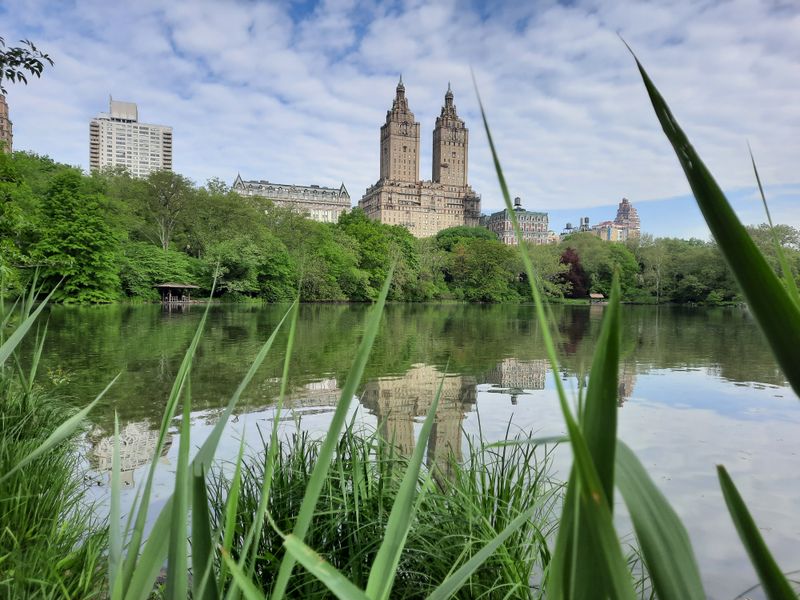
Along Fifth Avenue from 82nd Street to 105th Street lies Museum Mile, a stretch of pavement that holds more artistic and cultural wealth than many entire cities possess.
The Metropolitan Museum of Art anchors this cultural corridor at 1000 Fifth Avenue, housing over two million works spanning 5,000 years of human creativity across three floors and countless galleries.
Nearby, the Guggenheim Museum at 1071 Fifth Avenue presents modern and contemporary art within Frank Lloyd Wright’s spiraling architectural masterpiece, where the building itself becomes part of the artistic experience.
The Museum of the City of New York at 1220 Fifth Avenue tells the story of how this metropolis grew from a small Dutch settlement into a global powerhouse.
El Museo del Barrio at 1230 Fifth Avenue celebrates Latino, Caribbean, and Latin American art and culture, offering perspectives often underrepresented in major institutions.
Each museum provides a different lens through which to view human achievement, creativity, and history.
The challenge comes in deciding how to allocate your limited time among these incredible institutions.
The Met alone could consume several full days if you wanted to see everything properly, and attempting to visit multiple museums in one day leads to exhaustion and diminished appreciation.
Admission fees add up quickly, though many museums offer pay-what-you-wish hours or suggested donations rather than mandatory prices.
Crowds fill popular galleries, especially around famous works, making quiet contemplation difficult during peak hours.
Museum fatigue sets in after a few hours of standing and walking on hard floors, no matter how fascinating the exhibits.
Planning becomes essential, choosing one or two museums to explore thoroughly rather than rushing through several superficially.
Diverse Neighborhoods and Cultural Immersion
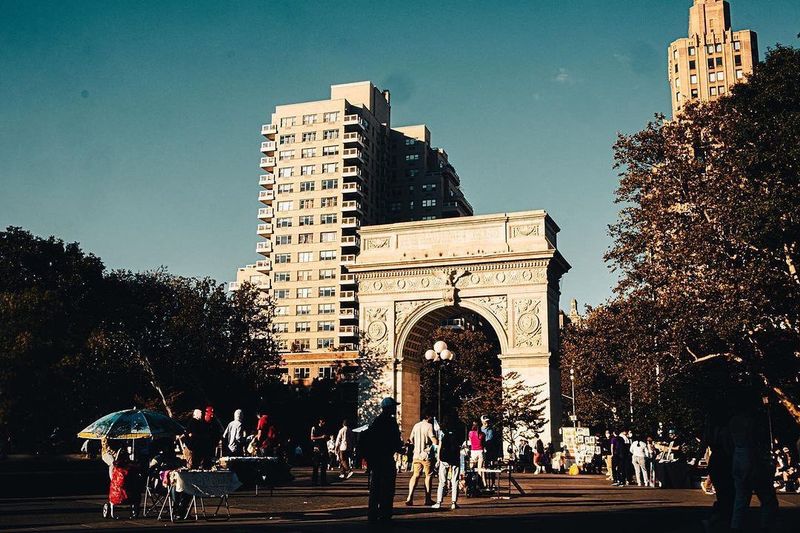
Beyond Manhattan’s famous landmarks, New York’s true character reveals itself in the distinct neighborhoods that make up this patchwork metropolis.
Chinatown bursts with energy on Mott Street and Canal Street, where produce vendors shout prices, the smell of roasted duck wafts from restaurant windows, and shops sell everything from herbal remedies to jade jewelry.
Little Italy maintains its heritage along Mulberry Street, though its boundaries have shrunk over the decades as other communities have expanded.
The Lower East Side showcases its immigrant history through the Tenement Museum at 103 Orchard Street, where you can tour restored apartments and hear stories of families who made their start in America.
Harlem pulses with African American culture and history, its brownstone-lined streets echoing with jazz, gospel, and the legacy of the Renaissance that made it famous.
Williamsburg in Brooklyn has transformed into a hub for artists and young professionals, its streets filled with vintage shops, craft breweries, and innovative restaurants.
Each neighborhood functions almost like a separate village, with its own personality, traditions, and community feel.
Getting to know these areas requires time and effort that many short-term visitors cannot spare.
Some neighborhoods sit far from tourist centers, demanding long subway rides or multiple transfers to reach.
Language barriers can make ordering food or asking directions challenging in areas where English is not the primary language.
Safety concerns vary by neighborhood and even by block, requiring research and awareness that adds another layer of planning.
Yet venturing beyond the well-worn tourist path rewards you with authentic experiences and a deeper understanding of what makes New York truly extraordinary.
Seasonal Weather Extremes and Wardrobe Challenges
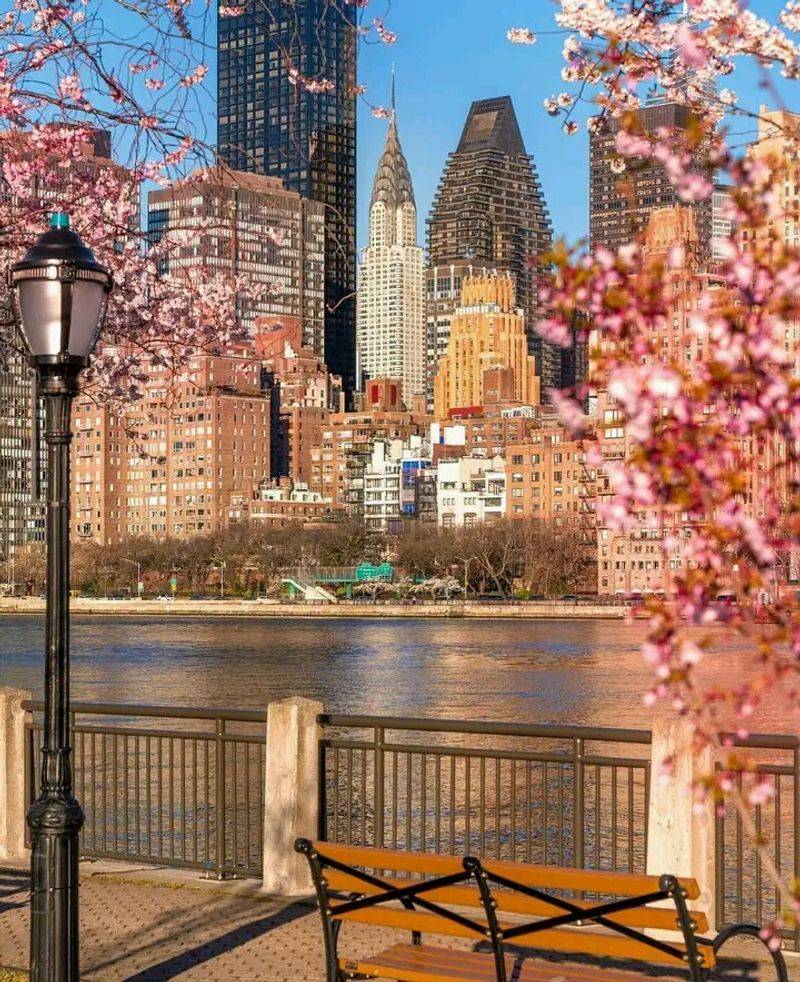
New York experiences four distinct seasons with dramatic shifts that can catch unprepared visitors off guard, each bringing its own beauty and complications.
Summer temperatures regularly climb into the 80s and 90s Fahrenheit, with humidity that makes the air feel thick and oppressive, particularly when heat radiates off concrete and asphalt.
The subway platforms become sauna-like environments where waiting for a train means sweating through your clothes before you even start your day.
Winter brings bitter cold, with temperatures often dropping below freezing and wind tunneling between buildings to create a chill that penetrates even the heaviest coat.
Snow can transform the city into a picturesque wonderland, but it also creates slushy sidewalks, delayed transportation, and the challenge of navigating icy patches hidden beneath seemingly solid ground.
Spring and fall offer the most pleasant weather, with mild temperatures and lower humidity making outdoor activities genuinely enjoyable.
Cherry blossoms bloom in parks during April, while October brings crisp air perfect for exploring without breaking a sweat.
Packing for a New York trip requires careful consideration of the season and current weather patterns.
Layering becomes essential since indoor spaces blast air conditioning in summer and crank up the heat in winter, creating temperature swings of 30 degrees or more between inside and outside.
Comfortable walking shoes matter more than fashion, since you will likely walk several miles each day regardless of weather conditions.
Rain can appear suddenly, making a compact umbrella or waterproof jacket a wise addition to your daily carry.
Understanding and preparing for these seasonal extremes helps ensure comfort and enjoyment rather than misery and complaint throughout your visit.
The Cost Factor and Budget Realities

No discussion of visiting New York would be complete without addressing the elephant in the room: this city ranks among the most expensive destinations in the world.
Hotel rooms in Manhattan can easily cost several hundred dollars per night, even for modest accommodations, with rates climbing higher during peak seasons and major events.
Restaurant meals add up quickly, with even casual dining often costing more than fine dining would in other cities, and tipping culture expects 18 to 20 percent on top of already inflated menu amounts.
Attractions charge admission fees that seem reasonable individually but collectively drain your wallet, especially for families traveling with multiple children.
Shopping in famous stores along Fifth Avenue or in trendy Brooklyn boutiques tempts with unique items that carry equally unique amounts.
Transportation costs mount as well, though the subway remains affordable compared to taking taxis or rideshares everywhere.
Budget-conscious travelers can find ways to experience the city without going broke, but doing so requires research, planning, and discipline.
Free activities abound, from walking the High Line at West 30th Street to watching street performers in Washington Square Park to exploring the Staten Island Ferry for harbor views without the cost of a tour boat.
Many museums offer free or pay-what-you-wish admission during certain hours, allowing cultural experiences without the full amount.
Grocery stores and delis provide meal options far cheaper than sit-down restaurants, and picnicking in parks becomes both economical and enjoyable.
The financial reality of New York can shock first-time visitors and strain even generous budgets, but smart choices and priorities help you enjoy the city’s offerings without returning home to financial disaster.
Dear Reader: This page may contain affiliate links which may earn a commission if you click through and make a purchase. Our independent journalism is not influenced by any advertiser or commercial initiative unless it is clearly marked as sponsored content. As travel products change, please be sure to reconfirm all details and stay up to date with current events to ensure a safe and successful trip.
