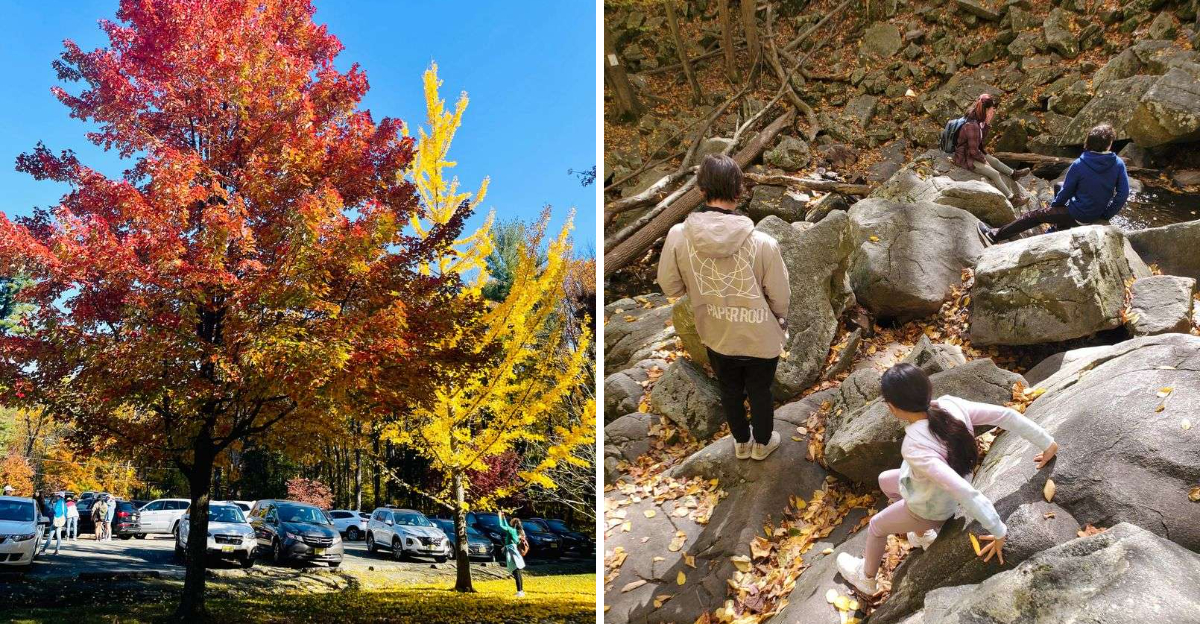
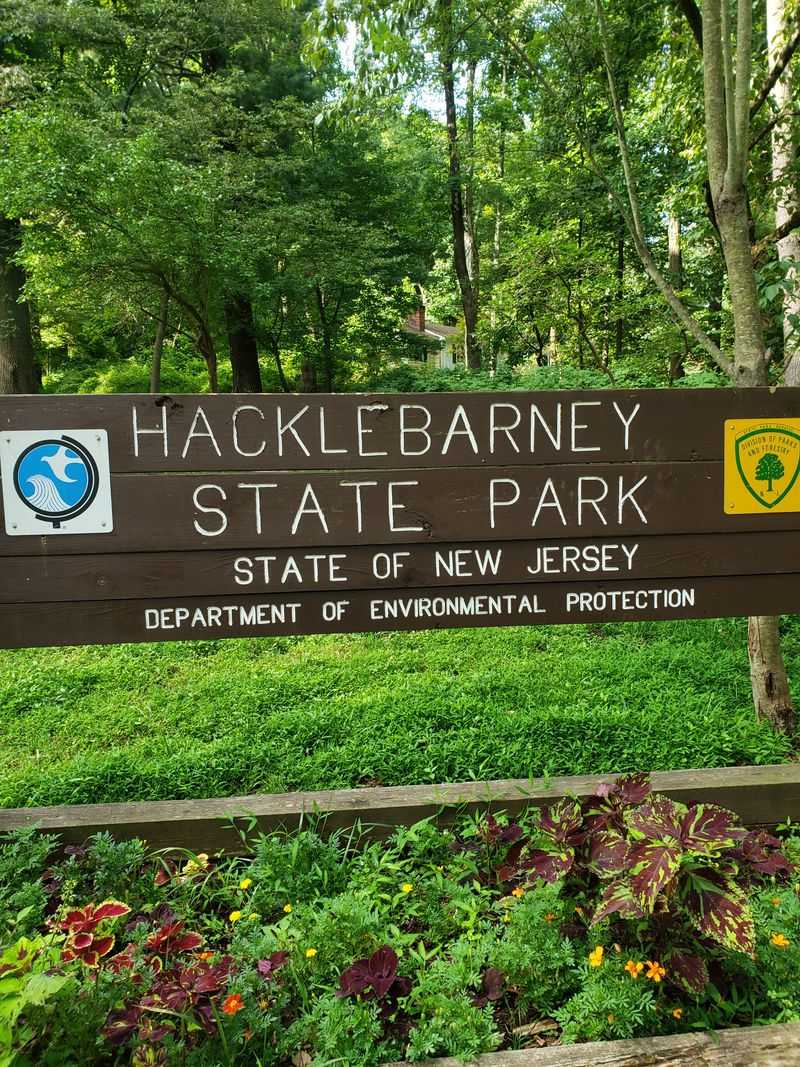
Set amid the scenic hills of Morris County lies a natural treasure locals have cherished for generations. Hacklebarney State Park in Long Valley, New Jersey, spans 1,200 acres of pristine wilderness where the Black River cuts through ancient rock formations and spills into cascading waterfalls that shimmer through shaded forests.
This beloved escape offers everything from gentle riverside strolls to challenging rocky trails, plus picnic spots scattered throughout the landscape where families gather to enjoy the symphony of rushing water and birdsong. Yet as word spreads about this hidden gem, the parking lots fill faster, the trails grow busier, and the peaceful solitude that once defined this park slowly fades away.
Locals who grew up splashing here now show up at sunrise just to win the parking-lot Hunger Games. Secret swimming holes?
They’re selfie stadiums now, with picnic baskets, floaties, and enough cameras to film a Netflix special. This park is so irresistible it’s basically New Jersey’s worst-kept secret – bragged about nonstop, guarded like grandma’s meatball recipe.
The Black River Creates Natural Water Features That Steal Every Heart
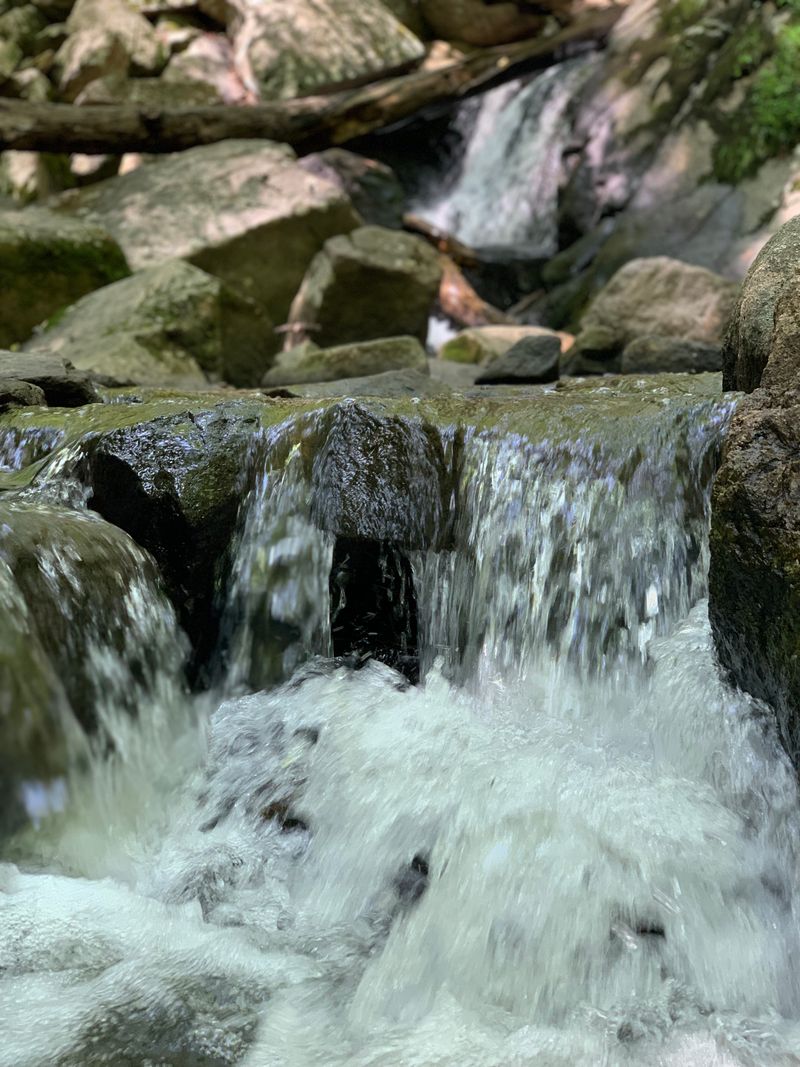
Flowing through the heart of Hacklebarney State Park, the Black River transforms ordinary hiking into an extraordinary sensory experience that captivates every visitor who sets foot on these trails. This pristine waterway rushes over ancient boulders and creates miniature waterfalls that provide the soundtrack to your entire adventure, with each cascade offering a slightly different melody depending on recent rainfall and seasonal water levels.
The river remains refreshingly cool even during scorching summer days, making it the perfect companion for families seeking relief from New Jersey heat waves.
Children absolutely adore wading in the shallow sections where smooth rocks create natural stepping stones across the current. Parents appreciate the relatively safe depth in most areas, though supervision remains essential because slippery surfaces can catch anyone off guard.
The sound of flowing water follows you along the riverside trails, creating a meditative atmosphere that drowns out the stress of daily life and replaces it with nature’s own calming rhythm.
Photographers flock here throughout all seasons to capture the river’s ever-changing moods and expressions. Spring brings rushing torrents swollen with snowmelt that crash dramatically over rock formations, while autumn frames the water with brilliant foliage reflections that double the visual impact.
Winter occasionally freezes sections into sculptural ice formations that glitter in pale sunlight, transforming the landscape into something from a fantasy novel.
The river also supports a thriving ecosystem that includes fish, turtles, and various amphibians that delight young nature enthusiasts. New Jersey stocks this waterway regularly, attracting anglers who cast lines in designated areas hoping for trout and other freshwater species.
The combination of recreational opportunities, natural beauty, and ecological significance makes the Black River the undisputed star of Hacklebarney State Park, drawing visitors from across the region who seek authentic wilderness experiences without traveling hundreds of miles from home.
Rocky Terrain Challenges Hikers While Rewarding Them With Stunning Views
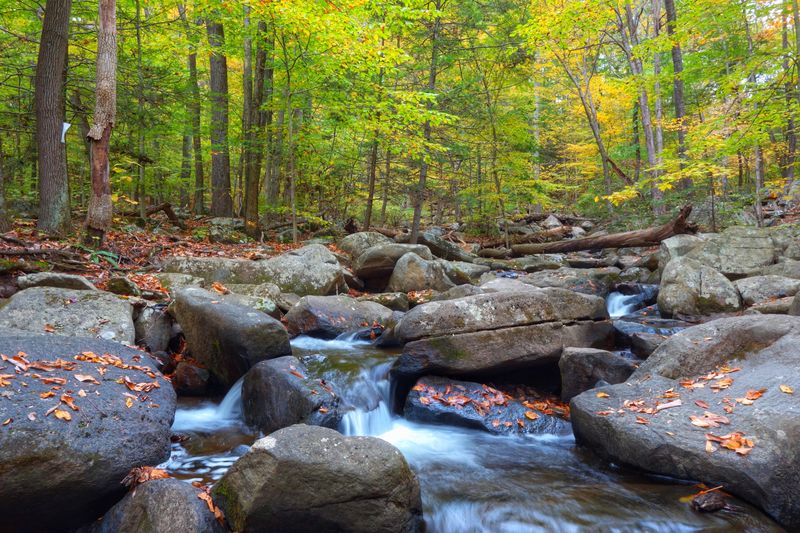
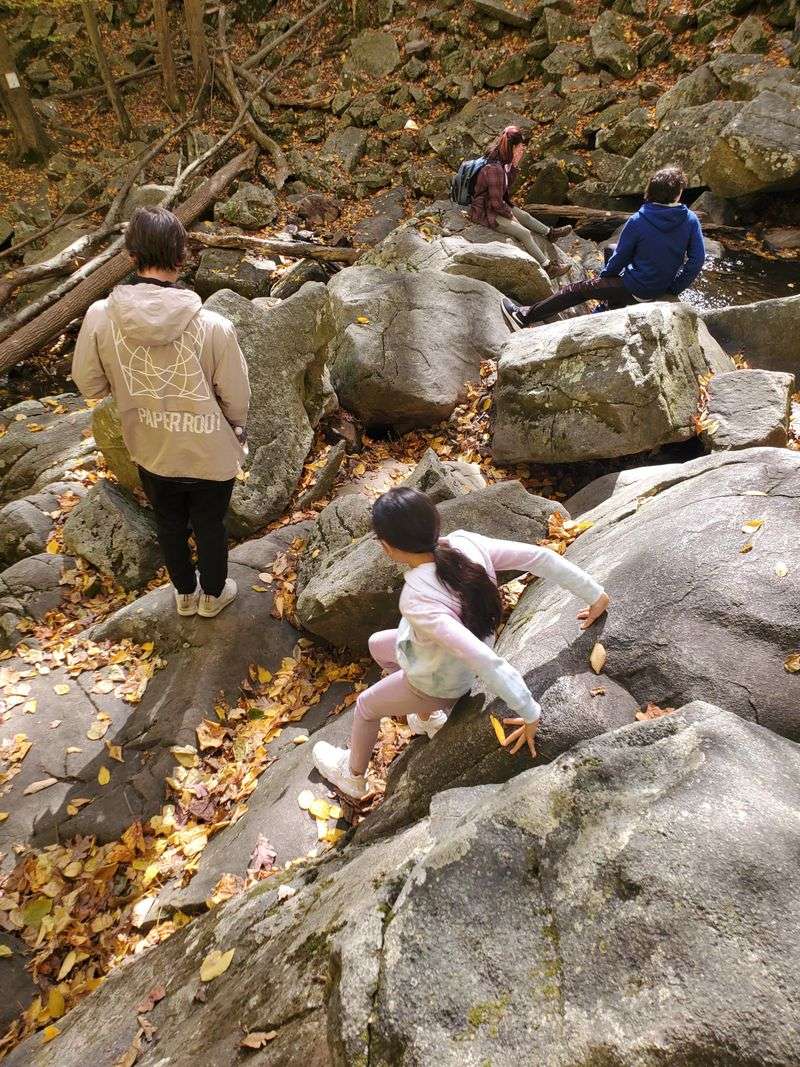
Anyone who underestimates Hacklebarney’s trails based on its modest elevation gains will quickly discover that horizontal distance means little when you’re navigating fields of ancient boulders. The red trail particularly earns its reputation as a moderate-to-challenging route because it follows the river through sections where massive rocks dominate the landscape, requiring careful foot placement and occasional scrambling that tests balance and builds confidence.
Families with older children find this terrain exhilarating rather than intimidating, turning ordinary hikes into mini-adventures where everyone feels like genuine explorers discovering uncharted territory.
Proper footwear becomes absolutely non-negotiable on these rocky sections, as numerous reviews mention twisted ankles and slips from visitors who attempted the trails in sandals or smooth-soled sneakers. Hiking boots with aggressive tread patterns provide the grip necessary to navigate wet rocks safely, especially after rain transforms surfaces into slick obstacles.
The effort required to traverse these challenging sections pays dividends in the form of spectacular river overlooks where you can pause to catch your breath while soaking in views that feel remarkably remote despite being just miles from suburban neighborhoods.
Children over seven typically handle the rocky terrain well, though parents should assess individual abilities before committing to the full red trail loop. The park thoughtfully provides alternative routes that bypass the most demanding sections, allowing families with younger kids or stroller-pushers to enjoy riverside scenery without technical climbing.
These options mean everyone can experience Hacklebarney’s magic regardless of fitness level or hiking experience.
The geological features themselves tell fascinating stories spanning millions of years of Earth’s history. Volunteers and park naturalists occasionally lead interpretive hikes explaining how glacial activity shaped these rock formations and created the dramatic landscape visitors enjoy today.
Understanding the ancient forces that sculpted this terrain adds depth to every visit, transforming casual nature walks into educational experiences that resonate long after you leave the park boundaries.
Picnic Tables Scattered Throughout Create Perfect Rest Stops For Hungry Adventurers
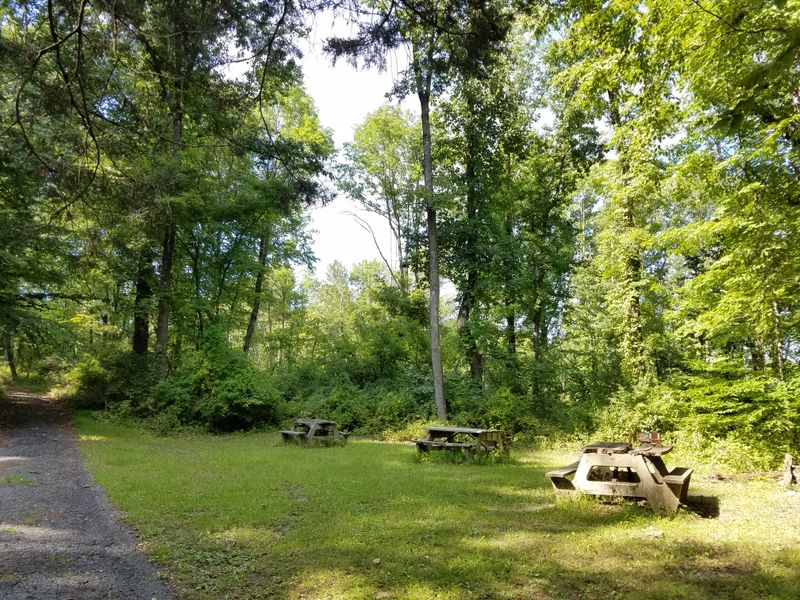
Hacklebarney State Park understands that great outdoor experiences require fuel, which explains why dozens of picnic tables appear at strategic intervals throughout the trail system. Unlike parks that concentrate all facilities near parking areas, Hacklebarney distributes seating options generously along popular routes, ensuring you’re never far from a spot to unpack snacks and recharge before continuing your exploration.
Many tables sit just steps from the river, offering front-row seats to the water’s endless entertainment while you munch sandwiches and share trail mix with increasingly brave chipmunks.
These aren’t flimsy plastic affairs that wobble with every movement either. Sturdy wooden tables built to withstand New Jersey’s variable weather provide stable surfaces for spreading out full picnic spreads complete with multiple courses and desserts.
Some locations even feature fire rings and grills, allowing families to transform day hikes into full outdoor cooking experiences where hot dogs and burgers taste infinitely better when prepared over crackling flames surrounded by forest ambiance.
The strategic placement of picnic facilities makes Hacklebarney particularly appealing for families with young children who need frequent breaks and snack opportunities. Parents appreciate being able to plan hikes around known rest stops rather than wondering when the next sitting opportunity will appear.
This thoughtful infrastructure encourages longer visits and helps families build positive associations with outdoor recreation, potentially creating the next generation of nature enthusiasts and conservation advocates.
Visitors should remember that Hacklebarney operates on a carry-in, carry-out waste policy, meaning no trash receptacles exist along trails or near picnic areas. This system keeps the park remarkably clean while teaching environmental responsibility and respect for shared natural spaces.
Bringing reusable containers and planning meals that generate minimal waste makes compliance easier while reducing your ecological footprint. The small inconvenience of packing out trash seems trivial compared to the privilege of enjoying such pristine wilderness just minutes from densely populated areas of New Jersey.
Well-Marked Trails Prevent Getting Lost While Encouraging Exploration
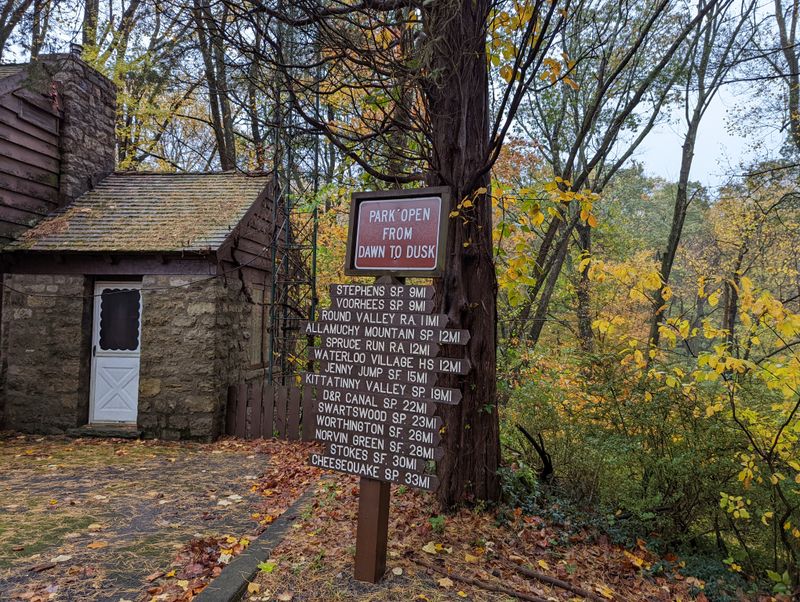
Navigation anxiety ruins outdoor adventures faster than bad weather or uncomfortable shoes, which makes Hacklebarney’s excellent trail marking system one of its most valuable yet underappreciated features. Color-coded blazes appear at regular intervals along every route, with each trail designated by a specific hue that guides hikers confidently through the forest without constant map consultation.
The main riverside route follows red markers, while shorter loops and connector paths use different colors that prevent confusion even when multiple trails intersect at popular junctions.
Trail maps posted at the main parking area and key intersections provide clear overviews of the entire system, including distance estimates and difficulty ratings that help visitors choose appropriate routes. These maps withstand weather exposure remarkably well, remaining legible even after seasons of rain, snow, and intense summer sun.
First-time visitors particularly appreciate this infrastructure, as it reduces intimidation and encourages people to venture beyond immediate parking lot vicinity to discover the park’s deeper treasures.
Many hikers supplement physical trail markers with smartphone apps like AllTrails, which provide GPS tracking and detailed route information including recent user comments about current conditions. This combination of traditional and modern navigation tools creates redundancy that virtually eliminates the possibility of seriously losing your way.
Even if you somehow miss markers or take an unintended turn, trails eventually loop back or connect to familiar routes, preventing the genuine distress of being truly lost in wilderness.
Despite excellent marking, paying attention remains crucial, especially at the rocky riverside sections where blazes might be less frequent or positioned on boulders rather than trees. One reviewer specifically mentioned knowing which side of the stream leads back to parking, highlighting how even well-marked trails require basic directional awareness.
Teaching children to watch for trail markers transforms hikes into engaging scavenger hunts where kids take pride in spotting the next blaze before adults do, keeping young hikers motivated and alert throughout the journey.
Shaded Canopy Provides Cool Refuge During Hot New Jersey Summers
When July and August temperatures climb into the uncomfortable range across much of New Jersey, Hacklebarney State Park becomes an oasis of natural air conditioning that doesn’t require electricity or refrigerants. Mature trees form a dense canopy over most trails, filtering harsh sunlight into gentle dappled patterns that dance across the forest floor as breezes rustle leaves overhead.
This shade makes a dramatic difference in perceived temperature, often feeling ten to fifteen degrees cooler than exposed suburban sidewalks and parking lots just a short drive away.
The combination of tree cover and proximity to the cold-running Black River creates microclimates that remain pleasant even on days when weather forecasts warn people to stay indoors. Families discover they can enjoy vigorous outdoor activity without the misery of heat exhaustion or sunburn that plagues visits to open meadow parks or beach destinations.
This makes Hacklebarney an ideal summer destination when other recreational options become uncomfortable or even dangerous due to extreme temperatures.
The forest composition includes various species that contribute different qualities to the overall canopy, from towering oaks and maples to hemlocks that provide particularly dense evergreen coverage. Botanical diversity creates visual interest throughout seasons while supporting complex ecosystems that benefit birds, insects, and mammals.
Nature enthusiasts enjoy identifying tree species and observing how different areas of the park feature distinct forest characters based on elevation, soil composition, and proximity to water sources.
Photography conditions under the canopy present both challenges and opportunities, as the filtered light creates dramatic contrasts between bright spots and deep shadows. Patient photographers who understand exposure compensation can capture stunning images that showcase the interplay between light and forest architecture.
The shade also means mushrooms, ferns, and shade-loving wildflowers thrive here, adding foreground interest to compositions and supporting the park’s reputation as a destination for nature photography enthusiasts who appreciate subjects beyond typical scenic overlooks.
Family-Friendly Options Include Stroller-Accessible Sections For Everyone
Hacklebarney State Park deserves recognition for accommodating visitors across the entire spectrum of mobility and fitness levels, ensuring that parents with infants in strollers can experience the park’s beauty alongside hardcore hikers tackling challenging boulder fields. The first portion of the riverside trail features relatively smooth, wide paths where all-terrain strollers navigate easily, allowing families with babies and toddlers to enjoy nature outings without leaving the youngest members at home with babysitters.
This accessibility opens outdoor recreation to demographics often excluded from wilderness experiences, building early connections with nature that research shows benefits child development in numerous ways.
Parents appreciate knowing exactly where stroller-friendly sections end and more challenging terrain begins, allowing them to plan turnaround points that match their equipment and energy levels. The transition from easy to difficult happens gradually rather than abruptly, giving families flexibility to push slightly beyond their comfort zones if everyone feels adventurous or retreat if conditions prove more demanding than anticipated.
This thoughtful trail design prevents the frustration of discovering halfway through an outing that continuing forward becomes impossible with your current gear.
A small playground near the main parking area provides additional family-friendly infrastructure where children can burn energy before or after hikes. This facility serves multiple purposes, from entertaining kids while parents organize gear to providing backup entertainment if weather cuts hiking plans short.
The playground equipment appears well-maintained and age-appropriate, though it remains modest compared to elaborate suburban recreation facilities, keeping the focus on natural rather than manufactured entertainment.
The combination of accessible trails, picnic facilities, playground equipment, and spectacular natural features makes Hacklebarney an ideal destination for multi-generational outings where grandparents, parents, and children of various ages can all find appropriate activities. Extended families can split into groups based on ability and interest, with some tackling the full red trail loop while others enjoy gentler walks, then reconvene at picnic tables to share lunch and stories about their separate adventures within this versatile New Jersey treasure.
Seasonal Changes Transform The Landscape Into Four Distinct Experiences
Visiting Hacklebarney once barely scratches the surface of what this park offers, because each season rewrites the landscape into an entirely new experience that rewards repeat visitors with fresh perspectives and discoveries. Spring explodes with wildflowers carpeting the forest floor and trees leafing out in that impossibly bright green that only exists for a few brief weeks before maturing into deeper summer tones.
The river runs highest and fastest during this season, swollen with snowmelt and spring rains that transform modest cascades into thundering waterfalls that spray mist across nearby rocks and trails.
Summer brings the dense canopy to full maturity, creating that cool refuge locals treasure when temperatures soar across the rest of New Jersey. Wildlife becomes most active during early morning and evening hours, with dawn visits rewarding early risers with deer sightings, bird choruses, and occasional glimpses of more elusive creatures like foxes or wild turkeys.
The river’s cooling effect peaks during this season, making wading and rock-hopping irresistible activities for heat-weary hikers of all ages.
Autumn transforms Hacklebarney into an absolute showstopper that rivals any New England destination for fall foliage brilliance. Maples ignite in scarlet and orange, oaks contribute russet and burgundy tones, and the river reflects this colorful canopy in every calm pool and backwater.
This season attracts the heaviest crowds, particularly on October weekends when leaf-peepers flood the parking lot before 9 AM, creating the very congestion locals increasingly lament.
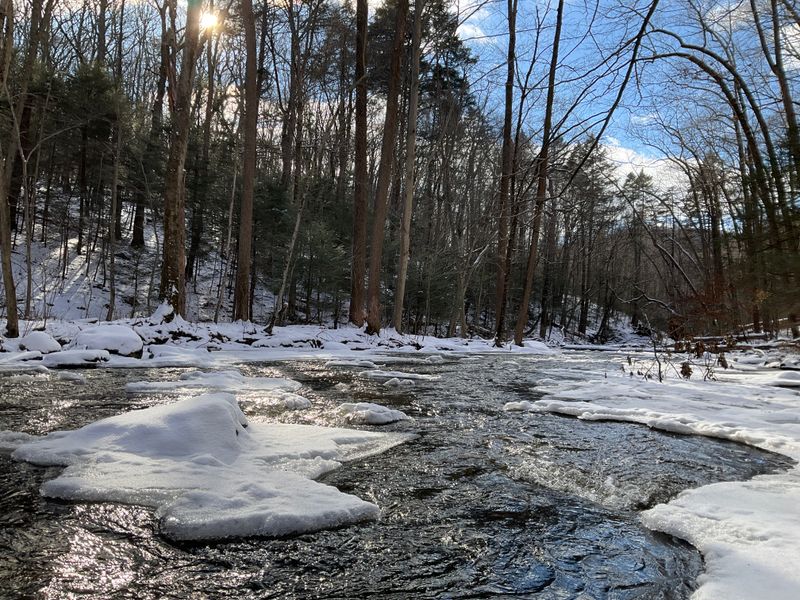
Winter reveals the park’s bones, stripping away foliage to expose rock formations and landscape contours hidden during leafier seasons. Snow transforms familiar trails into wonderlands where animal tracks tell stories and ice sculptures form along the river’s edge.
Fewer visitors brave cold weather, returning that precious solitude locals cherish while creating opportunities for peaceful meditation and photography without crowds photobombing every shot.
Free Admission Makes Natural Beauty Accessible To All Budgets
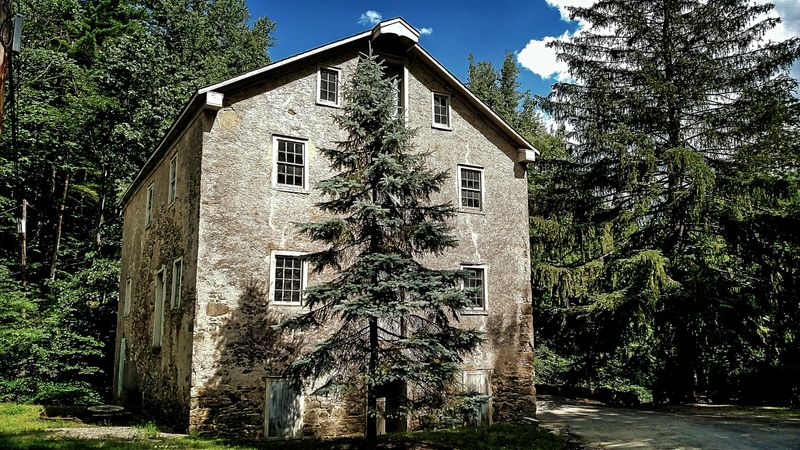
In an era when entertainment costs seem to climb constantly and family outings require serious financial planning, Hacklebarney State Park stands out by charging absolutely nothing for admission. This democratic approach to outdoor recreation means families can enjoy world-class natural beauty regardless of economic circumstances, removing financial barriers that prevent too many people from accessing nature’s physical and mental health benefits.
The lack of entrance fees also encourages repeat visits, allowing people to develop deep familiarity with the landscape through multiple experiences across different seasons and weather conditions.
The free admission model extends beyond simple access to include all facilities and amenities without hidden charges or premium upgrade requirements. Picnic areas, trails, and the playground remain available to everyone who shows up, creating genuine equality of experience rather than tiered systems where wealthier visitors enjoy superior access.
This philosophy reflects the fundamental principle that natural resources belong to everyone and should be maintained and shared as common heritage rather than commodified attractions.
Budget-conscious families discover they can create memorable outings for the cost of packed lunches and gasoline, making Hacklebarney an attractive alternative to expensive theme parks or entertainment venues. The money saved on admission can instead support local businesses, with many visitors stopping at nearby farms for fresh cider, ice cream, or seasonal produce after their hikes.
This spending pattern benefits the broader community while still keeping overall outing costs reasonable for families managing tight budgets.
Free access does create challenges in terms of park funding and maintenance, as New Jersey state parks operate on limited budgets that depend heavily on taxpayer support. Observant visitors notice that restroom facilities sometimes close for extended renovations and infrastructure improvements happen slowly compared to private recreation facilities.
Supporting increased state park funding through advocacy and donations helps ensure that future generations can continue enjoying free access to these irreplaceable natural treasures scattered throughout New Jersey.
Dog-Friendly Policies Welcome Four-Legged Hiking Companions
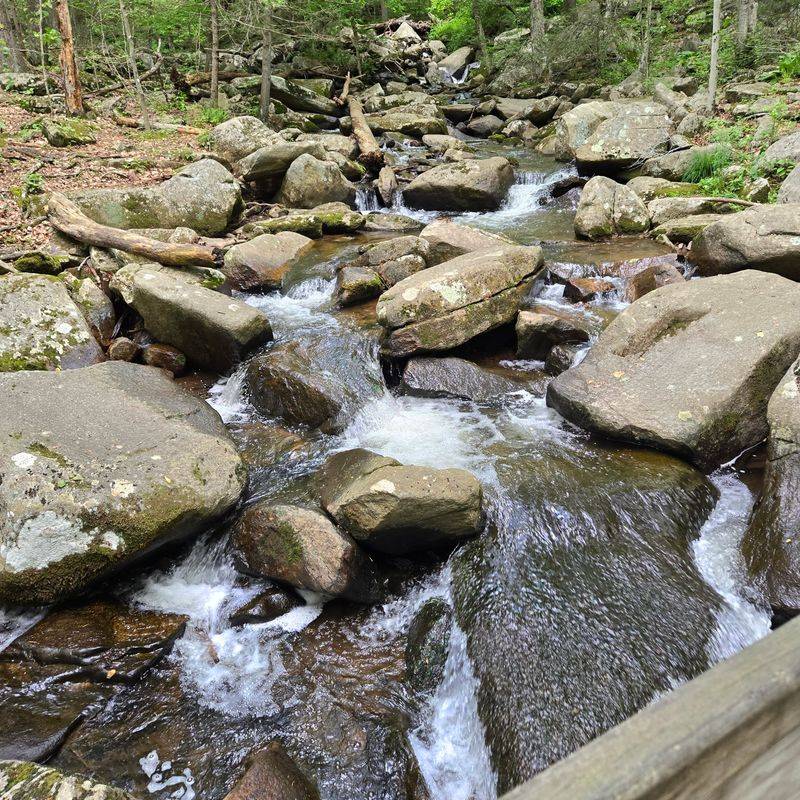
Dogs absolutely adore Hacklebarney State Park, and the feeling appears mutual based on the park’s welcoming policies toward canine visitors who arrive leashed and under control. The combination of interesting smells, flowing water, and varied terrain creates sensory heaven for dogs who spend too much time confined to suburban yards and brief neighborhood walks.
Owners appreciate trails wide enough to accommodate passing other hikers and their dogs without awkward crowding, plus the numerous opportunities for water breaks where pups can wade into shallow river sections to cool off and hydrate.
The leash requirement serves multiple important purposes beyond simply following regulations, including protecting wildlife from harassment and preventing dog-related conflicts that ruin experiences for other visitors. Well-socialized dogs typically handle trail encounters with other canines calmly, though owners should remain vigilant about body language and ready to create space if tensions arise.
The leash rule also protects dogs themselves from hazards like steep drop-offs near the river or encounters with wildlife that might defend themselves aggressively if approached by unleashed animals.
Longer trails provide excellent exercise opportunities for high-energy breeds that need serious physical activity to remain mentally balanced and behaviorally sound. Border collies, retrievers, and other working breeds thrive on the combination of cardiovascular challenge and mental stimulation that comes from navigating varied terrain and processing countless new smells.
Regular visits to Hacklebarney can significantly improve dog behavior at home by meeting exercise needs that suburban life often fails to satisfy adequately.
Responsible dog ownership extends to cleaning up after your pets and packing out waste rather than leaving bags alongside trails. The carry-in, carry-out policy applies equally to pet waste, requiring owners to plan accordingly and bring necessary supplies.
This small responsibility seems insignificant compared to the joy of sharing outdoor adventures with beloved animal companions who remind us to appreciate simple pleasures like splashing through streams and investigating interesting scents hidden under fallen leaves.
Growing Popularity Creates Parking Challenges And Crowded Conditions
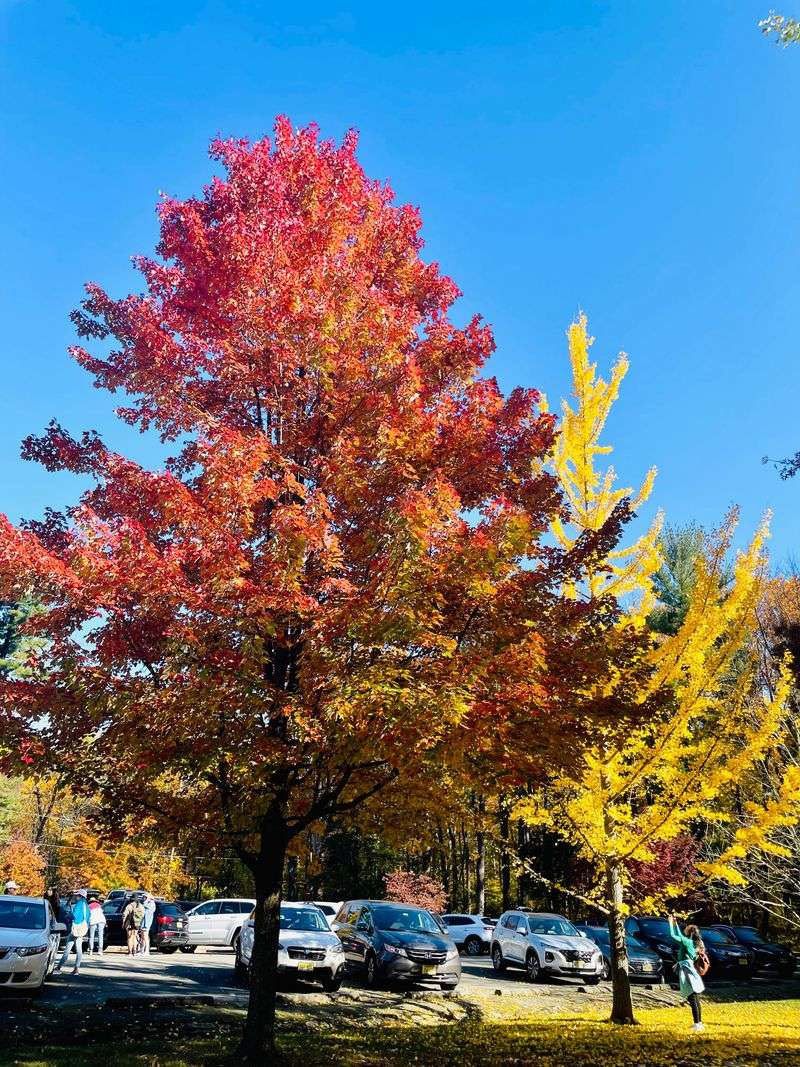
The very qualities that make Hacklebarney State Park so appealing have created a popularity problem that increasingly frustrates the locals who once enjoyed this area as their personal backyard retreat. Weekend parking lots fill to capacity by mid-morning during pleasant weather, forcing latecomers to either wait for departing visitors or abandon their plans entirely and seek alternatives.
This crowding represents both success and failure: success in connecting people with nature, but failure to maintain the wilderness character and peaceful solitude that define quality outdoor experiences.
Social media deserves significant credit or blame for amplifying Hacklebarney’s popularity beyond sustainable levels. Stunning photos posted to Instagram and Facebook attract visitors from across the region who might never have discovered this park through traditional means.
Each viral post creates exponential awareness, transforming hidden gems into overcrowded destinations where the experience documented in those original inspiring photos becomes increasingly difficult to replicate due to the crowds those very images attracted.
The crowding impacts more than just parking availability and trail congestion. Increased visitation stresses ecosystems through soil compaction, vegetation trampling, and wildlife disturbance that accumulates over time.
Popular photo spots show visible degradation where hundreds of people position themselves in identical locations, slowly destroying the very features they came to appreciate. This tragedy of the commons plays out in microcosm at Hacklebarney, illustrating broader challenges facing public lands nationwide.
Solutions exist but require community cooperation and potentially unpopular measures like reservation systems or visitor caps. Some advocate for expanded parking and improved infrastructure to accommodate demand, while others argue this approach simply enables further degradation and destroys the intimate scale that makes Hacklebarney special.
Finding balance between access and preservation remains an ongoing challenge that will define this park’s future character and determine whether it remains a genuine natural refuge or becomes just another overcrowded outdoor attraction where the experience feels more social than wild.
Dear Reader: This page may contain affiliate links which may earn a commission if you click through and make a purchase. Our independent journalism is not influenced by any advertiser or commercial initiative unless it is clearly marked as sponsored content. As travel products change, please be sure to reconfirm all details and stay up to date with current events to ensure a safe and successful trip.
