February in Oregon is when the state shows off its winter personality. You get snow-covered mountains begging for skis and snowboards, coastal storms that put on a show, and crisp air that makes everything feel sharper and more alive.
This month is perfect for those who want a break from routine without traveling too far. Oregon packs variety into a small space.
You can wake up on a snowy peak and end the day watching waves crash against sea stacks.
The crowds thin out after the holidays, so you’ll have trails, lodges, and beaches mostly to yourselves. Whether you’re chasing powder, hunting waterfalls, or just want to watch storms roll in from a cozy cabin, February delivers.
Pack your layers and get ready for some seriously good weekend adventures.
1. Mt. Hood Territory, Government Camp/Timberline
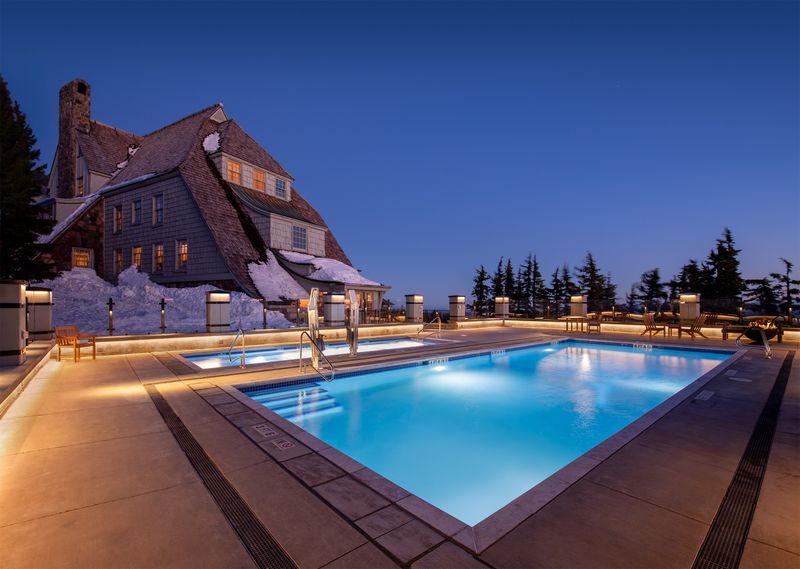
If you’ve been daydreaming about carving fresh tracks down powdery slopes, Mt. Hood Territory is calling your name this February.
Government Camp sits right at the mountain’s base, giving you instant access to three major ski areas without the hassle of long commutes.
Mt. Hood Meadows offers the biggest terrain with over 2,150 acres of skiable slopes, perfect for intermediate and advanced riders looking for variety.
Timberline Lodge, a historic beauty that’s appeared in films, keeps its lifts running year-round and provides that classic alpine lodge experience you’ve seen in postcards. Mt.
Hood Ski Bowl lights up for night skiing, which adds a whole different energy to your runs.
The area isn’t just about downhill action. You can try snowshoeing through quiet forests, grab a hot meal at one of the cozy mountain restaurants, or simply enjoy the stunning views from your lodge window.
February typically brings solid snow coverage and fewer weekend warriors than December or January.
Timberline Lodge itself deserves a walk-through even if you’re not staying there. The hand-carved woodwork and massive stone fireplaces make it feel like stepping back to the 1930s.
Book your accommodations early, especially if you’re eyeing a Valentine’s weekend trip, because mountain lodges fill up fast during prime ski season.
Après-ski in Government Camp stays low-key and friendly, with local pubs pouring Oregon brews and live music on snowy nights. If weather turns wild, spas, boutiques, and scenic drives along Highway 26 round out a relaxed, romantic mountain getaway for couples, friends, and families seeking winter magic close to Portland.
2. Bend and Central Oregon
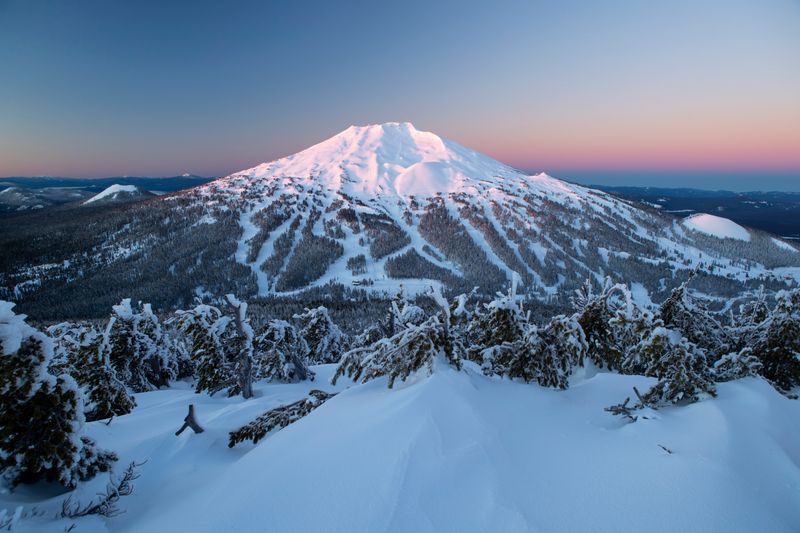
Central Oregon surprises visitors who think February means gloomy skies everywhere. Bend sits on the sunny side of the Cascade Range, so you’ll often find blue skies even when the coast is drenched in rain.
Mt. Bachelor delivers fantastic skiing and snowboarding with over 4,300 acres of terrain spread across a volcanic peak.
The mountain gets incredible powder, and the views from the summit stretch across the entire region. After a day on the slopes, downtown Bend welcomes you with its walkable streets, local shops, and plenty of spots to grab a satisfying dinner.
Smith Rock State Park becomes a different place in winter. The red rock formations stand out even more against occasional snow dustings, and the trails are nearly empty compared to summer crowds.
Hiking here feels peaceful and almost meditative. If you prefer something gentler, snowshoeing around the Cascade Lakes area lets you explore frozen landscapes at your own pace.
The town itself has personality. You’ll find coffee roasters, bookshops, and gear stores where locals actually hang out.
Evenings get cold, but that just makes the warm indoor spaces feel better. The combination of outdoor adventure and small-city amenities makes Bend work for couples, friends, and families who want options beyond just hitting the slopes every day.
February also brings events like winter festivals and brewery tastings that showcase Bend’s social side. Clear nights are perfect for stargazing, thanks to low light pollution just outside town.
Whether you spend the day chasing powder, wandering scenic trails, or lingering over craft beer, Bend in winter feels active without being overwhelming.
3. Crater Lake National Park
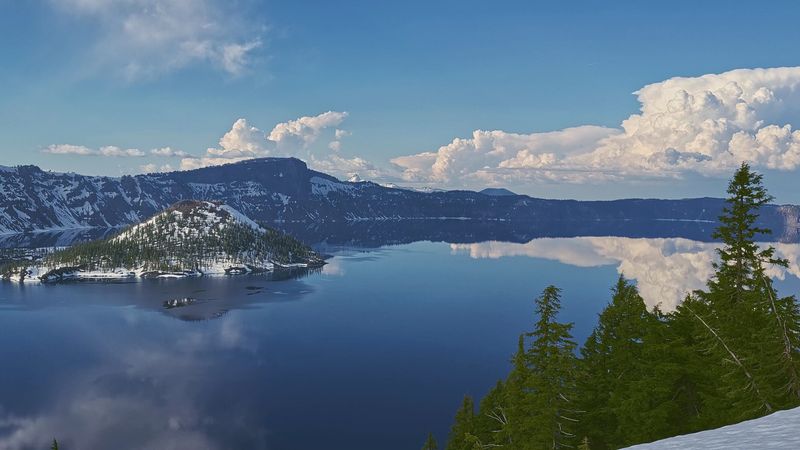
Seeing Crater Lake in February feels like discovering a secret the summer crowds never get to witness. The deepest lake in the United States transforms into a snow-wrapped wonder, with the impossibly blue water creating a stunning contrast against white cliffs and frozen trees.
Getting there requires preparation. The north entrance closes for winter, so you’ll drive in from the south, and chains or proper snow tires aren’t optional, they’re essential.
Check tripcheck.com before you leave because conditions change quickly in the mountains. Once you arrive, the reward is immediate and breathtaking.
The rim road stays closed to cars, but that opens it perfectly for cross-country skiing and snowshoeing. You can glide along routes that would be packed with vehicles in July, stopping whenever you want to take in views without anyone rushing you.
The park rangers lead snowshoe walks on weekends, which provide great information about the geology and winter ecology.
February light gives the lake a softer, almost surreal glow, especially near sunrise and sunset. Photographers love this season for its clean horizons and dramatic shadows.
Silence blankets the park after fresh snowfall, broken only by the crunch of boots on snow, making every step feel calm, intentional, and deeply connected to the landscape.
Dress in serious layers because temperatures drop well below freezing, and wind whips across the rim. Bring hot drinks in a thermos and snacks that won’t freeze solid.
The visitor center stays open with limited hours, offering warming stations and restrooms. Plan to spend several hours here because the drive is long, and you’ll want time to really soak in the serene, snowy beauty that makes this place unforgettable.
4. Cannon Beach
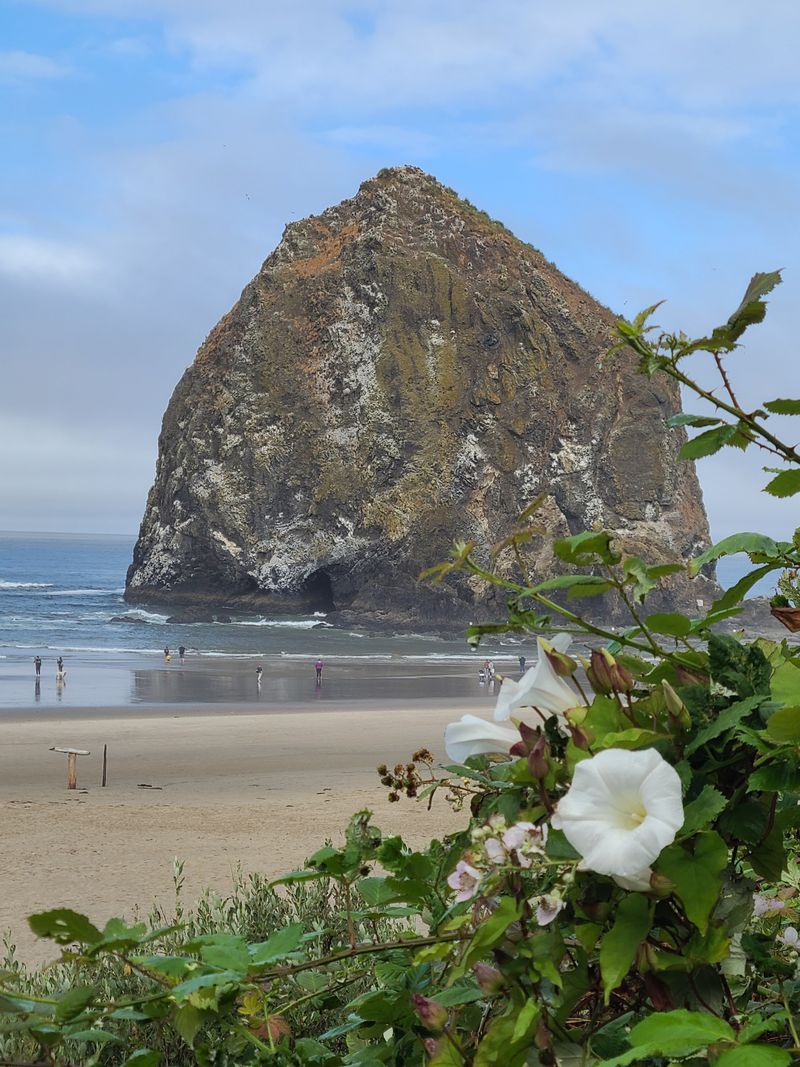
Winter storms turn Cannon Beach into nature’s drama theater. Waves crash against Haystack Rock with force you never see in summer, sending spray dozens of feet into the air while seabirds circle overhead.
February is peak storm-watching season along the Oregon coast. You’ll want to book a room with an ocean view so you can watch the show from comfort, then bundle up for walks between weather systems.
The beach stretches for miles, and having it mostly to yourself creates a romantic, almost cinematic experience. Watching the Pacific throw its weight around reminds you just how powerful nature really is.
The town itself stays open and welcoming during winter months. Art galleries, coffee shops, and restaurants keep regular hours, giving you warm places to duck into when the rain picks up.
Browsing local artwork while listening to waves pound the shore outside adds to the cozy atmosphere. Several spots serve fantastic seafood chowder, which tastes even better when you’re slightly damp from beach exploring.
Haystack Rock, standing 235 feet tall, dominates every view and photo. Low tide exposes tide pools around its base where you can spot starfish, anemones, and crabs if the weather cooperates.
Bring waterproof gear and expect to get a little wet. The raw beauty of February storms makes this one of the most memorable coastal experiences Oregon offers, especially for couples seeking something beyond typical sunny beach trips.
Sunset arrives early in winter, often painting the sky in moody purples, pinks, and steel blues that mirror the churning sea. If storms briefly clear, you might catch dramatic shafts of light breaking through clouds.
Evenings are perfect for fireplaces, local wine, and falling asleep to the steady roar of the ocean.
5. Astoria and the North Coast
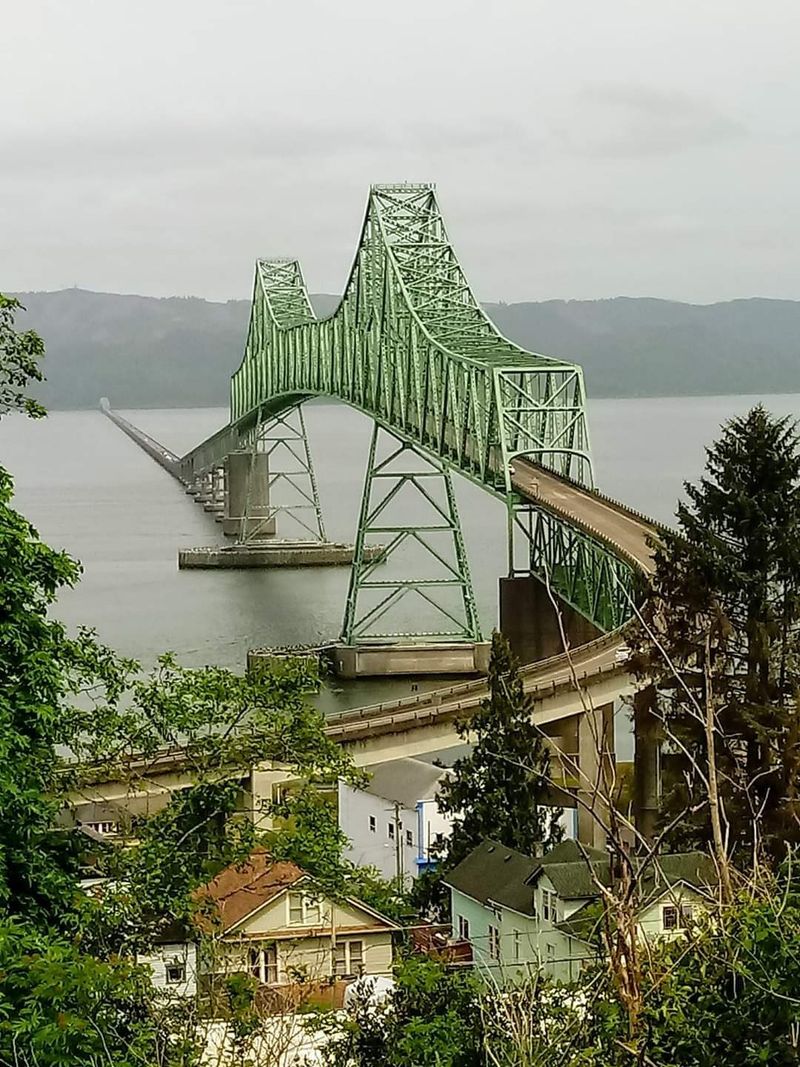
Astoria wears its history proudly, and February gives you the perfect excuse to explore this port town without summer tourist traffic. The Victorian homes climbing the hillsides look even more atmospheric under gray winter skies, and the Columbia River meets the Pacific here in dramatic fashion.
The Columbia River Maritime Museum ranks among the best of its kind anywhere. You can easily spend hours learning about shipwrecks, Coast Guard rescues, and the fishing industry that built this region.
The exhibits feel personal rather than stuffy, with real stories from people who worked and lived on these waters. When you step outside, the actual river and working docks are right there, connecting museum displays to real life.
Downtown Astoria packs character into every block. Old buildings house bookstores, vintage shops, and cafes where locals gather for conversation.
The town’s film history runs deep too, as it served as the backdrop for several movies you’ve probably seen. Walking the same streets feels like stepping onto familiar sets.
Fort Stevens State Park sits just outside town, offering miles of moody beaches and the rusted remains of the Peter Iredale shipwreck. The fort itself has underground bunkers and batteries you can explore.
February weather adds mystery to these places. Pack rain gear and embrace the damp chill because it’s part of what makes the North Coast feel authentic and slightly wild during winter months.
Ride the Astoria Column if weather allows, and climb the spiral staircase for sweeping river and ocean views. The town’s seafood spots shine in winter, with fewer crowds and more conversation.
Evenings feel intimate, perfect for slow dinners, live music, and watching ships glide silently past in the fog.
6. Silver Falls State Park
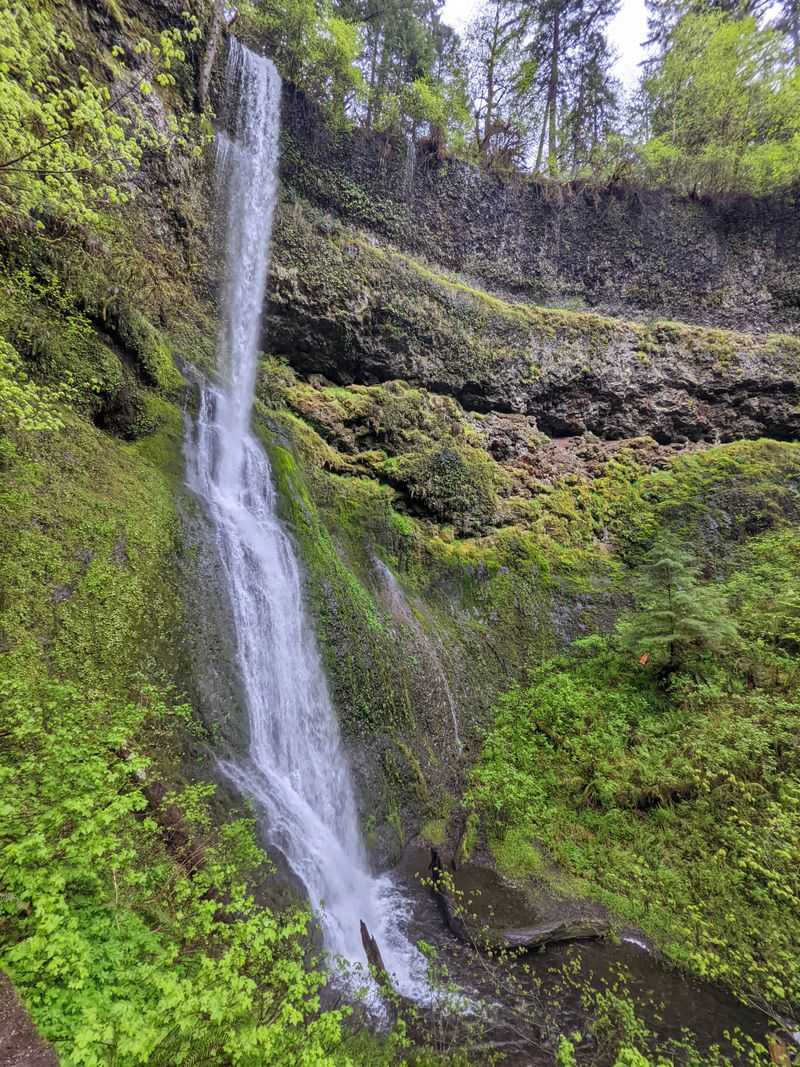
Sometimes you want adventure without the multi-hour drive, and Silver Falls delivers exactly that. Located southeast of Salem, this park gives you access to ten major waterfalls along a single hiking loop, making it one of Oregon’s most concentrated waterfall experiences.
The Trail of Ten Falls stretches about seven miles if you do the whole thing, but you can tackle shorter sections if time or energy runs low. February brings higher water flow from winter rains, so the falls thunder with impressive force.
Some sections might show ice formations along the edges, creating scenes that look pulled from fantasy illustrations. The trail takes you behind several falls, where you walk through misty caverns carved into the basalt cliffs.
Dress for wet conditions because spray from the falls and muddy trail sections are guaranteed. Good hiking boots with traction make a real difference here.
The forest stays green year-round thanks to Oregon’s mild winters, so you’re walking through lush surroundings even in February. Moss covers everything, and the air smells like damp earth and cedar.
The park sits close enough to Portland and Salem that it works perfectly for a quick weekend escape or even a long day trip. You won’t find the crowds that pack this place during summer weekends.
Bring a thermos of something hot and take your time at each waterfall, because rushing through misses the point entirely.
Winter light filters softly through the canopy, giving the falls a silvery glow that feels cinematic. Early mornings and late afternoons are quiet, when mist hangs low and birds echo through the trees.
Photographers and families alike appreciate how accessible the park feels, delivering big scenery without strenuous travel or specialized gear – just patience, curiosity, and a love for waterfalls.
7. Florence
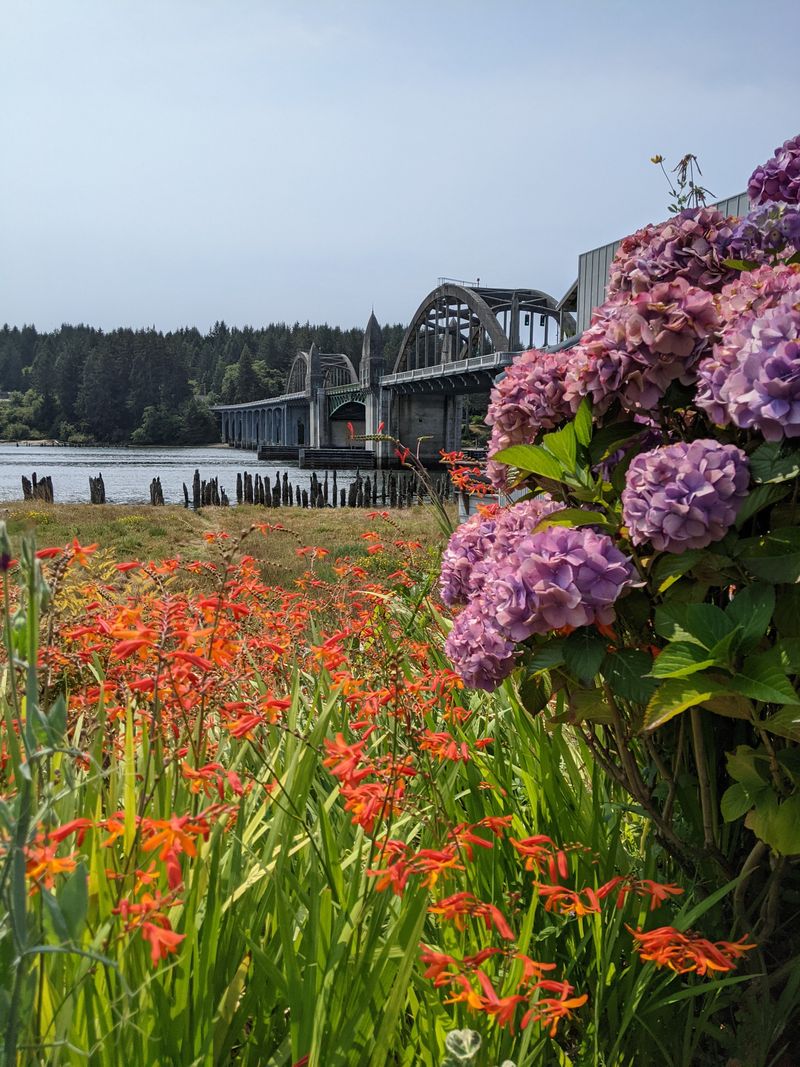
Florence sits at a sweet spot where the Siuslaw River meets the ocean, and February’s mild weather makes it surprisingly pleasant for coastal exploring. While other Oregon destinations might get buried in snow, Florence typically stays above freezing with temperatures that feel manageable rather than brutal.
The Oregon Dunes National Recreation Area spreads just south of town, offering the largest expanse of coastal sand dunes in North America. Walking these massive sand formations in winter gives you a surreal, almost desert-like experience right next to the Pacific.
The dunes shift and change constantly, so every visit reveals different patterns and shapes. Bring a camera because the light during winter months creates dramatic shadows and textures across the sand.
Old Town Florence clusters along the riverfront with its shops, galleries, and seafood restaurants housed in buildings that remember the fishing industry’s heyday. You can watch boats come and go while eating fish and chips or browsing local art.
The historic Siuslaw River Bridge, built in 1936, arches gracefully across the water and makes for great photos.
Several state parks and beaches sit within easy driving distance. Heceta Head Lighthouse perches on cliffs just north of town, and the keeper’s house operates as a bed and breakfast if you want something truly special.
Sea lion caves nearby let you hear these massive animals barking and lounging inside a natural cavern, though the smell is definitely memorable too.
Dear Reader: This page may contain affiliate links which may earn a commission if you click through and make a purchase. Our independent journalism is not influenced by any advertiser or commercial initiative unless it is clearly marked as sponsored content. As travel products change, please be sure to reconfirm all details and stay up to date with current events to ensure a safe and successful trip.
