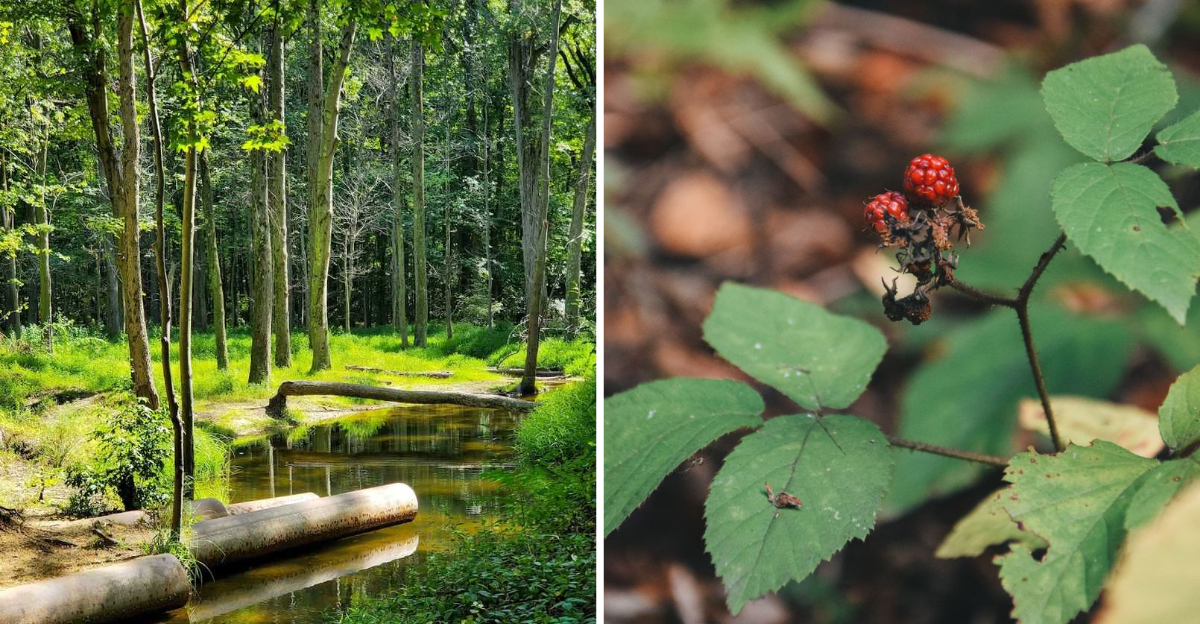
Imagine ditching the grocery store for a walk in the woods. That is the thrill of foraging in New Jersey, a state bursting with wild edible treasures.
We are talking about sweet, sun-warmed berries, earthy mushrooms hiding under leaves, and nuts just waiting to be cracked open.
It is like nature’s own farmers market, except you have to do a little detective work to find the goods.
The feeling of spotting your first ripe blackberry patch or a cluster of wild ramps is pure, unfiltered joy.
It is a way to reconnect with the land and eat hyper-locally, all while enjoying a peaceful hike.
And the best part? The Garden State is full of secret spots just waiting to be discovered.
So, are you ready to become a New Jersey foraging pro?
1. Stokes State Forest
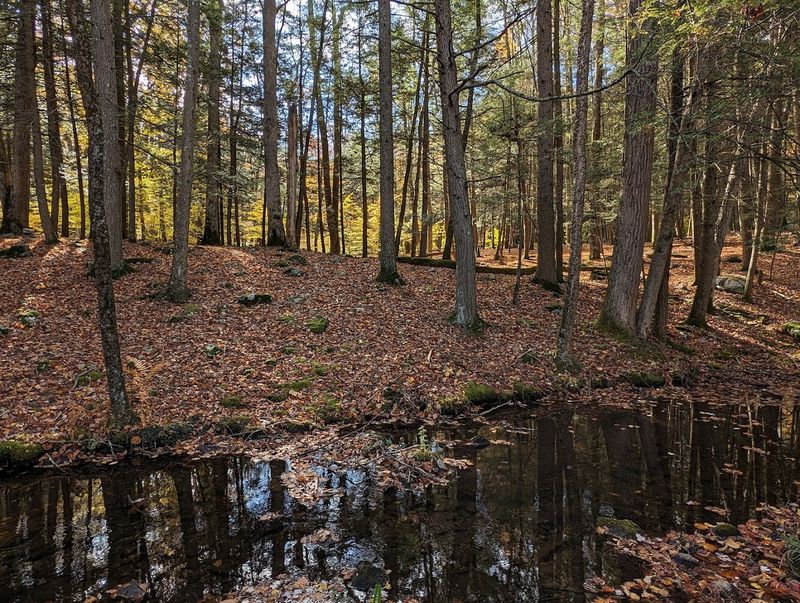
Walking into Stokes State Forest feels like stepping into a different world entirely. The forest stretches across more than 16,000 acres in Sussex County, making it one of the largest state forests in New Jersey.
Every season brings something different to discover along its trails.
Wild berries thrive in the open edges of the forest, where sunlight breaks through the canopy just enough to encourage growth. Wineberries and wild blackberries are especially common during summer months, appearing along roadsides and trail margins.
Chanterelle mushrooms have also been spotted here by experienced foragers who know exactly where to look.
The forest floor beneath its oak and maple trees creates ideal conditions for a variety of fungi. Hen-of-the-woods mushrooms tend to grow near the base of mature oaks, often appearing in late summer and fall.
Oyster mushrooms cling to fallen logs throughout the year, making even winter walks surprisingly rewarding.
Before heading out, always check current regulations with the New Jersey Division of Parks and Forestry. Bringing a reliable field guide and going with an experienced forager the first time makes a huge difference.
Stokes rewards patience, curiosity, and a willingness to slow down and really look at what surrounds you.
Address: 1 Coursen Road, Branchville, NJ 07826
2. Wawayanda State Park
Wawayanda State Park sits in the highlands of Passaic and Sussex counties, covering nearly 34,000 acres of rugged, beautiful terrain. The park’s mix of upland forests, wetlands, and open ridges creates an unusually diverse environment for wild edibles.
Few places in northern New Jersey pack this much variety into one location.
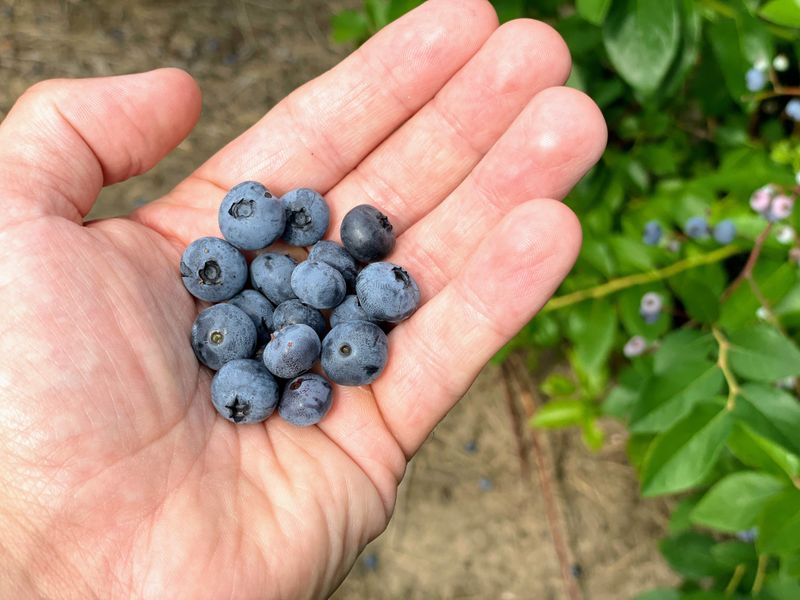
Wild blueberries are among the most exciting finds here, especially along the higher, sunnier ridgelines where the soil tends to be more acidic. Black raspberries pop up along forest edges in early to mid-summer, easy to spot with their distinctive dark color.
Elderberries appear near wetter areas of the park as summer progresses.
Mushroom hunters appreciate Wawayanda for its dense hardwood sections, where species like chicken of the woods and black trumpet mushrooms have been found. The park also hosts areas with old-growth characteristics, which tend to support richer fungal diversity.
Morels can appear in spring near dead elm and ash trees if conditions are right.
Always confirm current foraging policies with park staff before collecting anything. Wearing long sleeves and checking carefully for ticks after every outing is genuinely important here.
A good pair of boots and a small mesh bag for collecting make the whole experience much more enjoyable.
Address: 885 Warwick Turnpike, Hewitt, NJ 07421
3. The Tourne County Park
The Tourne County Park in Morris County is a hidden gem that rewards foragers willing to wander off the main path. The name itself comes from a French word meaning a hill or elevated area, and the park definitely delivers on that promise with its varied terrain.
Elevation changes here create interesting microclimates that support different plant communities.
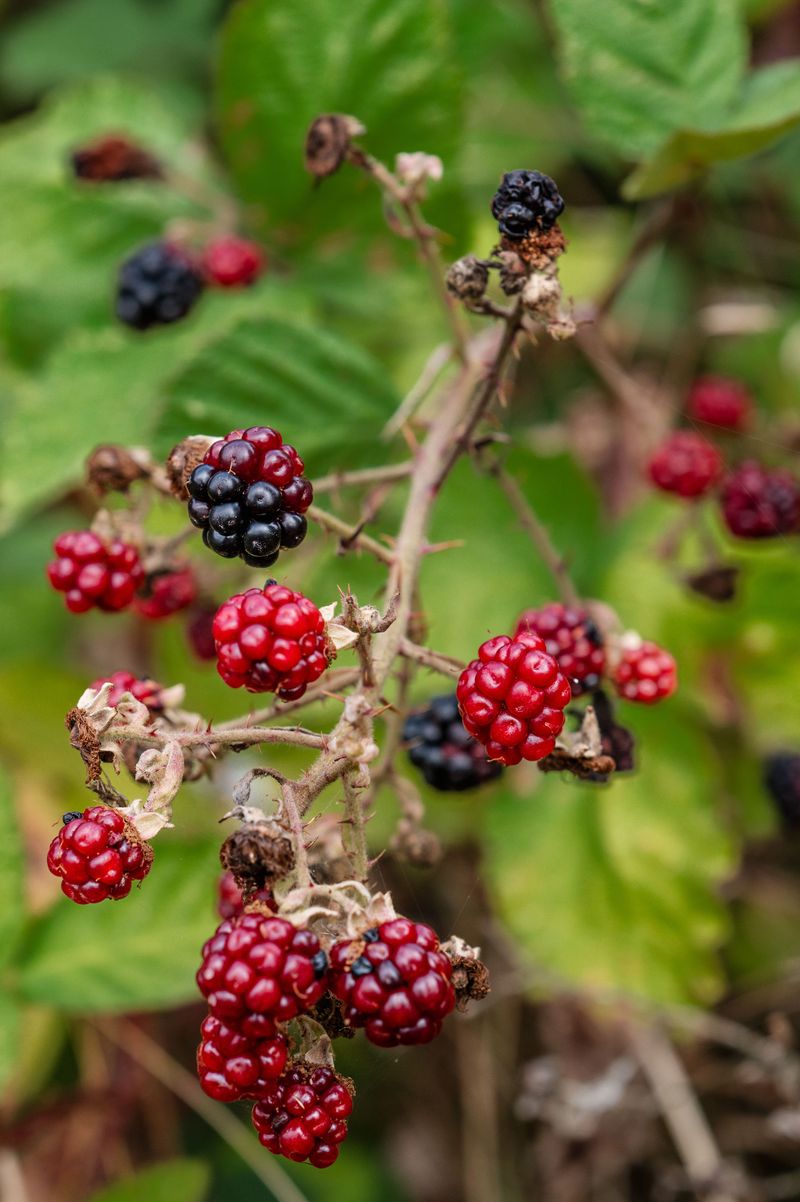
Wild black raspberries are commonly found along the sunnier trail edges, especially in late June and early July. Wineberries also make an appearance, their bright red color practically glowing against the green undergrowth.
Both are easy enough to identify, which makes this a solid spot for beginner foragers building confidence.
The mature forest sections of the park offer good conditions for mushroom hunting as well. Oyster mushrooms tend to appear on dead or dying hardwood trees, and experienced foragers have found puffball mushrooms in the more open grassy areas.
The park’s varied habitat really does give you options no matter what you are searching for.
Morris County parks have their own set of regulations, so checking in with the county parks department before foraging is always a smart first step. Bringing a printed field guide rather than relying on a phone signal is practical advice for this park.
The trails here are well-maintained and genuinely enjoyable to walk.
Address: 54 McCaffrey Lane, Boonton, NJ 07005
4. Horseshoe Bend Park
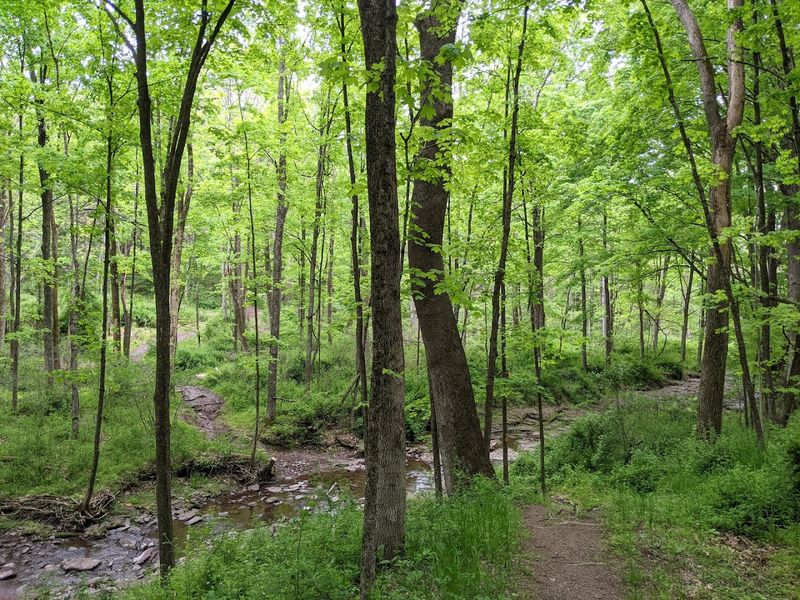
Horseshoe Bend Park hugs a dramatic curve of the Delaware River in Hunterdon County, giving it a landscape unlike most other parks in the state.
The combination of riverbanks, floodplain forest, and open meadows packed into a relatively small area makes this spot surprisingly productive for wild edibles.
The scenery alone makes the trip worthwhile.
Mulberries are one of the standout finds here, as the trees tend to grow near water sources and open edges. Wild strawberries have also been spotted in the sunnier meadow sections during early summer.
Spicebush shrubs, whose berries can be used as a spice similar to allspice, grow naturally in the moist, shaded areas near the river.
The floodplain forest creates excellent conditions for certain mushrooms, particularly oyster mushrooms on fallen cottonwood and willow trees. Watercress has been found in small clean streams feeding into the river, a refreshing green that makes a great addition to a foraged salad.
Cattail shoots are also accessible near the wetter margins of the park in spring.
Confirming what foraging is permitted in Hunterdon County parks before collecting anything is an important step. Bringing rubber boots for exploring the wetter edges of the park pays off quickly.
The setting along the Delaware River adds a relaxed, almost meditative quality to the whole experience.
Address: 178 Horseshoe Bend Road, Frenchtown, NJ 08825
5. Plainsboro Preserve
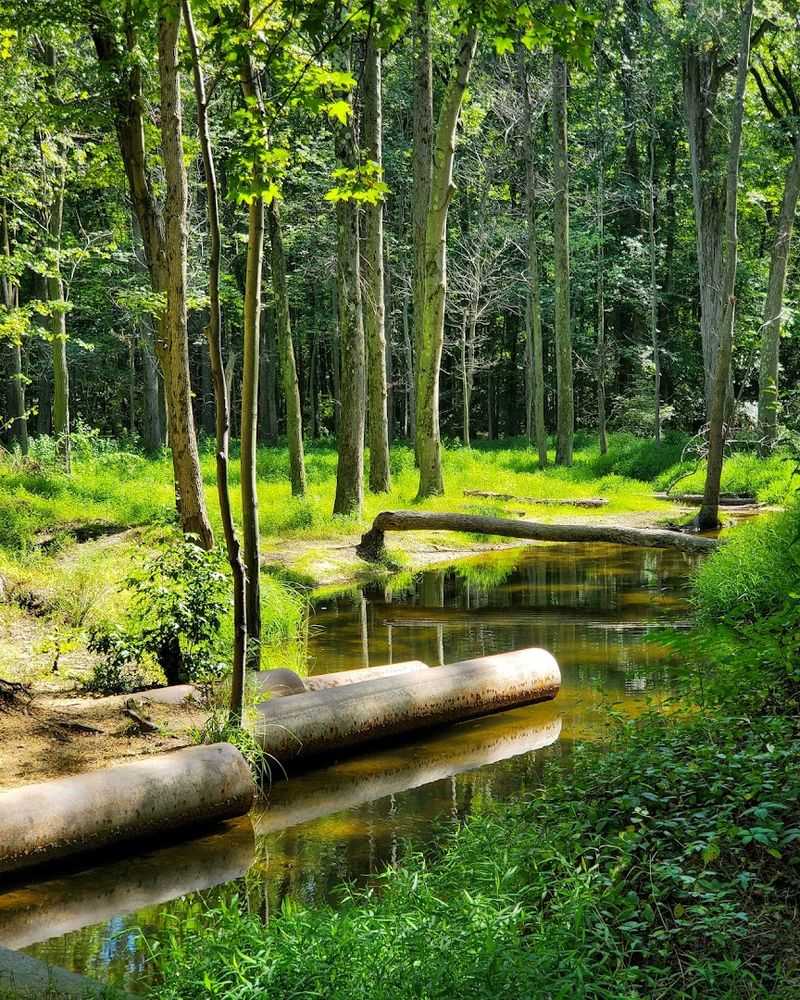
Plainsboro Preserve in Middlesex County is managed by the New Jersey Audubon Society, covering over 1,000 acres of meadows, forests, and wetlands centered around a beautiful lake.
The diversity of habitats packed into this preserve gives foragers a wide range of possibilities in a single visit.
It has a calm, welcoming atmosphere that makes exploration feel genuinely relaxing.
Wild berries thrive along the forest edges and open meadow margins throughout the preserve. Elderberries appear near wetter areas in late summer, their dark clusters distinctive and easy to recognize once you know what to look for.
Autumn olive berries, small and tart with a distinctive speckled skin, ripen in fall and are abundant along sunny edges.
Mushroom hunters will find the older woodland sections of the preserve particularly interesting. Oyster mushrooms and chicken of the woods have been found on dead hardwood trees throughout the area.
The preserve’s moist, shaded sections near the lake support conditions favorable for a variety of fungal species.
Checking with New Jersey Audubon directly about foraging policies at this specific preserve before collecting is essential. The preserve has well-marked trails and educational signage that can actually help beginners learn to identify plants more confidently.
Visiting at different times of year dramatically changes what you find, making repeat trips genuinely exciting.
Address: 80 Scotts Corner Road, Cranbury, NJ 08512
6. Holmdel Park
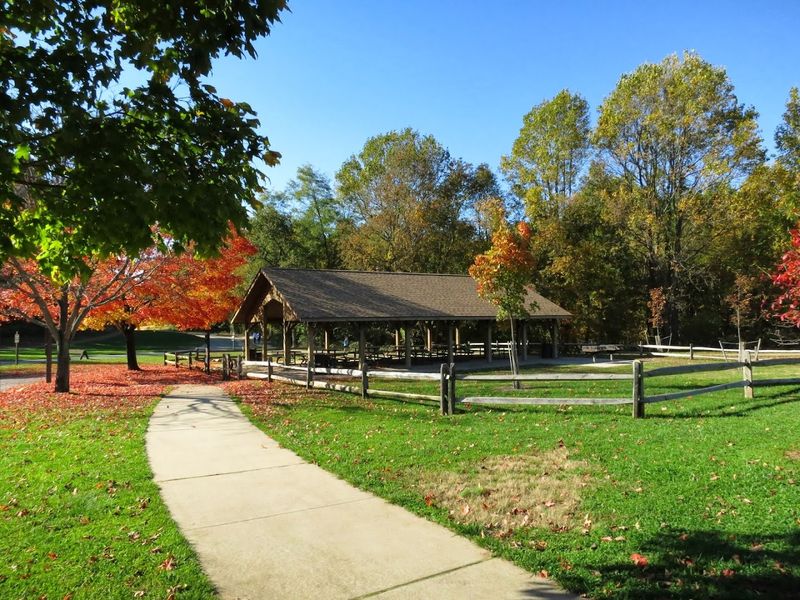
Holmdel Park in Monmouth County has a warm, pastoral quality that sets it apart from more rugged foraging destinations. The park blends woodlands, open fields, and a historic farm into a landscape that feels both wild and approachable.
For foragers, that mix of habitats is exactly the kind of variety that keeps a walk interesting.
Wild black raspberries are a reliable find here during early summer, clustering along the edges where the forest meets open grassy areas. Wineberries follow shortly after, their jewel-like red color making them one of the most visually satisfying foraged finds in the state.
Both fruits are straightforward to identify, which makes Holmdel a comfortable spot for those just getting started.
The wooded sections of the park host a range of mushroom species depending on the season. Puffball mushrooms appear in the more open grassy zones, while oyster mushrooms favor the dead wood scattered through the forest.
The park’s mature oak trees also create favorable ground conditions for hen-of-the-woods in the fall.
Monmouth County parks have specific guidelines around foraging, so verifying what is currently permitted before collecting is a practical and respectful step. The park is well-maintained with clear trail markers, making navigation easy even for first-time visitors.
Pack a small basket, a field guide, and comfortable shoes for the best experience here.
Address: 44 Longstreet Road, Holmdel, NJ 07733
7. Manasquan Reservoir
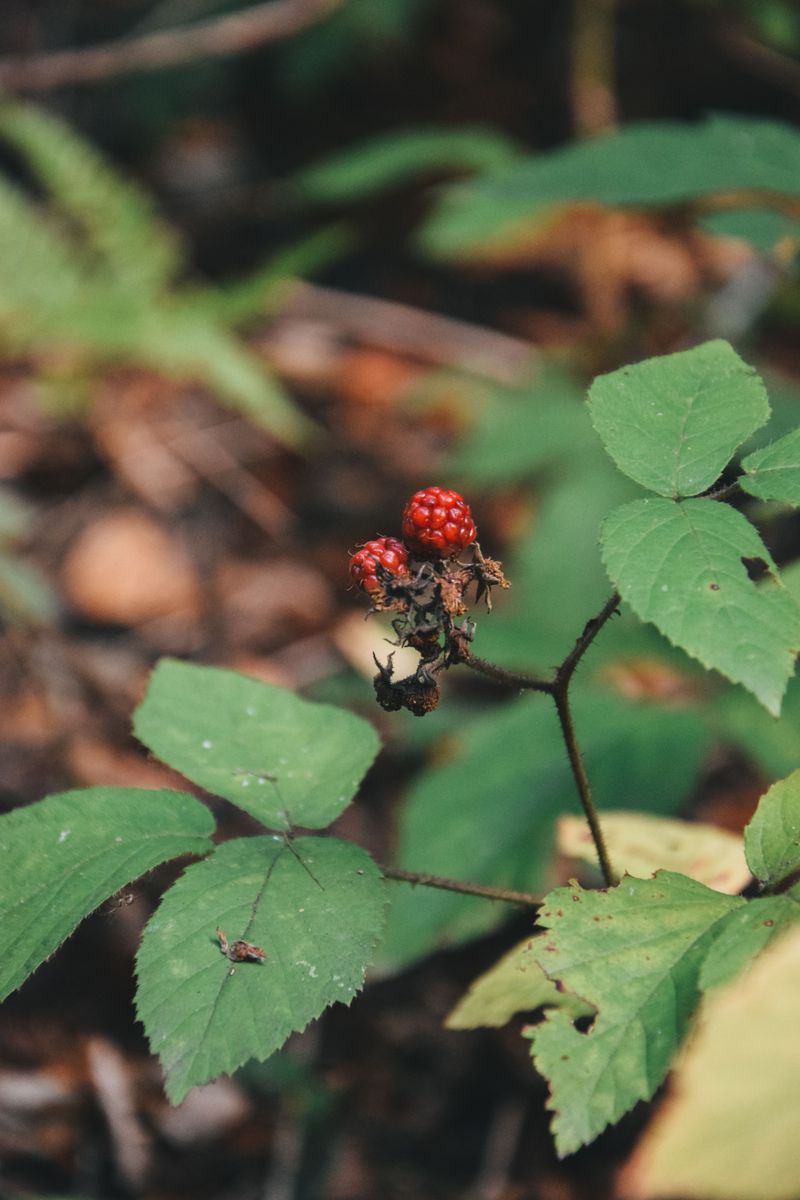
Manasquan Reservoir in Monmouth County offers a foraging experience that feels surprisingly open and airy compared to the dense forests of northern New Jersey.
The five-mile perimeter trail wrapping around the reservoir passes through a changing mix of shrubby edges, meadows, and woodland patches.
That variety keeps each section of the walk genuinely interesting.
Wild berries are one of the main attractions along the sunny trail edges here. Autumn olive bushes produce enormous quantities of small, tangy berries in fall that many foragers prize for their nutritional value.
Wineberries and wild blackberries also appear along the trail during summer, often in dense patches that reward a slow, attentive walk.
The woodland sections near the reservoir support a modest but worthwhile range of mushrooms. Oyster mushrooms on fallen logs are among the more commonly found species in this area.
The mix of tree species, including oak, cherry, and various shrubs, creates a layered habitat that supports different fungi depending on the season.
Checking with Monmouth County parks regarding current foraging regulations at the reservoir is an important first step before collecting anything. The trail is popular with walkers and cyclists, so going early in the morning tends to give you a quieter, more productive foraging experience.
Bring water, sunscreen, and a good pair of eyes.
Address: 311 Windeler Road, Howell, NJ 07731
8. Wells Mills County Park
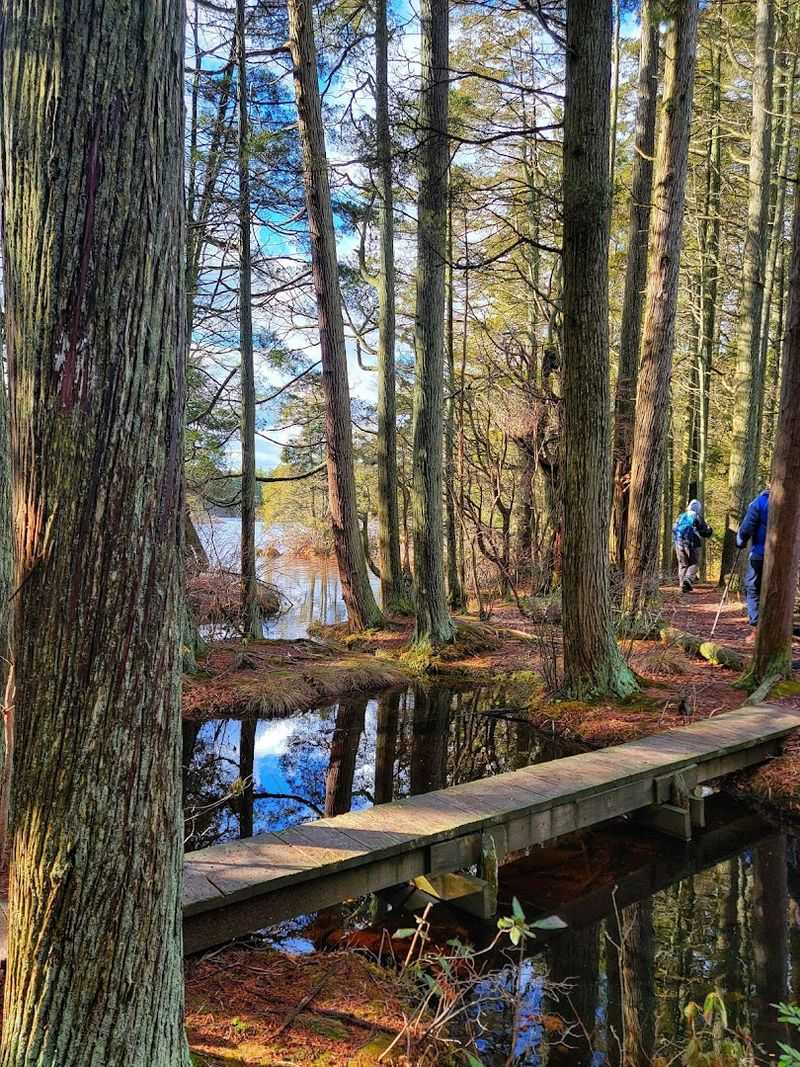
Wells Mills County Park sits at the edge of the Pine Barrens in Ocean County, and that location alone makes it one of the more unusual foraging destinations in the state.
The park’s sandy, acidic soil and pine-oak forest create conditions that support plant communities you simply will not find anywhere else in New Jersey.
There is a wild, almost untouched quality to the landscape here.
Huckleberries are one of the signature finds in Pine Barrens habitats, and Wells Mills delivers on that front during summer months. Wild blueberries also grow in the more open, sunny sections of the park where the scrubby vegetation thrives.
Both fruits have a concentrated, intensely sweet flavor that supermarket berries rarely match.
Mushroom foraging in the Pine Barrens ecosystem is a different experience than in typical hardwood forests. Certain species adapted to sandy, acidic conditions appear here that you would not commonly find elsewhere.
Chanterelles have been reported in nearby Pine Barrens habitats, and the park’s varied terrain offers enough diversity to make exploration rewarding.
Ocean County parks have specific rules about foraging, so confirming what is permitted at Wells Mills before collecting is essential. The park has a nature center with knowledgeable staff who can offer useful guidance about local flora.
Arriving in the morning when the forest is still cool makes the whole experience more comfortable and enjoyable.
Address: 905 Wells Mills Road, Waretown, NJ 08758
9. Jakes Branch County Park
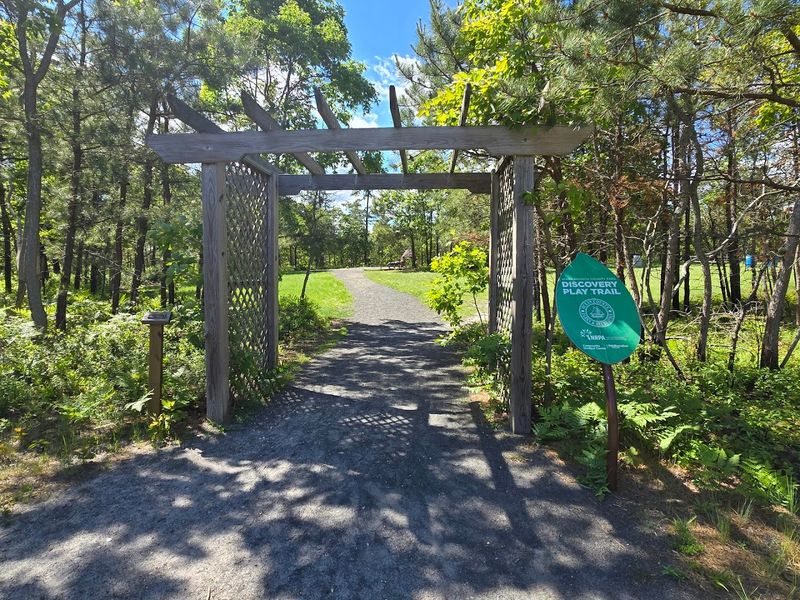
Jakes Branch County Park in Ocean County is another Pine Barrens gem that deserves far more attention from the foraging community.
The park sits along a beautiful cedar stream, and the combination of wetland edges and upland pine-oak forest creates a layered habitat that supports a surprising range of wild edibles.
The atmosphere here is genuinely peaceful.
Wild blueberries and huckleberries are the stars of any summer visit to this park. The sandy, acidic soil of the Pine Barrens is exactly the kind of environment these plants thrive in, producing fruit that is small, intensely flavored, and deeply satisfying to find.
Foragers who time their visit for mid-summer are often rewarded with generous patches of ripe berries.
Wintergreen plants grow low along the forest floor here, their bright red berries and minty-scented leaves making them one of the more distinctive finds in the Pine Barrens. Spicebush also appears in the wetter sections near the stream, its berries useful as a wild spice.
These kinds of finds make every walk feel like a small discovery.
Checking Ocean County parks regulations before foraging is always the right move. The park’s trail system is easy to navigate, making it a comfortable choice for families and beginners.
Bringing a berry container with a secure lid prevents the heartbreak of spilling a hard-earned haul on the walk back to the car.
Address: 1100 Double Trouble Road, Beachwood, NJ 08722
10. Franklin Parker Preserve
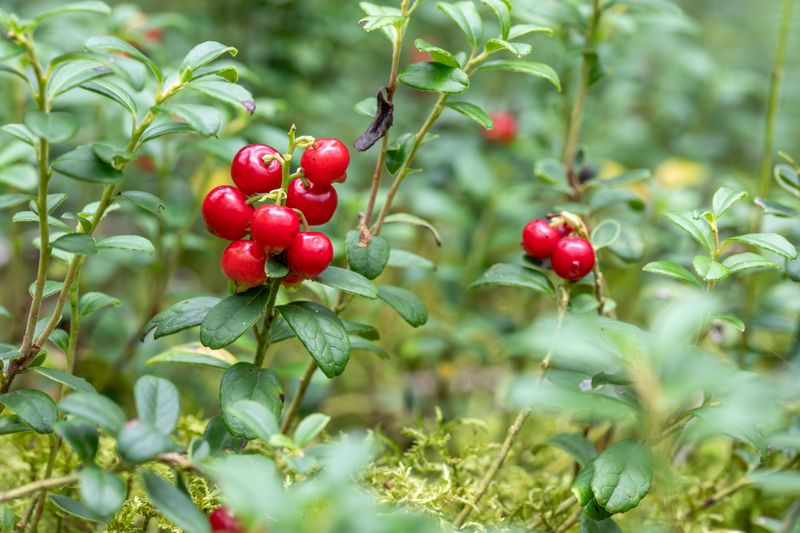
Franklin Parker Preserve in Burlington County is one of the most remarkable foraging landscapes in all of New Jersey. Spanning over 9,000 acres deep in the heart of the Pine Barrens, the preserve includes restored cranberry bogs, upland forests, and vast open wetlands.
The scale of the place is genuinely breathtaking the first time you see it.
Wild cranberries are among the most exciting finds here, growing naturally in the boggy sections of the preserve in a way that feels almost surreal.
Huckleberries and wild blueberries thrive in the surrounding upland areas, their fruit ripening throughout the summer into early fall.
Few places in the state offer this combination of bog and upland berry habitat in such an expansive setting.
The preserve’s diverse plant communities also support a range of edible species beyond berries. Wintergreen berries appear along the forest floor, and cattail shoots are accessible in the wetter margins during spring.
The sheer size of the preserve means there is always something new to find no matter how many times you visit.
The New Jersey Conservation Foundation manages this preserve, and checking their specific foraging guidelines before collecting anything is genuinely important. Wearing waterproof boots is practically mandatory for exploring the boggier sections.
Franklin Parker rewards explorers who come prepared and approach the landscape with genuine curiosity and respect.
Address: 1450 County Road 532, Chatsworth, NJ 08019
11. Estell Manor Park / Warren E. Fox Nature Center
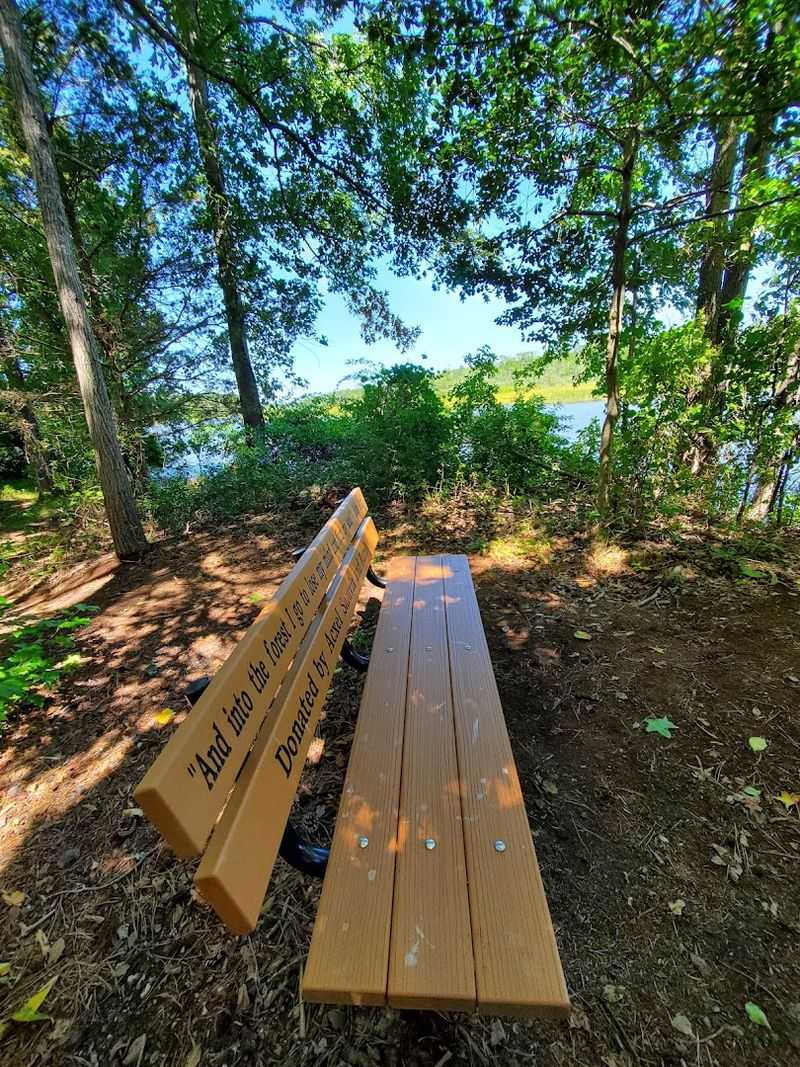
Estell Manor Park in Atlantic County is one of southern New Jersey’s most underrated outdoor destinations, and for foragers, it holds some genuinely exciting possibilities. The park spans over 1,600 acres of mixed forest, wetlands, and open fields, with the Warren E.
Fox Nature Center serving as a welcoming entry point for visitors. The landscape here feels both wild and accessible in equal measure.
Wild berries are plentiful throughout the park’s sunnier edges and open sections. Elderberries appear near the wetter margins of the park in late summer, their flat-topped clusters of dark berries easy to spot once you know the plant.
Autumn olive berries ripen along the trail edges in fall, offering a tart, nutritious treat that many foragers seek out specifically.
The forested sections of the park support a range of mushroom species across the seasons. Oyster mushrooms grow on dead hardwood trees, and chicken of the woods has been found on oak stumps and fallen logs throughout the area.
The park’s mix of pine and hardwood forest creates an interesting transition zone that supports broader fungal diversity.
Atlantic County parks have their own regulations, so confirming what foraging is currently permitted at Estell Manor before collecting is the right approach. The Warren E.
Fox Nature Center staff are knowledgeable and genuinely welcoming to visitors with questions about local plants. Early morning visits during berry season are especially rewarding here.
Address: 109 Boulevard Route 50 South, Mays Landing, NJ 08330
