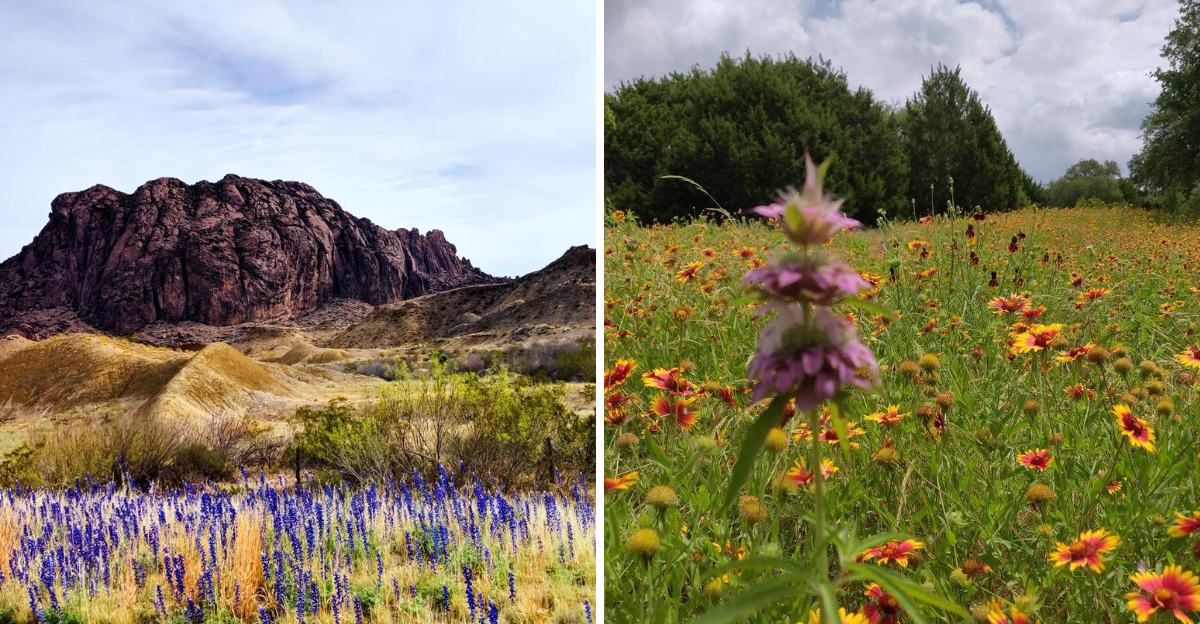
Every spring, Texas transforms into one of the most stunning natural displays in the country. Fields explode with color, roadsides glow with bluebonnets and paintbrushes, and hillsides become living tapestries of wildflowers stretching as far as the eye can see.
I have spent countless springtimes chasing these blooms across the state, and each year brings fresh wonder. These locations represent the heart of Texas wildflower country, where nature puts on its most spectacular show.
Whether you are a photographer, a nature lover, or simply someone who appreciates beauty, these spots will leave you breathless.
1. Willow City Loop
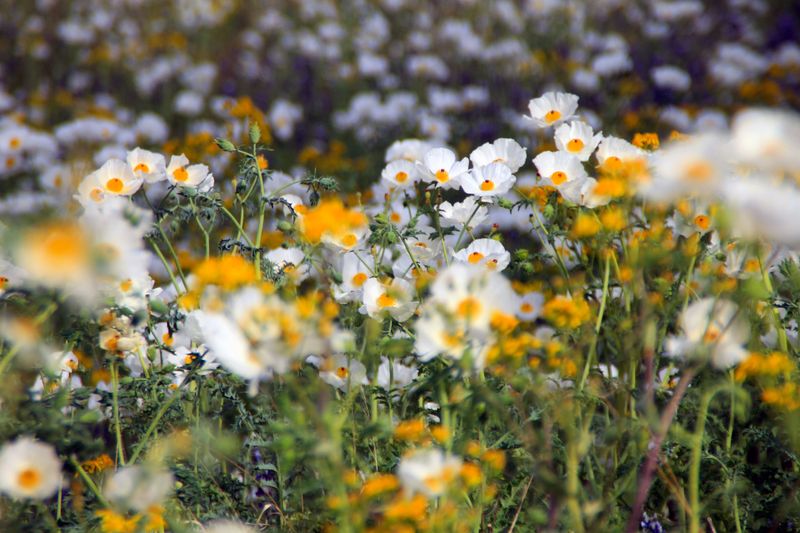
Driving the Willow City Loop feels like stepping into a painting that keeps changing with every curve. This 13-mile scenic route winds through some of the most rugged and beautiful terrain in the Hill Country, and when wildflowers peak, it becomes absolutely magical.
The road twists and turns through valleys and over ridges, with each vista offering something new.
Bluebonnets dominate the landscape here, but they share the stage with Indian paintbrush, pink evening primrose, and golden coreopsis. The combination creates layers of color that shift from blue to red to yellow as you move through different elevations and soil types.
Rocky outcrops jut through the flower fields, adding texture and drama to the scenery.
This loop is not a highway, so take your time. The road is narrow and can be rough in spots, but that is part of its charm.
Locals are used to slow traffic during wildflower season, and everyone understands the unspoken rule: pull over safely when you find a great spot. Early morning light creates the best photography conditions, and weekdays tend to be less crowded than weekends.
Bring water, wear comfortable shoes if you plan to walk around, and respect private property boundaries along the route.
2. Ennis Bluebonnet Trails
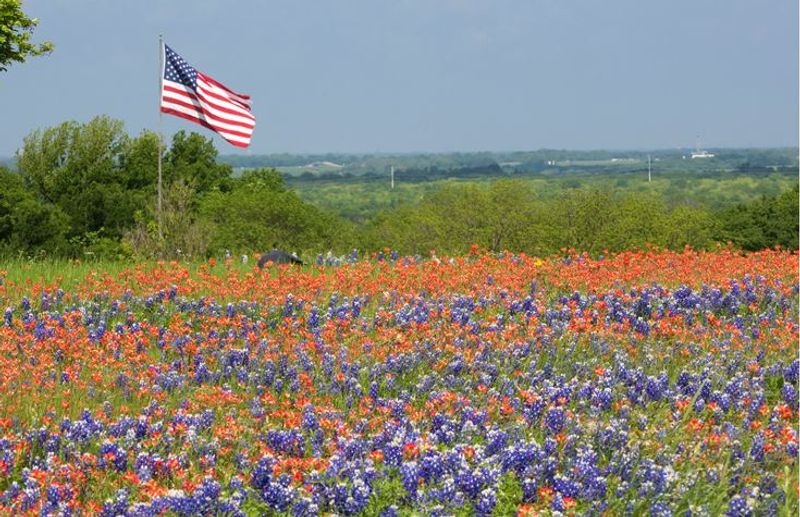
Ennis takes its bluebonnets seriously. This town, about 35 miles south of Dallas, officially claims the title of Bluebonnet City of Texas, and once you see the trails, you will understand why.
More than 40 miles of mapped driving routes guide visitors through some of the most impressive wildflower displays in the state. The trails wind through farmland and countryside where bluebonnets grow thick and abundant.
What makes Ennis special is the sheer scale of the blooms. Fields stretch for acres, creating seas of blue that ripple in the breeze.
The trails are well-marked and easy to follow, making this an ideal destination for families or anyone new to wildflower hunting. Multiple routes mean you can spend hours exploring without retracing your steps.
The annual Ennis Bluebonnet Festival, typically held in April, adds another dimension to the experience. Live music, local food vendors, and craft booths create a festive atmosphere downtown while the trails remain the main attraction.
If you prefer a quieter experience, visit on weekdays or early in the season. The combination of accessibility, abundance, and community celebration makes Ennis a standout destination that delivers year after year.
3. Washington County (Brenham & Chappell Hill)
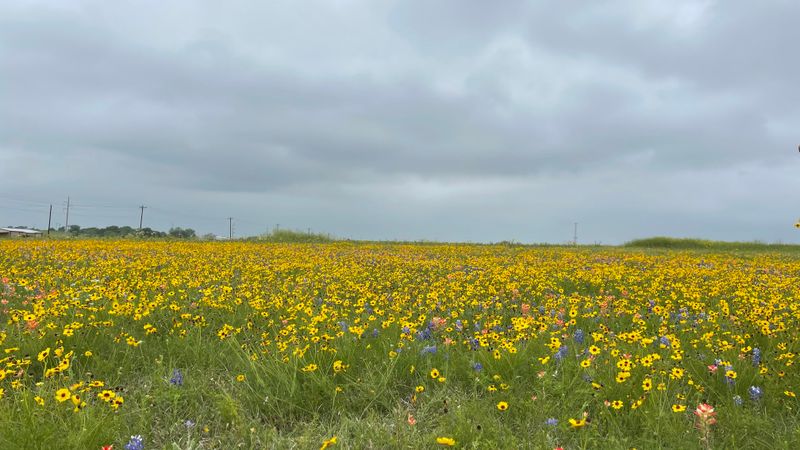
Washington County sits in that perfect zone between Austin and Houston where bluebonnets seem to grow with extra enthusiasm. Brenham and Chappell Hill anchor this region, and the countryside surrounding them becomes a wildflower wonderland each spring.
The Brenham Wildflower Loop provides an official route, but honestly, almost any country road will reward you with stunning views.
Fields here burst with blue and red blooms, creating the classic Texas color combination. Old Baylor Park near Independence offers something unique with historic ruins providing a backdrop for photography.
The weathered stone walls and archways framed by wildflowers create images that feel timeless. This area has a gentle, rolling quality that makes it easy to explore at a relaxed pace.
Family-friendly attractions add to the appeal. After a morning spent among the flowers, you can cool down with a sweet treat or explore the charming downtown areas.
The landscape here feels pastoral and peaceful, with working farms and ranches maintaining the rural character. Photographers love the variety of settings, from open fields to tree-lined lanes where bluebonnets carpet the ground beneath ancient oaks.
The combination of natural beauty and small-town charm makes Washington County feel like a step back to a simpler time.
4. Llano, Burnet & Marble Falls
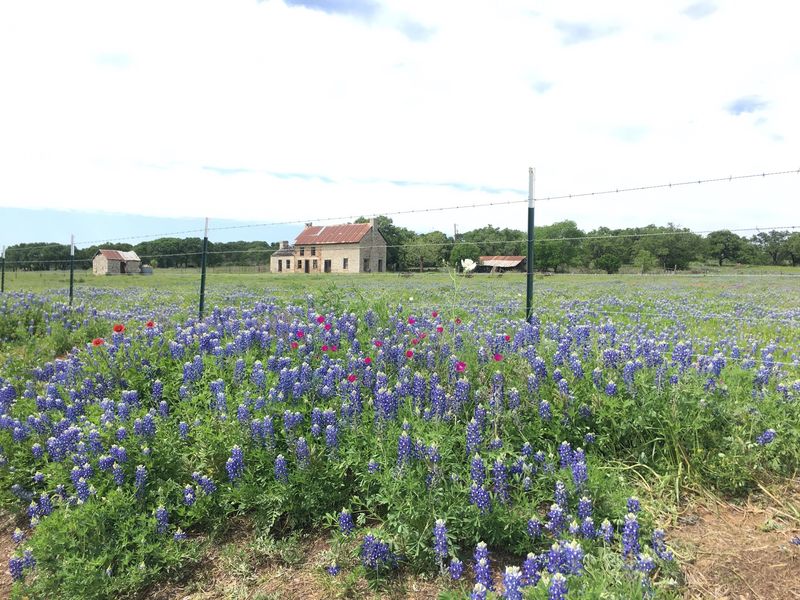
This trio of towns forms the heart of what locals call the Bluebonnet Capital region. Burnet holds the official legislative designation, but all three communities sit in wildflower-rich territory where multiple species create stunning displays.
The area around Lake Buchanan and Inks Lake adds water views to the flower-filled landscapes, creating especially photogenic combinations.
Highway 29 runs through this region from Georgetown through Burnet, Llano, and on to Mason, providing a natural wildflower corridor. Marble Falls has developed an entire network of wildflower trails with names like the Bluebonnet Trail, Texas Paintbrush Trail, and Winecup Trail.
These routes range from 35 to 80 miles, giving you options based on how much time you have.
What strikes me about this area is the variety of terrain. You move from lakeside views to rocky hillsides to open meadows, and each setting supports slightly different wildflower communities.
Yuccas add vertical interest with their tall white blooms, while low-growing winecups spread carpets of deep magenta. The towns themselves maintain a friendly, welcoming atmosphere where locals happily share directions to the best current blooms.
Spring weekends bring crowds, but the extensive road network means you can always find a quieter spot to enjoy the flowers in relative solitude.
5. Leakey, Bandera & Utopia
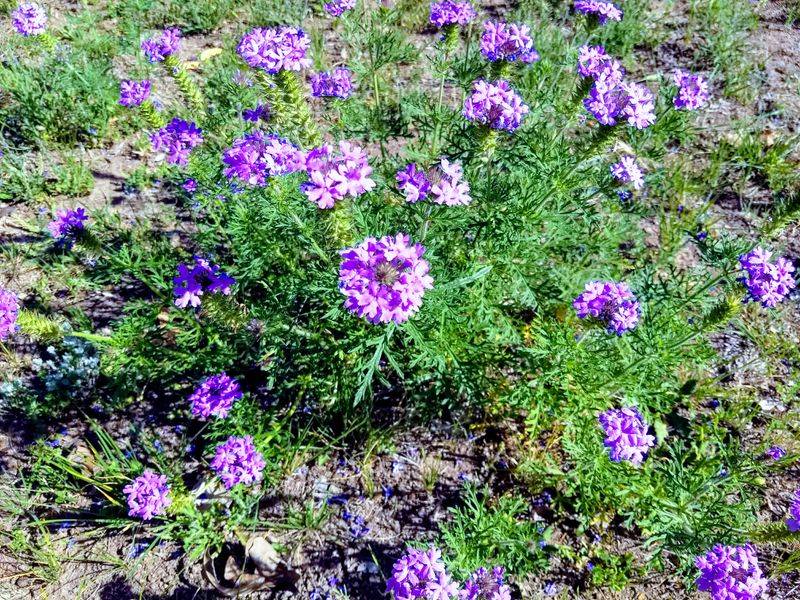
These three towns occupy some of the most remote and beautiful territory in the Hill Country. The drive to reach them is half the adventure, with roads winding through canyons and along ridgelines where wildflowers cling to rocky slopes.
Leakey sits along the Frio River, Bandera calls itself the Cowboy Capital of the World, and Utopia lives up to its name with peaceful countryside.
Wildflowers here grow in more challenging conditions than in other regions. Rocky soil and steeper terrain mean displays can be more scattered but no less beautiful.
The combination of rugged landscape and delicate flowers creates striking contrasts. Cypress trees along rivers provide shade and frame views of flower-covered hillsides beyond.
This area feels more remote than other wildflower destinations. You won’t find the organized trails or festivals of places like Ennis, but you will discover a more authentic, less crowded experience.
The towns themselves are small and charming, with genuine Western character. Roads like Highway 337 and Ranch Road 187 offer excellent wildflower viewing as they wind through the countryside.
Bring a good map or GPS, pack snacks and water, and be prepared for limited cell service in some areas. The rewards are landscapes that feel untouched and wildflower displays that you might have entirely to yourself.
6. Texas Hill Country (Highways 16, 29 & 71)
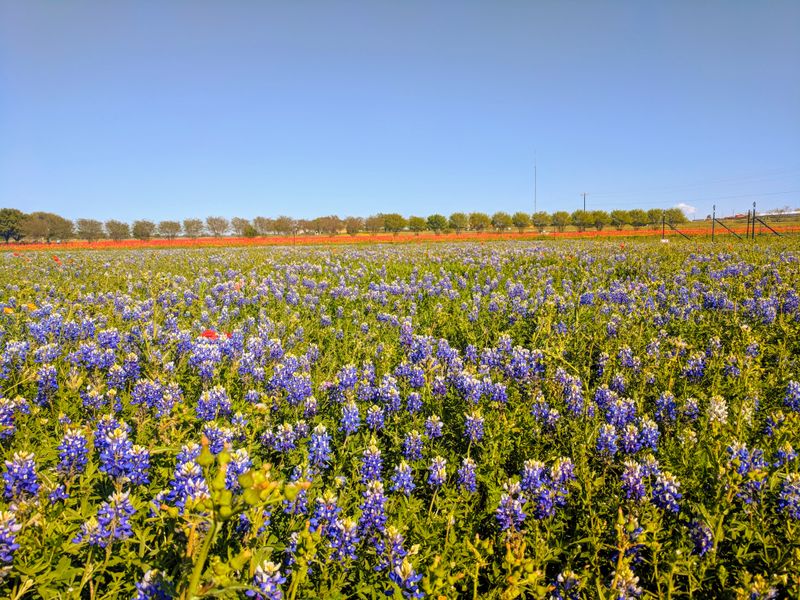
Sometimes the best wildflower viewing happens not at a specific destination but along the journey itself. These three highways form a network through the heart of Hill Country wildflower territory, and spring drives along them become moving galleries of natural beauty.
Each road has its own character and passes through slightly different landscapes.
Highway 16 runs north-south through the western Hill Country, passing through Kerrville and connecting to smaller ranch roads where wildflowers grow undisturbed. Highway 29 cuts east-west from Georgetown through Llano and Mason, following terrain that bluebonnets particularly love.
Highway 71 provides another east-west route with excellent displays between Austin and the Hill Country towns.
What I appreciate about highway wildflower viewing is the spontaneity it allows. You can pull over whenever you spot a particularly beautiful display, and the constantly changing scenery keeps the drive interesting.
Roadside parks and picnic areas provide safe places to stop, stretch your legs, and take photos. These highways also connect to countless smaller ranch roads where the real wildflower treasures often hide.
Mid-morning through early afternoon provides the best light for photography, though sunrise and sunset create dramatic golden-hour conditions. Just remember to pull completely off the pavement when stopping, watch for traffic, and never trespass on private property for a better view.
7. Big Bend National Park
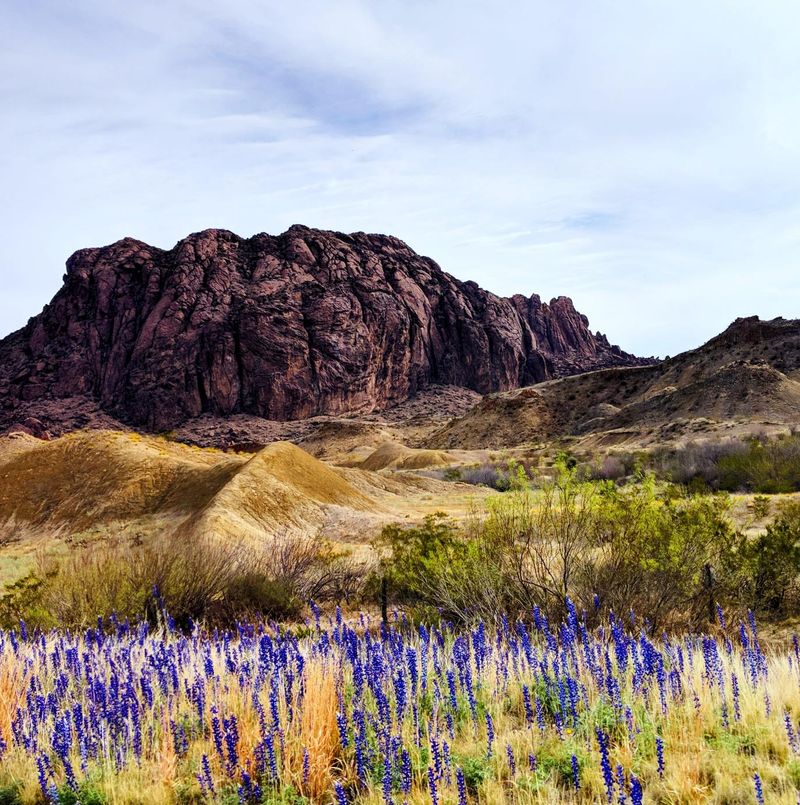
Big Bend proves that wildflowers are not just a Hill Country phenomenon. This massive national park in far West Texas hosts spectacular desert wildflower displays that look completely different from the bluebonnet fields farther east.
When conditions are right, the Chihuahuan Desert explodes with color in ways that surprise visitors expecting only cacti and rock.
Desert wildflowers bloom in response to winter and spring rains, and timing can be tricky to predict. Good rain years bring incredible displays of desert marigold, bluebonnets (yes, they grow here too), prickly poppies, and dozens of other species adapted to harsh conditions.
The flowers often appear more vivid against the stark desert landscape, and the mountain backdrop adds drama to every view.
Big Bend requires more planning than other wildflower destinations. The park is remote, services are limited, and distances are vast.
But the rewards match the effort. You can hike through flower-filled canyons, drive scenic roads where blooms carpet the desert floor, and experience wildflowers in a completely different ecosystem.
The park’s size means you can find solitude even during peak visitation. Spring temperatures are generally pleasant, though desert conditions can change quickly.
Bring plenty of water, sun protection, and a sense of adventure. The combination of wildflowers, mountains, and desert creates something truly unique.
8. Fort Davis, Marfa & Alpine
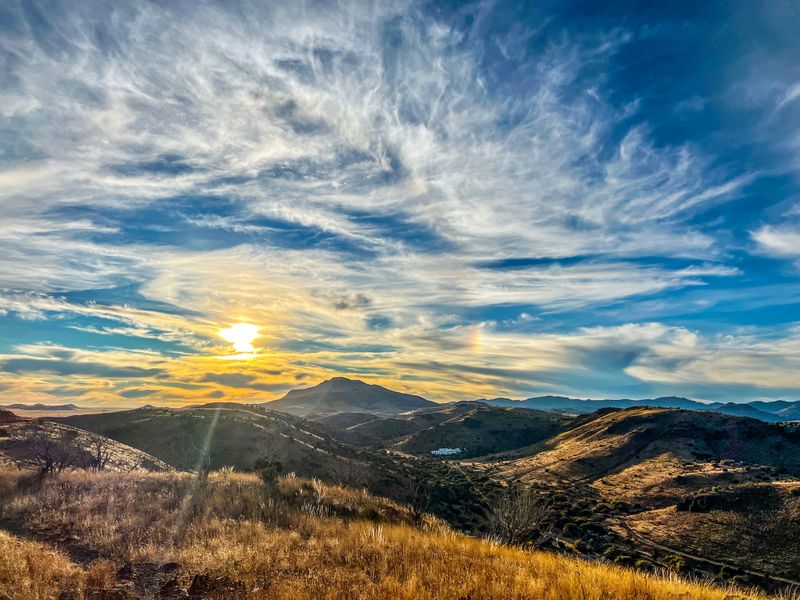
The Davis Mountains region of West Texas offers yet another variation on the wildflower theme. Higher elevations here create cooler conditions that support plant communities different from both the Hill Country and the lower desert.
Fort Davis, Marfa, and Alpine form a triangle of small towns surrounded by stunning mountain landscapes where wildflowers bloom in surprising abundance.
Elevation changes everything in this region. As you climb into the mountains, you encounter species that could not survive in hotter, lower areas.
The mix of desert and mountain plants creates unique combinations. Wildflowers here often bloom slightly later than in Central Texas, extending your wildflower-viewing season if you plan strategically.
These towns have developed strong artistic and cultural identities that add interest beyond the natural attractions. Fort Davis features historic sites and mountain views, Marfa has become an unexpected art destination, and Alpine serves as a gateway to the region.
Wildflower viewing here works best combined with exploration of the towns and surrounding mountains. Davis Mountains State Park provides accessible hiking trails through flower-filled terrain.
The scenic loop drive offers spectacular views with minimal effort. This area feels remote and peaceful, with big skies and long views that remind you just how vast Texas really is.
Spring weather at these elevations stays comfortable even as lower areas heat up.
9. Palo Duro Canyon
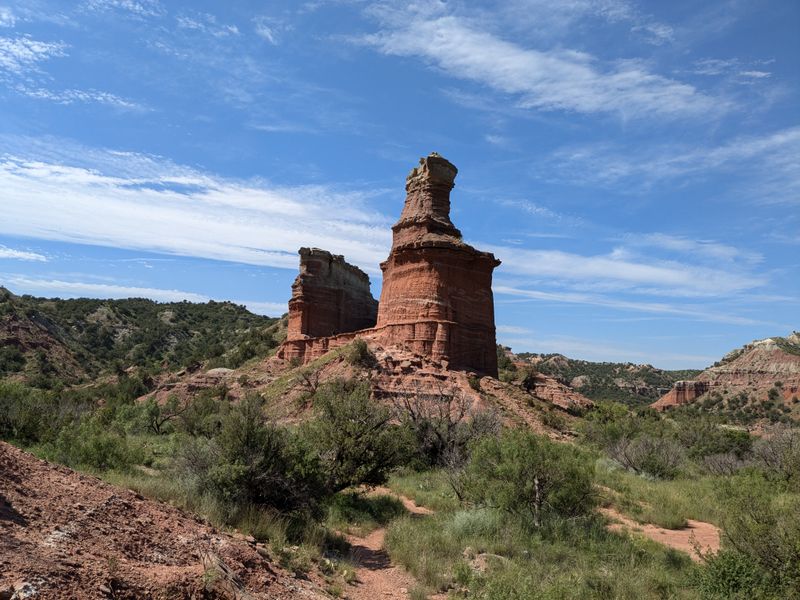
Way up in the Panhandle, Palo Duro Canyon surprises visitors with its dramatic beauty and unexpected wildflower displays. As the second-largest canyon system in the United States, Palo Duro offers scenery that feels more like the Southwest than what most people picture when they think of Texas.
Wildflowers add seasonal color to an already spectacular landscape.
The canyon’s varied terrain creates numerous microclimates where different wildflower species thrive. The canyon floor, the slopes, and the rim each support distinct plant communities.
Spring rains bring blooms that soften the rugged landscape with splashes of yellow, purple, red, and white. Hiking trails wind through areas where wildflowers grow thick, and the contrast between delicate blooms and massive rock formations creates memorable images.
Palo Duro Canyon State Park provides the main access to this area, with camping, hiking, and scenic drives available. The canyon is deep enough that temperatures at the bottom can differ significantly from the rim, so layers help.
Wildflower timing here runs slightly later than in southern parts of the state, typically peaking in late April through May. The park sees far fewer visitors than it deserves, meaning you can often explore in relative peace.
Sunrise and sunset paint the canyon walls in changing colors that combine beautifully with foreground wildflowers. This destination requires a longer drive for most Texans, but it offers a completely different landscape and a sense of discovery.
10. Highway 290 (Fredericksburg to Johnson City)
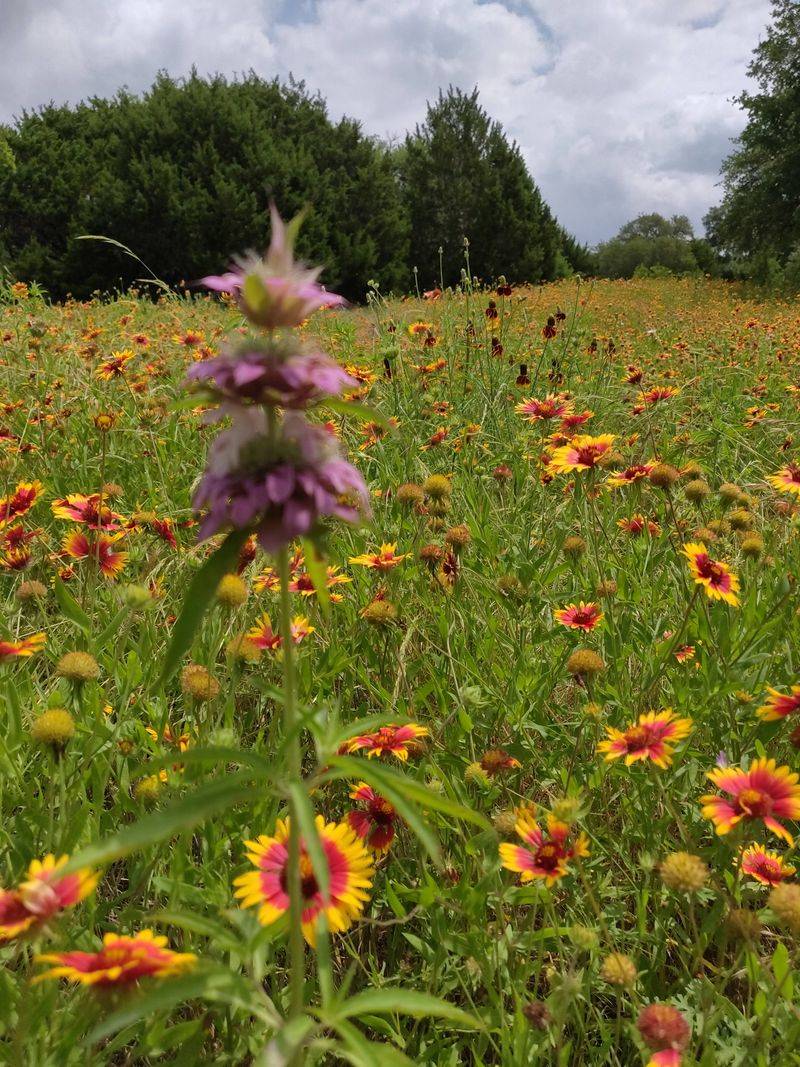
This stretch of Highway 290 has achieved legendary status among wildflower enthusiasts. The roughly 50-mile drive between Fredericksburg and Johnson City passes through prime bluebonnet territory, and in peak years, the displays can stop traffic.
Literally. People pull over constantly to photograph the flowers, creating a slow-moving parade of wildflower admirers.
What makes this route special is the consistency. Year after year, this corridor delivers impressive displays.
The combination of soil type, terrain, and climate creates ideal conditions. Bluebonnets dominate, but Indian paintbrush, pink evening primrose, and other species add variety.
The road winds gently through ranch country where flower-covered hills roll toward distant horizons.
Fredericksburg itself is worth exploring, with German heritage, unique shops, and excellent food. Johnson City offers presidential history at the Lyndon B.
Johnson National Historical Park. But during wildflower season, the road between them becomes the main attraction.
Weekends bring crowds, so weekday drives offer a more relaxed experience. Early morning light creates the best conditions for photography, with softer shadows and richer colors.
The route is well-maintained and easy to drive, with multiple safe pull-offs for viewing and photos. This is Hill Country wildflower viewing at its most accessible and reliable, perfect for first-timers or anyone who wants guaranteed beauty without extensive planning.
Dear Reader: This page may contain affiliate links which may earn a commission if you click through and make a purchase. Our independent journalism is not influenced by any advertiser or commercial initiative unless it is clearly marked as sponsored content. As travel products change, please be sure to reconfirm all details and stay up to date with current events to ensure a safe and successful trip.
