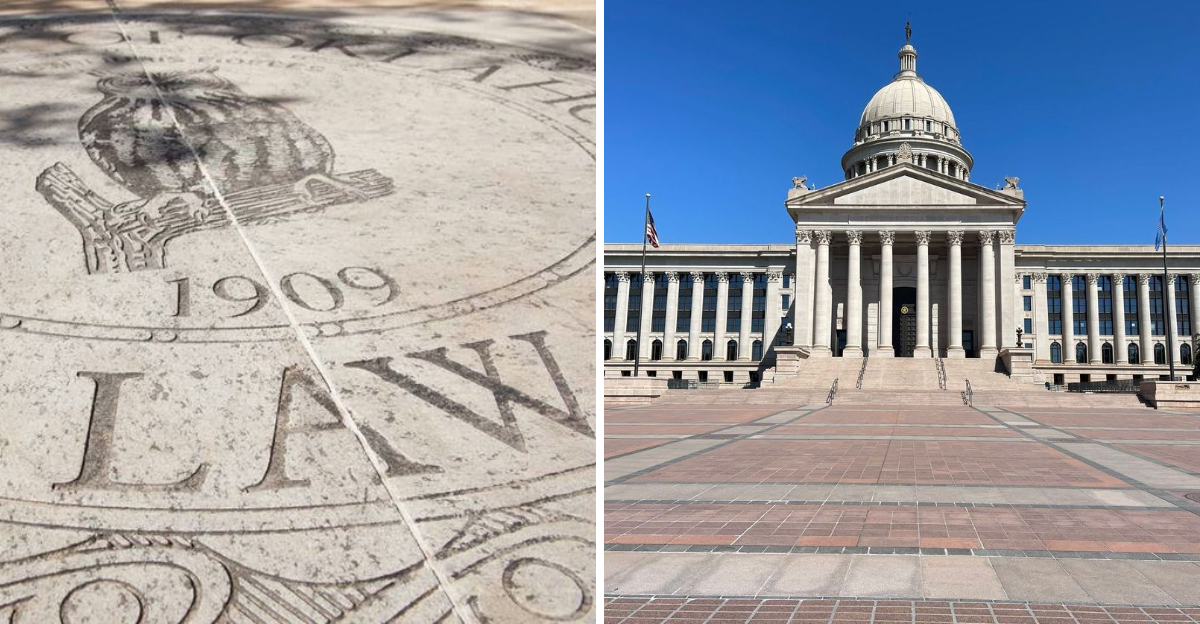
Some laws are so bizarre you have to double-check they’re real. In Oklahoma, one makes visitors scratch their heads and locals chuckle: wrestling a bear for sport is strictly off-limits.
Yes, really. At some point in history, someone thought it was a good idea to grapple with a massive, clawed animal for entertainment, and lawmakers had to step in and say, “Nope, not happening.”
Now, this quirky piece of legislation stands as a reminder of wilder times and leaves everyone wondering just how it ever came to be.
Buckle up as we explore the bizarre backstory, the reasons behind it, and why Oklahoma still holds onto this head-scratching rule today.
The Law That Started It All
Picture this: rowdy crowds, a makeshift ring, and a confused bear being forced to fight humans for entertainment. Sounds like a bad movie plot, right?
Well, in Oklahoma’s past, bear wrestling was an actual attraction that drew spectators eager for thrills. Promoters would bring captive bears to bars, fairs, and traveling shows, pitting them against brave or foolish volunteers.
The spectacle was loud, dangerous, and wildly popular among certain crowds looking for unconventional fun.
Animal welfare wasn’t a hot topic back then, and these bears endured terrible conditions. They were declawed, muzzled, and often drugged to make them less dangerous, but the cruelty was undeniable.
People started to question whether this kind of entertainment had any place in a civilized society. Activists and concerned citizens pushed lawmakers to take action, arguing that forcing animals into combat for laughs was both inhumane and reckless.
In 1996, Oklahoma officially banned bear wrestling, making it illegal to promote, engage in, or even attend such events. The law put an end to a bizarre chapter in the state’s history and sent a clear message: entertainment should never come at the expense of animal suffering.
Today, the statute remains on the books, a quirky reminder of how far society has come in protecting wildlife.
Why Bear Wrestling Was Ever a Thing
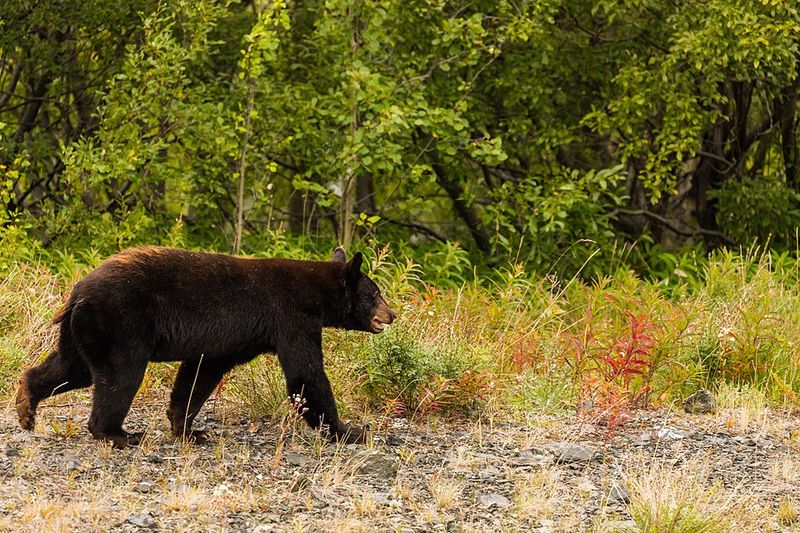
Hard to believe, but bear wrestling wasn’t just an Oklahoma oddity. Across America during the early and mid-1900s, traveling shows and roadside attractions featured all sorts of wild animal acts.
Bears were especially popular because they could be trained to stand upright, making them look almost human. Promoters capitalized on this, marketing bear wrestling as a test of strength and bravery.
Men would pay to step into the ring, hoping to prove their toughness against a creature several times their size.
The appeal was rooted in spectacle and machismo. Audiences loved the drama, the danger, and the unpredictability of watching someone square off against a wild animal.
Bars and honky-tonks hosted these matches to draw crowds and boost sales. Winners earned bragging rights, and losers walked away with bruises and wild stories.
It was rough, rowdy, and perfectly aligned with the frontier mentality that still lingered in many rural communities.
But underneath the excitement was a grim reality. Bears were mistreated, kept in cramped cages, and subjected to harsh training methods.
Many suffered injuries, malnutrition, and psychological trauma. As awareness grew, so did opposition.
Oklahoma eventually recognized that the entertainment value didn’t justify the harm, leading to the ban that now protects these magnificent animals from exploitation.
What spectators saw in the ring was only part of the story. Behind the scenes, bears used in wrestling matches lived miserable lives.
Trainers often resorted to cruel methods to make the animals compliant, including starvation, physical abuse, and sedation. Declawing and tooth removal were common practices, stripping bears of their natural defenses and leaving them vulnerable and in pain.
These modifications made the matches safer for humans but inflicted lasting harm on the animals.
Bears are intelligent, social creatures that thrive in the wild, where they roam vast territories and engage in complex behaviors. Captivity alone is stressful, but forced participation in wrestling matches added layers of trauma.
Many bears exhibited signs of distress, including repetitive behaviors, aggression, and depression. Veterinary care was minimal or nonexistent, and injuries went untreated.
The animals were commodities, valued only for their ability to draw a crowd.
Animal rights groups began documenting these abuses, bringing public attention to the dark side of bear wrestling. Photographs and testimonies revealed the suffering endured by these animals, sparking outrage and calls for reform.
Oklahoma’s decision to ban the practice was a significant victory for animal welfare advocates, setting a precedent for other states to follow. Today, the law stands as a testament to the importance of compassion and ethical treatment of all living beings.
How the Ban Came to Be
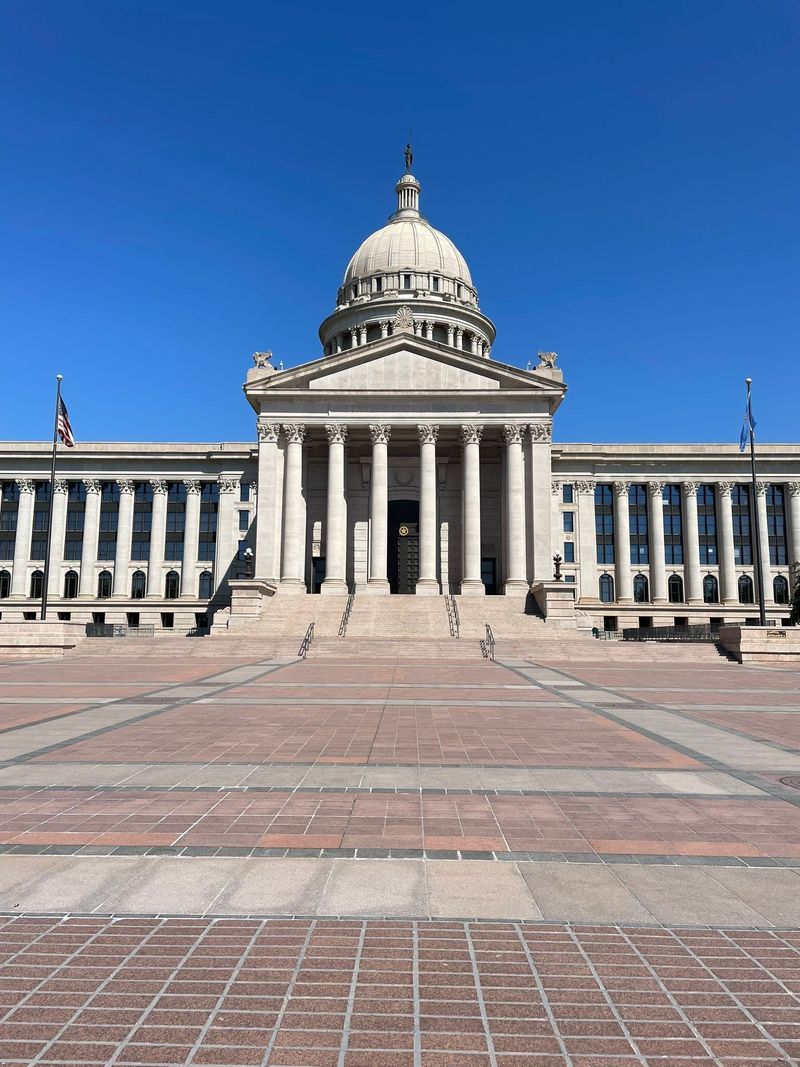
Oklahoma’s bear wrestling ban didn’t happen overnight. It was the result of years of advocacy, public pressure, and legislative effort.
Animal welfare organizations like the Humane Society played a crucial role, gathering evidence of abuse and educating the public about the realities of bear wrestling. They organized campaigns, lobbied lawmakers, and worked tirelessly to shift public opinion.
Slowly but surely, the tide began to turn.
In the early 1990s, several high-profile incidents brought renewed attention to the issue. Reports of injured bears, unsafe conditions, and even attacks on handlers made headlines.
Lawmakers faced mounting pressure to act, and proposals for a ban gained traction in the state legislature. Supporters argued that Oklahoma had a moral obligation to protect animals from unnecessary suffering, while opponents claimed the ban infringed on personal freedom and tradition.
After heated debates and compromises, the Oklahoma Legislature passed the bear wrestling ban in 1996. Governor Frank Keating signed it into law, making Oklahoma one of the few states to explicitly prohibit the practice.
The law imposed penalties on anyone who organized, participated in, or attended bear wrestling events. It was a landmark moment for animal rights in Oklahoma, reflecting a broader cultural shift toward recognizing the intrinsic value of wildlife and the need for humane treatment.
Oklahoma’s bear wrestling ban isn’t the only quirky animal-related law on the books. The state has a colorful collection of statutes that leave people amused and bewildered.
For instance, it’s illegal to have a sleeping donkey in your bathtub after 7 p.m. Nobody knows exactly why this law exists, but it’s become a favorite fun fact among locals and tourists alike.
Maybe someone once had a very unusual houseguest situation that got out of hand.
Another oddity: you can’t take a bite out of another person’s hamburger in Oklahoma. While this law isn’t animal-specific, it does involve food, and it’s just as strange.
Then there’s the rule about whaling being illegal, which is particularly amusing given that Oklahoma is a landlocked state with no ocean access. These laws often stem from outdated concerns or bizarre historical incidents that no longer apply but remain in the legal code because nobody bothered to remove them.
Strange laws like these give Oklahoma character and spark curiosity. They remind us that legal systems evolve over time, reflecting the values, fears, and eccentricities of different eras.
While some laws serve important purposes, others are simply relics of the past, preserved as quirky footnotes in the state’s legal history. The bear wrestling ban, however, stands out because it addresses a real issue and continues to protect animals today.
What Happens If You Break the Law
So what happens if someone decides to ignore Oklahoma’s bear wrestling ban and host a match anyway? The consequences are serious.
Violators can face hefty fines, criminal charges, and even jail time. The law targets not just the organizers and participants but also anyone who attends such an event.
This comprehensive approach ensures that there’s no market for bear wrestling, cutting off demand at every level.
Law enforcement takes the ban seriously, and authorities are quick to investigate reports of illegal animal fighting or exploitation. Animal control officers, wildlife officials, and local police work together to shut down any attempts to revive the practice.
Convicted offenders may also face additional penalties related to animal cruelty laws, which carry their own set of consequences. The state has made it clear: bear wrestling is not a gray area, and there’s zero tolerance for violations.
Beyond legal penalties, violators face public backlash. In today’s world, where social media amplifies news quickly, anyone caught organizing or participating in bear wrestling would likely face widespread condemnation.
The reputational damage alone serves as a powerful deterrent. Oklahoma’s firm stance on this issue reflects a commitment to animal welfare and sends a message that some forms of entertainment are simply unacceptable, no matter how much money or attention they might generate.
Thanks to laws like Oklahoma’s bear wrestling ban, bears across the United States enjoy far greater protections than they did decades ago. Wildlife agencies monitor bear populations, enforce anti-poaching laws, and work to preserve natural habitats.
Conservation efforts focus on ensuring that bears can live freely in the wild, where they belong. Organizations dedicated to animal welfare also run sanctuaries that provide safe havens for bears rescued from abusive situations.
In Oklahoma, black bears have made a remarkable comeback after being nearly eradicated in the early 20th century. Reintroduction programs, habitat restoration, and strict hunting regulations have helped the population recover.
Today, black bears roam the forests of eastern Oklahoma, thriving in protected areas and coexisting with human communities. Spotting a bear in the wild is a rare and exciting experience, a testament to successful conservation efforts.
Education plays a key role in protecting bears. Wildlife agencies teach the public about bear behavior, how to avoid conflicts, and the importance of respecting these animals from a safe distance.
Schools, nature centers, and online resources spread awareness about the challenges bears face and how people can help.
Oklahoma’s commitment to bear conservation reflects a broader understanding that wildlife deserves protection and that humans have a responsibility to be good stewards of the natural world.
Visitor Reactions to the Law
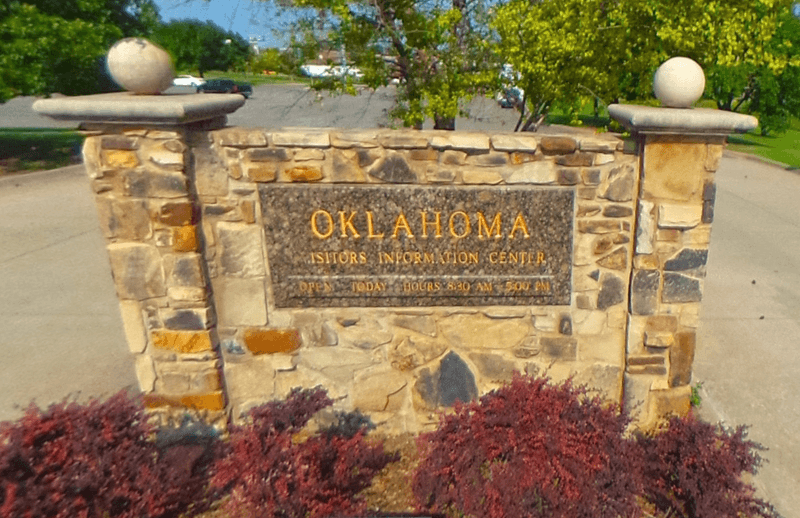
When tourists learn about Oklahoma’s bear wrestling ban, reactions range from disbelief to amusement. Many can’t believe such a law was ever necessary, while others find it hilarious that something so outrageous had to be officially prohibited.
It’s become a popular talking point, a quirky fact that makes Oklahoma memorable. Visitors often ask locals about it, sparking conversations about the state’s colorful history and unique character.
Tour guides and museum curators sometimes share stories about the bear wrestling era, adding context and humor to the tale. It’s a great icebreaker and a way to engage visitors with Oklahoma’s past.
Some people even seek out historical markers or exhibits related to the law, hoping to learn more about how it came to be. The ban has become part of Oklahoma’s cultural identity, a symbol of the state’s willingness to embrace its quirks and learn from its mistakes.
Social media has amplified interest in the law, with posts and memes celebrating its absurdity. Visitors snap photos at Oklahoma landmarks and caption them with jokes about bear wrestling, spreading awareness and curiosity.
The law has become a source of pride for many Oklahomans, who appreciate that their state took a stand for animal welfare, even if the circumstances were unusual. It’s proof that sometimes the strangest laws have the most interesting stories behind them.
Oklahoma’s bear wrestling ban offers valuable lessons about society’s evolving relationship with animals. It shows that laws can change to reflect new understandings of ethics and compassion.
What was once considered acceptable entertainment is now recognized as cruel and unnecessary. The ban demonstrates that progress is possible when people speak up, demand change, and hold lawmakers accountable.
The story also highlights the importance of questioning traditions. Just because something has always been done a certain way doesn’t mean it should continue.
Bear wrestling was deeply rooted in certain communities, but that didn’t make it right. Challenging harmful practices, even when they’re popular or profitable, is essential for creating a more humane society.
Oklahoma’s willingness to confront this issue head-on set an example for other states and communities.
Finally, the ban reminds us that animals deserve respect and protection. They’re not props or commodities to be exploited for human amusement.
Recognizing their intrinsic value and ensuring their welfare is a mark of a civilized society. Oklahoma’s bear wrestling ban may seem like a quirky footnote, but it represents a significant shift in how we think about animals and our responsibilities toward them.
It’s a legacy worth celebrating and a reminder that even small laws can have big impacts.
Why the Law Still Matters Today
You might wonder why Oklahoma keeps the bear wrestling ban on the books if the practice is long gone. The answer is simple: the law serves as a safeguard and a statement.
It ensures that no one can legally revive bear wrestling, no matter how much money or attention it might generate. The ban also signals Oklahoma’s commitment to animal welfare and ethical treatment of wildlife, values that remain important today.
Beyond its practical purpose, the law has symbolic value. It reminds Oklahomans and visitors alike that society must continually evaluate its practices and make changes when necessary.
The bear wrestling ban is a testament to the power of advocacy and the importance of standing up for those who can’t speak for themselves. It’s a piece of living history that connects the past to the present.
In a world where animal exploitation still exists in various forms, Oklahoma’s law serves as an example. It shows that change is possible and that laws can be tools for justice and compassion.
The ban may seem quirky, but it addresses a real issue and continues to protect bears from harm. It’s a reminder that every law has a story, and sometimes the strangest ones carry the most important lessons.
Oklahoma’s bear wrestling ban is more than just a legal oddity; it’s a symbol of progress and a commitment to doing better.
Dear Reader: This page may contain affiliate links which may earn a commission if you click through and make a purchase. Our independent journalism is not influenced by any advertiser or commercial initiative unless it is clearly marked as sponsored content. As travel products change, please be sure to reconfirm all details and stay up to date with current events to ensure a safe and successful trip.
