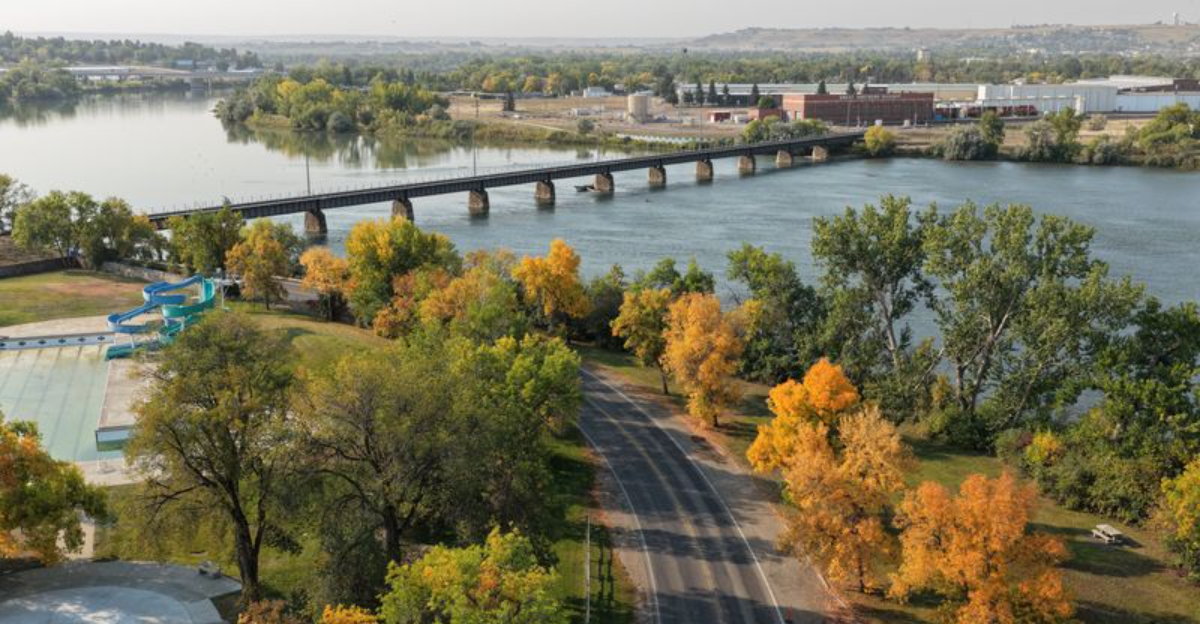
Great Falls keeps surprising travelers who think Montana is only about mountains and ranch roads.
You find a riverside city that mixes art, history, and trail time in a way that feels welcoming and easy to enjoy.
Locals call it practical and proud, which sounds quiet until you step into a gallery or onto a bluff and feel the place wake up.
You can build a weekend here without rushing, yet never run out of conversation starters.
Start with the river, follow the museums, and meet the makers who keep the energy grounded and real.
The Missouri River and the River’s Edge Trail
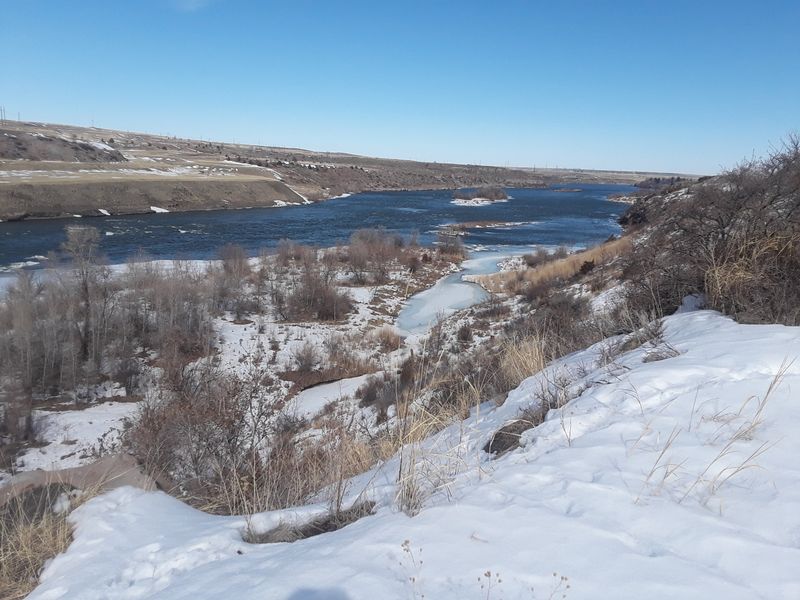
You meet Great Falls best where the Missouri River bends and the River’s Edge Trail spills out mile after easy mile.
The path feels like a moving front row seat, with cottonwoods casting shade and benches offering long looks across silver water.
Cyclists glide by, runners find rhythm, and you can keep pace at your own calm speed.
The trail links viewpoints to small parks, so you can stitch short segments or push a full day without leaving town.
Look for interpretive signs that map out geology, wildlife, and the Lewis and Clark story that shaped this stretch of Montana.
Spring brings songbirds and quick flashes of color, while fall turns the banks warm with gold and rust.
Winter is quiet and crisp, and clear days make the river read like glass under a clean blue sky.
You can pause at Black Eagle Falls and feel the rumble rise through the railings.
Even in town the water sets a slower clock, so coffee breaks last longer and conversations lean toward plans for the next bend.
Trailheads are frequent and well signed, which lowers the planning burden for first time visitors.
Bring layers because the breeze carries across open spans even on mild afternoons.
The surfaces are mixed, with paved sections easing strollers and gravel parts favoring wider tires.
You will see families, solo wanderers, and anglers moving in parallel without crowding the path.
Sunsets are generous here, and the reflections throw a second sky beneath your feet.
It is the simple invitation that Montana does well, asking you to walk a little farther and look a little longer.
C.M. Russell Museum, Western art with a living pulse
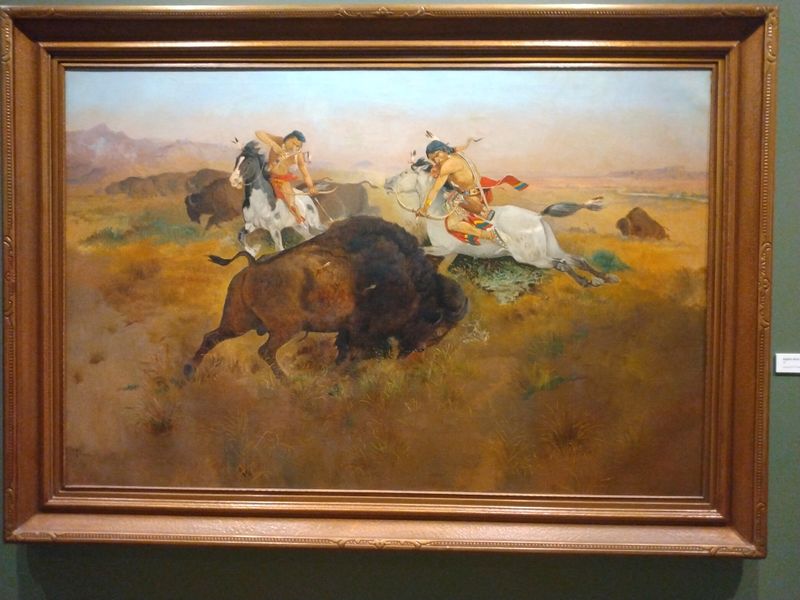
Western art can feel like a postcard until you enter the C.M. Russell Museum and watch brushstrokes turn into lived places.
Here you stand close to canvases that catch light off snow, dust, and water with a detail that feels patient and sure.
The museum also preserves the artist studio, so you see tools and sketches that shaped the myth and the morning routine.
Galleries mix paintings, bronzes, and archives, inviting you to follow themes across seasons and stories.
Labels keep explanations clear without slowing your pace, which helps families and casual fans stay engaged.
You notice how Montana landscapes anchor the work even when subjects roam wide across the West.
Staff handle questions with warmth, and tours add context that sharpens the timeline of Russell’s life.
Rotating exhibitions bring in contemporary voices that complicate and deepen the classic scenes.
The museum store focuses on books, prints, and regional crafts, making gifts feel connected to place.
Photography rules are posted, so you can plan respectful shots of spaces rather than delicate works.
Seating islands make it easy to rest and look longer at a single piece without feeling rushed.
Kids find a foothold in the storytelling, from trail tales to studio puzzles that show process.
The building’s layout keeps navigation simple, looping you back without losing track of galleries.
If you time your visit right, community events add music or talks that keep the art in conversation.
Everything here tells you the past still moves, and the brush keeps teaching how color carries memory.
You leave with new eyes for the river light outside and a sense that Great Falls paints quietly in real time.
Giant Springs State Park, clarity at the edge of town
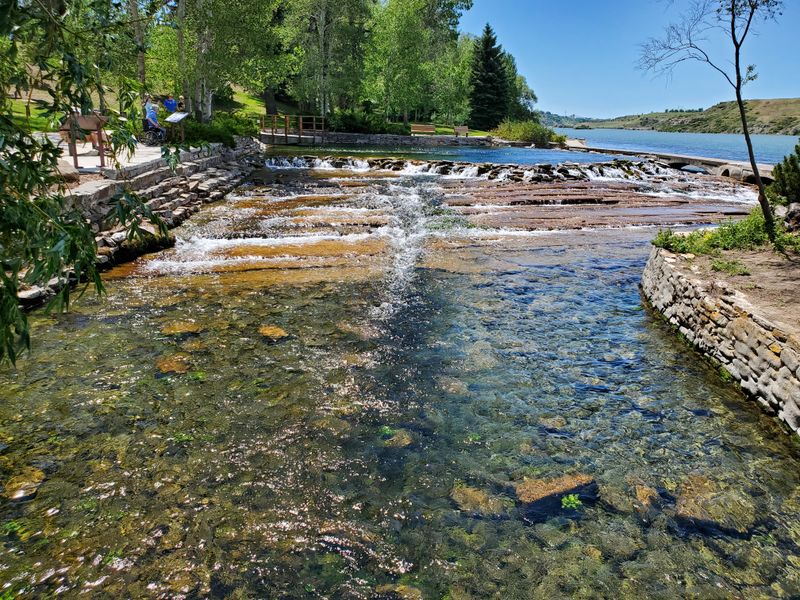
Giant Springs is the kind of water you remember, clear as glass and steady in every season.
You lean over a railing and watch bubbles rise through limestone like a quiet engine under the surface.
The constant flow feeds the Roe River, once billed as one of the world’s shortest rivers, and it meets the Missouri fast and cool.
Boardwalks and paths trace easy loops, so strollers and steady walkers share space without stress.
The fish hatchery adds a behind the scenes look at trout, with raceways that bring the process into public view.
You can sit by the springs and let the sound soften travel noise into a low hush.
Picnic shelters offer shade on hot afternoons, and winter light turns the pools sapphire under pale skies.
Wildlife skims the edges, from ducks to occasional deer that slip out of cover near sunset.
Interpretive panels keep the science friendly, which helps kids understand aquifers and flow.
The park feels woven into Great Falls daily life, because locals return for short walks and longer breaths.
You can pair a visit with the nearby Lewis and Clark center and link history with fresh water right away.
Bring a camera for reflections, but step softly along edges that protect fragile plants.
The air smells clean and mineral bright, which makes even quick stops feel restorative.
Montana shows a quieter face here, with movement measured in ripples rather than miles.
It is a place that proves simple scenes can hold depth for as long as you stand still.
You leave steadier, with the spring light pooling in your memory like a small blue promise.
Lewis and Clark Interpretive Center, story on the bluffs
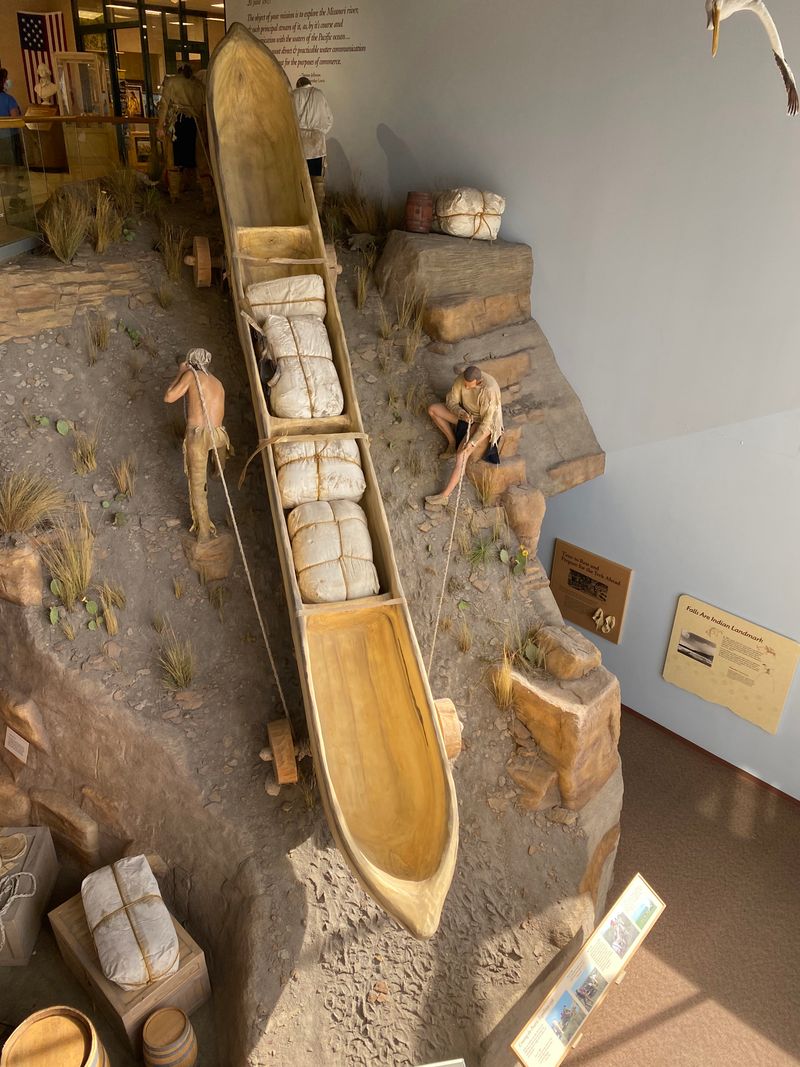
The Lewis and Clark National Historic Trail Interpretive Center pulls you into the expedition with rooms that feel like moving maps.
Exhibits connect the portage around the falls to decisions, risks, and small moments that made the journey human.
You walk from river level context into bluff top views that frame the route in real landscape scale.
Dioramas and primary source quotes keep the narrative grounded and avoid turning explorers into statues.
Rangers and volunteers answer questions with detail and care, which anchors big history in clear facts.
Hands on pieces let kids test gear weight and understand what a portage actually demanded day by day.
Seasonal programs add depth, from guided walks to talks that address tribal perspectives and place names.
Windows act like quiet theater screens, showing weather drift across bends the expedition once measured.
You feel the timeline tighten when you see how close the river runs to the galleries themselves.
The center works well as a second stop after Giant Springs, since the sites speak to each other.
Everything is paced for patience, so you can read slowly or skim and still leave with shape and meaning.
The gift shop favors maps and books that extend curiosity rather than just collect dust.
Montana history here is layered with water, distance, and decisions that shaped routes across the West.
Benches give your feet a break and your mind a moment to connect threads between exhibits.
You step outside ready to notice details along the river that you missed on the way in.
The center proves that careful interpretation can make old trails feel present and personal again.
Paris Gibson Square Museum of Art, contemporary voices in a landmark
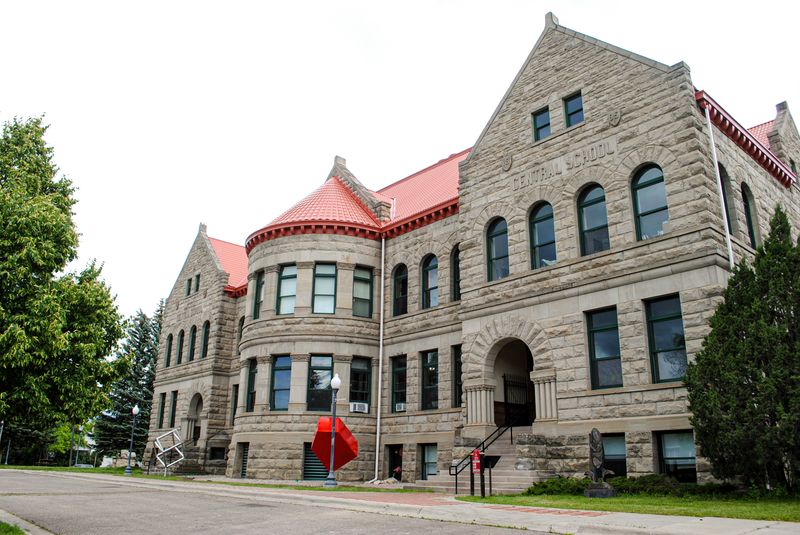
Paris Gibson Square Museum of Art gives contemporary work a home inside a stately Romanesque building that still feels intimate.
You climb steps and find bright galleries that balance history outside with fresh voices inside.
Rotating shows bring regional and national artists into conversation with the Montana landscape and its communities.
Installations shift the mood from room to room, so you move slowly and let each space set its own tempo.
Education programs and maker spaces invite you to try ideas with your hands rather than just your eyes.
The building itself is worth time, with thick walls, arches, and a sense of care in the restoration.
Staff keep the tone welcoming, which makes contemporary art approachable for kids and first timers.
Benches and clean sightlines encourage longer looks, and labels explain without slipping into jargon.
Public art on the lawn adds another layer, turning the grounds into a gentle prelude to the galleries.
Events often fold in music or talks, which helps new perspectives stick beyond the afternoon.
The museum connects to the wider creative scene that threads through studios and classrooms in Great Falls.
You leave with a sharpened sense that Montana art is not only about old trails but about ideas moving forward.
The mix of past and present feels balanced, never heavy, which keeps repeat visits interesting.
Photography of spaces is usually fine, and you can frame the architecture without crowding other visitors.
It is the kind of stop that brightens a rainy day and deepens a sunny one with equal ease.
You step back outside seeing line and color in the street grid like a quiet open gallery.
The Great Falls themselves, hydro history and viewpoint hopping
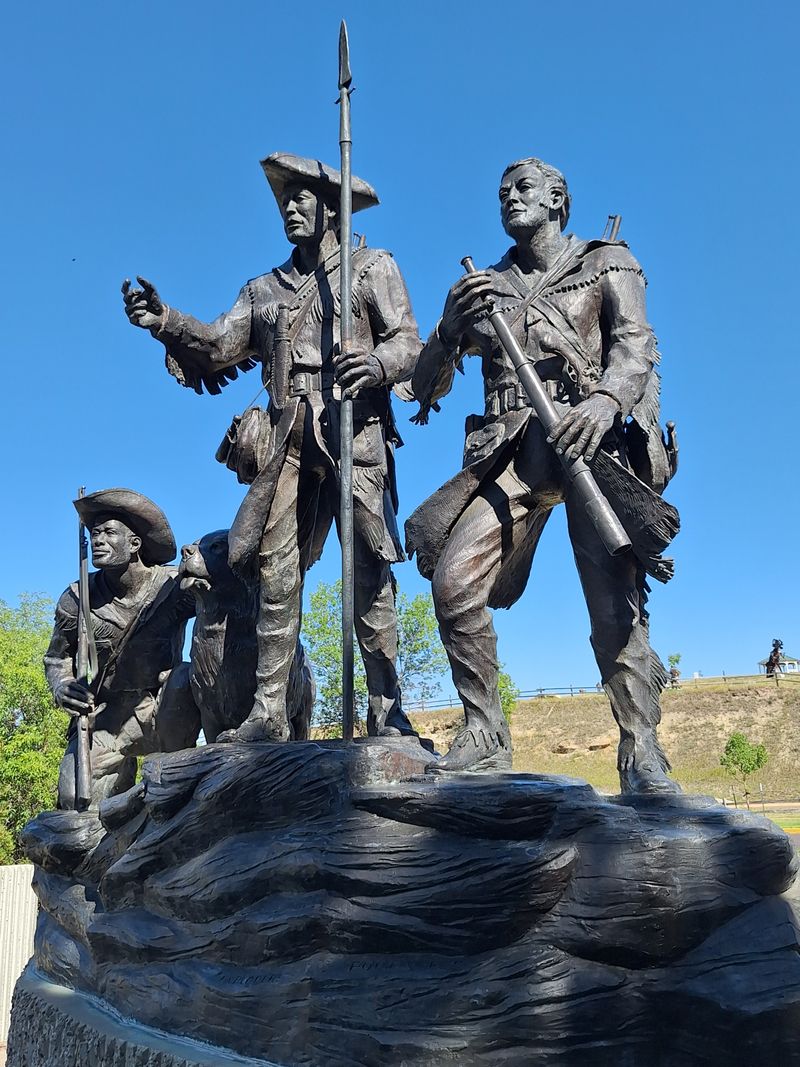
The name makes sense once you stand at an overlook and watch the Missouri River split and tumble across the series of falls.
Black Eagle, Rainbow, Crooked, and the rest tell a story of water power, geology, and changing industry around town.
Modern dams share the scene with natural shelves, and the mix gives the views a layered texture.
You can hop between viewpoints to compare angles, flow, and the steady thrum that settles into your bones.
Spring runoff raises the drama with wider sheets and quicker sound that fills the air.
Low water reveals rock detail and shows how channels carve and reconnect across seasons.
Interpretive signs keep history in reach, from early uses to current stewardship of flow and fish.
Photographers can work with light across morning cools and evening warmth that keys up color.
The overlooks feel accessible for short visits, which makes them easy to add between museum stops.
Locals recommend patience here, because a few extra minutes often change wind, light, and mood.
You can trace the expedition portage story in real scale as you look along bluffs and breaks.
Bring a light jacket, since wind funnels through cut banks even on calm forecasts.
The soundscape varies as you move, shifting from roar to whisper as channels merge and separate.
It is a lesson in how energy gets shaped, both natural and guided by generations of work.
Great Falls wears its name honestly, and the water keeps writing it every hour of every day.
You leave with a pocket full of echoes, ready to follow the river trail back toward town lights.
Downtown Great Falls, murals, makers, and easy pacing
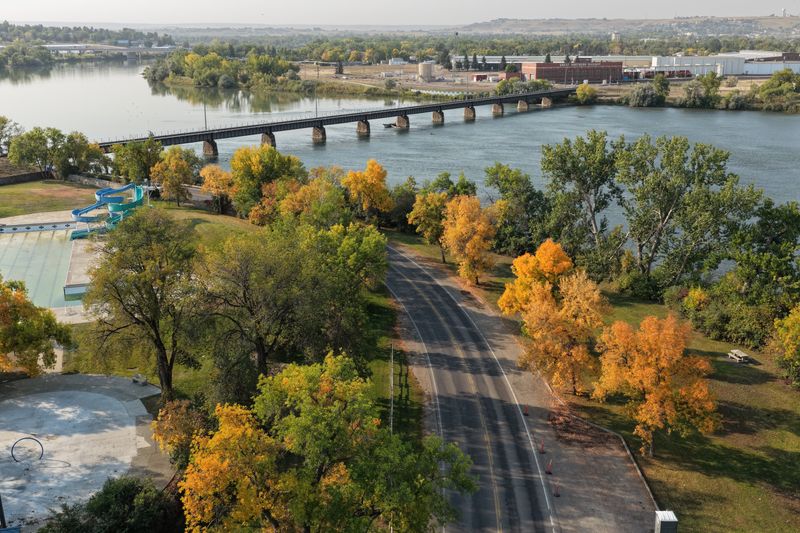
Downtown Great Falls moves at a friendly cadence that invites you to wander without checking your watch.
Murals brighten brick walls and turn quiet corners into small galleries that shift with the light.
Local shops lean toward practical goods and handmade pieces that travel well in a backpack or carry on.
Studios open for special events and show evenings where artists share process alongside finished work.
Small theaters and performance spaces add live energy to blocks that feel safe and walkable.
You notice how the grid gives you choices, from quiet side streets to busier storefront stretches.
Public benches make it easy to pause and people watch between galleries and gear stores.
Windows carry a sense of pride in craft, whether it is leather, wood, or print on paper.
Seasonal markets fill plazas with makers who know repeat customers by name and story.
Parking tends to be straightforward, which drops the stress level and keeps the pace relaxed.
Wayfinding signs help newcomers link key spots without backtracking or missing a block.
Montana hospitality shows up as direct hellos and useful recommendations that feel genuine.
Even on cold days you find pockets of activity where conversations hold the chill at bay.
Art walks weave everything together and give you a simple reason to keep moving.
The district does not overcomplicate itself, which leaves space for small surprises to stand out.
You end up with a short list of places to revisit and a longer list you promise to try next time.
First Peoples Buffalo Jump State Park, short drive big horizons
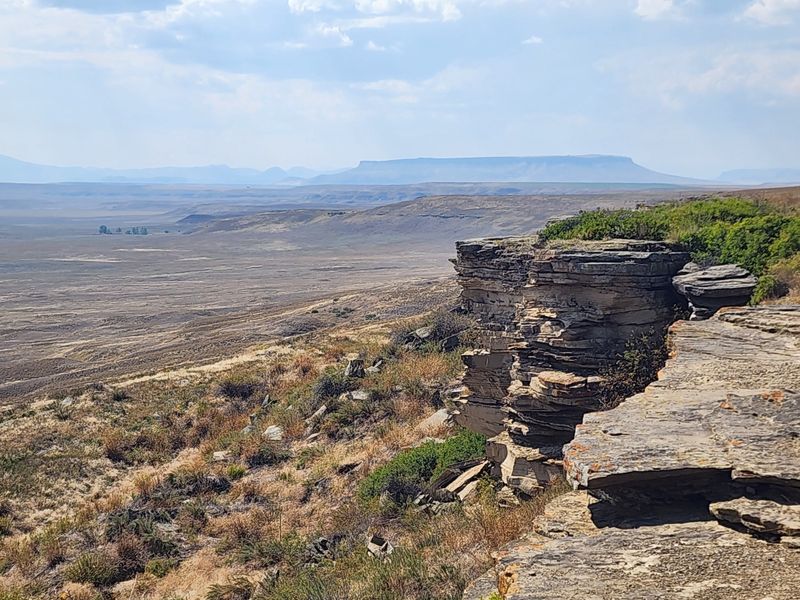
A short drive from town brings you to a prairie edge where stories stretch farther than the horizon.
First Peoples Buffalo Jump State Park preserves a sandstone cliff used for communal hunts by Indigenous peoples.
The interpretive center explains technique, tradition, and respect that shaped the site for generations.
Trails lead to rim views where wind writes steady lines across grass and stone.
You will find a quiet that carries weight, and signs ask for care as you walk.
Rangers add nuance to timelines and emphasize ongoing connections to tribal communities today.
The landscape is open, so sun and weather matter more than in town along the river.
Sturdy shoes and water make the visit smoother, especially on warm afternoons.
Photographers love the clean horizon and the way clouds stage slow drama over the plains.
You learn how cooperation and skill shaped survival long before new names marked the map.
The site ties closely to the Great Falls region, adding depth to museum stories back in the city.
Montana scale shows up here as distance you can feel with every step.
Respectful exploration keeps the focus on history and the fragile ground underfoot.
Birds lift and settle along the rim, and their calls layer into the wind.
You head back grateful for context that makes modern streets feel newly rooted.
The jump remains quiet, but the lessons travel with you all the way into town.
Waking up with a view at The Gibson, Tapestry Collection
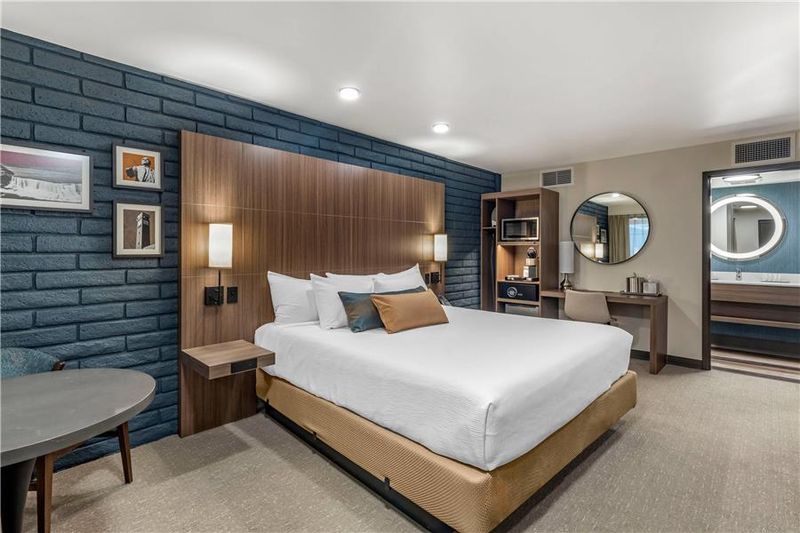
A comfortable base changes a trip, and The Gibson makes that point with thoughtful design and calm rooms.
The lobby blends polished wood, soft light, and art that nods to the city without shouting.
Rooms read clean and restful, with windows that frame downtown and sky in balanced proportions.
You can settle into seating areas that invite planning and slow starts before heading to the river.
Service lands in that sweet spot where questions are answered quickly and with a smile.
The fitness space keeps routines on track, which helps when trails tempt you later in the day.
Parking is straightforward, and access to main streets puts museums a short drive or walk away.
Quiet hallways and solid soundproofing support real rest after busy days outside.
Design choices lean modern, but materials feel warm enough to keep edges soft.
You notice small touches like good lighting and easy outlets where you actually need them.
Common areas offer enough seating to read or map routes without feeling rushed.
Check in usually moves fast, which sets a relaxed tone for the stay.
Travelers compare notes here, swapping trail tips and favorite overlooks around Great Falls.
It is a strong pick if you plan to explore both art spaces and the river corridor.
You wake ready for another day in Montana, with the city unfolding at a friendly scale outside.
The hotel anchors you quietly while the rest of the trip takes the lead at your chosen pace.
Malstrom Air Force Base Museum and Air Park, aviation up close
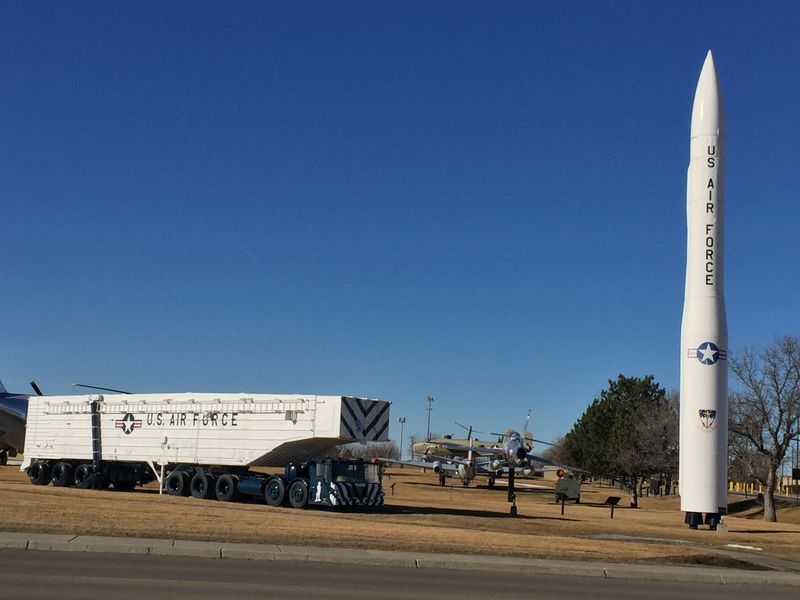
Aviation history sits outdoors here, where aircraft and missile displays stand at full scale against a big Montana sky.
The Malmstrom Air Force Base Museum and Air Park focuses on strategic air and missile heritage with clear interpretive panels.
Static displays allow close looks at engineering details that photos rarely capture.
You move between aircraft and exhibits that explain roles, timelines, and changes in technology.
Access protocols can change, so check current visitor requirements before you plan.
Staff and volunteers share stories that humanize hardware and connect machines to daily service life.
The outdoor layout makes weather a factor, and sun protection is smart on bright days.
Photographers should bring a wide lens to fit wings and tails into clean frames.
The museum adds a different layer to Great Falls history that pairs well with river and art stops.
Kids usually light up at the scale, and the open space helps families move comfortably.
You will leave with a clearer sense of how the base fits into regional and national history.
Exhibits avoid fluff and stick to specifics that reward slow reading.
Parking is usually easy, and signage keeps the visit smooth even for first timers.
It is a focused stop that broadens the city’s narrative beyond trails and galleries.
You walk out with jet shapes in your head and a new respect for the people behind the machines.
The sky feels even bigger when you step back through the gate and look toward the river again.
Sandwiches and sunlight at Morning Light Coffee Roasters
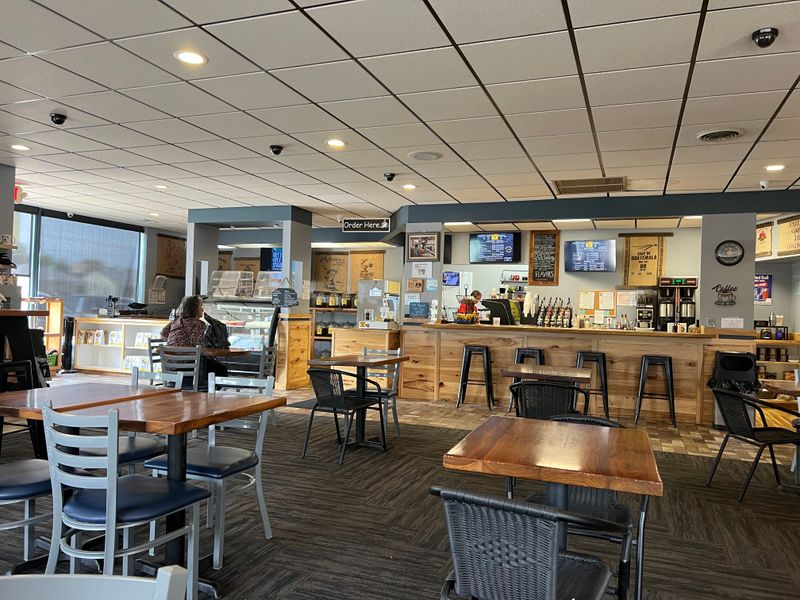
Morning Light Coffee Roasters gives you a bright corner to plan the day and shake off road miles.
Sunlight pours through big windows and warms a mix of tables and soft chairs that invite lingering.
Roasting gear in view adds a sense of craft and movement to the room.
There is a calm bustle that makes it easy to focus or chat without raising your voice.
The staff greet you with quick smiles and simple guidance on beans and blends.
Wi fi runs steady, and outlets are close enough to keep work sessions practical.
You can pair a seat with a view of the street and watch downtown move past.
The vibe suits early risers heading for trails and afternoon readers waiting out a rain burst.
Music sits low in the mix and keeps the pace smooth from open to close.
This spot anchors a loop through galleries and small shops within easy walking distance.
If you meet friends here, the layout keeps conversations relaxed and unrushed.
Great Falls shows its friendly side in the steady stream of regulars who wave on entry.
Montana weather reads well from these windows, so you can time your next stroll just right.
It is a simple pleasure that rounds out museum visits and river overlooks.
You step back outside ready for the next stop, feeling settled and awake.
The address is 1529 3rd St NW, Great Falls, Montana, 59404, which places you close to the river corridor.
Dear Reader: This page may contain affiliate links which may earn a commission if you click through and make a purchase. Our independent journalism is not influenced by any advertiser or commercial initiative unless it is clearly marked as sponsored content. As travel products change, please be sure to reconfirm all details and stay up to date with current events to ensure a safe and successful trip.
