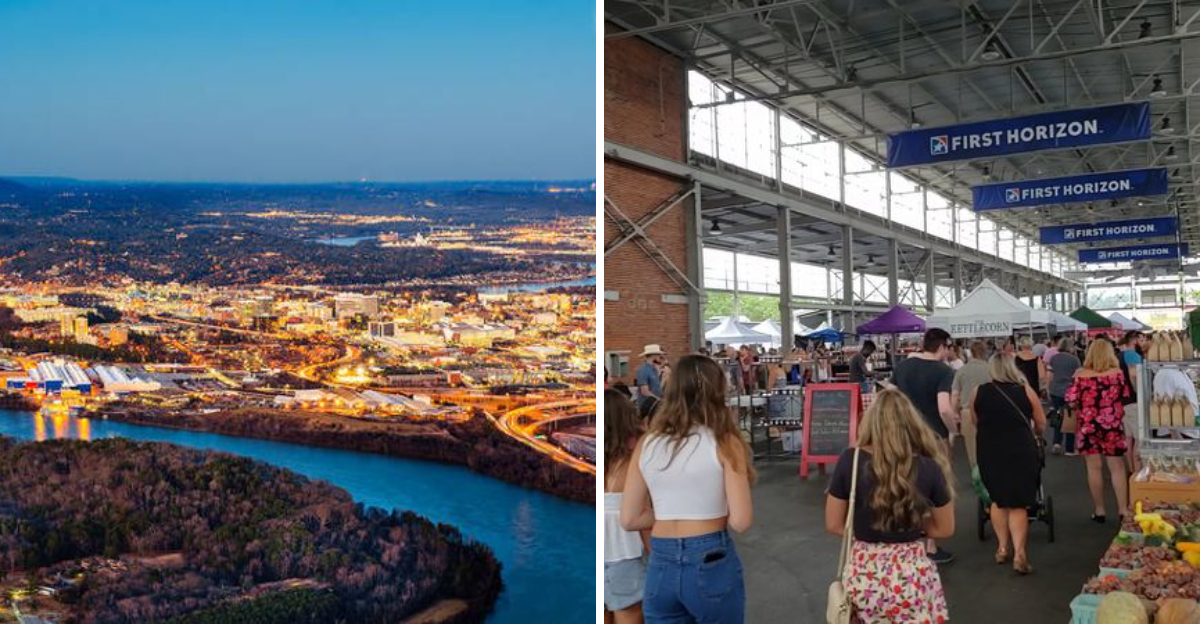
Chattanooga, Tennessee sits nestled along the Tennessee River in the foothills of the Appalachian Mountains, and for decades, this southeastern city struggled with a reputation that kept travelers away.
Once labeled as having some of the worst air pollution in America and a downtown that emptied out after dark, Chattanooga seemed destined to fade into obscurity.
But something remarkable happened over the past few decades that transformed this overlooked river town into one of the South’s most exciting culinary destinations, drawing food lovers from across the country.
Today, Chattanooga’s revitalized downtown bursts with innovative restaurants, craft breweries, farm-to-table eateries, and food halls that celebrate both Southern traditions and global flavors.
The Downtown Renaissance That Changed Everything

Walking through downtown Chattanooga today feels like stepping into a masterclass on urban renewal.
The transformation began in earnest during the 1990s when city leaders decided to reimagine what their downtown could become.
Abandoned warehouses that once symbolized industrial decline now house trendy restaurants and artisan shops.
The 21st Street corridor, particularly around the Southside district, became ground zero for this culinary revolution.
Brick buildings with original architectural details provide the perfect backdrop for modern eateries that blend history with innovation.
The Tennessee Riverwalk stretches for 13 miles along the waterfront, connecting neighborhoods and creating pedestrian-friendly spaces where outdoor dining thrives.
City planners invested heavily in making downtown walkable, adding bike lanes, green spaces, and public art installations that invite people to linger.
This wasn’t just about adding restaurants but creating an entire ecosystem where food culture could flourish.
The addition of high-speed internet infrastructure throughout downtown attracted young entrepreneurs and tech workers who brought fresh energy and appetites.
Farmers markets became weekly celebrations, connecting local growers directly with chefs and home cooks.
Historic buildings received careful renovations that preserved their character while updating them for modern use.
The result is a downtown that feels alive at all hours, where you can grab breakfast at a cozy cafe, lunch at a food truck, and dinner at an upscale bistro, all within walking distance.
This intentional planning created the foundation for Chattanooga’s emergence as a genuine foodie destination rather than just another Southern city with good barbecue.
Farm-to-Table Movement in the Scenic Valley

The mountains and valleys surrounding Chattanooga create ideal growing conditions that local chefs have learned to celebrate.
Within an hour’s drive in any direction, you’ll find family farms producing everything from heirloom tomatoes to artisan cheeses.
This geographic advantage means restaurants can source ingredients picked that same morning, a freshness that transforms even simple dishes.
The Main Street Farmers Market operates year-round, becoming a Sunday morning ritual for both locals and visitors.
Here, you can meet the actual farmers whose produce appears on restaurant menus later that week.
Chefs in Chattanooga don’t just claim farm-to-table credentials as a marketing gimmick but build genuine relationships with growers.
Many restaurants post chalkboards listing which farms supplied that day’s ingredients, creating transparency that food enthusiasts appreciate.
The Tennessee Valley’s longer growing season compared to northern regions means fresh, local produce remains available well into autumn.
Small-batch producers crafting hot sauces, pickles, and preserves have found eager restaurant partners willing to feature their products.
Some establishments maintain their own gardens on rooftops or nearby plots, taking the farm-to-table concept to its logical extreme.
Seasonal menus change frequently, reflecting what’s actually growing rather than what can be shipped from across the country.
This commitment to locality extends beyond produce to include pasture-raised meats, wild-caught fish from regional waters, and foraged ingredients from the surrounding forests.
The movement has created a distinctive culinary identity that sets Chattanooga apart from cities relying on corporate supply chains.
Southern Comfort Food Gets a Modern Twist
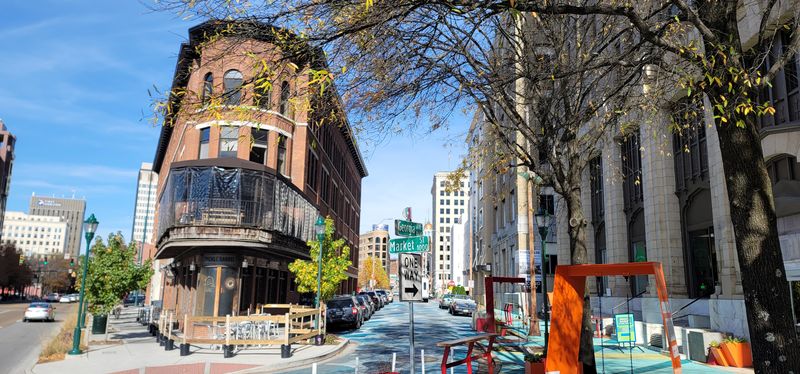
Respecting tradition while pushing boundaries defines how Chattanooga chefs approach Southern cooking.
You won’t find stuffy, pretentious reinterpretations that lose sight of what made the original dishes beloved.
Instead, restaurants apply modern techniques and global influences while keeping the soul of Southern food intact.
A classic shrimp and grits might feature locally stone-ground grits but add unexpected elements like Thai basil or smoked paprika aioli.
Fried chicken remains a staple, but some chefs brine it in sweet tea or serve it with creative sides like kimchi coleslaw.
The key is balance, honoring grandmother’s recipes while acknowledging that food culture constantly evolves.
Restaurants like those in the Northshore district excel at this approach, creating menus that feel both familiar and exciting.
Biscuits appear in dozens of variations, from traditional buttermilk to versions incorporating local honey or topped with unexpected gravies.
Barbecue purists can still find traditional smoked meats, but adventurous eaters discover fusion options like barbecue ramen or pulled pork spring rolls.
Vegetable-forward approaches give collard greens, okra, and field peas starring roles rather than relegating them to afterthought sides.
This evolution attracts younger diners who might have dismissed Southern food as too heavy while satisfying traditionalists who appreciate quality execution.
Desserts follow similar patterns, with banana pudding deconstructed into elegant parfaits or pecan pie transformed into creative tarts.
The approach demonstrates confidence in Southern culinary traditions while refusing to be limited by them.
International Flavors in an Unexpected Place
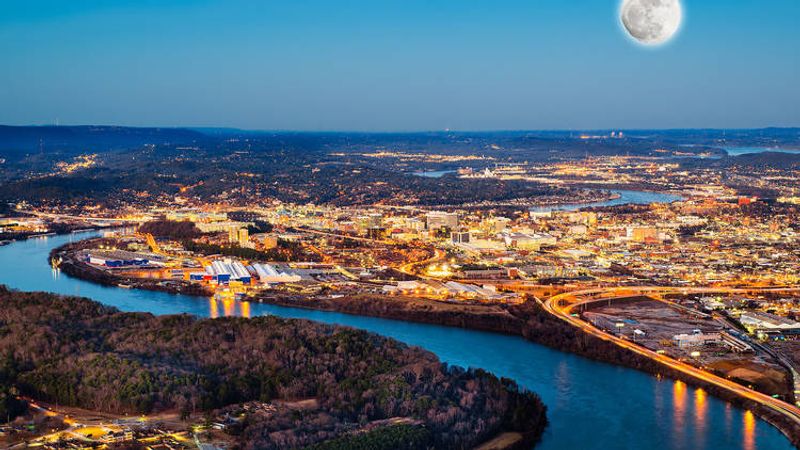
Stereotypes about Southern cities offering only regional cuisine crumble quickly when exploring Chattanooga’s diverse restaurant scene.
The same downtown renaissance that revitalized local food culture created opportunities for immigrant entrepreneurs and adventurous chefs.
Authentic Thai restaurants serve curries and noodle dishes that would satisfy diners in Bangkok or Los Angeles.
Mexican eateries go far beyond Tex-Mex stereotypes, offering regional specialties from Oaxaca, Puebla, and other Mexican states.
Japanese restaurants range from casual ramen shops to sushi bars where chefs trained in traditional techniques.
Middle Eastern cuisine has found enthusiastic audiences, with restaurants serving everything from Lebanese mezze to Turkish kebabs.
This international diversity reflects Chattanooga’s growing population and the city’s increasing appeal to people from various backgrounds.
Food halls like Chattanooga Market provide spaces where vendors can test concepts without the overhead of full restaurants.
Ethiopian injera, Vietnamese pho, and Indian curries all find homes in a city that once offered limited options beyond Southern and American standards.
The quality impresses because these aren’t watered-down versions created for timid palates but authentic preparations respecting traditional methods.
Fusion restaurants blend international techniques with local ingredients, creating unique dishes you won’t find anywhere else.
This culinary diversity makes Chattanooga feel more cosmopolitan than its mid-sized population would suggest.
Food enthusiasts can eat their way around the world without leaving downtown, experiencing genuine flavors from dozens of cultures.
Coffee Culture and Artisan Bakeries

Morning in Chattanooga means discovering coffee shops that take their craft as seriously as any restaurant takes dinner service.
Third-wave coffee culture arrived with full force, bringing single-origin beans, precise brewing methods, and baristas who can discuss flavor profiles like sommeliers discuss wine.
These aren’t generic chain cafes but independent shops with distinct personalities and loyal followings.
Many roast their own beans locally, creating signature blends that reflect the shop’s character.
The coffee shops double as community spaces where remote workers, students, and neighbors gather throughout the day.
Pastries and baked goods receive equal attention, with many shops partnering with local bakeries or maintaining their own baking programs.
Croissants achieve proper lamination with crispy exteriors and buttery layers.
Scones incorporate seasonal fruits from nearby farms.
Artisan bread bakers produce naturally leavened loaves using long fermentation processes that develop complex flavors.
Some bakeries focus on European traditions while others put Southern spins on classic items.
The attention to detail extends to alternative milk options, house-made syrups, and creative seasonal drinks.
Coffee shops in different neighborhoods develop distinct identities, from minimalist modern spaces to cozy vintage-decorated rooms.
This variety means you can choose your morning spot based on mood, whether you want quiet focus or lively social energy.
The quality and care evident in Chattanooga’s coffee scene reflects the broader culinary culture that values craft and authenticity over convenience and uniformity.
Food Halls and Public Markets
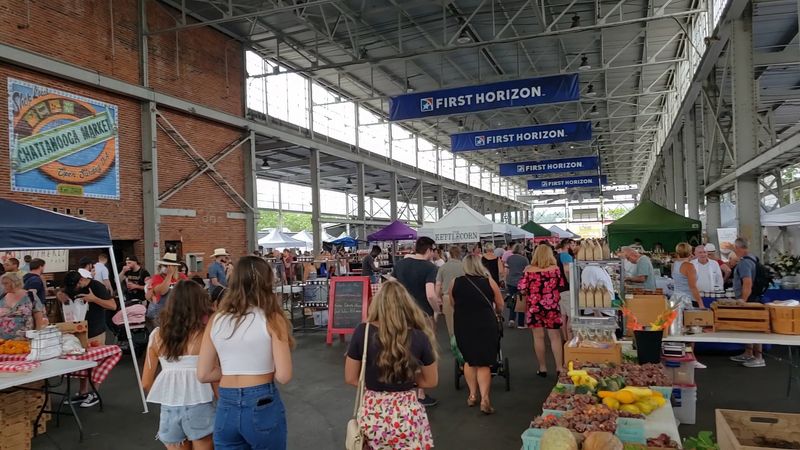
Communal dining spaces have become anchors in Chattanooga’s food scene, offering variety and vibrancy under one roof.
These aren’t sad mall food courts but carefully curated collections of vendors representing the city’s culinary diversity.
The Chattanooga Market operates seasonally along the riverfront, transforming Sundays into food-focused celebrations.
Vendors sell prepared foods, fresh produce, artisan products, and baked goods while musicians provide live entertainment.
The atmosphere feels festive and relaxed, with families, couples, and solo visitors all finding their place.
Year-round food halls in converted warehouses feature permanent vendors offering everything from tacos to sushi to barbecue.
This format allows diners in groups with different preferences to all find something appealing without compromising.
It also provides lower-risk opportunities for emerging chefs to build followings before opening standalone restaurants.
Communal seating encourages interactions between strangers, creating unexpectedly social dining experiences.
You might find yourself sharing a table with locals who offer recommendations for your next meal or activity.
The visual abundance of options creates excitement, with aromatic smells mixing and colorful dishes passing by constantly.
These spaces reflect modern dining preferences for casual atmospheres, quick service, and diverse choices.
They’ve become destinations in themselves rather than just convenient lunch spots, with people planning visits around trying new vendors.
The success of food halls demonstrates how Chattanooga embraced contemporary food trends while maintaining the welcoming Southern hospitality that defines the region.
Dining with a View on Lookout Mountain
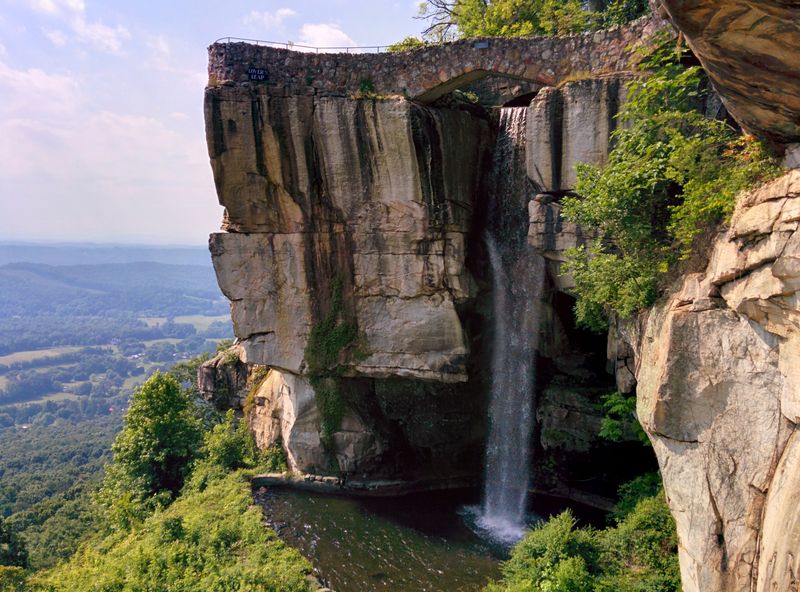
Geography blessed Chattanooga with dramatic elevation changes that create unforgettable dining settings.
Lookout Mountain rises 2,000 feet above the valley floor, offering restaurants with views that rival any in America.
The historic Incline Railway, one of the world’s steepest passenger railways, climbs the mountain’s face, itself an attraction worth experiencing.
At the summit, dining establishments take full advantage of panoramic vistas stretching across three states.
Sunset dinners become spectacular events as the sky transforms and city lights begin twinkling below.
The mountain’s cooler temperatures provide natural air conditioning during summer months, making outdoor dining comfortable when the valley swelters.
Restaurants range from casual cafes perfect for post-hike meals to upscale establishments suitable for special occasions.
Many feature outdoor patios or large windows ensuring every seat captures the scenery.
The combination of excellent food and breathtaking views creates memorable experiences that justify the mountain journey.
Some establishments near Rock City or Ruby Falls allow you to combine natural attractions with quality meals.
The mountain location attracts both tourists exploring Chattanooga’s famous sites and locals celebrating milestones.
Menus often highlight local ingredients while offering dishes sophisticated enough to match the elevated setting.
Dining on Lookout Mountain reminds visitors that Chattanooga’s food scene benefits from its stunning natural environment, creating experiences that engage all senses simultaneously and leave lasting impressions long after returning home.
Dear Reader: This page may contain affiliate links which may earn a commission if you click through and make a purchase. Our independent journalism is not influenced by any advertiser or commercial initiative unless it is clearly marked as sponsored content. As travel products change, please be sure to reconfirm all details and stay up to date with current events to ensure a safe and successful trip.
