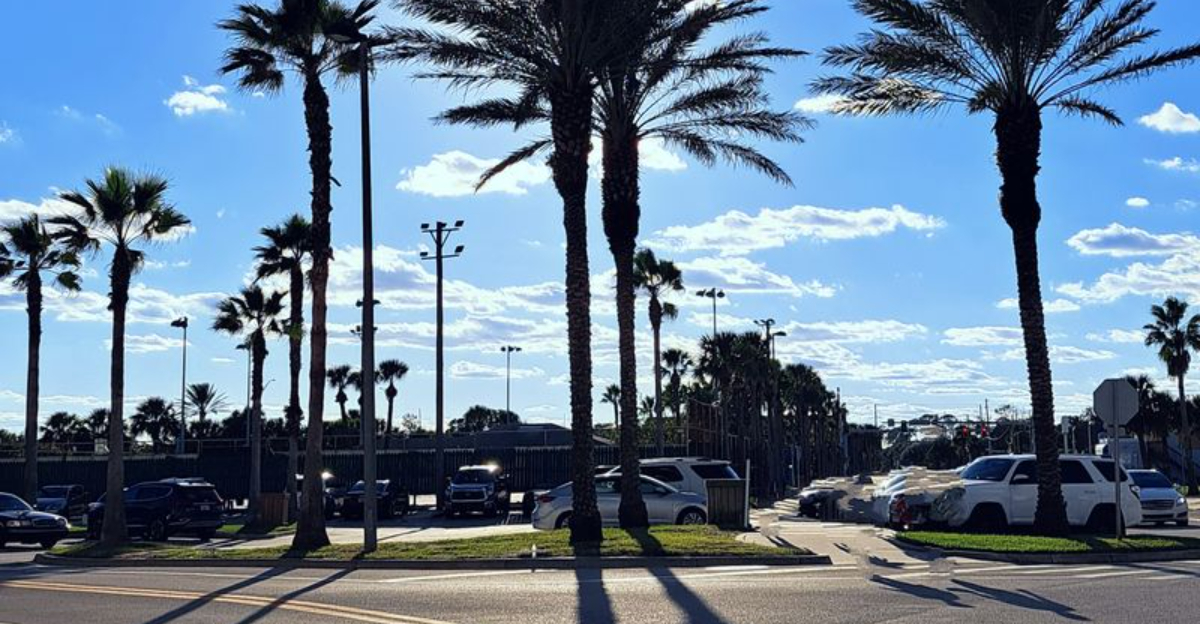
California’s coastline stretches nearly 900 miles along the Pacific Ocean, drawing millions of travelers each year to its sun-kissed beaches, charming seaside villages, and dramatic cliff-lined shores.
From the foggy mornings in Santa Cruz to the golden sunsets over Laguna Beach, these coastal towns offer unforgettable experiences filled with crashing waves, salty air, and endless stretches of sand.
Yet beneath the relaxed beach vibe lies a complex web of parking regulations that catch even the most careful visitors off guard.
Understanding these hidden rules can save you from expensive tickets, towing fees, and the frustration of returning to find your car gone while you were enjoying the surf.
Street Sweeping Schedules That Change With The Seasons
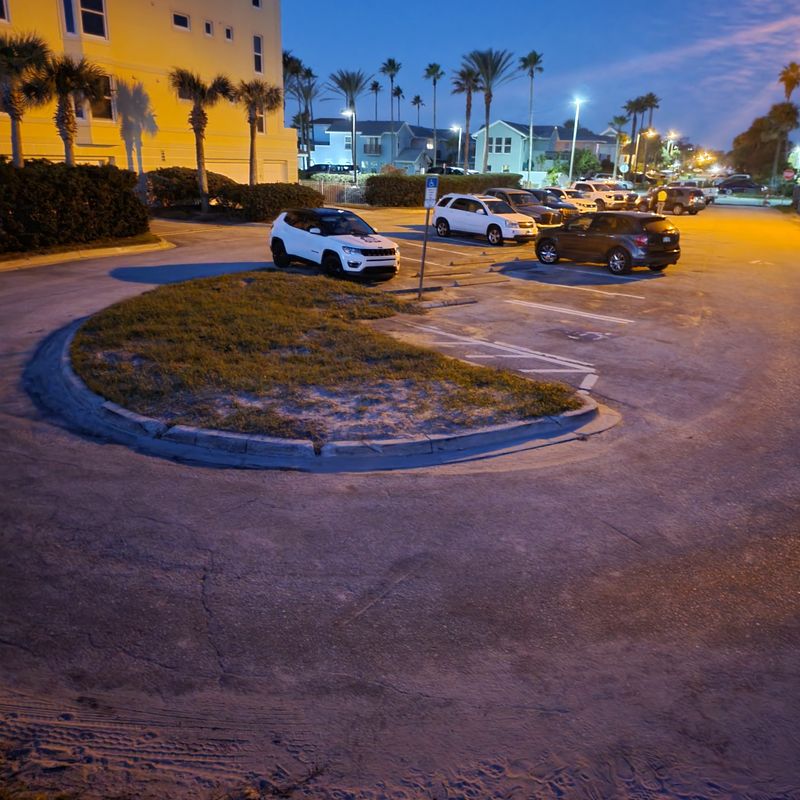
Many California beach communities adjust their street sweeping schedules based on tourist seasons, and this catches countless visitors by surprise.
During summer months when beaches are packed, towns like Huntington Beach and Ventura increase cleaning frequency to handle the extra traffic and debris.
What might be safe parking on a Tuesday in February could result in a ticket and tow in July.
Local residents know these patterns by heart, but travelers rarely think to check posted signs carefully for seasonal variations.
The signs themselves can be confusing, with multiple plaques stacked on a single pole indicating different rules for different times of year.
Some towns post sweeping schedules online, but not all, leaving visitors to decipher faded signs while juggling beach gear and excited kids.
Enforcement is typically strict because street sweeping prevents sand accumulation and keeps drains clear during winter storms.
Missing these details can cost you over $70 in tickets plus towing fees that easily exceed $200.
Smart travelers photograph parking signs with their phones before walking away, creating a reference they can check if questions arise later.
Another helpful strategy involves asking locals or shop owners about current sweeping schedules, as they often know the patterns better than any posted sign.
Beach towns depend on tourism revenue, yet they also need clean streets, creating this sometimes frustrating balance between welcoming visitors and maintaining infrastructure.
Understanding that these schedules shift with seasons helps you plan better and avoid unnecessary complications during your coastal getaway.
Overnight Parking Bans That Kick In After Dark
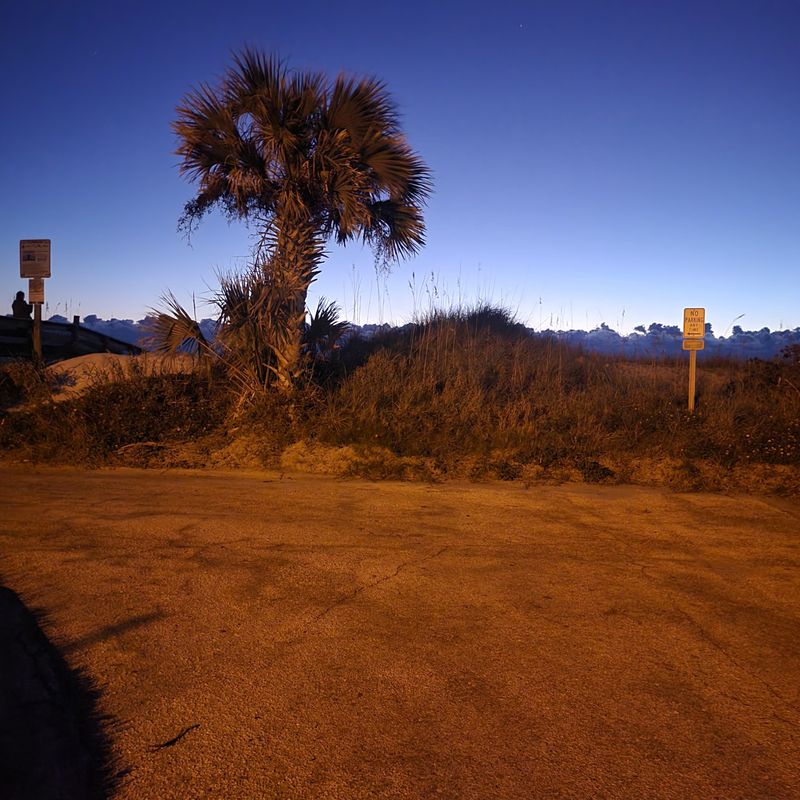
Sunset brings more than just beautiful colors over the Pacific in many California beach towns.
It also triggers overnight parking restrictions that most visitors never anticipate until they receive a citation.
Towns like Malibu, Carpinteria, and parts of San Diego enforce strict overnight bans on street parking near beaches to discourage people from sleeping in vehicles.
These rules typically activate between 10 PM and 6 AM, though exact times vary by location.
The regulations exist partly for safety reasons and partly to address concerns about long-term vehicle dwelling in residential beach neighborhoods.
Visitors who stay late watching bonfires or attending beachside events often forget to move their cars before the cutoff time.
Parking enforcement officers patrol regularly during these hours, especially on weekend nights when violations are most common.
What makes this particularly tricky is that some streets allow overnight parking while others just a block away do not.
The signs indicating these restrictions are not always prominently displayed, and darkness makes them even harder to spot.
If you plan an evening at the beach, set a phone alarm to remind yourself about moving your vehicle before restrictions begin.
Some towns offer designated overnight parking lots for a fee, providing a legal alternative if you want to stay late.
Locals know which streets are safe and which ones to avoid, giving them a significant advantage over tourists.
Getting towed at midnight creates a stressful situation, especially when you are unfamiliar with the area and need to retrieve your vehicle from an impound lot.
Resident-Only Permit Zones Hidden In Plain Sight
Wandering through charming beach neighborhoods often leads visitors to what appears to be perfect parking spots, only to discover later they were in resident-only zones.
These permit parking areas exist throughout coastal California, from the hills above Santa Monica to the narrow streets of Capitola.
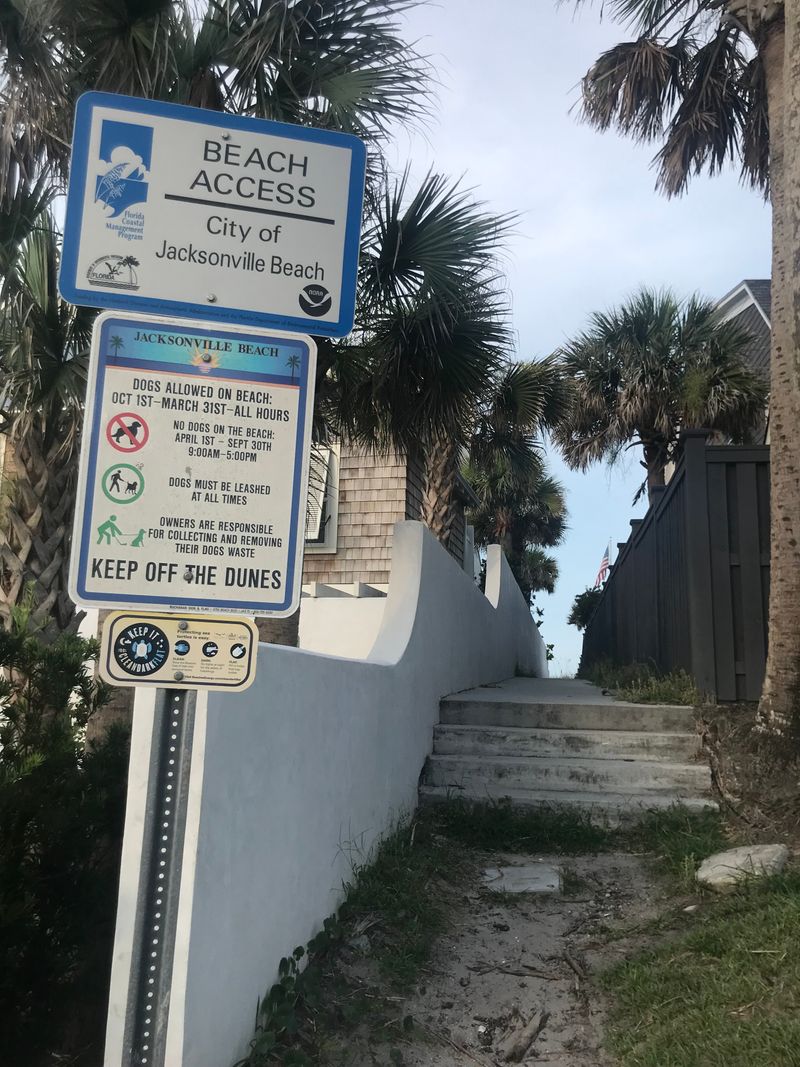
Signs indicating permit requirements can be subtle, sometimes just small plaques that blend into the scenery.
Beach towns created these zones to ensure local residents can park near their homes despite heavy tourist traffic.
The permits themselves are usually small stickers or hangtags displayed in vehicle windows, easy to overlook if you are not looking for them.
Enforcement varies by neighborhood, with some areas checked multiple times daily and others only occasionally.
Visitors often assume that if a spot is open and they see other cars parked there, it must be legal for everyone.
However, those other vehicles likely belong to residents with proper permits displayed where you cannot see them from outside.
Fines for parking in permit zones without authorization typically start around $60 and can climb higher for repeat offenses.
Some towns offer temporary visitor permits that guests can obtain if staying with local residents, but tourists renting vacation homes do not always receive this information.
The boundaries of permit zones can be irregular, with one side of a street requiring permits while the other side remains open to all.
Reading every sign carefully before leaving your car is essential, even if it takes an extra minute or two.
When in doubt, parking in a paid public lot may cost more upfront but saves the hassle and expense of a ticket.
Time Limits That Reset At Odd Hours
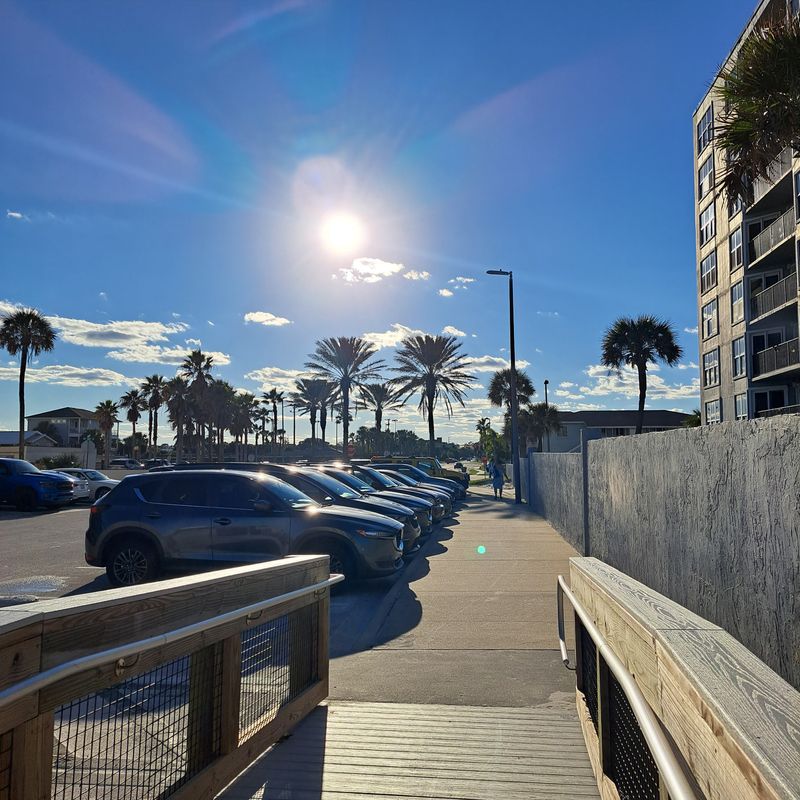
California beach towns love their time-limited parking spaces, but the way these limits work often confuses visitors.
Unlike parking meters that clearly show when your time expires, painted curbs and signs indicating two-hour or three-hour limits require you to track time yourself.
What catches people off guard is that these limits often reset at specific times rather than running continuously.
For example, a two-hour limit might apply from 8 AM to 6 PM, meaning you could theoretically park at 5 PM and stay until 10 AM the next morning.
However, if you park at 4 PM, you must move by 6 PM even though you have not been there two hours.
Enforcement officers mark tires with chalk or take photos to track how long vehicles remain in time-limited spots.
Some towns have switched to digital systems using license plate recognition, making it impossible to simply move your car forward one space and reset your time.
Visitors often underestimate how quickly two hours passes when you are enjoying the beach, eating lunch, and browsing shops.
Setting multiple alarms on your phone helps ensure you return to move your vehicle before time expires.
Beach communities enforce these limits strictly during peak season because turnover ensures more visitors can access prime parking spots.
Fines for exceeding time limits are typically less expensive than other parking violations but still frustrating when you lose track of time.
Some areas post signs indicating when time limits are enforced, such as weekends and holidays only, adding another layer of complexity.
Understanding how these resets work helps you plan your beach day more effectively and avoid unnecessary tickets.
Colored Curb Meanings That Vary By City
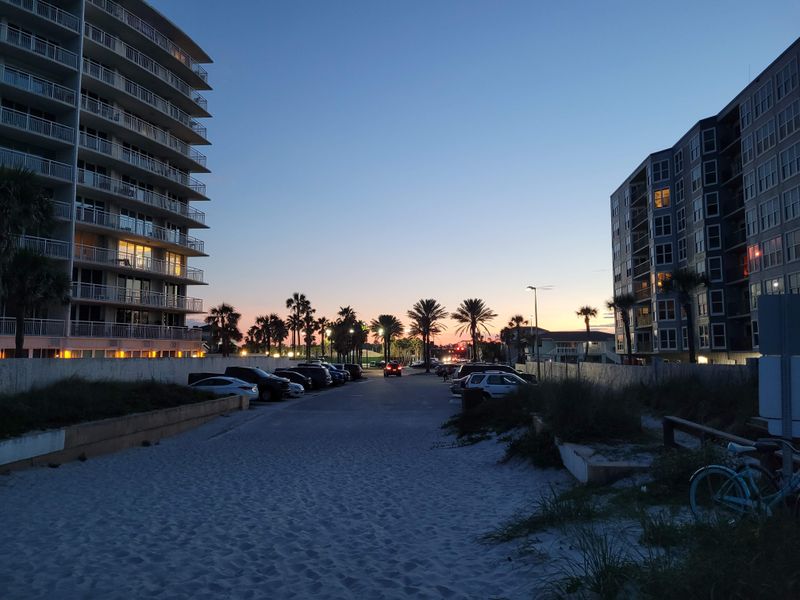
Painted curbs communicate parking rules through color codes, but not every California beach town uses the same system.
While red curbs universally mean no parking, the meanings of other colors can shift as you travel along the coast.
White curbs typically indicate passenger loading zones with very short time limits, usually five minutes or less.
Yellow curbs mark commercial loading zones where only trucks making deliveries can park during business hours.
Green curbs usually allow short-term parking, often 15 or 30 minutes, though exact times vary by city.
Blue curbs are reserved for vehicles with disabled person placards or license plates, and parking there without proper authorization brings steep fines.
Some beach towns add their own variations, like orange curbs for construction zones or purple for specific local regulations.
The paint itself fades over time from sun exposure and salt air, making it difficult to determine the original color.
Visitors accustomed to rules in one beach town often assume the same standards apply everywhere along the coast.
This assumption leads to tickets when a green curb in Santa Barbara means something different than a green curb in Oceanside.
Signs posted nearby usually clarify curb color meanings, but not always, leaving some ambiguity.
Parking enforcement officers know their local color codes perfectly and expect drivers to understand them as well.
When curb colors are faded or unclear, looking for nearby signs or asking locals provides the safest guidance.
Taking a moment to verify what each color means in the specific town you are visiting prevents costly mistakes.
Beach Access Restrictions During Peak Hours
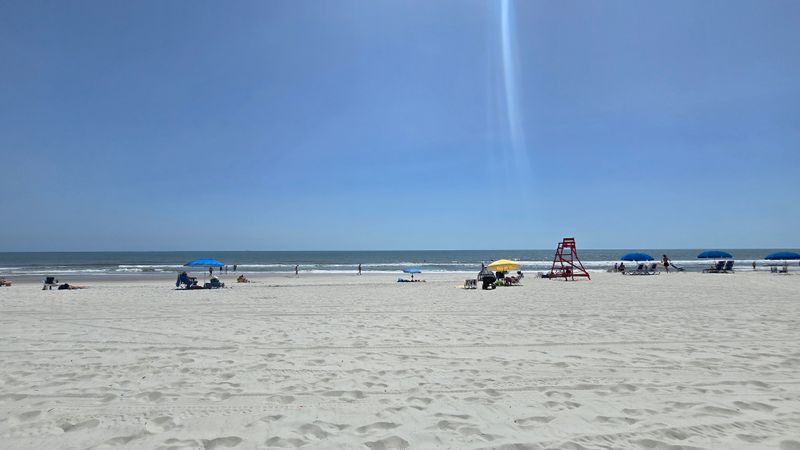
Popular California beaches sometimes close their parking lots once capacity is reached, turning away vehicles even during posted operating hours.
This happens most frequently on summer weekends and holidays when everyone wants to enjoy the same perfect weather.
State beaches like Zuma, Bolsa Chica, and Doheny implement these closures to prevent overcrowding and maintain safety standards.
Visitors who arrive late morning or early afternoon often find gates closed and attendants directing them to alternative locations miles away.
The frustration of driving to a beach only to be turned away sends many people searching for street parking in nearby neighborhoods.
However, those neighborhoods often have their own restrictions specifically designed to discourage this overflow parking.
Locals know to arrive early, often before 9 AM, to secure parking before lots fill to capacity.
Some beaches offer online reservation systems or apps that show real-time parking availability, though not all visitors know these tools exist.
Once a lot reopens, spaces fill quickly again, creating a constant cycle of arrivals and departures.
Alternative beaches nearby might have availability, but without local knowledge, finding them requires research or lucky exploration.
Peak hour restrictions also apply to certain beach access roads, where traffic control officers limit entry during the busiest times.
Planning your beach visit for weekday mornings or late afternoons dramatically improves your chances of finding parking without hassle.
Understanding that parking availability fluctuates throughout the day helps set realistic expectations for your coastal adventure.
Flexibility in your schedule and backup beach options make dealing with these restrictions much less stressful.
Meter Payment Methods That Exclude Cash
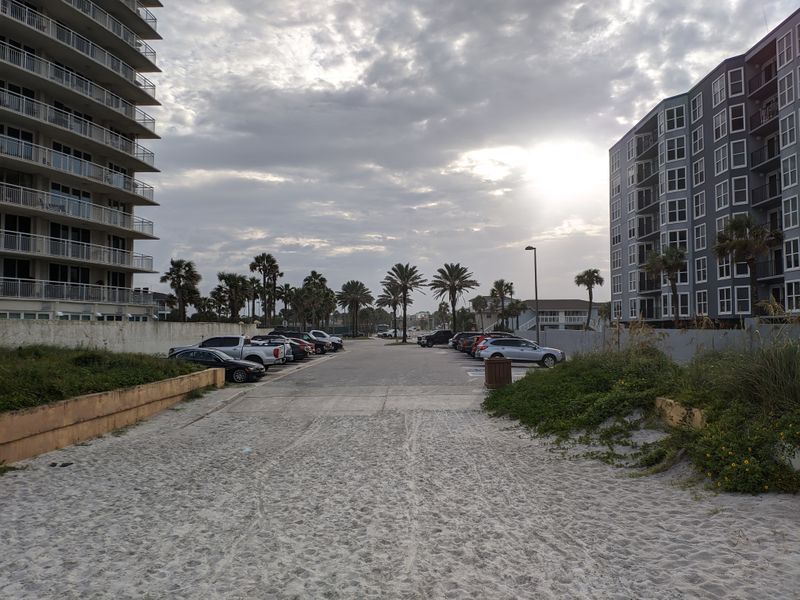
California beach towns have modernized their parking meters, but this progress creates problems for visitors who still carry cash.
Many coastal communities now use meters that only accept credit cards, debit cards, or mobile payment apps.
Travelers who prefer cash or who have cards that do not work in certain readers find themselves unable to pay for parking.
The shift to cashless systems reduces theft and maintenance costs for cities, but it also excludes people without compatible payment methods.
Some meters display small signs indicating accepted payment types, though these notices are not always obvious at first glance.
Mobile parking apps like ParkMobile or PayByPhone work in many beach towns, requiring you to download the app and create an account before use.
Visitors without smartphones or those with poor cell service struggle to complete mobile payments even when that is the only option available.
The apps themselves vary by location, with different beach towns contracting different companies, so you might need multiple apps for a coastal road trip.
Credit card readers on meters sometimes malfunction due to salt air corrosion, leaving drivers stuck without functioning payment options.
When meters are broken, some cities allow free parking while others still require payment through alternative methods like mobile apps.
Not knowing which policy applies in each town creates confusion and potential tickets for well-meaning visitors.
Carrying multiple payment options, including different credit cards and downloaded parking apps, provides the best preparation.
Checking city websites before your visit reveals which payment systems are used, allowing you to set up accounts in advance.
Technology improves convenience for some but creates barriers for others, making flexibility essential when parking along California’s coast.
Special Event Restrictions With Little Advance Notice
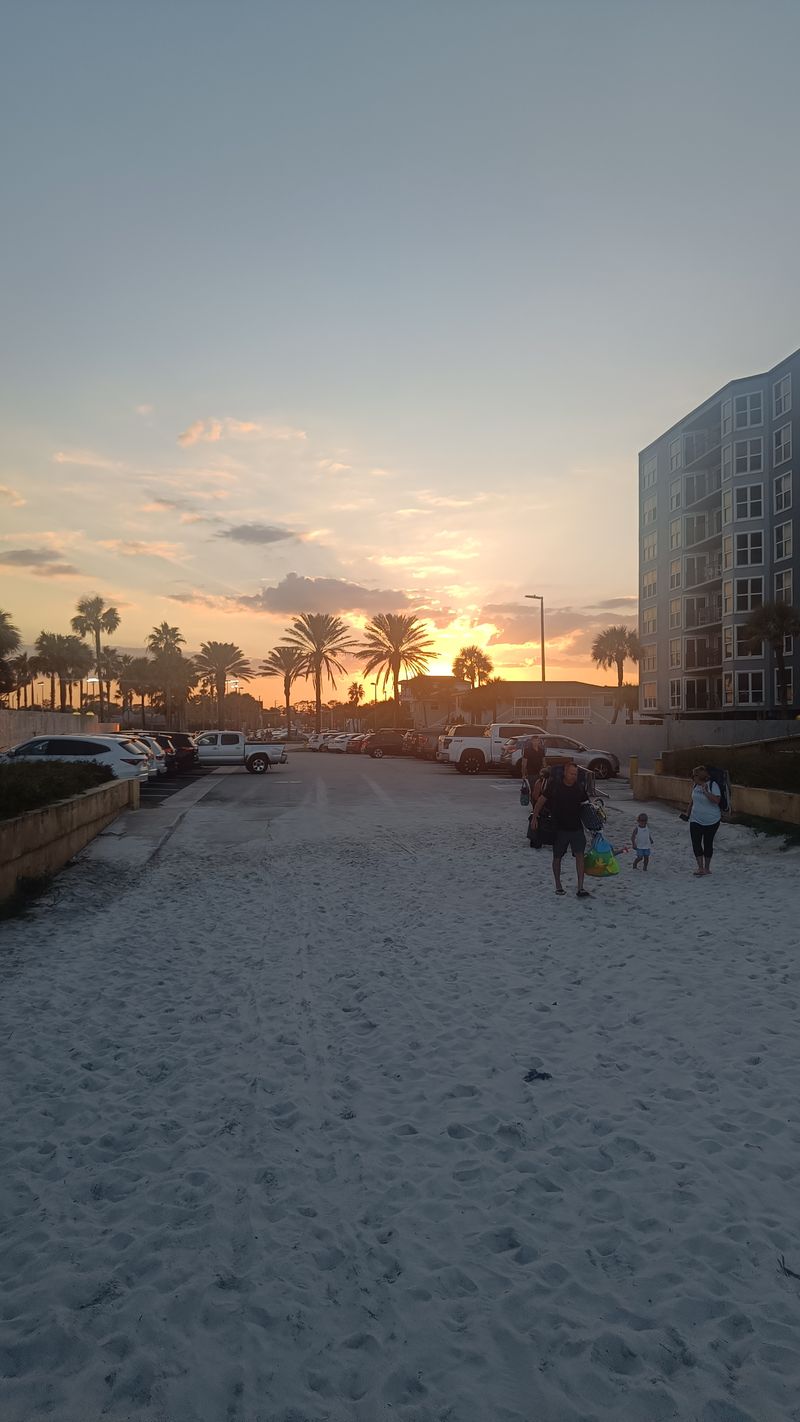
Beach towns host numerous festivals, races, concerts, and community events throughout the year, each bringing temporary parking restrictions.
These special event rules often appear with only 48 to 72 hours advance notice, catching visitors who planned their trips weeks earlier.
Temporary no parking signs go up along parade routes, near event venues, and in areas needed for vendor setup or emergency access.
Visitors who parked legally the night before sometimes return to find their vehicles towed because event restrictions took effect early in the morning.
California law requires cities to post temporary restrictions at least 24 hours in advance, but travelers who arrived before signs went up have no way of knowing.
Events like the Surf City Marathon in Huntington Beach or the Sawdust Art Festival in Laguna Beach close entire neighborhoods to parking.
Locals receive notices through community newsletters and social media, but tourists lack access to these information channels.
Hotel and vacation rental hosts do not always warn guests about upcoming events that might affect parking near their accommodations.
The towing companies contracted for these events work efficiently, removing dozens of vehicles within hours once restrictions begin.
Retrieving a towed car during a special event means navigating road closures and crowds to reach impound lots, adding frustration to expense.
Checking city event calendars and local news websites before and during your visit helps identify potential parking disruptions.
When you spot temporary signs going up, reading them carefully and moving your vehicle immediately prevents problems.
Beach communities balance celebrating local culture with accommodating visitors, though this balance sometimes tips toward residents during major events.
Staying informed and flexible protects you from the surprise of event-related parking restrictions.
Tidal Zone Parking That Disappears At High Tide
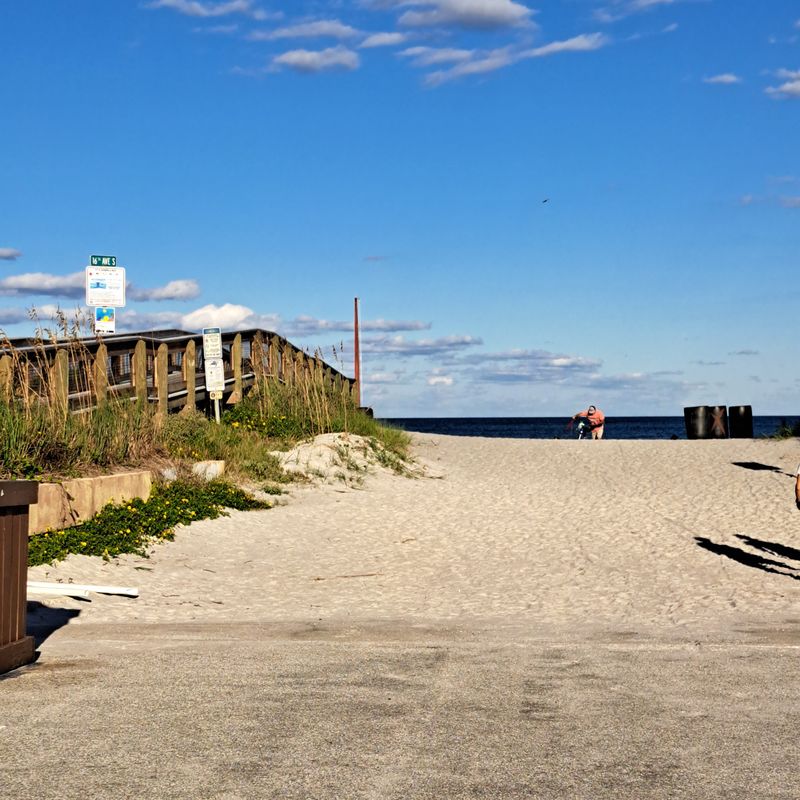
Some California beaches allow vehicle parking directly on sand in designated areas, creating a unique beach experience that also carries hidden risks.
Pismo Beach, Oceano Dunes, and Silver Strand State Beach permit driving and parking on certain beach sections.
What visitors often miss is that tide cycles dramatically change where safe parking exists.
Areas that seem perfectly fine at low tide become submerged or dangerously soft as water rises.
Signs warn about tidal risks, but people focused on unloading beach gear and excited children often overlook these cautions.
High tide schedules vary daily, and without checking current tide charts, you cannot predict when water will reach your vehicle.
Soft sand near the waterline traps vehicles even before tides rise, requiring expensive towing services equipped to handle beach extractions.
Insurance companies sometimes deny coverage for vehicles damaged by tides, considering it preventable negligence.
Rangers and lifeguards patrol these areas, warning drivers who park too close to the water, but they cannot monitor everyone constantly.
Locals familiar with beach driving know to park near dunes or designated hardpack areas that remain safe throughout tidal cycles.
Visitors renting four-wheel-drive vehicles for beach access often lack experience judging safe parking zones.
Watching where experienced beachgoers park and asking rangers for guidance provides valuable information before choosing your spot.
Tide apps and NOAA websites offer accurate predictions, making it easy to plan your beach parking around natural cycles.
The thrill of parking on the beach comes with responsibility to understand and respect the ocean’s power and schedule.
Unmarked Private Lots That Look Public
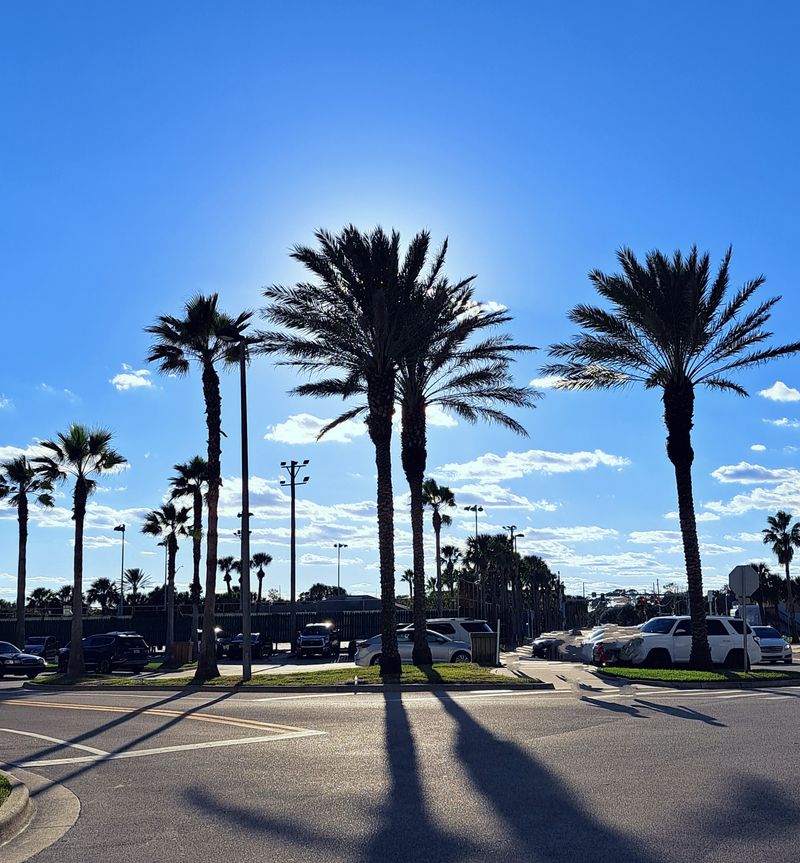
Walking from your car to the beach, you might never realize you parked in a private lot rather than a public space.
Many California beach areas have parking lots owned by businesses, apartment complexes, or private companies that closely resemble public facilities.
These lots often lack obvious signage indicating their private status, or signs are small and positioned where drivers focused on finding spaces miss them.
Business owners contract with aggressive towing companies that monitor these lots constantly, removing unauthorized vehicles within minutes.
The towing happens so quickly that you might return from a short beach walk to find your car already gone.
Private lot signs sometimes state they are for customer parking only, but visitors assume that walking to nearby shops counts as being a customer.
However, lot owners often have specific definitions about which businesses qualify, and beach access alone does not meet requirements.
Towing from private property in California follows different rules than public street towing, sometimes resulting in higher fees and less recourse.
Lots positioned between the street and beach access points naturally attract visitors who have no intention of patronizing associated businesses.
This creates ongoing tension between property owners protecting their spaces and tourists seeking convenient beach parking.
Reading all signs carefully before leaving your vehicle, even in what appears to be an obvious public lot, prevents these costly surprises.
Asking nearby business owners or attendants whether parking is truly public helps confirm you are in a legal spot.
When lots seem too convenient or empty compared to surrounding areas, that often signals private ownership with strict enforcement.
Paying for clearly marked public parking costs more initially but eliminates the risk of expensive towing from deceptively unmarked private lots.
Dear Reader: This page may contain affiliate links which may earn a commission if you click through and make a purchase. Our independent journalism is not influenced by any advertiser or commercial initiative unless it is clearly marked as sponsored content. As travel products change, please be sure to reconfirm all details and stay up to date with current events to ensure a safe and successful trip.
