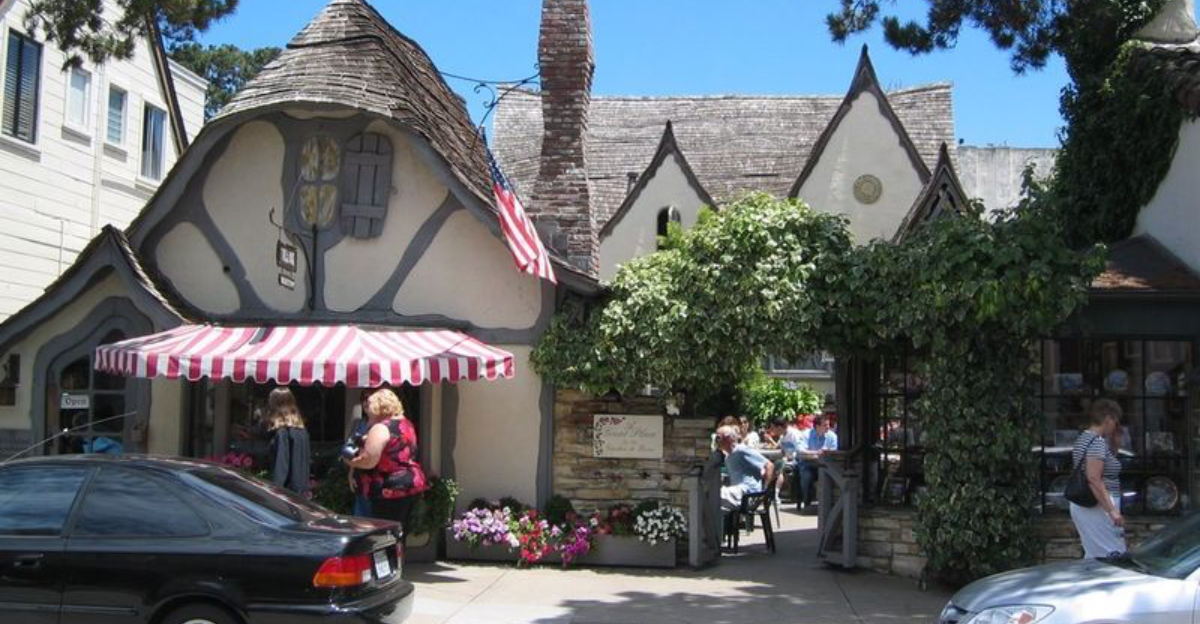
You arrive on a quiet bend of the California coast and feel the pace change before you even reach the village lanes.
Light filters through cypress branches, rooftops peek over hedges, and small galleries glow like lanterns near the sea.
Carmel-by-the-Sea, California invites you to slow down, notice texture and shadow, and follow your curiosity from courtyard to shore.
Stay a while, because this is where art still feels personal and the ocean sets the rhythm for every stroll.
An Art Colony With More Than a Century of History
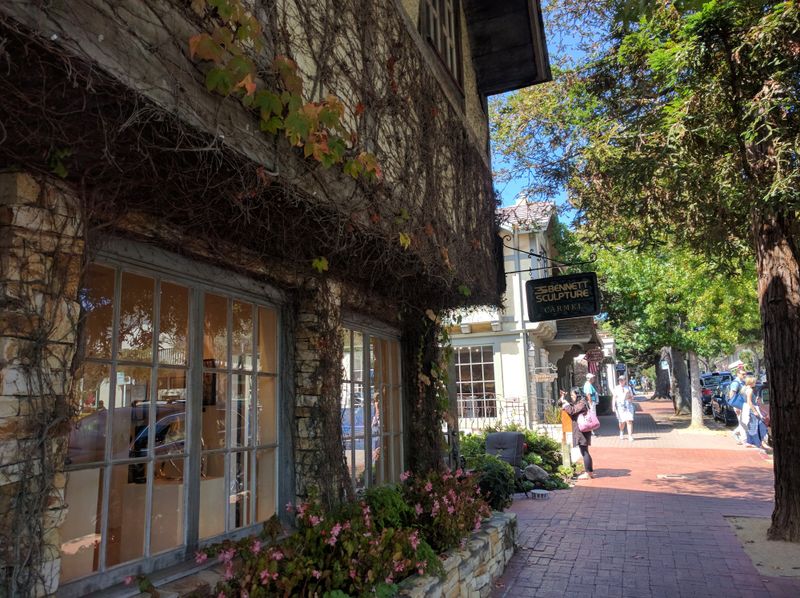
Stand near Dolores Street, Carmel-by-the-Sea, California 93921, and you can sense how artists built this place with ideas as much as wood.
Early painters and writers sought quiet, found a vibrant coastline, and stayed long enough to shape the town’s spirit.
Studios soon gathered in courtyards, and galleries formed a kind of open campus spread through the village grid.
The community valued conversation, so critique and collaboration grew naturally in small rooms with north light.
Photographers welcomed the fog, which softened edges and turned tide lines into pale graphite strokes.
Sculptors used local textures as references, translating driftwood arcs and cypress silhouettes into fine contours.
Over time, tradition settled in without hardening, leaving room for new voices to add their brush to the chorus.
Walk a block and you pass the lineage in storefront windows that spotlight process as much as the finished piece.
California’s coastal weather kept studios comfortable, and open doors bridged the street with a hint of turpentine and cedar.
Clubs and collectives formed, then reframed themselves as the village changed, but the core remained intensely local.
Stories of shared materials and late night critiques still echo through alleys lined with ivy and brick.
This legacy does not sit behind velvet rope, it lives in community calendars and handwritten workshop notes.
Historic photos show familiar corners, proving how strongly place shapes creative choices and daily rituals.
Standing here, you feel continuity, like a gentle current that carries ideas from past to present.
The result is a living art colony where heritage guides practice, and the sea keeps time.
Galleries That Favor Craft Over Hype
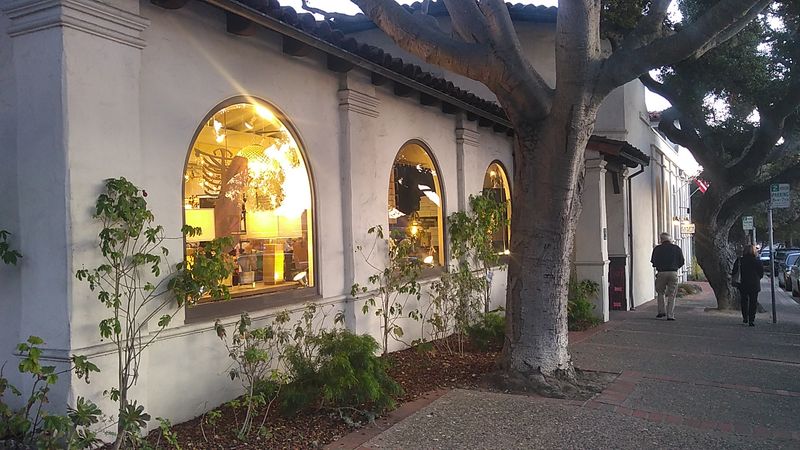
Step into a gallery near San Carlos Street, Carmel-by-the-Sea, California 93921, and you feel the calm before you notice the pieces.
White walls hold space for brushwork, and frames are built with care that complements rather than competes.
Curators lean toward artists who work steadily, often with coastal subjects that reveal patience and close looking.
Sculpture pedestals are spaced for breathing room, so shadows play like additional lines in the composition.
Photography hangs cleanly, with matte finishes that respect the soft coastal light outside the windows.
Some rooms show process notes and sketches, which invite you to trace how an idea moves from field to studio.
Price lists sit quietly at the desk, and staff talk about materials, not trends, which keeps the focus human.
Smaller spaces make conversation easy, and you never feel rushed to step aside for the next person.
Exhibitions rotate often enough to stay fresh, but not so quickly that work lacks time to breathe.
Art here feels like craft earned through repetition, not novelty designed to spike attention for a moment.
Frames might be walnut or oak from regional mills, finished with oils that let the grain whisper.
Lighting favors accurate color balance, so you see sea greens and cliff ochres without glare.
Catalogs summarize artist histories in a few clean sentences, then point you back to the work.
You leave with a sense of continuity, as if the gallery is part of a long conversation along the coast.
The door closes softly behind you, and the village resumes its gentle quiet.
A Village Designed With Storybook Architecture
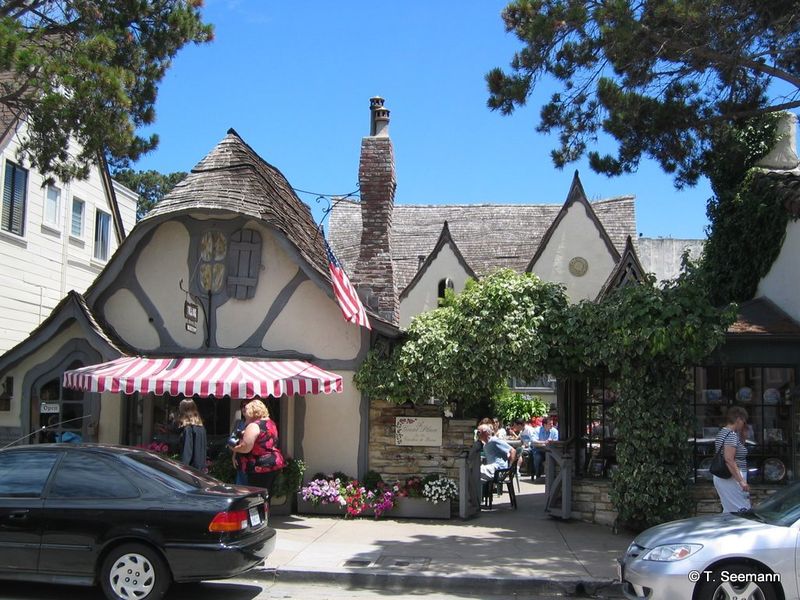
Begin on Ocean Avenue, Carmel-by-the-Sea, California 93921, where eaves tilt playfully and chimneys twist toward the sky.
Shingled roofs step down like scales, garden gates open to narrow paths, and climbing vines soften stucco walls.
Each cottage seems sketched by an illustrator, then built with handcrafted detail you can trace with your eyes.
Windows are small and paned, set deep into thick walls that mute the street and frame slivers of sky.
Doorways feel human scaled, inviting you to pause before crossing into a courtyard filled with potted rosemary.
Even the addresses, often tucked into wooden plaques, feel like part of the composition rather than labels.
Shadows from cypress branches cross textured plaster, adding a moving pattern that changes hour by hour.
Architectural whimsy anchors the town’s creative identity, giving artists a living set to interpret and reimagine.
As you wander, stairways tuck beneath roofs, and tiny balconies overlook pocket gardens just big enough for a chair.
The scale invites unhurried exploration, so you catch small things like worn thresholds and hand carved beams.
Many structures borrow European cues, yet the mood is unmistakably California, shaped by salt air and open light.
Irregular rooflines break the wind, and low walls protect terraces that welcome coastal breezes without the chill.
Side lanes reveal hidden passages that loop between buildings, linking one courtyard to another in quiet succession.
Because there are no tall towers, the sky hovers close, and the village breathes with the ocean just beyond.
Every corner feels designed for walking, lingering, and looking closely, which is the heart of Carmel’s charm.
A Street Grid Without Neon Signs or Chain Stores
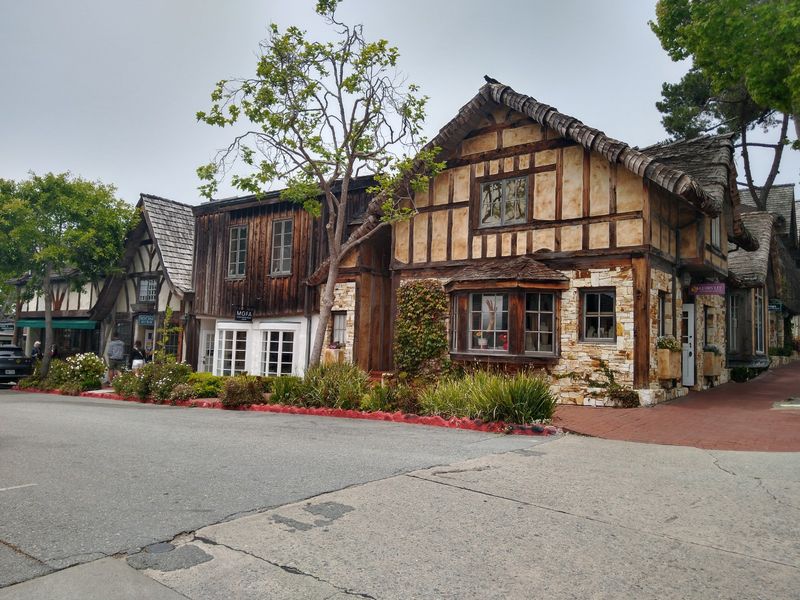
Walk the block around Mission Street, Carmel-by-the-Sea, California 93921, and notice how the streets feel unhurried without bright signs.
Shop names appear in carved wood or painted script, which blends into the architecture rather than shouting over it.
Local rules keep commercial noise low, so the town’s textures and the ocean breeze set the tempo.
You see people reading windows at a comfortable pace, because nothing blinks or flashes to steal attention.
Even corner markers look modest, which keeps the eye on storefront displays crafted with care by owners.
Chain stores do not dominate here, and that absence protects a sense of place that feels distinctly coastal.
Street trees break up the view into small rooms, which helps walking feel natural and restorative.
Benches appear at logical pauses, often near planters or small courtyards that invite a short rest.
At dusk, warm bulbs in awnings create a steady glow that guides you without glare.
Because signs stay simple, the village reads like a continuous facade rather than a collage of logos.
This clarity leaves space for art to be visible, even from across the street or through a passage.
Photographers often work here because reflections in glass reveal layers of town life without distraction.
When you turn a corner, the sea scent arrives, and the streets feel linked to the beach.
That connection keeps your pace slow enough to notice materials, like textured stucco and hand laid brick.
Calm visuals shape calm behavior, which is the quiet secret behind the village’s charm.
Coastal Light That Draws Painters Year Round
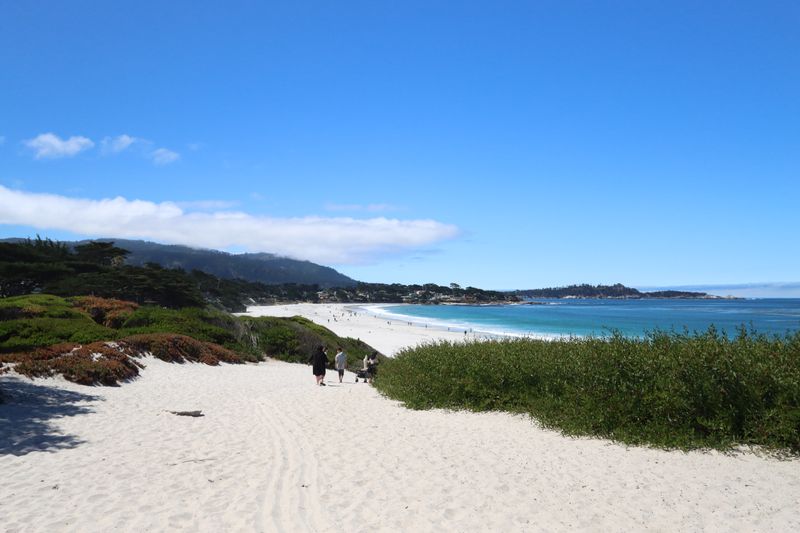
Stand along Scenic Road, Carmel-by-the-Sea, California 93921, and watch the marine layer turn the shoreline into a gradient.
The light feels diffused, so colors settle into layered tones that painters translate with quiet confidence.
Morning lifts gently, revealing blues that carry a hint of gray, and sand that reads like pale linen.
By midday, the sea brightens, but edges stay soft, which keeps contrast kind and skies wide.
Late afternoon adds warmer notes, and cliffs show sienna tints that guide the eye from headland to bay.
Artists set up easels along the bluff, then adjust palettes to match subtle shifts minute by minute.
Fog fingers push in and out, creating transitions that feel musical rather than abrupt.
Reflections on wet sand act like a second canvas, echoing clouds with a delicate blur.
Photographers favor this hour because shadows stretch and carve space without hard lines.
In winter, storm light yields dramatic skies, yet the mood still leans toward painterly softness.
When wind drops, the surface smooths, and thin ripples catch silver highlights near the shore.
Birds arc low, tracing curves that suggest composition lines many painters follow instinctively.
Nearby cypress trees frame views like natural vignettes, then open to broad panoramas a few steps later.
The scene invites patient observation, the kind that builds skill through repetition and focus.
You leave with a pocket of color notes and the feeling that the light taught you something.
A Walkable Village That Encourages Slow Exploration
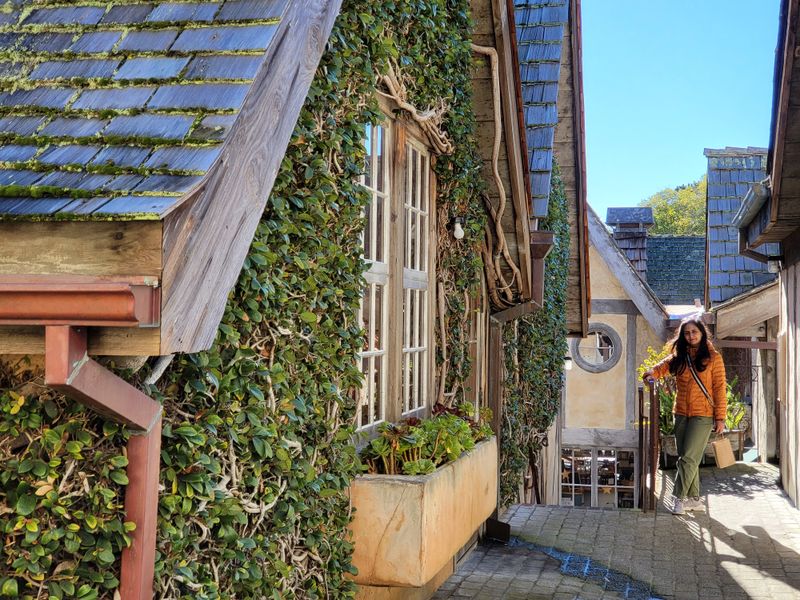
Begin near Ocean Avenue and Lincoln Street, Carmel-by-the-Sea, California 93921, and let your feet set the plan.
Blocks stay short, which means corners arrive quickly and choices come often without stress.
Courtyards pull you off the main lane into quiet pockets with fountains and sheltered seating.
Small studios sit behind hedges, so you discover them by listening for soft conversation or a brush on canvas.
Sidewalks feel human scaled, with textures that slow your pace just enough to notice detail.
Wayfinding is simple, because sightlines reveal the next landmark before you need a sign.
Trees create shifting patterns across brick, adding a rhythm that matches the coastal breeze.
Benches appear exactly where the view opens, often toward the water or a flowering trellis.
Gallery clusters reward curiosity, since a left turn might reveal a maker’s workshop in plain view.
Public restrooms sit near central blocks, which makes longer strolls easy for families and friends.
Dogs walk calmly, and shopkeepers often keep bowls by the door as a neighborly gesture.
At twilight, lights in windows give the village a lantern glow that invites another loop.
You realize the layout encourages lingering rather than checking boxes on a list.
That slower rhythm protects the quiet creative tone that drew artists here in the first place.
The stroll ends by the beach steps, where the horizon resets your sense of time.
A Beach That Feels Like an Outdoor Canvas
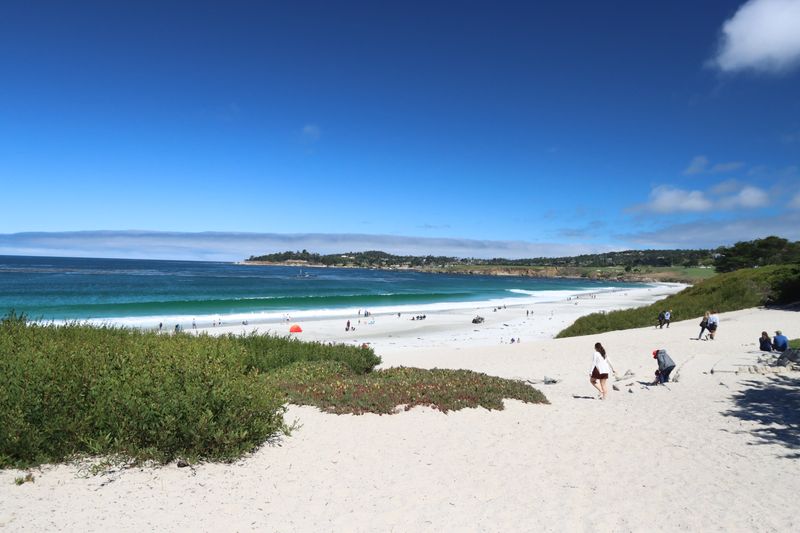
Walk to the end of Ocean Avenue, Carmel-by-the-Sea, California 93921, and the beach opens in a quiet arc.
Sand reads nearly white, and the ocean blends teal with slate in gentle transitions.
Cypress trees shape the skyline, angular and wind carved, like brushstrokes against a bright ground.
Pale cliffs to the north create a backdrop that feels both rugged and inviting for long looks.
Driftwood pieces settle into natural still lifes that artists study for line and balance.
Paths from the bluff step down to broad flats where walkers spread out without crowding.
The soundscape comes from waves and gulls, which keeps your thoughts clean and clear.
On quieter days, the beach feels like a studio floor, with footprints tracing temporary patterns.
Photographers angle for reflections at the waterline, where sky colors duplicate with soft blur.
Low tide reveals ripple marks that read like graphite hatching across the sand.
People gather at the base of the stairs, then peel away to corners shaped by the tide.
Near the bluff, benches offer a place to sit and sketch without sand in your shoes.
Clouds move quickly, turning the scene into a time study that rewards patience.
The view west stays uncluttered, which lets the horizon act as a clean composition line.
You leave with salt on your skin and images you will keep for a very long time.
Annual Art Events That Stay Tasteful and Low Key
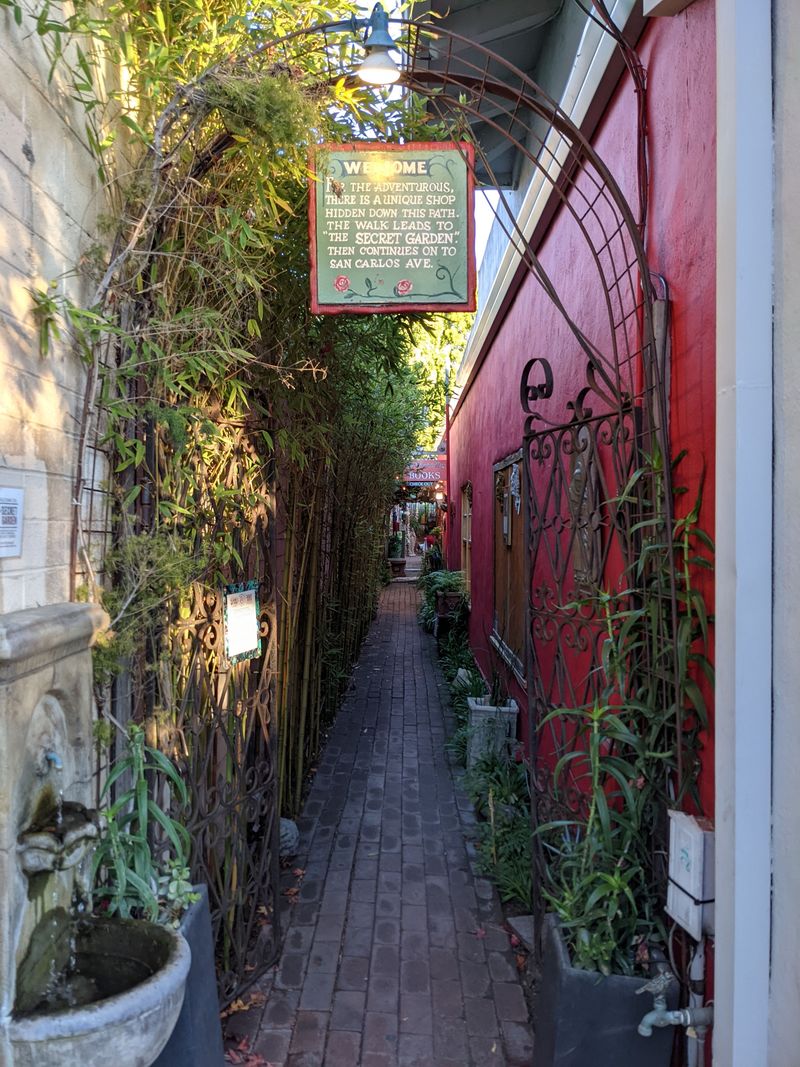
Check village calendars around Mission Street, Carmel-by-the-Sea, California 93921, and you will find events that favor intimacy.
Art walks lead you through clustered galleries with a pace that feels conversational rather than hurried.
Studio tours open doors to working spaces, where tools rest neatly beside in-progress pieces.
Courtyards host demonstrations focused on technique, so you can watch process without heavy production.
Exhibitions often feature regional landscapes, portraits, and sculpture that speak directly to place.
Organizers keep promotion subtle, which preserves the calm streetscape visitors appreciate.
Maps mark participating venues, and volunteers help with gentle wayfinding between short blocks.
Timing aligns with mild coastal weather, making evening strolls comfortable even for long loops.
You hear discussions about pigments, joinery, and archival paper, which keeps conversations grounded.
Venues choose warm lighting and quiet music, letting the work be the primary focus.
Often, makers stand near their pieces and answer questions with candor about trial and error.
The scale stays human, so you can visit many spots without feeling rushed or overwhelmed.
Some programs support youth art, which strengthens continuity between generations.
This approach suits California’s relaxed coastal pace and the village’s preference for craft.
You leave with a deep sense of community and a clear memory of what you saw.
A Community That Quietly Protects Its Creative Culture
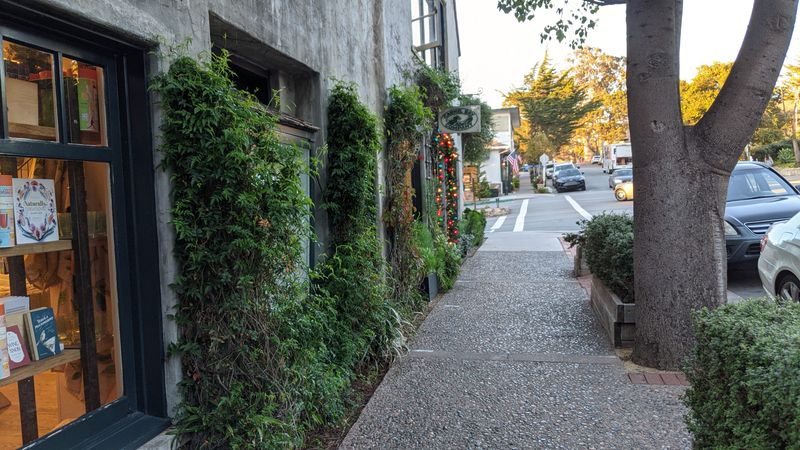
Walk past City Hall at Monte Verde Street and Junipero Avenue, Carmel-by-the-Sea, California 93921, and you meet the guardians of tone.
Local plans emphasize scale, setbacks, and materials that respect the village’s finely tuned streetscape.
Residents show up for meetings, speak clearly, and keep the conversation focused on preservation with openness to thoughtful change.
Neighborhood lanes stay narrow, which slows traffic and keeps walking pleasant for visitors and locals.
Hedges and low fences maintain privacy while preserving the visual rhythm of cottage fronts and gardens.
Community groups organize cleanups and plantings that support the health of trees central to the skyline.
Artists benefit from predictable context, since consistent surroundings help studios thrive across seasons.
Education programs encourage respectful visiting, which protects both the beach and the village core.
Public art appears in measured doses, chosen to fit scale and material character.
Local schools and libraries highlight creative history, anchoring traditions in daily life.
Because rules are clear, small businesses commit, knowing the village identity will remain intact.
That stability sustains a culture where making things by hand still feels normal.
People greet each other on sidewalks, which reinforces the sense that this is a shared home.
California pride shows up in the care taken with landscapes native to the coast.
The result is a living framework that protects quiet beauty without freezing it in place.
A Coastal Enclave Where Art Feels Woven Into Daily Life
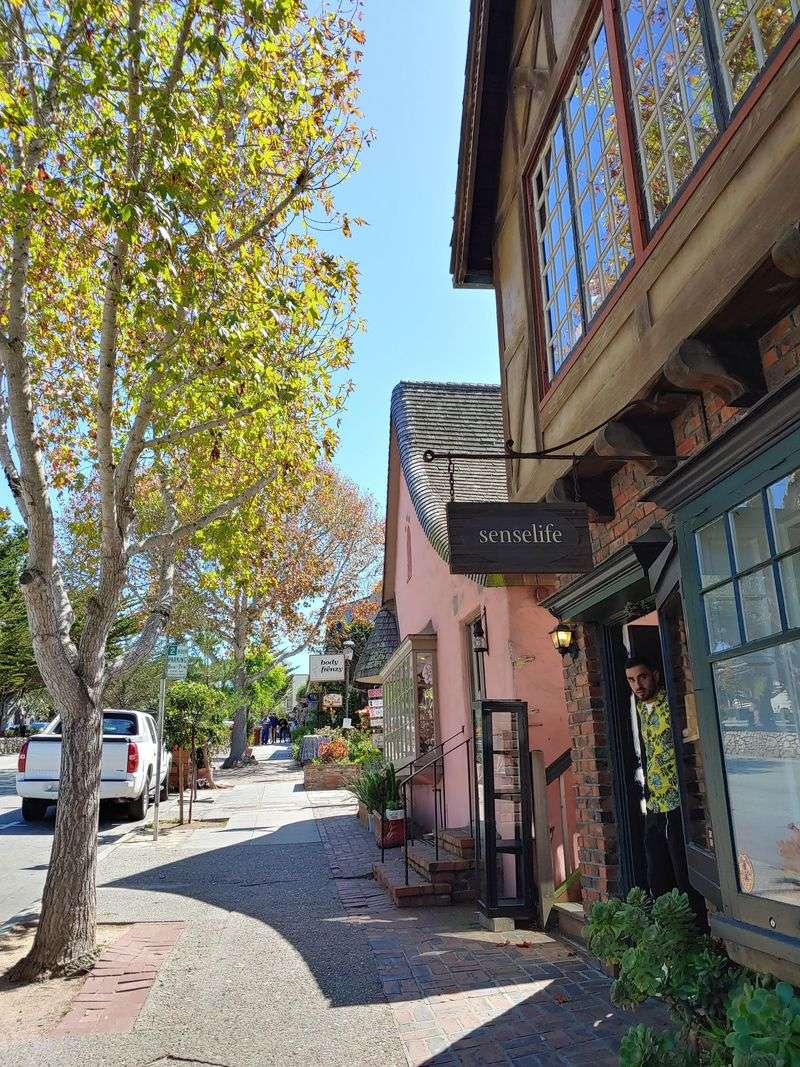
Start at the corner of Ocean Avenue and Dolores Street, Carmel-by-the-Sea, California 93921, and look at how life and art mingle.
Window displays share work in progress, so process sits beside finished pieces in a friendly balance.
Artists cross the street with portfolios, and neighbors wave as if this were the most natural thing.
Studios tuck behind foliage where you can hear brushes tap rinsing jars and pencils scratch lightly.
Courtyard steps double as seats, turning small spaces into impromptu viewing stands.
Frames lean against walls in tidy rows, ready for a new series that arrived with the morning light.
Visitors drift from one doorway to the next, collecting impressions rather than rushing for a final verdict.
Outdoor benches host sketchers who draw rooflines, tree canopies, and passing dogs with easy lines.
The sea is always near, sending a steady hush that clears the mind for looking.
Shops open late enough to catch the golden glow that flatters everything behind glass.
Conversations tend to begin with how something feels, then move to how it was made.
That order keeps curiosity alive and gives makers room to share technique.
California’s coastal climate supports this rhythm, with mild air that welcomes lingering.
Every step feels like part of a walkable exhibition, curated by the village and tuned by the tide.
You finish the day with sand on your shoes and a notebook full of ideas.
Carmel-By-The-Sea Visitor Essentials
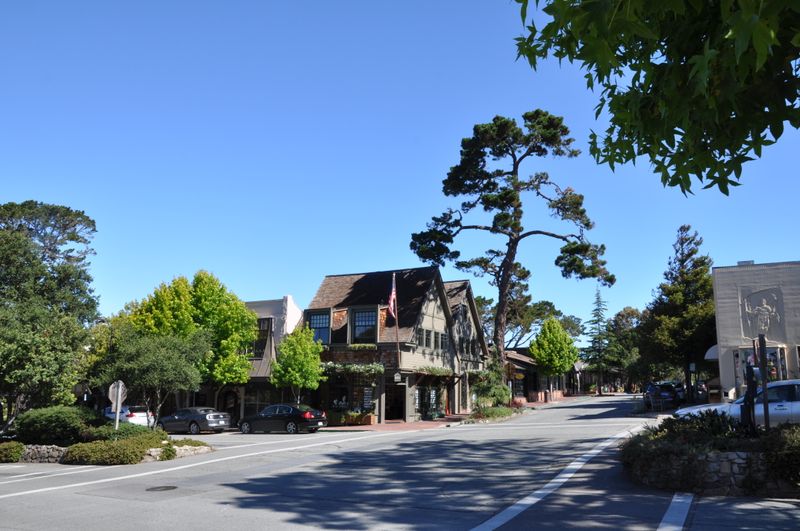
Before you wander, note the official address for orientation, Carmel-By-The-Sea, California 93921, set along the Monterey Peninsula.
The city website, located at the municipal domain, provides updated information about parking zones and beach access points.
Scenic Road runs along the bluff, which makes a perfect reference line for reaching overlooks and stairways.
Ocean Avenue acts as the central spine, carrying you from the village heart to the sand in a straight walk.
Side streets like Lincoln, Dolores, and San Carlos hold clusters of galleries and small studios in easy loops.
Benches and pocket parks appear frequently, so you can rest and watch the village reveal itself.
Public restrooms sit near central blocks and at beach access, which keeps long strolls comfortable for all ages.
Dogs are welcome on many paths, and posted signs clarify leash rules that protect wildlife and visitors.
Local maps favor walking routes that connect courtyards, passages, and low traffic lanes.
Trail notes point south toward Carmel River State Beach, where birdlife rewards patient observation from the sand.
Look north for viewpoints that frame Pebble Beach headlands, though the village itself remains the main attraction.
Shops keep consistent hours, but it helps to call ahead for galleries that host seasonal shows.
Weather shifts with the marine layer, so carry a light layer and enjoy how the light changes.
California coastal etiquette asks that you pack out what you bring and respect signed habitats.
With these basics set, you can meander with confidence and focus on the art around every corner.
Dear Reader: This page may contain affiliate links which may earn a commission if you click through and make a purchase. Our independent journalism is not influenced by any advertiser or commercial initiative unless it is clearly marked as sponsored content. As travel products change, please be sure to reconfirm all details and stay up to date with current events to ensure a safe and successful trip.
