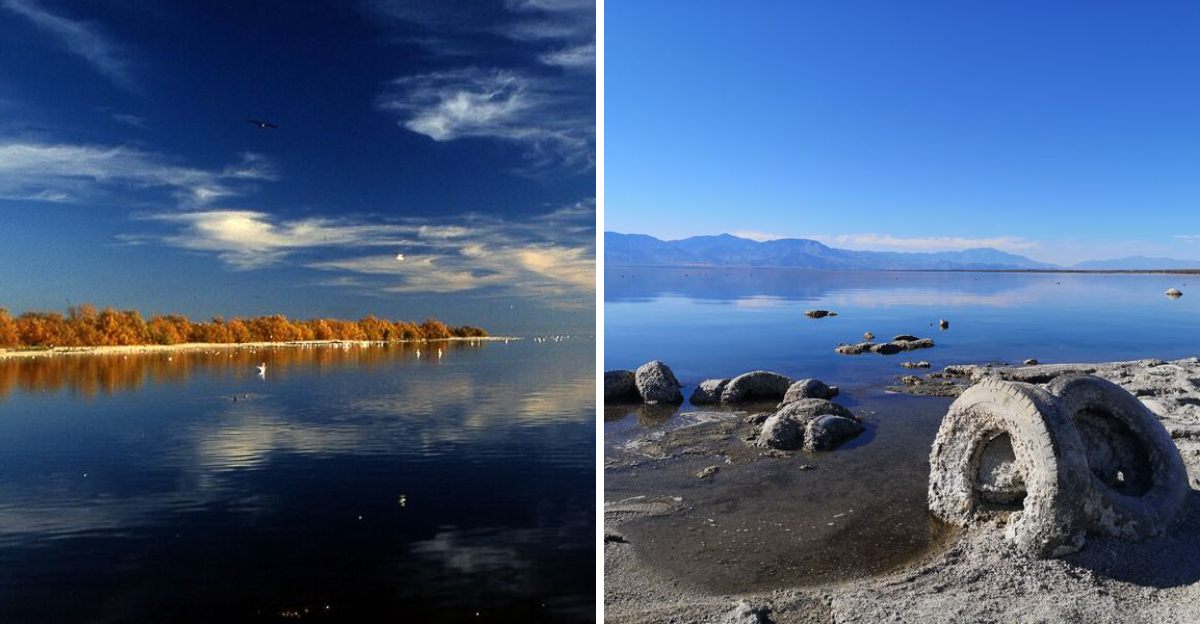
You arrive at the Salton Sea expecting a quiet desert lake, then the wind shifts and everything feels cinematic and strangely beautiful.
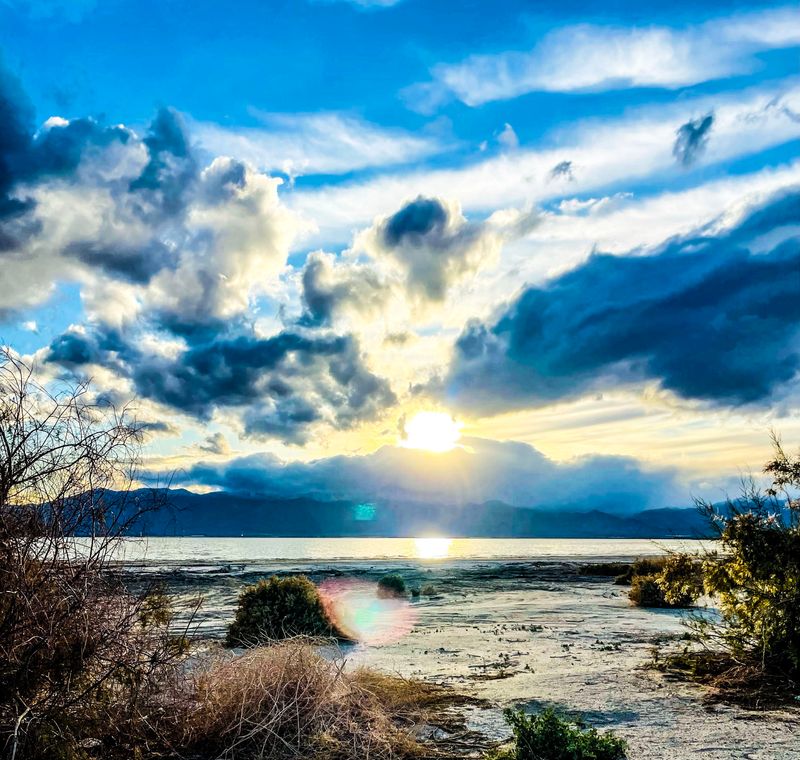
Sunlight glints off rippled water while white crusts of salt outline the shore like frost in midsummer.
Pelicans skim low over the surface and the distant Chocolate Mountains frame the horizon with a soft purple edge.
History lives here in layers, from ancient floods to mid-century resorts and present-day restoration work.
Give it a little time and the place starts to tell you its story.
Origins of a modern inland sea

The Salton Sea sits in a basin that has filled and dried many times, leaving a landscape where history feels close to the surface.
The modern lake formed in 1905 when Colorado River floodwaters breached irrigation canals and poured into the Salton Sink for nearly two years.
That accident created California’s largest lake by surface area, a shimmering mirror that still surprises first time visitors.
Salinity rose steadily because the basin has no natural outlet, so water leaves mainly through evaporation while salts stay behind.
Rivers and farm drains continue to feed the sea, but decades of conservation and drought have reduced inflow and lowered levels.
The shoreline has retreated, exposing playa that can turn into dust when winds kick up across the basin.
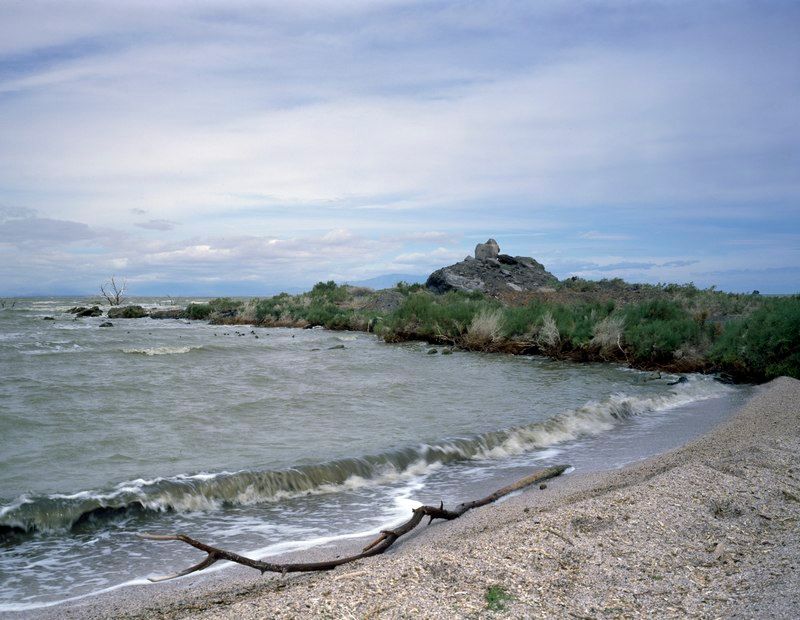
You can trace the history along beaches where barnacle fragments crunch underfoot and layers of dried algae mark past waterlines with delicate stripes.
Old maps show former shore towns that sat closer to the water, reminding you that the lake is always reshaping itself.
Scientists track bathymetry and salinity with surveys and sensors, logging changes that matter for wildlife and air quality.
Stand still for a moment and notice how the light bounces off tiny salt crystals like sequins spread over wet sand.
The silence is real, yet the place hums with small details, from distant train horns to the rustle of reeds.
If you love geology, the Salton Trough tells a bigger story about rifting and the distant cousin of the Gulf of California.
That grand context makes the sea feel both fragile and monumental, a paradox you sense as soon as you breathe the dry air.
Every visit teaches something new about time, water, and the way California keeps reinventing itself in the desert.
Birdlife on a crucial Pacific flyway
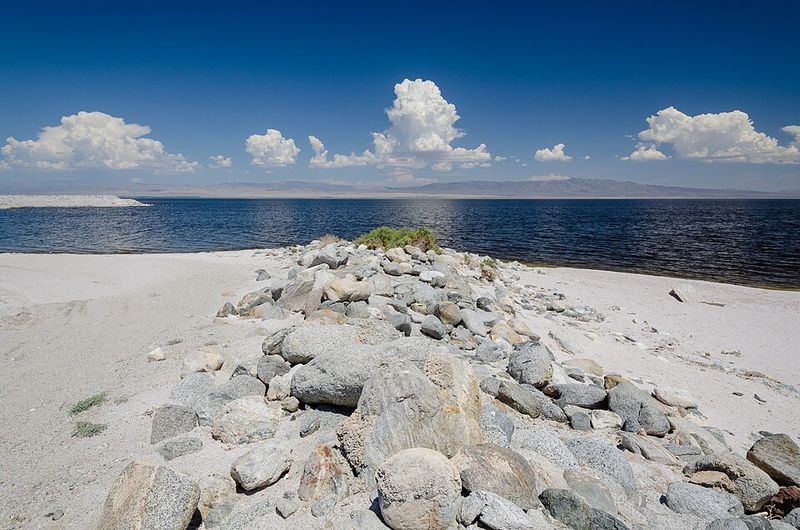
The Salton Sea sits on the Pacific Flyway, so migration seasons can feel like a moving festival of wings across bright water.
American white pelicans raft together in calm coves while double crested cormorants arrow past in dark lines that melt into distance.
On winter mornings you might catch snowy egrets stalking the shallows with a slow measured step that feels almost choreographed.
Audubon groups lead counts that help track populations as habitat shifts with fluctuating shorelines and changing salinity patterns.
Shorebird numbers can surge after storms when exposed flats reveal invertebrates, creating surprise feeding frenzies you will remember.
Bring binoculars with good glare control because the sun can bounce off the lake like a handheld mirror on bright days.
Quiet patience pays off at dawn when the air is cooler and birds gather closer to the edge for safer foraging.
Some species are year round residents while others pass through briefly, so timing your visit can change the entire show.
Field guides help with tricky identifications, especially when immature plumage looks nothing like the clean illustrations you practiced.
Listen for the low whoosh of pelican wings, which can sound like someone brushing canvas with a wide, gentle stroke.
Photography works best with long lenses and careful footwork to avoid disturbing birds that are managing energy reserves.
Check closures and access notes from the California Department of Fish and Wildlife, since sensitive areas sometimes need space.
When the light softens near sunset, silhouettes stack against the mountains and the water becomes a sheet of polished stone.
That last slow moment is the one that stays, reminding you why a desert lake can feel alive in quiet ways.
Desert light, reflections, and photography tips
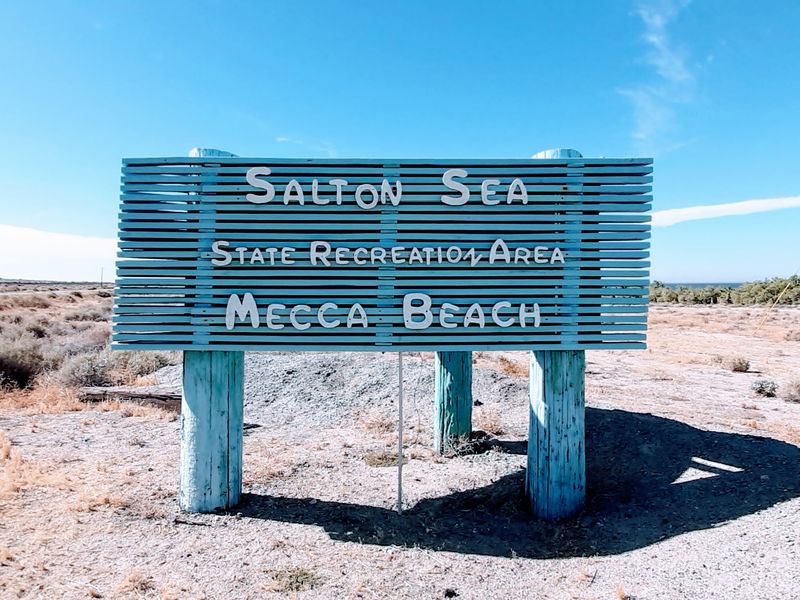
Light behaves dramatically at the Salton Sea, turning ordinary scenes into minimalist studies of tone, texture, and reflection.
Sunrise often brings pastel gradients and soft contrasts that flatter wide shots, while sunset pushes richer oranges and deepening purples.
A polarizing filter helps manage glare on still water, though leaving it off can preserve reflections that stretch like watercolor.
Tripods earn their spot because long exposures smooth ripples and build a calm mood without sacrificing shoreline detail.
Scout compositions midday so you can return during the golden hour with a plan for framing and leading lines.
Salt crusts make bright foregrounds, but tread lightly to avoid breaking delicate patterns that look great in raking light.
Minimalist frames work well when clouds are scarce, using a single bird or lone post to anchor the scene.
Heat haze can soften distant mountains, which actually helps create dreamy layers that feel painterly and serene.
For portraits, look for shaded edges of structures where the light wraps gently without harsh hotspots across faces.
Always protect gear from fine dust with a simple rain cover and keep a blower handy for sensors.
Consider bracketing exposures when contrast spikes, then blend carefully for a balanced file that still looks natural.
Night brings stars and a quiet shoreline, though always observe access rules and avoid disturbing wildlife at roost.
Use red headlamps to preserve night vision and keep your footprint small on fragile crust near the water.
Whether you shoot phone or full frame, this lake rewards slowness, patience, and attention to small shifts in light.
Art, decay, and the creative scene
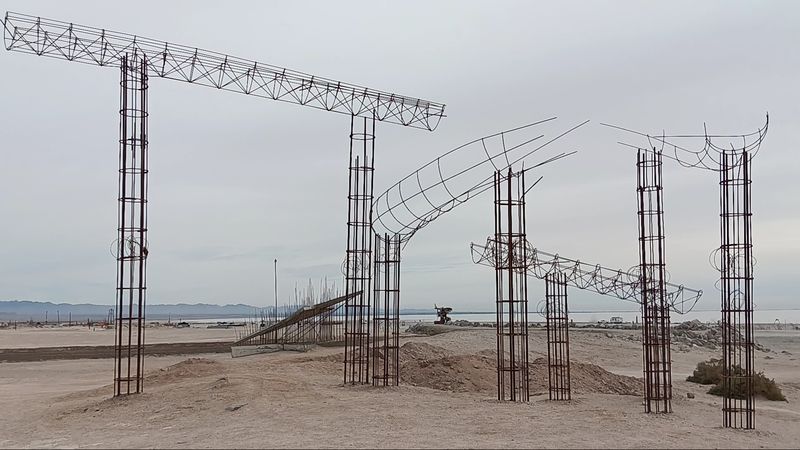
Around the Salton Sea you find places where art and desert grit meet, creating a visual language that feels improvised yet intentional.
Bombay Beach has become a magnet for installations that play with water lines, horizon cues, and the poetry of ruin.
Wandering the streets you might encounter small galleries tucked into former homes where found objects become surprising sculptures.
Artists often show up seasonally, building pieces that weather in sun and wind until they feel fused with the shore.
Local makers swap materials and stories, which adds a social heartbeat to a town that many people once wrote off.
Murals pop against pale salt tones, giving photographers graphic backdrops that change with new layers each year.
Community events arrive in waves, and you should check current calendars because schedules adapt to heat and visitor flow.
Respect private property and ask before entering fenced spaces, since some installations sit beside occupied residences and workshops.
Many works reference the lake’s ecological shifts, turning data and memory into symbols you can read from different angles.
Sunrise walks reveal textures and cast shadows that make even small pieces feel monumental against open sky.
Conversation with residents often leads to the best finds, like a courtyard filled with kinetic metal that sings in wind.
Bring sun protection and water, because creativity thrives here but shade can be limited during midday hours.
Photograph details as much as wide scenes, capturing the patina that time paints on wood, metal, and concrete.
You leave with a sense that the desert edits everything, and that editing becomes part of the ongoing art.
Access points and visitor basics
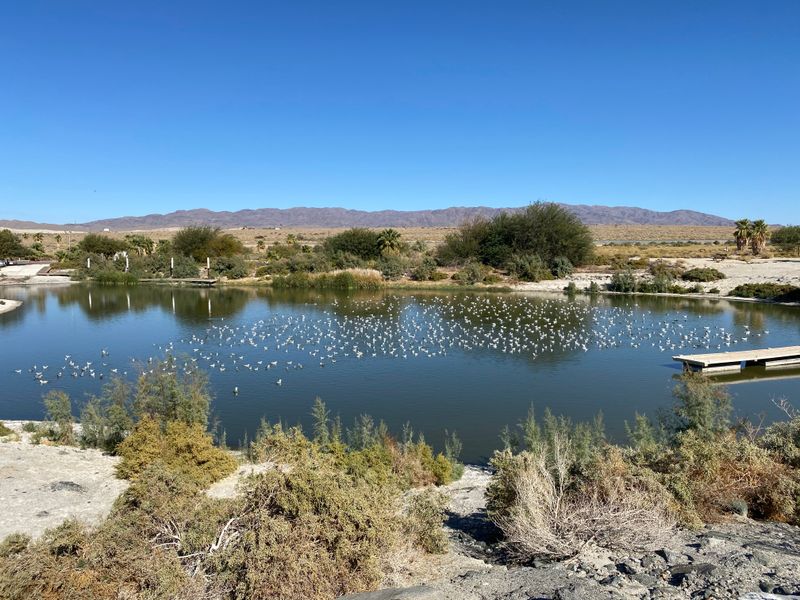
Navigating the Salton Sea means picking access points that match your plans, whether birding, photography, or a simple shoreline walk.
Cell coverage varies, so download offline maps and carry extra water because distances stretch longer in desert heat.
Public areas include state recreation lands and wildlife areas with signed turnouts, parking zones, and basic information boards.
Restrooms are limited, so plan stops in nearby communities before heading to quieter stretches of shoreline.
Seasonal closures can protect habitat, especially during nesting periods when disturbance has outsized impacts on stressed bird populations.
Footwear with decent tread helps on crunchy barnacle beaches where footing can be uneven and sometimes slippery.
Mornings feel friendlier for hiking, giving you cooler temperatures and softer light for comfortable exploring.
Afternoons can bring wind and choppy water, so secure loose items and keep camera bags zipped against dust.
You will find interpretive signs that explain ecology and history, which adds context to the starkly beautiful views.
Check official California State Parks pages for current conditions and any project work near popular shoreline segments.
Parking pullouts can fill on holiday weekends, so arrive early or shift to less known sections with similar scenery.
Leave no trace principles keep the experience pleasant for everyone, and pack out all trash including tiny bits.
Remember that salt flats can look solid yet hide soft spots, so test surfaces before committing heavy steps.
With patience and common sense, this lake becomes approachable and safe, revealing more with each short return visit.
Restoration projects you can actually see
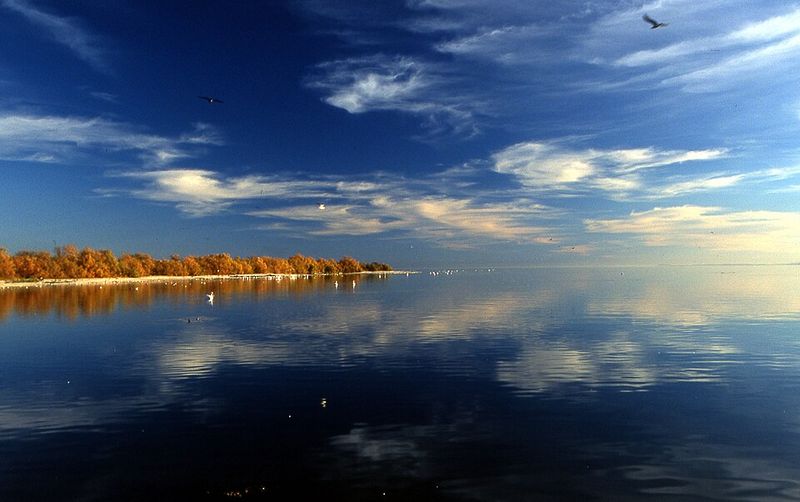
The Salton Sea is changing, and restoration projects give you visible proof that problem solving is underway across several shores.
Habitat ponds are being built to create fish and bird zones where salinity and depth can be managed more precisely.
Engineered berms help shape these cells, allowing managers to add flows that support foraging and safer roosting areas.
Nearby dust suppression efforts stabilize exposed playa with surface treatments and shallow flooding that reduces windblown particles.
Interpretive signs at some sites explain the goals in clear language so visitors can connect the dots between steps.
You may see earthmovers during weekdays, which underscores how this work is active, iterative, and carefully staged.
Wildlife often investigates new edges quickly, and watching that response gives a hopeful counterpoint to slower structural change.
Project maps on state websites reveal timelines, funding sources, and milestone targets that are updated as progress continues.
Public tours sometimes occur, especially when milestones are reached and managers want to share on the ground context.
Bring questions and listen closely, because staff blend science, engineering, and community needs in every design choice.
Photography works best from safe pullouts where you can frame ponds, berms, and birds without entering restricted zones.
The scale can be hard to grasp until you notice survey stakes marching across flats like measured notes on staff paper.
California’s commitment shows up in these details, and it helps to see work rather than only read headlines online.
Leaving a site like this, you feel the future getting sketched in real time across a vast and difficult canvas.
Safety, air quality, and seasonal timing
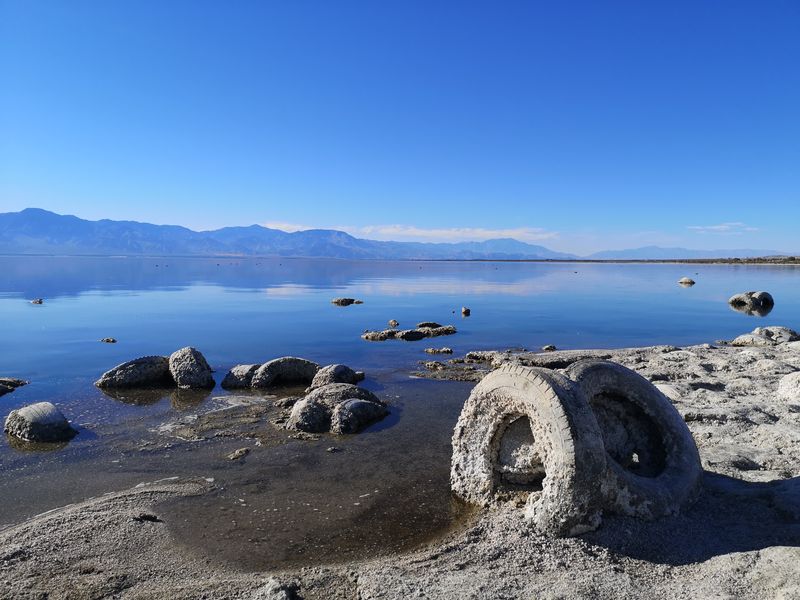
Planning for safety at the Salton Sea starts with timing, since weather drives comfort, visibility, and overall enjoyment.
Spring and fall offer moderate temperatures that suit hiking, photography, and long walks along textured shoreline zones.
Summer heat can be intense, so early mornings and short excursions keep energy levels steady and decision making clear.
Air quality varies with wind and dust, and checking regional forecasts helps you pick the cleanest windows for visits.
Masks can be useful on gusty days when fine particles lift from exposed playa and move toward road corridors.
Hydration is essential in this dry region, and carrying more water than you think you need is wise.
Sun exposure builds quickly, so broad brim hats, long sleeves, and sunscreen turn into non negotiable basics.
Footing near the water may be soft, which calls for careful steps and a willingness to backtrack when needed.
Travel with a charged phone and let someone know your general plans before leaving paved roads and services.
Wildlife deserves space, and that includes nesting birds that rely on quiet stretches free of frequent human interruption.
Winter can bring dramatic skies and cooler days, plus clearer air after passing systems rinse away regional haze.
Even on beautiful afternoons, temps can drop fast near sunset, so layers keep you comfortable while light fades.
California deserts reward patience and respect, which means reading conditions and adjusting the day with gentle flexibility.
The best trips balance ambition with care, leaving you tired in a good way rather than depleted by the elements.
Where to base yourself for exploring
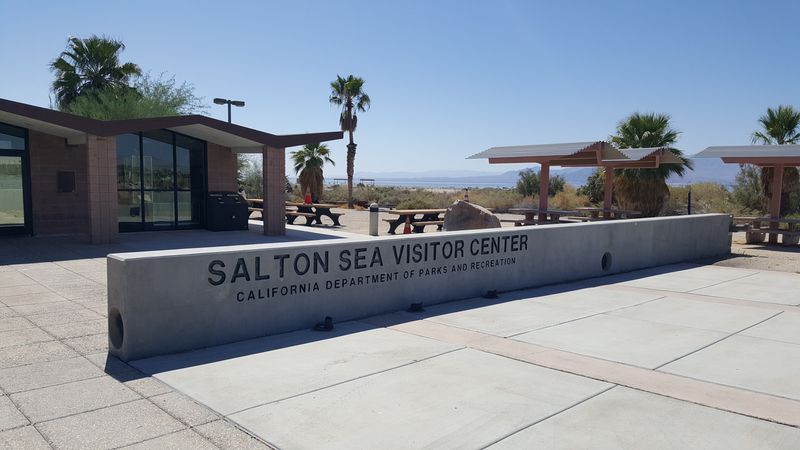
Choosing a base near the Salton Sea depends on whether you want quick shoreline access or broader regional day trips.
Indio and Coachella provide full services and easy highway links, which makes sunrise missions to the lake very doable.
Calipatria and Brawley sit to the south with straightforward drives that reach lesser visited segments of beach and berm.
Lodging ranges from classic motels to contemporary hotels, and availability shifts with festival seasons and winter snowbird demand.
If you prefer quiet nights, look for smaller properties tucked off main roads where parking is easy and check in simple.
Campers should confirm current rules for dispersed sites and designated campgrounds before setting plans in a protected zone.
Groceries and fuel are easier to stock in larger towns, which saves time when sunrise calls you to the shore.
Plan a flexible route that pairs lake sessions with nearby desert attractions to keep days varied and refreshing.
Ask locals about road conditions after storms, since unpaved connectors can change quickly with ruts or soft patches.
Maps help you gauge travel times, and remember that scenic stops always take longer than you budget at first.
Staying two or three nights lets you sample different light and wind patterns that shape photos and bird activity.
Quiet evenings make great editing windows, so bring a simple workflow to back up files before the next dawn.
California road trips thrive on balance between movement and rest, and this lake rewards the slower approach.
Pick a base that reduces stress and maximizes curiosity, then let the shoreline set your daily rhythm with grace.
Responsible travel and etiquette by the water
Traveling responsibly at the Salton Sea makes visits better for everyone, including the birds that rely on these fragile margins.
Stick to established paths where possible to avoid crushing vegetation or disturbing crust that holds the surface together.
Pack out all trash, and consider picking up small bits of plastic that the wind strands along the high tide line.
Keep noise low in sensitive areas so wildlife can rest and feed without unnecessary stress from sudden movements.
If you bring a dog, leash rules often apply to protect nesting zones and avoid conflicts with other visitors.
Photography should never push you into restricted zones, and long lenses solve most distance problems without leaving footprints.
Respect any closures with clear signs, since those reflect current conditions that change faster than printed maps.
Share space kindly at popular pullouts, giving fellow travelers a chance to enjoy quiet moments and views.
Local volunteers sometimes host cleanups, and joining one can turn a quick stop into a meaningful morning.
Refillable bottles and simple picnic kits reduce single use waste, which keeps the shoreline feeling light and open.
Teach kids to spot tracks and patterns, turning etiquette into a game that rewards patience and close looking.
Ask before photographing people or private property, since respect builds the kind of travel culture we all appreciate.
California outdoor ethics translate well here, blending common sense with an extra dose of care for fragile surfaces.
Small choices add up, and your calm example helps the lake feel welcoming while staying wild enough to breathe.
Legends, memory, and the mood of place
The Salton Sea carries a mood that people try to describe with words like haunted, though what you feel is more layered.
Local stories, legends, and traveler tales collect here, mixing with firsthand memories of resorts, storms, and perfect pink sunsets.
One recurring theme is the way sound travels, as if the flats were designed to bend whispers into echoes.
You might hear about lights across the water that seem to float, which usually resolve into distant cars on causeways.
Some remember childhood fishing trips and campfire evenings when the shoreline sat closer and the air felt softer.
Others talk about silence so thick that even a pelican landing becomes a moment you carry for years.
Photography amplifies this mood because still frames hold symbols that your mind completes with imagined narratives.
Write down impressions after each visit since the lake changes and small details fade faster than you expect.
Artists and poets use the sea as a mirror that reflects their own questions about time and repair.
If you listen without rushing, the place gives you permission to slow thought until it matches the horizon.
Legends stay clearly labeled as legends, reminding us to honor fact while allowing room for mystery and wonder.
Travel teaches that both can coexist, especially in a desert where light edits every scene a dozen ways.
California has many iconic views, but few carry this particular blend of space, history, and persistent quiet.
You leave changed in small ways, noticing how stillness can feel like company rather than an empty room.
Dear Reader: This page may contain affiliate links which may earn a commission if you click through and make a purchase. Our independent journalism is not influenced by any advertiser or commercial initiative unless it is clearly marked as sponsored content. As travel products change, please be sure to reconfirm all details and stay up to date with current events to ensure a safe and successful trip.
